
Finding Light: A Journey of Hope and Healing From Panic.


Welcome to Mind Care Guide, a place where understanding meets empathy.
Are you searching for ways to navigate the overwhelming sensation of panic? You're not alone. In "Finding Light: A Journey of Hope and Healing From Panic," we delve into panic attack coping strategies naturally, offering practical tools and compassionate guidance to help you reclaim control. Curious to discover how you can find relief and build resilience? Let's explore together.
Finding Light: A Journey of Hope and Healing From Panic
- Understanding Panic Disorder and Its Impact on Mental Well-being
- Natural Panic Attack Coping Strategies: A Holistic Approach
- Exploring Holistic Therapies for Panic Attack Relief
- Building a Support System for Panic Disorder Recovery
- Creating a Personalized Panic Attack Management Plan
- Reframing Panic: From Fear to Empowerment
- Resources for Panic Disorder and Anxiety Management
-
Frequently Asked Questions
- What are some natural panic attack coping strategies that I can use immediately when one starts?
- How can I identify my panic attack triggers to prevent future episodes?
- Besides breathing exercises, what other natural methods can help manage panic attacks long-term?
- When should I consider seeking professional help for panic attacks, even if I'm using natural coping strategies?
- Are there specific herbal remedies or supplements that can help with panic attacks, and how should I approach using them?
- Final Reflection: Embracing the Light After the Storm
- Ignite Your Inner Strength: Steps to Calm and Clarity
Understanding Panic Disorder and Its Impact on Mental Well-being
Defining Panic Attacks: Symptoms and Experiences
Panic attacks are sudden episodes of intense fear that trigger severe physical reactions when there is no real danger or apparent cause. These episodes can be terrifying, leaving individuals feeling out of control, as if they are having a heart attack, going crazy, or even dying. Common physical symptoms include a racing heartbeat, sweating, trembling or shaking, shortness of breath or a feeling of being smothered, chest pain, nausea, dizziness, chills or hot flashes, numbness or tingling sensations, and a feeling of derealization or depersonalization. These symptoms typically peak within minutes and can last for several minutes, sometimes longer.
The experience of a panic attack is highly personal but universally distressing. For many, the sheer intensity of the physical sensations, coupled with the overwhelming sense of dread, is profoundly disorienting.
Imagine a sudden wave of terror washing over you while your body reacts as if facing an immediate, life-threatening threat – your heart pounding against your ribs, your breath catching in your throat, and a dizzying sense that reality is slipping away. This combination of intense physical and psychological distress is the hallmark of a panic attack, making it a distinct and often bewildering experience for those who suffer from them.
The Psychological Toll of Panic Disorder: Anxiety and Fear
Beyond the acute episodes, living with panic disorder often means grappling with persistent anxiety and anticipatory fear. This fear isn't just about specific situations; it's often a fear of having another panic attack itself. This can lead to a vicious cycle where the fear of panic triggers anxiety, which in turn can make a panic attack more likely. This constant state of worry, sometimes called "fear of fear," significantly impacts a person's psychological well-being, creating a backdrop of unease even during calm moments.
The psychological burden extends to feelings of vulnerability and helplessness. Many individuals report feeling constantly on edge, hyper-aware of their bodily sensations, and interpreting normal physical cues (like a slightly elevated heart rate after climbing stairs) as signs of an impending attack. This hypervigilance is exhausting and can erode confidence, leading to a sense of being fragile or unable to cope with everyday stressors. The mental energy consumed by managing this underlying anxiety leaves less capacity for joy, spontaneity, and overall mental resilience.
Panic disorder doesn't confine itself to isolated episodes; its effects ripple through virtually every aspect of daily life. The unpredictability of attacks, coupled with the fear of having one in public or in situations where escape might be difficult, often leads to avoidance behaviors. People might start avoiding crowded places, public transportation, driving, or even leaving their homes, developing a condition known as agoraphobia in severe cases. This withdrawal significantly limits social interactions and participation in activities that were once enjoyable.
In the workplace, the impact can range from difficulty concentrating due to underlying anxiety to missing work or avoiding travel for fear of an attack. Relationships can also suffer; partners or family members may struggle to understand the disorder, and the person experiencing panic may feel like a burden or become isolated due to avoidance. A study exploring the impact of anxiety disorders, including panic disorder, indicated that individuals often report significant impairment in social functioning, sometimes leading to reduced quality of life comparable to major physical health conditions.
Natural Panic Attack Coping Strategies: A Holistic Approach
Immediate Relief Techniques for Panic Attacks: Breathing Exercises and Grounding
When a panic attack strikes, having immediate, natural panic attack coping strategies can be incredibly empowering. Two fundamental approaches involve regulating your physiology through breathing and anchoring yourself to the present moment through grounding techniques. These methods don't require any external tools and can be practiced anywhere, offering a sense of control when you feel overwhelmed. They are among the most accessible natural ways to cope with panic episodes.
Learning natural strategies for managing panic attacks starts with the breath. During panic, breathing often becomes rapid and shallow (hyperventilation), which can exacerbate symptoms like dizziness and chest tightness. Grounding helps disrupt the cycle of escalating fear by bringing your focus away from distressing thoughts and sensations and onto your immediate physical surroundings. Mastering these simple yet effective techniques provides vital tools for navigating the acute phase of an attack.
Diaphragmatic Breathing for Panic Attack Management
Diaphragmatic breathing, also known as belly breathing, is a powerful technique for calming the nervous system during a panic attack. Instead of breathing shallowly from the chest, this method involves taking slow, deep breaths that engage the diaphragm, located just below the lungs. The process typically involves inhaling slowly through the nose, allowing the abdomen to expand, holding the breath for a moment, and then exhaling slowly through the mouth, letting the abdomen fall. A common pacing is inhaling for a count of four, holding for two, and exhaling for six or seven.
Practicing this technique regularly, even when not experiencing panic, helps make it a more natural response during times of stress. During an attack, focusing on the rhythm and sensation of the breath helps to interrupt the fight-or-flight response, slow the heart rate, and restore a sense of calm. Many individuals find that even a few minutes of focused diaphragmatic breathing can significantly reduce the intensity and duration of a panic episode.
Grounding Techniques to Center Yourself During a Panic Episode
Grounding techniques are designed to pull you out of your head and into the physical reality of the present moment, which is particularly helpful when experiencing derealization or feeling detached during a panic attack. A popular method is the "5-4-3-2-1" technique: acknowledge 5 things you can see, 4 things you can touch, 3 things you can hear, 2 things you can smell, and 1 thing you can taste. This systematic engagement of the senses redirects focus away from internal fear and towards external stimuli.
Other grounding methods include focusing on your body's contact with the ground or a chair, describing your immediate surroundings in detail, or holding a comforting object and focusing on its texture and temperature. The goal is to anchor your awareness firmly in the 'here and now', reminding your nervous system that you are physically safe. These natural panic attack coping strategies help re-establish a sense of connection to reality when panic threatens to overwhelm you.
Long-Term Strategies for Managing Panic Disorder Naturally
While immediate techniques help during an attack, long-term natural panic attack coping strategies are essential for reducing the frequency and intensity of episodes over time and fostering overall resilience. These involve addressing the underlying thought patterns and lifestyle factors that contribute to panic disorder. Integrating these practices into your daily routine is key to sustained healing and reclaiming control over your life.
Effective long-term management often involves a combination of therapeutic approaches and healthy habits. These natural methods for managing panic attacks work synergistically to build a stronger foundation of mental and physical well-being, making you less susceptible to the triggers of panic. Committing to these strategies requires patience and consistency, but the cumulative benefits can be profound.
Cognitive Behavioral Therapy (CBT) for Panic Disorder: Retraining Your Thoughts
Cognitive Behavioral Therapy (CBT) is one of the most extensively researched and effective psychological treatments for panic disorder. It operates on the principle that our thoughts, feelings, and behaviors are interconnected and that by changing negative or irrational thought patterns, we can change our emotional and behavioral responses. For panic disorder, CBT typically involves identifying catastrophic interpretations of physical sensations (e.g., interpreting a racing heart as a heart attack) and challenging these thoughts with more realistic ones.
A core component of CBT for panic disorder is exposure therapy, which involves gradually and safely exposing individuals to the physical sensations associated with panic (like getting dizzy by spinning or shortness of breath by breathing through a straw). This process, called interoceptive exposure, helps individuals learn that these sensations are not dangerous and that they can tolerate them without having a full-blown attack. Studies have shown that a significant percentage of individuals engaging in CBT experience a substantial reduction in panic attack frequency, often achieving a level of control that allows them to resume normal activities.
Lifestyle Changes for Anxiety Reduction: Diet, Exercise, and Sleep
Making positive lifestyle changes is a powerful natural approach to managing panic disorder and reducing overall anxiety levels. Regular physical activity, particularly aerobic exercise, has been shown to be incredibly effective. Engaging in activities like brisk walking, jogging, swimming, or cycling for 30 minutes or more most days of the week can act as a natural stress reliever, reduce muscle tension, and improve mood by releasing endorphins. Some research suggests regular exercise can decrease anxiety symptoms by a notable amount, sometimes comparable to the effects of medication for mild to moderate cases.
Diet plays a role too; while no specific diet cures panic disorder, reducing stimulants like caffeine and alcohol, which can mimic panic symptoms, is often recommended. Focusing on a balanced diet rich in whole grains, lean proteins, fruits, and vegetables supports overall brain health. Adequate sleep is also crucial; chronic sleep deprivation can increase stress hormones and make individuals more vulnerable to anxiety and panic. Aiming for 7-9 hours of quality sleep per night can significantly improve resilience and reduce the likelihood of attacks. These lifestyle adjustments are vital natural panic attack coping strategies.
Exploring Holistic Therapies for Panic Attack Relief
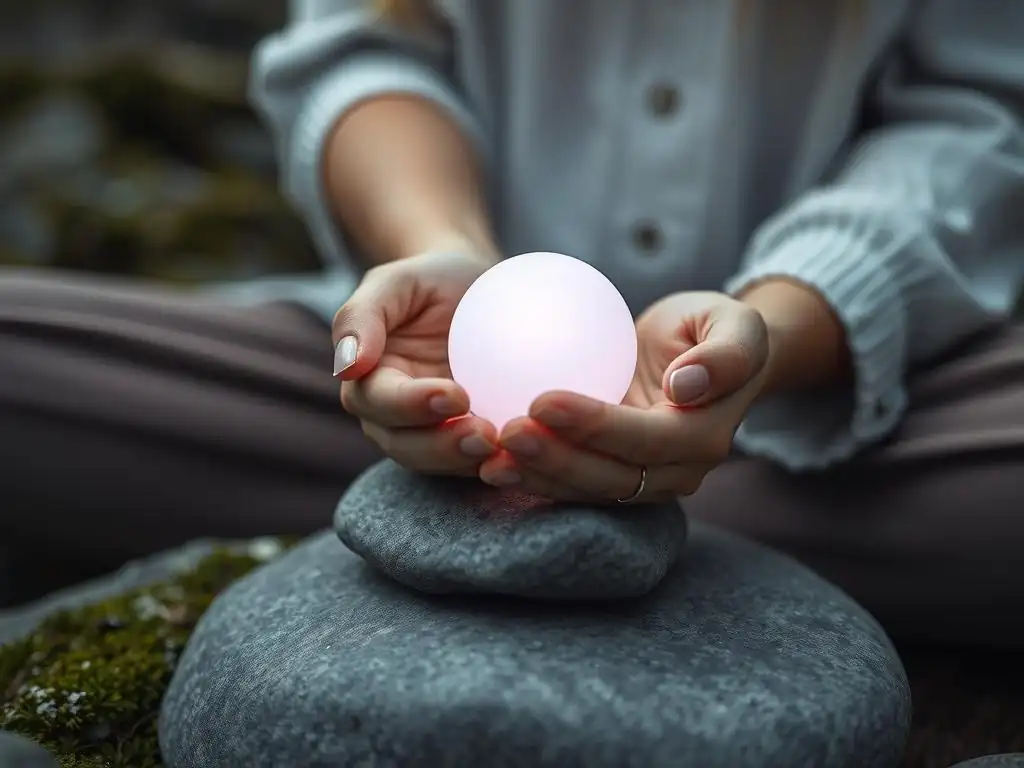
The Role of Mindfulness in Reducing Panic Attack Frequency
Mindfulness is a practice that involves focusing awareness on the present moment, non-judgmentally. For individuals with panic disorder, who are often caught in cycles of worry about the future or ruminating on past attacks, mindfulness offers a way to ground themselves in the 'now'. By practicing mindfulness regularly, individuals can become more aware of their thoughts and physical sensations without immediately reacting to them with fear. This allows for a greater ability to observe early signs of anxiety or panic without escalating into a full-blown attack.
Integrating mindfulness into daily life, even for just a few minutes each day through meditation or mindful activities like eating or walking, can build a stronger capacity to tolerate uncomfortable feelings. It teaches the mind to resist getting carried away by catastrophic thinking. Over time, this practice can reduce anticipatory anxiety and lessen the tendency to interpret normal bodily sensations as dangerous, thereby potentially reducing the frequency and intensity of panic attacks.
Yoga and Meditation for Panic Disorder: Finding Calm and Balance
Yoga and meditation are ancient practices that offer profound benefits for managing anxiety and panic disorder. Yoga combines physical postures, breathing techniques, and meditation, promoting both physical relaxation and mental calm. The focus on movement and breath helps release physical tension often held in the body due to chronic stress and anxiety. Specific yoga poses can help activate the parasympathetic nervous system, promoting a relaxation response.
Meditation, particularly practices like loving-kindness meditation or simple breath-focused meditation, trains the mind to be less reactive to fearful thoughts and sensations. Regular meditation practice can lower stress hormones and increase feelings of peace. Many people find that incorporating yoga or meditation into their routine, even for 15-20 minutes daily, significantly improves their ability to manage anxiety and serves as effective holistic panic attack coping methods.
Herbal Remedies and Supplements for Anxiety and Panic: Lavender, Chamomile, and Magnesium (Consult Your Doctor)
Some individuals explore herbal remedies and nutritional supplements as complementary natural panic attack coping strategies. Certain herbs have traditional uses for calming the nervous system. For example, lavender, often used in aromatherapy or as a supplement, is thought to have anxiolytic (anxiety-reducing) properties. Chamomile tea is widely used for its gentle calming effects.
Magnesium is a mineral that plays a role in nerve function and stress response, and some people with anxiety have been found to have lower levels. Supplementation is sometimes explored, but it's important to note that research on the effectiveness of these specific remedies for panic disorder is often limited or inconclusive. It is absolutely crucial to consult with a qualified healthcare professional or psychiatrist before starting any herbal remedy or supplement, as they can interact with medications or have side effects. This information is for educational purposes only and should not be considered medical advice.
Building a Support System for Panic Disorder Recovery
Navigating panic disorder can feel isolating, but social support is a vital component of the healing journey. Sharing your experiences with trusted friends, family members, or a partner can alleviate feelings of shame and loneliness. Simply knowing that you are not alone and that others care about your well-being provides a significant emotional buffer against the distress caused by panic attacks and anticipatory anxiety.
Opening up about your struggles allows loved ones to understand what you are going through and learn how they can best support you. This might involve them understanding your need to leave a situation if panic arises, offering reassurance during anxious moments, or simply providing companionship during challenging times. Strong social connections contribute to overall resilience and make implementing natural panic attack coping strategies easier.
Connecting with others who have similar experiences can be incredibly validating and empowering. Joining a panic disorder support group, whether in person or online, provides a safe space to share your story, learn from others' coping strategies, and feel understood by people who truly grasp the challenges of living with this condition. Hearing how others have successfully managed their symptoms offers hope and practical insights.
Support groups offer a sense of community and belonging that can counteract the isolation often felt with panic disorder. Members can share effective natural ways to cope with panic episodes they've discovered, discuss therapeutic approaches, and provide mutual encouragement during setbacks. The shared understanding and collective wisdom within a support group can be a powerful catalyst for recovery.
Seeking Professional Help: When to Consult a Therapist or Psychiatrist
While natural panic attack coping strategies are valuable, professional help is often essential for effectively managing panic disorder, especially when symptoms are severe, frequent, or significantly impacting daily life. A therapist specializing in anxiety disorders, particularly one trained in CBT, can provide structured guidance, teach proven techniques, and help address underlying issues contributing to the panic.
A psychiatrist may be consulted if medication is being considered as part of the treatment plan, though many individuals manage panic disorder effectively without medication through therapy and natural methods. Deciding when to seek professional help is a personal choice, but generally, if panic attacks are happening regularly (e.g., weekly or more often), if anticipatory anxiety is constant, or if avoidance behaviors are limiting your life, consulting a professional is highly recommended. They can offer a comprehensive diagnosis and tailored treatment plan.
Creating a Personalized Panic Attack Management Plan
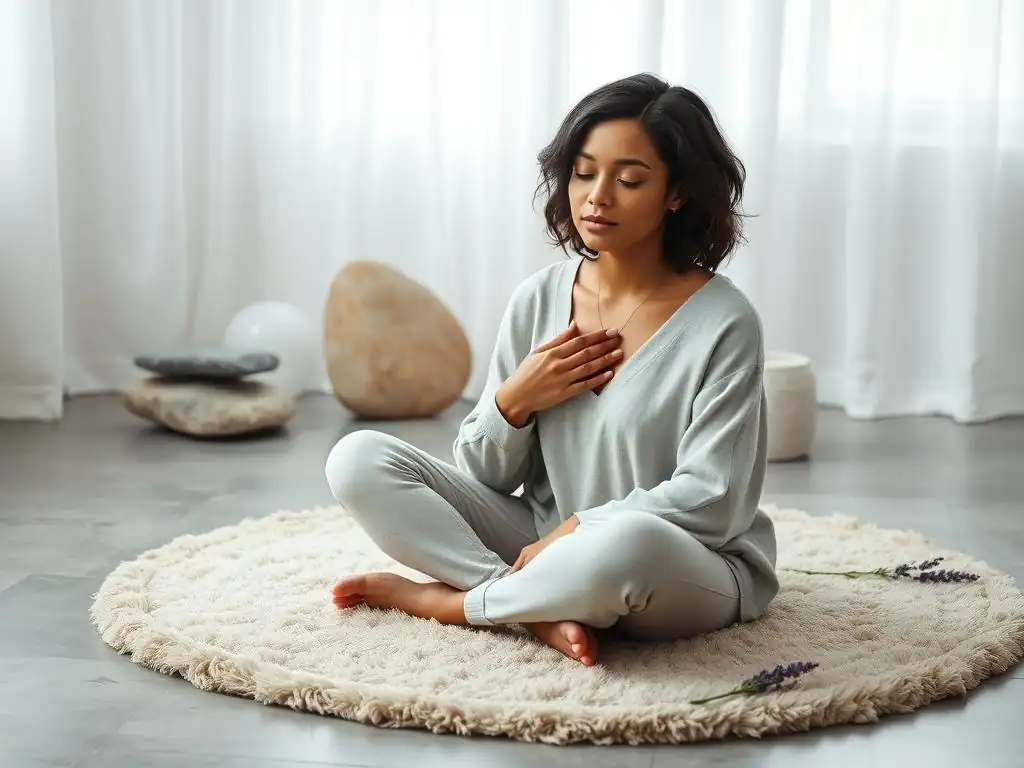
Identifying Panic Attack Triggers: Understanding Your Individual Patterns
A crucial step in managing panic disorder is identifying your personal triggers. These can be specific situations (like public speaking or crowded places), internal sensations (like a rapid heartbeat or feeling lightheaded), or even thoughts or emotions. Keeping a journal to track when and where panic attacks occur, what you were doing, how you were feeling, and what you were thinking just before the attack can reveal patterns and help you understand what might be contributing to your episodes.
Recognizing your triggers is not about avoiding them entirely (especially if they are internal sensations or unavoidable situations), but about understanding them so you can prepare and apply your natural panic attack coping strategies proactively. This self-awareness is a foundational element of taking control and building resilience against panic.
Developing a Crisis Plan: Steps to Take During a Panic Attack
Having a clear, step-by-step crisis plan can significantly reduce the fear of losing control during a panic attack. This plan should be written down and easily accessible (e.g., in your phone notes or a small card in your wallet). It outlines the specific natural panic attack coping strategies you will use when symptoms begin.
Your crisis plan might include:
- Acknowledging the sensations without judgment ("This is a panic attack, it will pass").
- Starting a specific breathing exercise (e.g., 4-7-8 breathing).
- Using a grounding technique (e.g., the 5-4-3-2-1 method).
- Having a calming phrase or mantra to repeat.
- Knowing who you can contact for support if needed.
- Reminding yourself that the panic is temporary and not dangerous.
Having this plan ready provides a roadmap during moments of intense distress.
Tracking Your Progress: Monitoring Symptoms and Celebrating Milestones
Tracking your progress is an empowering part of the recovery process. Continue using your journal or a dedicated app to monitor the frequency and intensity of panic attacks, as well as your anxiety levels. Note which coping strategies you used and how effective they felt. This data provides objective evidence of your progress and helps identify strategies that work best for you.
Celebrating milestones, no matter how small, is also important. Did you successfully use a breathing technique to shorten an attack? Did you go to a place you previously avoided? Did you experience a situation that used to trigger panic but felt less anxious? Acknowledging these successes reinforces your efforts and builds confidence in your ability to manage the disorder. Recovery is a journey, and recognizing progress fuels motivation.
Reframing Panic: From Fear to Empowerment
Challenging Negative Thoughts and Beliefs About Panic
Panic disorder is often fueled by negative and catastrophic thoughts about the physical sensations of panic and the fear of future attacks. Reframing panic involves actively challenging these irrational beliefs. Instead of thinking "My heart is racing, I'm having a heart attack! ", you learn to think "My heart is racing, this is just adrenaline from anxiety, it's uncomfortable but not dangerous." This cognitive restructuring is a key aspect of many natural panic attack coping strategies, particularly those rooted in CBT.
This process takes practice and patience. It involves identifying the specific fear-inducing thoughts you have during and about panic and systematically replacing them with more realistic and less threatening interpretations. Over time, this helps to dismantle the association between physical sensations and perceived danger, weakening the panic response.
Building Self-Compassion and Resilience: Embracing Imperfection
Living with panic disorder can be emotionally draining, and it's easy to become frustrated with yourself or feel like a failure when attacks occur. Building self-compassion is crucial. Treat yourself with the same kindness and understanding you would offer a friend struggling with a similar challenge. Recognize that panic disorder is a health condition, not a personal failing.
Embracing imperfection means accepting that setbacks may happen on the path to recovery. Resilience isn't about never experiencing panic again; it's about developing the capacity to bounce back, learn from experiences, and continue moving forward despite challenges. Focusing on progress rather than perfection and practicing self-kindness are powerful components of long-term healing and effective natural strategies for managing panic attacks.
Living a Fulfilling Life Despite Panic Disorder: Hope and Recovery
Recovery from panic disorder is absolutely possible, and many individuals go on to live full, meaningful lives with significantly reduced or eliminated panic attacks. The journey involves learning to manage symptoms, addressing underlying factors, and gradually re-engaging with life. It's about shifting focus from fearing panic to living in alignment with your values and pursuing your goals.
Hope is a critical element. Understanding that panic is treatable and that you can develop effective natural panic attack coping strategies empowers you to take action. Recovery is not necessarily about eradicating every trace of anxiety, but about developing the skills and resilience to manage it effectively, reducing its impact, and preventing it from controlling your life. With the right tools, support, and persistence, finding light and healing from panic is a very real possibility.
Resources for Panic Disorder and Anxiety Management
Online Support Groups and Forums for Anxiety
Accessing online support groups and forums can provide a valuable source of community and shared experience for individuals managing panic disorder and anxiety. These platforms offer a space to connect with others anonymously, share personal stories, ask questions, and gain insights from people facing similar challenges. Finding a supportive online community can help reduce feelings of isolation and provide encouragement on the recovery journey.
Many reputable mental health organizations host forums specifically for anxiety disorders, offering moderated discussions and resources. While not a substitute for professional help, these online spaces can complement other natural panic attack coping strategies and treatment approaches by fostering connection and mutual support.
Books and Articles on Panic Disorder and Anxiety
A wealth of information is available in books and articles dedicated to understanding and managing panic disorder and anxiety. Reading about the condition can demystify symptoms, provide practical coping techniques, and offer hopeful perspectives on recovery. Many self-help books based on principles like CBT or mindfulness offer structured programs for managing panic.
Exploring articles from mental health professionals or organizations can keep you informed about the latest research and effective strategies. Educating yourself about panic disorder is an empowering step, helping you understand the mechanisms behind the attacks and providing guidance on implementing natural ways to cope with panic episodes.
Mental Health Professionals Specializing in Panic Disorder Treatment
For comprehensive and personalized care, consulting mental health professionals specializing in panic disorder treatment is highly recommended. This includes therapists (such as licensed clinical social workers, licensed professional counselors, or psychologists) who practice evidence-based therapies like CBT, and psychiatrists who can evaluate the potential role of medication if necessary.
Finding a professional with experience in treating panic disorder ensures you receive tailored strategies and support based on your specific needs and circumstances. They can guide you through identifying triggers, developing a personalized management plan, and implementing effective natural panic attack coping strategies alongside other therapeutic interventions.
Disclaimer: This information is for educational purposes only and should not be considered medical advice. Always consult with a qualified healthcare professional for any health concerns or before making any decisions related to your health or treatment.
Frequently Asked Questions
What are some natural panic attack coping strategies that I can use immediately when one starts?
Focus on your breathing. Deep, slow breaths can help calm your nervous system. Grounding techniques, like focusing on your five senses, can also help.
How can I identify my panic attack triggers to prevent future episodes?
Keep a panic attack journal. Note the circumstances, thoughts, and feelings preceding each attack to identify patterns and triggers.
Besides breathing exercises, what other natural methods can help manage panic attacks long-term?
Regular exercise and a healthy diet are crucial. Consider exploring mindfulness meditation or yoga to reduce overall anxiety levels.
When should I consider seeking professional help for panic attacks, even if I'm using natural coping strategies?
If panic attacks are frequent, severe, or impacting your daily life, professional help is recommended. A therapist can provide personalized coping strategies and address underlying issues.
Are there specific herbal remedies or supplements that can help with panic attacks, and how should I approach using them?
Some people find relief with herbs like chamomile or lavender, but consult your doctor before starting any new supplement. They can interact with medications and may not be suitable for everyone.
Final Reflection: Embracing the Light After the Storm
The pervasive shadow of panic attacks affects millions, yet the path to natural healing and lasting hope remains a journey of self-discovery. Understanding the root causes, implementing effective coping strategies, and fostering resilience are not merely theoretical concepts; they are vital tools for reclaiming control and building a life free from the debilitating grip of fear. This journey, as explored in this article, is not about eliminating panic entirely, but about learning to navigate its turbulent waters with grace and strength.
The impact of panic attacks extends far beyond the individual experience; it ripples through relationships, careers, and overall well-being. The societal stigma surrounding mental health often silences sufferers, leaving them feeling isolated and misunderstood. This silence must be broken. The greatest barrier to healing is often the silence that surrounds our pain.
This quote underscores the importance of open dialogue, self-compassion, and seeking support from others who understand. My own journey, interwoven throughout this article, is a testament to the power of vulnerability and the transformative potential of community.
You, the reader, now hold the compass and map to navigate your own path toward healing. This isn't a destination, but a continuous process of self-awareness, self-care, and unwavering hope. Embrace the tools and techniques discussed within these pages, and remember that your journey is unique and valid. Begin by identifying your triggers, practicing mindfulness techniques, and nurturing your physical and emotional well-being. Most importantly, be kind to yourself, celebrate your progress, and never underestimate the power of your own resilience. You are not alone, and the light of hope awaits you.
Ignite Your Inner Strength: Steps to Calm and Clarity
Thanks for taking this journey of hope and healing with us. We hope you've found valuable insights to navigate panic and rediscover your inner calm. Now, let's turn those insights into action!
- Prioritize one calming technique: From the article, choose the relaxation method that resonated most with you (deep breathing, mindfulness, etc.) and practice it daily for even just 5 minutes. This is your first step toward consistent self-care.
- Share your story (optional): Connecting with others facing similar challenges can be incredibly powerful. Consider sharing your experiences – anonymously if you prefer – in the comments below to inspire and support others.
- Explore further resources: Dive deeper into the world of self-care. Look for local support groups or online communities focusing on anxiety management.
What small step will you take today to cultivate more calm and clarity in your life?