
Lemon Balm & Passionflower: Combining Herbs for Anxiety Relief What Works?

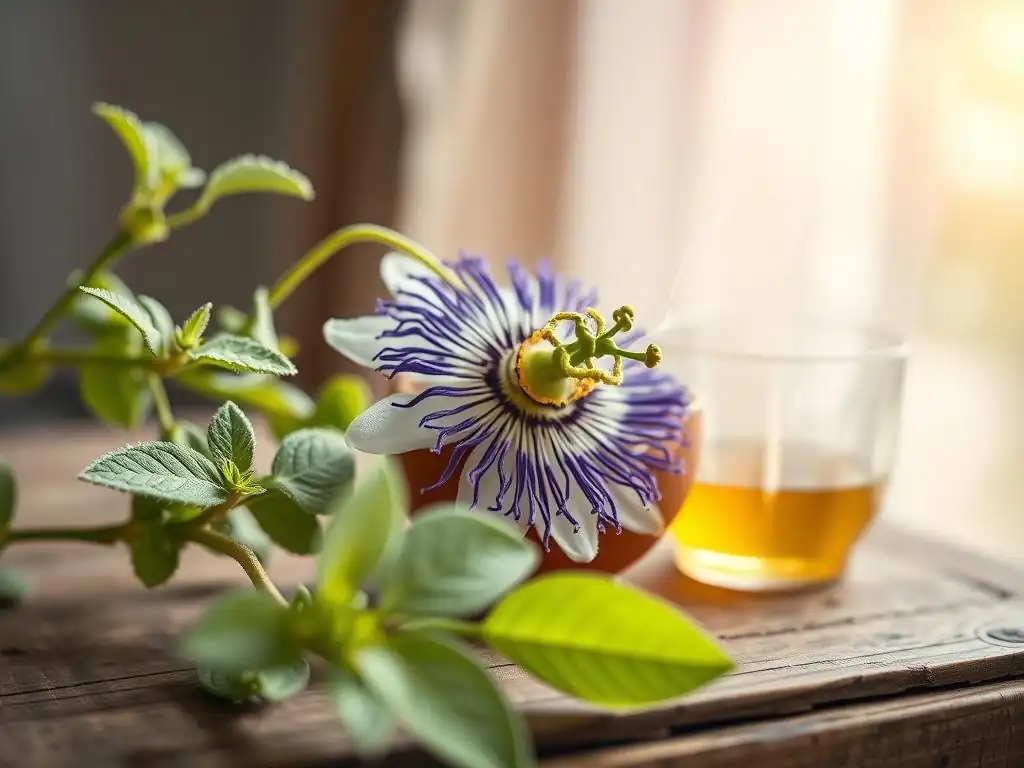
Welcome to Mind Care Guide, your compassionate companion on the path to mental well-being. Feeling overwhelmed by anxiety? You're not alone. Discover the potential of nature's calming allies in our latest article: "Lemon Balm & Passionflower: Combining Herbs for Anxiety Relief – What Works?" Could these ancient remedies offer a gentler approach to finding your inner peace? Let's explore the possibilities together, uncovering evidence-based insights and practical tips to help you navigate your anxiety journey.
Herbal Synergy: Lemon Balm & Passionflower for Anxiety & Sleep
- Introduction: Exploring Herbal Solutions for Well-being
- Understanding Anxiety and Sleep Disturbances
- Lemon Balm: The Cognitive Calmer
- Passionflower: The Gentle Relaxant
- Lemon Balm and Passionflower Combination: Synergistic Effects
- Comparing Lemon Balm & Passionflower to Other Treatments
- Optimizing the Benefits of Herbal Support
- Potential Risks and Safety Precautions
- Conclusion: Harnessing the Power of Herbal Synergy
-
Frequently Asked Questions
- What are lemon balm and passionflower, and how are they related to anxiety relief?
- How do lemon balm and passionflower work to alleviate anxiety?
- Are there any scientific studies supporting the use of lemon balm and passionflower for anxiety relief?
- What are the potential side effects or risks associated with using lemon balm and passionflower for anxiety?
- How can I incorporate lemon balm and passionflower into my routine for anxiety relief?
- Final Reflection: The Enduring Power of Herbal Remedies for Anxiety
- Unlock Your Calm: Next Steps to Anxiety Relief
Introduction: Exploring Herbal Solutions for Well-being
The Appeal of Natural Approaches to Anxiety and Sleep
Many individuals seeking support for stress, anxious feelings, and sleep difficulties are exploring natural alternatives. The appeal often lies in the desire for gentle interventions that may have fewer side effects compared to some conventional treatments. This growing interest has fueled research into various botanical options, examining their traditional uses alongside modern scientific inquiry to understand their potential benefits. Exploring herbal remedies for anxiety relief has become a significant area of focus for those looking for complementary or alternative strategies.
This exploration into natural approaches is not about replacing necessary medical care but rather understanding the spectrum of options available for managing symptoms of anxiety and improving sleep quality. Plants have been used for medicinal purposes for millennia across diverse cultures, and contemporary science is beginning to validate some of these historical applications. Understanding the evidence behind specific herbal remedies anxiety relief and sleep support can empower individuals to have informed conversations with their healthcare providers about incorporating these options into a holistic wellness plan.
Lemon Balm and Passionflower: A Complementary Herbal Blend
Among the wide array of botanicals studied for their calming properties, lemon balm (Melissa officinalis) and passionflower (Passiflora incarnata) frequently emerge as popular choices. Individually, each herb has a history of traditional use and a body of modern research supporting its potential role in promoting relaxation and reducing anxiety. When considered together, their distinct mechanisms of action suggest a potentially synergistic effect, addressing both the mental and physical aspects of stress and sleep disturbances.
This article delves into the specific properties of lemon balm and passionflower, examining the scientific evidence for their individual effects on anxiety and sleep. We will then explore the rationale behind combining these two potent botanicals, looking at how their unique actions might complement each other to provide enhanced support. Understanding this potential synergy is key for those interested in exploring herbal remedies anxiety relief through a blended approach.
Understanding Anxiety and Sleep Disturbances
Defining Generalized Anxiety Disorder and Insomnia
Generalized Anxiety Disorder (GAD) is characterized by excessive, uncontrollable worry about everyday things, often for at least six months. This worry is disproportionate to the actual likelihood or impact of the feared event and is difficult to control. Symptoms can include restlessness, fatigue, difficulty concentrating, irritability, muscle tension, and disturbed sleep. GAD significantly impacts daily functioning and quality of life, making the search for effective management strategies, including herbal remedies anxiety relief, a priority for many.
Insomnia, on the other hand, is a persistent difficulty with sleep initiation, duration, consolidation, or quality that occurs despite adequate opportunity and circumstances for sleep, and results in some form of daytime impairment. It can manifest as difficulty falling asleep, staying asleep, or waking up too early and being unable to return to sleep. Insomnia is often comorbid with anxiety disorders; studies suggest that a significant percentage of individuals with GAD also experience chronic sleep problems, highlighting the close relationship between these two conditions.
The Interplay Between Anxiety and Sleep Quality
The relationship between anxiety and sleep is complex and bidirectional. Anxiety can make it difficult to fall asleep because of racing thoughts and heightened physiological arousal. Worry about not sleeping can itself become a source of anxiety, creating a vicious cycle. Conversely, lack of adequate sleep can exacerbate anxiety symptoms, increasing irritability, difficulty managing stress, and heightening emotional reactivity throughout the day. Poor sleep can impair cognitive functions necessary for managing worry effectively.
Chronic sleep deprivation impacts the body's stress response system (the HPA axis), making individuals more susceptible to feeling stressed and anxious. This intricate connection means that effectively addressing one issue often requires addressing the other. Many people exploring herbal remedies anxiety relief are also seeking support for improving their sleep quality, recognizing that a holistic approach is often the most effective path to well-being.
Lemon Balm: The Cognitive Calmer
What is Lemon Balm? History and Uses in Europe
Lemon balm, scientifically known as Melissa officinalis, is a perennial herb in the mint family. Native to Southern Europe and the Mediterranean region, it has been cultivated and used for centuries for both medicinal and culinary purposes. The plant is easily recognizable by its gentle lemon scent when its leaves are crushed. Historically, European herbalists widely used lemon balm to soothe digestive issues, alleviate nervous tension, and promote sleep.
Its name, Melissa, comes from the Greek word for bee, reflecting its popularity among bees and its use in attracting them. Ancient Greeks and Romans used it, and it gained significant popularity throughout the Middle Ages in Europe as a calming agent and mood enhancer. Monasteries often cultivated it for its medicinal properties. Its traditional use as a remedy for anxiety, insomnia, and restlessness laid the groundwork for modern scientific investigation into its active compounds and mechanisms.
Lemon Balm for Anxiety: Clinical Trials and Meta-Analyses
Modern research has investigated lemon balm's effects on mood and anxiety, building upon its historical reputation as one of the effective herbal remedies anxiety relief. Several clinical trials have explored its efficacy. For instance, a study published in the Journal of Clinical Pharmacy and Therapeutics involving healthy volunteers found that different doses of lemon balm extract influenced mood and cognitive performance, with some doses showing a significant reduction in anxiety scores compared to placebo. Another randomized, placebo-controlled trial specifically looking at stress in healthy adults reported that participants receiving lemon balm experienced reduced self-rated stress and improved mood.
Meta-analyses consolidating findings from multiple studies provide a broader perspective. While the evidence is not universally conclusive across all study designs and populations, pooled data from some reviews suggest a positive trend. For example, one meta-analysis examining studies on Melissa officinalis reported a significant beneficial effect on anxiety symptoms in participants with mild-to-moderate anxiety. These findings lend support to lemon balm's potential as a natural option among herbal remedies anxiety relief.
Benefits of Lemon Balm: Cognitive Function and Mood Enhancement
Beyond its direct effects on anxiety, lemon balm has also been studied for its potential benefits on cognitive function and overall mood. Research suggests that certain compounds in lemon balm, such as rosmarinic acid, may inhibit the enzyme GABA transaminase, which breaks down GABA (gamma-aminobutyric acid). GABA is a neurotransmitter that helps regulate nerve activity and is known for its calming effects. By potentially increasing GABA availability, lemon balm might contribute to feelings of relaxation and reduced overstimulation.
Furthermore, studies have explored lemon balm's impact on alertness and cognitive performance. Some research indicates that while it may reduce anxiety and promote calmness, it does not necessarily induce sedation at moderate doses. Instead, some participants report improved calmness and focus. This dual potential – reducing anxiety while potentially supporting cognitive aspects – makes lemon balm a fascinating subject in the study of herbal remedies anxiety relief and cognitive support.
Lemon Balm Dosage and Potential Drug Interactions
Typical dosages for lemon balm extract used in studies for anxiety and mood range widely, often from 300 mg to 600 mg per day, though some studies use higher doses. For teas, using 1.5 to 4.5 grams of dried leaf steeped in hot water several times a day is common. It's crucial to follow dosage instructions on specific product labels, as concentration varies between extracts, capsules, and teas. Starting with a lower dose and gradually increasing is often recommended.
While generally considered safe for most people when used appropriately, lemon balm can potentially interact with certain medications. Due to its potential calming effects, it might enhance the effects of sedatives, including benzodiazepines and barbiturates, as well as medications for sleep. It could also theoretically interact with thyroid medications, although evidence for this is less robust. Individuals taking prescription medications, especially those affecting the central nervous system or thyroid, should consult a healthcare provider before using lemon balm to ensure it is safe and won't interfere with their treatment plan.
Passionflower: The Gentle Relaxant
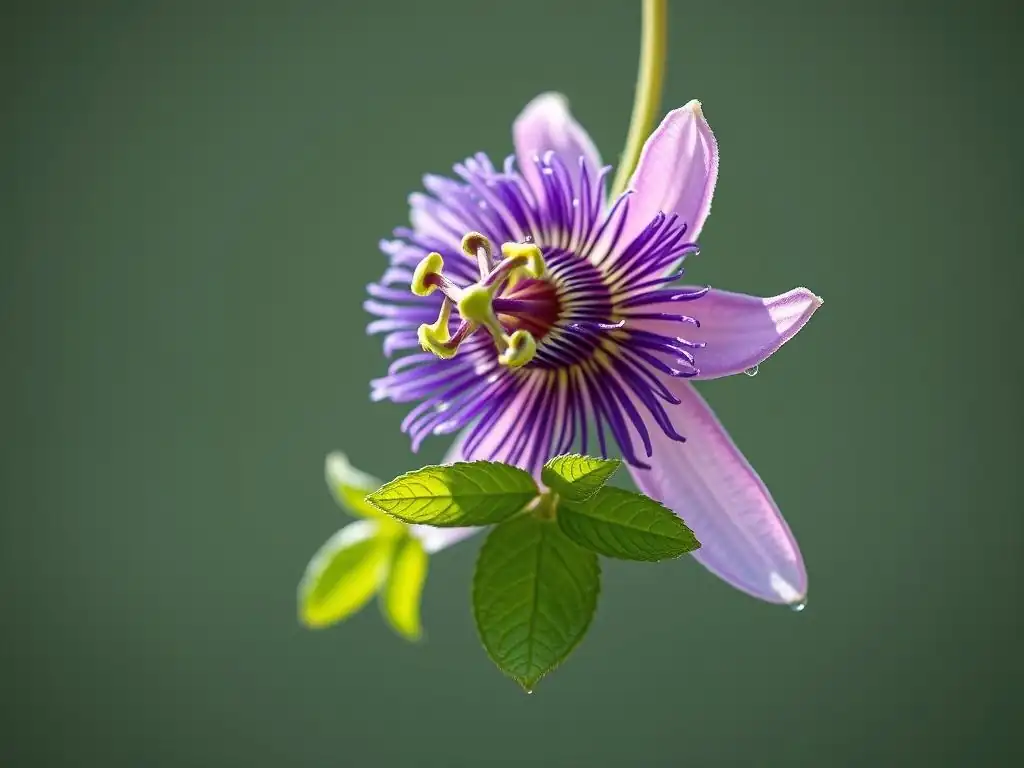
Passionflower Explained: Native American and European Traditions
Passionflower, scientifically known as Passiflora incarnata, is a climbing vine native to the southeastern United States and Central and South America. Its stunning, intricate flowers captivated early European explorers, who saw religious symbolism in their structure, hence the name "passionflower" (referring to the Passion of Christ). Native American tribes traditionally used passionflower for its calming properties, employing it to soothe nervous tension, promote relaxation, and aid sleep.
This knowledge was adopted by European herbalists in the 16th and 17th centuries, and passionflower became a popular botanical remedy for anxiety, insomnia, and restlessness throughout Europe. It was even listed in the United States National Formulary in the early 20th century as a sedative. Its long history of use across different continents highlights its perceived efficacy as one of the traditional herbal remedies anxiety relief and sleep support.
Passionflower for Anxiety: Double-Blind Studies and Efficacy
Modern scientific investigations have sought to validate passionflower's traditional uses for anxiety. Several randomized, double-blind, placebo-controlled trials, considered a high standard in clinical research, have been conducted. One notable study published in the Journal of Clinical Pharmacy and Therapeutics compared passionflower extract to oxazepam, a common anti-anxiety medication, in patients with Generalized Anxiety Disorder. The study found that passionflower was as effective as oxazepam in reducing anxiety symptoms over a four-week period, with fewer reported side effects, particularly regarding impaired job performance.
Another study published in Phytotherapy Research investigated the effect of passionflower on anxiety in patients undergoing dental extraction. Participants who received passionflower experienced significantly lower anxiety scores compared to the placebo group. While research continues to explore the full scope of its effects and optimal uses, these studies provide compelling evidence supporting passionflower's role among effective herbal remedies anxiety relief.
How Passionflower Works: GABAergic Activity and Relaxation
The proposed mechanism of action for passionflower's calming effects primarily involves the neurotransmitter GABA. Similar to lemon balm, compounds within passionflower, such as flavonoids (like apigenin) and potentially other alkaloids, are thought to interact with GABA receptors in the brain. Specifically, some research suggests that passionflower may increase the levels of GABA or enhance its binding to receptors. GABA is the primary inhibitory neurotransmitter in the central nervous system; it reduces brain activity, leading to feelings of relaxation and calmness.
By modulating the GABAergic system, passionflower may help to quiet the excessive neural firing associated with anxiety and restlessness. This action contributes to its potential sedative and anxiolytic (anxiety-reducing) effects. Understanding this mechanism helps explain why passionflower has been traditionally and scientifically linked to promoting relaxation and improving sleep quality, reinforcing its position as a valuable component of herbal remedies anxiety relief.
Passionflower Dosage and Contraindications
Dosage recommendations for passionflower vary depending on the form (extract, tincture, tea, capsule) and the concentration of active compounds. For anxiety, clinical studies have often used doses ranging from 45 drops of a liquid extract (typically 1:1 ratio) daily, taken in divided doses, to capsules containing 200-500 mg of extract taken up to three times a day. For sleep, a single dose of 500-1000 mg of extract before bedtime or a strong tea made from 1-2 grams of dried herb is sometimes used. Always follow the specific product instructions or guidance from a qualified practitioner.
Passionflower is generally considered safe for short-term use. However, it is contraindicated in certain situations. Pregnant or breastfeeding women should avoid passionflower due to a lack of safety data and potential uterine stimulant effects in some animal studies. Individuals scheduled for surgery should discontinue passionflower use at least two weeks prior, as it may enhance the effects of anesthetics and other medications. It can also potentially potentiate the effects of sedatives, anxiolytics, and antidepressant medications, so caution is advised, and consultation with a healthcare provider is essential if taking these drugs.
Lemon Balm and Passionflower Combination: Synergistic Effects
The Rationale: Complementary Mechanisms for Anxiety and Sleep
The rationale behind combining lemon balm and passionflower for anxiety and sleep support lies in their potentially complementary mechanisms of action. Both herbs are believed to influence the GABAergic system, which plays a crucial role in reducing neuronal excitability and promoting relaxation. Lemon balm may work, in part, by inhibiting the breakdown of GABA, potentially increasing its availability in the synaptic cleft. Passionflower, on the other hand, is thought to interact directly with GABA receptors or influence GABA release, enhancing its inhibitory effects.
By potentially targeting different aspects of the GABA pathway, or by affecting other related neurotransmitter systems, the combination might offer a more comprehensive approach to calming the nervous system than either herb alone. Lemon balm is also noted for its potential cognitive benefits and mood enhancement, while passionflower is often highlighted for its sedative properties. Together, they could address both the mental agitation and physical restlessness often associated with anxiety and insomnia, offering a broader spectrum of support among herbal remedies anxiety relief.
Research on the Combined Effects: Clinical Evidence
While there is substantial research on lemon balm and passionflower individually, studies specifically investigating the synergistic effects of their combination are less numerous but promising. Some proprietary herbal blends containing both lemon balm and passionflower, often alongside other calming herbs like valerian or hops, have been evaluated in clinical settings. For instance, research on a specific combination product containing extracts of valerian, passionflower, and lemon balm has shown efficacy in improving sleep quality and reducing sleep disturbances in individuals with insomnia.
Although direct head-to-head comparisons of the combined extracts versus individual extracts or placebo specifically for anxiety are needed, the existing evidence from combination products and the understanding of their individual mechanisms suggest a plausible basis for synergistic benefits. The anecdotal evidence from traditional use and modern practitioners also often supports the use of such blends. Further targeted research is necessary to fully elucidate the potential synergistic benefits of this specific combination for herbal remedies anxiety relief and sleep improvement.
Practical Considerations: Formulations and Availability
Lemon balm and passionflower are widely available in various forms, making their combination relatively easy to access. They can be found as single-herb products (capsules, tinctures, dried leaf for tea) or in pre-formulated blends specifically marketed for stress, anxiety, or sleep. Combination products simplify dosage and ensure consistent ratios, while using single herbs allows for greater flexibility in tailoring the blend to individual needs.
When considering a combination, individuals can choose between purchasing a pre-made capsule or tincture blend, or combining single-herb tinctures or teas themselves. The choice often depends on convenience, desired dosage flexibility, and personal preference for the form of administration. Regardless of the formulation, sourcing high-quality products from reputable suppliers is crucial to ensure purity, potency, and safety when using these herbal remedies anxiety relief.
Comparing Lemon Balm & Passionflower to Other Treatments
Herbal Remedies vs. Prescription Medications for Anxiety and Sleep
When considering options for managing anxiety and sleep issues, individuals often weigh herbal remedies against prescription medications. Prescription drugs like benzodiazepines (e.g., alprazolam, lorazepam) and Z-drugs (e.g., zolpidem) are often highly effective for acute anxiety and insomnia but can carry risks of dependence, withdrawal symptoms, and side effects like drowsiness, cognitive impairment, and potential interactions. Antidepressants (like SSRIs) are frequently used for chronic anxiety and can improve sleep over time but may take weeks to show effects and can have their own side effect profiles.
Herbal remedies anxiety relief, including lemon balm and passionflower, are generally considered to have a milder effect profile and lower risk of dependence, particularly for short-term or moderate use. However, their efficacy can vary significantly between individuals, and the strength of evidence is generally not as extensive or rigorous as for pharmaceutical drugs. They may be suitable for individuals with mild to moderate symptoms or those seeking complementary support, but they are typically not recommended as substitutes for prescription medications in severe cases without strict medical supervision.
Lifestyle Modifications: Diet, Exercise, and Mindfulness
It is crucial to recognize that herbal remedies anxiety relief and sleep support are most effective when integrated into a broader strategy that includes lifestyle modifications. Diet plays a role; reducing caffeine and alcohol intake, especially in the evening, can significantly improve sleep quality and reduce anxiety. Ensuring adequate intake of nutrients like magnesium and B vitamins, found in leafy greens, nuts, and seeds, supports nervous system health.
Regular physical activity is a powerful tool for managing stress and improving sleep. Even moderate exercise can help reduce anxiety symptoms and promote deeper, more restful sleep. Mindfulness practices, such as meditation, deep breathing exercises, and yoga, teach techniques to calm the nervous system and manage anxious thoughts, providing immediate and long-term benefits. Combining these lifestyle changes with herbal support offers a holistic and often more sustainable path to well-being.
The Importance of Personalized Treatment Plans
Effective management of anxiety and sleep disturbances requires a personalized approach. What works well for one person may not work for another, whether considering therapy, medication, lifestyle changes, or herbal remedies anxiety relief. Factors such as the severity and specific nature of symptoms, underlying health conditions, other medications being taken, lifestyle, and personal preferences all influence the most appropriate course of action.
Consulting with a qualified healthcare provider or a clinical herbalist is essential to develop a safe and effective treatment plan. They can help assess your individual needs, discuss potential interactions or contraindications, and guide you in selecting the most suitable options, including how to best incorporate herbal remedies anxiety relief like lemon balm and passionflower into your overall health strategy. A professional can also help monitor your progress and make adjustments as needed.
Optimizing the Benefits of Herbal Support
Sourcing High-Quality Extracts and Teas
The effectiveness and safety of herbal remedies depend significantly on the quality of the products used. When seeking herbal remedies anxiety relief, it is vital to source high-quality extracts, capsules, or teas from reputable manufacturers. Look for products that provide information on sourcing, processing, and standardization if applicable. Standardization refers to ensuring a consistent level of key active compounds in each dose, which can help ensure predictable effects.
Certifications such as Good Manufacturing Practices (GMP) or organic certification can indicate a manufacturer's commitment to quality and purity. Purchasing from established health food stores, pharmacies, or online retailers with transparent sourcing policies is recommended. Be wary of extremely low prices, as this can sometimes indicate lower quality or adulteration. Quality sourcing ensures you are getting the intended benefits from your herbal remedies anxiety relief.
Integrating Herbal Remedies into a Bedtime Routine
For individuals using lemon balm and/or passionflower to aid sleep, incorporating them into a consistent bedtime routine can enhance their effectiveness. The body responds well to predictable signals that it is time to wind down. This routine might involve taking a warm bath, reading a book, or practicing gentle stretching or meditation in the hour or two before sleep.
Taking herbal remedies anxiety relief targeted at sleep, such as a passionflower or lemon balm tea or capsule, at the beginning of this routine allows time for the herbs to take effect before you attempt to fall asleep. Consistency is key; using the herbs regularly as part of the routine helps train your body and mind to associate these actions with preparing for rest.
Tracking Progress and Adjusting Based on Individual Response
Since individual responses to herbal remedies can vary, it is helpful to track your progress. Keep a simple journal noting when you take the herbs, the dosage, and how you feel, particularly regarding anxiety levels and sleep quality. Note any changes in how quickly you fall asleep, how often you wake up, how long you sleep, and how rested you feel in the morning. Also, track any changes in your daytime anxiety or stress levels.
Reviewing your notes after a couple of weeks or a month can help you identify if the herbal remedies anxiety relief are having the desired effect. Based on your observations and in consultation with a healthcare provider or herbalist, you can make informed decisions about adjusting the dosage, trying a different form of the herb, or exploring alternative or additional strategies. This iterative process ensures you are optimizing your approach.
Potential Risks and Safety Precautions
Understanding Potential Interactions with Sedatives and Antidepressants
While generally considered safe for many people, both lemon balm and passionflower have sedative properties and can interact with medications that also affect the central nervous system. This is a critical safety consideration when using herbal remedies anxiety relief. Combining them with prescription sedatives (like benzodiazepines or barbiturates), sleep medications (like zolpidem or eszopiclone), or even strong antihistamines can increase drowsiness and potentially lead to excessive sedation, impaired coordination, and slowed breathing.
Furthermore, some compounds in passionflower may theoretically interact with certain antidepressants, particularly MAO inhibitors, although this interaction is less commonly reported but warrants caution. Individuals taking any psychiatric medication, including antidepressants or anti-anxiety drugs, must consult their prescribing physician before adding lemon balm or passionflower to their regimen. This step is non-negotiable to prevent adverse interactions and ensure the safety and effectiveness of both the medication and the herbal support.
Identifying and Managing Rare Side Effects
Although side effects from lemon balm and passionflower are uncommon when used at recommended doses, they can occur. Lemon balm is generally very well-tolerated, but some individuals might experience mild digestive upset, nausea, or dizziness. Passionflower side effects are also rare but can include drowsiness, dizziness, and confusion. In very rare cases, some individuals might experience allergic reactions to either herb.
If you experience any unusual or concerning symptoms after taking these herbal remedies anxiety relief, discontinue use and consult a healthcare professional. Mild side effects like digestive upset might be managed by taking the herb with food or reducing the dose. Persistent or severe symptoms require medical attention to rule out other causes or reactions.
When to Consult a Physician or Herbalist
Consulting a qualified healthcare provider or a clinical herbalist is recommended before starting any new herbal remedy, especially if you have pre-existing health conditions, are pregnant or breastfeeding, or are taking any medications. It is particularly important if you are considering herbal remedies anxiety relief for significant or persistent symptoms.
You should also seek professional medical advice if:
- Your anxiety or sleep problems are severe or significantly interfering with your daily life.
- Your symptoms worsen or do not improve after using herbal remedies for a reasonable period (e.g., several weeks).
- You experience any concerning side effects.
- You are considering discontinuing prescription medication and want to transition to natural support (never do this without medical supervision).
- You have questions about appropriate dosage, potential interactions, or the best herbal remedies anxiety relief for your specific situation.
Professional guidance ensures that you are using herbal remedies safely and effectively as part of a comprehensive health plan.
Conclusion: Harnessing the Power of Herbal Synergy
Summary of the Benefits of Combining Lemon Balm and Passionflower
Lemon balm and passionflower, with their long histories of traditional use and growing bodies of scientific evidence, offer a compelling natural approach for individuals seeking support for anxiety and sleep disturbances. Individually, lemon balm is recognized for its potential to reduce anxiety and improve mood and cognitive function, while passionflower is valued for its calming and potentially sedative effects, particularly in reducing restlessness and aiding sleep onset.
When combined, these two botanicals may offer synergistic benefits by influencing the GABAergic system through potentially different mechanisms. This complementary action could provide a more holistic approach to calming the nervous system, addressing both the mental and physical manifestations of stress and anxiety, and thereby supporting improved sleep quality. Exploring this combination is a valid path for those interested in effective herbal remedies anxiety relief and sleep support.
Future Research: Exploring Specific Applications and Populations
While existing research provides a solid foundation for the use of lemon balm and passionflower, particularly individually, more targeted studies are needed. Future research could focus specifically on the synergistic effects of standardized extracts of lemon balm and passionflower in controlled trials. Investigating optimal ratios and dosages for specific conditions, such as GAD, specific types of insomnia, or stress-related digestive issues, would be valuable.
Furthermore, research exploring the long-term safety and efficacy of this combination is needed. Studies in specific populations, such as individuals with mild cognitive impairment alongside anxiety, or those with specific types of sleep disorders, could help refine the understanding of who might benefit most from these herbal remedies anxiety relief. Continued scientific inquiry will help solidify the role of these herbs in evidence-based natural medicine.
Resources: Finding Qualified Practitioners and Reliable Information
For individuals interested in exploring lemon balm, passionflower, or other herbal remedies anxiety relief, it is essential to consult with qualified professionals and access reliable information. Resources include:
- Clinical Herbalists: Practitioners trained in the therapeutic use of plants can provide personalized recommendations, dosage guidance, and information on potential interactions. Look for herbalists certified by recognized professional organizations.
- Integrative Physicians or Naturopathic Doctors: These healthcare providers often incorporate herbal medicine into their practice and can offer a balanced perspective on using botanicals alongside conventional treatments.
- Reputable Scientific Databases: Websites like PubMed (pubmed.gov) provide access to abstracts and full text of scientific studies on herbal medicine, allowing individuals to review the research evidence themselves (though interpreting studies can be complex).
- Professional Herbal Organizations: Websites of professional herbalist associations often provide directories of practitioners and educational resources.
Empowering yourself with knowledge and seeking professional guidance are crucial steps in safely and effectively using herbal remedies anxiety relief and sleep support.
Frequently Asked Questions
Lemon balm and passionflower are herbs traditionally used for their calming properties. They are sometimes combined as herbal remedies to help reduce anxiety symptoms.
How do lemon balm and passionflower work to alleviate anxiety?
Lemon balm is thought to increase GABA levels in the brain, while passionflower may affect GABA receptors. This combined effect can promote relaxation and reduce anxiety.
Are there any scientific studies supporting the use of lemon balm and passionflower for anxiety relief?
Some studies suggest that lemon balm and passionflower may have anxiolytic effects, though more research is needed. The available evidence supports their potential use for mild to moderate anxiety.
What are the potential side effects or risks associated with using lemon balm and passionflower for anxiety?
Side effects are generally mild but can include drowsiness, dizziness, or stomach upset. It's important to consult a healthcare professional before use, especially if you are taking other medications.
How can I incorporate lemon balm and passionflower into my routine for anxiety relief?
These herbs are available in various forms, such as teas, capsules, and tinctures. Start with a low dose and monitor your reaction, always consulting with a healthcare provider first.
Final Reflection: The Enduring Power of Herbal Remedies for Anxiety
The search for effective and natural anxiety relief continues to resonate deeply within our society, and the combined power of lemon balm and passionflower offers a compelling pathway towards a calmer, more balanced life. The rising tide of anxiety in modern life underscores the urgent need for accessible and holistic approaches to mental wellness, making the exploration of herbal remedies like these more relevant than ever.
The journey through the world of herbal remedies for anxiety has been a deeply personal one for me, highlighting the profound connection between nature and our well-being. I've witnessed firsthand the transformative potential of these plants, not just in their documented effects but also in the quiet moments of self-care they inspire. Nature does not hurry, yet everything is accomplished.
– Lao Tzu. This ancient wisdom rings true as we explore the gentle yet powerful effects of these herbs, reminding us that lasting change often comes from patient nurturing and a holistic approach to healing.
Consider the potential within your reach. You don't need a drastic overhaul of your life to begin incorporating the wisdom of these herbs. Start small, perhaps with a cup of calming lemon balm tea before bed, or by adding passionflower extract to your daily routine. Embrace the opportunity to listen to your body, to find the gentle rhythm of self-care that resonates with you, and to discover the enduring power of nature in your own journey towards a more peaceful existence. The path to tranquility is within reach; take the first step today.
Unlock Your Calm: Next Steps to Anxiety Relief
Thanks for taking the time to explore the power of lemon balm and passionflower for anxiety relief! We hope you found valuable insights into these natural remedies. Now it's time to put that knowledge into action.
Here are a few simple steps you can take today:
- Try a calming blend: Experiment with a tea or tincture combining lemon balm and passionflower. Note the effects on your anxiety levels throughout the day. This is your primary step towards experiencing the benefits firsthand.
- Share your experience: Let others know about your journey with these calming herbs. Share this article or your personal experience with a friend or family member who might benefit.
- Explore other natural remedies: Dive deeper into the world of herbal remedies for anxiety relief by researching other calming herbs or exploring complementary practices like meditation or mindfulness.
What unique calming rituals or practices have you discovered that help manage anxiety? Share your thoughts below!