
When Panic Strikes at Night: Understanding and Managing Nocturnal Panic.


Welcome to Mind Care Guide, a safe space dedicated to your mental well-being. Feeling lost and overwhelmed when panic seizes you in the dead of night? You're not alone. This guide delves into nocturnal panic attack treatment options, offering practical strategies and compassionate support to help you reclaim your peace. Curious about how to finally get a good night's sleep? Let's explore the path to understanding and managing these unsettling episodes together.
When Panic Strikes at Night: Understanding and Managing Nocturnal Panic
- Mind Care Guide to Nocturnal Panic Attacks
- What is a Nocturnal Panic Attack? Recognizing Nighttime Panic
- Understanding the Causes of Panic Attacks at Night
- Nocturnal Panic Attack Treatment Options: Finding Relief
-
Self-Help Strategies for Managing Nocturnal Panic
- Creating a Relaxing Bedtime Routine to Prevent Nighttime Panic
- Relaxation Techniques for Nighttime Panic: Breathing Exercises and Progressive Muscle Relaxation
- Lifestyle Changes to Reduce Nocturnal Panic: Diet, Exercise, and Sleep Hygiene
- How to Cope During a Nocturnal Panic Attack: Immediate Relief Techniques
- Long-Term Strategies for Preventing Nocturnal Panic Attacks
- Seeking Professional Help for Nocturnal Panic
- Living Well with Nocturnal Panic: A Mind Care Guide Perspective
-
Frequently Asked Questions
- What exactly is a nocturnal panic attack, and how does it differ from a regular panic attack?
- What are the common symptoms of nocturnal panic attacks?
- What are some potential causes or triggers of nocturnal panic attacks?
- What are some immediate steps I can take if I experience a nocturnal panic attack?
- What are some long-term nocturnal panic attack treatment options available from Mind Care Guide?
- Final Reflection: Finding Calm in the Night
- Conquer Your Night: Take Control of Nocturnal Panic
Mind Care Guide to Nocturnal Panic Attacks
Nocturnal panic attacks are a distressing and often frightening experience, striking individuals while they are asleep or just waking up. Unlike typical panic attacks that occur during waking hours, these episodes can feel particularly disorienting and overwhelming because they happen without conscious awareness or immediate identifiable triggers. For those affected, the fear of experiencing another attack can significantly impact sleep quality and overall well-being, leading to increased anxiety surrounding bedtime.
Understanding nocturnal panic is the first step toward managing it effectively. This guide from Mind Care Guide delves into what these attacks are, their potential causes, and explores various nocturnal panic attack treatment options and self-help strategies. Our aim is to provide clear, informative, and empathetic guidance to help you navigate the challenges of nighttime panic and find pathways to better sleep and reduced anxiety.
What is a Nocturnal Panic Attack? Recognizing Nighttime Panic
Defining Nocturnal Panic: Panic Attacks While Sleeping
A nocturnal panic attack is essentially a panic attack that occurs during sleep. It is characterized by a sudden surge of intense fear or discomfort that peaks within minutes, often waking the individual abruptly from sleep. These episodes are clinically identical to panic attacks experienced during the day, involving a range of physical and cognitive symptoms. The key difference is the timing – they happen while the person is in a sleep state.
Approximately 10-40% of people who experience panic disorder report having nocturnal panic attacks. These episodes can occur during any stage of sleep, though they are sometimes linked to transitions between sleep stages. The experience can be profoundly disruptive, leading to immediate awakenings filled with terror and physical distress. Sufferers often report waking up in a state of extreme panic, unsure of what is happening, which can exacerbate the fear.
Symptoms of Nighttime Panic: What to Look For
The symptoms of a nocturnal panic attack mirror those of a daytime attack but are experienced upon waking from sleep. These can include a racing heart or palpitations, sweating, trembling or shaking, sensations of shortness of breath or smothering, and a feeling of choking. Physical symptoms can be intense and alarming, often leading individuals to believe they are having a heart attack or other serious medical event.
Beyond the physical, cognitive symptoms are also prominent. These may involve feelings of derealization (feeling detached from reality) or depersonalization (feeling detached from oneself), fear of losing control or going crazy, and a powerful fear of dying. The suddenness and intensity of these symptoms, especially when waking from sleep, can leave individuals feeling confused, disoriented, and utterly terrified, sometimes for several minutes after the peak has subsided.
Differentiating Nocturnal Panic from Night Terrors and Sleep Apnea
It's crucial to distinguish nocturnal panic attacks from other sleep disturbances like night terrors and sleep apnea, as their causes and nocturnal panic attack treatment options differ significantly. Night terrors typically occur in non-REM sleep, often earlier in the night, and are characterized by screaming, thrashing, and intense fear, but individuals usually remain asleep or are difficult to wake and have no memory of the event afterwards. In contrast, nocturnal panic attacks occur during REM or non-REM sleep and result in full awakening with vivid recall of the panic experience and symptoms.
Sleep apnea, a condition where breathing repeatedly stops and starts during sleep, can also cause awakenings with a feeling of breathlessness or choking. However, sleep apnea is fundamentally a respiratory issue, often associated with snoring and daytime fatigue, and is diagnosed via a sleep study. While the sensation of choking can be present in both, panic attacks are primarily driven by anxiety and fear, whereas sleep apnea is a physical obstruction or neurological signal issue affecting breathing. Proper diagnosis is vital to ensure the correct nocturnal panic attack treatment options are pursued.
Understanding the Causes of Panic Attacks at Night
Potential Triggers for Nocturnal Panic
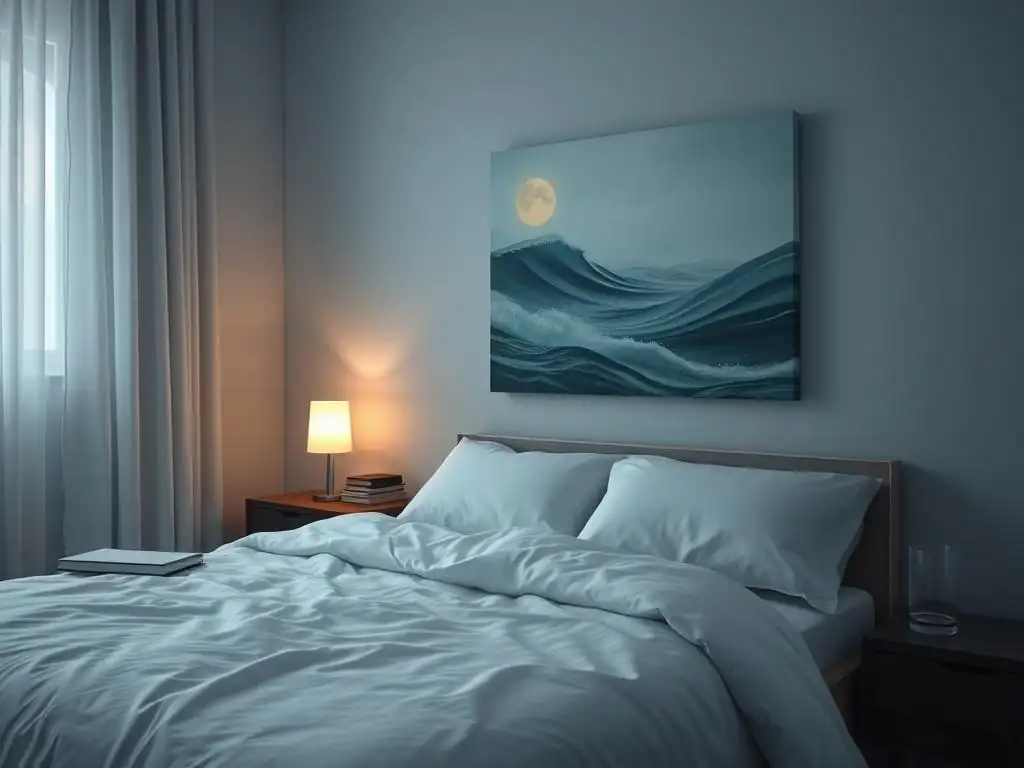
While the exact cause of nocturnal panic attacks is not always clear and can vary among individuals, certain factors are commonly associated with their occurrence. Significant life stressors, such as job loss, relationship problems, or major life transitions, can increase overall anxiety levels, making individuals more susceptible to panic attacks, including those at night. Even positive but stressful events can contribute.
Environmental triggers in the sleep space might also play a role, though less commonly than daytime triggers. For example, sleeping in an unfamiliar place, changes in sleep schedule, or even subtle disturbances like temperature fluctuations or noise could potentially increase anxiety or disrupt sleep patterns, indirectly contributing to an episode. However, often the attack seems to occur spontaneously without an obvious external trigger identifiable by the individual.
The Role of Anxiety and Stress in Nighttime Panic Episodes
Generalized anxiety and chronic stress are significant underlying factors for many individuals experiencing nocturnal panic. People with panic disorder or other anxiety disorders are at a higher risk of experiencing panic attacks, and this vulnerability doesn't disappear when they go to sleep. High levels of circulating stress hormones, like cortisol, which can be elevated due to chronic stress, may contribute to physiological arousal even during rest, potentially lowering the threshold for a panic response during sleep.
Furthermore, anticipatory anxiety about having a nocturnal panic attack can become a self-fulfilling prophecy. The fear of waking up in a state of panic can make it harder to fall asleep, increase vigilance during sleep (even unconsciously), and make any minor physical sensation during the night seem threatening, thereby increasing the likelihood of an actual panic attack. This cycle of fear and poor sleep significantly impacts quality of life.
Biological Factors Contributing to Nighttime Panic
Several biological mechanisms are thought to contribute to the occurrence of panic attacks, including those at night. Dysregulation of the body's 'fight or flight' response system, involving the sympathetic nervous system and the release of adrenaline, is central to panic disorder. This system may become overly sensitive or trigger inappropriately, leading to the sudden physical symptoms characteristic of panic.
Neurochemical imbalances, particularly involving neurotransmitters like serotonin, norepinephrine, and GABA, are also implicated in anxiety and panic disorders. Genetics may also play a role; studies indicate a higher likelihood of developing panic disorder if a family member has the condition. While research specifically on the biological underpinnings of nocturnal panic is ongoing, it's understood that the same biological vulnerabilities that predispose someone to daytime panic can manifest during sleep cycles, especially during shifts in sleep stages which involve changes in brain activity and autonomic nervous system function.
Nocturnal Panic Attack Treatment Options: Finding Relief
Comprehensive Treatment Approaches for Nocturnal Panic
Effectively managing nocturnal panic attacks typically involves a multi-faceted approach that addresses both the immediate symptoms and the underlying anxiety and panic disorder. A comprehensive treatment plan, often developed in consultation with a mental health professional, may combine therapeutic interventions, lifestyle adjustments, and sometimes medication. The goal is not only to reduce the frequency and intensity of nighttime panic episodes but also to decrease the fear associated with sleep and improve overall sleep quality.
Nocturnal panic attack treatment options often focus on reducing physiological arousal, changing fearful thought patterns related to panic and sleep, and equipping individuals with coping skills. Successful treatment can significantly improve a person's ability to sleep soundly and reduce the pervasive anxiety about nighttime attacks that can dominate daily life. It's important to find a treatment path tailored to the individual's specific needs and circumstances.
Cognitive Behavioral Therapy (CBT) for Nighttime Panic: Retraining Your Mind
Cognitive Behavioral Therapy (CBT) is widely considered one of the most effective nocturnal panic attack treatment options. CBT helps individuals identify and challenge the distorted thinking patterns that contribute to panic. For nocturnal panic, this might involve addressing the catastrophic thoughts about physical sensations during sleep or the fear of losing control at night.
A key component of CBT for panic involves exposure therapy, which can be adapted for nighttime fears. This might include interoceptive exposure, where individuals intentionally evoke mild physical sensations (like increased heart rate through exercise) in a controlled environment to learn that these sensations are not dangerous. Another aspect is addressing the fear of sleep itself or the bedroom environment, gradually re-associating them with safety and relaxation. Studies show that CBT can lead to significant reductions in panic attack frequency, including nocturnal ones, often with lasting effects.
Medication Options for Managing Nocturnal Panic Attacks
Medication can be a helpful component of nocturnal panic attack treatment options, particularly for individuals experiencing frequent or severe episodes that significantly impair their functioning or sleep. Selective Serotonin Reuptake Inhibitors (SSRIs) and Serotonin-Norepinephrine Reuptake Inhibitors (SNRIs) are commonly prescribed as first-line treatments for panic disorder. These medications work by affecting neurotransmitter levels in the brain and can help reduce the overall frequency and severity of panic attacks, including those occurring at night. It may take several weeks for these medications to show their full effect.
In some cases, benzodiazepines may be prescribed for short-term relief of acute, severe panic symptoms. However, due to the potential for dependence and withdrawal, they are generally not recommended for long-term use in managing chronic nocturnal panic. Other medications, such as tricyclic antidepressants or beta-blockers, might also be considered depending on the individual's specific situation and medical history. Any decision about medication should be made in consultation with a prescribing physician, who can discuss potential benefits, risks, and side effects.
Alternative Therapies for Nighttime Panic: Yoga, Aromatherapy, and Acupuncture
In addition to traditional medical and therapeutic approaches, several alternative therapies are sometimes explored as complementary nocturnal panic attack treatment options. Practices like yoga and meditation can help reduce overall stress and anxiety levels, improve body awareness, and promote relaxation, which may indirectly reduce the likelihood of panic attacks. A regular yoga practice, for example, can teach valuable breathing techniques useful during moments of panic.
Aromatherapy, using essential oils like lavender known for their calming properties, might be used as part of a bedtime routine to create a relaxing environment. While scientific evidence specifically linking aromatherapy to reduced nocturnal panic is limited, its use in promoting relaxation and better sleep hygiene is widely acknowledged. Acupuncture, a traditional Chinese medicine technique involving the insertion of thin needles into specific points on the body, is also explored by some for anxiety relief.
While research on its direct impact on nocturnal panic is still developing, some individuals report feeling more relaxed and less anxious after sessions. These therapies are generally considered complementary and should not replace evidence-based treatments like CBT or medication without professional guidance.
Self-Help Strategies for Managing Nocturnal Panic
Creating a Relaxing Bedtime Routine to Prevent Nighttime Panic
Establishing a consistent and calming bedtime routine is a fundamental self-help strategy for preventing nocturnal panic attacks and improving sleep quality. This routine signals to your body and mind that it's time to wind down and prepare for rest, reducing the physiological arousal that can precede panic. Start by going to bed and waking up at roughly the same time each day, even on weekends, to regulate your internal body clock.
About an hour before bed, engage in quiet, relaxing activities. This could include reading a physical book (avoiding screens), taking a warm bath, listening to calming music, or practicing gentle stretching. Avoid stimulating activities like watching intense TV shows, working, or engaging in stressful conversations close to bedtime. Creating a peaceful, predictable transition into sleep can significantly reduce anxiety about the night ahead.
Relaxation Techniques for Nighttime Panic: Breathing Exercises and Progressive Muscle Relaxation
Learning and practicing relaxation techniques can be incredibly effective tools, both as a preventative measure and for coping during a nocturnal panic attack. Deep diaphragmatic breathing is a simple yet powerful technique. When you feel anxiety rising or wake up panicking, focus on slow, deep breaths: inhale slowly through your nose, feeling your abdomen expand, hold for a few seconds, and exhale slowly through your mouth. Repeating this can help regulate your nervous system and calm the fight-or-flight response.
Progressive Muscle Relaxation (PMR) involves tensing and then releasing different muscle groups in the body, one by one, from your toes to your head. This helps you become more aware of physical tension and learn how to release it. Practicing PMR before bed can help release physical stress accumulated during the day, making it easier to fall asleep and potentially reducing the physical symptoms that can trigger or accompany nocturnal panic. Regular practice is key to making these techniques effective when you need them most.
Lifestyle Changes to Reduce Nocturnal Panic: Diet, Exercise, and Sleep Hygiene
Making healthy lifestyle choices can significantly impact overall anxiety levels and sleep quality, thereby helping to reduce nocturnal panic. Regular physical exercise is a powerful stress reliever and can improve sleep patterns. Aim for at least 30 minutes of moderate exercise most days of the week, but avoid intense workouts close to bedtime.
Diet plays a role too. Limiting or avoiding caffeine and alcohol, especially in the hours leading up to bedtime, is crucial. Both substances can disrupt sleep and increase anxiety. Ensuring adequate nutrition and hydration supports overall mental and physical health. Good sleep hygiene practices are also paramount: ensure your bedroom is dark, quiet, and cool; use your bed only for sleep and intimacy; and avoid large meals or excessive fluids close to bedtime. Addressing poor sleep hygiene is often a foundational step in managing nocturnal panic attack treatment options.
How to Cope During a Nocturnal Panic Attack: Immediate Relief Techniques
Waking up in a state of nocturnal panic is terrifying, but having immediate coping strategies can help you manage the episode. First, remind yourself that it is a panic attack and it will pass. While the physical sensations are intense, they are not life-threatening. Try to stay in bed if you feel safe doing so, rather than getting up and moving around, which can sometimes exacerbate the feeling of losing control.
Focus on your breathing using the deep diaphragmatic technique mentioned earlier. Count your breaths if it helps distract you. Grounding techniques can also be useful: focus on your senses – what do you see (even in the dim light), hear, feel (the texture of your sheets, the temperature), smell? This helps anchor you to the present moment and away from the fearful thoughts. Keep a comforting object or a calming phrase nearby that you can focus on. Remember, the peak of a panic attack usually subsides within 10-20 minutes.
Long-Term Strategies for Preventing Nocturnal Panic Attacks
Addressing Underlying Anxiety to Prevent Nighttime Panic
Preventing nocturnal panic attacks in the long term requires addressing the root causes, which are often linked to underlying anxiety disorders or high levels of chronic stress. This involves working with a mental health professional to understand the specific triggers and thought patterns contributing to your anxiety and panic vulnerability. Therapy, such as CBT, can provide tools to challenge fearful beliefs and develop healthier coping mechanisms that reduce overall anxiety.
Techniques like mindfulness and meditation, practiced consistently, can also help train your mind to observe anxious thoughts without becoming overwhelmed by them, reducing their power. Engaging in regular stress-reducing activities like hobbies, spending time in nature, or social connection are also vital components of managing underlying anxiety that can manifest as nighttime panic.
Developing a Panic Attack Management Plan
Creating a personal panic attack management plan provides a structured approach to dealing with both daytime and nocturnal panic. This plan should outline specific strategies you will use when you feel panic symptoms starting or if you wake up during an attack. It might include:
- A list of grounding techniques.
- Specific breathing exercises to practice.
- Comforting phrases or mantras to repeat.
- A pre-planned sequence of steps to follow (e.g., Step 1: Acknowledge it's panic, Step 2: Deep breathing, Step 3: Use a grounding technique).
- Contact information for a support person or crisis line if needed.
Having this plan written down and easily accessible (perhaps on your nightstand) can provide a sense of control and reassurance, especially during the confusion of a nocturnal episode. Regularly reviewing and practicing the techniques in your plan, even when you're not anxious, helps make them more effective during an actual attack.
Building a Support System for Coping with Nighttime Panic
Having a strong support system is invaluable when dealing with nocturnal panic. Talk to trusted friends, family members, or a partner about what you are experiencing. Explaining nocturnal panic can help them understand your struggles and provide comfort and assistance if needed. Knowing you are not alone and that there are people who care can significantly reduce feelings of isolation and fear.
Consider joining a support group, either in person or online, for individuals with panic disorder or anxiety. Sharing experiences with others who understand can be incredibly validating and provide practical coping ideas. A support system can offer emotional encouragement, practical help (like checking in on you), and a sense of community, all of which contribute to building resilience against the challenges of nighttime panic.
Seeking Professional Help for Nocturnal Panic
When to Consult a Mental Health Professional
If you are experiencing nocturnal panic attacks, especially if they are frequent, severe, or significantly impacting your sleep, daily functioning, or quality of life, it is time to consult a mental health professional. While self-help strategies are useful, professional guidance is often necessary to effectively address the underlying causes and develop a comprehensive nocturnal panic attack treatment options plan.
Signs that indicate the need for professional help include:
- Panic attacks occurring multiple times a week or becoming more frequent.
- Significant fear or avoidance of sleep due to the fear of attacks.
- Impact on daytime functioning, such as difficulty concentrating, fatigue, or increased anxiety.
- Feeling overwhelmed, hopeless, or unable to manage the panic on your own.
- Considering self-medication with alcohol or substances.
A professional can provide an accurate diagnosis, rule out other potential medical or sleep conditions, and recommend evidence-based nocturnal panic attack treatment options tailored to your needs.
Finding the Right Therapist or Psychiatrist for Nocturnal Panic
Finding the right mental health professional is a crucial step. Look for therapists (such as psychologists, licensed clinical social workers, or licensed professional counselors) who specialize in anxiety disorders, panic disorder, or sleep-related issues. Therapists trained in Cognitive Behavioral Therapy (CBT) and exposure therapies are often particularly helpful for panic attacks.
For potential medication options, a psychiatrist or other medical doctor specializing in mental health can assess whether medication is appropriate for your situation and manage prescriptions. You can find professionals through referrals from your primary care physician, mental health organization websites, or online directories. Don't hesitate to ask potential therapists about their experience treating panic disorder and nocturnal panic specifically during an initial consultation. Finding a good fit is important for the therapeutic relationship.
What to Expect During Therapy for Nighttime Panic Attacks
Therapy for nocturnal panic attacks typically involves several stages. Initially, your therapist will conduct a thorough assessment to understand your history of panic, anxiety levels, sleep patterns, and any potential triggers. This helps in formulating a personalized treatment plan. Therapy sessions will likely focus on education about panic and anxiety, helping you understand the 'fight or flight' response and why it's activating inappropriately.
A significant part of therapy will involve learning and practicing techniques from CBT, such as cognitive restructuring to challenge fearful thoughts and interoceptive exposure to reduce fear of physical sensations. You'll also work on developing coping skills for managing anxiety and panic in the moment. For nocturnal panic, specific strategies related to sleep hygiene, bedtime routines, and managing fear of sleep will be integrated. The duration of therapy varies, but many individuals experience significant improvement within 12-20 sessions.
Living Well with Nocturnal Panic: A Mind Care Guide Perspective
Managing Expectations and Building Resilience
Living with nocturnal panic can be challenging, but it's important to manage expectations and focus on building resilience. Recovery is often a process, and there may be ups and downs. Some nights may be better than others. It's okay to experience occasional setbacks; they don't negate the progress you've made. Instead of aiming for the complete absence of panic, which may not always be realistic, focus on reducing the frequency and intensity of attacks and, crucially, reducing the fear of having attacks.
Building resilience involves developing coping strategies, maintaining healthy habits, and cultivating a positive mindset despite the challenges. Recognize your strengths and celebrate small victories. Each time you use a coping skill effectively or get through a difficult night, you are building confidence in your ability to manage the condition.
The Importance of Self-Care and Support
Prioritizing self-care is non-negotiable when managing nocturnal panic. This includes consistently applying the lifestyle changes and relaxation techniques discussed earlier. Ensure you are getting enough rest (even if sleep is disrupted, rest is important), eating well, and engaging in activities you enjoy that reduce stress. Self-compassion is also key; be kind to yourself on difficult days.
Leaning on your support system is also vital. Don't hesitate to reach out to trusted individuals when you're struggling or simply need to talk. Remember that seeking professional help is an act of self-care, not a sign of weakness. Engaging with therapy and following professional recommendations are powerful steps towards reclaiming restful nights and reducing the burden of nighttime panic.
Resources for Individuals Experiencing Nocturnal Panic
Navigating nocturnal panic can feel isolating, but numerous resources are available to help. Mental health organizations dedicated to anxiety and panic disorders often provide valuable information, support group listings, and helplines. Websites like the Anxiety & Depression Association of America (ADAA) or the National Institute of Mental Health (NIMH) offer extensive resources.
Books and online programs based on CBT principles can also be helpful adjuncts to therapy or provide initial guidance. While this article provides an overview of nocturnal panic attack treatment options and strategies, it's a starting point. Connecting with validated resources and professional help is crucial for developing an effective, long-term plan to manage nocturnal panic and improve your overall mental well-being.
Frequently Asked Questions
What exactly is a nocturnal panic attack, and how does it differ from a regular panic attack?
A nocturnal panic attack is a sudden episode of intense fear that occurs while you are asleep. Unlike regular panic attacks, you wake up abruptly, often feeling disoriented and terrified, rather than experiencing it while awake.
What are the common symptoms of nocturnal panic attacks?
Common symptoms include sudden awakening with intense fear, rapid heart rate, sweating, shortness of breath, chest pain, and a feeling of unreality. These symptoms are similar to daytime panic attacks but occur specifically during sleep.
What are some potential causes or triggers of nocturnal panic attacks?
While the exact cause isn't fully understood, potential triggers include underlying anxiety disorders, stress, caffeine or alcohol consumption before bed, and sleep disorders like sleep apnea. Genetics can also play a role.
What are some immediate steps I can take if I experience a nocturnal panic attack?
Try to focus on your breathing, practice relaxation techniques like deep breathing or progressive muscle relaxation, and remind yourself that the attack will pass. Getting out of bed and moving around slightly can also help.
What are some long-term nocturnal panic attack treatment options available from Mind Care Guide?
Mind Care Guide offers information on various treatments, including cognitive behavioral therapy (CBT), medication (such as antidepressants or anti-anxiety drugs), and lifestyle changes like improving sleep hygiene. Consider exploring our resources for personalized guidance and support.
Final Reflection: Finding Calm in the Night
The pervasive fear of nocturnal panic attacks is not merely a nighttime inconvenience; it's a debilitating experience impacting millions, robbing them of restorative sleep and overall well-being. This article has explored the multifaceted nature of nocturnal panic, delving into its causes, symptoms, and, crucially, the diverse treatment options available. Understanding these options is the first step towards reclaiming control and finding peace during those vulnerable hours.
The impact of nocturnal panic extends far beyond the bedroom. It ripples outwards, affecting relationships, work productivity, and overall mental health. The constant anxiety surrounding the possibility of another attack creates a pervasive sense of unease that permeates daily life. As the poet Mary Oliver so eloquently stated, What is it you plan to do with your one wild and precious life?
For those struggling with nocturnal panic, the answer often feels tragically limited. This article aims to broaden that answer, offering pathways towards reclaiming that precious life, one peaceful night at a time.
You now possess a deeper understanding of nocturnal panic and the various avenues available to manage it. This isn't just about finding a quick fix; it's about embarking on a journey of self-discovery and empowerment. Take the time to reflect on what resonates most with you from the information presented. Research the treatment options that seem most promising, and don't hesitate to seek professional guidance. Remember, you are not alone, and help is available. Your journey to peaceful nights begins with a single, brave step towards understanding and healing.
Conquer Your Night: Take Control of Nocturnal Panic
Thanks for taking the time to learn about nocturnal panic attacks. We hope this article provided valuable insights and empowered you to understand this often misunderstood condition. Now, let's put that knowledge into action!
- Implement one calming bedtime ritual this week: This could be anything from a warm bath and reading to gentle stretching or meditation. Find what works best for you and make it a consistent part of your evening routine. This is your primary action, focus on making this happen!
- Share your experiences (anonymously if you prefer) in the comments below: Connecting with others who understand can be incredibly helpful. Let’s build a supportive community here.
- Explore Mind Care Guide's resources on anxiety management: We have a wealth of articles and guides to help you on your journey toward a more peaceful night's sleep.
What small step can you take tonight to cultivate a more peaceful sleep environment?