
AutoSleep App Review: Maximizing Sleep with Your Wearable

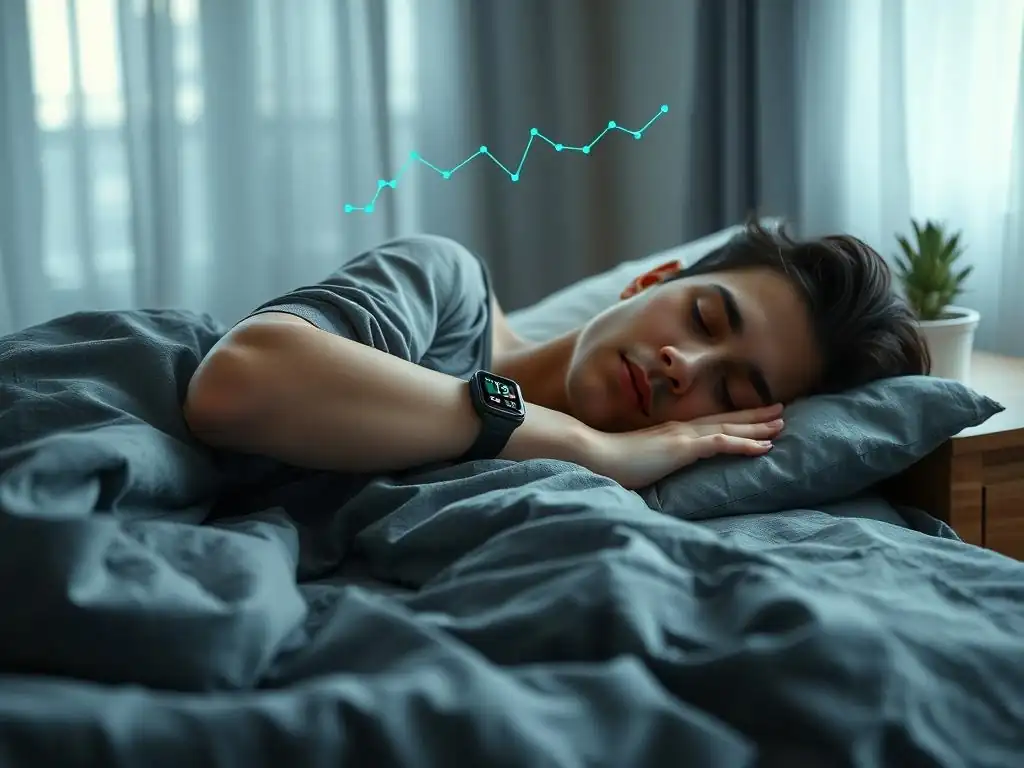
Welcome to Mind Care Guide, where we understand the journey to mental well-being can feel overwhelming. Are you struggling to understand your sleep patterns and how they affect your mental health? In today's fast-paced world, getting enough quality rest is crucial. Dive into our in-depth review of the AutoSleep app and discover how this powerful sleep tracking mental health app can help you unlock a better night's sleep and a brighter tomorrow. Curious to learn more about how wearable technology can improve your mental wellbeing? Let's explore together!
Sleep Cycle App Review: Maximizing Sleep with Sound Analysis for Mental Well-being
- Sleep Cycle: A Deep Dive into Sleep Tracking for Improved Mental Health
- Comprehensive Sleep Cycle App Review: Features, Benefits, and Limitations
- Sleep Cycle vs. Competitors: A Comparison of Sleep Tracking Apps for Mental Health
- Using Sleep Cycle to Address Specific Mental Health Challenges
- Maximizing the Value of Sleep Cycle: Tips and Tricks for Enhanced Mental Wellness
- Is Sleep Cycle Worth It? A Final Verdict on This Sleep Tracking App for Mental Health
- Real-World Examples: How Sleep Cycle Has Helped Improve Sleep and Mental Well-being
- Optimizing Sleep Hygiene Alongside Sleep Cycle: Holistic Approach
-
Frequently Asked Questions
- How does the AutoSleep app connect to my mental well-being, according to Mind Care Guide?
- What specific sleep metrics does AutoSleep track that are relevant to mental health?
- Can AutoSleep help me identify if I have a sleep disorder related to a mental health condition?
- How can I use the data from AutoSleep to improve my mental well-being?
- Is AutoSleep a substitute for professional mental health treatment?
- Final Reflection: Unlocking the Power of Sleep for Mental Wellbeing
- Unlock Your Best Sleep Yet!
Sleep Cycle: A Deep Dive into Sleep Tracking for Improved Mental Health
Understanding the Connection Between Sleep and Mental Health
Sleep is not merely a period of rest; it is a fundamental pillar supporting overall physical and mental well-being. Research consistently shows a strong bidirectional relationship between sleep and mental health. Chronic sleep deprivation or disrupted sleep patterns are often associated with increased risk and severity of various mental health conditions, including anxiety disorders, depression, and cognitive impairment. For instance, studies suggest that individuals with insomnia are significantly more likely to develop depression compared to those with healthy sleep habits. Conversely, managing sleep issues can be a crucial component in the treatment and management of many mental health challenges.
The intricate link extends to daily functioning. Poor sleep can impair concentration, reduce problem-solving abilities, decrease emotional regulation, and increase irritability. This impact on cognitive and emotional states can exacerbate feelings of stress and anxiety, creating a negative feedback loop where worry about sleep further disrupts sleep itself. Understanding one's personal sleep patterns is therefore a vital step in addressing and improving mental well-being, and a sleep tracking mental health app like Sleep Cycle can provide valuable insights into these crucial patterns.
Why Choose Sleep Cycle for Sleep Tracking and Mental Wellness?
Choosing a sleep tracking method is a personal decision, and Sleep Cycle offers a distinct approach centered on sound analysis, making it accessible to a wide audience without requiring a wearable device. This accessibility is a key factor for many users seeking to understand their sleep patterns without additional hardware investment. The app listens to sounds during the night – movements, snoring, speaking – to identify sleep phases, aiming to wake the user during their lightest sleep stage within a customizable wake-up window.
Beyond simple tracking, Sleep Cycle positions itself as a tool for enhancing mental wellness by providing data that helps users connect their daily habits and feelings to their sleep quality. By visualizing sleep trends over time, users can begin to identify potential correlations between factors like stress levels, evening routines, or even dietary choices and how well they slept. This self-awareness, facilitated by a dedicated sleep tracking mental health app, empowers individuals to make informed adjustments to improve their sleep hygiene and, consequently, support their mental health journey.
Comprehensive Sleep Cycle App Review: Features, Benefits, and Limitations
Sleep Cycle's Key Features for Accurate Sleep Analysis
Sleep Cycle utilizes several core features designed to provide users with detailed insights into their nocturnal rest. Its primary function revolves around analyzing sound and movement to approximate sleep stages and overall sleep quality, presenting this information in an accessible format within the app.
Sound-Based Sleep Detection: Analyzing Sleep Sounds
At the heart of Sleep Cycle is its proprietary sound analysis technology. By placing the phone near the bed, the app uses the device's microphone to listen for sounds and vibrations indicating movement or activity during sleep. It doesn't record conversations but rather analyzes patterns of sound to detect when you are likely moving between sleep stages. This method aims to differentiate between light sleep, deep sleep, and waking moments based on detected activity levels. While not as precise as clinical polysomnography, it offers a non-intrusive way for the average user to gain insight into their sleep architecture.
Sleep Quality Metrics: Understanding Your Sleep Stages
The app processes the gathered sound data to generate various sleep quality metrics. These typically include a "Sleep Quality" percentage, a graph showing estimated time spent in different sleep phases (primarily light and deep sleep, though REM is often inferred or grouped), total sleep time, and times of going to bed and waking up. The sleep quality score is a composite metric intended to give a quick overview of how restorative the night's sleep was, often influenced heavily by the amount of estimated deep sleep and the number of awakenings.
Smart Alarm Functionality: Wake Up Refreshed
A standout feature is the Smart Alarm. Instead of waking you at a fixed time, you set a wake-up window (e.g., 30 minutes). Sleep Cycle monitors your sleep cycle during this window and aims to trigger the alarm when you are in your lightest sleep stage.
The theory is that waking up during light sleep feels more natural and less jarring than being pulled out of deep sleep, potentially leading to feeling more rested and less groggy upon waking. This feature is particularly appreciated by users aiming for a smoother start to their day, which can positively influence morning mood and overall mental state.
Sleep Notes: Identifying Factors Affecting Sleep
The Sleep Notes feature allows users to log various factors that might influence their sleep. This could include inputs like "Drank coffee," "Ate late," "Stressed," "Exercised," or custom notes. Over time, the app can correlate these notes with sleep quality data, helping users identify patterns. For example, a user might notice that logging "Stressed" frequently corresponds with lower sleep quality scores and more time awake during the night. This reflective process is a key component of using a sleep tracking mental health app effectively for self-improvement.
Sleep Cycle Benefits: Enhancing Mental Well-being Through Better Sleep
Using Sleep Cycle can offer several benefits that contribute positively to mental health. By making sleep patterns visible and understandable, the app empowers users to take proactive steps towards improvement.
Reduced Anxiety and Stress Through Improved Sleep Quality
Consistent, quality sleep is a powerful antidote to anxiety and stress. By helping users track their sleep and identify disruptive factors via Sleep Notes, Sleep Cycle enables targeted interventions. For instance, if the app consistently shows poor sleep after late-night screen use, a user might reduce screen time before bed. Improving sleep quality can lead to a decrease in the physiological symptoms of anxiety, such as racing thoughts and restlessness, and better emotional resilience to handle daily stressors. Many users report feeling less anxious about not sleeping once they have data and a plan.
Enhanced Mood and Cognitive Function
Adequate sleep is crucial for mood regulation and cognitive performance. Sleep deprivation is strongly linked to irritability, poor concentration, impaired memory, and difficulty making decisions. By utilizing features like the Smart Alarm to wake up feeling more refreshed and by providing data that encourages longer, more consistent sleep, Sleep Cycle can help users experience improved mood stability and sharper cognitive function throughout the day. This enhancement in daily performance and emotional state directly supports better mental well-being.
Personalized Sleep Recommendations for Optimal Mental Health
While Sleep Cycle's recommendations are often based on general sleep science and the user's logged data, they offer a degree of personalization. The app might suggest consistent bedtimes based on your history or highlight the impact of specific habits logged in Sleep Notes. This personalized feedback, derived from individual sleep tracking data, provides actionable insights. Understanding, for example, that a late dinner consistently reduces deep sleep can motivate a user to adjust their eating schedule, leading to better sleep tailored to their own physiology and lifestyle.
Sleep Cycle Limitations: Areas for Improvement
Despite its strengths, Sleep Cycle, like any app, has limitations that potential users should consider. These are important when evaluating it as a sleep tracking mental health app option.
Reliance on Accurate Sound Detection
Sleep Cycle's core functionality relies heavily on its ability to accurately interpret sounds and movements captured by the phone's microphone. This can be affected by various factors: background noise (like a partner, pets, or traffic), the phone's placement, or even the user's own quietness during sleep. While the app is designed to filter some noise, external factors can sometimes lead to inaccurate data regarding sleep stages or awakenings. This means the sleep stage data should be viewed as an estimation rather than a precise measurement.
Battery Consumption Considerations
As Sleep Cycle runs throughout the night, utilizing the microphone and processing data, it can consume a significant amount of battery power. While newer phones and app updates have improved efficiency, users should generally plan to have their phone charging overnight if using Sleep Cycle. This is a practical consideration, especially for users who prefer not to charge their phone near their bed or who have older devices with less robust battery life.
Subscription Required for Full Feature Set
While Sleep Cycle offers a basic free version that includes the Smart Alarm and basic sleep tracking, many of the advanced features crucial for in-depth analysis and identifying patterns – such as long-term trend analysis, access to Sleep Notes correlation, and detailed statistics – are locked behind a premium subscription. This paywall means that to fully leverage Sleep Cycle as a comprehensive sleep tracking mental health app and gain the deepest insights, users must commit to a recurring cost. Potential users should evaluate if the premium features align with their needs before subscribing.
Sleep Cycle vs. Competitors: A Comparison of Sleep Tracking Apps for Mental Health
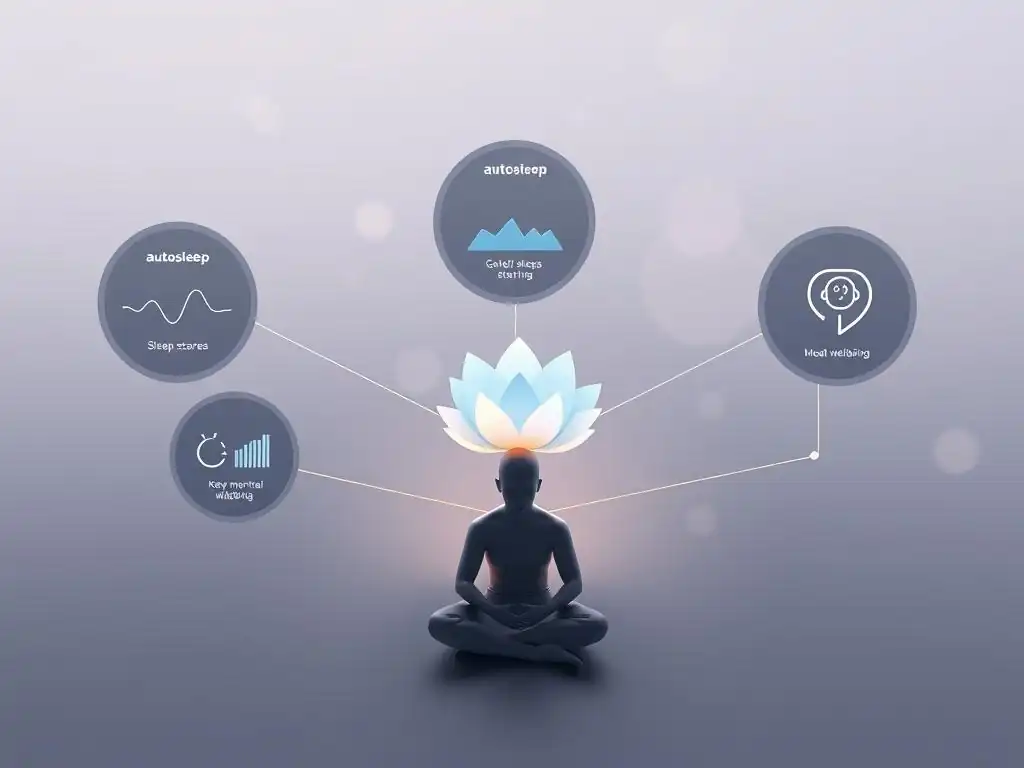
When exploring sleep tracking options for mental health, Sleep Cycle is one of several apps available. Comparing its approach to others helps clarify its position in the market.
Sleep Cycle vs. AutoSleep: Which is Better for Monitoring Sleep and Mental Health?
Sleep Cycle's strength lies in its sound-based tracking, requiring only a smartphone. AutoSleep, conversely, is designed specifically for Apple Watch users, leveraging the wearable's motion and heart rate sensors for tracking. For mental health monitoring, AutoSleep's inclusion of heart rate variability (HRV) data can provide additional physiological context often linked to stress and recovery, which Sleep Cycle's sound analysis does not offer directly.
However, Sleep Cycle's Sleep Notes and correlation features might be easier for some users to link behaviors directly to sleep outcomes without needing a wearable. The choice often depends on whether a user already owns or intends to purchase an Apple Watch.
Sleep Cycle vs. Pillow: Comparing Features and Effectiveness for Sleep Improvement
Pillow is another popular sleep tracking app that can use either the phone's microphone or integrate with wearables like the Apple Watch. Pillow often provides a visually rich interface and includes features like audio recordings of snoring or sleep talking, which can be insightful (or sometimes amusing) for users. Both Sleep Cycle and Pillow offer smart alarms and track estimated sleep stages.
Pillow might appeal to users who want the flexibility of using either phone or watch tracking and appreciate audio recordings, whereas Sleep Cycle is often praised for the simplicity and effectiveness of its core sound analysis and Smart Alarm. Both function well as a sleep tracking mental health app by providing data for reflection.
Sleep Cycle vs. Calm (Sleep Stories): Integrating Relaxation and Sleep Tracking
Calm is primarily known as a meditation and mindfulness app, featuring guided meditations, breathing exercises, and popular "Sleep Stories" designed to help users fall asleep. While Calm does offer some basic sleep tracking, its focus is on the process of falling asleep and relaxation, rather than detailed sleep cycle analysis throughout the night. Sleep Cycle, on the other hand, is dedicated specifically to tracking and analyzing sleep patterns.
For someone whose main challenge is falling asleep due to anxiety, Calm might be more directly helpful in the moment. For someone wanting to understand their sleep architecture and trends over weeks or months, Sleep Cycle provides deeper insights as a dedicated sleep tracking mental health app. Some users might even benefit from using both apps – Calm to relax before bed and Sleep Cycle to track the subsequent sleep.
Using Sleep Cycle to Address Specific Mental Health Challenges
Sleep disturbances are common symptoms across a range of mental health conditions. Utilizing a sleep tracking mental health app like Sleep Cycle can offer valuable support in understanding and managing these challenges.
Sleep Cycle for Anxiety: Tracking Sleep Patterns and Identifying Triggers
Anxiety often manifests as difficulty falling asleep, staying asleep, or experiencing restless sleep. Sleep Cycle can help individuals with anxiety by providing objective data on their sleep duration, quality, and estimated time spent awake during the night. By consistently using the Sleep Notes feature to log feelings of anxiety, worries, or specific stressful events, users can observe correlations between periods of heightened anxiety and disrupted sleep patterns.
This data can be a powerful tool for self-awareness, helping individuals identify triggers and recognize the tangible impact of anxiety on their sleep, motivating them to implement relaxation techniques or seek professional help. Seeing data confirming that certain activities exacerbate sleep issues can reduce the uncertainty often fueling sleep-related anxiety.
Sleep Cycle for Depression: Monitoring Sleep as an Indicator of Mood Fluctuations
Sleep disturbances, such as insomnia or hypersomnia (excessive sleeping), are core symptoms of depression. Sleep Cycle allows individuals managing depression to monitor their sleep patterns over time, which can serve as an indicator of mood fluctuations. For instance, a significant decrease in total sleep time or a marked increase in time spent in bed without sleeping might correlate with worsening depressive symptoms.
Conversely, improvements in sleep quality and consistency, as shown by the app's data, can be a positive sign of recovery or effective treatment. While not a diagnostic tool, the app's data can be a useful point of discussion with a therapist or doctor, providing concrete information about sleep habits alongside self-reported mood.
Sleep Cycle for Insomnia: Identifying Sleep Disturbances and Optimizing Sleep Hygiene
Insomnia involves persistent difficulty falling asleep or staying asleep. Sleep Cycle can be particularly useful for individuals struggling with this challenge by providing detailed logs of estimated time awake during the night and the overall efficiency of their sleep (time spent asleep relative to time in bed). By tracking sleep night after night and using Sleep Notes to record factors like caffeine intake, exercise timing, or bedtime routines, users can gain insights into what might be contributing to their insomnia.
This objective data helps move beyond subjective frustration to identify specific habits that need adjusting, supporting the implementation of effective sleep hygiene strategies recommended by sleep experts. The app helps make the invisible process of sleep more visible and manageable for those with insomnia.
Maximizing the Value of Sleep Cycle: Tips and Tricks for Enhanced Mental Wellness
Getting the most out of any sleep tracking mental health app requires more than just letting it run in the background. Active engagement with the data and features is key.
Calibrating Sleep Cycle for Accurate Sleep Tracking
To ensure the most accurate tracking possible with Sleep Cycle's sound analysis, proper placement of your phone is crucial. The app typically recommends placing the phone on your nightstand near your pillow or under your pillow. Experiment with different positions to find what works best for your sleeping environment and bed type. Ensure the microphone isn't covered. It's also helpful to minimize excessive noise in the bedroom that isn't related to your sleep movements, as this can sometimes skew the data. Consistent placement night after night will yield more reliable trends over time.
Interpreting Sleep Cycle Data to Improve Sleep Habits
Simply collecting data isn't enough; the real value comes from interpreting it and making changes. Don't get fixated on day-to-day variations, which are normal. Instead, look for trends over weeks or months. Are your sleep quality scores consistently low on certain nights? Do you notice a pattern when you log "late meal" or "screen time before bed"? Use the correlation feature in the premium version to see which logged activities statistically impact your sleep the most.
Consider these questions when reviewing your data:
- Is my total sleep time consistently within the recommended 7-9 hours?
- Am I waking up frequently during the night?
- Does my estimated deep sleep align with how rested I feel?
- What activities or states logged in Sleep Notes correlate with better or worse sleep?
Use these insights to make small, incremental changes to your daily routine and bedtime habits.
Integrating Sleep Cycle with Other Mental Wellness Apps [Example: Headspace, Talkspace]
Sleep is deeply interconnected with other aspects of mental wellness. Integrating the insights gained from Sleep Cycle with practices from other mental wellness apps can create a more holistic approach. For example, if Sleep Cycle data suggests stress is impacting your sleep (perhaps via Sleep Notes correlation), you might use a meditation app like Headspace or Calm during the day or evening to manage that stress.
If the data highlights persistent sleep issues that worry you, discussing this objective information with a therapist via a platform like Talkspace or in person can provide professional guidance and support tailored to your specific needs. The data from your sleep tracking mental health app provides a concrete starting point for these conversations.
Is Sleep Cycle Worth It? A Final Verdict on This Sleep Tracking App for Mental Health
Deciding if Sleep Cycle is the right fit depends on individual needs, budget, and preferences for sleep tracking methods.
Sleep Cycle Pricing and Subscription Options
Sleep Cycle offers a free version with essential features like the Smart Alarm and basic sleep analysis graphs for the last night. This allows users to experience its core functionality. However, the premium subscription unlocks the full suite of features necessary for deeper analysis and long-term tracking, including Sleep Notes correlation, detailed statistics, historical data access, and backup.
The premium cost is typically a monthly or annual fee, which, as of a recent check, might range from approximately $10-$15 per month or $40-$60 per year, though pricing can vary by region and platform. This recurring cost is a significant factor for users considering the app for long-term use as a sleep tracking mental health app.
Who Should Use Sleep Cycle? Recommendations Based on Mental Health Needs
Sleep Cycle is particularly well-suited for individuals who:
- Want to understand their sleep patterns without wearing a device overnight.
- Are curious about how their daily habits impact their sleep.
- Struggle with waking up feeling groggy and want to try a Smart Alarm.
- Are experiencing mild to moderate sleep disturbances related to anxiety, stress, or mood issues and want data to inform lifestyle changes.
- Are looking for a relatively simple interface focused purely on sleep tracking.
It can be a valuable tool for self-monitoring and gaining insight into the sleep-mental health connection.
Alternatives to Sleep Cycle for Different Sleep Tracking Preferences [Example: SleepScore]
For those with different preferences, several alternatives exist. Wearable users (like Apple Watch or Fitbit) might prefer apps like AutoSleep or the native tracking offered by their device, which use physiological sensors. Users interested in objective measurement of sleep cycles might look into solutions like SleepScore, which uses sonar technology from the phone to analyze breathing patterns and body movements, often claiming higher accuracy in estimating sleep stages than simple sound analysis.
Other apps like Pillow offer a blend of phone-based and wearable tracking. The best sleep tracking mental health app depends on whether you prioritize data accuracy (often linked to wearables or specialized devices), ease of use, or the specific features offered (like audio recording or advanced correlations).
Real-World Examples: How Sleep Cycle Has Helped Improve Sleep and Mental Well-being
Hearing about others' experiences can illustrate the potential impact of using a sleep tracking mental health app.
[Case Study 1: Sleep Cycle and Improved Sleep Quality]
Sarah, a 34-year-old marketing manager, often felt exhausted despite spending eight hours in bed. She suspected her sleep quality was poor but had no data to back it up. She started using Sleep Cycle, placing her phone on her nightstand.
After a few weeks, the app's data consistently showed she was spending a significant amount of time awake during the night, even if she didn't consciously remember it. Using the Sleep Notes, she logged factors like "late work email," "argument with partner," and "drank wine." Over a month, the correlation feature highlighted that late-night stress and alcohol intake were strongly linked to her awakenings and lower sleep quality scores (often dropping from an average of 80% to below 65%).
Armed with this data, Sarah made conscious efforts to finish work earlier, practice mindfulness after stressful events, and limit evening alcohol. Within two months, her average sleep quality score rose to over 85%, and more importantly, she felt more rested and less irritable during the day, reporting a noticeable improvement in her overall mood and ability to handle workplace challenges. The data validated her feelings and motivated her to make sustainable changes.
[Case Study 2: Sleep Cycle and Consistent Wake Times]
David, a 28-year-old graphic designer, struggled with a highly inconsistent sleep schedule, often staying up late and sleeping in, especially on weekends. This irregularity left him feeling constantly off-balance and contributed to feelings of sluggishness and low motivation, impacting his mental state. He decided to try Sleep Cycle, primarily for its Smart Alarm feature. He set a wake-up window of 7:00 AM to 7:30 AM, even on weekends.
Initially, he found it difficult to go to bed early enough. However, by reviewing Sleep Cycle's graphs showing his inconsistent bedtimes and the resulting variability in his total sleep duration (sometimes as low as 5 hours on weeknights followed by 10+ hours on weekends), he saw the tangible impact of his erratic schedule. He committed to a more consistent bedtime, aiming for 11:00 PM.
The Smart Alarm helped him wake up feeling more alert within his target window. After about six weeks of consistent use, Sleep Cycle's trends showed a much more regular sleep schedule, with average total sleep time settling consistently around 7.5 hours. David reported feeling more energetic, focused, and less prone to the "Sunday blues," attributing his improved mood and productivity directly to the consistent sleep schedule he achieved with the help of the app's tracking and alarm.
Optimizing Sleep Hygiene Alongside Sleep Cycle: Holistic Approach
While a sleep tracking mental health app like Sleep Cycle is a valuable tool, it works best when combined with fundamental principles of sleep hygiene.
The Importance of a Consistent Sleep Schedule for Mental Health
Maintaining a consistent sleep schedule – going to bed and waking up around the same time, even on weekends – is one of the most impactful actions you can take for both sleep quality and mental health. This consistency helps regulate your body's internal clock, the circadian rhythm. A stable circadian rhythm promotes more predictable sleep onset and wakefulness, leading to more restorative sleep cycles.
Irregular schedules, often termed "social jetlag," have been linked to poorer mood, increased anxiety, and metabolic issues. Sleep Cycle data can help visualize how consistent (or inconsistent) your schedule is and track progress as you work towards greater regularity.
Creating a Relaxing Bedtime Routine for Improved Sleep Quality
Establishing a calming routine before bed signals to your body that it's time to wind down. This routine should ideally start 30-60 minutes before your target bedtime. Activities might include reading a physical book, taking a warm bath, listening to quiet music, practicing gentle stretching, or engaging in mindfulness meditation. Avoid screens (phones, tablets, TVs) as the blue light can interfere with melatonin production, the hormone that regulates sleep. Using Sleep Notes in Sleep Cycle to log whether you followed your routine can help reinforce the habit and potentially show a correlation with better sleep quality on those nights.
The Role of Diet and Exercise in Sleep and Mental Well-being
Diet and physical activity significantly influence sleep patterns and mental health. Regular exercise, especially aerobic activity, can improve sleep quality and reduce symptoms of anxiety and depression. However, avoid intense workouts close to bedtime. Similarly, dietary choices matter.
Limiting caffeine and alcohol, particularly in the hours before sleep, is crucial, as both can disrupt sleep architecture. Avoiding heavy meals or excessive fluids right before bed can also prevent awakenings. While Sleep Cycle can track the outcome of these factors on your sleep, maintaining a balanced diet and incorporating regular physical activity into your lifestyle are proactive steps that support both better sleep and overall mental resilience.
Frequently Asked Questions
How does the AutoSleep app connect to my mental well-being, according to Mind Care Guide?
AutoSleep, as a sleep tracking mental health app, helps you understand your sleep patterns. This data can reveal correlations between your sleep quality and your mental health, allowing you to identify potential triggers for anxiety or depression.
What specific sleep metrics does AutoSleep track that are relevant to mental health?
The app tracks metrics like sleep duration, sleep quality, and heart rate variability. These metrics can provide insights into your stress levels and overall mental health, helping you identify potential issues.
While AutoSleep is not a diagnostic tool, it can highlight irregular sleep patterns that may indicate a sleep disorder. These patterns can then be discussed with a healthcare professional to assess potential links to mental health conditions.
How can I use the data from AutoSleep to improve my mental well-being?
By understanding your sleep patterns, you can make lifestyle changes to improve sleep quality. Better sleep can lead to reduced stress, improved mood, and overall enhanced mental well-being.
Is AutoSleep a substitute for professional mental health treatment?
No, AutoSleep is a tool to track and understand your sleep and potential correlations with your mental state. It is not a replacement for professional diagnosis or treatment from a qualified mental health professional.
Final Reflection: Unlocking the Power of Sleep for Mental Wellbeing
The pursuit of better sleep isn't just about feeling rested; it's a cornerstone of mental and physical health. The data presented in this review of the AutoSleep app highlights the crucial link between sleep quality and overall wellbeing, a connection increasingly recognized in today's fast-paced world. Understanding and improving your sleep patterns, as facilitated by tools like AutoSleep, is no longer a luxury but a vital step towards a healthier, more balanced life.
This exploration of sleep tracking and its impact on mental health has underscored for me the often-overlooked importance of prioritizing rest. We live in a culture that glorifies constant productivity, often at the expense of our wellbeing. Sleep is the golden chain that ties health and our bodies together.
This quote, though its origin is debated, perfectly encapsulates the vital role sleep plays in our overall health, both physical and mental. The insights gained from using a sleep tracking app like AutoSleep can be transformative, offering a tangible way to understand and address sleep disturbances that may be impacting our mental state.
Consider this your call to action. Don't just passively accept sleeplessness or poor sleep quality. Take control of your rest. Explore the options available, whether it's a dedicated sleep tracking app like AutoSleep, mindfulness techniques, or a conversation with a healthcare professional. Invest in your sleep, and you'll be investing in your mental and physical wellbeing. The journey to better sleep, and a healthier, happier you, begins with a single step.
Unlock Your Best Sleep Yet!
Thanks for diving into the world of better sleep with us! We hope this AutoSleep review helped you understand how to truly maximize your wearable's potential for improved rest. Ready to take the next step towards more energized days?
- Prioritize Sleep Tracking: Start using a sleep tracking app like AutoSleep (or your favorite!) tonight. Notice how your sleep patterns change and adjust your routine as needed.
- Share Your Sleep Journey: Tell your friends about your experience with sleep tracking! Discuss what's working and what isn't. A supportive network can make all the difference.
- Explore Sleep Optimization: Consider what additional small changes you can make to improve your sleep hygiene beyond tracking — a relaxing nighttime routine, for example.
What small step will you take tonight to prioritize your sleep?