
From Basic to Comprehensive: Feature Sets of Top Anxiety Apps (Pricing)

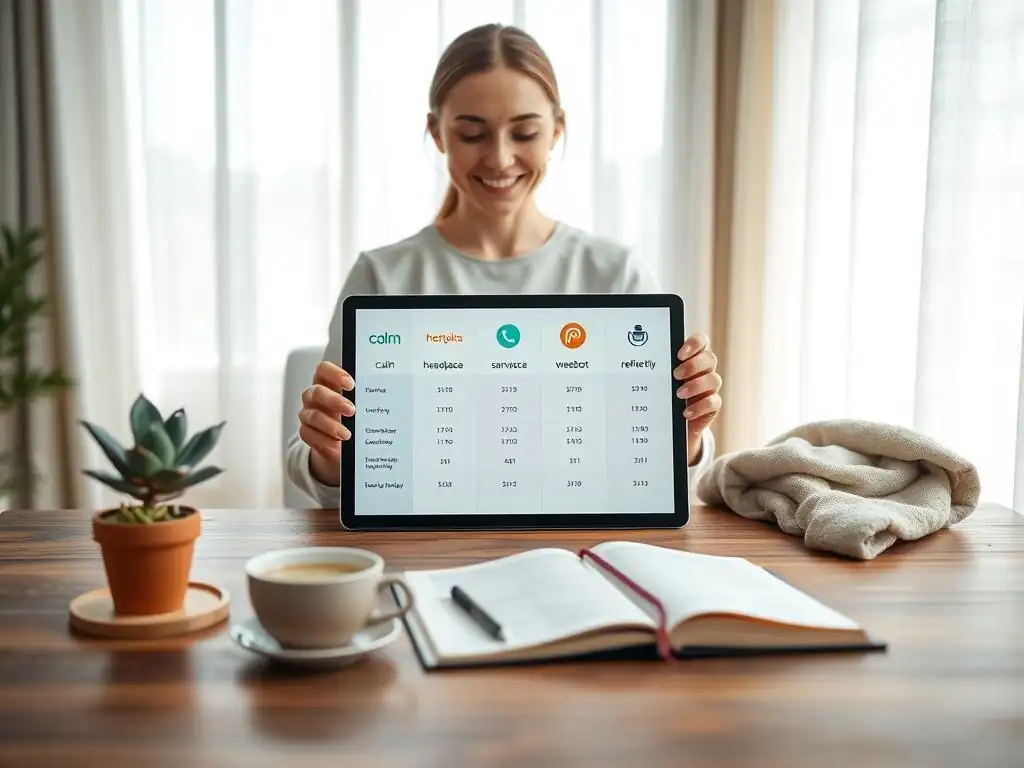
Welcome to Mind Care Guide, where we believe in empowering you on your journey to mental well-being. Feeling overwhelmed by anxiety? You're not alone. Many seek support through technology, but understanding the costs can be confusing. Dive into our comprehensive anxiety apps pricing comparison to discover the best fit for your needs and budget, and unlock a path to calmer days. Curious about which features truly matter? Let's explore together...
- Understanding Anxiety Apps: Features and Cost
- Anxiety App Pricing: Free vs. Paid
- Feature and Pricing Comparison of Leading Anxiety Apps
- Selecting the Right Anxiety App
- Maximizing Your Anxiety App Subscription
- Conclusion: Choosing an App for Your Budget and Needs
-
Frequently Asked Questions
- What factors influence the pricing of anxiety apps?
- Are free anxiety apps effective, or are paid versions necessary?
- How do different anxiety apps compare in terms of pricing tiers?
- What key features should I consider when comparing the prices of anxiety apps?
- How can I determine if an anxiety app's pricing is justified based on its offerings?
- Final Reflection: The Evolving Landscape of Anxiety App Support
- Unlock Your Calm: Take Charge of Your Anxiety Today!
Understanding Anxiety Apps: Features and Cost
Anxiety apps have emerged as accessible tools for managing stress and anxiety, offering a range of techniques from guided meditation and breathing exercises to Cognitive Behavioral Therapy (CBT) based programs. The landscape of these digital aids is vast, presenting potential users with a spectrum of options differing significantly in their features, depth of content, and, notably, their pricing structures. Making an informed decision often requires a careful anxiety apps pricing comparison alongside an evaluation of the features offered.
These applications are designed to fit into a user's daily routine, providing on-demand support that complements or sometimes substitutes traditional therapy methods, depending on the individual's needs. They leverage technology to deliver evidence-based practices in a convenient format, making mental wellness support more attainable for many. However, the question of cost versus value is paramount when navigating this digital space, as the investment in mental health tools should align with both personal needs and financial capacity.
Benefits of Using Anxiety Apps
One of the primary benefits of using anxiety apps is their accessibility. Unlike scheduled therapy sessions, these apps are available 24/7, providing immediate support during moments of heightened anxiety or stress. This on-demand availability allows users to practice coping mechanisms whenever and wherever they need them, whether it's a quick breathing exercise before a stressful meeting or a guided meditation before sleep. This constant availability can be a significant factor when considering an anxiety apps pricing comparison, as it offers continuous value.
Furthermore, anxiety apps empower users by teaching them practical self-help techniques. Many apps incorporate elements of mindfulness, meditation, and CBT, equipping individuals with skills they can use independently to manage their symptoms. They often provide tools for tracking moods, identifying triggers, and monitoring progress over time, fostering a sense of control and self-awareness. This educational aspect contributes significantly to long-term well-being and represents a valuable return on investment, regardless of the specific anxiety apps pricing comparison made.
Essential Features in Anxiety Apps
A core feature expected in most anxiety apps is a library of guided meditations or mindfulness exercises. These range from short, 5-minute sessions for quick relief to longer, in-depth practices aimed at cultivating sustained calm. Quality audio, clear instructions, and a variety of themes (like stress reduction, focus, or self-compassion) are crucial for effectiveness. The depth and breadth of this content library are often key differentiators in an anxiety apps pricing comparison, with premium apps typically offering a much wider selection.
Beyond meditation, effective anxiety apps often include breathing exercises, sleep stories or sounds, mood tracking journals, and educational content about anxiety and mental health. Some advanced apps may offer personalized programs based on user input, progress tracking visualizations, or even integration with wearable devices. The inclusion of these features significantly enhances the app's utility and can justify a higher cost when conducting an anxiety apps pricing comparison, as they provide a more comprehensive approach to managing anxiety.
Anxiety App Pricing: Free vs. Paid
The market for anxiety apps is segmented into those offering completely free services, those with a freemium model (basic free features with paid premium upgrades), and entirely subscription-based platforms. This tiered approach allows users to explore options before committing financially, though the depth and quality of features available often correlate directly with the price point. An anxiety apps pricing comparison must therefore consider what is offered at each level.
Free apps and the free tiers of freemium apps provide an entry point, allowing users to experience fundamental features like basic guided meditations or simple breathing exercises. While valuable for initial exploration, these free offerings often come with limitations, such as restricted content libraries, lack of advanced tracking, or advertisements. Paid subscriptions, conversely, unlock the full potential of an app, providing extensive content, personalized features, and an ad-free experience, justifying a higher position in an anxiety apps pricing comparison.
Free Anxiety Apps: Feature Overview
Free anxiety apps or the free versions of freemium models typically provide a foundational set of tools aimed at immediate stress relief and basic mindfulness practice. These often include a selection of short guided meditations, simple breathing exercises, and perhaps a basic mood check-in feature. They serve as excellent starting points for individuals new to mindfulness or those seeking minimal, no-cost support.
However, the limitations of free apps become apparent when users seek more comprehensive support. Content libraries are often restricted, lacking variety in meditation themes or lengths. Advanced features like personalized programs, in-depth progress analytics, or specialized content for specific issues like panic attacks or sleep disorders are usually locked behind a paywall. While useful, their scope is generally limited compared to premium offerings when conducting a full anxiety apps pricing comparison.
Insight Timer - Basic Features and Limitations
Insight Timer stands out in the free space for offering an exceptionally large library of guided meditations, music tracks, and talks, with over 100,000 titles available for free. Its basic features include a customizable meditation timer, thousands of free guided sessions from various teachers, and community features. This extensive free content makes it a popular choice for those prioritizing variety without cost.
Despite its vast free library, Insight Timer does have limitations in its free version. Advanced features like offline listening, premium courses and workshops led by top teachers, and more detailed statistical tracking are only available with a paid subscription, known as Member+. While the core offering is robust, users looking for structured learning or offline access will need to consider the paid option in their anxiety apps pricing comparison.
Paid Anxiety Apps: Advanced Features and Support
Paid anxiety apps or premium subscriptions to freemium models offer a significantly expanded and often more sophisticated set of features. These platforms invest heavily in high-quality content, often developed with mental health professionals, and provide a wider array of tools designed for more comprehensive anxiety management. The cost reflects the depth of resources and the often ad-free, enhanced user experience.
Premium features commonly include extensive libraries of guided meditations covering a vast range of topics, specialized programs for anxiety, stress, sleep, and focus, and advanced tracking and personalization options. Some may offer exclusive content like masterclasses or Q&A sessions with experts. While requiring a financial investment, the value derived from these comprehensive tools can be substantial for those needing more in-depth support, which is a key consideration in any anxiety apps pricing comparison.
Calm - Subscription Details and Features
Calm is a leading subscription-based anxiety app, widely recognized for its high-quality guided meditations, sleep stories narrated by celebrities, breathing programs, and calming music. A Calm Premium subscription unlocks access to their entire library, including daily meditations, multi-session programs on various topics like anxiety and stress, and exclusive music tracks.
A typical Calm Premium subscription costs around $15 per month or approximately $70 per year, though pricing can vary by region and promotions. This investment provides unlimited access to thousands of hours of content designed to help users relax, sleep better, and manage anxiety. For many, the breadth and quality of content justify the cost when performing an anxiety apps pricing comparison.
Headspace - Guided Meditations and Pricing
Headspace is another prominent subscription app focusing on teaching mindfulness and meditation skills through guided sessions and courses. It offers themed programs designed to address specific issues like anxiety, stress, sleep, and focus, delivered in their signature simple and engaging style.
Headspace's pricing is generally comparable to Calm, typically costing around $13 per month or roughly $70 per year for a standard subscription. They also offer family plans and sometimes provide discounted rates for students or specific groups. The subscription grants access to their full library of guided meditations, sleep content, mindful movement exercises, and educational animations, making it a strong contender in an anxiety apps pricing comparison for those seeking structured learning.
Feature and Pricing Comparison of Leading Anxiety Apps

Comparing leading anxiety apps requires looking beyond just the price tag to understand the value offered by their respective feature sets. While Calm and Headspace are often pitted against each other, other apps like Talkspace, Sanvello, and Moodpath offer different approaches, from therapy integration to CBT tools, each with distinct pricing models. An effective anxiety apps pricing comparison considers these variations.
The choice between apps often comes down to individual preferences for content style, specific needs (e.g., focus on sleep, therapy access, or CBT techniques), and budget. Examining the core offerings side-by-side helps clarify which platform provides the best fit. This section delves into a direct comparison of some popular options, highlighting their features and how their pricing structures differ.
Calm vs. Headspace: Feature and Price Breakdown
Calm and Headspace are arguably the two most well-known subscription-based anxiety apps, both offering extensive libraries of guided content but with slightly different approaches and styles. Their pricing models are quite similar, making the feature set the primary differentiator in an anxiety apps pricing comparison between the two.
While both provide core meditation and sleep content, the presentation and specific features vary. Calm often features celebrity narrators for sleep stories and a wider range of ambient music, appealing to those seeking relaxation and entertainment alongside mindfulness. Headspace uses a more consistent animation style and focuses on teaching the skills of meditation through structured courses, potentially appealing more to those who want to learn the 'how-to' of mindfulness.
Meditation Content: Variety and Focus
Calm offers a vast library of meditations, including daily sessions, programs for various topics (anxiety, stress, focus, etc. ), and unguided options. Its strength lies in the sheer volume and variety of sessions and teachers.
Headspace provides structured meditation courses and single sessions, often broken down into beginner, intermediate, and advanced levels. Their content is presented with clear learning objectives, making it ideal for building a consistent meditation practice and understanding the underlying principles.
Sleep Aids: Content and Value
Calm is particularly renowned for its extensive collection of "Sleep Stories," narrated by various individuals, including celebrities, designed to help users drift off to sleep. It also offers sleep music and soundscapes.
Headspace provides sleep content including sleepcasts (audio experiences designed to help you visualize yourself to sleep), sleep music, and guided exercises specifically for winding down before bed. While perhaps not as celebrity-driven as Calm, its sleep content is integrated into its overall mindfulness approach.
Personalization and Progress Tracking: Key Differences
Calm offers some level of personalization through program selection and tracking of meditation minutes. However, its tracking features are generally less emphasized compared to Headspace.
Headspace provides more robust tracking features, allowing users to see their progress over time, including total meditation time, number of sessions completed, and consistency streaks. It also offers some personalized recommendations based on user activity and reported mood.
Cost Analysis: Subscription Models
Both Calm and Headspace primarily operate on a subscription model. As mentioned, typical costs are around $13-$15 per month or $70 per year. Both occasionally offer discounts or promotional pricing.
When conducting an anxiety apps pricing comparison, it's worth noting that both platforms represent a significant annual investment. Users must weigh the specific features and content style that appeal most to them against this cost. Some users find the slightly different content approaches of each app resonate more deeply, making the choice less about a direct price difference and more about perceived value.
Other Anxiety Apps: Features and Pricing
While Calm and Headspace dominate the meditation-focused anxiety app market, other platforms offer alternative approaches, often incorporating therapy, CBT techniques, or mood tracking with different pricing structures. These apps cater to users with specific needs beyond just meditation.
Exploring these alternatives in an anxiety apps pricing comparison reveals options that might be more suitable or cost-effective depending on the type of support sought. They demonstrate the diverse ways technology is being used to address mental health challenges.
Talkspace - Therapy Costs and Features
Talkspace is primarily an online therapy platform, connecting users with licensed therapists via text, audio, or video messaging. While not solely an "anxiety app" in the meditation sense, it's a significant digital resource for anxiety management that includes therapeutic support.
Talkspace's pricing is based on the level of therapy access desired, typically starting around $260 per month for unlimited text, audio, and video messaging with a therapist, and increasing for live session options. This model is significantly different from subscription apps like Calm or Headspace, representing the cost of professional therapy rather than self-guided tools. An anxiety apps pricing comparison that includes Talkspace must acknowledge this fundamental difference in service type and cost.
Sanvello - CBT Techniques and Pricing
Sanvello focuses on providing tools based on Cognitive Behavioral Therapy (CBT), mindfulness, and peer support. Its features include guided journeys based on CBT principles, mood tracking, coping tools, meditations, and community forums.
Sanvello offers a free version with limited access to features. The premium version, which unlocks all content and tools, typically costs around $9 per month or $50 per year. This positions Sanvello as a more affordable premium option compared to Calm or Headspace, particularly appealing to those specifically interested in CBT-based approaches in their anxiety apps pricing comparison.
Moodpath - Customizable Tools and Subscription Options
Moodpath acts as an interactive mental health screening tool and mood tracker, providing insights into patterns and symptoms. It offers personalized exercises and content based on user input, guiding them through a digital mental health assessment process and offering relevant resources. Note: As of late 2020, Moodpath's functionality was integrated into the "MindDoc" app by the same developer, and "Moodpath" as a standalone app is less prominent.
Assuming the features are considered within the MindDoc context (or a similar app structure), such platforms typically operate on a subscription model to provide in-depth analysis and personalized content. Pricing for such detailed tracking and assessment tools can vary but often falls within a range comparable to Sanvello or slightly higher, depending on the depth of analysis and professional insights offered. Users interested in data-driven insights and tracking should investigate the current pricing model for similar apps in their anxiety apps pricing comparison.
Selecting the Right Anxiety App
Choosing the best anxiety app among the myriad of options requires careful consideration of personal needs, preferences, and budget. There is no one-size-fits-all solution, and what works effectively for one person may not be suitable for another. An effective selection process involves introspection and research.
Evaluating an anxiety apps pricing comparison is a crucial step, but it should be done in conjunction with assessing the app's features, user interface, and the type of content it provides. The goal is to find a tool that you will actually use consistently and that genuinely supports your mental well-being journey.
Identifying Your Needs
Begin by identifying your primary goals for using an anxiety app. Are you looking for tools to help you fall asleep? Do you want to learn structured meditation techniques? Are you interested in tracking your moods and identifying triggers? Or perhaps you need access to professional therapy?
Different apps specialize in different areas. Answering these questions helps narrow down the field significantly. If your main need is relaxation and sleep aids, Calm might be a stronger contender. If structured meditation learning is key, Headspace could be a better fit. If you are interested in CBT tools, Sanvello is worth exploring. This self-assessment is the first step in making a relevant anxiety apps pricing comparison.
Trial Periods and Free Content
Many paid anxiety apps offer a free trial period (typically 7 or 14 days) or a limited free version. Utilizing these opportunities is invaluable for testing the app's interface, content style, and core features before committing to a subscription.
Even if an app has a high rating, its specific approach might not resonate with you. A trial allows you to experience the app firsthand and assess if it feels like a good fit for your needs and preferences. Always check if a trial is available as part of your anxiety apps pricing comparison evaluation.
User Reviews and Ratings
Checking user reviews and ratings on app stores can provide insights into other users' experiences. Look for comments regarding the app's effectiveness, ease of use, quality of content, and customer support.
Pay attention to reviews that discuss the value for money, especially concerning the jump from free to paid features. While individual experiences vary, trends in reviews can highlight potential pros and cons not immediately obvious from the app's description or a simple anxiety apps pricing comparison chart.
Data Privacy and Security
Given the sensitive nature of the information shared with mental wellness apps (like mood data, personal feelings, and even therapy conversations), understanding the app's data privacy policy is crucial.
Ensure the app has clear policies on how your data is collected, stored, and used. Look for commitments to security and confidentiality. Reputable apps should be transparent about their practices. This aspect, while not part of the anxiety apps pricing comparison itself, is a critical factor in trusting and using an app consistently.
Maximizing Your Anxiety App Subscription
Once you've selected an anxiety app and potentially invested in a subscription based on your anxiety apps pricing comparison, the next step is to integrate it effectively into your routine to get the most out of its features. Simply having the app installed is not enough; consistent engagement is key to realizing its benefits.
Treating the app as a tool to support your mental health journey, rather than a passive solution, will yield the best results. This involves active participation, exploration of features, and consistency in practice.
Utilizing Available Features
Explore all the features available within your subscription. Don't just stick to one type of meditation or exercise. Try different programs, explore sleep stories, use tracking tools, and engage with any educational content offered.
- [ ] Explore different meditation series (e.g., for stress, focus, self-compassion).
- [ ] Try various breathing exercises.
- [ ] Listen to sleep content (stories, sounds, music).
- [ ] Use mood tracking features regularly.
- [ ] Engage with educational lessons or programs.
- [ ] Utilize any community or journaling features.
Many users only scratch the surface of what premium apps offer. Taking time to understand and use the full range of tools increases the potential benefits derived from your investment.
Integrating the App into Daily Life
Consistency is vital for developing new habits and seeing results from mindfulness or CBT techniques. Try to schedule specific times each day to use the app, even if it's just for a few minutes.
Integrating the app into existing routines can help. For example, listen to a sleep story as you get into bed, do a short meditation during your lunch break, or use a breathing exercise during a stressful commute. The more consistently you use the app, the more likely you are to experience its positive effects on your anxiety levels.
Seeking Additional Support
Remember that anxiety apps are powerful tools, but they are often most effective when used as part of a broader mental wellness strategy. Do not hesitate to seek professional help from therapists or counselors if your anxiety is severe or persistent.
An app can complement therapy by providing practice tools between sessions or offering support during challenging moments. It should not be viewed as a complete replacement for professional medical advice or treatment. Your app subscription can be a valuable part of your support system, but it may not be the only part needed.
Conclusion: Choosing an App for Your Budget and Needs
Navigating the world of anxiety apps requires understanding the diverse range of features available and conducting a thorough anxiety apps pricing comparison. From free meditation libraries to comprehensive subscription services offering therapy or CBT programs, the options are varied, catering to different needs and financial capacities.
Ultimately, the "best" app is the one that you find most helpful, engaging, and suitable for your specific situation. It's a personal decision that balances the features offered with the cost involved, ensuring you invest in a tool that genuinely supports your mental well-being journey.
Summary of Top Apps and Pricing
We've explored several leading options, each with a distinct focus and pricing model:
- Insight Timer: Extensive free library of meditations; premium subscription (~$60/year) for offline access, courses, and advanced features.
- Calm: Subscription-based (~$70/year) with focus on high-quality guided meditations, sleep stories (often celebrity-narrated), and music.
- Headspace: Subscription-based (~$70/year) focused on teaching mindfulness skills through structured courses, guided meditations, and sleep content.
- Sanvello: Freemium model; premium subscription (~$50/year) for full access to CBT tools, guided journeys, and community features.
- Talkspace: Subscription-based online therapy (~$260+/month) offering professional support via messaging and live sessions.
This snapshot provides a starting point for an anxiety apps pricing comparison, highlighting the different levels of investment required for various types of digital mental health support.
Making an Informed Choice
Making an informed choice involves:
- Assessing your specific needs: What kind of support are you looking for? (Meditation, CBT, therapy, tracking?)
- Researching features: Which apps offer the tools that align with your needs?
- Comparing pricing: Understand the different subscription models and costs involved through an anxiety apps pricing comparison.
- Utilizing free trials/versions: Test the app's usability and content before committing.
- Considering reviews and privacy: Learn from others' experiences and ensure your data is handled securely.
By following these steps, you can move beyond a simple cost comparison to find an app that offers the right features and value for your personal situation.
Prioritizing Mental Health
Regardless of the app you choose or the cost involved, the act of seeking support for your anxiety is a crucial step in prioritizing your mental health. Digital tools offer convenience and accessibility that can significantly aid in managing symptoms and building resilience.
Whether you opt for a free resource or invest in a premium subscription based on your anxiety apps pricing comparison, commit to using the tool consistently. Your well-being is a valuable investment, and finding the right digital companion can be a powerful part of your path towards greater calm and peace of mind.
Frequently Asked Questions
What factors influence the pricing of anxiety apps?
The pricing of anxiety apps is influenced by factors such as the feature set offered, the type of subscription model (monthly vs. annual), and whether the app includes professional support like therapist access.
Are free anxiety apps effective, or are paid versions necessary?
Free anxiety apps can provide basic tools like guided meditations or mood tracking, but paid versions often offer more personalized content and advanced features for comprehensive support.
How do different anxiety apps compare in terms of pricing tiers?
Pricing tiers vary significantly. Some apps offer a freemium model with limited features, while others have subscription-based plans based on usage and access to premium content and therapist consultations.
What key features should I consider when comparing the prices of anxiety apps?
When comparing prices, focus on features like personalized plans, access to licensed therapists, progress tracking, and the availability of community support within the app.
How can I determine if an anxiety app's pricing is justified based on its offerings?
Consider the value proposition - does the app provide sufficient evidence-based techniques, expert guidance, and personalized support to justify the cost compared to other available resources and therapies?
Final Reflection: The Evolving Landscape of Anxiety App Support
The accessibility of mental health support is undergoing a significant transformation, and the pricing structures of anxiety apps are a key indicator of this shift. While previously limited to expensive therapy sessions, affordable and even free digital tools are now empowering individuals to manage their anxiety in new ways. This accessibility, however, brings its own set of challenges and considerations, as highlighted in our comparison of feature sets and pricing models.
The impact of these apps extends far beyond simple symptom management; they are reshaping our understanding of mental health care itself. They are fostering a culture of self-care and normalizing conversations around anxiety. This democratization of access is crucial, particularly for those who face financial or geographical barriers to traditional therapy. The greatest barrier to mental health care is not the lack of resources, but the lack of access.
This quote underscores the importance of affordable and effective digital solutions like the anxiety apps we've reviewed.
Consider the implications of this evolving landscape. What does the future hold for mental health technology? How can we ensure equitable access to these tools? You, the reader, hold a key role in this evolution. By understanding the nuances of app pricing and features, you can make informed decisions about your own mental well-being and advocate for greater accessibility within your communities. Let the information presented here empower you to take charge of your mental health journey and contribute to a more supportive and understanding world.
Unlock Your Calm: Take Charge of Your Anxiety Today!
Thanks for taking the time to explore the world of anxiety apps with us! We hope you found the pricing and feature comparisons insightful. Ready to find the perfect fit for your needs?
- Try out your top 3 app choices: Download the free versions or start a trial period to experience firsthand the features that resonated most with you. This is the best way to find your perfect match!
- Share your experience: Let others know which app worked best for you—your feedback can help countless others find relief. Leave a comment below to share your thoughts!
- Create a personalized anxiety-management plan: Using the insights from the article and your chosen app, build a simple plan to incorporate into your daily routine.
What small step will you take today to prioritize your mental wellbeing?