
Best Mood Tracking Apps for Anxiety and Stress: Our Top Picks

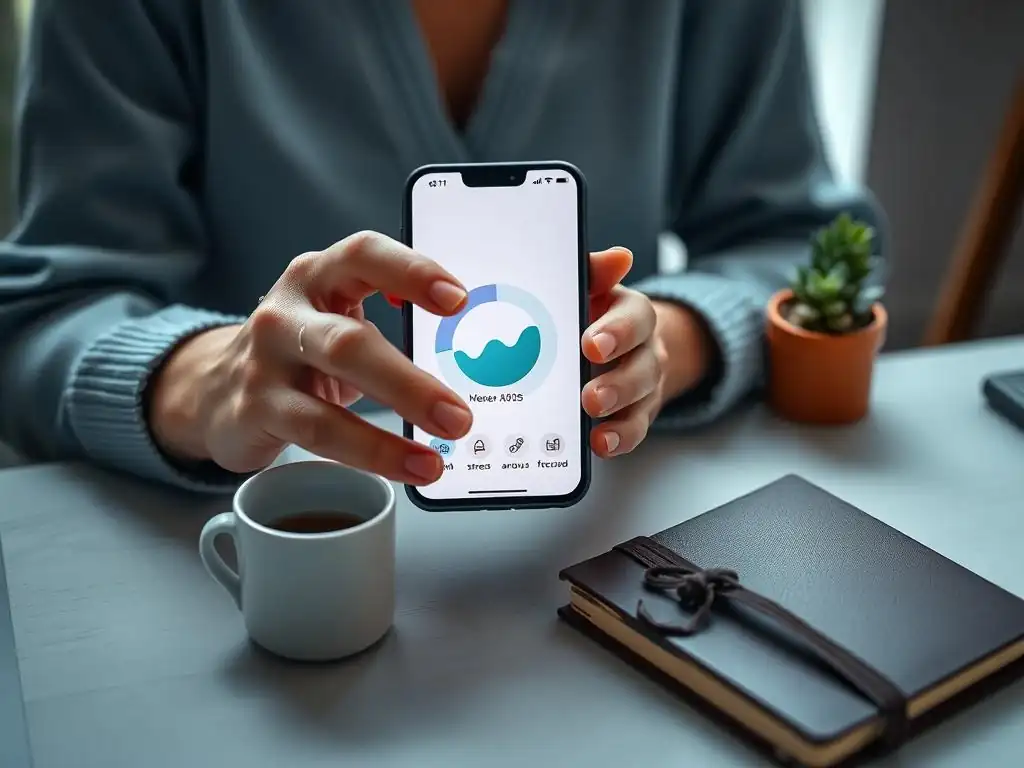
Welcome to Mind Care Guide, your trusted companion on the path to mental well-being. Feeling overwhelmed by anxiety and the rollercoaster of daily stress? You're not alone. Discover how to take control with our in-depth "Anxiety mood tracking app reviews" and unlock the power of self-monitoring. Could the key to a calmer, more balanced you be just a tap away? Explore our insights and find the perfect app to help you understand and manage your mood, starting today.
- Best Mood Tracking Apps for Anxiety and Stress
- Understanding Mood Tracking for Anxiety and Stress Management
- Anxiety Mood Tracking App Reviews: Top Picks
- #1: Calm - Meditation and Mindfulness for Anxiety Reduction
- #2: Headspace - Mindfulness and Meditation for Everyday Life
- #3: Moodfit - Personalized Mental Wellness Plans
- #4: Sanvello - CBT-Based Anxiety and Depression Management
- #5: Insight Timer - Free Meditation App with Extensive Library
- Key Features to Consider When Choosing an Anxiety Mood Tracker
- How to Effectively Use a Mood Tracking App for Anxiety
- Beyond Apps: Holistic Approaches to Anxiety and Stress Management
- Conclusion: Empowering Your Mental Health Journey with the Right Mood Tracking App
-
Frequently Asked Questions
- What are the key benefits of using a mood tracking app for anxiety?
- How do I choose the best anxiety mood tracking app for my needs?
- Are anxiety mood tracking apps a substitute for professional mental health treatment?
- What types of data can I typically track in an anxiety mood tracking app?
- Are there free Anxiety mood tracking app reviews available, or do I need to pay for them?
- Final Reflection: Charting a Course to Calm: The Power of Mood Tracking
- Unlock Your Inner Calm: Take Control of Your Mood Today!
Best Mood Tracking Apps for Anxiety and Stress
Finding the Right App for Your Mental Wellness Journey
Navigating the complexities of anxiety and stress can feel overwhelming, but understanding your emotional landscape is a powerful first step towards managing these challenges. Mood tracking apps offer a modern, accessible tool to gain insight into your daily feelings, helping you identify patterns, triggers, and the impact of different activities on your mental state. Choosing the right app among the many options available requires careful consideration of your specific needs and preferences.
This guide provides detailed anxiety mood tracking app reviews to help you make an informed decision. We'll explore some of the top-rated applications designed to support individuals dealing with anxiety and stress, examining their features, pricing, and overall effectiveness. The goal is to empower you with the knowledge to select a digital companion that can genuinely aid your journey towards greater emotional well-being and resilience.
Understanding Mood Tracking for Anxiety and Stress Management
Why Track Your Mood? Benefits of Monitoring Anxiety Levels and Stress Responses
Tracking your mood is far more than just logging how you feel at a given moment; it's a proactive strategy for self-awareness in the face of anxiety and stress. Regular monitoring creates a valuable historical record of your emotional fluctuations, allowing you to see trends over time that might otherwise go unnoticed. For instance, you might discover that your anxiety consistently peaks on certain days of the week or after specific types of interactions.
The benefits extend to understanding the intensity and duration of anxious feelings or stress responses. Instead of feeling vaguely overwhelmed, tracking helps you quantify these experiences. Many users report that simply the act of recording their mood and associated factors provides a sense of control and mindfulness, shifting focus from reactive distress to analytical observation. This data becomes a crucial foundation for developing coping strategies and discussing your experiences with a mental health professional.
How Mood Tracking Apps Can Aid in Identifying Triggers and Patterns of Anxiety
Mood tracking apps provide a structured framework for connecting your emotional state with external factors and internal experiences. Beyond just logging a feeling (e.g., "anxious" or "stressed"), these apps often allow you to record accompanying details such as activities performed, sleep quality, food intake, social interactions, and physical symptoms. By consistently correlating these variables with your mood entries, powerful patterns begin to emerge.
Consider someone who uses a mood tracker for a few weeks. They might notice that their anxiety consistently rises on days they skip their morning walk, or that stress levels are higher after late-night screen time. The app's data visualization features, like charts and graphs, make these connections visually apparent. This objective data helps demystify triggers, moving from a vague sense of dread to recognizing specific situations or habits that negatively impact mood. This insight is invaluable for developing targeted interventions and making lifestyle adjustments.
Anxiety Mood Tracking App Reviews: Top Picks
Comparing Mood Trackers for Anxiety and Stress Relief
Selecting the best tool for your mental health is a personal process. Our anxiety mood tracking app reviews focus on apps that offer robust features specifically beneficial for managing anxiety and stress. While many general mood trackers exist, those highlighted here often integrate elements like mindfulness exercises, cognitive behavioral therapy (CBT) tools, or guided meditations alongside mood logging capabilities.
When comparing these apps, consider:
- The ease of logging your mood and associated factors.
- The depth of insights and data visualization provided.
- The availability of supplementary mental wellness tools (meditation, journaling, exercises).
- The cost and subscription model.
- User interface and overall user experience.
We've evaluated several popular options to give you a clearer picture of what each offers in the context of anxiety and stress management.
#1: Calm - Meditation and Mindfulness for Anxiety Reduction
Calm Features: Guided Meditations and Sleep Stories for Managing Anxiety and Stress
Calm is renowned primarily as a meditation and sleep aid app, but its extensive library of guided content makes it a powerful tool for anxiety and stress management. The core offering includes guided meditation sessions ranging from 3 to 25 minutes, covering topics like managing stress, calming anxiety, and building mindfulness. These meditations are designed to help users cultivate a sense of presence and reduce racing thoughts commonly associated with anxiety.
Beyond meditation, Calm offers "Sleep Stories," soothing narratives read by well-known voices, intended to help quiet the mind before sleep – a significant issue for many with anxiety. It also includes breathing exercises, stretching routines, and calming nature soundscapes. While not a traditional mood tracker in the sense of logging specific feelings and activities daily, its focus on teaching mindfulness and relaxation techniques directly addresses the physiological and psychological symptoms of anxiety and stress, providing tools that can indirectly improve mood over time.
Calm Pricing and Subscription Options: Is it Worth the Investment?
Calm operates on a freemium model, offering a limited selection of content for free, including a basic "Daily Calm" meditation. However, access to the vast majority of their library, including most guided programs, Sleep Stories, and music, requires a premium subscription. As of a general estimate, a monthly subscription might cost around $15 USD, while an annual subscription typically offers significant savings, potentially around $70-80 USD per year. They sometimes offer lifetime subscriptions as well, which can be a substantial upfront investment but cost-effective long-term.
For individuals who find meditation and mindfulness practices effective for their anxiety and stress, the investment in a Calm subscription can be worthwhile. The sheer volume and quality of the content are high, and consistent use of the guided programs can lead to noticeable improvements in managing anxious thoughts and improving sleep quality, which in turn positively impacts mood. However, if your primary need is detailed logging and analysis of specific mood triggers, Calm might need to be supplemented with a dedicated mood tracking feature found in other apps.
Calm Pros and Cons: A Deep Dive into this Popular Mindfulness App
Pros:
- Extensive library of high-quality guided meditations for various needs, including anxiety and stress.
- Popular "Sleep Stories" are highly effective for individuals struggling with sleep due to anxiety.
- Variety of content types: breathing exercises, stretching, nature sounds, masterclasses.
- User-friendly and aesthetically pleasing interface.
- Widely recognized and trusted brand in the mental wellness space.
Cons:
- Limited free content; requires a premium subscription for full access.
- Not a dedicated mood tracking app in the sense of logging specific feelings and correlating them with activities.
- Focus is primarily on relaxation and mindfulness techniques, less on cognitive restructuring or trigger identification through data analysis.
- Subscription cost can be a barrier for some users.
#2: Headspace - Mindfulness and Meditation for Everyday Life

Headspace Features: Guided Meditations and Techniques for Managing Anxiety
Headspace, like Calm, is a leader in the meditation and mindfulness space, offering hundreds of guided sessions focused on various aspects of life, including managing anxiety and stress. They provide structured courses, often lasting 10-30 days, that teach foundational meditation techniques and delve into specific topics like navigating anxiety, coping with sadness, and building resilience. These courses are designed to help users develop a consistent practice and apply mindfulness principles to challenging emotions.
Key features for anxiety management include targeted single meditations like "Dealing with Restlessness" or "Feeling Overwhelmed," emergency SOS sessions for moments of acute panic or anxiety, and sleep aids similar to Calm's Sleep Stories. Headspace also offers mindful movement exercises and focus-oriented music. While it doesn't typically feature a detailed mood logging function like some dedicated trackers, its emphasis on teaching how to observe thoughts and feelings without judgment is directly relevant to managing anxious thought patterns and reducing stress reactivity.
Headspace Pricing and Subscription Options: Accessible Mindfulness Training
Headspace also operates on a subscription model. They offer a free trial period, often 7 or 14 days, to explore the premium content. After the trial, a monthly subscription is typically around $13 USD, and an annual subscription is usually priced around $70 USD per year, offering significant savings compared to the monthly rate. They also offer family plans and sometimes student or educator discounts.
The cost is comparable to other premium meditation apps. For those seeking structured, progressive training in mindfulness and meditation as a primary method for managing anxiety and stress, Headspace provides a deep and well-organized library. Their approach is often described as accessible and relatable, making it suitable for beginners. If you prioritize learning how to meditate effectively to reduce anxiety symptoms, the annual subscription can be a valuable investment in your mental well-being.
Headspace Pros and Cons: Weighing the Benefits of a Meditation App
Pros:
- Excellent structured courses for learning and deepening meditation practice.
- Specific content tailored for anxiety, stress, sleep, and focus.
- Accessible and engaging teaching style, good for beginners.
- Variety of content beyond core meditation (sleep, movement, music).
- Scientifically backed approach to mindfulness.
Cons:
- Primarily a meditation app, not a dedicated mood tracker for logging and analysis.
- Requires a paid subscription for full access to most content.
- May not be sufficient for users whose primary need is identifying specific triggers through data.
- Some users might find the interface or content style less appealing than alternatives.
#3: Moodfit - Personalized Mental Wellness Plans
Moodfit Features: Tools and Exercises for Managing Anxiety and Stress
Moodfit stands out by offering a more comprehensive approach to mental fitness, going beyond just mood tracking to provide tools and exercises aimed at improving overall well-being and managing conditions like anxiety and stress. It allows users to log their mood daily, but also track factors like sleep, exercise, nutrition, and medication, providing a richer dataset for analysis. The app then uses this data to offer personalized insights into what might be affecting your mood.
Crucially, Moodfit includes a variety of evidence-based tools. These include articles and exercises based on Cognitive Behavioral Therapy (CBT) and Dialectical Behavior Therapy (DBT), journaling prompts, gratitude exercises, and breathing techniques. For anxiety and stress, these tools help users challenge negative thought patterns, develop coping skills, and build healthier habits. The app's strength lies in integrating tracking with actionable steps and educational content, creating a more holistic mental fitness program.
Moodfit Pricing and Subscription Options: Comprehensive Mental Health Support
Moodfit offers a free version that provides core mood tracking functionality and access to some basic tools and articles. This allows users to get a sense of the app's capabilities before committing financially. For full access to all tools, exercises, personalized insights, and unlimited tracking, a premium subscription is required. Based on typical app pricing models, a monthly subscription might be around $10-15 USD, while an annual subscription could range from $50-70 USD per year, offering a more economical long-term option.
Considering the range of features offered – detailed tracking plus a library of CBT/DBT exercises and educational content – the premium subscription can offer significant value. It positions itself as a personal mental fitness coach. For individuals looking for an anxiety mood tracking app reviews that combines tracking with practical, therapeutic tools to actively work on their anxiety and stress, Moodfit's subscription cost may be justified by the breadth of resources available.
Moodfit Pros and Cons: A Deep Dive into this Wellness App
Pros:
- Strong emphasis on detailed mood tracking combined with tracking other lifestyle factors (sleep, exercise, etc. ).
- Provides personalized insights based on your logged data.
- Includes evidence-based tools and exercises (CBT, DBT, journaling) for active skill-building.
- Offers educational content to help users understand mental health concepts.
- Free version available to test core features.
Cons:
- Full access to all tools and insights requires a paid subscription.
- The sheer amount of features might feel overwhelming for some users initially.
- Data analysis and personalization, while a strength, depend heavily on consistent and accurate logging by the user.
- Interface might be perceived as less polished than some meditation-focused apps.
#4: Sanvello - CBT-Based Anxiety and Depression Management
Sanvello Features: A Detailed Look at CBT Tools and Community Support
Sanvello is designed as a comprehensive platform for managing anxiety and depression, built around principles of Cognitive Behavioral Therapy (CBT). Its features include a daily mood tracker where users can rate their mood and log activities, thoughts, and physical symptoms. This tracking forms the basis for personalized insights and progress reports. Beyond tracking, Sanvello offers guided journeys and coping tools based on CBT techniques, such as challenging negative thoughts, mindfulness exercises, and setting goals.
A unique aspect of Sanvello is its strong emphasis on community support. Users can connect with peers anonymously in moderated forums to share experiences, offer encouragement, and find solidarity. The app also provides access to coaching (live sessions with a mental health coach) and, in some cases, therapy (connecting with a licensed therapist), though these services may have additional costs or depend on your insurance. The combination of tracking, self-help tools, and community makes it a robust option for those seeking structured support.
Sanvello Pricing and Subscription Options: Therapy and Self-Care Resources
Sanvello offers a basic free version that includes limited access to the mood tracker and some community features. Full access to the guided journeys, coping tools, advanced tracking insights, and educational content requires a premium subscription. A monthly subscription might cost around $9 USD, while an annual subscription could be approximately $50-60 USD per year. Importantly, Sanvello is often covered by health insurance plans, which can significantly reduce or eliminate the cost for eligible users.
The pricing structure, especially the potential for insurance coverage, makes Sanvello a potentially more accessible option for comprehensive support compared to purely self-funded apps. The value lies in its integrated approach: tracking to understand patterns, CBT tools to build skills, and community/coaching/therapy options for additional support. For someone seeking an anxiety mood tracking app reviews that includes therapeutic techniques and potentially connects to professional help, Sanvello's subscription model, particularly if covered by insurance, offers significant resources.
Sanvello Pros and Cons: An In-Depth Review of this CBT-Based App
Pros:
- Strong foundation in CBT principles for managing anxiety and depression.
- Integrates mood tracking with a wide array of coping tools and guided programs.
- Offers peer community support, which can be valuable for feeling less alone.
- Potential for integration with coaching and therapy services.
- Often covered by health insurance, increasing accessibility.
Cons:
- Full access to all features requires a paid subscription or insurance coverage.
- The community aspect might not appeal to all users.
- The interface, while functional, might feel less intuitive or polished than some competitors for some users.
- Effectiveness depends on user engagement with both tracking and the provided tools.
#5: Insight Timer - Free Meditation App with Extensive Library
Insight Timer Features: Personalized Meditation for Managing Anxiety
Insight Timer stands out primarily for its vast library of free guided meditations, making it an incredibly accessible resource for managing anxiety and stress through mindfulness. It hosts over 100,000 free guided meditations contributed by thousands of teachers globally. Users can search meditations by duration, topic (including specific themes like "anxiety," "stress relief," "calming the mind"), style, or teacher. This extensive selection ensures there's content suitable for almost anyone, regardless of experience level or specific needs related to anxiety.
While its core is meditation, Insight Timer also includes features like a customizable meditation timer, guided breathing exercises, talks, podcasts, and music tracks. It has a basic check-in feature allowing users to note how they feel after a meditation, but it is not a comprehensive mood tracker for daily logging of various factors. Its strength lies purely in providing an unparalleled amount of free, high-quality audio content focused on mindfulness and relaxation techniques directly applicable to reducing anxiety and stress symptoms.
Insight Timer Pricing and Subscription Options: Affordable Mental Health Support
The most significant advantage of Insight Timer is its generous free offering. The vast majority of its guided meditations and timer features are available completely free of charge, supported primarily by donations and its premium offering. It does offer a "Member Plus" subscription, which provides access to premium features like offline listening, advanced courses (often structured, multi-day programs), high-quality audio, and a more detailed progress dashboard. A monthly subscription for Member Plus is typically around $10 USD, and an annual subscription might be around $60 USD per year.
For individuals whose primary need is access to a wide variety of guided meditations and talks for managing anxiety and stress, the free version of Insight Timer is likely more than sufficient. The premium subscription is valuable for those who want structured courses or offline access, but it's not necessary to benefit significantly from the app's core offering. This makes it one of the most affordable (potentially free) options for incorporating mindfulness into an anxiety management routine.
Insight Timer Pros and Cons: A Deep Dive into this Meditation Platform
Pros:
- Massive library of over 100,000 free guided meditations and talks.
- Content available for a wide range of topics, including specific anxiety and stress relief.
- Includes a customizable meditation timer.
- Highly accessible due to its extensive free content.
- Diverse range of teachers and meditation styles.
Cons:
- Not a dedicated, comprehensive mood tracking app for logging daily feelings and factors.
- The sheer volume of content can sometimes feel overwhelming to navigate.
- Premium features (courses, offline listening) require a paid subscription.
- Quality and style of free content can vary between teachers.
Key Features to Consider When Choosing an Anxiety Mood Tracker
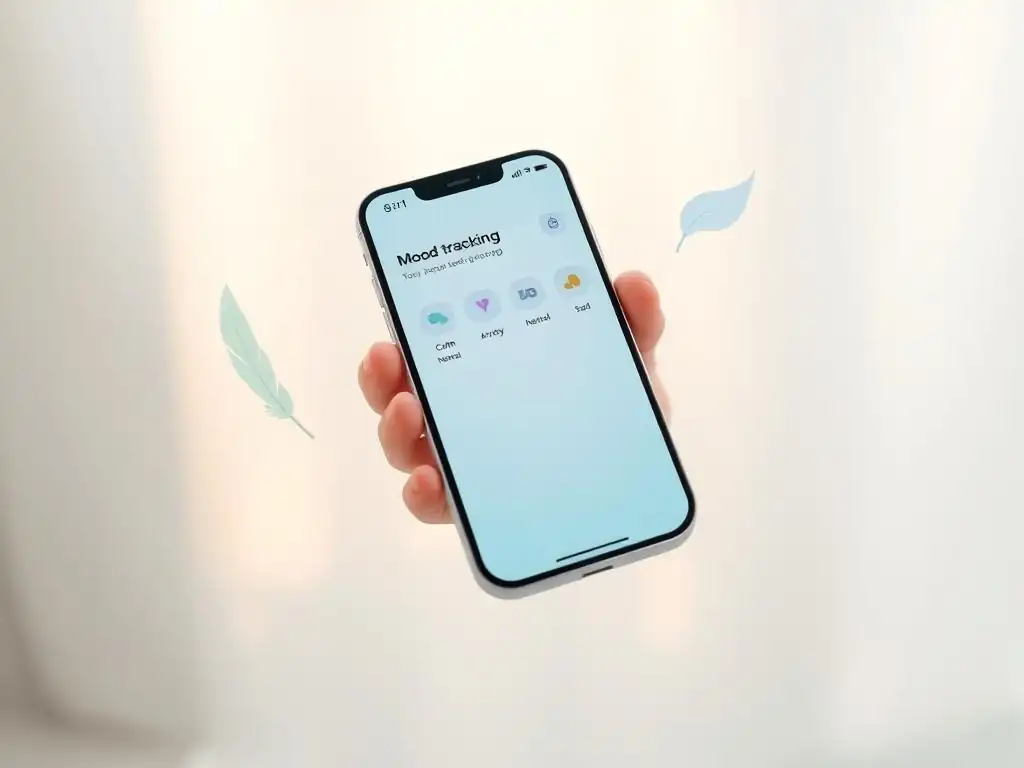
User Interface and Ease of Use: Finding an App That Fits Your Needs
The best mood tracking app for anxiety is one you will actually use consistently. A cluttered or confusing interface can quickly become a barrier, especially when you're already feeling overwhelmed by anxiety or stress. Look for an app with a clean, intuitive design that makes logging your mood and relevant factors quick and easy, ideally taking just a minute or two each day.
Consider how the app presents information. Are the charts and graphs clear and easy to understand? Can you easily see correlations between your mood and logged activities? Some apps offer customizable dashboards, allowing you to prioritize the information most important to you, such as tracking sleep alongside anxiety levels. Test out free versions or trials to see if the app's flow and design resonate with you and fit seamlessly into your daily routine.
Data Privacy and Security: Protecting Your Sensitive Mental Health Information
When using a mood tracking app, you are entrusting it with highly personal and sensitive information about your mental health. Therefore, understanding the app's data privacy and security policies is paramount. Look for apps that clearly state how your data is stored, encrypted, and used. Reputable apps should comply with relevant data protection regulations (like GDPR or HIPAA, depending on location and service type).
Consider whether the app requires you to create an account and how that account is secured. Is your data anonymized or aggregated for research purposes, and can you opt out? While it might seem technical, taking a few minutes to review the privacy policy can offer significant peace of mind. Prioritizing apps with strong security measures ensures that your journey towards managing anxiety and stress remains private and protected.
Integration with Other Mental Wellness Tools
Some individuals use a combination of digital tools for their mental well-being – perhaps a meditation app, a journaling app, and a mood tracker. The ability of your chosen mood tracker to integrate with other apps or platforms can enhance its usefulness. While direct data syncing might be rare due to privacy concerns, consider if the app complements other tools you use.
For instance, does the mood tracker allow you to make notes about your meditation practice? Can you export your mood data to share with a therapist? Some platforms offer suites of tools under one umbrella (like Sanvello's integration of tracking, tools, and potential therapy connections), which might be preferable for others. Think about your existing or desired mental wellness toolkit and how a new mood tracking app would fit into that ecosystem.
Customization Options: Tailoring the App to Your Specific Anxiety Triggers
Anxiety and stress are deeply personal experiences, triggered by unique factors for each individual. A truly effective mood tracking app for anxiety should offer a degree of customization to capture the nuances of your experience. Can you add custom factors to track, beyond the standard options? For example, you might want to track specific social interactions, caffeine intake, or particular work tasks that you suspect influence your anxiety levels.
The ability to customize mood descriptors or add tags to entries allows for more granular data collection. This level of detail is crucial for identifying specific, personal triggers and patterns that generic tracking might miss. When reviewing anxiety mood tracking app reviews, pay attention to whether users highlight the app's flexibility in adapting to individual tracking needs. Customization empowers you to collect the most relevant data for your specific anxiety journey.
How to Effectively Use a Mood Tracking App for Anxiety
Setting Realistic Goals for Mood Tracking and Anxiety Reduction
Simply downloading a mood tracking app isn't a magic solution; its effectiveness hinges on how you use it. Start by setting realistic, achievable goals. Your initial goal might be as simple as consistently logging your mood once a day for a week. Avoid the pressure to track every single variable immediately. Focus on basic mood logging first, then gradually introduce other factors like sleep or activities.
Your goal for anxiety reduction should also be realistic. Mood tracking is a tool for insight and awareness, not an instant cure. Aim to use the data to understand your anxiety better, which is the foundation for making positive changes. For example, a realistic goal might be: "Use the app for one month to identify one specific activity that consistently increases my anxiety." Small, consistent steps are more sustainable than aiming for dramatic overnight changes.
Consistent Tracking and Data Entry for Accurate Insights
The power of mood tracking lies in the data, and the data's accuracy depends on consistency. Try to log your mood at similar times each day – perhaps in the morning, midday, and evening, or whenever a significant shift occurs. The more consistently you enter data, the clearer the patterns will become over time. Even on days when you feel fine, logging a neutral or positive mood is important to provide a complete picture.
Be honest and specific in your entries. Instead of just "bad," try to capture the feeling more accurately: "anxious," "stressed," "irritable," "overwhelmed." If the app allows, add brief notes about why you feel that way or what was happening. Consistent, detailed data entry over several weeks or months is what transforms the app from a simple diary into a powerful analytical tool for understanding your anxiety and stress triggers.
Analyzing Mood Data to Identify Triggers and Patterns
Once you've collected a sufficient amount of data (typically a few weeks' worth), dedicate time to review the insights the app provides. Look at the charts and graphs. Do you notice correlations? For example, does your anxiety score consistently rise on Mondays? Is your stress level higher on days you get less than 6 hours of sleep? Do certain activities, like social gatherings or work deadlines, consistently precede periods of heightened anxiety?
Identifying these patterns is the key benefit of mood tracking. It provides objective evidence of what influences your emotional state. This analytical step moves you from feeling like your anxiety is random or uncontrollable to seeing specific connections you can address. Use these insights to inform your coping strategies – perhaps scheduling calming activities on high-anxiety days or adjusting your sleep schedule if that appears to be a factor.
For many individuals, using a mood tracking app is a valuable complement to professional mental health support. The data you collect can be incredibly useful to your therapist or counselor. Instead of relying on memory to describe how you've felt over the past week or month, you can share concrete data showing the frequency, intensity, and potential triggers of your anxiety and stress.
Some apps allow you to export data reports, while others might simply be something you show and discuss during sessions. This data provides a more objective and detailed picture of your day-to-day experience than is often possible through retrospective conversation alone. Discussing your mood tracking insights with a professional can lead to more targeted strategies and interventions, making your therapy sessions more productive and potentially accelerating your progress.
Beyond Apps: Holistic Approaches to Anxiety and Stress Management
Mindfulness and Meditation Techniques for Anxiety Relief
While apps like Calm and Headspace provide excellent platforms, mindfulness and meditation are practices that can be cultivated with or without technology. At its core, mindfulness involves paying attention to the present moment without judgment. This simple practice can significantly reduce anxiety by interrupting the cycle of worrying about the future or dwelling on the past.
Techniques range from focused breathing exercises (like 4-7-8 breathing) to body scans and walking meditations. Regular practice, even just 5-10 minutes daily, has been shown in studies to decrease activity in the amygdala, the brain's fear center, and increase activity in areas associated with calm and focus. Integrating mindfulness into your routine, perhaps prompted by reminders from your mood tracking app, provides a powerful, non-pharmacological way to build resilience against anxiety and stress.
The Role of Exercise and Nutrition in Mental Well-being
Physical health is deeply intertwined with mental health. Regular exercise is a potent tool for managing anxiety and stress. Physical activity releases endorphins, which have mood-boosting effects. It also helps reduce levels of stress hormones like cortisol. Even moderate exercise, like a brisk 30-minute walk most days of the week, can have a significant positive impact on mood and anxiety levels. Tracking exercise in your mood app can help illustrate this connection personally.
Similarly, nutrition plays a role. A balanced diet rich in fruits, vegetables, whole grains, lean proteins, and healthy fats supports overall brain health. Conversely, high intake of processed foods, sugar, and excessive caffeine or alcohol can exacerbate anxiety symptoms. Paying attention to what you eat and tracking its impact on your mood within your app can provide valuable insights for making dietary adjustments that support your mental well-being alongside using an anxiety mood tracking app reviews to find the right tool.
Seeking Professional Help for Anxiety and Stress
While mood tracking apps and self-help techniques are valuable tools, they are not a substitute for professional mental health care when dealing with significant anxiety or stress. If your symptoms are persistent, severe, interfering with your daily life, or if you are experiencing panic attacks or intrusive thoughts, seeking help from a licensed therapist, counselor, or psychiatrist is crucial.
Professionals can provide diagnosis, personalized treatment plans (which may include therapy like CBT or medication), and coping strategies tailored to your specific situation. Mood tracking data can be a helpful supplement to therapy, providing your clinician with objective information about your experiences between sessions. Remember, asking for help is a sign of strength, and effective treatment is available to help you manage anxiety and stress and improve your quality of life.
Conclusion: Empowering Your Mental Health Journey with the Right Mood Tracking App
Choosing the Best Anxiety Mood Tracking App for Your Individual Needs and Preferences
Embarking on the journey to understand and manage your anxiety and stress is a commendable step towards greater well-being. Mood tracking apps serve as invaluable allies in this process, providing structure for self-reflection and data for informed decision-making. Our anxiety mood tracking app reviews have highlighted diverse options, from comprehensive wellness platforms to specialized meditation tools, each offering unique benefits.
Ultimately, the "best" app is the one that resonates most with you and that you are most likely to use consistently. Consider your primary goal: Is it detailed logging to identify triggers? Access to guided meditations? Therapeutic exercises based on CBT?
Or perhaps a combination? Take advantage of free versions or trials to test the user interface and features. By choosing an app that aligns with your needs and integrating it thoughtfully into your routine alongside other healthy habits and potentially professional support, you can gain powerful insights and actively work towards reducing the impact of anxiety and stress on your life.
Frequently Asked Questions
What are the key benefits of using a mood tracking app for anxiety?
Mood tracking apps can help you identify patterns and triggers related to your anxiety. This self-awareness is crucial for developing effective coping mechanisms and improving your overall mental well-being.
How do I choose the best anxiety mood tracking app for my needs?
Consider factors like ease of use, features offered (e.g., journaling, meditation integration), and privacy settings. Read Anxiety mood tracking app reviews and compare features to find the right fit.
Are anxiety mood tracking apps a substitute for professional mental health treatment?
No, these apps are not a replacement for professional help. They are meant to be a supplemental tool to support your mental well-being journey alongside therapy or medication.
What types of data can I typically track in an anxiety mood tracking app?
You can usually track your mood levels, sleep patterns, activities, and medication intake. Some apps also allow you to log your thoughts and feelings through journaling features.
Are there free Anxiety mood tracking app reviews available, or do I need to pay for them?
Many websites and app stores offer user Anxiety mood tracking app reviews for free. Look for reputable sources and consider a range of opinions before making a decision.
Final Reflection: Charting a Course to Calm: The Power of Mood Tracking
The pervasive nature of anxiety and stress in our modern lives demands innovative solutions, and the rise of mood tracking apps offers a powerful, accessible tool for self-management. These aren't just technological novelties; they represent a shift towards proactive mental health care, empowering individuals to understand and address their emotional well-being in a tangible way. The apps reviewed here highlight the diverse approaches available, from simple journaling to sophisticated data analysis, demonstrating the potential for technology to become a vital ally in the fight against anxiety.
The journey towards better mental health is rarely linear, often marked by setbacks and breakthroughs. The consistent act of tracking moods, however, provides invaluable insight into personal triggers and patterns, fostering a deeper understanding of one's own emotional landscape. The unexamined life is not worth living,
Socrates famously stated, and this rings true for our mental well-being as well. By actively engaging with our emotional experiences through these apps, we begin to unravel the complexities of anxiety and stress, paving the way for more effective coping strategies.
Consider this your invitation to explore the world of mood tracking. Don't be intimidated by the technology; instead, view it as a supportive companion on your path to greater self-awareness and emotional resilience. Choose an app that resonates with you, commit to consistent use, and observe the subtle yet profound shifts in your understanding of yourself. Your journey to a calmer, more balanced life begins with a single entry, a single moment of self-reflection, made easier and more accessible with the help of these incredible tools.
Unlock Your Inner Calm: Take Control of Your Mood Today!
Thanks for taking the time to explore the best mood tracking apps with us! We hope you found the perfect tool to help manage your anxiety and stress. Now it's time to put this newfound knowledge into action.
- Start your free trial of your chosen app today! This is the most impactful step you can take towards better self-awareness. Download it now and begin tracking your moods.
- Share your experience: Let us know which app worked best for you and why! We love hearing from our community.
- Explore additional resources: Dive deeper into anxiety management techniques on our website (MindCareGuide.org).
Ready to embark on your journey to a calmer, more balanced you? What's the first mood you'll track?