
Features Explained: Breathing Exercises, Meditation, Tracking in Anxiety Apps (Pricing)


Welcome to Mind Care Guide, your trusted companion on the path to mental well-being. Feeling overwhelmed? You're not alone. We understand the daily struggles with anxiety, and that's why we're diving deep into the world of anxiety apps and their features. Discover how breathing exercises, meditation, and tracking tools can offer relief, and uncover the secrets behind their pricing models. Ready to explore how these apps can help you regain control? Let's unravel the complexities together, starting with a closer look at how these features truly work.
Features Explained: Breathing Exercises, Meditation, Tracking in Anxiety Apps (Pricing) - Mind Care Guide
- Understanding Anxiety Apps: Breathing Exercises, Meditation, and Anxiety Relief
- Breathing Exercises in Anxiety Apps: Finding Your Calm
- Meditation Features in Anxiety Apps: Cultivating Inner Peace
- Anxiety Tracking Features: Monitoring Progress and Identifying Patterns
- Pricing Comparison: Finding the Best Value in Anxiety Apps
- Choosing the Right Anxiety App: Considering Your Needs and Budget
- Beyond Apps: Complementary Approaches to Anxiety Relief
-
Frequently Asked Questions
- What are the key features to look for in anxiety apps focusing on breathing exercises and meditation?
- How can anxiety apps that incorporate breathing exercises and meditation help with managing anxiety?
- What are the different pricing models typically offered by anxiety apps that offer breathing exercises, meditation, and tracking?
- Are breathing exercises and meditation techniques within anxiety apps evidence-based and effective?
- Can anxiety apps replace professional mental health treatment for individuals struggling with anxiety, even with breathing exercises and meditation features?
- Final Reflection: Finding Calm in the Digital Age
- Unlock Your Inner Calm: Take Control of Your Anxiety Today!
Understanding Anxiety Apps: Breathing Exercises, Meditation, and Anxiety Relief
Navigating the complexities of anxiety can be challenging, but technology offers accessible tools to support your mental well-being journey. Anxiety apps have emerged as a popular resource, providing readily available techniques and resources to help manage symptoms. These digital tools often incorporate evidence-based practices like breathing exercises, meditation, and tracking features to empower users in real-time.
Why Use Anxiety Apps for Managing Stress and Anxiety?
Anxiety apps offer convenience and privacy, allowing individuals to access support whenever and wherever they need it. This accessibility is crucial, especially during moments of heightened anxiety when traditional resources might not be immediately available. Users can quickly launch an app to engage in a guided breathing exercise during a panic attack or listen to a calming meditation before a stressful event. The ability to have these tools on your personal device makes them a discreet and immediate form of support.
Furthermore, anxiety apps can act as supplementary tools alongside professional help. They provide structured practices that reinforce techniques learned in therapy, such as mindfulness or cognitive behavioral strategies. For instance, an app might offer daily check-ins or prompts that encourage users to apply coping mechanisms discussed with a therapist. While not a replacement for professional medical advice or treatment, these apps can significantly contribute to a holistic approach to managing anxiety symptoms and building resilience.
Key Features to Look for in Anxiety Relief Apps
When exploring anxiety apps, several core features stand out as particularly beneficial for managing stress and anxiety. High-quality apps often include guided breathing exercises designed to regulate the nervous system and promote relaxation. These exercises can range from simple box breathing to more complex pranayama techniques. Another essential feature is meditation, offering various guided sessions focusing on mindfulness, body scans, or loving-kindness, tailored to different durations and experience levels.
Beyond relaxation techniques, effective anxiety apps frequently incorporate tracking tools. These features allow users to monitor their mood, anxiety levels, specific symptoms (like heart rate or intrusive thoughts), and potential triggers. This data can provide valuable insights into patterns and help users understand what exacerbates or alleviates their anxiety. Additionally, look for apps that offer educational content about anxiety, goal setting features, and perhaps even community forums (though privacy preferences vary). The combination of these features provides a comprehensive toolkit for self-management.
Breathing Exercises in Anxiety Apps: Finding Your Calm
Breathing is an automatic bodily function, but conscious, controlled breathing is a powerful technique for calming the nervous system. Anxiety apps leverage this by providing guided exercises that teach users how to breathe effectively to reduce stress responses. These features are often among the most frequently used in anxiety apps breathing exercises meditation suites.
How Breathing Techniques in Apps Reduce Anxiety
Focused breathing techniques activate the parasympathetic nervous system, counteracting the "fight or flight" response triggered by anxiety. By slowing down and deepening breaths, individuals can lower their heart rate, reduce muscle tension, and quiet racing thoughts. Anxiety apps guide this process visually and audibly, providing pacing cues and soothing instructions. For example, an app might show an expanding and contracting circle to time inhales and exhales, or use gentle voice guidance to direct the user through a specific pattern like 4-7-8 breathing (inhale for 4, hold for 7, exhale for 8).
Consistent practice of these techniques through an app can build resilience over time. Regular engagement with guided breathing exercises helps users become more attuned to their physiological responses to stress and provides them with a reliable tool they can deploy before anxiety escalates significantly. Many apps offer short, two or three-minute exercises perfect for quick relief in stressful situations, reinforcing the idea that calm is just a few breaths away.
Top Anxiety Apps with Guided Breathing Exercises: A Feature Comparison
Many popular anxiety apps prioritize breathing exercises, integrating them seamlessly into their user experience. While the core principle is similar, the presentation and variety can differ significantly. Comparing these offerings helps potential users find the best fit for their needs and preferences regarding anxiety apps breathing exercises meditation features.
Calm: Breathing Exercise Variety and User Experience
Calm is renowned for its polished interface and extensive library, including a dedicated section for breathing exercises. Users can find simple guided breaths, exercises focused on specific outcomes like reducing panic, or techniques integrated into meditations. The app often uses calming visuals, such as nature scenes, to enhance the experience. Calm's breathing exercises are generally easy to follow, making them accessible for beginners, and they are often integrated into larger programs or daily check-ins, encouraging regular practice.
The user experience on Calm is designed to be intuitive and soothing. Finding a breathing exercise is straightforward, typically located within the main navigation or sometimes highlighted as a daily recommendation. The app's focus on high-quality audio and gentle guidance contributes significantly to the effectiveness of its breathing features, making it a strong contender for users prioritizing a premium, aesthetically pleasing experience when seeking anxiety apps breathing exercises meditation support.
Headspace: Mindfulness and Breathing for Beginners
Headspace takes a slightly different approach, often integrating breathing techniques as foundational elements within its broader mindfulness courses. While there are dedicated "SOS" breathing exercises for moments of crisis, many of its core meditations and animations teach mindful breathing as a way to anchor attention and manage difficult emotions. Their signature animated guides make complex concepts, like focusing on breath sensations, feel approachable and less intimidating, especially for those new to mindfulness.
The Headspace style is friendly and educational, explaining the 'why' behind the breathing techniques alongside the 'how'. This can be particularly helpful for users who benefit from understanding the mechanisms of anxiety and how breathing impacts the brain and body. Their short, animated explanations before exercises help set the stage and motivate users to engage with the practice consistently as part of their overall anxiety management strategy, complementing other anxiety apps breathing exercises meditation resources.
Breathwrk: Gamified Breathing Exercises and Customization
Breathwrk stands out by focusing specifically on breathing exercises, offering a vast library of techniques for various purposes beyond just anxiety relief, such as improving focus or energy. The app uses a more interactive and sometimes 'gamified' approach, with visual cues that feel dynamic and engaging. Users can explore exercises categorized by goal or even create custom breathing patterns.
This app is ideal for users who want a deep dive into the world of breathing techniques and appreciate variety and personalization. It provides detailed explanations of the physiological effects of each exercise and tracks user progress, showing streaks and completed sessions. While it may not offer the extensive meditation libraries of other apps, its singular focus on breathing makes it a powerful tool for mastering this specific aspect of anxiety management.
Meditation Features in Anxiety Apps: Cultivating Inner Peace
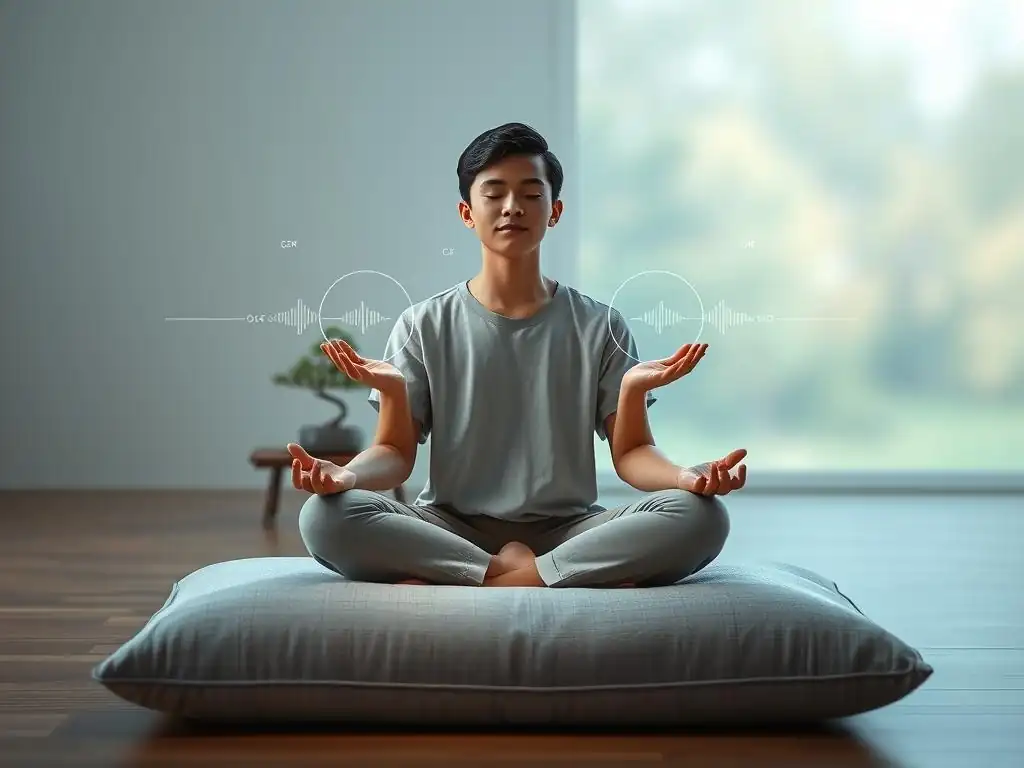
Meditation is a practice proven to help reduce anxiety by training the mind to be more present and less reactive to stressful thoughts. Anxiety apps frequently include extensive meditation libraries, offering guided sessions tailored to various needs and experience levels. Integrating meditation is a core component of many comprehensive anxiety apps breathing exercises meditation platforms.
The Role of Meditation in Managing Anxiety Symptoms
Regular meditation practice can lead to significant reductions in anxiety symptoms. By encouraging non-judgmental observation of thoughts and feelings, meditation helps individuals develop a healthier relationship with their anxiety. Instead of being overwhelmed by anxious thoughts, users learn to notice them without getting swept away. This cognitive shift can decrease the intensity and frequency of anxious episodes.
Furthermore, meditation fosters a sense of calm and self-awareness. Practices like body scans can help users recognize physical signs of anxiety early, allowing them to apply coping strategies proactively. Loving-kindness meditation can cultivate self-compassion, which is often lacking in individuals struggling with anxiety. Consistent engagement, even just for a few minutes daily via an app, can retrain the brain's response to stress over time, providing a foundation of inner peace amidst life's challenges.
Comparing Meditation Styles Offered by Different Anxiety Apps
The approach to meditation varies widely across anxiety apps, catering to different preferences and goals. Some apps offer traditional mindfulness, while others focus on specific techniques or integrate meditation with other features. Understanding these differences helps users choose an app that aligns with their comfort level and desired outcomes from anxiety apps breathing exercises meditation practices.
Insight Timer: Free Meditation Resources and Community
Insight Timer boasts perhaps the largest free library of guided meditations globally, contributed by thousands of teachers. While it offers premium features, a vast amount of content, including meditations specifically for anxiety, sleep, and stress, is available at no cost. This accessibility makes it an excellent starting point for anyone exploring meditation for anxiety without a financial commitment.
The sheer volume can be overwhelming, but robust search and filtering options help users find relevant content. Insight Timer also includes community features, allowing users to see who else is meditating simultaneously and join discussion groups, fostering a sense of connection. Its strength lies in the diversity of styles and teachers, offering everything from brief, secular mindfulness to longer, more spiritually-oriented practices.
Ten Percent Happier: Meditation for Skeptics and Beginners
Ten Percent Happier was founded by a skeptical journalist and is specifically designed for people who find traditional meditation daunting or "woo-woo." It features straightforward, no-nonsense guidance from respected teachers, often breaking down the science and practical benefits of meditation in relatable terms. The app includes introductory courses that build foundational skills progressively.
This app excels at demystifying meditation and making it accessible to those who might be resistant or feel they "can't meditate." The focus is on practical application to daily life and managing challenging emotions like anxiety. While its library might be smaller than some competitors, the quality of instruction and the targeted approach for beginners and skeptics make it a highly effective tool for specific users seeking anxiety apps breathing exercises meditation support with a pragmatic viewpoint.
Aura: Tailored Meditation Programs for Specific Anxiety Triggers
Aura differentiates itself by offering personalized meditations based on a user's mood and specific anxiety triggers. Upon opening the app, users are often prompted to select their current emotional state, and Aura then recommends short, tailored meditations or coaching sessions. This adaptive approach aims to provide immediate, relevant support.
The app's library includes meditations, life coaching sessions, and stories, all designed to address various emotional states and challenges, including specific types of anxiety (e.g., social anxiety, work stress). This personalization can make the experience feel more directly applicable and supportive during moments of distress. Aura's focus on short, on-demand content makes it convenient for users who need quick, targeted relief throughout the day using anxiety apps breathing exercises meditation features.
Anxiety Tracking Features: Monitoring Progress and Identifying Patterns
Beyond providing tools for immediate relief, many anxiety apps include features that help users understand their anxiety over time. Tracking mood, symptoms, and potential triggers provides valuable data for self-awareness and can inform more effective coping strategies. These tracking capabilities are a critical component of comprehensive anxiety apps breathing exercises meditation platforms.
How Anxiety Tracking Helps You Understand Your Anxiety
Tracking your anxiety allows you to move from a feeling of being overwhelmed by unpredictable symptoms to gaining objective insight into patterns and influences. By regularly logging your experiences, you can identify correlations that might not be obvious otherwise. For instance, you might discover that your anxiety levels consistently spike after certain activities, specific types of social interactions, or even at particular times of the day or week.
This data provides a roadmap for making informed adjustments to your lifestyle, habits, or coping strategies. Seeing visual representations of your mood fluctuations or symptom severity over time can be incredibly validating and empowering. It shifts the focus from just reacting to anxiety to proactively understanding its origins and developing personalized management plans. This insight is invaluable for long-term well-being.
Different Types of Anxiety Tracking Tools in Apps
Anxiety tracking features in apps come in various forms, allowing users to capture different aspects of their experience. The most common methods involve logging daily information and reflecting on specific events. Comprehensive anxiety apps breathing exercises meditation resources often combine multiple tracking types.
Mood Tracking: Daily Mood Logging and Analysis
Mood tracking involves simply rating your overall mood on a scale each day, often with options to add brief notes or select associated emotions. Over time, apps can generate charts or graphs showing mood trends. This provides a high-level overview of emotional well-being and helps identify periods of higher or lower mood, which can correlate with anxiety levels. Some apps use color-coded calendars or simple sliders for quick and easy logging.
Analyzing mood data can reveal patterns related to sleep, diet, social interactions, or daily stressors. For example, a user might notice their mood score consistently drops on Mondays or after insufficient sleep. This simple practice builds self-awareness and provides tangible data to discuss with a therapist or use for personal reflection.
Symptom Tracking: Monitoring Physical and Emotional Symptoms
Symptom tracking goes deeper than mood, allowing users to log specific physical sensations (like racing heart, muscle tension, shortness of breath) and emotional states (like worry, irritability, fear). Apps might provide predefined lists of common anxiety symptoms to select from or allow users to add custom ones. Logging the intensity and duration of these symptoms can provide a detailed picture of anxiety episodes.
Monitoring symptoms helps users become more aware of the physical manifestations of their anxiety and how they fluctuate. It can also help differentiate anxiety from other physical issues. Seeing how symptoms change in response to coping mechanisms, like using anxiety apps breathing exercises meditation techniques or engaging in therapy, provides positive reinforcement and highlights effective strategies.
Trigger Tracking: Identifying Potential Anxiety Triggers
Trigger tracking involves noting down events, situations, or thoughts that precede or coincide with feelings of anxiety. This could be logging specific social events, work deadlines, types of news consumption, or even particular internal thought patterns. Apps often allow users to add notes explaining the context of the trigger.
Identifying triggers is crucial for developing proactive coping strategies. If a user consistently logs anxiety after checking work emails in the evening, they might decide to set boundaries around work communication. Trigger tracking provides actionable insights, helping users either avoid certain situations or prepare for them using techniques like those found in anxiety apps breathing exercises meditation libraries.
Best Anxiety Apps for Comprehensive Tracking: A Breakdown
Some apps excel specifically in their tracking capabilities, offering robust tools for self-monitoring and analysis. These apps often provide more than just simple logging, incorporating journaling, data visualization, and even AI-driven insights.
Day One: Journaling and Mood Tracking Integration
While primarily a journaling app, Day One offers powerful features for tracking anxiety through reflective writing and tagging. Users can create custom tags for moods, symptoms, triggers, or activities and then use the app's search and filtering functions to analyze entries over time. Its robust export options allow users to share data with therapists if desired.
Day One's strength lies in its flexibility and the depth of insight that comes from freeform writing combined with structured tagging. While it doesn't have predefined anxiety tracking templates like some dedicated mental health apps, its journaling format allows for rich qualitative data collection alongside quantitative tracking via tags.
Reflectly: AI-Powered Journaling and Anxiety Analysis
Reflectly is an AI-powered journaling app designed to help users process thoughts and feelings, including anxiety. It prompts users with questions to guide their reflection and uses AI to identify patterns and insights from their entries. The app provides summaries and visualizations of mood trends and common themes appearing in journals.
Reflectly's AI analysis can help users uncover potential triggers or thought patterns they might not have recognized on their own. It presents insights in an engaging way, making the process of self-reflection feel less like a chore. This app is particularly useful for users who want guidance in their journaling and appreciate receiving interpreted insights from their data.
Bearable: Combining Tracking with Personalized Recommendations
Bearable is a sophisticated health tracking app that allows users to log a wide range of factors, including mood, symptoms, sleep, diet, activities, and medications. It then analyzes this data to show correlations between different logged items. For example, it can highlight how specific foods or activities impact your mood or anxiety levels.
Bearable's strength is its ability to connect the dots between various aspects of your life and your anxiety. Its correlation analysis can provide highly personalized insights, helping users identify specific lifestyle changes that might alleviate symptoms. While it requires consistent logging across multiple categories, the potential for granular, actionable data is significant.
Pricing Comparison: Finding the Best Value in Anxiety Apps
The cost of anxiety apps varies widely, from completely free options to premium subscriptions that can be significant monthly or annual expenses. Understanding the pricing models and what features are included at different tiers is essential for finding an app that fits both your needs and your budget, especially when considering anxiety apps breathing exercises meditation features which might be premium.
Free vs. Paid Anxiety Apps: What You Get for Your Money
Free anxiety apps offer a valuable starting point, providing access to basic features like a limited selection of guided meditations or breathing exercises. They may be ad-supported or have a smaller content library. For instance, some free apps might offer a few introductory meditation courses but lock advanced sessions behind a paywall. Free tracking features might be limited to simple daily mood checks without in-depth analysis.
Paid or premium anxiety apps typically offer unlimited access to their entire content library, including extensive collections of breathing exercises, meditations for various purposes (anxiety, sleep, focus), and potentially advanced tracking features with detailed analytics and personalized insights. Premium subscriptions often remove ads and may include additional features like offline access, longer sessions, or specialized programs. The value proposition of a paid app lies in its depth, breadth, and potentially ad-free, enhanced user experience compared to free anxiety apps breathing exercises meditation offerings.
Subscription Models and Pricing Tiers Explained
Most paid anxiety apps operate on a subscription model, requiring recurring payments to maintain access to premium features. The most common options are monthly and annual subscriptions. Annual subscriptions are almost always cheaper per month than monthly plans, offering savings for users committed to using the app long-term. For example, a monthly plan might cost $12.99, while an annual plan breaks down to around $7-$10 per month.
Some apps also offer lifetime subscriptions, which involve a single, larger upfront payment for permanent access. This can be the most cost-effective option for users who are certain they will use the app for many years. Understanding these tiers helps users evaluate the long-term cost and decide whether the premium features justify the expense for their anxiety management needs.
Free Trial Periods: Testing Out Premium Features
Many premium anxiety apps offer a free trial period, typically ranging from 7 to 14 days. This allows prospective users to explore the full range of premium features, including access to all breathing exercises, meditation libraries, and tracking tools, before committing to a paid subscription. Free trials are an excellent way to determine if an app's interface, content style, and specific features meet your expectations and feel helpful for your anxiety.
It's important to note the trial duration and whether you need to provide payment information upfront. Some trials automatically convert to a paid subscription unless canceled before the trial ends. Taking advantage of free trials from multiple apps can help you compare different anxiety apps breathing exercises meditation features side-by-side and make an informed decision about which platform provides the best value and fit.
In-App Purchases: Additional Content and Features
While less common for core subscription features, some anxiety apps might offer additional content or specific programs as separate in-app purchases, even within a subscription model. This could include specialized courses on specific topics like panic attacks or social anxiety, premium soundscapes, or access to one-on-one coaching sessions (though this is less frequent).
Users should review an app's pricing page carefully to understand what is included in the standard subscription versus what might require extra payment. For most popular anxiety apps breathing exercises meditation and tracking features are included in the main premium subscription, but checking for potential extra costs is always a good idea.
Detailed Pricing Breakdown of Top Anxiety Apps
Pricing for popular anxiety apps can fluctuate slightly and may vary by region or platform (iOS vs. Android). The figures below represent approximate pricing structures based on commonly advertised rates, focusing on the cost to access core anxiety apps breathing exercises meditation and tracking functionalities.
Calm: Subscription Costs and Features Included
Calm typically offers a monthly subscription around $15 and an annual subscription around $70 (equating to about $5.83/month). They also frequently offer a lifetime subscription option, which can range from $300 to $400. The premium subscription unlocks the entire library, including all guided meditations, breathing exercises, sleep stories, music, and masterclasses. A limited selection of content is available for free.
Headspace: Subscription Costs and Features Included
Headspace generally prices its monthly subscription around $13 and its annual subscription around $70 (equating to about $5.83/month). They occasionally offer student or family plans. Like Calm, the premium subscription provides unlimited access to all meditation courses, single sessions, sleep content, movement exercises, and focus music. Headspace offers a foundational free trial or limited free content to start.
Insight Timer: Free Content and Premium Subscription Options
Insight Timer is unique in offering a vast amount of its content, including thousands of guided meditations and breathing exercises, for free. Their optional premium subscription, called Insight Timer Member, costs around $10/month or $60/year. This membership unlocks features like offline listening, advanced player features (repeat, fast forward), high-quality audio, and access to specific premium courses and events. It's a strong option for budget-conscious users or those who want a vast library of free anxiety apps breathing exercises meditation content.
Ten Percent Happier: Subscription Costs and Features Included
Ten Percent Happier's pricing is typically around $99 per year, although they may occasionally offer monthly options or different tiers. This subscription grants access to their entire library of guided meditations, courses, and interviews, focusing on practical application and skeptical approaches. They often provide a free trial period to explore the full content before committing to the annual fee.
Wysa: Pricing Structure and Value Proposition
Wysa is an AI-powered chatbot that offers conversational support for mental health, including techniques like CBT and DBT. While the core AI chat is often free with some limited access to tools, premium features, which may include unlimited access to certain therapeutic tools, guided meditations, or professional coaching options (where available), come at a cost. Pricing can vary depending on the level of service, potentially ranging from $5-$10/month for tool access to higher costs for human coaching. Its value proposition lies in its interactive, chat-based approach combined with therapeutic techniques, distinct from pure anxiety apps breathing exercises meditation libraries.
Choosing the Right Anxiety App: Considering Your Needs and Budget
Selecting the best anxiety app involves more than just looking at features; it requires self-reflection on your personal needs, preferences, and financial situation. The right app should feel comfortable to use and provide the specific tools that resonate with you as you navigate anxiety apps breathing exercises meditation options.
Questions to Ask Yourself Before Choosing an App
Before downloading and subscribing to an app, consider what you hope to gain. Ask yourself:
- What are my primary anxiety symptoms or challenges? (e.g., panic attacks, constant worry, sleep issues)
- What kind of support am I looking for? (e.g., quick relief techniques, long-term skill building, tracking insights)
- Do I prefer structured programs or a large library of options?
- How much time am I realistically willing to dedicate to using the app daily or weekly?
- Do I want an app focused purely on meditation and breathing, or one with tracking and educational content?
- What is my budget for a mental wellness app?
- Do I need features like offline access or compatibility with other devices?
Answering these questions can help narrow down your choices and focus on apps that are most likely to meet your specific requirements for anxiety apps breathing exercises meditation and overall support.
The Importance of User Reviews and Ratings
Checking user reviews and ratings on app stores (like the Apple App Store or Google Play Store) provides valuable insights into the real-world experience of using an app. Pay attention to comments about usability, reliability, the quality of the content (e.g., clarity of breathing instructions, effectiveness of meditations), customer support, and how users feel about the pricing and value.
Look for patterns in reviews – are many users complaining about bugs, repetitive content, or unexpected charges? Conversely, do many users praise specific features, the overall effectiveness, or the user interface? User reviews can highlight pros and cons that aren't immediately apparent from the app's marketing description and help you gauge how well the app delivers on its promises regarding anxiety apps breathing exercises meditation and other features.
Combining Different Apps for a Holistic Approach to Anxiety Management
It's not necessary to find one single app that does everything perfectly. Some individuals find it beneficial to use multiple apps, each excelling in a specific area. For example, you might use a dedicated breathing app like Breathwrk for quick physiological calming, a meditation app like Insight Timer for a wide variety of guided sessions, and a tracking app like Bearable to monitor patterns.
Combining tools allows you to leverage the strengths of different platforms and build a personalized toolkit for your anxiety management. This approach acknowledges that different aspects of anxiety may benefit from specialized tools. Experimenting with free trials and free versions of various anxiety apps breathing exercises meditation and tracking tools can help you discover the combination that works best for your unique journey.
Beyond Apps: Complementary Approaches to Anxiety Relief
While anxiety apps breathing exercises meditation and tracking features offer valuable support, they are most effective when integrated into a broader strategy for managing anxiety. Relying solely on an app may not be sufficient for significant or persistent anxiety.
The Role of Therapy and Counseling
Professional therapy and counseling are cornerstone treatments for anxiety disorders. Therapies like Cognitive Behavioral Therapy (CBT), Exposure Therapy, and Acceptance and Commitment Therapy (ACT) provide evidence-based strategies for understanding the root causes of anxiety, challenging negative thought patterns, and developing effective coping mechanisms. An app can reinforce skills learned in therapy but does not replace the personalized guidance and support of a qualified mental health professional.
Therapists can help diagnose specific anxiety disorders, develop tailored treatment plans, and address complex underlying issues that apps cannot. For many, combining regular therapy sessions with the consistent practice offered by anxiety apps breathing exercises meditation features provides the most comprehensive and effective approach to long-term anxiety management.
Lifestyle Changes for Managing Anxiety
Making positive lifestyle changes can significantly impact anxiety levels. Regular physical activity has been shown to reduce stress hormones and improve mood; aiming for around 30 minutes of moderate exercise most days can be beneficial. Prioritizing sufficient sleep (7-9 hours per night) is also crucial, as sleep deprivation can exacerbate anxiety symptoms.
Additionally, maintaining a balanced diet, limiting caffeine and alcohol intake, practicing good sleep hygiene, and incorporating stress-reducing activities like yoga, spending time in nature, or engaging in hobbies can all contribute to lower anxiety. These lifestyle factors create a foundation of physical and mental well-being that enhances the effectiveness of tools like anxiety apps breathing exercises meditation and tracking.
When to Seek Professional Help for Anxiety
It is important to recognize when anxiety symptoms are severe, persistent, or significantly interfering with daily life, work, or relationships. While anxiety apps can be helpful tools for self-management and mild to moderate symptoms, they are not a substitute for professional medical advice or treatment.
If you experience frequent panic attacks, have constant, uncontrollable worry, avoid situations due to fear, or feel that your anxiety is unmanageable despite using self-help tools, it is time to consult a doctor or a mental health professional. They can conduct a proper assessment, rule out any underlying medical conditions, and recommend appropriate treatment options, which may include therapy, medication, or a combination of approaches. Your well-being is paramount, and seeking professional support is a sign of strength.
Frequently Asked Questions
What are the key features to look for in anxiety apps focusing on breathing exercises and meditation?
The most important features are guided breathing exercises, a variety of meditation techniques, and a user-friendly interface that allows for easy tracking of progress.
How can anxiety apps that incorporate breathing exercises and meditation help with managing anxiety?
These apps provide accessible tools for calming the nervous system and reducing stress levels. Regular use can lead to improved emotional regulation.
What are the different pricing models typically offered by anxiety apps that offer breathing exercises, meditation, and tracking?
Many apps offer a freemium model with basic features. Premium subscriptions usually unlock advanced content and personalized guidance.
Are breathing exercises and meditation techniques within anxiety apps evidence-based and effective?
Reputable anxiety apps often incorporate techniques based on cognitive behavioral therapy (CBT) or mindfulness practices. Research supports the effectiveness of these methods for anxiety reduction.
Can anxiety apps replace professional mental health treatment for individuals struggling with anxiety, even with breathing exercises and meditation features?
No, anxiety apps are not a replacement for professional help. They can be a useful supplement, but individuals with severe anxiety should seek therapy or medical advice.
Final Reflection: Finding Calm in the Digital Age
The integration of breathing exercises, meditation, and progress tracking within anxiety apps represents a significant shift in how we approach mental wellness, offering accessible and personalized tools for managing anxiety in our increasingly stressful world. This isn't just a trend; it's a vital development reflecting a growing societal need for readily available mental health support, particularly as the pressures of modern life continue to escalate. The convenience and affordability of these apps, even with varying pricing structures, are democratizing access to techniques previously only available through expensive therapy sessions.
The impact of these apps extends beyond individual users; they are subtly reshaping our cultural understanding of anxiety and mental health. They normalize seeking help and encourage proactive self-care, challenging the stigma often associated with mental illness. This shift towards self-management empowers individuals to take control of their well-being, fostering a sense of agency and resilience. The mind is everything. What you think you become.
- Buddha. This ancient wisdom is now readily available at our fingertips, packaged in user-friendly interfaces designed to promote mindfulness and calm.
Consider the potential within your reach. You now have the tools to cultivate inner peace and manage anxiety effectively. Don't just passively consume information; actively engage with the techniques discussed in this article. Download an app, experiment with different breathing exercises, and dedicate time to mindful meditation. Track your progress, celebrate your successes, and remember that even small steps towards self-care can lead to profound and lasting changes in your mental well-being. Your journey to a calmer, more centered self begins now.
Unlock Your Inner Calm: Take Control of Your Anxiety Today!
Thanks for taking the time to explore the world of anxiety apps with us! We hope you gained valuable insights into the features that can truly make a difference in managing your anxiety. Now, let's put that knowledge into action.
- Prioritize your mental well-being: Download an anxiety app today and start practicing the breathing exercises and meditation techniques we discussed. Even 5 minutes a day can make a significant impact. This is your primary step to a calmer you!
- Share your experience: Tell a friend or family member about the app you chose and how it's helping you. Sharing your journey can help others and strengthen your commitment to self-care.
- Join the Mind Care Community (Optional): Leave a comment below sharing your favorite anxiety-reducing technique from the article or a question you still have. Let's learn from each other!
Ready to embark on your journey to a more peaceful and centered you? What simple step will you take today to prioritize your mental health?