
Deep Dive: Essential Features Every Great Mood Tracking App Should Have

Welcome to Mind Care Guide, a space dedicated to nurturing your mental well-being.
Feeling overwhelmed by the sheer number of mood tracking apps out there? You're not alone. We understand that finding the right tool can feel like searching for a needle in a haystack. That's why we've taken a deep dive into the essential mood tracking app features that can truly make a difference in your journey towards self-awareness and improved mental health. Curious to know which features are must-haves and which are simply nice-to-haves? Let's explore together...
Deep Dive: Essential Features Every Great Mood Tracking App Should Have
- Why Mood Tracking Matters for Mental Well-being
-
Essential Mood Tracking App Features: What to Look For
- Core Mood Logging Capabilities: Beyond the Basic Smiley Face
- Journaling and Contextual Notes: Connecting Moods to Your Life
- Data Visualization and Insights: Understanding Your Mood Patterns
- Reminders and Notifications: Staying Consistent with Tracking
- Privacy and Security: Protecting Your Sensitive Data
- Beyond the Basics: Advanced Features for Enhanced Mood Tracking
- Comparing Mood Tracking Apps
- Choosing the Right Mood Tracking App for You
-
Frequently Asked Questions
- What is the primary benefit of using a mood tracking app?
- What are some essential features to look for in a mood tracking app?
- How can data visualization help me understand my mood patterns?
- Why is activity tracking an important feature in a mood tracking app?
- Can mood tracking apps replace professional mental health support?
- Final Reflection: The Power of Pocket-Sized Self-Awareness
- Unlock Your Mood's Potential: Take Control Today!
Why Mood Tracking Matters for Mental Well-being
Understanding the Benefits of Tracking Your Mood
Tracking your mood offers profound benefits for mental well-being, acting as a powerful tool for self-discovery and regulation. By consistently logging emotional states, individuals can begin to identify patterns, triggers, and subtle shifts in their psychological landscape that might otherwise go unnoticed. This systematic approach moves beyond subjective feelings, providing a tangible record that can be analyzed over time. For instance, someone might notice a recurring dip in mood every Monday morning, or a significant uplift after spending time outdoors. This kind of data is invaluable for understanding personal responses to daily life.
Furthermore, the act of tracking itself can be therapeutic. It encourages mindfulness and present-moment awareness, prompting individuals to pause and reflect on their internal experience. This simple practice can help validate feelings, reduce emotional avoidance, and foster a sense of control by externalizing internal states. Many users report that just seeing their mood data visualized helps them feel more in control of their mental health journey, transforming abstract feelings into concrete information they can work with. Accessing these "mood tracking app features" makes the process accessible and manageable on a daily basis.
How Mood Tracking Apps Can Improve Self-Awareness
Mood tracking apps significantly enhance self-awareness by providing structured frameworks for logging and reflecting on emotions. Unlike traditional journaling, these applications often prompt users with specific questions or categories, guiding them to consider factors influencing their mood, such as sleep, activity, social interactions, or stress levels. This structured input helps users connect the dots between their feelings and their daily experiences. For example, an app might reveal a consistent correlation between poor sleep quality (less than 6 hours) and increased irritability the following day, a link the user might not have consciously made before seeing the data.
Moreover, the data visualization features offered by mood tracking apps transform raw entries into easily digestible charts and graphs. Seeing mood fluctuations plotted over days, weeks, or months provides a clear visual representation of emotional trends and cycles. This objective overview can highlight patterns that are difficult to discern from memory alone, such as seasonal affective tendencies or the impact of specific life events. Gaining this level of insight through advanced tracking features empowers individuals to make informed decisions about their lifestyle, habits, and coping strategies, fostering a deeper understanding of their own emotional landscape.
The Role of Mood Tracking in Managing Mental Health
Mood tracking plays a vital role in the proactive management of mental health conditions, serving as an early warning system and a progress monitor. For individuals managing conditions like anxiety, depression, or bipolar disorder, consistent mood logging can help identify prodromal symptoms – subtle changes that signal a potential worsening of their condition before a full episode occurs.
Recognizing these early signs allows individuals to implement coping strategies or seek professional support sooner, potentially mitigating the severity or duration of an episode. Approximately 60-70% of individuals who consistently track their mood report feeling better equipped to anticipate and manage challenging emotional states.
Additionally, mood tracking provides valuable data that can be shared with mental health professionals. Therapists and psychiatrists can use this objective record of mood fluctuations, triggers, and the effectiveness of coping mechanisms or medications to tailor treatment plans more effectively. Instead of relying solely on retrospective recall, which can be subject to memory bias, clinicians can review real-time data points collected over time. This collaborative use of tracking features enhances the therapeutic process, leading to more personalized and potentially more effective interventions. It transforms abstract experiences into actionable insights for both the individual and their care team.
Essential Mood Tracking App Features: What to Look For
Core Mood Logging Capabilities: Beyond the Basic Smiley Face
The fundamental feature of any mood tracking app is, of course, the ability to log your mood. However, the effectiveness of this core function goes far beyond simply tapping a happy or sad face. A truly great app offers granular options that capture the nuance of human emotion.
Instead of a binary "good" or "bad," users should be able to select from a wider spectrum, perhaps using a 1-5 or 1-10 scale, or choosing from a diverse list of emotional descriptors like "anxious," "calm," "frustrated," or "energetic." This level of detail ensures that the logged data accurately reflects the user's complex internal state at a given moment, providing richer information for later analysis.
Beyond just selecting a mood, robust mood tracking app features include options to specify the intensity of that emotion. Feeling "sad" is different from feeling "devastated," just as feeling "happy" differs from feeling "elated." A slider or numerical scale alongside the mood selection allows users to quantify the strength of their feeling, adding another layer of depth to the data.
For example, logging "Anxious - Intensity 7/10" provides much more insight than just "Anxious." Customizable options, such as allowing users to add their own frequently experienced emotions or adjust the scale, further enhance the utility and personalization of these core logging features.
Granular Mood Selection
Customizable Mood Scales
Mood Intensity Tracking
Journaling and Contextual Notes: Connecting Moods to Your Life
Logging a mood is just one piece of the puzzle; understanding why you feel that way is crucial. Great mood tracking apps integrate robust journaling and note-taking capabilities directly into the logging process. This allows users to add context to their mood entries, detailing what happened, who they were with, where they were, or what they were thinking when they logged that particular mood.
This qualitative data is essential for identifying triggers, correlating moods with specific events or activities, and gaining deeper insight into the root causes of emotional shifts. A simple entry might read: "Mood: Frustrated (6/10) - Stuck in traffic for an hour, missed meeting deadline."
Effective tracking features also include tagging systems that make it easy to categorize these contextual notes. Users should be able to tag activities (e.g., #work, #exercise, #social), people (e.g., #partner, #family), places (e.g., #home, #office), or specific themes (e.g., #stress, #sleepdeprived). These tags allow for powerful filtering and analysis later on, enabling users to quickly see how their mood is affected by different aspects of their life.
For instance, filtering entries by the #exercise tag might reveal a consistent pattern of improved mood after physical activity, reinforcing positive habits. Some advanced apps even offer voice-to-text journaling for quick, hands-free logging.
Integrating Journaling Prompts
Tagging Activities, People, and Places
Voice-to-Text Journaling
Data Visualization and Insights: Understanding Your Mood Patterns
The true power of a mood tracking app lies in its ability to transform raw data into meaningful insights. Effective data visualization is therefore a non-negotiable feature. This includes providing interactive charts and graphs that display mood trends over various periods – daily, weekly, monthly, or even yearly.
Users should be able to easily see their average mood, identify peak and low periods, and spot recurring patterns. For example, a line graph might clearly show a downward trend in mood during a particularly stressful project at work, or a bar chart could illustrate that Friday evenings consistently show the highest average mood.
Beyond simple charts, the best mood tracking app features offer personalized insights derived from the user's specific data. This means the app analyzes the logged information to highlight correlations between mood and other tracked factors, such as sleep duration, exercise frequency, social interactions, or even weather patterns (if integrated).
An insight might read: "Notice: Your average mood is 20% higher on days you exercise for at least 30 minutes," or "Pattern detected: Your mood tends to drop significantly after interactions tagged with #stressfulperson." The ability to export this data in a user-friendly format (like a PDF or CSV) is also crucial for sharing with healthcare providers or for personal backup.
Interactive Charts and Graphs
Personalized Insights
Exporting Data
Reminders and Notifications: Staying Consistent with Tracking
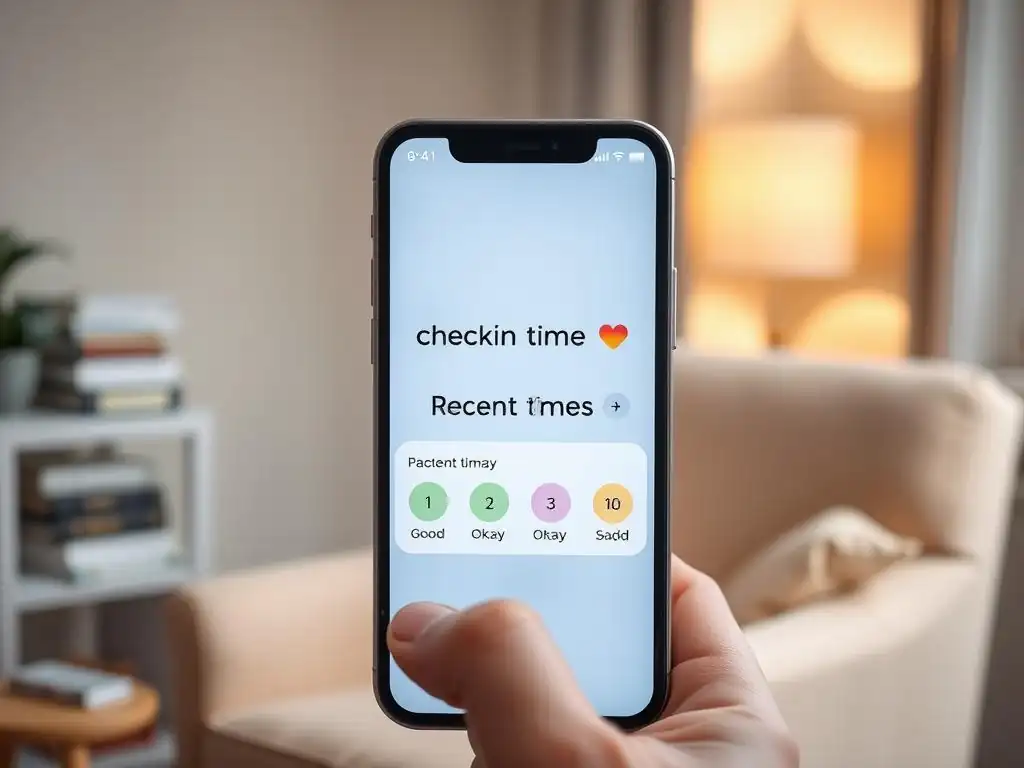
Consistency is key to gaining valuable insights from mood tracking, and reminders are essential for maintaining this habit. Great mood tracking app features include flexible and customizable reminder systems. Users should be able to set reminders for specific times of day (e.g., morning check-in, evening reflection) or even multiple times throughout the day to capture mood fluctuations. The ability to customize the reminder message can also add a personal touch and make the prompt more engaging.
More advanced apps offer context-aware reminders, using location or time data to prompt logging at relevant moments, such as arriving home from work or after a scheduled activity. For instance, an app might learn that you typically log your mood after your morning coffee and remind you around that time. Motivational prompts, which might include encouraging messages or highlight progress streaks, can also help reinforce the tracking habit.
Studies indicate that users who enable reminders are approximately 40% more likely to log their mood consistently compared to those who do not. These features help ensure that the mood tracking process becomes a regular, beneficial part of the user's routine.
Customizable Reminders
Context-Aware Reminders
Motivational Prompts
Privacy and Security: Protecting Your Sensitive Data
Given the highly personal nature of mood tracking data, robust privacy and security features are paramount. Users are entrusting these apps with sensitive information about their emotional state and potentially details about their lives, making data protection non-negotiable. Essential security measures include strong data encryption, both while the data is in transit (e.g., being sent to a cloud server) and while it is stored (encryption at rest). This ensures that even if data were intercepted or accessed, it would be unreadable without the decryption key.
Further enhancing security, great mood tracking apps offer optional features like two-factor authentication (2FA) for account login. This adds an extra layer of protection beyond just a password, significantly reducing the risk of unauthorized access.
Compliance with relevant privacy regulations, such as GDPR in Europe or HIPAA in the United States (if health data is explicitly linked), demonstrates a commitment to user data rights and protection. Users should look for clear privacy policies that explain exactly how their data is collected, stored, used, and if it is ever shared (and under what circumstances), ensuring peace of mind about the confidentiality of their mood tracking information.
Data Encryption
Two-Factor Authentication
Compliance with Privacy Regulations
Beyond the Basics: Advanced Features for Enhanced Mood Tracking
Integration with Wearable Devices: Automatic Data Collection
Moving beyond manual input, some advanced mood tracking app features include integration with wearable devices like smartwatches or fitness trackers. This capability allows the app to automatically pull in data points that are known to influence mood and mental well-being, such as sleep patterns, physical activity levels, and even heart rate variability (HRV). For example, the app could automatically log that you got only 5 hours of sleep last night or completed a 45-minute workout, without you needing to enter this information manually.
This automatic data collection provides a more comprehensive picture of factors influencing mood. By correlating logged mood entries with passively collected data on sleep duration, exercise intensity, or resting heart rate, users can gain deeper insights into the physiological underpinnings of their emotional states. For instance, a user might discover a consistent link between low HRV (often associated with stress) and periods of increased anxiety reported in the app. This integration streamlines the tracking process and enriches the dataset for more sophisticated analysis of mood patterns.
Tracking Sleep, Activity, and Heart Rate
Cognitive Behavioral Therapy (CBT) Tools: Applying Principles to Mood Management
Some mood tracking apps go beyond simple logging and incorporate tools based on principles from Cognitive Behavioral Therapy (CBT). These features aim to help users actively challenge negative thought patterns and engage in behaviors that can improve mood. One common CBT tool integrated into apps is the "thought record," which guides users through identifying distressing thoughts, the emotions they trigger, and evaluating the evidence for and against those thoughts, ultimately helping to reframe them.
Another valuable CBT-based feature is activity scheduling. Apps can prompt users to plan and track engaging or enjoyable activities, regardless of how they feel, based on the CBT principle that behavioral activation can improve mood. By logging activities and then tracking their mood afterward, users can see the direct impact of different behaviors on their emotional state. While these app features are not a substitute for therapy, they can serve as helpful supplementary tools for applying CBT principles in daily life and reinforcing strategies learned in therapy.
Thought Records
Activity Scheduling
Some mood tracking apps offer optional community or social features, allowing users to connect with others. This might include anonymous forums where users can share experiences, offer support, or discuss mental health topics. Group challenges, such as tracking a positive habit together for a week, can also foster a sense of camaraderie and shared purpose. The intention behind these features is to reduce feelings of isolation and provide peer support, which can be beneficial for mental well-being.
However, it is crucial that these features are implemented with extreme caution and strong moderation. Privacy is paramount, and users should have complete control over what, if anything, they share. Anonymous options are preferable for discussing sensitive topics. While connecting with others can be supportive, it's important to remember that these communities are not a substitute for professional medical or psychological help. A great app will clearly delineate the boundaries of such features and prioritize user safety and privacy above all else.
Anonymous Forums
Group Challenges
Comparing Mood Tracking Apps

When evaluating different mood tracking apps, considering specific features is key. Here's a brief look at how various apps might compare based on common feature sets.
MoodFlow App: Focus on Simplicity
MoodFlow App is designed for users who prioritize ease of use and quick logging. Its core mood tracking app features include a simple 5-point scale and quick tag selection.
Pros
- Very intuitive and easy to start using immediately.
- Clean interface, minimal distraction.
- Good for building a basic tracking habit.
Cons
- Limited customization for mood points or tags.
- Basic data visualization, fewer deep insights.
- Lacks advanced features like CBT tools or integrations.
EmotionTracker Pro: Comprehensive Data Analysis
EmotionTracker Pro caters to users who want in-depth analysis and correlation tracking. Its strengths lie in detailed logging options and powerful data visualization.
Pros
- Highly customizable mood logging with intensity scales.
- Robust tagging system and detailed journaling features.
- Advanced charts and personalized insights based on correlations (e.g., sleep, activity).
Cons
- Can feel overwhelming for beginners due to the number of options.
- May require more time per entry compared to simpler apps.
- Some advanced features might be behind a subscription paywall.
WellMind Journal: Integrating Journaling and Mood
WellMind Journal focuses on connecting mood with detailed journaling and reflection. It emphasizes the narrative aspect of mood tracking alongside data.
Pros
- Excellent journaling interface with prompts and rich text options.
- Strong integration between journal entries and mood logs.
- Often includes features for gratitude or reflection.
Cons
- Data visualization might be less chart-focused and more narrative-driven.
- May not offer as many automated tracking features (like wearable integration).
- Primarily suited for users who enjoy writing.
Habit & Mood Tracker: Linking Habits to Feelings
Habit & Mood Tracker stands out by explicitly linking mood tracking with habit formation and tracking. It's designed for users who want to see how their actions influence their feelings.
Pros
- Seamless integration between logging habits (e.g., exercise, meditation) and mood.
- Clear charts showing correlations between specific habits and mood changes.
- Encourages positive behavioral change.
Cons
- Core mood logging might be less detailed than specialized mood apps.
- Focus is primarily on habit influence, potentially less emphasis on other factors.
- Interface can sometimes feel split between habit and mood sections.
Choosing the Right Mood Tracking App for You
Selecting the ideal mood tracking app depends heavily on your individual needs, goals, and preferences. There isn't a single "best" app; the most effective one is the one you will actually use consistently and that provides the insights most relevant to you. Start by considering why you want to track your mood in the first place.
Are you looking for a simple way to note general feelings, trying to identify specific triggers for challenging emotions, hoping to share data with a therapist, or wanting to explore the impact of lifestyle choices on your well-being? Your primary motivation will help guide which features are most important to you.
Once you have a clearer idea of your goals, take advantage of free trials or free versions of apps. Many mood tracking apps offer a free tier with core features, allowing you to test the interface, the logging process, and basic visualization without commitment. This hands-on experience is invaluable for determining if the app's design and workflow fit comfortably into your daily routine. Don't be afraid to try a couple of different apps for a week or two each before settling on one.
Reading reviews and ratings from other users can also provide helpful insights, but remember that individual experiences vary. Look for feedback on the reliability of the app, the clarity of its interface, the responsiveness of customer support (if needed), and how well the key mood tracking app features function in practice. Pay attention to comments regarding privacy and data security, as these are critical considerations for personal mental health data.
Finally, prioritize the mood tracking app features that align directly with your initial needs and goals. If identifying triggers is key, look for robust journaling and tagging. If sharing data with a professional is important, prioritize clear data export options. If you struggle with consistency, make sure the reminder system is flexible and persistent. By focusing on the features that matter most to your personal journey towards better mental well-being, you are more likely to find an app that becomes a valuable and sustainable tool.
Frequently Asked Questions
What is the primary benefit of using a mood tracking app?
The primary benefit is gaining self-awareness of your emotional patterns. It helps you identify triggers and correlations between your mood and daily activities, ultimately supporting better mental well-being.
What are some essential features to look for in a mood tracking app?
Key features include mood logging, activity tracking, and data visualization. Look for apps with customization options for tracking specific feelings and activities relevant to your life.
How can data visualization help me understand my mood patterns?
Data visualization presents your mood data in a clear and accessible format, such as graphs or charts. This allows you to easily identify trends and patterns in your mood, leading to actionable insights.
Why is activity tracking an important feature in a mood tracking app?
Activity tracking allows you to record your daily activities, such as sleep, exercise, and social interactions. This feature helps you determine which activities positively or negatively impact your mood, enabling you to make informed lifestyle adjustments.
Can mood tracking apps replace professional mental health support?
No, mood tracking apps are not a substitute for professional help. They are tools to supplement therapy and self-care practices. If you're struggling with your mental health, please seek guidance from a qualified mental health professional.
Final Reflection: The Power of Pocket-Sized Self-Awareness
The ability to understand and manage our mental health is no longer a luxury, but a necessity in our fast-paced, digitally-driven world. Effective mood tracking, once a niche practice, is rapidly becoming a mainstream tool for self-care and mental wellness, empowering individuals to take proactive steps towards a healthier emotional landscape. The features discussed in this article are not mere technological additions; they are crucial components in building a truly supportive and insightful tool for navigating the complexities of our emotional lives.
The journey of self-discovery through mood tracking is deeply personal, a testament to the power of introspection and the importance of understanding our own internal weather patterns. Knowing yourself is the beginning of all wisdom.
- Aristotle. This quote rings truer than ever in the context of mental health. The apps discussed here, with their diverse features, offer a pathway to this self-knowledge, allowing users to identify triggers, track progress, and ultimately, take control of their emotional wellbeing. The impact of this technology extends beyond the individual, fostering a culture of open conversation and destigmatization surrounding mental health.
Consider the insights gained from consistent mood tracking: the identification of personal patterns, the understanding of emotional triggers, and the ability to proactively manage challenging periods. This isn't just about data; it's about empowerment. You have the power to shape your emotional future. Start today. Download a mood tracking app that resonates with you, explore its features, and embark on a journey of self-discovery. The path to a healthier, happier you begins with a single, mindful entry.
Unlock Your Mood's Potential: Take Control Today!
Thanks for diving deep into the world of mood tracking apps with us! We hope you now feel empowered to choose the perfect tool for your wellbeing journey. Ready to take the next step?
- Find your perfect app: Use what you've learned to research and download the app that best suits your needs. Don't be afraid to try a few!
- Share your insights: Let's build a supportive community! Tell us in the comments which features you find most important in a mood tracking app.
- Track your progress – and celebrate it! Make a commitment to daily (or weekly!) tracking – and notice how understanding your patterns can truly transform your wellbeing. Remember to acknowledge those positive changes along the way!
What surprising feature are you most excited to explore in your chosen mood tracking app?