
SleepTown App: A Fun Way to Build Better Sleep Habits?

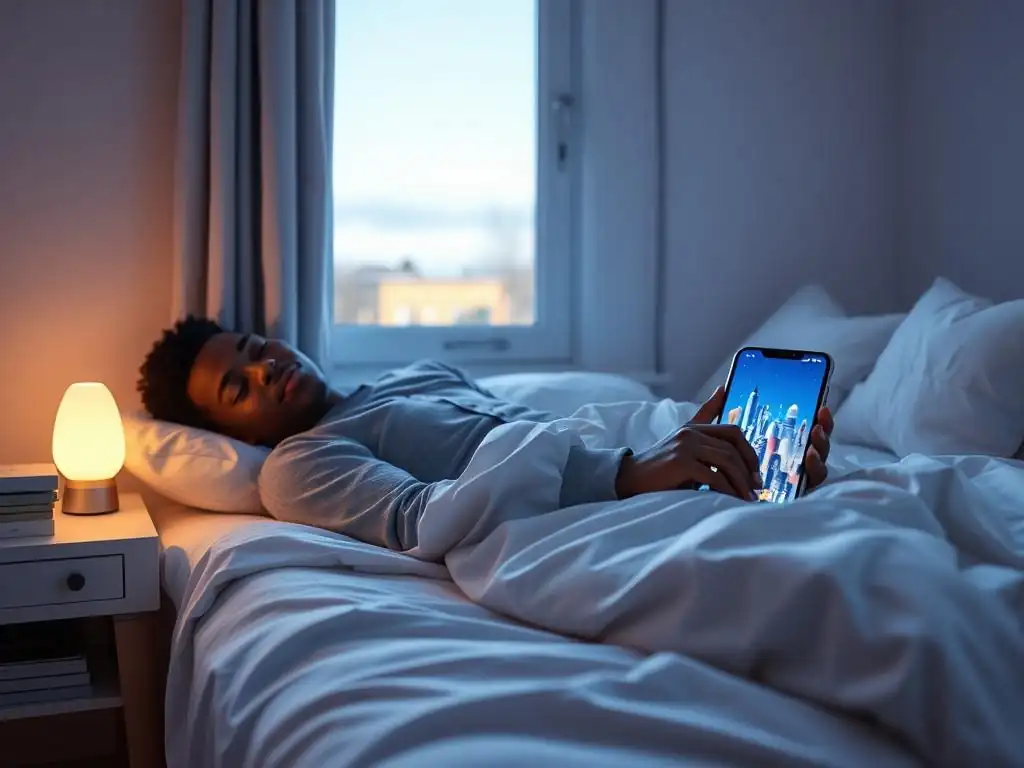
Welcome to Mind Care Guide, your sanctuary for navigating the complexities of mental well-being. Feeling overwhelmed by the quest for restful nights? You're not alone. Many struggle with sleep, and finding effective solutions can be challenging. In this article, we delve into the SleepTown App and explore its potential as a fun and engaging tool to improve your sleep hygiene for adults. Could this playful approach be the key to unlocking a more peaceful and restorative sleep? Let's find out!
SleepTown App: A Fun Way to Build Better Sleep Habits? - A Mind Care Guide Review
- Improving Sleep Hygiene for Adults: Is SleepTown the Answer?
-
SleepTown App: Pros - Building Consistent Sleep Schedules
- Gamification for Improved Sleep Consistency: How SleepTown Works
- Positive Reinforcement and Motivation: Building Your Dream City
- Tracking Your Sleep Progress: Visualizing Success with SleepTown
- User-Friendly Interface and Engaging Design: A Positive User Experience
- Real-World Success Stories: Increased Sleep Duration and Improved Wakefulness
-
SleepTown App: Cons - Potential Drawbacks to Consider
- Reliance on Technology: Potential for Screen Time Before Bed (Mitigation Strategies)
- Limited Functionality Beyond Sleep Tracking: Not a Comprehensive Sleep Solution
- Subscription Costs: Is SleepTown Premium Worth the Investment?
- Potential for Anxiety if You Fail: Pressure to Maintain a Perfect Streak
- SleepTown vs. Other Sleep Hygiene Apps: A Comparative Analysis
- Is SleepTown Right for You? Determining if Gamification is Effective for Your Sleep Hygiene
- Maximizing Sleep Hygiene for Adults with SleepTown and Other Tools
- Improving Adult Sleep Hygiene: A Holistic Approach for Mental Well-being
-
Frequently Asked Questions
- How does the SleepTown app work to improve sleep hygiene for adults?
- Is SleepTown suitable for individuals with diagnosed sleep disorders like insomnia?
- Can SleepTown be used in conjunction with other sleep hygiene practices?
- How does SleepTown address potential challenges in maintaining a consistent sleep schedule?
- What are the potential benefits of using SleepTown for improving sleep hygiene, according to Mind Care Guide principles?
- Final Reflection: Cultivating the Sanctuary of Sleep
- Unlock Your Best Sleep Yet!
Improving Sleep Hygiene for Adults: Is SleepTown the Answer?
Understanding the Importance of Good Sleep Hygiene
Establishing and maintaining good sleep hygiene for adults is fundamental to overall health and mental well-being. Poor sleep is linked to numerous health problems, including increased risk of heart disease, diabetes, and obesity. Mentally, insufficient or poor-quality sleep can exacerbate symptoms of anxiety and depression, impair cognitive functions like concentration and memory, and negatively impact mood and stress management. Prioritizing consistent, restful sleep is not merely about feeling less tired; it's a critical component of a healthy lifestyle, contributing significantly to both physical resilience and emotional stability.
Research underscores the widespread issue of poor sleep patterns among adults. For example, the Centers for Disease Control and Prevention (CDC) reports that approximately one in three adults in the United States do not get the recommended amount of sleep. This deficit in sleep hygiene for adults contributes to decreased productivity, increased accident rates, and a greater susceptibility to chronic illnesses. Implementing effective sleep hygiene practices, such as maintaining a regular sleep schedule, creating a relaxing bedtime routine, and optimizing the sleep environment, can dramatically improve sleep quality and duration, thereby enhancing daily functioning and long-term health outcomes.
SleepTown: A Gamified Approach to Better Sleep Patterns
SleepTown is an application designed to help users improve their sleep hygiene for adults by leveraging gamification. It transforms the process of going to bed on time into a fun, engaging challenge. Users set a target bedtime and wake-up time, and if they manage to put their phone down and avoid using it during this period, they successfully "build" a virtual building in their unique SleepTown. This concept taps into intrinsic motivation by turning a potentially difficult habit change into a rewarding game.
The core mechanic of SleepTown revolves around consistency. By successfully meeting their sleep goals night after night, users construct various buildings, eventually developing a thriving virtual city. This visual representation of progress serves as a powerful motivator, encouraging users to stick to their chosen sleep schedule. The app aims to make building healthy sleep hygiene for adults less of a chore and more of an enjoyable activity, fostering a sense of accomplishment and encouraging long-term adherence to better sleep habits.
SleepTown App: Pros - Building Consistent Sleep Schedules
Gamification for Improved Sleep Consistency: How SleepTown Works
SleepTown employs a unique gamification model centered around building a virtual town. When a user sets their desired sleep and wake times and activates the app, a building begins construction. The critical rule is that the user must not exit the app or use their phone until the designated wake-up time is reached.
If they succeed, the building is completed and added to their town; if they fail by using their phone, the building collapses into ruins. This immediate, tangible consequence for breaking the rule provides a strong incentive to stay off the phone and maintain good sleep hygiene for adults.
This system effectively turns the abstract goal of better sleep hygiene for adults into a concrete, visual game. Each night becomes a level to complete, and successful nights contribute to a growing, prosperous town. The variety of buildings and the visual progress of the town provide a sense of long-term achievement, reinforcing the positive behavior of going to bed on time and staying asleep without phone distractions. This gamified feedback loop is particularly effective for individuals who struggle with self-discipline around technology use before bed.
Positive Reinforcement and Motivation: Building Your Dream City
The primary source of motivation in SleepTown comes from positive reinforcement. Each successful night results in the completion of a new building, adding to the user's virtual city. These buildings vary in style and rarity, providing a sense of collection and progress. Users can also earn coins from successful nights, which can be used to purchase special buildings or customize their town, further enhancing the feeling of reward and ownership. This system directly links successful sleep hygiene for adults to tangible, albeit virtual, rewards.
Furthermore, SleepTown includes a "Circle of Friends" feature, allowing users to build together. When friends in a circle all meet their sleep goals on the same night, they unlock special collaborative buildings. This social element adds another layer of motivation, leveraging peer support and shared goals to encourage consistent sleep habits. The desire not to let down friends or to collectively achieve a special building can be a powerful external motivator for maintaining good sleep hygiene for adults.
Tracking Your Sleep Progress: Visualizing Success with SleepTown
SleepTown provides users with basic tracking features that allow them to visualize their progress over time. The most obvious form of tracking is the growth of their virtual city, which serves as a direct, visual representation of their successful nights. A large, vibrant city indicates consistent adherence to their sleep schedule, while gaps or ruins highlight nights where they failed to meet their goal. This visual history makes the impact of their sleep hygiene for adults immediately apparent.
Beyond the city view, the app offers a simple calendar or journal feature where users can see which nights were successful (indicated by a completed building) and which were not (indicated by ruins). While not providing detailed sleep metrics like duration of sleep stages or disturbances, this tracking method is effective in showing consistency and highlighting patterns of success or difficulty. It allows users to easily review their recent sleep hygiene for adults and identify trends, helping them understand their own habits better.
User-Friendly Interface and Engaging Design: A Positive User Experience
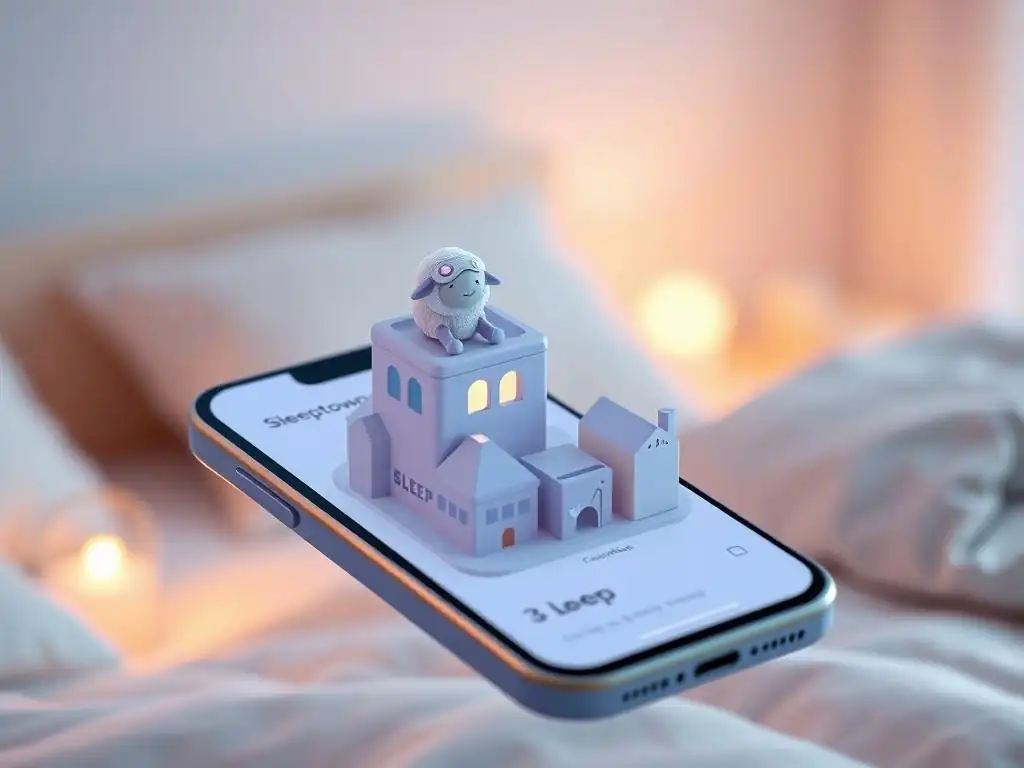
SleepTown is generally praised for its simple, intuitive, and visually appealing interface. The core function—setting sleep and wake times and starting the session—is straightforward and easy to navigate. The visual design, centered around the charming, evolving virtual town, is engaging and provides a pleasant user experience. The process of building and collecting different structures is inherently satisfying, turning the potentially mundane task of going to bed into an enjoyable game.
The app's design focuses on clarity and ease of use, minimizing complexity to keep the focus on the primary goal: staying off the phone during the designated sleep period. The visual feedback of buildings being constructed or collapsing is immediate and clear. This user-friendly approach makes SleepTown accessible to a wide range of adults looking to improve their sleep hygiene, regardless of their technical proficiency. The engaging design helps maintain user interest and motivation over the long term.
Real-World Success Stories: Increased Sleep Duration and Improved Wakefulness
Many users report positive outcomes from consistently using SleepTown to improve their sleep hygiene for adults. Anecdotal evidence from app store reviews and online forums frequently highlights increased sleep duration as a direct result of using the app. Users often mention that the gamified structure provides the necessary nudge to put their phone away earlier and resist the temptation to pick it up during the night, leading to an extra hour or more of sleep per night for some.
For instance, a user review might state, "Before SleepTown, I'd scroll for an hour every night. Now, I put my phone down at 10:30 PM sharp to build my city. I'm definitely getting 45 minutes more sleep and feel more alert in the morning." While specific aggregated data on average sleep duration increase isn't publicly available from the developers, the consistent theme in user feedback is improved sleep consistency and a perceived increase in total sleep time, contributing to better wakefulness and overall functioning during the day, which are key aspects of effective sleep hygiene for adults.
SleepTown App: Cons - Potential Drawbacks to Consider
Reliance on Technology: Potential for Screen Time Before Bed (Mitigation Strategies)
SleepTown, by its nature, requires users to interact with their phone right before they intend to go to sleep to set up the building session. This initial interaction, while brief, involves screen time, which is generally advised against in the hour leading up to bedtime due to the stimulating effects of blue light on the circadian rhythm. For individuals highly sensitive to light or struggling significantly with screen addiction, this required interaction could potentially counteract some of the benefits of improved sleep hygiene for adults.
However, users can employ mitigation strategies to minimize this drawback. Setting up the SleepTown session earlier in the evening, say 30-60 minutes before the actual target bedtime, can reduce screen exposure closer to sleep. Using night mode or blue light filters on the phone can also help. Additionally, placing the phone out of arm's reach immediately after starting the session reinforces the habit of not using the device during the sleep period, further supporting better sleep hygiene for adults despite the initial screen interaction.
Limited Functionality Beyond Sleep Tracking: Not a Comprehensive Sleep Solution
While SleepTown excels at gamifying the process of going to bed on time and staying off your phone, its functionality is quite limited beyond this specific aspect of sleep hygiene for adults. It does not offer detailed sleep analysis, such as tracking sleep cycles, duration of different sleep stages (light, deep, REM), or detecting disturbances like snoring or movement, which apps like Sleep Cycle provide. It also lacks features found in mindfulness apps like guided meditations, sleep stories, or relaxation exercises aimed at helping users fall asleep or manage sleep anxiety.
This narrow focus means SleepTown is not a comprehensive tool for addressing all aspects of sleep hygiene for adults or complex sleep issues. It's primarily a behavioral tool for building consistency around bedtime and reducing phone use at night. Users looking for in-depth insights into their sleep patterns, techniques for relaxation, or tools for managing sleep disorders will need to supplement SleepTown with other apps or strategies. Its strength lies in its simplicity and focus on one key behavioral change.
While SleepTown offers a free version, many of its features, including the ability to build a wider variety of buildings, participate in the Circle of Friends, and access more detailed statistics (though still basic compared to dedicated trackers), are locked behind a premium subscription. The cost of this subscription varies depending on the plan (monthly, yearly, or a one-time purchase option) and region, but it represents an ongoing expense for users who want the full experience and features.
The value of the premium subscription depends heavily on how much the user benefits from the additional gamification elements and the social features. For some, the free version's core mechanic of building a basic town is sufficient motivation to improve their sleep hygiene for adults. For others, the desire to collect rare buildings, build with friends, or unlock the full visual experience makes the premium cost worthwhile. Potential users should consider if the added features are necessary for their motivation or if the core free functionality meets their needs before investing in a subscription.
Potential for Anxiety if You Fail: Pressure to Maintain a Perfect Streak
The gamified nature of SleepTown, particularly the visible consequence of a building collapsing into ruins upon failure, can inadvertently create pressure or anxiety for some users, especially those who are perfectionists or already struggle with performance anxiety. Seeing a ruined building in their town after a late night or an accidental phone check can feel like a significant setback, potentially leading to feelings of frustration or guilt, which are counterproductive to improving sleep hygiene for adults.
Users might feel overly stressed about maintaining a perfect streak of successful nights, making it harder to relax and fall asleep on the nights they are worried about failing. This pressure can undermine the goal of creating a calm, stress-free bedtime routine. It's important for users to view SleepTown as a tool to help with sleep hygiene for adults, not a rigid system where failure is catastrophic. Recognizing that occasional slip-ups are normal and focusing on overall progress rather than perfection can help mitigate this potential drawback.
SleepTown vs. Other Sleep Hygiene Apps: A Comparative Analysis
SleepTown vs. Calm: Focus and Features Comparison
Comparing SleepTown to an app like Calm highlights the distinct approaches to improving sleep hygiene for adults. Calm is primarily a meditation, mindfulness, and sleep aid app. Its focus is on relaxation, stress reduction, and using guided audio content to help users wind down and fall asleep. It offers a vast library of guided meditations, sleep stories read by soothing voices, breathing exercises, and calming music. The emphasis is on mental preparation for sleep and managing anxiety or racing thoughts that might interfere with falling asleep.
SleepTown, in contrast, is a behavioral tool focused on establishing a consistent bedtime routine and reducing phone use during the night through gamification. It doesn't offer relaxation techniques or audio content designed to induce sleep. While Calm helps users feel ready for sleep, SleepTown helps users act on their intention to go to bed on time and stay off their phone. Therefore, Calm is more suited for individuals whose sleep issues stem from stress, anxiety, or difficulty relaxing, while SleepTown is ideal for those who struggle with consistency, motivation, or phone addiction impacting their sleep hygiene for adults.
SleepTown vs. Headspace: Meditation Integration and Sleep Stories
Similar to Calm, Headspace is another popular mindfulness and meditation app with a significant focus on sleep. Headspace also offers guided meditations specifically for sleep, sleep stories, and wind-down exercises designed to quiet the mind and prepare the body for rest. Their approach to improving sleep hygiene for adults is rooted in mindfulness principles, teaching users techniques to observe their thoughts without judgment and cultivate a state of calm conducive to sleep.
SleepTown's methodology is fundamentally different. It does not incorporate meditation or mindfulness exercises. Its contribution to sleep hygiene for adults is purely behavioral – reinforcing the habit of going to bed on time and avoiding phone use. For someone whose primary challenge is a restless mind or sleep-related anxiety, Headspace's guided content would likely be more beneficial. However, for someone who struggles with the discipline of adhering to a schedule or is easily distracted by their phone before bed, SleepTown's gamified system offers a direct solution that Headspace does not.
SleepTown vs. Sleep Cycle: Detailed Sleep Analysis and Data Tracking
Sleep Cycle is a dedicated sleep tracking application that uses the phone's microphone or accelerometer to analyze sleep patterns throughout the night. It tracks movement, sound (like snoring), and can wake the user during their lightest sleep phase within a set window, aiming to make waking up feel more natural. Sleep Cycle provides detailed graphs and statistics on sleep quality, time spent in different sleep phases, and trends over time, offering deep insights into the user's sleep physiology.
SleepTown offers minimal data tracking by comparison. It primarily records whether a user successfully completed their designated sleep period or not. There is no analysis of sleep quality, cycles, or environmental factors. Sleep Cycle is focused on understanding how you sleep and optimizing the waking process, while SleepTown is focused on the behavioral aspects of sleep hygiene for adults: when you go to bed and whether you stay off your phone. Users interested in understanding their sleep patterns scientifically would prefer Sleep Cycle, whereas those focused on habit formation and consistency might find SleepTown more useful.
Is SleepTown Right for You? Determining if Gamification is Effective for Your Sleep Hygiene

Ideal User Profile: Who Benefits Most from SleepTown? (e.g., Gamification Lovers, Visual Learners)
SleepTown is particularly well-suited for certain types of individuals looking to improve their sleep hygiene for adults. People who are motivated by games, rewards, and visual progress tend to respond very positively to the app's gamified structure. If you enjoy collecting things, building virtual worlds, or are motivated by streaks and achievements, SleepTown's core mechanic is likely to resonate with you. Visual learners who appreciate seeing their progress represented by a growing city may also find it highly effective.
Furthermore, SleepTown is excellent for individuals whose primary barrier to good sleep hygiene for adults is difficulty sticking to a consistent bedtime or excessive phone use before sleep or during the night. If you find yourself endlessly scrolling social media, playing games, or watching videos when you should be trying to sleep, the consequence of a ruined building can be a powerful deterrent. Younger adults and students, who often struggle with late-night phone use, might find the app's approach particularly engaging and helpful.
Alternative Sleep Hygiene Strategies: When SleepTown Might Not Be Enough (e.g., CBT-I)
While SleepTown can be a valuable tool for improving behavioral aspects of sleep hygiene for adults, it is not a panacea, especially for more complex sleep issues. If you suffer from chronic insomnia, severe sleep anxiety, or a diagnosed sleep disorder like sleep apnea or restless legs syndrome, SleepTown's focus on habit formation alone will likely not be sufficient. These conditions often require more specialized interventions.
In such cases, evidence-based therapies like Cognitive Behavioral Therapy for Insomnia (CBT-I) are often recommended. CBT-I is a structured program that helps individuals identify and replace thoughts and behaviors that cause or worsen sleep problems with habits that promote sound sleep. It addresses underlying cognitive factors (like worries about sleep) and behavioral factors (like spending too much time in bed awake). Other strategies might include working with a sleep specialist, using specific medical devices, or addressing underlying health conditions. SleepTown can potentially complement these approaches but should not replace professional medical advice or comprehensive therapy for significant sleep disorders.
Maximizing Sleep Hygiene for Adults with SleepTown and Other Tools
Combining SleepTown with Relaxation Techniques: Mindfulness and Breathing Exercises
To enhance the effectiveness of SleepTown in promoting better sleep hygiene for adults, consider integrating it with relaxation techniques. While SleepTown gets you to bed on time and off your phone, it doesn't help you relax your mind and body. Practices like mindfulness meditation, deep breathing exercises, or progressive muscle relaxation can significantly reduce stress and prepare you for sleep. For example, dedicating 10-15 minutes after setting up your SleepTown session to mindful breathing can help calm a racing mind.
Apps like Calm or Headspace, or even free resources online, offer guided sessions for sleep and relaxation. By using SleepTown to enforce the bedtime structure and then using a relaxation technique to transition into a sleepy state, you address both the behavioral and physiological aspects of sleep hygiene for adults. This combined approach leverages the strengths of different tools to create a more holistic bedtime routine.
Creating a Bedtime Routine: Optimizing Your Environment for Better Sleep
Using SleepTown as part of a comprehensive bedtime routine can significantly boost its impact on sleep hygiene for adults. A consistent routine signals to your body that it's time to wind down. This routine should ideally start an hour or two before your target SleepTown bedtime. Activities could include taking a warm bath, reading a physical book (avoiding screens), listening to calming music, or doing gentle stretches.
Equally important is optimizing your sleep environment. Ensure your bedroom is dark, quiet, and cool. Using blackout curtains can block external light, and earplugs or a white noise machine can minimize disturbances. Setting the thermostat to a cooler temperature (typically between 60-67°F or 15-19°C) is generally recommended for optimal sleep. By pairing the behavioral consistency encouraged by SleepTown with a calming routine and an ideal sleep environment, you create the best possible conditions for improving your sleep hygiene for adults.
Recommended Sleep Accessories: Blue Light Blocking Glasses and Weighted Blankets
Certain accessories can further support your efforts to improve sleep hygiene for adults, especially when using apps like SleepTown. As mentioned, SleepTown requires brief screen time before bed. Wearing blue light blocking glasses during this setup and any other necessary screen use in the hour before bed can help mitigate the negative impact of blue light on melatonin production, making it easier to fall asleep. Look for glasses that block a significant percentage of blue light wavelengths (e.g., 90%+).
Weighted blankets are another accessory that many people find helpful for sleep. The gentle pressure from a weighted blanket can have a calming effect, reducing anxiety and promoting relaxation, which can be beneficial after you've successfully started your SleepTown session and are trying to fall asleep. Studies have shown that weighted blankets can reduce cortisol levels and increase melatonin, contributing to improved sleep quality. While not a direct part of the app, these accessories can complement the behavioral changes fostered by SleepTown, enhancing your overall sleep hygiene for adults.
Improving Adult Sleep Hygiene: A Holistic Approach for Mental Well-being
The Link Between Sleep and Mental Health: Why Prioritizing Sleep Matters
The connection between sleep and mental health is profound and bidirectional. Poor sleep hygiene for adults can be both a symptom and a contributing factor to mental health conditions like anxiety, depression, bipolar disorder, and ADHD. Chronic sleep deprivation can impair emotional regulation, increase irritability, and reduce resilience to stress. For example, studies have shown that individuals with insomnia are significantly more likely to develop depression or anxiety disorders.
Conversely, addressing sleep problems can lead to significant improvements in mental well-being. Prioritizing sleep hygiene for adults can help stabilize mood, improve concentration and cognitive function, reduce stress levels, and enhance the ability to cope with challenges. Apps like SleepTown can play a role in addressing the behavioral aspects of this link by promoting consistent sleep schedules, which is a foundational element in managing mental health through lifestyle changes. Investing in your sleep is investing in your mental clarity and emotional stability.
Seeking Professional Help: When to Consult a Doctor or Therapist for Sleep Issues
While apps and lifestyle changes are valuable for improving sleep hygiene for adults, it's crucial to know when to seek professional help. If you consistently struggle with falling asleep, staying asleep, or experience excessive daytime sleepiness despite implementing good sleep habits, it's time to consult a doctor. Persistent insomnia (difficulty sleeping at least three nights a week for three months or more) or symptoms like loud snoring, pauses in breathing during sleep, or irresistible urges to move your legs at night warrant medical evaluation.
A doctor can rule out underlying medical conditions contributing to sleep problems and may refer you to a sleep specialist or a therapist specializing in sleep disorders. Therapists trained in CBT-I can provide effective strategies for overcoming chronic insomnia that behavioral apps like SleepTown cannot fully address. Don't hesitate to seek professional guidance if your sleep issues are significantly impacting your health, mood, or daily functioning; comprehensive support is key to long-term improvement in sleep hygiene for adults.
Final Verdict: SleepTown as a Tool for Better Sleep, But Not a Cure-All
SleepTown is a charming and effective tool for a specific purpose: helping adults build consistency in their sleep schedule and reduce problematic phone use around bedtime through engaging gamification. Its simple concept and rewarding structure make it particularly appealing to individuals who are motivated by visual progress and game-like mechanics. For many, it provides the necessary nudge to put their phone down and commit to a regular sleep routine, significantly improving a key aspect of their sleep hygiene for adults.
However, it's essential to view SleepTown as just one tool in a broader strategy for improving sleep hygiene for adults. It doesn't provide detailed sleep analysis, offer relaxation techniques, or address underlying medical or psychological causes of sleep problems. It is most effective when used in conjunction with other healthy habits, such as maintaining a relaxing bedtime routine, optimizing the sleep environment, and, if necessary, seeking professional help for persistent issues. For the right user and the right challenge (consistency and screen time), SleepTown can be a fun and beneficial addition to the journey towards better sleep.
Frequently Asked Questions
How does the SleepTown app work to improve sleep hygiene for adults?
The SleepTown app uses a gamified approach to encourage consistent sleep schedules. Users set target bedtimes and wake-up times, and the app "builds" virtual buildings when they adhere to those schedules. This positive reinforcement helps establish regular sleep patterns.
Is SleepTown suitable for individuals with diagnosed sleep disorders like insomnia?
While SleepTown can be helpful for improving general sleep hygiene, it's not a replacement for professional medical advice. Individuals with diagnosed sleep disorders should consult a doctor to determine the best course of treatment and management.
Can SleepTown be used in conjunction with other sleep hygiene practices?
Absolutely! SleepTown is designed to complement other sleep hygiene strategies, such as creating a relaxing bedtime routine, optimizing your sleep environment (dark, quiet, cool), and avoiding caffeine before bed. It's a tool to support a holistic approach to sleep.
How does SleepTown address potential challenges in maintaining a consistent sleep schedule?
The app provides visual reminders and rewards to encourage adherence to the sleep schedule. While it does not directly solve underlying issues that may cause sleep disruptions, it helps build consistency and accountability through gamification.
What are the potential benefits of using SleepTown for improving sleep hygiene, according to Mind Care Guide principles?
Improved sleep hygiene can lead to better mood, increased energy levels, and enhanced cognitive function, all of which align with the Mind Care Guide's focus on comprehensive mental well-being. SleepTown can be a fun tool to actively improve your sleep habits.
Final Reflection: Cultivating the Sanctuary of Sleep
The pursuit of better sleep isn't a luxury; it's a fundamental pillar of adult well-being, directly impacting our physical and mental health. The SleepTown app, explored in this article, offers a playful approach to a critical aspect of self-care often overlooked in our busy lives. Its gamified system tackles the complexities of sleep hygiene, making it accessible and engaging for adults who might find traditional methods daunting or ineffective.
The impact of prioritizing sleep extends far beyond simply feeling rested. It influences our productivity, relationships, and overall emotional resilience. Sleep is the golden chain that ties health and our bodies together.
This quote highlights the interconnectedness of sleep and overall well-being, a connection often underestimated. The app, while a tool, underscores the importance of actively cultivating a healthy relationship with sleep, a practice that ripples outwards to affect every facet of our lives.
You, the reader, now hold the key to unlocking a more restful and fulfilling existence. Consider how the principles of sleep hygiene discussed—consistent sleep schedules, creating a relaxing bedtime routine, optimizing your sleep environment—can be integrated into your daily life. Don't just download an app; actively engage in the process of building a sanctuary of sleep. Start small, be consistent, and celebrate your progress. Your well-being deserves it.
Unlock Your Best Sleep Yet!
Thanks for taking the time to explore the world of better sleep with us! We hope you found valuable insights into how the SleepTown app can help you build healthy sleep habits. Ready to transform your nights?
- Download the SleepTown app today and start your personalized sleep journey. This is your first step toward more restful nights and energized days.
- Share your SleepTown experience with friends and family—they might benefit from a little extra zzz’s too!
- Join our Mind Care Guide community and share your tips and tricks for conquering sleep challenges.
Ready to design your dream sleep schedule? What’s the first step you’ll take to improve your sleep tonight?