
Unlock Your Emotional Patterns: Finding the Perfect Mood Tracking App for You

Welcome to Mind Care Guide, a safe space dedicated to nurturing your mental well-being. Feeling overwhelmed by the complexities of your emotions? Ever wonder if there's a way to gain a deeper understanding of your emotional landscape? In our latest article, we delve into the powerful world of mood tracking apps, exploring their benefits and guiding you towards finding the perfect tool to unlock your unique emotional patterns. Ready to take control of your mental health journey? Dive in and discover how these apps can revolutionize your self-awareness!
Unlock Your Emotional Patterns: Finding the Perfect Mood Tracking App for You
- Understanding the Power of Mood Tracking: Exploring the Benefits of Mood Tracking Apps
-
Key Features to Consider When Choosing a Mood Tracking App
- User Interface and Experience: Finding an Intuitive and Engaging App
- Data Visualization and Reporting: Understanding Your Mood Trends
- Customization Options: Tailoring the App to Your Specific Needs
- Integration with Other Health Apps: Connecting Your Mental and Physical Wellness
- Privacy and Security: Protecting Your Sensitive Data
- Comparing the Best Mood Tracking Apps: A Detailed Review
- Choosing the Right Mood Tracker for You: Personalized Recommendations
- Maximizing the Benefits of Mood Tracking: Tips and Strategies
- Conclusion: Empowering Your Emotional Wellness with the Right Mood Tracking App
-
Frequently Asked Questions
- What are the main mood tracking app benefits for overall mental well-being?
- How can a mood tracking app help me understand my emotional patterns?
- What features should I look for when choosing a mood tracking app to maximize the mood tracking app benefits?
- Can using a mood tracking app replace professional mental health support?
- How frequently should I use a mood tracking app to see noticeable mood tracking app benefits?
- Final Reflection: Uncovering the Power Within: Your Journey to Emotional Wellbeing
- Unlock Your Emotional Wellbeing: Start Tracking Today!
Understanding the Power of Mood Tracking: Exploring the Benefits of Mood Tracking Apps
Why Track Your Mood? Unveiling the Advantages of Mood Journaling
Tracking your mood is far more than just jotting down how you feel each day; it's a proactive step towards understanding your inner world. Think of it as creating a personal emotional map. By consistently logging your moods, along with activities, sleep patterns, or other relevant factors, you begin to see connections that are often invisible in the moment.
This practice helps you become more aware of your emotional state, moving beyond a vague sense of "feeling off" to recognizing specific emotions like anxiety, frustration, joy, or contentment. This heightened self-awareness is the foundational advantage of mood journaling, providing a clearer picture of your psychological landscape over time.
Furthermore, the act of externalizing your feelings through tracking can provide a sense of distance and perspective. When emotions are written down or logged in an app, they can feel less overwhelming. This process can be particularly helpful during periods of stress or emotional intensity.
For instance, someone struggling with fluctuating moods might notice, after a week of tracking, that their anxiety peaks consistently on busy workdays or that their low moods often follow late nights. Without a record, these patterns might go unnoticed, simply blending into the overall experience of life. The structured nature of tracking offers a tangible way to engage with your emotions rather than being consumed by them, paving the way for healthier coping strategies.
Mood Tracking App Benefits: Gaining Insights into Your Emotional Health
Leveraging technology for mood tracking amplifies these advantages significantly, offering distinct mood tracking app benefits. Unlike traditional paper journals, apps can quickly process and visualize your data. Imagine seeing a chart that clearly shows your average mood score rising after you started a new exercise routine, or a graph indicating a dip in mood correlation with poor sleep nights.
These visual insights are powerful. They transform raw data points into actionable information, making it easier to identify triggers – both positive and negative – that influence your emotional state. This empirical evidence can be incredibly validating and motivating as you work towards improving your mental well-being.
One of the most compelling mood tracking app benefits is their ability to reveal long-term trends that might be impossible to spot otherwise. Over weeks and months, an app can highlight seasonal affective patterns, the impact of medication changes, or the subtle but consistent influence of relationships or work environments on your mood.
For example, an app might show that your overall mood score has increased by 15% over three months since you began therapy, or that instances of irritability decreased by 20% after you reduced caffeine intake. These specific data points provide concrete evidence of progress or areas needing attention, enabling more informed conversations with healthcare providers or therapists and empowering you to make targeted lifestyle adjustments.
Beyond Feeling: How Mood Tracking Apps Improve Mental Well-being
The impact of using mood tracking apps extends beyond simple self-awareness; it actively contributes to improved mental well-being. By identifying patterns and triggers, individuals gain a sense of control and agency over their emotional health. If you discover that spending time in nature consistently boosts your mood by an average of 2 points on a 1-5 scale, you are then empowered to intentionally incorporate more nature walks into your routine.
Conversely, if you notice that certain social interactions reliably lead to feelings of exhaustion or sadness, you can strategize ways to manage or reduce exposure to those situations. This moves beyond passively experiencing emotions to actively influencing them.
Furthermore, the structured routine of using a mood tracker can itself be a grounding practice. Taking a few moments each day to check in with yourself and log your mood encourages mindfulness and self-reflection. This consistent self-care ritual can help anchor you, especially during turbulent times.
For individuals managing conditions like anxiety or depression, the data gathered can be invaluable for clinical purposes. Sharing charts and reports with a therapist provides objective data points that complement subjective self-reporting, leading to more accurate diagnoses and tailored treatment plans. Studies and clinical feedback often indicate that patients who track their symptoms provide richer, more detailed information, potentially leading to more effective interventions and better overall outcomes in managing mental health challenges.
Key Features to Consider When Choosing a Mood Tracking App
User Interface and Experience: Finding an Intuitive and Engaging App
The success of a mood tracking habit often hinges on how easy and pleasant the app is to use. A cluttered or confusing interface can quickly turn a helpful tool into a chore. The ideal mood tracking app should have a clean, intuitive design that makes logging your mood quick and effortless, even on busy or challenging days. Consider apps that use simple visual cues, like color-coded moods or easy-to-tap icons for activities. The process of adding an entry should take no more than a minute or two, minimizing resistance and encouraging daily use.
Beyond just ease of entry, the overall user experience matters. Does the app feel welcoming and supportive? Does it offer gentle reminders without being pushy? Some apps incorporate positive affirmations or reflective prompts, which can enhance the experience and make the practice feel more therapeutic.
For example, an app might ask, "What's one small thing you're grateful for today?" after you log a low mood. This thoughtful interaction can make the difference between an app that's merely a data collection tool and one that becomes a valued part of your daily self-care routine. Look for apps that resonate with your personal aesthetic and provide a smooth, glitch-free experience across different devices.
Data Visualization and Reporting: Understanding Your Mood Trends
One of the most significant advantages of a digital mood tracker is its ability to transform your entries into meaningful visual reports. Simply logging data isn't enough; you need to be able to understand it. Look for apps that offer clear and comprehensive data visualization features. This typically includes charts and graphs showing your mood fluctuations over various periods – daily, weekly, monthly, or even yearly. Being able to see your mood trend line over time can be incredibly insightful, revealing patterns you might not have consciously recognized.
Effective reporting goes beyond just showing mood levels. The best apps correlate your mood with other factors you track, such as activities, sleep duration, social interactions, or symptoms. For instance, an app might generate a report showing that your mood score is consistently higher on days you exercise or lower on days you skip meals.
Some advanced apps even offer correlation matrices or heatmaps that highlight strong relationships between specific activities and emotional states. For someone trying to identify triggers for anxiety, seeing a clear visual connection between meetings with a particular colleague and subsequent dips in mood can be a powerful revelation, guiding them towards potential solutions. Aim for an app that makes interpreting your data straightforward and actionable.
Customization Options: Tailoring the App to Your Specific Needs
Everyone's emotional landscape and tracking goals are unique, so the ability to customize your mood tracking experience is crucial. A rigid app that only allows logging a few predefined moods or activities might not capture the nuances of your personal experience. Look for apps that allow you to define your own moods (e.g., distinguishing between "tired" and "exhausted," or "content" and "joyful") and add a wide range of custom activities, symptoms, or factors that are relevant to your life. This flexibility ensures that the data you collect is truly reflective of your situation.
Beyond customizing what you track, consider how the app allows you to add context. Can you add detailed notes or journal entries alongside your mood and activity selections? This qualitative data can be just as important as the quantitative ratings, providing valuable context for your emotional states.
For example, logging a "stressed" mood along with a note like "Argument with partner" offers a deeper understanding than just the mood score alone. Some apps also allow customization of reminders, themes, or even the rating scale used, further tailoring the app to your preferences and making it a more personal and effective tool for self-discovery.
Integration with Other Health Apps: Connecting Your Mental and Physical Wellness
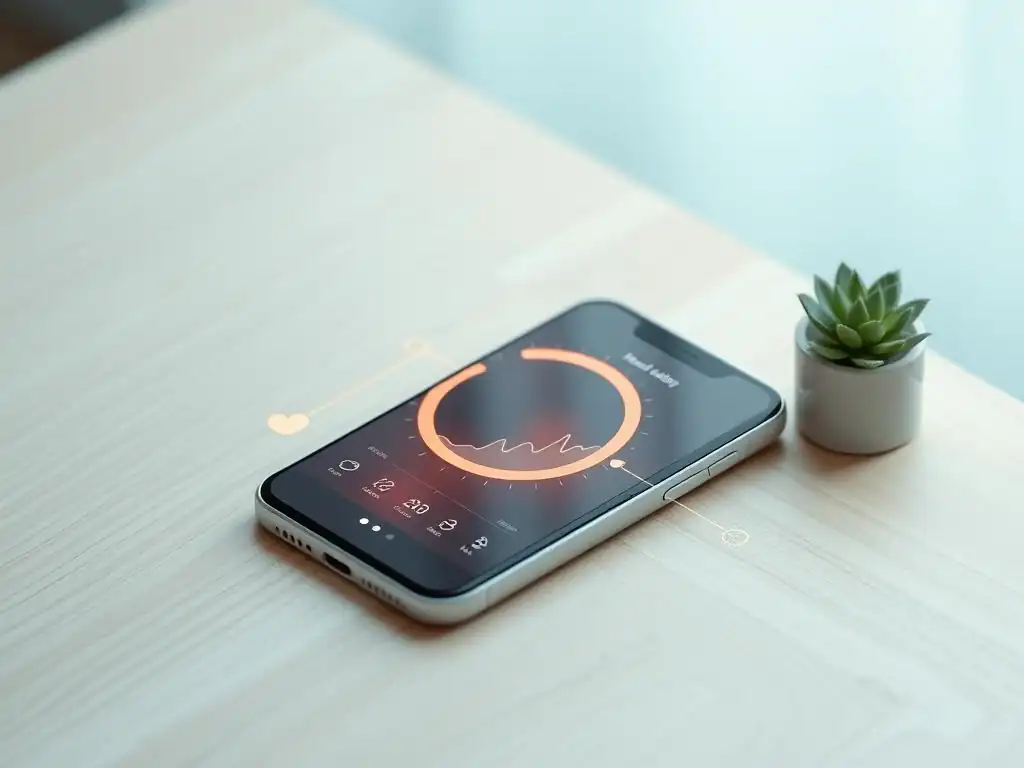
Mental and physical health are deeply interconnected. Sleep patterns, physical activity levels, diet, and even biometric data can significantly influence your mood and overall well-being. For a holistic view of your health, consider mood tracking apps that offer integration capabilities with other health and fitness applications or platforms, such as Apple Health, Google Fit, or wearable device apps. This allows you to automatically import data points like steps taken, hours slept, or heart rate variability, and see how they correlate with your mood entries within the mood tracking app's interface.
This integration provides a more comprehensive picture, revealing potential connections between your physical habits and emotional states that you might not have otherwise noticed. For example, you might see a consistent pattern where your mood is significantly lower on days you get less than 6 hours of sleep, or noticeably higher after hitting your daily step goal.
While not all apps offer this feature, for those interested in exploring the mind-body connection, seamless data synchronization can be a powerful mood tracking app benefit, offering richer insights and enabling more informed decisions about lifestyle changes aimed at improving both physical and mental health.
Privacy and Security: Protecting Your Sensitive Data
Your mood tracking data is deeply personal and sensitive. It contains intimate details about your emotional state, daily activities, and potentially even symptoms related to mental or physical health conditions. Therefore, the privacy and security measures an app employs should be a top priority in your selection process. Look for apps that clearly state their privacy policy, explaining how your data is stored, used, and protected. Ideally, your data should be encrypted, both in transit (when it's sent from your device to their servers) and at rest (when it's stored on their servers).
Consider whether the app offers options like passcode, fingerprint, or facial recognition lock features to prevent unauthorized access to your journal on your device. Some apps also offer the option to back up your data securely, often to a cloud service, so you don't lose your history if you switch devices. While no system is entirely immune to breaches, choosing an app with strong privacy practices and robust security features significantly reduces the risk of your sensitive emotional data being compromised. Prioritizing security ensures that your journey towards self-understanding remains a private and safe endeavor.
Comparing the Best Mood Tracking Apps: A Detailed Review
Daylio: A Simple and Visual Mood Tracker
Daylio stands out for its simplicity and visually driven approach to mood tracking. It uses a rating scale, typically from 1 (awful) to 5 (rad), and allows users to quickly select activities they engaged in that day using colorful icons. This method makes logging an entry take mere seconds, which is a significant advantage for establishing a consistent habit. The app also offers space for optional notes, providing a balance between quick logging and detailed journaling when needed.
A core strength of Daylio is its engaging statistics and visual reports. It presents data through various charts, including line graphs of average mood over time, pie charts of mood distribution, and correlation heatmaps showing which activities are most often associated with specific moods. Users often praise its ease of use and the satisfying visual feedback provided by the statistics section. However, it is primarily focused on mood and activity correlation and may lack the depth for tracking complex symptoms or integrating with other health data compared to more comprehensive platforms.
Daylio Features: Strengths and Weaknesses
Strengths of Daylio include its incredibly simple and fast logging process, making daily check-ins highly achievable. The use of customizable icons for activities is visually appealing and intuitive. Its statistics section is robust for a simple app, offering clear charts and activity correlation insights without being overwhelming. The ability to set reminders and goals (like logging for 7 days straight) helps maintain consistency.
Weaknesses might include a less detailed journaling feature compared to dedicated journaling apps, although the notes section serves its purpose for brief entries. While it correlates mood with activities, it doesn't offer deep tracking for specific symptoms or complex health factors like medication timing. Data export options might be less comprehensive than some competitors, and it generally doesn't integrate with physical health tracking platforms like Apple Health or Google Fit.
Daylio Pricing: Is the Premium Version Worth It?
Daylio offers a free version that is quite functional for basic mood and activity tracking. This tier allows daily logging, access to basic statistics, and customization of moods and activities up to a certain limit.
The premium version, often called Daylio Premium, typically unlocks unlimited moods and activities, more detailed statistics and charts (including yearly overviews and advanced correlations), the ability to export your data in formats like CSV or PDF, backup options, and sometimes exclusive icons or themes. The cost is usually a few dollars per month or a discounted annual fee.
For users who want deeper insights, long-term data analysis, and the ability to back up and export their full history, the premium version provides significant additional mood tracking app benefits and is generally considered worth the investment, especially if you plan to use the app consistently for an extended period.
Daylio User Reviews: Real-World Experiences
Based on common user feedback, Daylio is frequently praised for its simplicity and ease of use, making it an excellent starting point for beginners in mood tracking. Many users highlight the satisfaction of seeing their mood trends visualized over time and finding correlations between their activities and emotional states. The quick logging feature is repeatedly mentioned as a key factor in maintaining a daily habit.
However, some users who require more detailed tracking – perhaps for specific mental health conditions with complex symptom profiles – find Daylio's capabilities somewhat limited. While the notes section exists, it's not designed for extensive journaling. Occasional feedback also mentions a desire for more advanced filtering or reporting options in the free version. Overall, reviews tend to be very positive for its core purpose as a simple, effective, and visually appealing mood and activity tracker.
Moodpath: Screening for Depression and Anxiety
Moodpath takes a different approach, positioning itself not just as a mood tracker but also as a tool for self-assessment, particularly focused on symptoms related to depression and anxiety. Over a 14-day period, it asks users three questions multiple times a day about their emotional state and physical symptoms. After this initial period, it provides a detailed assessment based on the logged data. This structured, question-based approach is designed to help users identify potential signs of common mental health conditions.
Beyond the assessment period, Moodpath continues to offer journaling and insights. It provides educational content about mental health, cognitive behavioral therapy (CBT) techniques, and mindfulness exercises. The app aims to be a supportive companion, helping users understand their feelings in the context of potential mental health challenges and offering guidance and resources. This focus on clinical relevance distinguishes it from more general mood tracking apps.
Moodpath Features: Strengths and Weaknesses
Strengths of Moodpath include its structured assessment period and focus on depression and anxiety symptoms, which can be particularly helpful for users seeking to understand potential mental health issues. The app provides educational content and exercises rooted in therapeutic approaches like CBT. Its reporting is designed to offer insights relevant to clinical assessment, summarizing symptom frequency and intensity over time.
Weaknesses might include the repetitive nature of the three daily questions, which some users might find tedious compared to quick-logging apps. The initial 14-day assessment period is required before unlocking full features and insights. While it offers journaling, it's integrated into the question flow rather than being a free-form journal. It is less focused on tracking a wide range of activities or finding correlations outside of symptom tracking, making it less versatile for general lifestyle tracking compared to some other apps.
Moodpath Pricing: Is the Premium Version Worth It?
Moodpath offers a free version that includes the core 14-day assessment period and basic insights. This allows users to experience the app's primary function of symptom tracking and self-assessment.
The premium version, Moodpath Premium, typically unlocks access to personalized insights after the initial period, a library of educational content and exercises (including guided meditations and CBT exercises), more detailed statistics and progress tracking over longer periods, and often the ability to export a summary report that can be shared with a therapist or doctor. The cost usually involves a monthly or annual subscription fee, often in the range of several dollars per month.
For users who value the app's focus on clinical symptoms, educational resources, and therapeutic exercises, the premium version significantly enhances the value proposition and provides substantial mood tracking app benefits beyond basic logging.
Moodpath User Reviews: Real-World Experiences
Common user reviews for Moodpath often highlight its helpfulness in providing structure and insights for individuals concerned about depression or anxiety. Many users appreciate the educational content and the feeling of being guided through a process of self-understanding related to these conditions. The initial assessment is frequently mentioned as a valuable starting point.
However, some users find the repeated questioning format less engaging than activity-based trackers. Feedback occasionally points out that the app's scope is narrower, focusing primarily on symptoms rather than broader mood and lifestyle correlations. Some users also express frustration with the paywall for premium features, particularly access to ongoing insights and resources after the initial period. Despite this, for its specific niche focusing on assessment and education related to depression and anxiety, reviews are often positive regarding its utility and supportive nature.
Reflectly: AI-Powered Journaling for Self-Improvement
Reflectly combines mood tracking with journaling, enhanced by artificial intelligence (AI). It prompts users to reflect on their day by asking questions and guiding them through their thoughts and feelings. The AI aspect aims to help users understand underlying patterns and biases in their thinking, encouraging a more positive and growth-oriented perspective. It's designed to be more conversational and reflective than a simple logging tool.
The app uses a simple mood rating scale but puts a strong emphasis on the journaling component. It provides daily personalized questions and challenges based on your previous entries, encouraging deeper introspection. Reflectly aims to help users reframe negative thoughts, practice gratitude, and develop resilience, leveraging psychological principles within its interactive journaling format.
Reflectly Features: Strengths and Weaknesses
Strengths of Reflectly include its unique AI-guided journaling experience, which provides personalized prompts and insights to encourage self-reflection and positive reframing. The conversational interface makes journaling feel less daunting for some users. It integrates mood logging with detailed written entries seamlessly and offers a focus on self-improvement through guided exercises and positive psychology principles.
Weaknesses might include the reliance on the AI prompts, which some users may find repetitive over time or less helpful than free-form journaling. While it tracks mood, its data visualization capabilities are generally less detailed for correlation analysis compared to apps focused purely on tracking activities and symptoms. The AI features and full content library are often locked behind the premium subscription, limiting the experience of the free version. It also does not typically integrate with other health tracking apps.
Reflectly Pricing: Is the Premium Version Worth It?
Reflectly offers a limited free version that allows basic mood logging and access to a few daily prompts. This provides a taste of the app's conversational style but restricts access to its core features and content.
The premium version, Reflectly Premium, unlocks unlimited access to personalized AI-powered questions and insights, the full library of guided journals and exercises (on topics like anxiety, gratitude, relationships), advanced statistics, and the ability to add more detailed notes without restrictions. The cost is typically a monthly or annual subscription fee, often comparable to other premium mental wellness apps.
For users who enjoy guided journaling, appreciate the AI-driven prompts, and are focused on self-improvement through reflection and positive psychology, the premium version is where the main value lies and provides the full range of mood tracking app benefits offered by the app.
Reflectly User Reviews: Real-World Experiences
User reviews for Reflectly often highlight its engaging and supportive tone, praising the AI prompts for helping them structure their thoughts and gain new perspectives. Many users find the guided journaling helpful for processing emotions and practicing gratitude. The interface is often described as aesthetically pleasing and easy to use.
However, some users feel the AI prompts can become repetitive after extended use. Feedback sometimes mentions a desire for more robust data tracking and visualization features. As with many apps, the limited functionality of the free version is a common point of discussion, with users noting that the full benefits are only accessible through the paid subscription. Overall, it receives positive reviews from those who prefer a guided, reflective approach to emotional tracking over pure data logging.
Bearable: Comprehensive Tracking for Physical & Mental Health
Bearable is designed for users who want a highly customizable and comprehensive tracking experience that links physical health factors with mental well-being. It allows users to log mood using a numerical scale, but its strength lies in the vast array of other factors it lets you track alongside your mood. This includes energy levels, sleep quality and duration, symptoms (customizable), medications, supplements, exercise, diet, social activity, and much more.
The app's reporting features are designed to help users identify correlations between their mood and these various factors. It provides detailed charts and graphs showing how different inputs might be influencing your mood or symptoms. Bearable is particularly popular among individuals managing chronic illnesses, mental health conditions with complex symptoms, or those simply seeking a highly detailed understanding of their overall health patterns.
Bearable Features: Strengths and Weaknesses
Strengths of Bearable include its unparalleled customization options, allowing users to track virtually any factor they believe might influence their mood or health. The ability to add custom symptoms, medications, and activities makes it highly adaptable to individual needs. Its correlation analysis features are robust, designed to help users identify specific triggers and positive influences by showing how different factors relate to mood and symptom severity.
Weaknesses might include a steeper learning curve compared to simpler apps due to the sheer number of tracking options available. While comprehensive, the interface can feel a bit overwhelming initially for users seeking just basic mood tracking. Some users might find the manual entry of so many factors time-consuming, although the app is continually improving its efficiency. Full access to all tracking options and advanced insights is typically restricted to the premium version.
Bearable Pricing: Is the Premium Version Worth It?
Bearable offers a free version that provides basic mood tracking and a limited selection of factors to log. This allows users to get a feel for the app's interface and core functionality, but it significantly restricts the comprehensive tracking capabilities that are its main selling point.
The premium version, Bearable Premium, unlocks unlimited custom factors (symptoms, medications, activities, etc. ), access to all chart types and advanced data analysis, detailed correlation insights, data export options, and backup features. The cost is typically a monthly or annual subscription fee, often in the range of several dollars per month.
For users who need detailed tracking for multiple health factors and want to uncover complex relationships between their physical and mental health, the premium version is essential to unlock the app's full power and realize its unique mood tracking app benefits. It's generally considered highly valuable by users with complex health tracking needs.
Bearable User Reviews: Real-World Experiences
User reviews for Bearable are overwhelmingly positive, especially from individuals managing chronic health issues or complex mental health profiles. Users frequently praise its extensive customization options and the ability to track a wide variety of factors alongside mood. The correlation insights are often highlighted as incredibly helpful for identifying triggers and understanding symptom patterns.
Feedback occasionally mentions that the initial setup can feel a bit complex due to the number of options. Some users transitioning from simpler apps note the increased time commitment for logging multiple data points daily. However, for those who need detailed, multi-faceted tracking, Bearable is often described as a game-changer and the most comprehensive tool available. The strong community around the app also contributes to positive feedback.
EMoods Bipolar Disorder Tracker: Specialized Support for Bipolar Disorder
EMoods Bipolar Disorder Tracker is a highly specialized app designed specifically for individuals managing bipolar disorder. It focuses on tracking key symptoms and experiences relevant to this condition, including mood (using a 1-10 scale for depression, elevated mood, and irritability), sleep, medication adherence, and psychotic symptoms. It also allows users to add custom items to track, although its core structure is tailored to bipolar disorder management.
The app provides charts and graphs showing the user's mood and symptom fluctuations over time, which can be invaluable for identifying cycles, triggers, and the effectiveness of treatment plans. It is designed to be a clinical tool that facilitates communication between patients and their healthcare providers, offering a structured way to report symptom data during appointments.
EMoods Bipolar Disorder Tracker Features: Strengths and Weaknesses
Strengths of EMoods Bipolar Disorder Tracker include its targeted design for bipolar disorder, focusing on the specific mood dimensions and symptoms relevant to the condition (depression, elevated mood, irritability). The numerical scale for mood tracking is particularly useful for quantifying the intensity of episodes. It provides clear charts showing mood and symptom patterns over time, which are highly beneficial for monitoring stability and identifying cycles. Medication tracking is a core feature, crucial for managing bipolar disorder.
Weaknesses might include its narrow focus, making it less suitable for general mood tracking or tracking a wide range of lifestyle factors unrelated to bipolar disorder symptoms. The interface is functional but less visually appealing or feature-rich in terms of customization and journaling compared to some general mood trackers. It primarily serves as a clinical tracking tool rather than a comprehensive wellness journal.
EMoods Bipolar Disorder Tracker Pricing: Is the Premium Version Worth It?
Unlike many apps that offer a limited free version, EMoods Bipolar Disorder Tracker typically operates on a different model, often requiring a one-time purchase rather than a subscription. This means that once purchased, users usually have access to all features without ongoing fees.
The one-time purchase price is generally comparable to a few months of a typical subscription service, often around $10-$20. Given its specific focus and feature set tailored for bipolar disorder management, and the lack of recurring costs after the initial purchase, users who need a dedicated tool for tracking symptoms related to this condition generally find the one-time fee to be very reasonable and worth the investment for the long-term access to its specialized mood tracking app benefits.
EMoods Bipolar Disorder Tracker User Reviews: Real-World Experiences
User reviews for EMoods Bipolar Disorder Tracker are consistently positive from individuals managing bipolar disorder. Many users express gratitude for an app specifically designed for their needs, finding the focused symptom tracking and the 1-10 mood scale particularly helpful for quantifying their experiences. The charts and graphs are frequently mentioned as invaluable tools for understanding their cycles and communicating with their doctors.
Feedback often highlights the app's utility as a clinical aid, helping users provide clear, data-driven reports to their healthcare providers. Some users note that while the interface is functional, it is less modern or aesthetically pleasing than some other apps. However, for its specific purpose and target audience, it is widely regarded as an essential and effective tool for managing bipolar disorder.
Choosing the Right Mood Tracker for You: Personalized Recommendations

Best Mood Tracking App for Beginners: Simplicity and Ease of Use
For those just starting their journey with mood tracking and looking for a simple, non-intimidating tool, ease of use is paramount. The process of logging should be quick and intuitive to help build a consistent habit without feeling like a burden. Apps that feature simple rating scales and quick activity selection are ideal entry points.
Based on simplicity and ease of use, Daylio is often recommended as the best mood tracking app for beginners. Its icon-based activity selection and simple 1-5 mood scale make logging entries take mere seconds. The visual statistics are easy to understand, providing immediate positive feedback without complex analysis. Its focus on quick daily check-ins makes it highly approachable for anyone new to the practice of tracking their emotional state.
Best Mood Tracker for Data Analysis: Deep Dive into Your Emotional Patterns
If your primary goal is to gain deep insights into how various factors influence your mood and to identify complex patterns and correlations, you need an app with robust data visualization and analysis features. This involves the ability to track a wide range of variables and generate detailed reports that show relationships between them.
For users who prioritize in-depth data analysis and understanding correlations, Bearable stands out as the best mood tracker. Its extensive customization allows you to track a multitude of factors – from sleep and diet to symptoms and medications – and its sophisticated reporting tools are designed specifically to help you identify how these variables relate to your mood and energy levels. While it requires more setup, the payoff in detailed insights is significant for those wanting a comprehensive view.
Best Mood Tracker for Journaling: Expressing Your Thoughts and Feelings
For some, mood tracking is closely linked to the desire to reflect on and process their feelings through writing. While many apps offer a notes section, a dedicated journaling app integrated with mood tracking provides a richer space for expressing thoughts, exploring emotions, and gaining insights through written reflection.
If journaling is a key part of your mood tracking practice, Reflectly is an excellent choice. While it includes mood logging, its core strength lies in its AI-powered guided journaling experience. It provides personalized prompts and questions designed to encourage deep reflection and help users explore the context behind their moods. This focus on narrative and self-exploration makes it ideal for those who find writing a valuable tool for understanding their emotional landscape.
Best Mood Tracker for Managing Bipolar Disorder: Targeted Support
Individuals managing specific mental health conditions often benefit from apps designed with their unique needs in mind. For bipolar disorder, tracking specific mood states (mania, depression, irritability), sleep patterns, and medication adherence is crucial for managing the condition and communicating effectively with healthcare providers.
For targeted support in managing bipolar disorder, EMoods Bipolar Disorder Tracker is specifically built for this purpose. Its focus on tracking manic, depressive, and irritable mood states using a numerical scale, alongside key factors like sleep and medication, aligns directly with the clinical needs of managing bipolar disorder. Its reports are formatted in a way that is useful for sharing with doctors, making it a valuable tool for both personal tracking and clinical management.
Maximizing the Benefits of Mood Tracking: Tips and Strategies
Consistency is Key: Developing a Daily Mood Tracking Habit
The true power of mood tracking lies in consistency. Sporadic entries yield fragmented data, making it difficult to identify reliable patterns or trends. Aim to log your mood at least once a day, preferably around the same time each day, perhaps in the evening when you can reflect on the full day. Establishing a routine helps turn tracking into a natural part of your day, reducing the likelihood of forgetting.
- Set a specific time each day for logging.
- Use your app's reminder feature.
- Keep the app easily accessible on your phone's home screen.
- Pair mood tracking with an existing habit (e.g., after brushing your teeth, before bed).
- Don't strive for perfection; one missed day is okay, just pick up where you left off.
Using Your Data: Identifying Triggers and Patterns
Simply collecting data isn't enough; the real mood tracking app benefits come from analyzing and acting on your insights. Regularly review your charts and reports (weekly or monthly). Look for correlations between your mood and specific activities, people, locations, sleep patterns, or other factors you track. Did your mood consistently improve after spending time with a certain friend? Does your anxiety peak on days you have early morning meetings?
Once you identify potential triggers or positive influences, you can start making intentional changes. If a specific activity correlates with lower moods, consider reducing it or finding coping strategies. If another activity reliably boosts your mood, try to incorporate more of it into your routine. This data-driven approach allows you to move from passively experiencing your emotions to actively shaping your environment and habits to support your mental well-being.
Your mood tracking data can be a powerful tool in therapeutic settings or within support groups. Sharing your charts and reports with a therapist provides them with objective information about your emotional fluctuations, symptom severity, and potential triggers, which can lead to more accurate diagnoses and tailored treatment plans. It offers a concrete starting point for discussions and can help you articulate your experiences more clearly.
Similarly, sharing anonymized patterns or general insights within a trusted support group can foster connection and mutual understanding. Hearing how others relate to your experiences or share similar patterns can be validating and provide new perspectives or coping strategies. Remember to share only what you are comfortable with and ensure the environment is safe and supportive. Using your data collaboratively can significantly enhance your journey towards improved mental health.
Conclusion: Empowering Your Emotional Wellness with the Right Mood Tracking App
Embarking on the journey of understanding your emotional patterns is a powerful step towards enhancing your mental well-being. Mood tracking apps offer a modern, accessible way to gain valuable insights into your inner world, providing numerous mood tracking app benefits ranging from increased self-awareness to identifying triggers and understanding the complex interplay between your emotions, activities, and physical health.
Choosing the perfect mood tracking app depends entirely on your individual needs and goals, whether you prioritize simplicity, in-depth data analysis, guided journaling, or specialized support for a specific condition. By selecting an app that aligns with your preferences and committing to consistent tracking, you empower yourself with the data needed to make informed decisions, communicate effectively with support systems, and actively work towards a more balanced and resilient emotional life. Find the app that feels right for you and unlock the potential of understanding your unique emotional landscape.
Frequently Asked Questions
What are the main mood tracking app benefits for overall mental well-being?
Mood tracking apps help you identify emotional patterns and triggers which can lead to better self-awareness. This increased understanding can significantly improve your overall mental well-being by enabling proactive coping strategies. It empowers you to take control of your mental health.
How can a mood tracking app help me understand my emotional patterns?
By consistently logging your mood, activities, and thoughts, the app generates visual data such as charts and graphs. These visuals reveal trends and connections between your experiences and your emotional state, allowing you to see patterns.
What features should I look for when choosing a mood tracking app to maximize the mood tracking app benefits?
Consider features like customizable mood scales, journaling prompts, activity tracking, and data visualization. Privacy and security features are also crucial to protect your sensitive personal data while using the app.
Can using a mood tracking app replace professional mental health support?
No, a mood tracking app is a tool to supplement, not replace, professional mental health care. It provides self-awareness and data that can be shared with a therapist or doctor to enhance treatment.
How frequently should I use a mood tracking app to see noticeable mood tracking app benefits?
Consistency is key! Aim to log your mood daily or several times a week to gather sufficient data for identifying meaningful patterns. The more consistent you are, the more valuable the insights will be.
Final Reflection: Uncovering the Power Within: Your Journey to Emotional Wellbeing
The quest for emotional wellbeing is no longer a luxury, but a necessity in our fast-paced world. Understanding and managing our emotional landscape is crucial for navigating the complexities of daily life, and the right tools can make all the difference. This exploration of mood tracking apps highlights how technology can empower us to take control of our mental health, offering a path toward greater self-awareness and resilience.
The impact of consistent self-reflection, facilitated by these apps, is profound. It's not just about identifying patterns; it's about fostering a deeper understanding of ourselves and our responses to life's challenges. Knowing yourself is the beginning of all wisdom.
- Aristotle. This quote rings especially true in the context of mood tracking, as the process of documenting our emotional experiences unveils hidden connections and triggers, paving the way for positive change and healthier coping mechanisms. The shift from passive observation to active engagement with our emotional lives is a powerful catalyst for personal growth.
Now, consider your own emotional journey. What patterns have you noticed? What triggers your moods? This article has provided you with the tools and knowledge to embark on a path towards greater self-understanding. Download an app, start tracking, and begin the transformative process of unlocking your emotional potential. Embrace the opportunity to cultivate a deeper connection with yourself, and discover the incredible power you hold to shape your emotional wellbeing.
Unlock Your Emotional Wellbeing: Start Tracking Today!
Thanks for taking the time to explore the world of mood tracking apps with us! We hope you've gained a clearer understanding of how these tools can empower you to better understand and manage your emotions. Ready to take the next step?
- Find your perfect match: Dive into our curated list of apps (mentioned in the article) and choose the one that best suits your needs and personality. This is your chance to finally take control of your emotional landscape!
- Share your experience: Tell us – which app are you trying first and why? We'd love to hear about your journey in the comments below! Your insights can help others find their perfect fit too.
- Explore additional resources: Delve deeper into emotional wellness by exploring other articles on MindCareGuide.org – we've got a wealth of knowledge to help you thrive!
What's the first emotion you want to better understand and manage?