
Beyond Crisis Response: Building LongTerm Wellness in Indigenous Communities

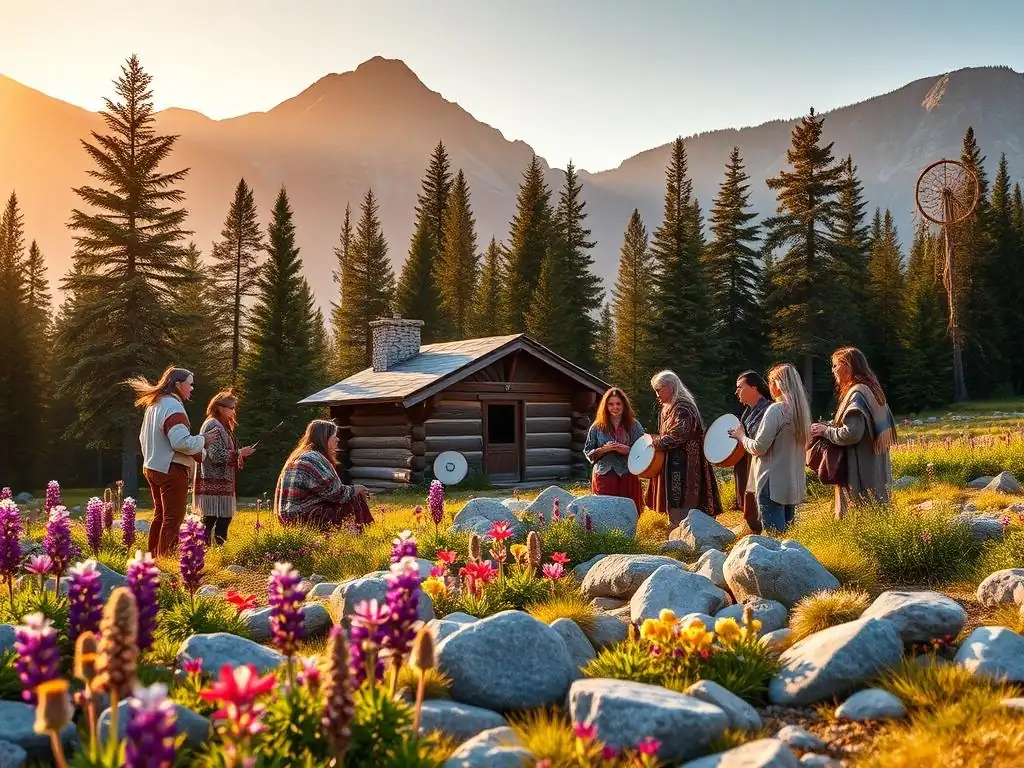
Welcome to Mind Care Guide.
We understand that fostering mental well-being is a journey, not a destination. Are you seeking to understand how to build lasting mental strength, especially within Indigenous communities? This journey begins with understanding that healing extends beyond immediate responses. Our exploration of Indigenous mental wellness strategies longterm offers a powerful perspective on building resilience and fostering hope for generations to come. Discover how these enduring practices can contribute to a brighter, healthier future.
- Beyond Crisis Response: Building Long-Term Wellness in First Nations Communities in Canada
- Shifting the Focus: From Reactive to Proactive Mental Health Care
- Key Pillars of Long-Term First Nations Mental Wellness Strategies
-
Implementing Effective First Nations Mental Wellness Programs: A Step-by-Step Approach
- Step 1: Community Engagement and Consultation with First Nations Leadership
- Step 2: Needs Assessment and Data Collection Using Indigenous Research Methodologies
- Step 3: Program Design and Development (Culturally Relevant Interventions)
- Step 4: Program Implementation and Monitoring with Community Oversight
- Step 5: Evaluation and Continuous Improvement Based on Community Feedback
- Measuring the Success of Long-Term First Nations Mental Wellness Initiatives
- Resources and Support for First Nations Mental Wellness
- Conclusion: Investing in a Future of Wellness for First Nations Communities
-
Frequently Asked Questions
- What are some examples of Indigenous mental wellness strategies mentioned in the Mind Care Guide article?
- How does the Mind Care Guide article define long-term wellness in the context of Indigenous communities?
- Why is cultural revitalization considered important for mental well-being in Indigenous communities, according to the article?
- What kind of support and resources does the Mind Care Guide suggest for implementing Indigenous mental wellness strategies?
- How does the Mind Care Guide article emphasize the importance of intergenerational healing in long-term mental wellness?
- Final Reflection: Weaving Resilience: A Future of Indigenous Wellness
- Unleash Your Community's Wellness Potential
Beyond Crisis Response: Building Long-Term Wellness in First Nations Communities in Canada
Understanding the Mental Health Crisis in First Nations Communities
First Nations communities across Canada face disproportionately high rates of mental health challenges compared to the non-Indigenous population. This crisis is deeply rooted in the historical and ongoing impacts of colonization, including the traumatic legacy of the residential school system, forced displacement, loss of land and culture, and systemic discrimination. These factors have created significant social determinants of health inequities, leading to elevated rates of depression, anxiety, substance abuse, and tragically, suicide.
For instance, national data consistently shows that suicide rates among First Nations youth are significantly higher than among non-Indigenous youth, sometimes up to five to seven times the national average in certain age groups and regions. Addressing this requires comprehensive Indigenous mental wellness strategies longterm.
The effects of intergenerational trauma continue to manifest in various ways, impacting family structures, community cohesion, and individual well-being. Many communities lack adequate access to culturally safe and appropriate mental health services, with barriers including geographical isolation, lack of trained professionals, and services that do not acknowledge or incorporate traditional healing practices. This complex interplay of historical trauma, social inequities, and service gaps underscores the urgent need to move beyond purely reactive crisis response and implement robust, sustainable Indigenous mental wellness strategies longterm focused on prevention, healing, and empowerment within the communities themselves.
The Need for Long-Term First Nations Mental Wellness Strategies
Focusing solely on crisis intervention, while necessary in acute situations, is insufficient to address the root causes of mental health disparities in First Nations communities. Crisis response often deals with immediate symptoms but does not build resilience, address underlying trauma, or empower communities to take ownership of their health. A long-term perspective is essential for fostering sustainable change and improving overall community well-being. This involves investing in culturally relevant programs and services that are developed, delivered, and governed by First Nations peoples.
Effective Indigenous mental wellness strategies longterm are preventative and proactive, aiming to strengthen protective factors such as cultural identity, community connection, and self-determination. They recognize that mental wellness is holistic, encompassing not just the absence of illness but also spiritual, emotional, physical, and social well-being. By shifting focus to long-term strategies, communities can build capacity, heal from historical trauma, and create environments where individuals and families can thrive, leading to significant improvements in mental health outcomes over generations.
Shifting the Focus: From Reactive to Proactive Mental Health Care
Limitations of Crisis-Focused Approaches in First Nations Communities
While essential for immediate safety, crisis-focused mental health approaches in First Nations communities often fall short of providing lasting solutions. These approaches are typically reactive, intervening only when an individual is in acute distress or experiencing a mental health emergency. This can perpetuate a cycle where individuals receive temporary support during a crisis but lack ongoing care and resources to address the underlying issues contributing to their distress. Furthermore, crisis services may not be culturally sensitive or delivered by individuals who understand the unique historical and social context of First Nations peoples, potentially alienating those in need.
A reliance on crisis response also places immense strain on limited community resources and frontline workers, who are often managing high-stress situations without adequate support or infrastructure. This reactive model fails to build community capacity for mental health promotion and prevention, leaving communities vulnerable to recurring crises. For example, a community experiencing a cluster of suicides might receive external crisis teams, which provide temporary support, but without investing in long-term youth programs, cultural healing initiatives, or addressing poverty, the underlying risk factors remain unaddressed, highlighting the critical need for comprehensive Indigenous mental wellness strategies longterm.
Emphasizing Prevention and Sustainable Mental Health Solutions
Shifting the focus to prevention and sustainable solutions is paramount for improving mental wellness in First Nations communities. This involves proactive measures that build resilience, promote positive mental health, and address the social, economic, and cultural determinants of health before a crisis occurs. Prevention efforts can include early childhood development programs, mental health literacy in schools, cultural programming that strengthens identity, and initiatives that address poverty and improve housing conditions. These Indigenous mental wellness strategies longterm aim to create supportive environments where individuals are less likely to experience severe mental health challenges.
Sustainable mental health solutions are those that are community-led, culturally relevant, and integrated into existing community structures. This means supporting the development of local mental health services, training community members as mental health workers or peer supporters, and incorporating traditional healing practices alongside Western therapeutic approaches. Investing in these long-term, community-driven initiatives fosters self-determination and ensures that mental wellness programs are responsive to the specific needs and strengths of each community, offering a path towards lasting health improvements.
Key Pillars of Long-Term First Nations Mental Wellness Strategies
1. Cultural Connection and Identity Preservation
Reclaiming and Revitalizing Indigenous Languages and Traditions
The loss of language and cultural practices due to residential schools and assimilation policies has significantly impacted the mental and spiritual well-being of First Nations peoples. Reclaiming and revitalizing Indigenous languages, ceremonies, storytelling, and traditional arts are powerful acts of healing and resistance. Language is not just a communication tool; it carries knowledge, values, worldviews, and connection to the land and ancestors.
Programs that support language immersion, cultural camps, and intergenerational knowledge transfer play a vital role in strengthening identity and promoting mental wellness. Studies and community reports consistently highlight the positive correlation between cultural connectedness and improved mental health outcomes, including reduced rates of substance abuse and suicide among youth.
Initiatives focused on cultural revitalization provide safe spaces for individuals to connect with their heritage, learn traditional skills, and participate in ceremonies that offer spiritual grounding and emotional release. For instance, community-run cultural centers offering drumming circles, traditional crafts workshops, and language classes can serve as crucial hubs for healing and connection. These efforts are foundational Indigenous mental wellness strategies longterm, rebuilding what was systematically dismantled and fostering pride and resilience within individuals and communities.
Strengthening Cultural Identity as a Protective Factor for Mental Health
A strong sense of cultural identity is a significant protective factor against mental health challenges for First Nations individuals, particularly youth. Understanding one's history, belonging to a community, and participating in cultural practices can provide a sense of purpose, connection, and resilience in the face of ongoing adversity. When individuals feel connected to their culture and heritage, they are often better equipped to cope with stress, trauma, and discrimination. This is a core component of effective Indigenous mental wellness strategies longterm.
Programs that explicitly aim to strengthen cultural identity, such as land-based healing programs, mentorship by Elders, and youth cultural camps, have demonstrated positive impacts on self-esteem, coping skills, and overall well-being. For example, a youth program that incorporates traditional hunting, fishing, and storytelling alongside therapeutic activities can help young people connect with the land and their ancestors, fostering a sense of belonging and reducing feelings of isolation. This integration of cultural practices into mental wellness initiatives is essential for developing effective Indigenous mental wellness strategies longterm that resonate deeply within communities.
Poverty Reduction and Economic Opportunity in First Nations Communities
Poverty, unemployment, and lack of economic opportunity are significant stressors that negatively impact mental health in First Nations communities. High rates of unemployment, which can be several times the national average in some communities (e.g., exceeding 50% in certain remote areas), contribute to chronic stress, food insecurity, inadequate housing, and limited access to essential resources. Addressing these economic disparities is a critical component of any comprehensive plan for Indigenous mental wellness strategies longterm.
Investing in economic development initiatives, job training programs, and supporting Indigenous entrepreneurship can create opportunities, reduce financial stress, and improve overall quality of life. Programs that provide skills training tailored to local economies, support for starting small businesses, or initiatives that leverage traditional knowledge and resources can empower community members and foster a sense of hope and stability, which are vital for mental well-being. Reducing poverty directly alleviates many stressors that contribute to mental health issues, making it a fundamental part of Indigenous mental wellness strategies longterm.
Improving Access to Education, Housing, and Healthcare Services
Inequitable access to quality education, safe and adequate housing, and comprehensive healthcare services are major barriers to mental wellness in First Nations communities. Many communities face significant infrastructure challenges, including overcrowded and substandard housing (with reports indicating that a substantial percentage of homes on reserves require major repairs or replacement), limited access to clean water, and inadequate school facilities. These conditions create chronic stress and negatively impact physical and mental health.
Improving access involves significant investment in infrastructure, building culturally appropriate schools, ensuring access to post-secondary education opportunities, and providing comprehensive healthcare services that include mental health support. This also means ensuring healthcare services are geographically accessible and delivered in a culturally safe manner. Addressing these systemic inequities in essential services is not just about physical health; it's about creating foundational conditions for mental well-being as part of robust Indigenous mental wellness strategies longterm.
Combating Discrimination and Systemic Racism within Government Systems
Systemic racism and discrimination within government institutions, including healthcare, education, and justice systems, contribute significantly to the mental health burden experienced by First Nations peoples. Experiences of discrimination can lead to chronic stress, trauma, and feelings of powerlessness. Reports and inquiries, such as the National Inquiry into Missing and Murdered Indigenous Women and Girls, have highlighted how systemic racism impacts access to services and contributes to negative outcomes. Addressing this requires fundamental changes in policies, practices, and attitudes within these institutions.
Combating discrimination involves implementing anti-racism training, developing culturally safe service delivery models, and ensuring that First Nations voices are heard and respected in the design and implementation of programs that affect their lives. It also requires addressing the historical power imbalances and working towards reconciliation. Dismantling systemic barriers is a crucial, albeit challenging, aspect of creating environments that support mental wellness and is integral to effective Indigenous mental wellness strategies longterm.
3. Community-Based Mental Health Programs
Culturally Adapted Mental Health Services for First Nations Peoples
Western models of mental healthcare are often not effective or appropriate for First Nations peoples dueously to cultural differences, historical mistrust of institutions, and a focus that may not align with Indigenous holistic views of health. Culturally adapted mental health services integrate traditional healing practices, involve Elders and Knowledge Keepers, and are delivered in a way that respects Indigenous worldviews and experiences. These services recognize the interconnectedness of mind, body, spirit, and community.
Examples of culturally adapted services include talking circles, land-based healing camps, traditional ceremonies incorporated into therapy, and counseling approaches that acknowledge intergenerational trauma and the importance of cultural identity. These programs are often developed and delivered by Indigenous practitioners who understand the cultural context and can build trust within the community. Such adaptation is essential for ensuring that mental health support is accessible, relevant, and effective as part of comprehensive Indigenous mental wellness strategies longterm.
Empowering Indigenous Healers, Elders, and Knowledge Keepers
Elders, traditional healers, and Knowledge Keepers hold invaluable wisdom and play a crucial role in the well-being of their communities. They are keepers of traditional knowledge, language, history, and cultural practices, and they often serve as sources of guidance, support, and healing. Empowering and supporting these individuals is vital for developing culturally grounded mental wellness initiatives. Their involvement can lend credibility and cultural safety to programs, making them more accessible and effective for community members.
Incorporating Elders and traditional healers into mental wellness programs, whether through direct healing practices, cultural teachings, or guidance in program development, strengthens the connection to tradition and provides support that resonates deeply within the community. Providing resources and recognition for their contributions ensures that traditional healing knowledge is preserved and utilized for the benefit of future generations. This empowerment is a cornerstone of effective Indigenous mental wellness strategies longterm, recognizing and valuing Indigenous ways of knowing and healing.
Promoting Community Ownership and Leadership in Mental Wellness Initiatives
Sustainable and effective mental wellness programs in First Nations communities are those that are owned and led by the communities themselves. This means moving away from externally imposed solutions and supporting communities in identifying their own needs, developing their own strategies, and controlling the resources allocated for mental health. Community ownership fosters accountability, ensures cultural relevance, and builds local capacity.
Supporting community leadership involves providing resources for training local mental health workers, facilitating community planning processes, and ensuring that decision-making power rests with community councils and members. When communities lead their own initiatives, programs are more likely to be sustained over time and truly meet the unique needs of their people. This self-determination in program development and delivery is a fundamental aspect of building effective Indigenous mental wellness strategies longterm.
4. Trauma-Informed Care and Healing

Recognizing and Addressing Intergenerational Trauma from Residential Schools
The legacy of the residential school system is a profound source of intergenerational trauma that continues to impact First Nations individuals, families, and communities. Children were forcibly removed from their homes, subjected to abuse, forbidden to speak their languages, and disconnected from their cultures. This trauma has been passed down through generations, manifesting in various ways including mental health issues, substance abuse, and family breakdown. Recognizing and actively addressing this historical trauma is crucial for healing and mental wellness.
Trauma-informed approaches acknowledge the widespread impact of trauma and understand potential paths for recovery. In the context of First Nations communities, this means recognizing the specific historical trauma of residential schools and colonization and developing services that are sensitive to these experiences. Healing initiatives must create safe environments where individuals can process their trauma without fear of re-traumatization, which is a core element of effective Indigenous mental wellness strategies longterm.
Implementing Trauma-Informed Practices in Mental Health and Social Services
Implementing trauma-informed practices across all service sectors – mental health, healthcare, education, and social services – is essential for supporting the healing journey of First Nations peoples. Trauma-informed care shifts the focus from "What's wrong with you?" to "What happened to you?" and emphasizes safety, trustworthiness, peer support, collaboration, empowerment, and cultural humility. This approach recognizes that many individuals accessing services may have experienced trauma and tailors interactions and service delivery accordingly.
Training service providers on the history and impacts of residential schools, intergenerational trauma, and culturally safe practices is critical. Services should be designed to minimize triggers, build trust, and empower individuals to make choices about their care. For example, a mental health clinic might incorporate traditional smudging or talking circles, ensure staff are culturally competent, and provide flexible appointment scheduling to reduce barriers. Embedding trauma-informed principles is vital for successful Indigenous mental wellness strategies longterm.
Supporting Healing and Reconciliation Processes
Healing from historical trauma is not solely an individual process; it is also a collective and community-based journey that is intertwined with reconciliation. Supporting healing means creating spaces and opportunities for individuals and communities to grieve, share their stories, and engage in cultural practices that promote healing. This can include traditional healing ceremonies, community dialogues, and initiatives that promote intergenerational healing.
Reconciliation, as called for by the Truth and Reconciliation Commission of Canada, is an ongoing process that requires action from all Canadians, particularly governments and institutions. Supporting reconciliation involves acknowledging the truth of the past, addressing ongoing injustices, and working in genuine partnership with First Nations communities towards a better future. Healing and reconciliation are deeply connected, and both are necessary components of building sustainable Indigenous mental wellness strategies longterm.
5. Suicide Prevention Strategies Tailored for First Nations Youth
Early Intervention and Mental Health Literacy Programs in Schools
Given the significantly higher rates of suicide among First Nations youth, targeted prevention strategies are critically important. Early intervention and mental health literacy programs in schools and community youth centers can equip young people with the knowledge and skills to understand mental health, recognize signs of distress in themselves and others, and know where to seek help. These programs should be culturally relevant and delivered by trusted individuals within or connected to the community.
Providing mental health education that incorporates traditional teachings on emotional well-being and resilience can resonate more effectively with First Nations youth. Examples include incorporating discussions about the impacts of historical trauma in an age-appropriate way, teaching traditional coping mechanisms, and fostering a sense of pride in cultural identity. Early identification of risk factors and providing accessible, culturally safe support within educational settings are key components of Indigenous mental wellness strategies longterm aimed at youth.
Creating Safe Spaces and Support Networks for First Nations Youth
Creating safe, supportive spaces where First Nations youth feel valued, understood, and connected is essential for suicide prevention. These spaces can be within schools, community centers, youth groups, or land-based programs. They provide opportunities for positive peer interaction, mentorship from Elders and positive role models, and engagement in cultural and recreational activities that promote well-being. Feeling isolated and lacking support are significant risk factors for suicide.
Building strong support networks involves fostering connections within families, among peers, and with supportive adults. This can include peer support programs, mentorship initiatives, and family-based interventions that strengthen communication and relationships. Ensuring youth have access to compassionate, culturally competent mental health professionals and crisis support services that they feel comfortable accessing is also vital. These safe spaces and networks are foundational elements of effective Indigenous mental wellness strategies longterm for youth.
Addressing Substance Abuse and Addiction Through Culturally Relevant Programs
Substance abuse and addiction are often intertwined with mental health issues and trauma, and they are significant risk factors for suicide among First Nations youth and adults. Addressing substance abuse requires culturally relevant prevention, treatment, and harm reduction programs that acknowledge the root causes of addiction, including trauma and social determinants of health. Programs should be accessible within communities and incorporate traditional healing practices alongside clinical approaches.
Culturally relevant programs might include land-based treatment centres, healing circles that address addiction, and support from Elders and traditional healers. Harm reduction strategies that are delivered in a non-judgmental and culturally safe manner are also crucial. Integrating substance abuse treatment with mental health services and addressing underlying trauma provides a more holistic and effective approach to recovery, which is essential for comprehensive Indigenous mental wellness strategies longterm.
Implementing Effective First Nations Mental Wellness Programs: A Step-by-Step Approach
Implementing successful Indigenous mental wellness strategies longterm requires a thoughtful, collaborative, and community-driven process.
Step 1: Community Engagement and Consultation with First Nations Leadership
The first and most critical step is genuine engagement and consultation with First Nations leadership, including Chiefs and Council, Elders, Knowledge Keepers, youth, and community members. This ensures that the process is guided by the community's priorities, values, and vision for wellness. Consultation should be ongoing and built on relationships of trust and respect. Without strong community buy-in and leadership, initiatives are unlikely to be successful or sustainable. This foundational step ensures that Indigenous mental wellness strategies longterm are truly community-owned.
Step 2: Needs Assessment and Data Collection Using Indigenous Research Methodologies
Conducting a comprehensive needs assessment in partnership with the community is essential to understand the specific mental health challenges, existing resources, and priorities. This assessment should utilize Indigenous research methodologies that are respectful of community protocols and knowledge systems. Data collection should involve community members and consider both quantitative data (e.g., prevalence rates of mental health conditions, service utilization) and qualitative data (e.g., lived experiences, perspectives on wellness, barriers to care). This step provides the evidence base for designing relevant Indigenous mental wellness strategies longterm.
Step 3: Program Design and Development (Culturally Relevant Interventions)
Based on the needs assessment and ongoing community input, programs should be designed and developed. This phase involves creating culturally relevant interventions that integrate traditional healing practices, Western clinical approaches (where appropriate and desired), and address the identified social determinants of health. Program design should prioritize community capacity building, training local service providers, and ensuring cultural safety. This step is where the specific Indigenous mental wellness strategies longterm are shaped.
Step 4: Program Implementation and Monitoring with Community Oversight
Implementing the programs requires careful planning and execution, with strong community oversight at every stage. This ensures that programs are delivered as intended, are responsive to community needs, and maintain cultural integrity. Monitoring involves tracking program activities, participation rates, and initial outcomes. Community members should be involved in monitoring activities to provide ongoing feedback and identify any challenges or areas for improvement. This phase puts the Indigenous mental wellness strategies longterm into action.
Step 5: Evaluation and Continuous Improvement Based on Community Feedback
Regular evaluation is crucial to determine the effectiveness of the programs and identify areas for continuous improvement. Evaluation should be participatory, involving community members in defining success indicators and interpreting findings. Both process evaluation (how the program is being delivered) and outcome evaluation (what impact the program is having on mental wellness) are important. Evaluation findings should inform program adjustments and future planning, ensuring that Indigenous mental wellness strategies longterm remain relevant and impactful over time. This iterative process of evaluation and refinement is key to sustainability.
Measuring the Success of Long-Term First Nations Mental Wellness Initiatives

Measuring the success of Indigenous mental wellness strategies longterm requires a holistic approach that goes beyond traditional clinical indicators to include measures of cultural well-being, community capacity, and self-determination.
Key Performance Indicators (KPIs) for Mental Health Outcomes
While acknowledging the limitations of Western metrics, tracking relevant quantitative data can provide valuable insights. Key Performance Indicators might include changes in the prevalence of specific mental health conditions (e.g., depression, anxiety), rates of substance use, and access to and utilization of mental health services. It is crucial that data collection and reporting methods are developed in partnership with communities and respect data sovereignty principles. These KPIs help assess the clinical impact of Indigenous mental wellness strategies longterm.
Tracking Changes in Suicide Rates and Mental Health Statistics
Monitoring changes in suicide rates, particularly among youth, is a critical, albeit sensitive, indicator. While fluctuations can occur due to various factors, a sustained downward trend over time can suggest that prevention efforts and Indigenous mental wellness strategies longterm are having a positive impact. Tracking broader mental health statistics, such as hospitalizations for mental health reasons or reported levels of distress, can also provide valuable insights into the overall mental health landscape within the community.
Gathering Qualitative Data on Community Well-being
Quantitative data alone cannot capture the full picture of wellness in First Nations communities. Gathering qualitative data through interviews, focus groups, sharing circles, and community surveys is essential for understanding the lived experiences of individuals and the overall sense of well-being within the community. This data can provide rich insights into how programs are perceived, their impact on cultural connection, resilience, and empowerment, and what aspects of Indigenous mental wellness strategies longterm are most effective from the community's perspective. Stories and personal accounts offer a powerful measure of healing and progress.
Resources and Support for First Nations Mental Wellness
- List of relevant organizations and resources (placeholder - specific organizations would be listed here, e.g., Indigenous Services Canada Mental Wellness Program, First Nations Health Authority, specific community health centres, national and regional Indigenous organizations focused on health).
- Mental Health Support Hotlines and Crisis Lines (placeholder - specific hotline numbers, including culturally specific lines if available, would be listed here, e.g., Hope for Wellness Helpline).
Conclusion: Investing in a Future of Wellness for First Nations Communities
The Importance of Collaborative Partnerships and Sustainable Funding
Building long-term wellness in First Nations communities requires genuine, respectful, and collaborative partnerships between communities, governments, and other organizations. These partnerships must be based on the principles of reconciliation, self-determination, and mutual respect. Sustainable and adequate funding is also crucial. Mental wellness initiatives require consistent, long-term investment, not short-term project-based funding, to allow communities to plan effectively, build capacity, and sustain programs over time. Investing in robust Indigenous mental wellness strategies longterm is an investment in the future health and strength of First Nations peoples and Canada as a whole.
Moving Towards a Holistic and Culturally Grounded Approach to Mental Health
Ultimately, improving mental wellness in First Nations communities means moving towards a holistic and culturally grounded approach that recognizes the interconnectedness of individual, family, community, and cultural well-being. It means acknowledging the profound impacts of history and ongoing injustices while focusing on the resilience, strengths, and traditional knowledge of First Nations peoples.
By prioritizing long-term, community-led Indigenous mental wellness strategies longterm that address the root causes of distress, strengthen cultural identity, and empower communities, a future of healing and wellness is not only possible but within reach. This journey requires commitment, patience, and a deep respect for the inherent right of First Nations peoples to define and achieve their own well-being.
Frequently Asked Questions
What are some examples of Indigenous mental wellness strategies mentioned in the Mind Care Guide article?
The article highlights strategies like cultural revitalization, connection to land, and intergenerational healing as crucial components. These focus on restoring traditional practices and building community resilience.
How does the Mind Care Guide article define long-term wellness in the context of Indigenous communities?
Long-term wellness is defined as sustained mental, emotional, spiritual, and physical health. It emphasizes proactive measures, not just reacting to crises, and focuses on community-led solutions.
Why is cultural revitalization considered important for mental well-being in Indigenous communities, according to the article?
Cultural revitalization helps reconnect individuals with their identity, traditions, and languages. This strengthens a sense of belonging and provides a foundation for resilience against trauma and adversity.
What kind of support and resources does the Mind Care Guide suggest for implementing Indigenous mental wellness strategies?
The article suggests supporting community-based programs, providing access to culturally sensitive mental health services, and funding research into effective Indigenous healing practices.
How does the Mind Care Guide article emphasize the importance of intergenerational healing in long-term mental wellness?
Intergenerational healing addresses the impact of historical trauma on successive generations. It involves acknowledging past injustices, promoting reconciliation, and fostering healthy family relationships to break cycles of trauma.
Final Reflection: Weaving Resilience: A Future of Indigenous Wellness
The urgent need for effective, long-term mental wellness strategies within Indigenous communities is not merely a crisis to be managed; it is a fundamental right to be actively built. Ignoring the historical trauma and systemic inequities that contribute to disproportionately high rates of mental health challenges in these communities is not only unethical, but ultimately unsustainable. We must move beyond reactive crisis response and embrace proactive, community-led solutions.
The journey towards holistic wellness within Indigenous communities is a testament to the enduring strength and resilience of its people. It requires a deep understanding of cultural practices, traditional healing methods, and the ongoing impact of colonization. This understanding must inform every aspect of our approach, from policy development to the provision of mental health services. As Dr. Evelyn Marie Wong states, Indigenous knowledge systems offer powerful pathways to healing and well-being, and their integration into mental health services is crucial for culturally safe and effective care.
This integration is not simply an act of inclusion; it is a recognition of the inherent wisdom and expertise held within Indigenous communities themselves.
You, the reader, now hold the power to contribute to this vital work. Consider how you can support Indigenous-led initiatives, advocate for policies that prioritize culturally appropriate care, and amplify the voices of Indigenous leaders and healers. Let us move beyond simply acknowledging the challenges and actively participate in building a future where Indigenous communities thrive, not just survive, in mental and emotional well-being. The path forward is paved with collaboration, respect, and a commitment to long-term, sustainable change.
Unleash Your Community's Wellness Potential
Thanks for investing your time in learning about building long-term wellness within Indigenous communities. We hope you gained valuable insights and are inspired to make a real difference. Now, let's turn those insights into action!
- Prioritize a single, impactful wellness initiative: Choose one area—mental health support, traditional healing practices, or community gardening—and dedicate time to researching local resources and planning a pilot project. This focused approach will yield the most significant results.
- Share this article with others who can contribute: Forward this article to community leaders, healthcare providers, or anyone passionate about supporting Indigenous wellness. Let's create a collaborative network!
- Explore relevant cultural resources:Discover local Indigenous organizations and elders who offer traditional healing practices, cultural events, and support networks. Expanding your knowledge will enrich your efforts.
What small step can you take today to contribute to the long-term wellness of your community?