
Breaking Stigma: Encouraging Open Conversations About Mental Health in Indigenous Communities


Welcome to Mind Care Guide, a space dedicated to nurturing your mental well-being.
Are you ready to challenge deeply ingrained perceptions? This month, we delve into Indigenous mental health stigma reduction, exploring the unique barriers faced by Indigenous communities and offering pathways toward understanding, acceptance, and support. Join us as we uncover the stories and strategies that are helping to break down stigma and foster open conversations about mental health. What if we could create a world where seeking help is celebrated, not feared? Let's begin.
Breaking Stigma: Encouraging Open Conversations About Mental Health in Indigenous Communities
- Understanding Mental Health Challenges in Indigenous Communities
- Addressing Indigenous Mental Health Stigma: A Critical Step
- Strategies for Indigenous Mental Health Stigma Reduction
- Promoting Open Conversations About Mental Health in Indigenous Communities
- Practical Steps to Encourage Openness
- Resources and Support for Indigenous Mental Health
- The Future of Indigenous Mental Health: Hope and Healing
-
Frequently Asked Questions
- What are some unique challenges faced by Indigenous communities regarding mental health stigma?
- Why is it important to address mental health stigma specifically within Indigenous communities?
- What are some culturally sensitive approaches to reducing mental health stigma in Indigenous communities?
- How can non-Indigenous individuals and organizations support mental health stigma reduction in Indigenous communities?
- What are the potential benefits of successfully reducing mental health stigma in Indigenous communities?
- Final Reflection: Seeds of Change in the Garden of Wellbeing
- Unleash the Power of Connection: Start the Conversation Today
Understanding Mental Health Challenges in Indigenous Communities
The Unique Mental Health Landscape of Indigenous Peoples
Indigenous peoples in Canada and globally face a distinct set of mental health challenges shaped by historical, social, and cultural factors. These challenges often manifest in higher rates of conditions such as depression, anxiety, post-traumatic stress disorder (PTSD), and substance use disorders when compared to the general population.
For instance, studies and reports consistently indicate that suicide rates among First Nations, Inuit, and Métis populations can be significantly higher than the national average, sometimes several times greater, particularly among youth. This disproportionate burden highlights the urgent need for targeted and culturally appropriate mental health interventions and robust Indigenous mental health stigma reduction efforts.
The complexity of this landscape is further compounded by systemic issues, including inadequate access to culturally safe healthcare services, socioeconomic disparities, food insecurity, and environmental concerns impacting traditional ways of life. These intersecting factors create persistent stressors that can severely impact mental well-being, requiring a comprehensive approach that addresses both clinical needs and the underlying determinants of health. Understanding this unique context is foundational to developing effective strategies for Indigenous mental health stigma reduction and promoting healing within communities.
Historical Trauma and its Impact on Indigenous Mental Well-being
Historical trauma, often referred to as intergenerational trauma, is a profound and ongoing consequence of colonialism, including policies like the residential school system, forced displacement, and the suppression of cultural practices. This trauma is not confined to individuals who directly experienced these events but has been passed down through generations, impacting family structures, parenting practices, and community cohesion. The legacy of residential schools alone affected over 150,000 Indigenous children in Canada, with the last one closing in the late 1990s, leaving deep wounds that continue to influence the mental health of survivors and their descendants.
The impact of historical trauma manifests in various ways, including elevated rates of substance abuse, family violence, and mental health disorders. It erodes trust in institutions, including healthcare systems, making it difficult for individuals to seek help and contributing significantly to Indigenous mental health stigma. Addressing this trauma requires acknowledging the past, supporting healing processes rooted in cultural practices, and creating environments where the intergenerational effects of trauma are understood and compassionately addressed in mental health care and community support systems.
Cultural Considerations in Indigenous Mental Health Care
Effective mental health care for Indigenous peoples must be deeply rooted in cultural understanding and respect. Traditional healing practices, worldviews, and knowledge systems are integral to the well-being of Indigenous communities and offer valuable pathways to healing that may differ significantly from Western biomedical models. For example, many Indigenous cultures view health holistically, encompassing physical, mental, emotional, and spiritual dimensions, often connected to the land and community relationships.
Integrating traditional healing methods, such as ceremonies, Elder counseling, land-based activities, and traditional medicines, alongside or as alternatives to conventional therapies, is crucial for providing culturally safe care. Furthermore, ensuring mental health professionals are trained in cultural competency and humility, and increasing the number of Indigenous people working in mental health fields, are vital steps. Ignoring cultural context can lead to misdiagnosis, ineffective treatment, and further alienation, reinforcing the stigma associated with seeking help outside traditional systems. Culturally safe care is key to successful Indigenous mental health stigma reduction.
Addressing Indigenous Mental Health Stigma: A Critical Step
What is Indigenous Mental Health Stigma?
Indigenous mental health stigma refers to the negative attitudes, beliefs, and discrimination directed towards individuals within Indigenous communities who experience mental health challenges. This stigma can manifest both internally (self-stigma, where individuals internalize negative stereotypes) and externally (public stigma, from community members, healthcare providers, or wider society). It is often intertwined with the broader historical and social context of colonialism and discrimination that Indigenous peoples face. For example, mental health issues might be incorrectly perceived as a weakness or a result of personal failings rather than a health condition influenced by complex factors, including trauma and systemic issues.
This form of stigma is particularly damaging because it adds another layer of burden onto individuals already struggling with significant challenges. It creates a climate of shame and secrecy around mental health, making it incredibly difficult for people to openly discuss their struggles or seek necessary support. Addressing and dismantling Indigenous mental health stigma is therefore not just about changing individual attitudes but also about challenging systemic biases and creating environments where mental well-being is understood, valued, and supported without judgment.
The Devastating Consequences of Stigma on Seeking Help
The presence of stigma has a profound and devastating impact on help-seeking behaviours within Indigenous communities. Fear of judgment, discrimination, or being misunderstood often prevents individuals from reaching out to family, friends, or professional services, even when they are in crisis. This silence can lead to delayed or foregone treatment, worsening mental health conditions, and tragically, increased rates of suicide. Reports indicate that many Indigenous individuals only seek help at a crisis point, often through emergency services, rather than engaging in preventative or early intervention care.
Moreover, past negative experiences with healthcare systems, sometimes due to culturally unsafe practices or perceived discrimination, can exacerbate this reluctance to seek help. Stigma reinforces the idea that mental health issues should be hidden, perpetuating a cycle where silence breeds isolation and prevents healing. Effective Indigenous mental health stigma reduction is essential to break this cycle and encourage open, honest conversations that pave the way for support and recovery.
Identifying Sources of Stigma Within and Outside Indigenous Communities
Stigma surrounding mental health in Indigenous communities originates from multiple sources, both internal and external. Within communities, stigma can arise from traditional beliefs that may not fully align with Western concepts of mental illness, fear of gossip, or the internalization of negative stereotypes imposed by external society. For instance, some community members might hold beliefs influenced by historical trauma responses or lack access to accurate information about mental health conditions, leading to misunderstandings and judgment.
External sources of stigma include systemic discrimination within healthcare, education, and social services, where Indigenous peoples may face racism, cultural insensitivity, or a lack of understanding of their unique challenges. Media portrayals can also perpetuate negative stereotypes. Furthermore, the historical pathologizing of Indigenous cultures and experiences by colonial systems has contributed to a deep-seated mistrust and shame associated with seeking help from non-Indigenous institutions. Identifying these diverse sources is the first step in developing targeted strategies for Indigenous mental health stigma reduction that are effective both internally and externally.
Strategies for Indigenous Mental Health Stigma Reduction
Community-Led Initiatives for Mental Health Awareness
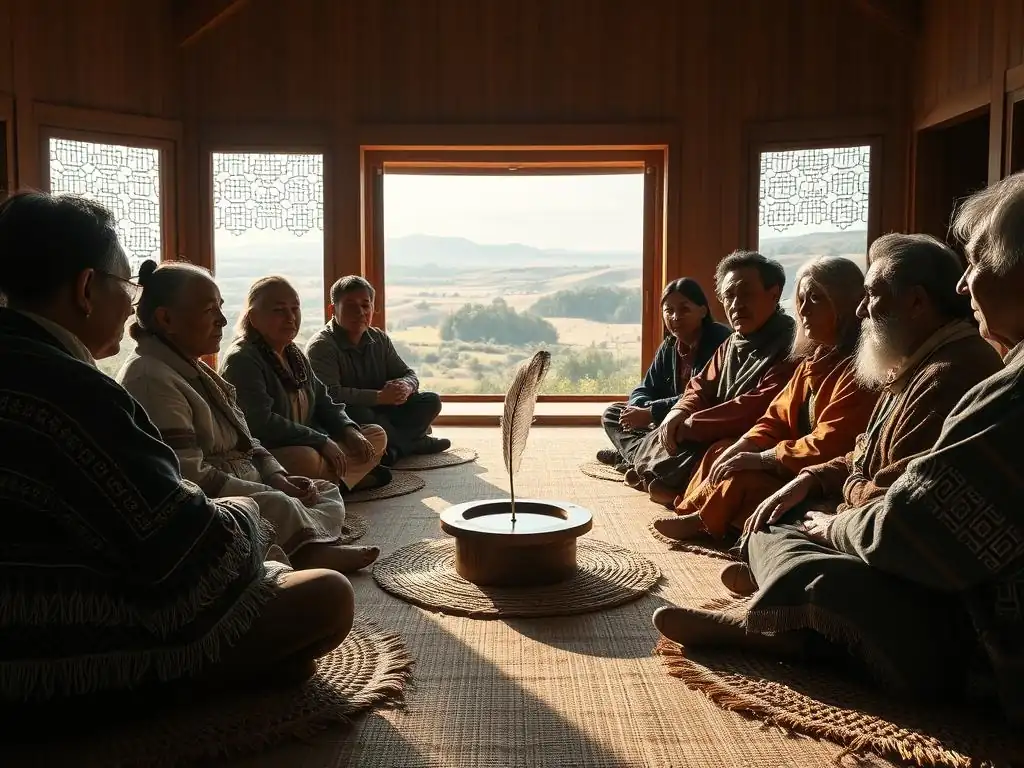
Community-led initiatives are paramount in effectively reducing Indigenous mental health stigma. When communities themselves drive the conversation and develop solutions, the initiatives are more likely to be culturally relevant, trusted, and sustainable. Examples include community workshops on mental health literacy, awareness campaigns developed by and for Indigenous people, and community gatherings that focus on healing and well-being. These initiatives empower community members to become advocates and educators, normalizing discussions about mental health from within.
These programs often leverage existing community strengths and structures, such as band councils, health centres, schools, and cultural organizations. For instance, a community might organize a traditional feast where Elders share teachings about emotional balance, or a youth group might create social media content challenging mental health myths. By centering Indigenous voices and knowledge, these initiatives build trust, reduce fear, and create a supportive environment where individuals feel safer discussing their mental health challenges, directly contributing to Indigenous mental health stigma reduction.
Culturally Sensitive Mental Health Education Programs
Providing education about mental health that is culturally sensitive and accessible is a vital strategy for combating stigma. This involves developing materials and delivering programs that resonate with Indigenous worldviews, languages, and learning styles. Education should not only explain mental health conditions but also address the impacts of historical trauma, the importance of cultural identity, and the connection between mental, emotional, physical, and spiritual well-being. For example, educational resources might use storytelling, visual arts, or land-based teachings to convey information about coping strategies or the signs of distress, rather than solely relying on Western clinical terminology.
Such programs can be delivered in various settings, including schools, community centers, and health clinics, often facilitated by Indigenous educators or health professionals. They aim to demystify mental health issues, provide accurate information, challenge misconceptions, and build mental health literacy within the community. By increasing understanding and reducing fear, culturally sensitive education plays a direct role in reducing Indigenous mental health stigma and encouraging help-seeking behaviour.
Integrating Traditional Healing Practices with Modern Mental Health Care
A powerful approach to Indigenous mental health stigma reduction involves integrating traditional healing practices with modern mental health care. This integration recognizes the validity and effectiveness of Indigenous healing methods and offers individuals choices that align with their cultural beliefs and values. For example, a mental wellness team might include both clinical therapists and Traditional Healers or Elders, allowing clients to access counseling, therapy, or medication alongside ceremonies, smudging, talking circles, or time on the land.
This collaborative model respects Indigenous sovereignty over health and promotes a holistic view of healing. It can make mental health services more approachable and less intimidating for those who may be hesitant to engage with Western-only approaches due to historical mistrust or cultural differences. By validating traditional practices as legitimate forms of healing, this integration helps dismantle the stigma that mental health issues can only be addressed through Western medicine and empowers individuals to seek support in ways that feel authentic and culturally safe.
Promoting Open Conversations About Mental Health in Indigenous Communities
Creating Safe Spaces for Dialogue and Sharing
Creating safe, non-judgmental spaces where Indigenous peoples feel comfortable discussing their mental health experiences is fundamental to breaking down stigma. These spaces can take many forms, such as community talking circles facilitated by Elders, peer support groups, youth gatherings, or dedicated sessions within health centres or cultural buildings. The key is that these environments are built on trust, respect, confidentiality, and cultural safety, allowing individuals to share their stories and feelings without fear of judgment or reprisal.
In these safe spaces, individuals can find validation, support, and a sense of belonging, reducing the isolation that often accompanies mental health struggles. They provide opportunities for shared learning, mutual support, and collective healing. Ensuring these spaces are easily accessible and promoted within the community is crucial for encouraging participation and fostering a culture of openness around mental well-being, significantly contributing to Indigenous mental health stigma reduction efforts.
Empowering Indigenous Voices and Stories
Amplifying Indigenous voices and empowering individuals to share their personal stories of mental health challenges and recovery is a powerful tool for stigma reduction. When people hear from others within their community who have navigated similar struggles, it normalizes the experience and offers hope. Storytelling has always been a central part of Indigenous cultures, serving as a means of teaching, healing, and connecting generations. Encouraging individuals to share their mental wellness journeys through appropriate and safe channels can resonate deeply within the community.
This empowerment can take various forms, such as sharing stories at community events, through local media (radio, newsletters), or via culturally appropriate online platforms. When survivors and those in recovery share their experiences, they challenge misconceptions, demonstrate resilience, and inspire others to seek help. Supporting and protecting these voices is essential, ensuring that sharing is always voluntary, safe, and handled with respect and sensitivity, reinforcing the commitment to Indigenous mental health stigma reduction.
Using Storytelling to Normalize Mental Health Experiences
Storytelling is a deeply ingrained and powerful cultural practice for many Indigenous nations, making it an ideal medium for normalizing mental health experiences and reducing stigma. Traditional stories often contain lessons about overcoming adversity, the importance of community, and the balance of mind, body, and spirit.
Adapting this traditional practice to contemporary mental health discussions can make the topic more accessible and less intimidating. For example, creating new stories or sharing personal narratives that weave in experiences of anxiety, depression, or trauma within a familiar cultural framework can help communities understand these challenges as part of the human experience, rather than something shameful.
Workshops on therapeutic storytelling, community performances, or published collections of stories can provide platforms for this. By framing mental health struggles within narratives of resilience, healing, and cultural strength, storytelling helps to dismantle negative stereotypes and fosters empathy. It allows for complex emotions and experiences to be expressed and understood in a culturally meaningful way, making a significant contribution to Indigenous mental health stigma reduction.
Practical Steps to Encourage Openness
Training Community Leaders as Mental Health Advocates
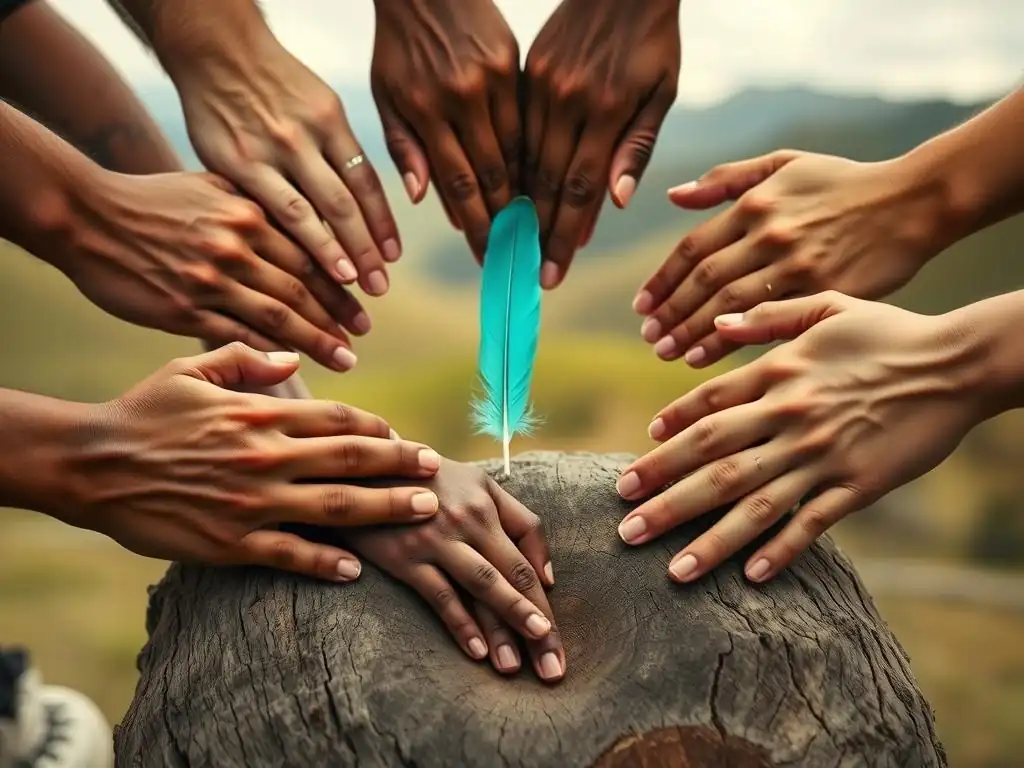
Empowering and training trusted community leaders – including Elders, youth leaders, band council members, teachers, and frontline workers – as mental health advocates is a practical and effective step. These individuals often hold significant influence and are already points of contact for many community members. Providing them with training in mental health first aid, crisis intervention, active listening, and cultural competency equips them to recognize signs of distress, offer initial support, and connect individuals with appropriate resources.
When leaders openly discuss mental health and demonstrate willingness to support those in need, it sends a powerful message that it is okay to talk about these issues. They can model help-seeking behaviour and challenge stigmatizing attitudes within their spheres of influence. This localized capacity building leverages existing social capital and ensures that support is available from within the community, making it more accessible and trusted, and directly supporting Indigenous mental health stigma reduction efforts.
Implementing Peer Support Programs within Indigenous Communities
Peer support programs, where individuals with lived experience of mental health challenges or substance use issues support others facing similar struggles, are highly effective and culturally relevant in many Indigenous communities. These programs are built on shared understanding, empathy, and mutual respect, offering a sense of solidarity that clinical services may not always provide. Peers can offer practical advice, emotional support, and hope for recovery, drawing from their own journeys.
These programs can be structured formally or informally, such as facilitated support groups, one-on-one mentoring, or even casual check-ins among friends and family who have received peer support training. The peer support model recognizes the strength within communities and empowers individuals to use their experiences to help others heal. By providing a non-clinical, relatable source of support, peer programs help break down barriers and reduce the stigma associated with seeking help, fostering a more supportive environment for Indigenous mental health stigma reduction.
Developing Accessible Mental Health Resources in Indigenous Languages
Language is intrinsically linked to culture and identity. For many Indigenous peoples, speaking and understanding their traditional language is vital for connection, healing, and expressing complex emotions that may not translate directly into English or French. Developing mental health resources – such as information pamphlets, helplines, counseling services, or online content – in Indigenous languages is a crucial step towards improving accessibility and cultural safety. While challenging due to the diversity of languages, efforts to provide resources in key languages spoken within a region or community can make a significant difference.
Ensuring that mental health professionals or community health workers are available who can communicate in Indigenous languages, or providing access to culturally trained interpreters, is also essential. When individuals can discuss their deepest fears and struggles in their mother tongue, it facilitates a more profound level of connection and understanding. This linguistic accessibility not only removes practical barriers but also demonstrates respect for Indigenous cultures, encouraging more people to seek and utilize mental health support, thereby contributing to Indigenous mental health stigma reduction.
Resources and Support for Indigenous Mental Health
Mental Health Organizations Serving Indigenous Populations
Numerous organizations are dedicated to supporting the mental health and well-being of Indigenous peoples. These range from national bodies that advocate for policy change and provide resources to regional and local organizations that deliver direct services. Many of these organizations are Indigenous-led or work in close partnership with Indigenous communities, ensuring that their approaches are culturally relevant and responsive. They often provide a range of services, including counseling, cultural programs, trauma-informed care, and support for substance use issues.
Seeking out organizations specifically focused on Indigenous mental health is important because they often have a deeper understanding of the unique historical context, cultural factors, and systemic challenges faced by Indigenous individuals. While a comprehensive list is beyond the scope here, awareness of the existence of such dedicated organizations is a vital first step for anyone seeking help or looking to support Indigenous mental health stigma reduction efforts.
Crisis Hotlines and Immediate Support Services
For individuals experiencing a mental health crisis, immediate access to support is critical. Several crisis hotlines and support services are available, some specifically tailored to the needs of Indigenous peoples. These services provide confidential, often 24/7 support from trained counselors who can offer immediate assistance, de-escalation strategies, and connections to further help. It is important for communities and individuals to be aware of these resources and how to access them quickly in times of need.
Some services have specific lines or protocols for Indigenous callers, recognizing the importance of cultural sensitivity and understanding of historical trauma. Promoting the availability of these crisis lines widely within communities, perhaps through posters, community health workers, or local media, is essential. Knowing that immediate, culturally sensitive help is available can be a lifeline and helps to break down the barrier of isolation that stigma often creates.
Specific Indigenous Mental Health Programs in Canada
Canada has seen the development of various programs aimed at addressing Indigenous mental health, often funded through government initiatives or Indigenous health authorities. These programs are designed to be more culturally appropriate and accessible than mainstream services, frequently incorporating traditional healing methods and community-based approaches. Examples include mental wellness teams that travel to remote communities, land-based healing camps, residential school survivor support programs, and youth-specific mental health initiatives.
While specific program availability varies by region and community, the existence of these dedicated services signifies a growing recognition of the need for tailored support. Awareness of these types of programs helps individuals understand that there are services designed with their cultural background in mind, potentially reducing reluctance to seek help due to concerns about cultural insensitivity. Supporting and expanding these programs is crucial for improving access to care and fostering Indigenous mental health stigma reduction nationwide.
The Future of Indigenous Mental Health: Hope and Healing
Fostering Resilience and Strength within Indigenous Communities
Despite the significant challenges posed by historical trauma and ongoing systemic issues, Indigenous communities possess immense resilience, strength, and capacity for healing. Focusing on and fostering these inherent strengths is crucial for building a healthier future. Resilience is often rooted in cultural practices, connection to the land, strong community bonds, spiritual beliefs, and the wisdom of Elders. Supporting initiatives that revitalize language, culture, and traditional practices directly contributes to mental well-being and acts as a powerful buffer against adversity.
Empowering communities to lead their own healing journeys, based on their unique cultural protocols and priorities, is key. This involves shifting from deficit-based approaches that focus solely on problems to strength-based approaches that highlight community assets and capabilities. Recognizing and celebrating Indigenous resilience is not just about overcoming challenges, but about thriving and reclaiming well-being on their own terms, which is fundamental to sustained Indigenous mental health stigma reduction and collective healing.
Building a More Inclusive and Supportive Mental Health System
Building a mental health system that is truly inclusive, equitable, and supportive for Indigenous peoples requires significant transformation. This involves addressing systemic racism within healthcare, ensuring culturally safe practices are the norm, increasing Indigenous representation in mental health professions, and adequately resourcing community-based mental wellness programs. It means moving beyond simply acknowledging the issues to implementing concrete changes that prioritize Indigenous self-determination in health.
An inclusive system respects traditional healing, collaborates with communities on program design and delivery, and ensures services are physically and financially accessible. It also involves educating non-Indigenous practitioners about the unique history and context of Indigenous mental health. Creating such a system is a long-term process that requires commitment from governments, healthcare institutions, and society at large, but it is essential for ensuring that Indigenous peoples receive the care they need in a way that honours their culture and supports Indigenous mental health stigma reduction efforts.
Empowering Future Generations of Indigenous Mental Health Advocates
Investing in and empowering Indigenous youth and future generations to become mental health advocates is vital for sustainable change. Young people are often at the forefront of challenging stigma and advocating for better support within their communities. Providing them with education, leadership opportunities, and platforms to share their perspectives equips them to continue the work of healing and advocacy. This could involve youth-led mental health campaigns, training programs specifically for young advocates, or incorporating mental wellness education into school curricula in a culturally appropriate manner.
Supporting youth in connecting with their culture, Elders, and traditional knowledge keepers also strengthens their identity and resilience, providing a strong foundation for their advocacy work. By nurturing the next generation of leaders and healers, communities are building a future where mental health is openly discussed, supported without shame, and integrated into the fabric of community well-being. This forward-looking approach is crucial for long-term Indigenous mental health stigma reduction and fostering enduring positive change.
Frequently Asked Questions
What are some unique challenges faced by Indigenous communities regarding mental health stigma?
Indigenous communities often experience unique challenges due to historical trauma, cultural differences in understanding mental health, and limited access to culturally appropriate resources. These factors contribute to a greater reluctance to seek help.
Why is it important to address mental health stigma specifically within Indigenous communities?
Addressing stigma is crucial because it prevents individuals from seeking necessary mental health care. Furthermore, it acknowledges and respects the cultural values and beliefs that can influence perceptions of mental well-being within Indigenous communities.
What are some culturally sensitive approaches to reducing mental health stigma in Indigenous communities?
Culturally sensitive approaches involve engaging community elders and leaders, incorporating traditional healing practices, and using culturally relevant language and messaging in mental health campaigns.
How can non-Indigenous individuals and organizations support mental health stigma reduction in Indigenous communities?
Non-Indigenous individuals and organizations can support by actively listening to and learning from Indigenous perspectives, advocating for culturally competent mental health services, and funding community-led mental health initiatives.
What are the potential benefits of successfully reducing mental health stigma in Indigenous communities?
Reducing stigma can lead to increased help-seeking behavior, improved mental health outcomes, and a stronger sense of community well-being by fostering open conversations and support networks.
Final Reflection: Seeds of Change in the Garden of Wellbeing
The urgent need to address mental health stigma within Indigenous communities is not merely a statistic; it's a crisis demanding immediate and sustained action. The interconnectedness of historical trauma, systemic inequities, and cultural misunderstandings creates a perfect storm that silences voices and prevents individuals from accessing vital support. This article has highlighted the devastating consequences of this silence and explored pathways towards fostering open, compassionate dialogue.
The journey towards healing is a collective one, woven from the threads of shared experience and mutual understanding. The resilience and strength of Indigenous communities, despite facing immense challenges, is truly inspiring. Their inherent knowledge systems and cultural practices offer powerful tools for healing and well-being, often overlooked or dismissed by mainstream mental health approaches. We must honour the wisdom of our ancestors and integrate traditional healing practices with modern approaches to create culturally safe and effective mental health services.
This quote encapsulates the essence of a truly holistic approach, one that respects and empowers Indigenous communities to lead their own healing journeys.
Now, it's your turn. Consider the stories shared within this article, the challenges highlighted, and the potential for positive change. What steps can you take, in your own sphere of influence, to contribute to the dismantling of stigma and the promotion of mental wellness within Indigenous communities? Whether it's amplifying Indigenous voices, educating yourself on culturally safe practices, or simply offering a listening ear, your actions, however small, can ripple outwards, creating a more supportive and healing environment for all. Let us cultivate a garden of wellbeing, where every seed of hope blossoms into a vibrant and resilient future.
Unleash the Power of Connection: Start the Conversation Today
Thank you for taking the time to learn more about fostering open conversations about mental health within Indigenous communities. You've gained valuable insights into the challenges and opportunities for positive change. Now, let's turn that knowledge into action.
- Prioritize a heartfelt conversation: Reach out to someone in your community—a friend, family member, or elder—and share this article or discuss its key takeaways. This small act can make a big difference.
- Share this article on your social media channels to spread awareness and help normalize conversations around mental health. Use the hashtag #IndigenousMentalHealth.
- Explore local Indigenous organizations and support groups dedicated to mental well-being. Many offer valuable resources and community building.
What's one step you can take today to encourage more open and supportive dialogue around mental health in your community?