
The Connection Between SelfHarm and Feeling Unlovable


Welcome to Mind Care Guide, a safe space for understanding your mental well-being.
Ever felt trapped in a cycle of self-harm, haunted by the belief that you're unlovable? You're not alone. This guide explores the intricate connection between these feelings, offering insights into the underlying reasons and pathways towards healing. We understand the pain, and we're here to help you find your way forward. Dive in to discover more about Selfharm feeling unlovable reasons and begin your journey toward self-compassion and recovery.
The Connection Between Self-Harm and Feelings of Unlovability: A Mental Wellness Guide
- Understanding the Link Between Self-Harm and Feelings of Unworthiness
- Identifying Core Beliefs: Triggers for Self-Harm and Feelings of Unworthiness
- The Cycle of Self-Harm and Negative Self-Worth
- Recognizing the Signs: Identifying Self-Harm and Low Self-Esteem
- Breaking the Cycle: Strategies for Healing and Self-Acceptance
- Seeking Professional Help for Self-Harm and Unlovability
- Building a Support System: Finding Connection and Acceptance
- Cultivating Self-Worth: A Journey of Self-Discovery
- Mental Wellness Guide: Supporting Your Mental Well-being
-
Frequently Asked Questions
- What is the primary connection between self-harm and feeling unlovable?
- What are some common reasons someone might feel unlovable and then turn to self-harm?
- If I'm self-harming because I feel unlovable, what is the first step I should take?
- How can therapy help address the underlying feelings of being unlovable that contribute to self-harm?
- Are there specific resources available for individuals struggling with self-harm and feelings of being unlovable?
- Final Reflection: Unraveling the Bonds of Self-Harm and Unlovability
- Unleash Your Inner Strength: Steps Towards Self-Love
Understanding the Link Between Self-Harm and Feelings of Unworthiness
Exploring the Emotional Roots of Self-Harm
Self-harm, or non-suicidal self-injury (NSSI), is a complex behavior often rooted in intense emotional pain. It is typically not an attempt to end one's life, but rather a way to cope with overwhelming feelings, thoughts, or situations that feel unbearable. Individuals engaging in self-harm might be struggling with a range of difficult emotions such as intense sadness, anxiety, anger, emptiness, or a profound sense of disconnection from others.
The physical pain is sometimes used to distract from emotional anguish, to feel something when feeling numb, or to punish oneself for perceived flaws or failures. Understanding these underlying emotional drivers is critical when exploring the selfharm feeling unlovable reasons that compel individuals towards this behavior.
Research indicates that self-harm is often associated with difficulties in regulating emotions. People who self-injure may lack effective coping mechanisms to manage distress, leading them to turn inward and externalize their internal pain through physical means. A study published in the Journal of Consulting and Clinical Psychology found a strong correlation between emotion dysregulation and NSSI. Furthermore, experiences of trauma, neglect, or abuse significantly increase the risk of self-harm, as these experiences can deeply impact a person's sense of safety, worth, and ability to form secure attachments, laying the groundwork for feelings of being fundamentally flawed or unlovable.
How Feeling Unlovable Can Trigger Self-Harm
A pervasive feeling of being unlovable, unworthy, or fundamentally "bad" is a significant emotional root that can trigger self-harm. When someone genuinely believes they are not worthy of love or acceptance, they may internalize this belief to such an extent that it shapes their entire self-perception and interactions. This profound sense of being unlovable can stem from various sources, including critical upbringing, rejection, bullying, or relational betrayals.
For some, self-harm becomes a physical manifestation of this internal pain and self-rejection. It can feel like a punishment they deserve because they believe they are inherently bad or unworthy of kindness or love.
The belief "I am unlovable" creates significant emotional distress. It can lead to feelings of isolation, shame, and hopelessness. When these feelings become overwhelming and the individual lacks alternative ways to cope, self-harm might emerge as a desperate attempt to gain control over the internal chaos, to release pressure, or to validate their painful belief about themselves. The act of self-harm might paradoxically provide a temporary sense of relief or validation of their feeling that they deserve pain because they are unlovable, perpetuating a dangerous cycle. Exploring these specific selfharm feeling unlovable reasons is key to intervention.
Identifying Core Beliefs: Triggers for Self-Harm and Feelings of Unworthiness
The Role of Negative Self-Perception in Self-Harm
Negative self-perception, characterized by deeply ingrained beliefs about one's own inadequacy, worthlessness, or inherent defectiveness, plays a crucial role in the development and maintenance of self-harm behaviors. If someone believes they are fundamentally bad or unworthy, this belief can act as a constant source of internal pain and stress. This negative self-view often manifests as harsh self-criticism, difficulty accepting compliments, and interpreting neutral or even positive interactions through a negative lens, reinforcing their conviction that they are not good enough.
This distorted self-perception can make it incredibly challenging to cope with everyday stressors or interpersonal difficulties. When facing challenges, instead of seeing them as external problems, the individual may internalize them as further proof of their own inadequacy. This can lead to intense feelings of shame and self-loathing, which can become unbearable.
In such moments, self-harm might be used as a way to manage these overwhelming feelings or to act out the internalized belief that they deserve punishment because of their perceived flaws, which are often linked to feeling unlovable. Understanding this negative self-perception is vital for addressing selfharm feeling unlovable reasons.
Common Triggers: Feeling Unlovable and Self-Harming
Several common experiences and situations can act as triggers, intensifying feelings of being unlovable and increasing the likelihood of self-harm. These triggers often tap into core beliefs about one's worth and can vary significantly from person to person. Recognizing these patterns is an important step in understanding the specific selfharm feeling unlovable reasons for an individual.
Childhood Trauma and Attachment Issues
Experiences of childhood trauma, such as abuse (physical, emotional, or sexual) or neglect, are strongly linked to both self-harm and pervasive feelings of being unlovable. Trauma can shatter a child's sense of safety and trust, leading to the development of core beliefs that they are bad, responsible for the trauma, or inherently flawed. Similarly, insecure or disrupted attachment patterns in childhood, perhaps due to inconsistent or unresponsive caregiving, can impair a person's ability to form secure relationships and develop a stable sense of self-worth.
Individuals with a history of trauma or attachment issues may struggle with regulating emotions and forming healthy relationships later in life. They might constantly seek external validation but find it difficult to accept, reinforcing the belief that they are unworthy. When triggered by reminders of past trauma or by relationship difficulties, these deeply ingrained feelings of worthlessness and being unlovable can become overwhelming, leading to self-harm as a maladaptive coping strategy.
Relationship Challenges and Social Isolation
Difficulties in relationships, including rejection, conflict, betrayal, or the breakdown of significant connections, can be powerful triggers for self-harm, especially for those who already harbor feelings of being unlovable. For someone who believes they are fundamentally unworthy of love, relationship problems can feel like definitive proof of this belief. A breakup, an argument with a friend, or even perceived criticism can intensely activate the fear of abandonment and reinforce the idea that they are incapable of maintaining loving connections because they are unlovable.
Social isolation, whether stemming from relationship difficulties or other factors, further exacerbates feelings of being unlovable and increases vulnerability to self-harm. Lack of connection can lead to profound loneliness and a sense that one is invisible or unwanted. Without a supportive network, individuals may lack healthy outlets for processing difficult emotions, making self-harm seem like the only option for managing overwhelming pain and validating their internal belief that they are alone and unworthy of connection. These interpersonal struggles are significant selfharm feeling unlovable reasons.
Societal Expectations and Internalized Shame
Societal pressures and expectations regarding appearance, success, relationships, and identity can also contribute to feelings of unworthiness and trigger self-harm. Constant exposure to idealized images and narratives, often through media and social platforms, can lead individuals to compare themselves negatively and feel they fall short. For those predisposed to negative self-perception, failing to meet these often unrealistic standards can intensify feelings of inadequacy and shame.
Internalized shame, often stemming from societal stigma around mental health, identity, or past experiences, can reinforce the belief that one is fundamentally flawed or bad. This shame can be particularly potent for individuals struggling with self-harm, as the behavior itself is often shrouded in secrecy and stigma, leading to further isolation and self-condemnation. The combination of external pressures and internalized shame can significantly contribute to the feeling of being unlovable, sometimes culminating in self-harm as a desperate attempt to cope with the intense emotional pain.
The Cycle of Self-Harm and Negative Self-Worth
Self-Harm as a Coping Mechanism for Unlovability
For many individuals, self-harm initially serves as a coping mechanism, albeit a destructive one, for managing intense emotional pain associated with feeling unlovable. When feelings of worthlessness, shame, and despair become overwhelming, the physical pain of self-injury can provide a temporary distraction or release. It might offer a sense of control in situations where the individual feels powerless over their emotions or circumstances. The act itself can sometimes feel like a way to externalize internal suffering, making the invisible pain visible.
This coping mechanism is deeply intertwined with the feeling of being unlovable. The individual might feel that they deserve the pain, seeing it as a just consequence for being fundamentally flawed or unworthy. The temporary relief or sense of control gained from self-harm can reinforce the behavior, making it a go-to strategy when feelings of unworthiness resurface. However, this relief is short-lived and does not address the underlying issues, perpetuating the cycle. Understanding this function is crucial when exploring selfharm feeling unlovable reasons.
How Self-Harm Reinforces Feelings of Being Unworthy of Love
While self-harm may provide temporary relief, it ultimately reinforces and deepens feelings of being unworthy of love. Following an episode of self-harm, individuals often experience intense feelings of shame, guilt, and self-loathing. The secrecy surrounding the behavior can lead to further isolation, preventing them from seeking support and reinforcing the belief that they are alone and that their struggles are something to be hidden.
The physical scars left by self-harm can serve as constant visual reminders of their pain and their perceived failures, solidifying the belief that they are damaged or "bad." Each act of self-harm can strengthen the internal narrative that they are not capable of coping in healthy ways and that they are fundamentally flawed, thus cementing the feeling that they are unlovable.
This creates a vicious cycle: feeling unlovable leads to self-harm, which in turn increases shame and self-hatred, further intensifying the feeling of being unlovable. Breaking this cycle requires addressing both the self-harm behavior and the underlying selfharm feeling unlovable reasons.
Recognizing the Signs: Identifying Self-Harm and Low Self-Esteem
Behavioral and Emotional Indicators of Self-Harm
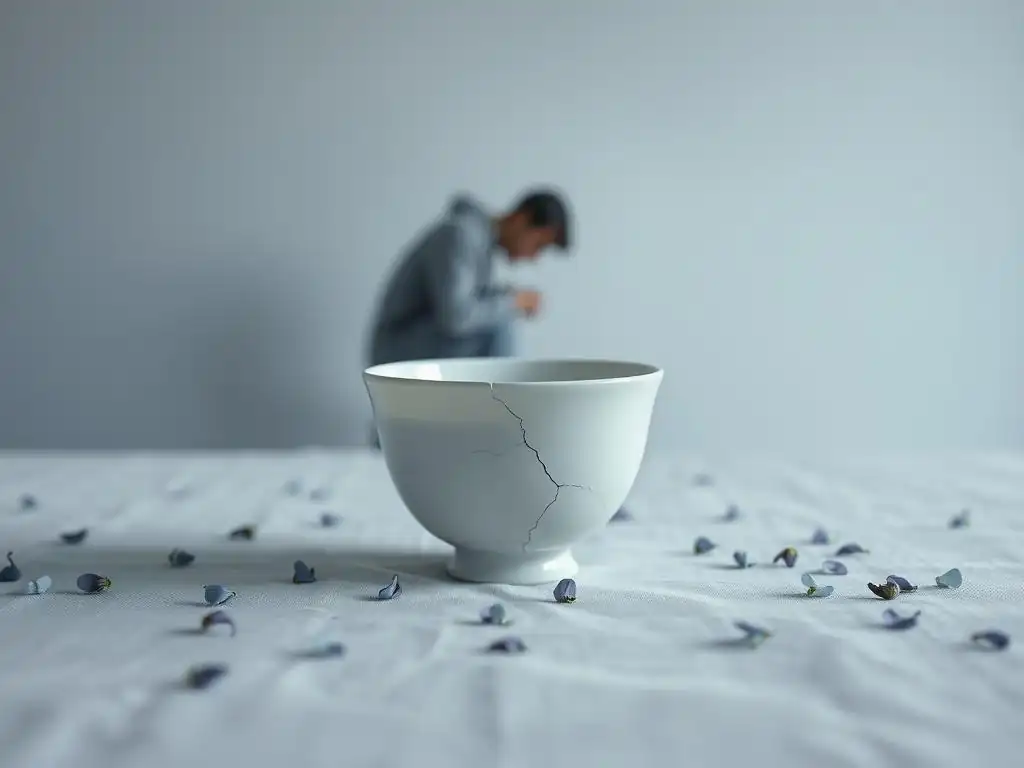
Recognizing the signs of self-harm is critical for providing support. While self-injury is often hidden, there are indicators to look for. Physical signs might include unexplained cuts, burns, bruises, or scratches, often on areas like wrists, arms, legs, or abdomen. Individuals might wear long sleeves or pants even in warm weather to conceal injuries. They may avoid situations where their body might be exposed, such as swimming or sports.
Behavioral and emotional indicators are also key. These can include increased isolation, difficulty managing emotions, impulsivity, expressions of hopelessness or worthlessness, preoccupation with death or dying (though self-harm is distinct from suicide attempts, the emotional pain can be related), and a history of trauma. The person might possess items used for self-harm without a clear explanation, such as razors, knives, or lighters. They might also withdraw from friends and family or show changes in eating or sleeping patterns. These signs are often intertwined with the selfharm feeling unlovable reasons.
Spotting the Symptoms of Feeling Unlovable
Symptoms of feeling unlovable often overlap with signs of low self-esteem and can include a persistent sense of worthlessness or inadequacy. Individuals may constantly seek external validation but dismiss it when received, believing it's not genuine or deserved. They might struggle with perfectionism, fearing that any mistake will confirm their unworthiness. Difficulty accepting compliments is common, as is a tendency to interpret criticism harshly.
Other symptoms can include a fear of abandonment, leading to clingy behavior or, conversely, pushing people away to avoid potential rejection. They might engage in self-sabotaging behaviors in relationships or work, fulfilling their own prophecy of failure or rejection. Expressions of shame, guilt, and self-blame are frequent. A person feeling unlovable might also exhibit symptoms of depression or anxiety. These symptoms are often the underlying selfharm feeling unlovable reasons.
Breaking the Cycle: Strategies for Healing and Self-Acceptance
Challenging Negative Thoughts and Beliefs
Breaking the cycle of self-harm and negative self-worth requires actively challenging the deeply ingrained negative thoughts and beliefs, particularly the conviction of being unlovable. This process involves becoming aware of these thoughts – often automatic and unquestioned – and learning to identify them as beliefs rather than absolute truths. Techniques from cognitive restructuring can be incredibly helpful here, such as identifying cognitive distortions (like all-or-nothing thinking or mind-reading) that fuel negative self-perception.
The next step is to critically evaluate the evidence supporting and contradicting these negative beliefs. For example, if the belief is "I am unlovable," one might look for instances where they were shown kindness or love, even small examples. It's about building a case against the negative belief, piece by piece. Replacing negative self-talk with more balanced or compassionate self-talk is also vital. This is a challenging but essential step in addressing the selfharm feeling unlovable reasons.
Building Self-Compassion and Self-Love
Cultivating self-compassion and self-love is fundamental to healing from self-harm and overcoming feelings of unlovability. Self-compassion involves treating oneself with the same kindness, understanding, and acceptance that one would offer a good friend who is suffering. It means recognizing that suffering, failure, and imperfection are part of the shared human experience, rather than isolated personal failings that make one unworthy.
Practicing self-love involves actively nurturing one's well-being, setting healthy boundaries, and accepting oneself unconditionally, flaws and all. This isn't about arrogance, but about recognizing inherent worth regardless of external achievements or others' opinions. This can involve small acts like ensuring adequate rest, engaging in enjoyable activities, or speaking kindly to oneself internally. Developing self-compassion and self-love directly counters the selfharm feeling unlovable reasons.
Developing Healthy Coping Mechanisms
Replacing self-harm with healthy coping mechanisms is a crucial part of the healing process. This involves identifying what triggers the urge to self-harm and having alternative strategies ready to deploy when intense emotions arise. Healthy coping mechanisms help individuals manage distress without causing further harm.
Mindfulness and Grounding Techniques
Mindfulness involves focusing on the present moment without judgment, which can help individuals observe intense emotions or urges without being overwhelmed by them. Grounding techniques are specific mindfulness strategies that help bring a person back to the present moment when feeling overwhelmed or disconnected. Examples include focusing on the five senses (seeing five things, hearing four things, touching three things, smelling two things, tasting one thing), deep breathing exercises, or holding a comforting object. These techniques can help to ride out intense urges to self-harm and manage the distress associated with selfharm feeling unlovable reasons.
Creative Expression as a Release
Engaging in creative expression can be a powerful and healthy way to process difficult emotions and release tension. This doesn't require artistic talent, but rather a willingness to express oneself through various mediums. Activities like journaling, drawing, painting, sculpting, playing music, dancing, or writing poetry can provide an outlet for feelings that are difficult to articulate verbally. Creative expression can help externalize internal pain in a safe and non-destructive way, offering a release from the pressure that might otherwise lead to self-harm.
Connecting with Supportive Individuals
Reaching out to and connecting with supportive individuals is a vital healthy coping mechanism. Isolation often fuels feelings of unlovability and increases the risk of self-harm. Sharing struggles with a trusted friend, family member, therapist, or support group can provide validation, reduce feelings of shame, and offer alternative perspectives or solutions. Simply being heard and accepted by another person can be incredibly healing and directly challenges the core belief of being unlovable, addressing a fundamental selfharm feeling unlovable reason.
Seeking Professional Help for Self-Harm and Unlovability
The Importance of Therapy and Counseling
Seeking professional help is a critical step for individuals struggling with self-harm and pervasive feelings of unlovability. Therapy provides a safe and confidential space to explore the underlying selfharm feeling unlovable reasons, develop healthier coping strategies, and work through past experiences that contribute to negative self-worth. Therapists are trained to help individuals understand their emotions, identify triggers, challenge negative thought patterns, and build resilience.
Attempting to overcome self-harm and deep-seated feelings of unworthiness alone can be incredibly difficult and often unsuccessful. A mental health professional can provide tailored support, evidence-based interventions, and a consistent, non-judgmental relationship that can model acceptance and worthiness. Therapy is not a sign of weakness, but a courageous step towards healing and reclaiming one's life.
Types of Therapy That Can Help
Several therapeutic approaches have proven effective in treating self-harm and the associated feelings of unlovability. The most suitable type of therapy depends on the individual's specific needs and experiences.
Cognitive Behavioral Therapy (CBT)
Cognitive Behavioral Therapy (CBT) is a widely used therapy that focuses on identifying and changing negative thought patterns and behaviors. For someone struggling with self-harm and feeling unlovable, CBT can help challenge core beliefs about worthlessness, identify triggers for self-harm, and develop alternative coping skills. A typical course of CBT might involve identifying automatic negative thoughts, examining the evidence for and against them, and practicing more balanced or positive self-talk. It directly addresses the cognitive distortions that contribute to selfharm feeling unlovable reasons.
Dialectical Behavior Therapy (DBT)
Dialectical Behavior Therapy (DBT) is particularly effective for individuals who experience intense emotions and engage in self-harm or suicidal behaviors. DBT teaches skills in four core areas: mindfulness, distress tolerance, emotion regulation, and interpersonal effectiveness. These skills help individuals manage overwhelming feelings without resorting to destructive behaviors, navigate difficult relationships, and improve their ability to cope with stress. DBT's emphasis on acceptance (dialectical thinking) and change can be very beneficial for those struggling with self-harm and feelings of being unlovable.
Trauma-Informed Therapy
Given the strong link between trauma and both self-harm and feelings of unlovability, trauma-informed therapy is often essential. Approaches like Trauma-Focused CBT (TF-CBT) or Eye Movement Desensitization and Reprocessing (EMDR) help individuals process traumatic memories and experiences that contribute to their current distress and negative self-perception. By safely addressing the root trauma, these therapies can alleviate the intensity of associated emotions and reduce the urge to self-harm, while also challenging the trauma-related selfharm feeling unlovable reasons.
Building a Support System: Finding Connection and Acceptance

The Power of Peer Support Groups
Connecting with others who have similar experiences can be incredibly validating and empowering. Peer support groups, whether in-person or online, offer a space where individuals can share their struggles with self-harm and feelings of unlovability without fear of judgment. Hearing from others who understand the unique challenges can reduce feelings of isolation and shame, providing hope and practical strategies for coping.
Groups focused on self-harm recovery or mental health challenges can provide a sense of community and belonging, directly counteracting the isolation that often accompanies feeling unlovable. Sharing stories and successes within a supportive peer environment reinforces the idea that healing is possible and that one is not alone in their struggles. This shared experience can be a powerful antidote to the selfharm feeling unlovable reasons.
Connecting with Loved Ones and Building Healthy Relationships
While challenging for someone who feels unlovable, connecting with trusted loved ones is vital for building a strong support system. Open communication with family members, partners, or close friends about struggles with self-harm and feelings of worthlessness, to the extent one feels safe and comfortable, can lead to increased understanding and support. Loved ones can offer emotional support, practical help, and encouragement during the healing journey.
Building healthy relationships is key. This involves learning to set boundaries, communicate needs effectively, and choose relationships that are supportive and affirming rather than critical or draining. For individuals who feel unlovable, this might involve challenging relationship patterns that reinforce negative beliefs and instead seeking out connections where they feel valued and accepted for who they are.
Resources and Organizations for Self-Harm Support
Numerous resources and organizations offer support for individuals struggling with self-harm and related issues. These include crisis hotlines, mental health organizations, online forums, and educational websites. Examples might include the Crisis Text Line (text HOME to 741741), the National Suicide Prevention Lifeline (call or text 988), or organizations dedicated to self-injury awareness.
These resources provide immediate support during crises, information about self-harm, guidance on finding professional help, and connections to support networks. Reaching out to these resources is a brave and important step towards finding help and understanding the complex selfharm feeling unlovable reasons.
Cultivating Self-Worth: A Journey of Self-Discovery
Embracing Imperfection and Self-Acceptance
Cultivating a strong sense of self-worth is an ongoing journey, not a destination. A crucial part of this journey involves embracing imperfection. The belief that one must be perfect to be lovable is a significant barrier to self-acceptance. Recognizing that everyone has flaws, makes mistakes, and experiences setbacks is essential. Self-acceptance means acknowledging these imperfections without judgment and understanding that they do not diminish one's inherent value.
This process involves shifting focus from trying to be someone you are not, to accepting and appreciating who you are, including your vulnerabilities and struggles. It's about recognizing your unique qualities, strengths, and experiences, even the painful ones, as parts of your story that shape you, not define you as unworthy. Embracing imperfection is a direct challenge to the selfharm feeling unlovable reasons.
Cultivating a Positive Self-Image
Cultivating a positive self-image goes beyond just accepting imperfections; it involves actively building a positive view of oneself. This can involve focusing on strengths and accomplishments, no matter how small they seem. Engaging in activities that align with one's values and bring a sense of purpose can also enhance self-image.
Practicing positive affirmations, while they may feel awkward at first, can help counteract negative self-talk over time. Surrounding oneself with positive influences and limiting exposure to negative or critical environments is also important. Building a positive self-image is a gradual process that requires consistent effort and kindness towards oneself, helping to dismantle the selfharm feeling unlovable reasons.
The Power of Self-Forgiveness
Self-forgiveness is a vital component of healing from self-harm and overcoming feelings of unlovability. Individuals who self-harm often carry immense guilt and shame about their behavior. Holding onto this self-blame perpetuates the cycle of negative self-worth. Self-forgiveness involves acknowledging the harm caused (to oneself), understanding the underlying pain and coping mechanisms, and making a conscious decision to release the guilt and shame.
This does not mean condoning the behavior, but rather extending compassion and understanding to the part of oneself that was hurting and didn't know how else to cope. Self-forgiveness allows for moving forward, learning from the experience, and committing to healthier behaviors. It is an act of self-compassion that directly addresses the self-punishment often linked to selfharm feeling unlovable reasons.
Mental Wellness Guide: Supporting Your Mental Well-being
Frequently Asked Questions
What is the primary connection between self-harm and feeling unlovable?
The primary connection is that feelings of being unlovable often trigger self-harm as a way to cope with intense emotional pain, such as shame, guilt, or worthlessness. It's a maladaptive coping mechanism.
What are some common reasons someone might feel unlovable and then turn to self-harm?
Common reasons include past trauma, experiences of rejection or abandonment, and negative self-perception fueled by mental health conditions like depression or anxiety. These feed into feelings of unworthiness.
If I'm self-harming because I feel unlovable, what is the first step I should take?
The first step is to reach out for help. This could involve talking to a trusted friend, family member, therapist, or contacting a crisis hotline. Professional support is crucial.
How can therapy help address the underlying feelings of being unlovable that contribute to self-harm?
Therapy can help you explore the root causes of these feelings, develop healthier coping mechanisms, and build a stronger sense of self-worth and self-compassion. It helps challenge negative thoughts.
Are there specific resources available for individuals struggling with self-harm and feelings of being unlovable?
Yes, numerous resources exist, including mental health crisis lines, online support groups, and websites (like Mind Care Guide) offering information and referrals to therapists specializing in self-harm and related issues.
Final Reflection: Unraveling the Bonds of Self-Harm and Unlovability
The pervasive link between self-harm and feelings of unlovability remains a critical issue, demanding our urgent attention and compassionate understanding. It's not merely a correlation; it's a complex interplay of emotional pain, unmet needs, and a desperate search for self-soothing, often tragically misguided. The statistics alone are chilling, but the human stories behind them are even more compelling, urging us to move beyond simple data and delve into the heart of this devastating cycle.
The insidious nature of feeling unlovable casts a long shadow, shaping not only individual lives but also the broader cultural landscape. It fuels a sense of isolation and shame, making it incredibly difficult for those struggling to seek help. The most basic human need is the need to understand and be understood.
- Carl Rogers. This quote highlights the fundamental human desire for connection, a desire tragically unmet for many who turn to self-harm. Understanding this unmet need is crucial to breaking the cycle and fostering genuine healing and self-acceptance.
You, the reader, are now equipped with a deeper understanding of this complex issue. Consider the ways in which societal pressures, personal experiences, and internal narratives contribute to feelings of unlovability. Take a moment to reflect on your own relationships and self-perception. If you or someone you know is struggling with self-harm, remember that you are not alone, and help is available. Reach out to a trusted friend, family member, or mental health professional. Let's work together to create a world where everyone feels seen, heard, and deeply loved.
Unleash Your Inner Strength: Steps Towards Self-Love
Thanks for taking the time to explore the complex connection between self-harm and feelings of unlovability. We hope this article provided valuable insights and a path towards healing. Now, let's take the next step together.
- Prioritize self-compassion: This is the cornerstone of your journey. Schedule 15 minutes each day for a mindful activity that nurtures your well-being – whether it’s journaling, meditation, or simply enjoying a warm cup of tea.
- Reach out for support: Connecting with others is crucial. Consider sharing this article with someone you trust, or exploring local support groups or online communities dedicated to healing from self-harm. This can provide invaluable connection and understanding.
- Discover new coping mechanisms: Challenge negative thought patterns by consciously practicing self-care. Try something new—learning a new skill, spending time in nature, or engaging in a creative hobby—to build resilience.
What small act of self-compassion will you commit to today?