
Crisis Hotlines for Youth: Getting Help When You're Young

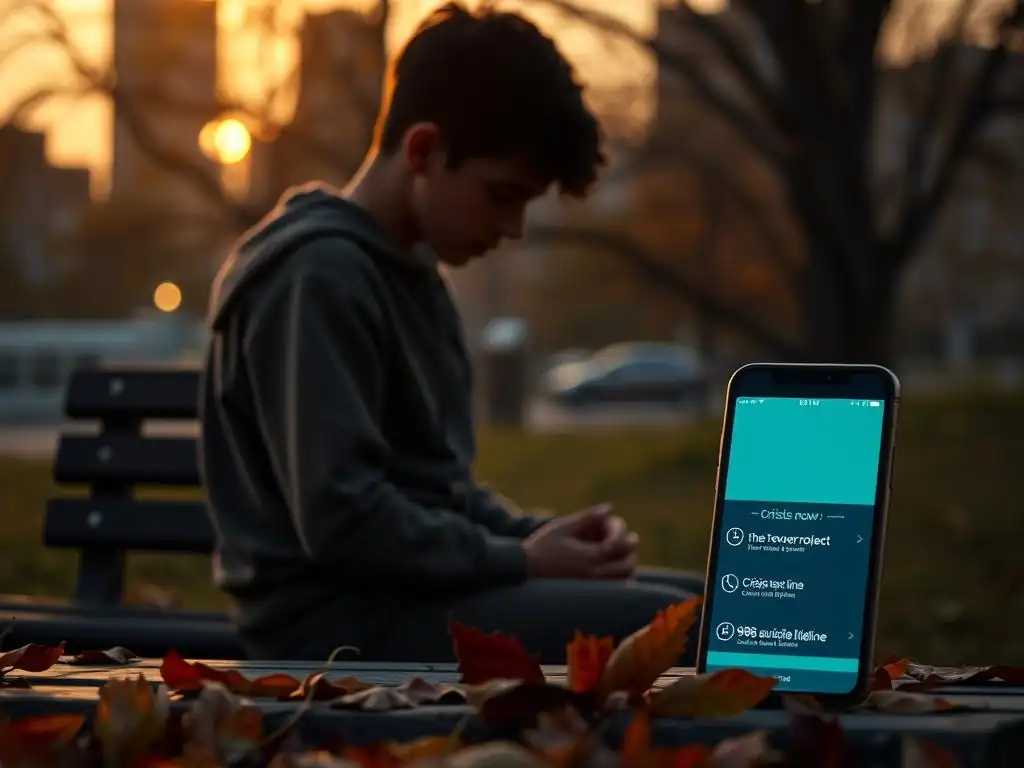
Welcome to Mind Care Guide, a safe space dedicated to your mental well-being. Feeling overwhelmed or alone? You're not. We understand the unique challenges young people face, and that's why we've compiled crucial information on Youth Crisis Hotline Resources. Discover immediate support and connection – let's explore how these resources can help you navigate tough times and find a path forward. Ready to find the help you deserve?
Crisis Hotlines for Youth: Getting Help When You Need It
- Understanding Youth Mental Health Crises
- Youth Crisis Hotline Resources: Immediate Help Options
- Finding the Right Youth Crisis Hotline: A Guide
- How to Use a Youth Crisis Hotline Effectively
- Beyond the Hotline: Additional Mental Health Resources for Youth
- Supporting a Young Person in Crisis
- Debunking Myths About Youth Crisis Hotlines
- The Role of Parents and Guardians in Youth Mental Health Crises
- Building Resilience: Preventing Future Crises in Youth
- Understanding the Impact of Youth Crisis Hotlines
-
Frequently Asked Questions
- What is a youth crisis hotline and why might someone need to use one?
- How can accessing Youth Crisis Hotline Resources improve a young person's mental well-being?
- What types of issues can a youth crisis hotline help with?
- Are calls to a youth crisis hotline confidential, and what are the limits to confidentiality?
- Where can I find reliable Youth Crisis Hotline Resources for myself or someone I know?
- Final Reflection: The Urgent Need for Youth Crisis Support
- Ignite Your Support Network: Take the First Step Towards Wellbeing
Understanding Youth Mental Health Crises
Recognizing Signs of a Mental Health Crisis in Young People
A mental health crisis in a young person can manifest in various ways, often representing a significant shift from their usual behavior. These signs are not always overt calls for help; sometimes they are subtle changes that indicate deep distress. For instance, a previously outgoing teenager might become withdrawn, isolating themselves from friends and family. They might lose interest in activities they once enjoyed, such as sports, hobbies, or schoolwork. Academic performance might plummet unexpectedly, or attendance might become erratic.
Other critical signs include dramatic mood swings, intense irritability, persistent feelings of sadness or hopelessness, or increased anxiety that interferes with daily life. Observable changes in sleep patterns (insomnia or excessive sleeping) and appetite (eating too much or too little) are also common indicators. In some cases, a young person might start engaging in risky behaviors, such as substance use, reckless driving, or self-harming behaviors like cutting or burning.
Approximately one in five young people aged 13-18 will experience a severe mental disorder at some point in their lives, highlighting the potential for crises. Recognizing these shifts is the crucial first step toward seeking appropriate support, including vital youth crisis hotline resources.
The Importance of Accessible Crisis Support for Youth
Accessible crisis support is paramount for young people because it provides an immediate lifeline during moments of intense emotional pain or danger. Unlike scheduled therapy appointments, crisis hotlines for young people offer help exactly when it's needed most – often in the middle of the night or during weekends when other services are unavailable. This instant access can prevent a situation from escalating to a point of no return. For a young person feeling overwhelmed, alone, or contemplating self-harm, knowing there is someone available to listen without judgment can be life-saving.
The anonymity and confidentiality offered by youth crisis hotline resources are also critical. Many young people fear judgment or repercussions if they talk about their struggles with family or friends. A hotline provides a safe space to express thoughts and feelings they might otherwise keep hidden.
Data suggests that a significant percentage of youth experiencing mental health challenges do not receive treatment. Accessible hotlines bridge this gap, offering a low-barrier entry point to support and potentially connecting them to further mental health resources for youth. The ability to reach out via phone, text, or chat makes these services incredibly relevant and easy to use for today's tech-savvy youth.
Youth Crisis Hotline Resources: Immediate Help Options
What is a Youth Crisis Hotline?
A youth crisis hotline is a specialized telephone, text, or chat service designed to provide immediate, confidential support to young people experiencing a mental health crisis. These services are staffed by trained crisis counselors who are equipped to handle a wide range of urgent situations, including suicidal thoughts, severe anxiety, depression, bullying, abuse, relationship problems, and family conflict. They operate with the understanding that a crisis can happen at any time, offering support around the clock.
Unlike therapeutic relationships which develop over time, a crisis hotline focuses on de-escalating the immediate situation, providing emotional support, and helping the young person feel safe and less alone. The goal is to help the caller navigate the immediate distress and, if necessary, connect them with ongoing mental health resources for youth or emergency services if there is an imminent risk of harm. These vital youth crisis hotline resources serve as a critical first point of contact for young people struggling to cope.
Types of Support Offered by Youth Crisis Hotlines
Youth crisis hotlines offer several types of support tailored to the needs of young callers. Primarily, they provide active listening and emotional validation, allowing the young person to share their feelings in a non-judgmental environment. Counselors help callers identify their immediate needs and feelings, offering empathy and understanding. They are trained to help the young person explore coping strategies that can help them manage the current moment of distress.
Beyond immediate emotional support, crisis counselors can also assist with safety planning if the young person is experiencing suicidal thoughts or engaging in self-harm. This involves working collaboratively to identify ways to stay safe in the short term. Counselors can also provide information about ongoing mental health resources for youth, such as local counseling services, support groups, or other community programs. While they do not provide therapy, they offer crucial support, information, and connection to further help, making youth crisis hotline resources invaluable.
24/7 Availability of Youth Crisis Hotlines
One of the most critical features of youth crisis hotlines is their round-the-clock availability. Mental health crises do not adhere to a 9-to-5 schedule; they can occur at any time of the day or night, on weekends or holidays. For a young person in distress, waiting hours for help might feel impossible or even dangerous. The guarantee of immediate access to a trained counselor, regardless of the hour, provides an essential safety net.
This constant availability ensures that young people have access to support precisely when they need it most, reducing the likelihood that they will feel completely alone with their problems. Many major youth crisis hotline resources, like the Crisis Text Line or the National Suicide Prevention Lifeline, are staffed by volunteers and professionals working in shifts to maintain continuous coverage. This commitment to 24/7 support is a cornerstone of effective crisis intervention for young people.
Finding the Right Youth Crisis Hotline: A Guide
National Youth Crisis Hotlines: The Trevor Project, Crisis Text Line, National Suicide Prevention Lifeline
Several prominent national youth crisis hotline resources offer support across the United States. The Trevor Project is a leading organization providing crisis intervention and suicide prevention services to LGBTQ+ young people under 25. They offer phone, text, and chat support, staffed by trained counselors who understand the unique challenges faced by this community. In 2022, The Trevor Project connected with over 250,000 young people seeking support.
Another widely used service is the Crisis Text Line, which provides free, 24/7 crisis support via text message. Young people can text HOME to 741741 from anywhere in the US, anytime, about any type of crisis. This platform is particularly popular with youth who may feel more comfortable communicating via text than phone.
The National Suicide Prevention Lifeline (now the 988 Suicide & Crisis Lifeline) is a national network of local crisis centers that provides free and confidential emotional support to people in suicidal crisis or emotional distress 24 hours a day, 7 days a week. While serving all ages, it is a critical resource accessible to youth. These national platforms represent key youth crisis hotline resources available instantly.
Local and State-Specific Youth Crisis Resources
In addition to national services, many states and local communities offer their own youth crisis hotline resources. These services can sometimes provide more localized support, potentially connecting callers with specific resources or services available within their immediate geographic area. For example, a county mental health service might operate a local crisis line that can dispatch mobile crisis teams or connect the young person directly with local counselors who have available appointments.
Finding these local resources often involves searching online for "youth crisis hotline [your state/city]" or contacting local mental health authorities. While national lines are excellent for immediate support, local lines can sometimes offer a bridge to ongoing care within the community. It's valuable for young people and their families to be aware of both national and local youth crisis hotline resources.
Hotlines Specialized in Specific Issues: LGBTQ+ Youth, Substance Abuse, Eating Disorders
Beyond general crisis lines, there are youth crisis hotline resources that specialize in specific issues, offering support tailored to particular challenges. As mentioned, The Trevor Project is specifically for LGBTQ+ youth. There are also hotlines dedicated to supporting young people struggling with substance abuse, such as the SAMHSA National Helpline, which provides referrals to treatment centers. While not exclusively for youth, they can guide young callers or their families.
Hotlines focused on eating disorders, like the National Eating Disorders Association (NEDA) Helpline, offer support for young people struggling with anorexia, bulimia, binge eating disorder, or body image issues. These specialized lines are staffed by counselors who have specific training and understanding of the complexities of these issues, providing more targeted support than a general crisis line might. Knowing which specialized youth crisis hotline resources exist can be crucial when facing a specific challenge.
How to Use a Youth Crisis Hotline Effectively

Preparing to Contact a Crisis Hotline
While you don't need to prepare extensively before contacting a youth crisis hotline – the most important thing is to reach out when you need help – having a few things in mind can sometimes make the call more helpful. First, try to find a quiet, private space where you can talk openly without being overheard or interrupted. This can help you feel more comfortable and focused during the conversation.
It can also be helpful, though not necessary, to think about what's happening that led you to call. What feelings are you experiencing? What is the immediate problem or crisis? You don't need to have everything perfectly articulated, but having a general idea can help the counselor understand how to best support you. Remember, the counselors are there to listen and help you process, not to judge. Accessing youth crisis hotline resources is a positive step towards getting help.
What to Expect When You Contact a Youth Crisis Hotline
When you contact a youth crisis hotline, you will typically be connected with a trained crisis counselor. The initial part of the conversation will involve the counselor introducing themselves and asking how they can help. They will listen attentively as you explain what is happening. They may ask questions to better understand your situation and your feelings. The conversation is confidential, meaning what you share is kept private, except in rare circumstances where there is an imminent risk of harm to yourself or others, and intervention is necessary to ensure safety.
The counselor will focus on the immediate crisis, providing emotional support and helping you de-escalate intense feelings. They might help you brainstorm coping strategies or think through options. The conversation is collaborative; you are in control of what you share. The goal is to help you feel safer, calmer, and more hopeful by the end of the interaction. Using youth crisis hotline resources means connecting with someone who cares and is trained to help.
Talking to a Crisis Counselor: Tips for Effective Communication
Talking to someone you don't know about deeply personal issues can be challenging, but crisis counselors are trained to make it as comfortable as possible. Be as honest as you can about how you are feeling and what is happening. You don't need to use perfect language or have everything figured out – just explain things in your own words. If you're unsure what to say, you can simply start by saying you're having a tough time or feeling overwhelmed.
Don't be afraid to express your emotions, whether they are sadness, anger, fear, or confusion. The counselor is there to handle it. If you don't understand a question or suggestion, ask for clarification. It's okay to take a moment to think before responding. Remember, the counselor is on your side and wants to help you find a path forward. Engaging with youth crisis hotline resources is about opening up to receive support.
Beyond the Hotline: Additional Mental Health Resources for Youth
Text-Based Crisis Support for Young People
For many young people, texting feels like a more natural and less intimidating form of communication than talking on the phone. Recognizing this, many youth crisis hotline resources offer text-based support. Services like the Crisis Text Line (text HOME to 741741) allow young people to connect with a crisis counselor through SMS. This can be particularly helpful for those who are in a situation where they cannot speak openly, or simply prefer to communicate in writing.
Text-based support provides the same confidential, 24/7 access to trained counselors as phone hotlines. The conversation unfolds via text messages, allowing the user to express themselves at their own pace. This method has proven highly effective in reaching young people who might not otherwise seek help. It's a flexible and accessible option within the landscape of mental health resources for youth.
Online Chat Services for Youth in Crisis
Similar to text lines, online chat services offer another digital avenue for young people to connect with crisis support. Many organizations, including The Trevor Project and the 988 Suicide & Crisis Lifeline (via their website), provide chat options. This allows a young person to have a real-time conversation with a crisis counselor through a web browser or app.
Online chat can feel less immediate than a phone call and perhaps more private than texting, depending on the user's environment. It provides a written record of the conversation (though users should be mindful of privacy if using a shared device). Chat services expand the accessibility of youth crisis hotline resources, catering to different communication preferences and situations. They are an increasingly important part of the mental health resources for youth landscape.
Mental Health Professionals and Therapists for Youth
While crisis hotlines provide immediate support, they are not a substitute for ongoing mental health care. For young people dealing with persistent mental health challenges, connecting with a mental health professional or therapist is often a crucial next step. Therapists can provide diagnosis, develop treatment plans, and offer regular counseling sessions to help young people understand their struggles and develop long-term coping strategies.
Finding a therapist who specializes in working with youth is important. This might involve talking to a school counselor, consulting with a pediatrician, or searching online directories. Many therapists offer different types of therapy, such as cognitive-behavioral therapy (CBT) or dialectical behavior therapy (DBT), which are effective for young people. Crisis hotlines can often provide referrals or information on how to find these ongoing mental health resources for youth.
Supporting a Young Person in Crisis
Recognizing When a Friend Needs Help
It can be challenging to know when a friend is struggling, especially if they are trying to hide it. However, being observant and paying attention to changes in their behavior is key. Look for signs like withdrawal from social activities, noticeable changes in mood (more irritable, sad, or anxious than usual), changes in sleep or eating habits, or expressing feelings of hopelessness or worthlessness. Sometimes, direct statements about not wanting to be alive or feeling like a burden are clear indicators of distress.
If a friend starts giving away prized possessions or talking about saying goodbye, these are serious warning signs. Trust your gut feeling; if you are worried about a friend, it's important to take those concerns seriously. Recognizing these signs is the first step in helping them access critical youth crisis hotline resources or other support.
Encouraging a Young Person to Seek Support
Encouraging a friend to seek help requires approaching them with empathy and without judgment. Start by expressing your concern directly but gently. You could say something like, "Hey, I've noticed you seem really down lately, and I'm worried about you." Share the specific behaviors you've observed that are causing you concern. Let them know that you care and that they don't have to go through this alone.
Suggesting they talk to a trusted adult, like a parent, school counselor, or teacher, can be helpful. You can also mention youth crisis hotline resources as an option for immediate, confidential support. You could even offer to help them find a number or stay with them while they make a call or send a text. The goal is to empower them to reach out while letting them know they have support.
Staying Calm and Supportive During a Crisis
If a young person confides in you during a crisis, your reaction is incredibly important. Try to remain calm, even if what they are sharing is upsetting. Panicking can increase their anxiety. Listen actively without interrupting or offering quick fixes. Let them know you hear them and validate their feelings by saying things like, "That sounds incredibly difficult," or "I can see why you're feeling so overwhelmed."
Do not promise confidentiality if the situation involves potential harm to themselves or others; you may need to involve a trusted adult or professional to ensure their safety. Instead, explain that you care about them too much to keep something that serious a secret and that you want to help them get the right support. Gently suggest contacting a youth crisis hotline resource or finding immediate adult help. Your presence and calm support can make a significant difference.
Debunking Myths About Youth Crisis Hotlines

Myth: Calling a hotline is a sign of weakness.
This is a harmful myth that prevents many young people from seeking help. The reality is that reaching out for support during a difficult time is not a sign of weakness, but rather a profound act of courage and strength. It takes significant bravery to acknowledge that you are struggling and to seek external support when you feel overwhelmed or unable to cope on your own.
Recognizing the need for help and taking steps to get it demonstrates resilience and a commitment to your own well-being. Crisis counselors understand this and view every call or text as a courageous step. Accessing youth crisis hotline resources is about taking control of your situation and actively working towards feeling better.
Reality: Seeking help is a sign of strength.
Seeking help is indeed a sign of strength. It shows self-awareness and the ability to prioritize your mental health. It means understanding that everyone faces challenges and that sometimes, external support is needed to navigate them. Professional athletes, successful leaders, and everyday people all seek help when needed, whether it's for physical health, emotional challenges, or difficult decisions.
By contacting a youth crisis hotline, a young person is demonstrating their inner strength and determination to overcome obstacles. They are choosing hope over despair and connection over isolation. This reality is crucial to promote to reduce the stigma associated with using youth crisis hotline resources and other mental health services.
Myth: Hotlines are only for suicidal individuals.
While crisis hotlines are a critical resource for individuals experiencing suicidal thoughts, their purpose is much broader. Youth crisis hotline resources are designed to support young people through a wide range of mental health challenges and difficult situations. This includes intense feelings of sadness, anxiety, stress related to school or relationships, family problems, bullying, identity issues, and more.
Any situation that feels overwhelming or unmanageable for a young person is a valid reason to contact a crisis hotline. Counselors are trained to help with emotional distress of all kinds, offering support and coping strategies regardless of the specific issue. Promoting this reality helps ensure that young people feel comfortable reaching out for any problem, big or small, that feels like a crisis to them.
The Role of Parents and Guardians in Youth Mental Health Crises
Recognizing Signs of Distress in Your Child
Parents and guardians play a vital role in identifying potential mental health crises in their children. Being attuned to significant changes in a child's behavior, mood, sleep patterns, appetite, social interactions, or academic performance is crucial. For example, a sudden drop in grades, withdrawal from family activities, increased irritability or sadness lasting more than a couple of weeks, or expressing hopelessness could all be red flags.
It's important to distinguish typical adolescent moodiness from persistent signs of distress. If concerns arise, observing specific behaviors and noting when they started and how long they have lasted can be helpful when seeking professional advice or discussing the situation with the child. Roughly half of all lifetime mental illnesses begin by age 14, making early recognition by parents incredibly important. Knowing the signs helps parents guide their child towards appropriate support, including youth crisis hotline resources.
Talking to Your Child About Mental Health
Open and honest communication about mental health is essential. Parents should create a safe environment where their child feels comfortable discussing their feelings without fear of judgment. Initiating conversations about mental health doesn't have to be formal; it can happen naturally during everyday activities. Ask open-ended questions about how they are feeling, how school is going, or what's on their mind.
Listen actively when your child talks, validating their feelings even if you don't fully understand them. Share your own experiences (appropriately) to normalize talking about emotions. Let them know that it's okay not to be okay and that help is available. Discuss youth crisis hotline resources proactively, explaining what they are and how they can be used, so your child knows about this option before a crisis occurs.
Finding Professional Help for Your Child
If you recognize signs of distress in your child, or if they express that they are struggling, finding professional help is a critical step. Start by consulting with your child's pediatrician, who can rule out any physical causes for their symptoms and provide referrals to mental health specialists. School counselors can also be valuable resources, offering support within the school setting and guidance on finding external help.
Searching for licensed child and adolescent therapists or psychiatrists in your area is another path. Look for professionals who specialize in the specific issues your child might be facing. Discussing options with your child and involving them in the process as much as possible can be empowering. Remember that youth crisis hotline resources can provide immediate support during acute distress, but professional therapy offers ongoing help for underlying issues.
Building Resilience: Preventing Future Crises in Youth
Promoting Positive Mental Health Practices
Building resilience in young people involves fostering positive mental health practices as part of their daily lives. This includes encouraging healthy habits like getting enough sleep (teens typically need 8-10 hours per night), eating nutritious foods, and engaging in regular physical activity. These foundational habits have a significant impact on mood and stress levels.
Beyond physical health, promoting emotional well-being involves teaching coping skills, encouraging healthy ways to manage stress, and fostering positive self-esteem. This can include practicing mindfulness, engaging in hobbies they enjoy, spending time in nature, and building strong social connections. Integrating these practices helps young people develop the tools to navigate challenges before they escalate into crises, complementing the safety net provided by youth crisis hotline resources.
Developing Coping Mechanisms
Effective coping mechanisms are essential tools for young people to manage stress, anxiety, and difficult emotions. These are the strategies they can turn to when faced with challenges. Examples include deep breathing exercises, journaling, talking to a trusted friend or adult, engaging in creative outlets like art or music, or spending time with pets. Identifying and practicing these mechanisms when calm helps them become more accessible during times of stress.
Parents and educators can help young people identify what works for them and encourage regular practice. Teaching problem-solving skills and flexible thinking also contributes to their ability to cope with adversity. The goal is to equip youth with a diverse toolkit of strategies so they don't rely solely on one method and can find healthy ways to process difficult experiences. Developing these skills reduces the frequency and intensity of crises.
Creating a Supportive Environment
A supportive environment at home, school, and within the community is fundamental to promoting youth mental health and preventing crises. Young people thrive when they feel safe, valued, and connected. This involves fostering strong family relationships built on open communication and trust, ensuring a positive and inclusive school climate free from bullying and discrimination, and providing opportunities for positive peer connections.
Having access to caring adults, whether parents, teachers, mentors, or counselors, makes a significant difference. Feeling supported means knowing there are people who care about you and are available to help when needed. A supportive environment reduces feelings of isolation and encourages young people to seek help when they are struggling, including reaching out to youth crisis hotline resources.
Understanding the Impact of Youth Crisis Hotlines
The Positive Effects of Crisis Intervention
Youth crisis hotline resources have a demonstrable positive impact on the lives of young people. For someone in the midst of intense emotional pain or suicidal ideation, connecting with a compassionate, trained counselor can de-escalate the immediate crisis and provide a crucial moment of relief and connection. It can help them move from a state of feeling overwhelmed and hopeless to feeling heard and slightly more in control.
Studies and reports from crisis line organizations consistently show that callers often report feeling less distressed, less overwhelmed, and more hopeful after speaking with a counselor. For example, the 988 Lifeline network handled over 5 million contacts via phone, text, and chat in its first year of operation (July 2022 - June 2023), indicating the massive scale of need and use. These interventions prevent potential tragedies and serve as a vital bridge to ongoing care for countless young people.
Promoting Mental Health Awareness and Reducing Stigma
The availability and promotion of youth crisis hotline resources also play a significant role in promoting broader mental health awareness and reducing stigma. By highlighting these services, communities send a clear message that mental health struggles are real, valid, and deserving of support. Public campaigns promoting hotlines help normalize the idea of seeking help for emotional distress.
When young people see advertisements or hear about these services, it can open up conversations about mental health among peers, within families, and in schools. This increased visibility helps to dismantle the shame and secrecy that often surround mental health challenges, making it easier for young people to reach out when they are struggling. Promoting youth crisis hotline resources is an active step in creating a more supportive and understanding society.
The Role of Technology in Expanding Access to Crisis Support
Technology has revolutionized access to youth crisis hotline resources. While phone lines have been available for decades, the introduction of text and chat services has dramatically expanded who can access help and how they can do it. For young people who are digital natives, texting or chatting may feel more comfortable and less intimidating than talking on the phone, especially if they are in a situation where privacy is limited.
These digital platforms allow for discreet communication, which can be essential for a young person living in a difficult home environment or trying to get help without alerting others. The ability to connect instantly via text or chat from almost anywhere with a cell signal or internet connection makes youth crisis hotline resources more accessible than ever before, reaching young people wherever they are.
Frequently Asked Questions
What is a youth crisis hotline and why might someone need to use one?
A youth crisis hotline is a confidential and free service offering immediate support to young people experiencing emotional distress, suicidal thoughts, or other mental health challenges. It's a safe place to talk when feeling overwhelmed and needing help.
How can accessing Youth Crisis Hotline Resources improve a young person's mental well-being?
Youth Crisis Hotline Resources provide immediate access to trained professionals who can offer emotional support, crisis intervention, and guidance during difficult times, potentially preventing escalation of mental health issues.
What types of issues can a youth crisis hotline help with?
These hotlines can assist with a wide range of issues, including suicidal thoughts, bullying, anxiety, depression, relationship problems, abuse, and substance abuse.
Are calls to a youth crisis hotline confidential, and what are the limits to confidentiality?
Calls are generally confidential, meaning personal information is protected. However, confidentiality may be broken if there's a risk of imminent harm to the caller or others, as mandated by law.
Where can I find reliable Youth Crisis Hotline Resources for myself or someone I know?
The Mind Care Guide website provides a comprehensive list of Youth Crisis Hotline Resources. You can also search online for national and local hotlines, or contact your school counselor for assistance.
Final Reflection: The Urgent Need for Youth Crisis Support
The accessibility and effectiveness of youth crisis hotlines remain critically important in today's world, a lifeline for young people navigating overwhelming challenges. The sheer volume of young people struggling with mental health issues, cyberbullying, and societal pressures underscores the urgency of readily available, compassionate support systems. We cannot afford to underestimate the impact of a single, empathetic conversation in preventing tragedy.
The stigma surrounding mental health, particularly among young people, continues to be a significant barrier to seeking help. This article has highlighted the diverse range of resources available, but the underlying issue remains: reaching those who need it most. The greatest barrier to seeking help is often the fear of judgment or the belief that one's problems are not significant enough.
This sentiment, sadly, resonates deeply with many young people, and overcoming it requires a concerted effort from communities, families, and educational institutions.
You, the reader, now hold the power to make a difference. Consider sharing this information with a young person in your life, or simply becoming more aware of the signs of distress. Remember, a simple act of kindness, a listening ear, or the knowledge of where to find help can be transformative. Let's work together to build a stronger support network for our youth, ensuring that every young person knows they are not alone and that help is always within reach.
Ignite Your Support Network: Take the First Step Towards Wellbeing
Thanks for taking the time to learn about crucial youth support resources. We hope this article equipped you with the knowledge to help yourself or someone you care about. Now, let's turn that knowledge into action!
- Reach out to a hotline: This is the most important step. Don't hesitate; a trained professional is ready to listen and provide immediate support. Find a number that feels right for you.
- Share this article: Help spread awareness and empower others to access vital help. Forward this to a friend, family member, or share it on your social media.
- Explore additional resources: Our website, MindCareGuide.org, offers a wealth of information on youth mental health. Take some time to browse and discover more tools for self-care and support.
What's one small step you can take today to prioritize your mental wellbeing or support someone else who needs it?