
Crisis Text Lines: Getting Anonymous Support When You Can't Speak


Welcome to Mind Care Guide, a safe space dedicated to your mental well-being. Feeling overwhelmed and unsure where to turn? You're not alone. This guide offers comprehensive support and resources, and right now, we're diving deep into a crucial lifeline: crisis text line support. Discover how these anonymous services can provide immediate help when words fail you and find the connection you need to navigate challenging moments. Keep reading to understand how this invaluable resource works and how it can make a difference.
Crisis Text Lines: Getting Anonymous Support When You Can't Speak
- Understanding Crisis Text Line Support for Mental Health
- Benefits of Using Crisis Text Lines
- How to Use a Crisis Text Line: A Step-by-Step Guide
- Crisis Text Line vs. Other Mental Health Resources
- The Role of Technology in Crisis Intervention
- Addressing Common Concerns About Crisis Text Lines
- Supporting a Loved One in Crisis: Encouraging the Use of Text Lines
- Conclusion: Crisis Text Lines as a Vital Resource for Mental Well-being
-
Frequently Asked Questions
- What is a crisis text line and how does it work?
- Is using a crisis text line truly anonymous and confidential?
- When should I consider using a crisis text line instead of calling a hotline?
- What kind of support can I expect to receive from a crisis text line?
- Are there any costs associated with using a crisis text line?
- Final Reflection: The Silent Scream and the Text That Answers
- Unlock Your Inner Strength: Take the Next Step Towards Well-being
Understanding Crisis Text Line Support for Mental Health
What is a Crisis Text Line and How Does it Work?
A crisis text line is a dedicated service offering immediate, free, and confidential mental health support via text message. It serves as a crucial resource for individuals experiencing emotional distress, suicidal thoughts, anxiety, depression, or any other mental health crisis who may be unable or unwilling to speak on the phone. These services operate around the clock, ensuring that help is available whenever a moment of crisis strikes, regardless of the time or location. The fundamental premise is to provide a readily accessible lifeline through a communication method familiar to many.
The process typically begins when a person in crisis texts a specific keyword to a designated short code number. An automated response confirms receipt, and then the texter is connected to a trained crisis counselor, often a volunteer supervised by licensed mental health professionals. These counselors are equipped to listen empathetically, assess the situation, and help the texter navigate their feelings and identify coping strategies. Services like these handle millions of text conversations annually across various regions, demonstrating their significant reach and demand as a form of crisis text line support.
The Importance of Anonymous Mental Health Support via Text
Anonymity is a cornerstone of crisis text line support and is profoundly important for many individuals seeking help. The fear of judgment, the stigma associated with mental health struggles, or concerns about privacy can be significant barriers to reaching out. Texting allows users to maintain a level of distance and control over their identity that speaking aloud might not afford. This anonymity can empower individuals to share deeply personal and painful experiences they might otherwise keep hidden, making it easier to be vulnerable and honest about their crisis.
For someone in a difficult or unsafe environment, or simply feeling overwhelmed by social anxiety, the ability to access support without revealing their name or face is invaluable. It removes the pressure of in-person or voice interactions, allowing the focus to remain solely on processing the crisis.
This anonymous crisis text line support provides a safe space where feelings can be expressed freely, and validation and guidance can be received without the fear of recognition or potential repercussions. Studies and service reports consistently show that a significant portion of users prioritize and benefit from the anonymous nature of text-based crisis intervention.
Benefits of Using Crisis Text Lines
Accessibility and Convenience of Text-Based Crisis Intervention
One of the primary advantages of crisis text line support is its unparalleled accessibility and convenience. Available 24 hours a day, 7 days a week, these services can be accessed from virtually anywhere with cellular service, eliminating geographical barriers that might prevent someone from reaching a physical crisis center or clinic. There's no need for appointments, transportation, or even the ability to speak privately, making it an ideal resource for individuals in public spaces, at work, or in situations where speaking aloud is impossible or unsafe.
Furthermore, texting is a ubiquitous form of communication, particularly among younger demographics, lowering the barrier to entry for seeking help. The familiar interface and asynchronous nature of text can feel less intimidating than a phone call, allowing users to formulate their thoughts before sending them. This convenience ensures that immediate support for a mental health crisis is literally at one's fingertips, providing a low-effort way to connect with help during moments of acute distress.
Anonymity and Privacy in Crisis Text Support Services
As previously highlighted, anonymity is a critical feature that significantly enhances the appeal and usability of crisis text line support. Users are not typically required to provide any identifying information, such as their name or location, allowing them to communicate freely without fear of their identity being revealed. This layer of privacy is crucial for individuals concerned about their mental health struggles impacting their personal or professional lives.
Reputable crisis text services also employ robust privacy measures to protect the content of conversations. While specific protocols vary, many services use encrypted platforms to ensure that the communication between the texter and the counselor remains confidential. It is important to note that while privacy is paramount, there are specific, rare circumstances (like imminent harm to self or others) where safety protocols may necessitate involving emergency services, which could compromise anonymity, but these situations are exceptions guided by strict ethical guidelines and legal obligations focused on saving lives.
Immediate Emotional Support in Times of Crisis
When someone is experiencing a mental health crisis, time is often of the essence. Crisis text lines provide immediate emotional support, often connecting texters with a trained counselor within minutes. This rapid response is vital during moments of overwhelming despair, anxiety, or suicidal ideation, offering a lifeline when traditional mental health services may have significant waiting times. The quick connection ensures that the individual does not have to face their crisis alone for long.
The support offered is centered on empathetic listening and validation. Counselors are trained to create a safe, non-judgmental space where the texter feels heard and understood. They help the individual process their emotions in the moment, offering comfort and reassurance. This immediate emotional support can be a critical factor in de-escalating a crisis and preventing negative outcomes, providing a sense of connection and hope during a period of intense isolation and pain.
De-escalation Techniques Used by Crisis Text Line Counselors
Crisis text line counselors undergo specialized training in crisis intervention and de-escalation techniques specifically adapted for text-based communication. They are skilled in active listening through text, using techniques like reflecting feelings and summarizing to show the texter they are being understood. The goal is to help the individual move from a state of high emotional intensity to a calmer, more manageable state.
Techniques employed include validating the texter's feelings ("It sounds like you are feeling incredibly overwhelmed right now"), normalizing their distress ("Many people feel this way when going through similar challenges"), and collaboratively exploring coping mechanisms ("What is one small thing that might help you feel even slightly better right now?"). Counselors also work with the texter to identify triggers, brainstorm solutions, and develop immediate safety plans if necessary, all through a supportive and empowering text conversation aimed at stabilizing the situation.
How to Use a Crisis Text Line: A Step-by-Step Guide

Finding a Reputable Crisis Text Line Service
Finding a trustworthy crisis text line service is the first step. You can search online for national or regional crisis text lines in your area. Reputable services are often affiliated with established mental health organizations or government health initiatives. Look for services that clearly state they offer 24/7 support, utilize trained crisis counselors (often volunteers supervised by licensed professionals), and have clear privacy and safety policies. While specific numbers cannot be listed here, a quick search for "crisis text line support [your country/region]" should yield relevant results.
Once you've identified a service, save their keyword and text number in your phone. Knowing where to turn before a crisis strikes can make it easier to reach out when you are in distress. Ensure the service is free to use, although standard messaging rates may apply depending on your mobile plan. Checking their website for information about their training protocols, supervision, and data handling practices can also provide reassurance about their credibility.
What to Expect When Texting a Crisis Line
When you first text a crisis line, you will typically receive an automated message acknowledging your text and informing you that you will be connected to a counselor. There might be a brief wait time, especially during periods of high demand, but services strive to connect texters as quickly as possible, often within a few minutes. The initial automated response might also provide a brief message of support or encouragement.
Once connected, a trained crisis counselor will introduce themselves (usually by a non-identifying handle) and ask how they can help or what is happening. They will listen empathetically through text, asking questions to understand your situation and feelings. The conversation is collaborative; the counselor is there to support you in exploring your emotions, identifying the core issues, and brainstorming ways to cope or find resources. You control what you share, and the conversation continues for as long as you feel you need support in that moment.
Tips for Communicating Effectively via Text During a Crisis
Communicating effectively during a crisis can be challenging, but these tips can help when using crisis text line support. First, try to be as clear as you can about what is happening and how you are feeling, even if it's just a few words initially. Phrases like "I feel really anxious" or "I'm having thoughts of self-harm" can immediately help the counselor understand the urgency and nature of your distress. Don't feel pressured to write perfect sentences or explain everything at once.
Second, be patient with the counselor's questions. They are asking to gain a better understanding of your unique situation so they can provide the most relevant support. Respond honestly to the extent you are comfortable. * You don't need to censor your feelings or thoughts. * Finally, remember you can ask questions too. If you don't understand something or want to know more about resources, feel free to ask. The conversation is a two-way street aimed at helping you feel safer and more stable.
Crisis Text Line vs. Other Mental Health Resources
Comparing Text-Based Support to Traditional Therapy
Crisis text line support serves a distinct purpose compared to traditional therapy. Text lines are designed for immediate, in-the-moment crisis intervention. They provide short-term support focused on de-escalating acute distress, validating feelings, and connecting individuals with immediate coping strategies or resources. The relationship is anonymous and temporary, focused solely on navigating the current crisis.
Traditional therapy, on the other hand, involves a sustained, ongoing relationship with a licensed mental health professional. Therapy sessions delve deeper into the underlying causes of mental health challenges, help develop long-term coping mechanisms, process past trauma, and work towards lasting recovery and personal growth. While both are vital components of mental health care, text-based support is a timely lifeline during acute distress, while therapy is a journey towards long-term well-being. They are not substitutes but can be complementary tools in a comprehensive mental health strategy.
Text Support vs. Suicide Hotlines: What's the Difference?
The primary difference between crisis text line support and suicide hotlines lies in the communication medium. Suicide hotlines are phone-based services where individuals speak directly with a trained counselor. Crisis text lines, as the name suggests, utilize text messaging. Many services that offer text support are also integrated with or are themselves suicide prevention hotlines, offering both options to reach out.
Both types of services provide immediate, confidential support for individuals experiencing mental health crises, including suicidal ideation. The choice between texting and calling often comes down to personal preference, accessibility in the moment, or the ability to speak privately. Texting offers an alternative for those who are non-verbal, hard of hearing, or in situations where speaking aloud is not possible or safe, ensuring that a vital form of crisis text line support is available to a wider range of people.
When to Use a Crisis Text Line vs. Emergency Services
Understanding when to use crisis text line support versus emergency services (like 911 or your local equivalent) is crucial. You should contact emergency services immediately if there is an imminent threat to life that requires immediate physical intervention by police, ambulance, or fire department. This includes situations like an active suicide attempt, serious injury, or immediate danger to others that cannot be contained by communication alone.
Use a crisis text line when you are experiencing intense emotional pain, overwhelming thoughts, suicidal ideation, anxiety, depression, or any other mental health crisis where you need immediate emotional support, de-escalation, or help processing your feelings, but the situation does not require immediate physical intervention. Crisis text lines are for moments when you need someone to listen, validate, and help you find coping strategies right now, providing a safe space to navigate intense feelings without needing an emergency response team.
The Role of Technology in Crisis Intervention
How Digital Tools are Transforming Mental Health Support
Technology is rapidly transforming the landscape of mental health support, making it more accessible, flexible, and responsive. Digital tools such as crisis text lines, mental health apps, online therapy platforms, and virtual support groups are breaking down traditional barriers like geography, cost, and stigma. They provide alternative pathways to care, reaching individuals who might not otherwise seek help through conventional channels due to logistical constraints or personal preferences.
Crisis text line support is a prime example of this transformation, offering immediate intervention via a familiar digital medium. These services leverage technology to handle a high volume of interactions simultaneously, providing scalable support during widespread crises or everyday distress. Furthermore, anonymized data from these platforms can offer valuable insights into population-level mental health trends and needs, helping inform public health strategies and resource allocation for crisis text line support and other services.
The Future of Crisis Intervention: Integrating Technology and Human Support
The future of crisis intervention likely lies in a powerful integration of technology and human expertise. While digital tools can enhance accessibility, efficiency, and data analysis, the core of effective crisis support remains the empathetic connection provided by trained human counselors. Technology can play a vital role in initial triage, providing automated resources, or even using AI to support counselors by flagging urgent texts, but the nuanced understanding, compassion, and complex problem-solving required in a crisis moment are uniquely human capabilities.
Future models may see crisis text line support becoming more seamlessly integrated with other digital health platforms, allowing for smoother transitions from immediate crisis support to longer-term care options like online therapy or support groups. The aim is to create a more connected and responsive system where technology serves as a force multiplier for human empathy, ensuring that help is not only accessible but also deeply human and effective for individuals navigating mental health crises.
Addressing Common Concerns About Crisis Text Lines
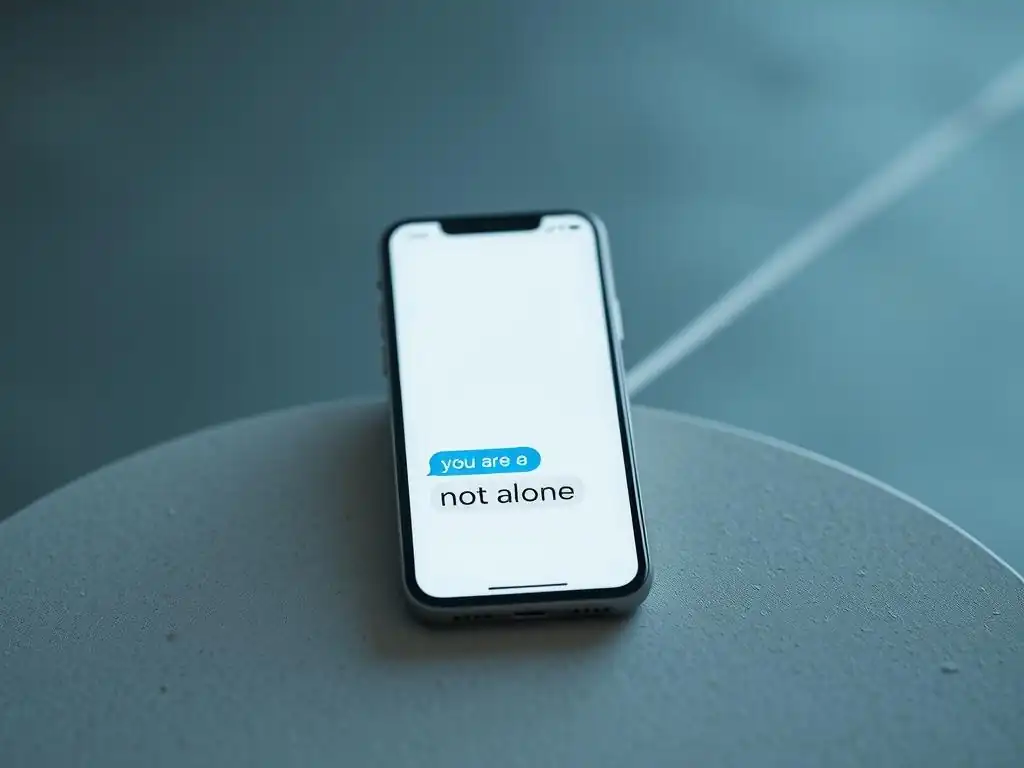
Is Crisis Text Line Support Really Effective?
Research and user feedback strongly suggest that crisis text line support is an effective form of immediate crisis intervention. While it does not replace long-term therapy, it is highly effective in its intended purpose: de-escalating acute distress, providing emotional support, and helping individuals feel safer in the moment. Services often report that a significant percentage of conversations result in the texter feeling less suicidal, less anxious, or more hopeful by the end of the interaction.
The effectiveness stems from the training of the counselors, who are skilled in active listening and crisis management techniques tailored for text. They provide validation, help the texter identify their feelings, explore coping mechanisms, and collaboratively develop safety plans. For many users, the anonymous nature and accessibility of text support make it an invaluable tool they can access precisely when needed, preventing escalation of a crisis and serving as a critical bridge to other forms of care.
What are the Limitations of Text-Based Crisis Counseling?
While highly beneficial, text-based crisis counseling does have limitations. One significant limitation is the absence of non-verbal cues like tone of voice, facial expressions, or body language, which can sometimes make it harder for counselors to fully grasp the texter's emotional state. Complex situations requiring immediate physical assessment or intervention are beyond the scope of text support; these necessitate contacting emergency services.
Furthermore, effective text communication requires a certain level of literacy and access to a working mobile device and cellular signal. During peak demand, there might be brief wait times, although services work hard to minimize these. Text support is also not designed to provide diagnosis or long-term therapeutic treatment; its focus is solely on the immediate crisis. Understanding these limitations is important for setting realistic expectations about crisis text line support.
Ensuring the Safety and Security of Crisis Text Line Users
Ensuring the safety and security of users is a top priority for reputable crisis text line services. While anonymity is maintained for privacy, clear protocols are in place for situations where a texter is in imminent danger of harming themselves or others. In such rare cases, counselors are trained to work with the texter to create a safety plan. If the immediate threat is severe and the texter is unable or unwilling to ensure their own safety, services have protocols to involve emergency services (like police or paramedics) to conduct a welfare check or intervention.
These "active rescue" protocols are used judiciously and only when absolutely necessary to save a life, balancing the principle of privacy with the imperative of safety. Additionally, reputable services utilize secure, often encrypted platforms to protect the content of conversations and adhere to strict privacy policies regarding data retention and access, ensuring that personal information remains confidential unless required by law or necessary for an emergency intervention. Users are encouraged to review the specific service's policies regarding safety and privacy.
Supporting a Loved One in Crisis: Encouraging the Use of Text Lines
How to Talk to Someone About Using a Crisis Text Line
Talking to a loved one who is in crisis can be challenging, but suggesting crisis text line support can be a helpful step. Approach the conversation with empathy and without judgment. Start by expressing your concern for their well-being and validating their feelings ("I can see you're going through a lot right now, and I'm here for you"). Avoid minimizing their pain or offering simple fixes.
Introduce the idea of a crisis text line as a resource for them, emphasizing its accessibility and anonymity ("There's a service where you can text with a trained counselor anytime, about anything that's bothering you. It's totally private, and you don't even have to use your name. It's just texting, like you do every day"). Explain that it's there for moments when they feel overwhelmed and need someone neutral to talk to immediately. Offer to help them find the number or even be present while they send the first text, if they feel comfortable with that level of support.
Resources for Friends and Family Supporting Someone in Crisis
Supporting a loved one through a mental health crisis can be emotionally taxing, and it's important for friends and family to also have resources. While the primary focus of crisis text line support is the individual in distress, some services may offer guidance or resources for supporters. Additionally, numerous mental health organizations provide information and support specifically for family members and friends of individuals struggling with mental health issues.
These resources can include educational materials on specific conditions, communication tips, support groups for families (online or in-person), and guidance on navigating the mental healthcare system. It is also crucial for supporters to practice self-care and seek their own support if needed. Talking to a trusted friend, family member, therapist, or even using a crisis text line or other support service themselves can help manage the stress and emotional toll of supporting someone in crisis.
Conclusion: Crisis Text Lines as a Vital Resource for Mental Well-being
Emphasizing the Importance of Accessible Mental Health Support
Accessible mental health support is not just a convenience; it is a necessity for individual and community well-being. Crisis text line support embodies this principle by removing significant barriers to seeking help. Its 24/7 availability, anonymity, and ease of use via a familiar technology make it a lifeline for millions who might otherwise suffer in silence. In moments of acute distress, having a readily available, non-judgmental ear can make a critical difference in de-escalating a crisis and fostering a sense of hope.
By providing immediate emotional support and connecting individuals with resources, crisis text lines play a vital role in the broader mental healthcare ecosystem. They serve as a crucial entry point for those new to seeking help and a reliable backstop for those already engaged in care but experiencing an urgent moment of need. The very existence of such accessible crisis text line support contributes to a society where mental health is prioritized and help is within reach for everyone, regardless of their circumstances.
Promoting Awareness and Utilization of Crisis Text Line Services
Despite their growing importance, awareness and utilization of crisis text line services can always be improved. Educating the public about what these services are, how they work, and who they are for is essential. Sharing the keyword and number for reputable national or regional services can empower individuals to seek help when they need it most and encourage them to share this vital information with others.
Promoting crisis text line support involves highlighting its unique benefits – the ability to get help anonymously, immediately, and conveniently via text. It's about normalizing reaching out during difficult times and positioning text lines as a legitimate and effective tool for navigating mental health crises. By increasing awareness and encouraging utilization, we can ensure that more people access the critical support they need during their most vulnerable moments, strengthening individual resilience and contributing to a healthier, more supportive community.
Frequently Asked Questions
What is a crisis text line and how does it work?
A crisis text line is a free, confidential service providing support via text message for individuals experiencing a mental health crisis. It typically connects you with a trained counselor who can offer support and guidance.
Is using a crisis text line truly anonymous and confidential?
Yes, crisis text lines generally prioritize anonymity and confidentiality. While they may collect some data, it's usually used to improve services and is kept secure and private. They may only break confidentiality if there is a risk of harm to yourself or others.
When should I consider using a crisis text line instead of calling a hotline?
Consider a text line when you're unable to speak freely, feel more comfortable communicating via text, or need discreet support. It's a great option if calling a hotline induces anxiety or fear.
What kind of support can I expect to receive from a crisis text line?
You can expect empathetic listening, emotional support, and assistance in de-escalating a crisis. The counselor can also help you identify coping strategies and connect you with additional resources if needed.
Are there any costs associated with using a crisis text line?
Generally, crisis text lines are entirely free. However, it's always a good idea to confirm with your mobile carrier that texting to a short code is covered in your plan to avoid any unforeseen charges, though most carriers provide this service for free.
Final Reflection: The Silent Scream and the Text That Answers
The accessibility of mental health support is no longer a luxury; it's a necessity, and Crisis Text Lines are leading the charge in bridging the gap between suffering and solace. The sheer volume of individuals silently struggling, often unable or unwilling to vocalize their pain, highlights the critical role these anonymous text-based services play in preventing tragedy and fostering hope.
The impact of Crisis Text Lines extends far beyond individual support; it's reshaping our cultural understanding of mental health struggles. By offering a low-pressure, accessible entry point, they're dismantling the stigma surrounding seeking help. This shift is crucial, as many individuals hesitate to reach out due to fear of judgment or societal pressures. The greatest barrier to mental health care is not the lack of services, but the lack of access.
This quote underscores the innovative power of Crisis Text Lines in overcoming this very barrier, offering a lifeline in the digital age.
You, the reader, now hold the knowledge to recognize the signs of struggle in yourself and others. Consider sharing this information with your network, amplifying the reach of this vital resource. Don't underestimate the power of a simple text message; it could be the difference between despair and hope, between silence and salvation. Take a moment to reflect on your own mental well-being and the resources available to you. Reach out if you need support, and remember, you are not alone.
Unlock Your Inner Strength: Take the Next Step Towards Well-being
Thanks for taking the time to learn about Crisis Text Lines and the power of anonymous support. We hope this article equipped you with valuable knowledge about accessing help when you need it most. Now, let's move forward:
- Text HOME to 741741: This is your direct line to connection and support. Don't hesitate – it's confidential and available 24/7.
- Share this article with someone you care about: Let's spread awareness and help others find the support they deserve. Knowing where to turn can make all the difference.
- Explore MindCareGuide.org for more resources on mental health and well-being: Discover additional tools and information to support your journey toward better mental health.
What small step can you take today to prioritize your mental well-being?