
Cultural Disconnection: Addressing a Key Driver of Mental Health Crisis in Indigenous Youth


Welcome to Mind Care Guide, a sanctuary for understanding and navigating the complexities of mental well-being. Are you concerned about the increasing mental health challenges faced by Indigenous youth? Cultural disconnection is a powerful, often overlooked factor. This guide delves into the heart of this issue, exploring its impact and offering pathways towards healing and connection. Discover how bridging the gap between tradition and modernity can pave the way for a brighter, healthier future. Intrigued? Let's explore this critical topic together.
Cultural Disconnection: Addressing a Key Driver of Mental Health Crisis in Indigenous Youth
- Understanding the Link Between Cultural Disconnection and Mental Health in Indigenous Youth
- The Alarming Statistics: Indigenous Youth Suicide Rates and Cultural Factors
- Key Drivers of Cultural Disconnection in Indigenous Youth
- The Mental Health Manifestations of Cultural Disconnection
- Strategies for Reconnecting Indigenous Youth with Their Culture
- Supporting Indigenous Youth Mental Health Through Cultural Connection
- Community-Based Approaches to Cultural Preservation and Mental Wellness
- Policy Recommendations for Addressing Cultural Disconnection
- Resources for Indigenous Youth and Communities Facing Cultural Disconnection
- Conclusion: The Path to Healing and Cultural Reconnection for Indigenous Youth Mental Health
-
Frequently Asked Questions
- How does cultural disconnection specifically contribute to mental health challenges in Indigenous youth?
- What are some common signs of cultural disconnection manifesting as mental health issues in Indigenous youth?
- What role do historical trauma and systemic discrimination play in cultural disconnection and its impact on Indigenous youth mental health?
- What types of mental health support are most effective for Indigenous youth experiencing cultural disconnection?
- Where can Indigenous youth and their families find resources and support to address cultural disconnection and its impact on mental health?
- Final Reflection: Reclaiming Culture, Reclaiming Wellbeing
- Unleash Your Potential: Bridging the Cultural Gap
Understanding the Link Between Cultural Disconnection and Mental Health in Indigenous Youth
The Significance of Culture in Indigenous Youth Mental Well-being
Culture serves as a foundational pillar for identity, belonging, and overall well-being, especially for Indigenous youth. It encompasses shared histories, languages, traditions, spiritual beliefs, and connection to ancestral lands. For many Indigenous cultures, these elements provide a strong sense of self, community support networks, and coping mechanisms passed down through generations. Cultural practices like storytelling, ceremonies, and traditional arts offer pathways for healing, learning, and reinforcing cultural values.
A strong connection to culture provides a vital protective shield against mental health challenges. It instills pride, resilience, and a clear sense of purpose. When Indigenous youth are grounded in their cultural heritage, they are more likely to feel connected to their families and communities, access traditional knowledge systems for guidance, and possess the internal strength needed to navigate life's difficulties. This cultural rootedness is not merely historical; it is a dynamic, living force crucial for contemporary mental wellness.
How Cultural Disconnection Impacts Mental Health Outcomes
Cultural disconnection can severely undermine the mental health of Indigenous youth. When young people are distanced from their language, traditions, land, and community ways of life, they may experience a profound sense of loss and alienation. This lack of connection can erode self-esteem, weaken identity formation, and disrupt the intergenerational transfer of knowledge and coping strategies that traditionally supported well-being. The absence of cultural anchors leaves individuals vulnerable to mental health crises.
The impacts of cultural disconnection manifest in various ways, including increased rates of depression, anxiety, substance use disorders, and tragically, suicide. Without a strong cultural identity and community support rooted in shared heritage, Indigenous youth may struggle to find meaning and belonging in a world that often marginalizes them. This struggle is compounded by external factors like discrimination and lack of cultural understanding in mainstream society, creating a complex environment that challenges their resilience and mental stability.
Defining Cultural Disconnection for Indigenous Youth
Cultural disconnection for Indigenous youth is a multi-faceted concept, not simply a lack of exposure to traditional practices. It involves a disruption in the transmission of cultural knowledge, values, and practices from elders and community to younger generations. This can result from historical traumas like residential schools, ongoing systemic discrimination, urbanization, or barriers to accessing traditional territories and languages. It is a severing of the threads that connect an individual to their cultural past and present community.
This disconnection can be experienced differently by individuals depending on their specific circumstances, community history, and personal journey. Some youth may grow up with limited exposure to traditional language or ceremonies, while others might feel disconnected despite physical proximity to their community due to social or historical factors. The core issue is a diminished sense of belonging, identity, and access to the cultural resources that traditionally support mental and spiritual well-being. Understanding this complexity is crucial when addressing Indigenous youth cultural disconnection mental health challenges.
The Alarming Statistics: Indigenous Youth Suicide Rates and Cultural Factors
Examining Suicide Rates Among Indigenous Youth Populations
Statistics paint a stark picture of the mental health crisis facing Indigenous youth. Suicide rates among this demographic are tragically high, often significantly exceeding those of their non-Indigenous peers in the same countries. For example, in Canada, suicide rates for First Nations youth are estimated to be 5 to 6 times higher than for non-Indigenous youth, and for Inuit youth, these rates can be as much as 10 to 11 times higher. These figures represent a profound and urgent public health emergency.
While specific numbers vary by nation, region, and year, the consistent pattern of elevated suicide rates underscores a systemic issue. These are not just statistics; they represent immense loss, grief, and ongoing trauma within families and communities. Addressing the root causes of this crisis, including Indigenous youth cultural disconnection mental health impacts, is paramount to saving lives and fostering healing.
Cultural Disconnection as a Contributing Factor to Suicide Risk
Research and community knowledge consistently identify cultural disconnection as a significant risk factor for suicide among Indigenous youth. A weak sense of cultural identity, lack of access to cultural activities, and limited knowledge of traditional language and history are correlated with increased vulnerability. Conversely, strong cultural connection acts as a protective factor, fostering resilience and reducing suicide risk.
When youth feel disconnected from their heritage, they may lack the traditional coping mechanisms and support systems that have sustained their ancestors for millennia. This void can lead to feelings of hopelessness, isolation, and a diminished sense of self-worth, all of which are known risk factors for suicidal ideation and behavior. The loss of cultural continuity directly impacts mental and emotional well-being, highlighting the critical link between Indigenous youth cultural disconnection and negative mental health outcomes.
The Intergenerational Trauma Link to Cultural Disconnection and Mental Health
Intergenerational trauma, stemming from historical injustices such as residential schools, forced displacement, and suppression of cultural practices, plays a critical role in the cycle of cultural disconnection and poor mental health among Indigenous youth. The trauma experienced by parents and grandparents can be passed down through families, impacting parenting styles, community structures, and the ability to transmit cultural knowledge effectively.
This historical trauma directly contributes to cultural disconnection by disrupting traditional family and community bonds, eroding cultural practices, and creating environments where trauma symptoms like addiction, depression, and anxiety are prevalent. Consequently, younger generations may inherit the impacts of this trauma and experience disconnection from cultural strengths that could otherwise support their healing and well-being. Addressing intergenerational trauma is therefore inseparable from addressing Indigenous youth cultural disconnection mental health challenges.
Key Drivers of Cultural Disconnection in Indigenous Youth
Forced Assimilation Policies and Their Lasting Effects
Policies of forced assimilation, such as the residential school system in Canada or the boarding school system in the United States, were deliberate attempts to eradicate Indigenous cultures, languages, and identities. Children were forcibly removed from their families and communities, forbidden to speak their languages or practice their traditions, and often subjected to abuse. These policies directly severed the vital links between generations and inflicted deep, lasting trauma.
The legacy of these policies persists today, contributing significantly to cultural disconnection. Many survivors struggle with the trauma they experienced, impacting their ability to parent and transmit cultural knowledge. The disruption caused by these institutions created gaps in cultural transmission that continue to affect Indigenous youth, making it harder for them to connect with their heritage and understand their history. This historical context is essential when discussing Indigenous youth cultural disconnection mental health impacts.
Loss of Language and Traditional Knowledge
Language is a carrier of culture, history, identity, and traditional knowledge. The suppression and loss of Indigenous languages due to historical policies and ongoing pressures from dominant cultures represent a major driver of cultural disconnection. When a young person cannot understand their ancestral language, they lose a direct link to the stories, teachings, and worldview embedded within it.
Similarly, the erosion of traditional knowledge – encompassing everything from ecological understanding and healing practices to governance systems and spiritual beliefs – leaves a void. This knowledge, often transmitted orally through elders and community practice, is crucial for identity formation and resilience. The loss of language and traditional knowledge weakens cultural continuity and contributes significantly to Indigenous youth cultural disconnection mental health vulnerabilities.
Systemic Discrimination and Lack of Cultural Representation
Ongoing systemic discrimination in areas like education, healthcare, employment, and justice creates hostile environments that can alienate Indigenous youth from their cultural identity. Negative stereotypes and prejudice in mainstream society can lead to internalized shame or a desire to hide one's cultural background, further contributing to disconnection.
Furthermore, the lack of accurate and positive cultural representation in media, education systems, and public life reinforces feelings of invisibility and marginalization. When Indigenous youth do not see their cultures valued or understood, it can undermine their sense of worth and belonging, pushing them further towards disconnection. This lack of recognition exacerbates the challenges related to Indigenous youth cultural disconnection mental health.
Urbanization and Migration Away from Traditional Lands
Increasing urbanization and migration patterns mean that many Indigenous youth grow up in urban settings, often far from their traditional territories and community structures. While urban centers may offer opportunities, they can also present challenges in maintaining cultural connections. Access to traditional lands, cultural events, elders, and community support systems may be limited.
Navigating life in urban environments requires adapting to different cultural norms and can sometimes lead to feelings of being caught between two worlds. Without intentional efforts to create urban cultural spaces and connections, youth in these settings can experience significant cultural disconnection, impacting their mental health and well-being. This geographical shift is another complex factor in the landscape of Indigenous youth cultural disconnection mental health.
The Mental Health Manifestations of Cultural Disconnection
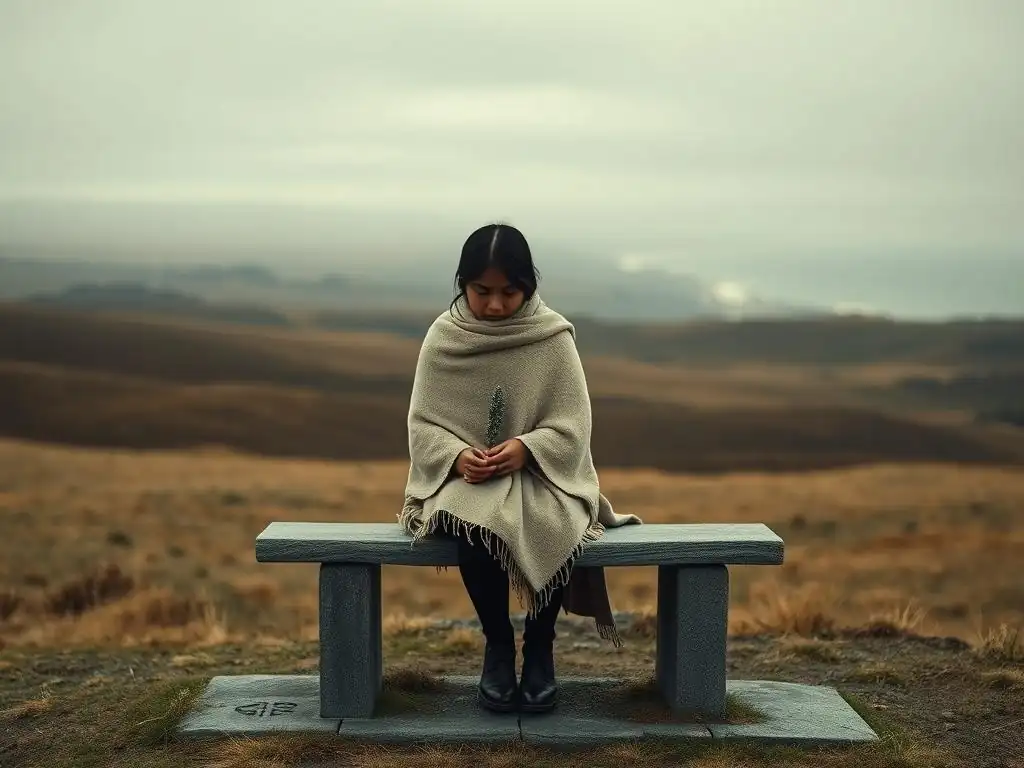
Increased Rates of Depression and Anxiety
Cultural disconnection is strongly associated with elevated rates of mental health conditions such as depression and anxiety among Indigenous youth. The feelings of loss, isolation, and lack of belonging that accompany disconnection can create a fertile ground for these conditions to develop. Without a strong cultural foundation and community support, youth may lack the resilience needed to cope with stressors.
Symptoms can include persistent sadness, loss of interest in activities, difficulty concentrating, excessive worry, and physical manifestations of stress. These issues are not merely clinical diagnoses but are often deeply intertwined with the existential distress caused by a fractured cultural identity. Addressing the root cause of Indigenous youth cultural disconnection is therefore vital in preventing and treating these pervasive mental health issues.
Substance Abuse and Addiction Challenges
Substance abuse is another significant mental health challenge linked to cultural disconnection in Indigenous communities, particularly among youth. As a coping mechanism for trauma, pain, and feelings of emptiness or alienation resulting from disconnection, substance use can become a destructive cycle. Without healthy cultural outlets and support systems, youth may turn to drugs or alcohol to numb their pain or find a sense of temporary belonging.
Addiction further isolates individuals from their families and communities, creating a vicious cycle that exacerbates cultural disconnection. Addressing substance abuse requires not only clinical interventions but also culturally relevant approaches that help youth reconnect with their heritage and find healthier ways to cope and build supportive relationships. The intersection of Indigenous youth cultural disconnection, trauma, and substance use requires comprehensive, culturally informed strategies.
Identity Crisis and Loss of Self-Worth
Cultural disconnection can lead to a profound identity crisis for Indigenous youth. When they are not fully connected to their ancestral heritage but also face barriers to full inclusion in mainstream society, they may struggle to define who they are and where they belong. This lack of a clear, positive identity can result in confusion, low self-esteem, and a diminished sense of self-worth.
This identity struggle is particularly acute for those who have limited knowledge of their history, language, or traditional roles within their community. The loss of cultural narratives and positive role models can leave youth feeling adrift and uncertain about their place in the world. Addressing Indigenous youth cultural disconnection is crucial for fostering healthy identity development and promoting self-esteem.
Feelings of Isolation and Alienation
A significant manifestation of cultural disconnection is pervasive feelings of isolation and alienation. When youth feel disconnected from their culture, they may also feel disconnected from their families and communities, even when physically present. They might feel misunderstood, different, or that they don't quite fit in anywhere.
This isolation is compounded by experiences of discrimination or marginalization outside their community. The lack of a strong cultural anchor can make it difficult to form meaningful connections and access support, leaving youth feeling alone and vulnerable. Combating these feelings requires fostering environments where Indigenous youth can feel safe, seen, and connected to others who share their cultural background and experiences. Addressing Indigenous youth cultural disconnection mental health requires building strong, supportive communities.
Strategies for Reconnecting Indigenous Youth with Their Culture
Cultural Revitalization Programs and Initiatives
Cultural revitalization programs are essential strategies for addressing Indigenous youth cultural disconnection. These initiatives focus on bringing back traditional practices, ceremonies, stories, and values that may have been suppressed or lost. They often involve community-led efforts to teach youth about their heritage in engaging and accessible ways.
Examples include cultural camps, workshops on traditional skills (like drumming, beading, hunting, fishing), storytelling sessions with elders, and community-wide celebrations of cultural events. These programs provide opportunities for youth to learn about their history, connect with cultural knowledge keepers, and experience the richness of their heritage firsthand. Participating in these activities helps rebuild cultural identity and fosters a sense of belonging.
Language Preservation and Immersion Programs
Language is fundamental to cultural identity and transmission. Investing in language preservation and immersion programs is a critical strategy for reconnecting Indigenous youth with their culture. These programs aim to teach ancestral languages to younger generations, often through immersive environments where the language is spoken daily.
Learning their traditional language allows youth to access cultural knowledge directly, communicate with elders in their language, and experience the world through the unique lens of their linguistic heritage. Language programs can range from school-based classes and after-school clubs to intensive immersion camps and online resources. Revitalizing Indigenous languages is a powerful tool for combating cultural disconnection and supporting Indigenous youth cultural disconnection mental health.
Promoting Traditional Arts, Crafts, and Practices
Engaging in traditional arts, crafts, and practices is a tangible way for Indigenous youth to connect with their culture and express their identity. Activities like beadwork, carving, painting, weaving, traditional singing, drumming, and dance are not just hobbies; they are carriers of cultural knowledge, history, and spiritual meaning.
Providing opportunities for youth to learn and practice these skills from experienced community members fosters intergenerational connection and skill transmission. These activities can also be therapeutic, offering outlets for creativity and self-expression. Participating in traditional practices reinforces cultural pride and provides positive avenues for cultural engagement, directly addressing aspects of Indigenous youth cultural disconnection.
Mentorship Programs with Elders and Community Leaders
Mentorship programs connecting Indigenous youth with elders and respected community leaders are invaluable. Elders are the keepers of traditional knowledge, history, language, and wisdom. Mentorship provides youth with positive role models, guidance, and a direct link to the cultural past.
These relationships offer a safe space for youth to learn about their heritage, ask questions, receive support, and feel valued. Elders can share stories, teach life skills, and provide spiritual guidance. Mentorship strengthens intergenerational bonds and helps youth navigate the challenges they face, reinforcing cultural identity and resilience which are crucial for addressing Indigenous youth cultural disconnection mental health issues.
Supporting Indigenous Youth Mental Health Through Cultural Connection
Culturally Sensitive Mental Health Services and Therapies
Effective mental health support for Indigenous youth must be culturally sensitive and appropriate. This means moving beyond mainstream Western therapeutic models to incorporate Indigenous worldviews, values, and healing practices. Services should be provided by practitioners who understand the historical context of trauma and the importance of cultural identity.
Culturally sensitive services might involve therapy that acknowledges the impact of intergenerational trauma, includes family and community in the healing process, and respects traditional beliefs and practices. Training for mental health professionals on cultural competency and the specific needs of Indigenous populations is essential. Providing care that resonates with their cultural background is critical for Indigenous youth cultural disconnection mental health.
Integrating Traditional Healing Practices into Mental Healthcare
Integrating traditional healing practices into contemporary mental healthcare offers powerful avenues for supporting Indigenous youth. Traditional healers, ceremonies, land-based healing camps, and the use of traditional medicines can complement clinical approaches and provide holistic support for mental, emotional, physical, and spiritual well-being.
These practices are rooted in Indigenous cosmologies and offer culturally relevant ways to address trauma, grief, and mental distress. Collaborations between Western mental health professionals and traditional healers, respecting the knowledge and efficacy of both systems, are crucial. Offering these options validates Indigenous healing systems and provides youth with choices that align with their cultural beliefs.
Creating Safe Spaces for Cultural Expression and Identity Exploration
Creating safe and supportive spaces where Indigenous youth can freely express their cultural identity and explore their heritage without fear of judgment or discrimination is paramount. These spaces can be within schools, community centers, youth organizations, or even online platforms. They should be places where youth feel a sense of belonging and acceptance.
Such spaces allow youth to connect with peers who share similar experiences, learn about their culture, practice traditions, and discuss the challenges they face, including those related to cultural disconnection. Providing these environments fosters a sense of community and empowers youth to be proud of who they are. This is a fundamental step in addressing Indigenous youth cultural disconnection mental health.
Empowering Indigenous Youth to Advocate for Their Cultural Rights
Empowering Indigenous youth to become advocates for their cultural rights and self-determination is a vital aspect of promoting their mental well-being. When youth are given agency and a voice in protecting and revitalizing their cultures, it fosters a sense of empowerment, purpose, and control over their own lives.
This can involve supporting youth leadership initiatives, providing education on their rights, and creating platforms for them to share their perspectives and experiences. Advocacy can take many forms, from participating in community governance to raising awareness about cultural issues. Empowered youth are more likely to have a strong sense of identity and resilience, contributing positively to their mental health.
Community-Based Approaches to Cultural Preservation and Mental Wellness

The Role of Indigenous Elders and Knowledge Keepers
Elders and knowledge keepers are indispensable resources in community-based approaches to cultural preservation and mental wellness. They hold the wisdom, history, languages, and traditions that are vital for cultural continuity. Their guidance and teachings are crucial for reconnecting youth with their heritage.
Communities must support elders and create opportunities for them to share their knowledge with younger generations, such as through mentorship programs, cultural workshops, and participation in community events. Honoring and valuing the role of elders strengthens the cultural fabric of the community and provides essential support for youth navigating challenges related to Indigenous youth cultural disconnection mental health.
Strengthening Family and Community Bonds
Strong family and community bonds are protective factors against mental health challenges. Community-based initiatives should focus on strengthening these connections, which may have been weakened by historical trauma and cultural disconnection. Programs that bring families together for cultural activities, shared meals, or intergenerational learning can help rebuild these vital relationships.
Supporting community events, cultural gatherings, and traditional practices reinforces collective identity and mutual support. A strong sense of community belonging provides a safety net for youth, offering support, guidance, and a sense of being part of something larger than themselves. This collective strength is crucial for addressing the impacts of Indigenous youth cultural disconnection.
Fostering a Sense of Belonging and Cultural Pride
Cultivating a strong sense of belonging and cultural pride within Indigenous communities is fundamental to supporting youth mental wellness. This involves celebrating cultural achievements, acknowledging historical resilience, and creating environments where youth feel valued and proud of their heritage.
Community initiatives can focus on promoting positive cultural narratives, showcasing Indigenous role models, and creating opportunities for youth to contribute to community life in meaningful ways. When youth feel a strong sense of belonging and pride in their culture, it significantly enhances their self-esteem and resilience, counteracting the negative effects of Indigenous youth cultural disconnection mental health challenges.
Examples of Successful Community Programs
Many Indigenous communities are implementing innovative programs to address cultural disconnection and support youth mental health. These often involve a blend of cultural activities, land-based healing, elder mentorship, and mental health support. For instance, some communities run youth camps focused on traditional skills like hunting, fishing, or harvesting traditional medicines, combined with talking circles and mental wellness support.
Other examples include community-run language nests for young children, youth centers offering cultural programming and access to counselors, or initiatives that connect urban Indigenous youth with cultural resources and mentors. While specific program names vary, the common thread is grounding interventions in cultural values and community strengths to support Indigenous youth cultural disconnection mental health.
Policy Recommendations for Addressing Cultural Disconnection
Government Support for Cultural Revitalization Initiatives
Governments have a crucial role to play in supporting Indigenous-led cultural revitalization efforts. This involves providing adequate and sustained funding for community-based programs focused on language preservation, cultural education, traditional arts, and ceremonies. Support should be flexible and responsive to the specific needs and priorities of individual Indigenous nations and communities.
Policies should recognize the inherent value of Indigenous cultures and the direct link between cultural strength and well-being. This support is not just about preserving the past; it is about investing in the future health and resilience of Indigenous youth. Government commitment to funding these initiatives is essential for addressing the root causes of Indigenous youth cultural disconnection mental health issues.
Increased Funding for Indigenous Mental Health Programs
Addressing the mental health crisis linked to cultural disconnection requires significantly increased funding for Indigenous-specific mental health services. This funding should support the development and expansion of culturally sensitive and trauma-informed mental healthcare programs delivered by Indigenous practitioners and organizations.
Funding is needed for training Indigenous mental health professionals, integrating traditional healing practices, establishing youth-specific services, and ensuring services are accessible in both remote and urban areas. Adequate resources are necessary to meet the high demand and provide timely, effective support that acknowledges the unique challenges faced by Indigenous youth.
Addressing Systemic Discrimination and Promoting Cultural Equity
Policies must actively work to dismantle systemic discrimination that contributes to cultural disconnection and harms the mental health of Indigenous youth. This involves reforming institutions like education, healthcare, justice, and child welfare to be culturally safe and equitable.
Promoting cultural equity means ensuring Indigenous cultures are respected, valued, and visible in mainstream society. This could include curriculum reform in schools, cultural competency training for public service providers, and support for Indigenous media and cultural institutions. Addressing systemic barriers is crucial for creating environments where Indigenous youth can thrive culturally and mentally. For example, policy changes could include mandatory Indigenous history and culture education in schools across the country, helping non-Indigenous people understand the context of Indigenous youth cultural disconnection mental health challenges.
Specific Policy Changes Needed
Beyond broad funding and anti-discrimination efforts, specific policy changes can target drivers of cultural disconnection. This might include policies that support Indigenous language immersion schools, protect traditional lands and resources essential for cultural practices, or provide funding specifically for urban Indigenous cultural centers.
Policies could also focus on supporting youth leadership development, ensuring access to traditional food sources, and reforming child welfare practices to keep Indigenous children connected to their families and cultures. Each policy change, no matter how specific, should be developed in partnership with Indigenous communities and prioritize their self-determination and cultural needs.
Resources for Indigenous Youth and Communities Facing Cultural Disconnection
Indigenous-led Mental Health Organizations
Access to mental health support delivered by Indigenous-led organizations is crucial. These organizations often understand the cultural context, historical trauma, and unique needs of Indigenous youth and communities. They can provide culturally relevant counseling, healing programs, and community support.
Examples might include national or regional Indigenous mental health associations, local community health centers with Indigenous programming, or organizations focused on traditional healing. These resources are vital for connecting youth with support systems that resonate with their cultural backgrounds.
Cultural Education and Language Learning Resources
Resources for cultural education and language learning are essential tools for addressing cultural disconnection. This can include language apps developed by Indigenous communities, online cultural archives, books and materials on Indigenous history and traditions, and lists of community-based cultural programs.
Providing accessible resources empowers youth to learn about their heritage at their own pace and in ways that suit them. These resources can help bridge gaps in knowledge and provide a starting point for reconnecting with culture.
Support Hotlines and Crisis Lines for Indigenous Youth
Having access to culturally sensitive support hotlines and crisis lines is critical for Indigenous youth experiencing mental health crises, including those related to cultural disconnection or trauma. These services should be staffed by individuals trained in Indigenous cultural competency and trauma-informed care.
Some services are specifically designed for Indigenous peoples, offering support in multiple languages or connecting callers with Indigenous counselors or elders. These lines provide immediate, confidential support during times of distress.
Conclusion: The Path to Healing and Cultural Reconnection for Indigenous Youth Mental Health
Emphasizing the Importance of Cultural Identity in Mental Well-being
The evidence is clear: a strong cultural identity is not merely a matter of heritage; it is a critical determinant of mental well-being for Indigenous youth. Reconnecting with culture provides a foundation of resilience, belonging, and self-worth that acts as a powerful protective factor against mental health challenges, including the tragic rates of suicide. Recognizing and prioritizing the role of cultural connection is the first step towards healing.
The journey towards improved mental health for Indigenous youth is intrinsically linked to the revitalization and celebration of their diverse cultures. It requires acknowledging the historical harms that caused cultural disconnection and actively supporting the efforts of Indigenous communities to reclaim and strengthen their languages, traditions, and ways of life.
A Call to Action for Supporting Indigenous Youth and Communities
Addressing the crisis of Indigenous youth cultural disconnection mental health requires a collective call to action. This involves governments providing resources and enacting supportive policies, institutions implementing culturally safe practices, and non-Indigenous individuals educating themselves and becoming allies. Most importantly, it requires supporting and empowering Indigenous communities and youth themselves to lead the way in their own healing and cultural journeys.
Support can take many forms: advocating for policy change, donating to Indigenous-led organizations, participating in cultural events when invited, or simply listening and learning from Indigenous voices. Every action that supports cultural revitalization and challenges discrimination contributes to creating healthier environments for Indigenous youth.
The Long-Term Benefits of Cultural Connection for Future Generations
Investing in cultural connection for Indigenous youth today yields benefits that extend far beyond the present generation. Strong cultural identity fosters resilience, leadership, and positive well-being that will be carried forward, strengthening families and communities for the future. By supporting youth in connecting with their heritage, we contribute to the healing of historical trauma and the building of vibrant, thriving Indigenous nations.
Ultimately, fostering Indigenous youth cultural connection is an investment in a healthier, more equitable future where all young people can grow up with pride in who they are and access the support they need to flourish mentally, emotionally, and spiritually. It is a path towards hope, healing, and renewed strength rooted in the enduring power of Indigenous cultures.
Frequently Asked Questions
How does cultural disconnection specifically contribute to mental health challenges in Indigenous youth?
Cultural disconnection leads to a loss of identity, belonging, and traditional support systems, which are crucial for mental well-being. This can result in feelings of isolation, depression, and anxiety.
What are some common signs of cultural disconnection manifesting as mental health issues in Indigenous youth?
Signs may include increased substance abuse, self-harm, withdrawal from family and community, and a loss of interest in traditional practices. These behaviors often indicate a deeper struggle with identity and purpose.
What role do historical trauma and systemic discrimination play in cultural disconnection and its impact on Indigenous youth mental health?
Historical trauma and ongoing systemic discrimination contribute significantly to cultural disconnection by disrupting traditional ways of life and eroding cultural pride. This creates a cycle of intergenerational trauma that impacts mental health.
What types of mental health support are most effective for Indigenous youth experiencing cultural disconnection?
Effective support includes culturally sensitive therapy, access to Elders and traditional healers, and programs that promote cultural revitalization. These approaches help reconnect youth with their heritage and build resilience.
Where can Indigenous youth and their families find resources and support to address cultural disconnection and its impact on mental health?
Resources can be found through Indigenous-led organizations, mental health agencies specializing in Indigenous well-being, and cultural centers that offer programs and support services. These resources provide a safe space for healing and connection.
Final Reflection: Reclaiming Culture, Reclaiming Wellbeing
The erosion of Indigenous cultures is not merely a historical tragedy; it is a present-day crisis fueling the devastating mental health challenges faced by Indigenous youth. The statistics are stark, the stories heartbreaking, but the core issue remains: a profound disconnect from ancestral traditions, languages, and land leaves a gaping wound in the collective psyche of a generation. This disconnection, as explored throughout this article, manifests in alarming rates of depression, anxiety, and suicide among Indigenous youth.
The ongoing impact of colonization continues to reverberate through families and communities, creating a complex web of trauma that is passed down through generations. This intergenerational trauma, coupled with the systemic barriers faced by Indigenous peoples, further exacerbates the already precarious mental health landscape. As Dr. Evelyn Tooker eloquently stated, The strength of a culture is measured by its ability to preserve its heritage and pass it on to future generations. When that heritage is lost, so too is a vital part of the individual and collective identity.
This quote underscores the crucial link between cultural preservation and mental wellbeing, highlighting the urgent need for proactive and culturally sensitive interventions.
You, the reader, now hold the power to be a part of the solution. Consider how you can support Indigenous-led initiatives that promote cultural revitalization, language preservation, and land-based healing. Educate yourself on the historical and ongoing injustices faced by Indigenous communities, and actively challenge the systemic racism that perpetuates this cycle of disconnection. By amplifying Indigenous voices, supporting Indigenous-run organizations, and fostering genuine allyship, we can collectively work towards a future where Indigenous youth thrive, empowered by their rich cultural heritage and supported by a society that finally understands and addresses the root causes of their suffering.
Unleash Your Potential: Bridging the Cultural Gap
Thanks for taking the time to explore the critical issue of cultural disconnection and its impact on Indigenous youth mental health. We hope you gained valuable insights into this vital topic. Now, let's turn this knowledge into action!
- Prioritize cultural engagement: Actively seek out and participate in Indigenous cultural events, activities, and educational opportunities in your community. This could be as simple as attending a powwow, visiting a cultural center, or learning about Indigenous traditions online.
- Share this vital information: Spread awareness by sharing this article with your network—educate and empower others to understand and address this critical issue. A simple share can make a world of difference.
- Support Indigenous-led initiatives: Research and support organizations dedicated to preserving Indigenous cultures and promoting mental well-being within Indigenous communities. Your support can have a lasting impact.
What steps will you take today to help bridge the cultural gap and promote positive mental health within Indigenous communities?