
Getting RealTime Support: Digital Solutions for Acute Distress


Welcome to Mind Care Guide, a safe space dedicated to nurturing your mental well-being.
Feeling overwhelmed and needing immediate support? You're not alone. In today's fast-paced world, access to timely mental healthcare is crucial. That's why we're diving into Realtime mental health support apps – exploring how these digital tools can provide immediate assistance during moments of acute distress. Discover how these apps can be a lifeline when you need it most, and what factors to consider when choosing the right one for you. Let's explore the possibilities together, starting with understanding the power of immediate, digital support.
Navigating Immediate Support: Digital Solutions for Acute Distress
- Introduction: The Role of Technology in Crisis Intervention
- Understanding Acute Distress and the Need for Immediate Support
- Exploring Digital Mental Health Support Platforms: An Overview
- Key Features to Consider in Digital Mental Health Support Platforms
- Comparing Digital Mental Health Support Platforms
- Integrating Digital Mental Health Support Platforms into a Comprehensive Mental Health Strategy
- Addressing Barriers to Accessing Digital Mental Health Support
- The Future of Digital Mental Health Support: Trends and Innovations
- Ethical Considerations in Digital Mental Health Support
- Conclusion: Empowering Individuals with Digital Mental Health Support
- Disclaimer: Important Information About Using Digital Mental Health Platforms
-
Frequently Asked Questions
- What are Realtime Mental Health Support Apps, and how do they differ from traditional therapy?
- How can Realtime Mental Health Support Apps help during a mental health crisis?
- Are Realtime Mental Health Support Apps a suitable replacement for in-person therapy?
- What features should I look for in a Realtime Mental Health Support App?
- Are Realtime Mental Health Support Apps confidential and secure?
- Final Reflection: Bridging the Gap to Immediate Mental Wellness
- Unlock Your Support Network: Take Control of Your Wellbeing
Introduction: The Role of Technology in Crisis Intervention
In moments of overwhelming emotional pain or crisis, accessing immediate, compassionate support can be life-saving. Traditional mental healthcare systems, while invaluable, often face challenges related to accessibility and wait times, particularly during acute episodes. This is where technology steps in, offering innovative pathways to connect individuals with help when they need it most. Digital solutions, including realtime mental health support apps and platforms, are transforming the landscape of crisis intervention, providing accessible and often instant resources for those experiencing acute distress.
The integration of technology into mental health support is not just about convenience; it's about closing critical gaps in care. For someone in crisis, minutes can feel like hours, and the ability to reach out instantly through a familiar device can make a profound difference. These digital tools are designed to provide a lifeline, offering a range of support mechanisms from immediate chat with trained professionals to guided self-help exercises, all available at the touch of a screen, anytime, anywhere.
Understanding Acute Distress and the Need for Immediate Support
Acute distress refers to a state of intense emotional suffering that can feel overwhelming and debilitating. It often arises in response to significant stressors, trauma, or as part of a mental health condition. Recognizing this state and understanding the urgent need for intervention is crucial.
Recognizing Signs and Symptoms of Acute Distress
Acute distress manifests differently in individuals, but common signs and symptoms include intense feelings of sadness, anxiety, fear, or hopelessness. Physical symptoms might include panic attacks, rapid heartbeat, difficulty breathing, or muscle tension. Behavioral changes can involve withdrawal from social interactions, difficulty performing daily tasks, increased irritability, or engaging in risky behaviors.
Cognitive signs might include racing thoughts, difficulty concentrating, or distorted thinking patterns. For instance, someone experiencing acute distress might suddenly find themselves unable to leave their home due to overwhelming anxiety, or they might feel a pervasive sense of despair that makes it hard to function. These symptoms often appear suddenly or escalate rapidly, demanding prompt attention and support.
Identifying these signs in oneself or others is the first step towards seeking help. While some symptoms overlap with less severe stress, the intensity and impairment associated with acute distress signal a need for immediate intervention. It's important to remember that these feelings are valid and seeking help is a sign of strength. Digital platforms offering realtime mental health support can be particularly useful in these moments, providing an accessible first point of contact when traditional routes seem too daunting or unavailable.
Challenges of Traditional Mental Healthcare in Crisis Situations
Traditional mental healthcare systems, while providing foundational long-term support, often face significant hurdles in responding to acute crises. One major challenge is accessibility; scheduling appointments with therapists or psychiatrists can take days or weeks, a timeframe incompatible with the immediate nature of a crisis. Emergency rooms and crisis hotlines serve critical roles but can also experience high call volumes or long wait times, especially during peak periods. For example, a national crisis hotline might receive hundreds of thousands or even millions of calls annually, leading to potential delays in connecting callers to counselors during surge periods.
Another challenge is the geographical limitation of traditional services. Individuals in rural areas or those with mobility issues may find it difficult to access in-person care quickly. The cost of emergency mental health services can also be a significant barrier for many. These systemic limitations highlight the urgent need for complementary solutions that can provide support in the moment of crisis. Digital tools and realtime mental health support apps offer a potential solution by removing geographical barriers and often providing immediate connection to support, bypassing the typical gatekeepers and waitlists of traditional systems.
The Importance of Realtime Support for Individuals Experiencing Acute Distress
When someone is in acute distress, the feeling of being alone with overwhelming emotions can be incredibly dangerous. Realtime support provides an immediate connection to another human being or a helpful resource, interrupting the isolation and offering a sense of safety. This immediate validation and support can de-escalate a crisis situation, prevent harmful behaviors, and bridge the gap until more comprehensive care can be accessed. Studies have shown that timely intervention during a mental health crisis significantly improves outcomes and reduces the risk of hospitalization or self-harm.
The immediacy offered by digital solutions is paramount. Imagine someone experiencing a panic attack late at night; a realtime mental health support app allows them to connect with a trained peer supporter or counselor instantly, rather than having to wait until business hours or navigate a complex emergency system. This instant access provides coping strategies, emotional support, and practical guidance precisely when it's needed most. The ability to receive support without delay empowers individuals to navigate difficult moments and feel less overwhelmed by their symptoms.
Exploring Digital Mental Health Support Platforms: An Overview
Digital mental health support platforms encompass a wide range of technologies, from simple apps offering guided meditations to sophisticated platforms providing live chat and video therapy sessions. These platforms are designed to extend the reach of mental health support beyond traditional clinical settings.
Features and Functionality of Digital Support Platforms
Realtime mental health support apps and platforms come equipped with diverse features aimed at addressing various aspects of mental well-being and crisis support. Common functionalities include:
- Instant Messaging and Chat: Connecting users with trained counselors, peer supporters, or AI chatbots for immediate text-based communication. Some platforms report average response times under 60 seconds for crisis chats.
- Audio and Video Calls: Enabling face-to-face interaction with professionals for more personalized support.
- Crisis Hotline Integration: Providing one-touch access to national or local crisis hotlines.
- Resource Libraries: Offering articles, videos, and exercises on coping skills, mindfulness, and understanding mental health conditions.
- Mood Tracking: Allowing users to log their emotional state over time to identify patterns and triggers. Some apps have millions of active users utilizing tracking features.
- Self-Assessment Tools: Providing questionnaires to help users gauge their stress levels, anxiety, or depression symptoms.
- Geo-location Services: Helping users locate nearby mental health services or crisis centers in emergencies.
These features are often combined to create a comprehensive digital support ecosystem, aiming to provide immediate help while also fostering long-term coping skills and connections to further care. The blend of instant access and self-management tools makes these platforms valuable resources for individuals managing acute distress.
Benefits of Using Digital Solutions for Immediate Mental Health Assistance
Utilizing digital solutions for immediate mental health assistance offers several compelling benefits. Firstly, accessibility is vastly improved; support is available 24/7, regardless of location, as long as the user has an internet connection and a device. This is particularly beneficial for individuals in remote areas or those unable to leave their homes. Secondly, the potential for anonymity can lower barriers to seeking help; some individuals feel more comfortable discussing sensitive issues via text or chat than in person. Estimates suggest that millions worldwide have used digital mental health tools, indicating their broad appeal.
Furthermore, digital platforms often provide a stepped-care approach, offering immediate lower-intensity support (like chat) which can be a crucial first step for someone in crisis before they are ready or able to engage in more intensive therapy. The cost can also be lower than traditional emergency services, with some platforms offering free or low-cost options. The ability to get realtime support without navigating appointments or physical locations makes these apps a powerful tool for immediate crisis de-escalation and support.
Addressing Privacy and Security Concerns in Digital Mental Health Platforms
While the convenience of digital platforms is clear, addressing privacy and security concerns is paramount for building user trust. Users share sensitive personal and health information, making robust data protection essential. Platforms must comply with relevant data protection regulations, such as HIPAA in the United States or GDPR in Europe, which mandate strict rules for handling health data. This includes encrypting data, using secure servers, and implementing strong access controls. Many reputable platforms invest heavily in security measures, often employing dedicated security officers and undergoing third-party audits.
Transparency is also key; platforms should have clear and easily understandable privacy policies that explain what data is collected, how it is used, who it is shared with (if anyone), and how it is protected. Users should have control over their data and understand their rights regarding its deletion or access. While no system is entirely risk-free, choosing platforms with strong security certifications and transparent policies can help mitigate concerns. For example, some platforms use end-to-end encryption for communications, similar to secure messaging apps, to protect the privacy of conversations between users and support staff.
Key Features to Consider in Digital Mental Health Support Platforms
When exploring realtime mental health support apps and platforms, certain features are particularly valuable for individuals experiencing acute distress. Understanding these features can help users choose the platform best suited to their needs during a crisis.
Instant Messaging and Chat Support with Trained Professionals
One of the most critical features for immediate support is access to instant messaging or chat with trained professionals or crisis counselors. This provides a low-barrier entry point for someone in distress who may not feel ready or able to speak aloud. The immediacy of text-based communication means help can be accessed within moments, preventing a crisis from escalating.
Many crisis-focused platforms boast average wait times for chat support often measured in seconds or a few minutes, far quicker than typical appointment scheduling. These chats can provide immediate emotional support, coping strategies, and a sense of connection during overwhelming moments.
The professionals providing chat support are typically trained in crisis intervention, de-escalation techniques, and active listening. They can help assess the situation, provide validation, and guide the user toward safety or further resources. The asynchronous nature of chat (where users can type at their own pace) can also be less intimidating for some individuals compared to phone calls, allowing them to articulate their feelings more clearly without the pressure of immediate verbal response.
Audio and Video Call Capabilities for Personalized Interaction
While text-based chat is essential, audio and video call capabilities offer a more personalized and interactive form of realtime support. Seeing or hearing a trained professional can enhance the sense of connection and empathy, which is vital during acute distress. Video calls allow for non-verbal cues to be exchanged, facilitating a deeper understanding between the user and the supporter. For example, a video call therapist can observe body language and facial expressions, providing a richer context for the conversation.
Many platforms offer scheduled video therapy sessions, but some also integrate options for immediate or near-immediate voice or video calls with crisis counselors or peer supporters. This allows for a more dynamic interaction than chat alone and can be crucial for complex situations or for individuals who prefer verbal communication. The ability to switch between chat, audio, and video depending on the user's comfort level and the situation provides flexible and comprehensive realtime support options.
Integration with Crisis Hotlines and Emergency Services
A crucial safety feature for any digital mental health platform, especially those targeting acute distress, is seamless integration with national or local crisis hotlines and emergency services. While the app provides a layer of immediate support, there may be times when a situation requires a higher level of intervention, such as an imminent risk of harm. Easy access to emergency numbers or direct links to crisis hotlines ensures that users can quickly escalate their request for help if needed.
Some apps have a prominent "panic button" or "get help now" feature that, when activated, immediately provides the user with the number for a national crisis hotline or allows them to call 911 (or the local emergency number) with a single tap. For example, a platform might display the National Suicide Prevention Lifeline number (988 in the U.S.) front and center during a crisis chat if the risk level is assessed as high. This integration acts as a vital safety net, ensuring that digital support complements, rather than replaces, traditional emergency response systems.
Resources for Locating Nearby Mental Health Services
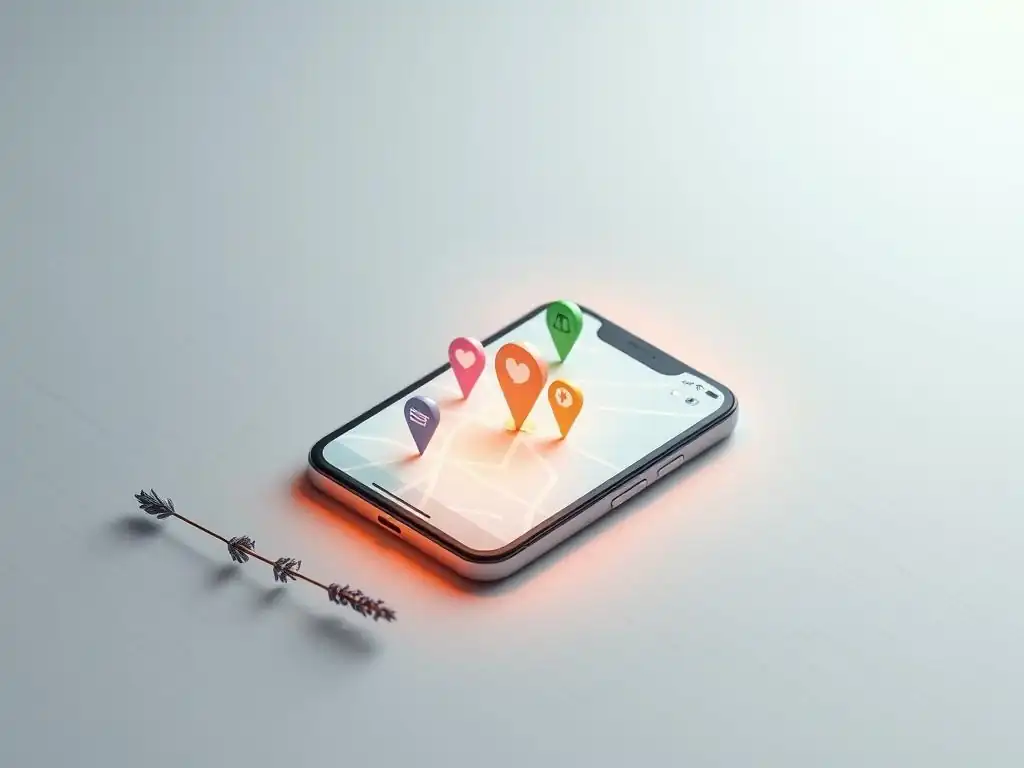
Beyond immediate crisis support, digital platforms can also help users connect with longer-term care. Features that provide resources for locating nearby mental health services, including therapists, clinics, hospitals, or support groups, are invaluable. This helps bridge the gap between managing an acute crisis and establishing ongoing support. These resources might be presented as searchable directories, maps, or curated lists based on the user's location.
For instance, a platform might use a user's zip code to provide a list of licensed therapists in their area, specifying their specialties, insurance acceptance, and contact information. Some platforms also include information on community mental health centers, which often offer sliding scale fees or free services, improving accessibility for individuals with limited financial resources. Providing these resources within the app streamlines the process of finding help and encourages users to seek continued support after the immediate crisis has passed.
Mood Tracking and Self-Assessment Tools
While not strictly realtime crisis intervention, mood tracking and self-assessment tools within digital mental health platforms contribute to overall well-being and can help identify escalating distress early on. Mood tracking allows users to log their feelings daily, noting patterns, triggers, and the effectiveness of coping strategies. Over time, this data can provide valuable insights for both the user and any clinicians they work with.
Self-assessment tools, such as validated questionnaires for depression or anxiety symptoms, can help users objectively evaluate their mental state. While these tools should not be used for self-diagnosis, they can serve as indicators that professional help might be needed.
For example, a user regularly logging severe anxiety or scoring high on a self-assessment might be prompted by the app to reach out to a crisis counselor or explore therapy options. Some realtime mental health support apps integrate these tools, allowing users to share their tracking data with chat counselors or therapists, providing a clearer picture of their emotional state leading up to a crisis.
Comparing Digital Mental Health Support Platforms
Given the growing number of digital mental health support platforms, users may find it helpful to understand how they differ and what factors to consider when choosing one. Platforms vary widely in their features, target audience, cost, and the type of support they offer.
Analyzing Platforms for Diverse Needs
Platforms can be analyzed based on the specific needs they address. Some realtime mental health support apps focus primarily on crisis intervention, offering immediate chat or phone connections 24/7. Examples might include platforms designed specifically for suicide prevention or immediate emotional support. Others are broader mental wellness apps that include crisis features alongside tools for mindfulness, sleep tracking, or cognitive behavioral therapy (CBT) exercises. For instance, one platform might specialize in peer support, connecting users with trained individuals who have lived experience with mental health challenges, while another might exclusively offer access to licensed therapists.
Cost is another significant differentiator. Some platforms operate on a subscription model, charging a monthly or annual fee for access to all features, including live support. Others offer tiered services, with basic features available for free and premium features (like unlimited live chat) requiring payment. Some non-profit organizations offer free crisis support via text or chat platforms. When comparing platforms, users should consider:
- Type of Support: Is it primarily crisis-focused, general wellness, or a blend?
- Availability: Is live support available 24/7? What are the typical wait times?
- Credentials of Supporters: Are they licensed therapists, trained crisis counselors, or peer supporters?
- Cost: Is it free, subscription-based, or pay-per-session? Does it accept insurance?
- Features: Does it include chat, video, resources, tracking, emergency integration?
- User Interface and Ease of Use: Is the app intuitive, especially during distress?
Researching reviews, understanding the platform's model, and potentially trying out free versions or trials can help individuals find the realtime mental health support app that best fits their personal situation and needs during acute distress.
Integrating Digital Mental Health Support Platforms into a Comprehensive Mental Health Strategy
Digital tools should ideally be seen as part of a broader mental health strategy, working in conjunction with traditional care, not as a complete replacement. Integrating realtime mental health support apps effectively can enhance overall well-being and provide crucial safety nets.
Combining Digital Tools with Traditional Therapy and Support Systems
For many individuals, the most effective approach involves combining the accessibility of digital tools with the depth and consistency of traditional therapy or support groups. Digital platforms can serve as valuable resources between therapy sessions, providing immediate support during difficult moments or allowing users to practice skills learned in therapy (like mindfulness or distress tolerance) with guided exercises. For example, someone seeing a therapist weekly might use a realtime mental health support app for instant chat support during a panic attack occurring outside of their appointment time.
Users can also utilize features like mood tracking or journaling within apps to gather data about their symptoms and triggers, which can then be shared and discussed with their therapist. This creates a more comprehensive picture of the user's mental state over time. Discussing with a therapist how to best utilize digital resources ensures that these tools are used effectively and safely within the context of their overall treatment plan.
Discussing Digital Support Options with Healthcare Providers
Open communication with healthcare providers, including therapists, psychiatrists, or primary care physicians, about the use of digital mental health support platforms is highly recommended. Providers can offer guidance on which types of platforms might be most beneficial based on an individual's specific diagnosis, symptoms, and needs. They can also help integrate the use of these tools into a personalized treatment plan.
For instance, a therapist might recommend a specific app that aligns with the type of therapy they are providing (e.g., an app focusing on CBT for someone receiving CBT). They can also help process experiences with digital support, discussing what was helpful or challenging. It's important to inform providers about any realtime mental health support apps being used, especially if they are accessed frequently during crises, as this provides valuable information about the individual's coping patterns and support needs.
Developing a Personalized Crisis Management Plan Using Technology
A crisis management plan outlines steps an individual can take when experiencing acute distress to ensure their safety and well-being. Incorporating digital mental health support platforms into this plan makes it more robust and accessible. The plan might include:
- Identifying triggers or early warning signs of distress.
- Listing coping strategies (e.g., deep breathing exercises, mindfulness - many apps offer guided versions).
- Listing contacts for support (friends, family, therapist).
- Including specific realtime mental health support apps or platforms to access for immediate help (e.g., "If feeling overwhelmed, open [App Name] and use the instant chat feature").
- Having quick access to crisis hotline numbers (often integrated into apps).
- Outlining steps for escalating to emergency services if necessary.
Storing this plan securely, perhaps within a dedicated section of a mental wellness app or easily accessible on a phone, ensures it's available during a crisis. Rehearsing the plan and discussing it with trusted individuals and healthcare providers can increase confidence in using it effectively when distress occurs.
Addressing Barriers to Accessing Digital Mental Health Support
Despite their potential, digital mental health support platforms are not without barriers to access and effective use. Addressing these challenges is crucial for ensuring equitable access to realtime mental health support.
Ensuring Equitable Access to Technology and Digital Literacy
A significant barrier is the digital divide – unequal access to necessary technology (smartphones, computers) and reliable internet connectivity. Individuals from lower socioeconomic backgrounds, older adults, and those in rural areas may lack the devices or internet access required to use digital platforms effectively. For example, while smartphone ownership is high globally, reliable broadband access varies significantly, particularly in remote regions.
Furthermore, digital literacy – the ability to use technology confidently and effectively – can be a barrier. Some individuals may struggle with navigating apps, understanding online privacy settings, or feeling comfortable communicating through digital channels. Efforts to bridge this gap include providing public access points for internet and devices, offering digital literacy training programs, and designing apps with simple, intuitive interfaces that are easy for everyone to use. Ensuring that realtime mental health support apps are truly accessible means addressing these foundational issues of technology access and comfort.
Reducing Stigma Associated with Seeking Help Online
While digital platforms can offer anonymity which reduces some forms of stigma, a different kind of stigma can still exist around seeking help online. Some individuals may feel that digital support is less legitimate than in-person therapy, or they might worry about privacy and judgment from others if their online activities were discovered. The perception that using an app for mental health means you "can't cope" or that it's not "real" help can prevent people from utilizing these valuable resources.
Countering this requires ongoing public education campaigns that normalize seeking support in all its forms, including through digital channels. Highlighting success stories, emphasizing the credentials of the professionals on these platforms, and promoting them as legitimate tools for well-being can help reduce this stigma. Creating supportive online communities within or alongside the apps can also foster a sense of belonging and shared experience, making users feel less alone in their journey.
While some realtime mental health support apps offer free basic features or crisis chat, many comprehensive platforms operate on a subscription model or charge per session, which can be expensive. Monthly subscription fees can range from tens to hundreds of dollars, posing a financial barrier for individuals without insurance coverage or sufficient disposable income. Even platforms that are cheaper than traditional therapy can still be out of reach for many.
Advocacy is needed to encourage insurance providers to cover digital mental health services more broadly. Some platforms are beginning to partner with insurance companies, which can significantly reduce out-of-pocket costs for users. Additionally, exploring options like employer-sponsored wellness programs, university health services, or non-profit organizations that offer free or subsidized digital support can help improve affordability. Highlighting free crisis-specific resources is also crucial for those needing immediate help without financial burden.
The Future of Digital Mental Health Support: Trends and Innovations

The field of digital mental health is rapidly evolving, with new technologies and approaches continuously emerging. The future holds exciting possibilities for enhancing the effectiveness and reach of realtime mental health support apps and platforms.
The Role of Artificial Intelligence (AI) in Crisis Intervention
Artificial intelligence (AI) is increasingly being explored for its potential in digital mental health. AI chatbots can provide immediate, round-the-clock support, offering initial de-escalation, coping strategies, and guidance to resources. While AI is not a replacement for human connection, it can serve as a valuable first line of support, especially during times when human counselors are overwhelmed or unavailable. Some platforms use AI to analyze user input and route them to the most appropriate level of care, or to provide psychoeducational content based on their stated needs.
AI is also being used in predictive analytics to potentially identify users who may be at higher risk of crisis based on their usage patterns or self-reported data, allowing for proactive outreach. However, the use of AI in crisis intervention raises significant ethical questions regarding safety, accuracy, data privacy, and the potential for bias. Responsible development and rigorous testing are essential to ensure that AI tools are safe, effective, and used to augment human support rather than replace it entirely.
Utilizing Technology for Enhanced Emotional Regulation
Technology is being developed to help individuals improve their emotional regulation skills in realtime. This includes biofeedback tools that use sensors (sometimes integrated into wearables) to monitor physiological signs of stress, such as heart rate variability or skin conductivity. Apps can then provide real-time feedback and guide users through exercises like deep breathing or progressive muscle relaxation to help them manage their physiological response to stress.
Virtual reality (VR) is another emerging technology being used for exposure therapy or creating calming immersive environments to practice relaxation techniques. While not always providing realtime human support, these technologies offer realtime feedback and guided practice for managing distress in the moment. Integrating these types of tools into realtime mental health support apps can provide users with a wider range of immediate coping mechanisms.
Wearable Technology for Monitoring Mental Health
Wearable devices, such as smartwatches and fitness trackers, are collecting vast amounts of physiological data (heart rate, sleep patterns, activity levels) that can potentially be used to monitor mental health. Changes in sleep, activity, or heart rate can sometimes be indicators of escalating stress, anxiety, or depression. While still in early stages, research is exploring how this data can be used to provide early warnings or insights into a user's mental state.
Imagine a scenario where a wearable device detects significant changes in sleep patterns and increased resting heart rate, and this data, with user permission, triggers a notification within a realtime mental health support app suggesting a check-in or offering immediate relaxation exercises. While privacy and the clinical validity of using such data for mental health monitoring are still being debated and researched, wearables hold potential for passive, continuous monitoring that could help individuals and providers identify potential crises before they fully develop.
Ethical Considerations in Digital Mental Health Support
The use of technology in mental health, particularly in crisis situations, brings important ethical considerations to the forefront. Ensuring that digital support is provided responsibly and ethically is crucial for protecting users and maintaining trust.
Ensuring Responsible and Ethical Use of Technology
Platforms providing realtime mental health support must operate with the highest ethical standards. This includes ensuring that the technology is reliable and functions correctly, especially during emergencies. Clear protocols must be in place for handling high-risk situations, including procedures for escalating to emergency services if a user is in imminent danger. The training and supervision of individuals providing support via these platforms must be rigorous and ongoing, whether they are licensed clinicians, crisis counselors, or peer supporters.
Transparency about the capabilities and limitations of the technology is also key. Users should understand whether they are interacting with a human or an AI, and what the scope of the support provided is. Ethical guidelines developed by professional bodies (like the American Psychological Association or the National Association of Social Workers) are being adapted to the digital space to inform best practices for tele-mental health and digital support services.
Maintaining Professional Boundaries in Digital Interactions
Maintaining appropriate professional boundaries is essential in any therapeutic or support relationship, including those conducted digitally. For professionals or trained volunteers providing realtime support via chat or video, this involves establishing clear expectations about availability, response times, and the nature of the interaction. It means avoiding dual relationships and ensuring that the focus remains on the user's needs and well-being within the defined scope of the service.
Digital communication can sometimes blur lines, and platforms must provide training and guidelines to support staff on navigating these complexities. For instance, how to respond to personal questions, requests for contact outside the platform, or managing the emotional impact of crisis work when the interaction is mediated by technology. Clear policies on communication outside the platform and what constitutes an appropriate interaction are vital for protecting both the user and the support provider.
Protecting User Data and Privacy
As previously mentioned, protecting user data and ensuring privacy is a critical ethical obligation. This goes beyond legal compliance with regulations like HIPAA or GDPR. It involves creating a culture of privacy within the organization, minimizing the collection of unnecessary data, and being transparent about how data is used. Users should have control over their data and feel confident that their sensitive information is secure.
Ethical considerations also extend to how data might be used for research or platform improvement; this should always be done with explicit user consent and data anonymization where possible. Policies around mandated reporting (e.g., duty to warn if a user expresses intent to harm themselves or others) must be clear and communicated to users upfront, balancing privacy with the ethical responsibility to ensure safety. Robust security measures, regular audits, and clear communication about data practices are fundamental to the ethical operation of realtime mental health support apps.
Conclusion: Empowering Individuals with Digital Mental Health Support
Digital mental health support platforms, particularly those offering realtime assistance, represent a significant advancement in making help accessible during moments of acute distress. By leveraging technology, these tools provide immediate connections to support, offer a range of coping resources, and help bridge gaps in traditional care.
The Potential of Digital Solutions to Improve Crisis Intervention
The potential of digital solutions to improve crisis intervention is immense. They offer 24/7 availability, remove geographical barriers, lower the threshold for seeking help through anonymity and convenience, and provide instant access to trained support.
The ability to connect with a crisis counselor via chat in the middle of the night, access guided relaxation exercises during a panic attack, or quickly find local emergency resources can be transformative for someone feeling overwhelmed and alone. While not a panacea, realtime mental health support apps can significantly enhance safety and provide crucial support during critical moments, potentially saving lives and improving outcomes.
Encouraging Exploration and Utilization of Digital Mental Health Support Platforms
Given their benefits, it is important to encourage individuals to explore and utilize digital mental health support platforms as part of their overall well-being strategy or crisis plan. Familiarizing oneself with available realtime mental health support apps before a crisis occurs can make it easier to access help when it's urgently needed. Understanding the features, costs, and privacy policies of different platforms allows for informed choices.
While addressing barriers like cost, access, and stigma remains crucial, the availability of these digital tools offers a powerful new pathway to support. Empowering individuals with the knowledge and resources to access immediate help through technology is a vital step in improving mental health outcomes and ensuring that no one has to face acute distress alone.
Disclaimer: Important Information About Using Digital Mental Health Platforms
Please note: Digital mental health platforms and realtime mental health support apps are valuable tools but are not a substitute for professional medical advice, diagnosis, or treatment. If you are experiencing a medical or mental health emergency, please call your local emergency number (such as 911), go to the nearest emergency room, or contact a crisis hotline immediately. The information provided in this article is for informational purposes only and does not constitute an endorsement of any specific platform or service. Always consult with a qualified healthcare provider regarding any questions about your medical or mental health condition.
Frequently Asked Questions
What are Realtime Mental Health Support Apps, and how do they differ from traditional therapy?
These apps offer immediate access to support, unlike traditional therapy, which usually requires scheduling. They often provide instant messaging, crisis hotlines, and guided exercises.
How can Realtime Mental Health Support Apps help during a mental health crisis?
They provide immediate intervention and coping strategies during acute distress. Many apps offer direct connection to mental health professionals or trained volunteers.
Are Realtime Mental Health Support Apps a suitable replacement for in-person therapy?
No, they are not a replacement, but rather a supplementary tool. They are best used for immediate support and crisis management, while in-person therapy addresses underlying issues.
What features should I look for in a Realtime Mental Health Support App?
Look for apps with verified credentials of professionals, secure data encryption, and 24/7 availability. Also, check for features like guided meditations and mood tracking.
Are Realtime Mental Health Support Apps confidential and secure?
Reputable apps prioritize user privacy and data security through encryption and strict confidentiality policies. However, it's crucial to review the app's privacy policy before use.
Final Reflection: Bridging the Gap to Immediate Mental Wellness
The urgent need for accessible mental healthcare is no longer a whisper; it's a resounding cry for help echoing across our increasingly digital world. This article has explored the burgeoning landscape of real-time mental health support apps, highlighting their potential to revolutionize access to care and dismantle the barriers that often prevent individuals from seeking help during moments of acute distress. The sheer volume of individuals struggling silently underscores the critical importance of these technological advancements.
The impact of readily available digital mental health resources is profound and far-reaching. It's not just about convenience; it's about breaking down the stigma surrounding mental illness, offering a lifeline in moments of crisis, and fostering a culture of self-care that prioritizes immediate well-being. The greatest glory in living lies not in never falling, but in rising every time we fall.
– Nelson Mandela. This quote resonates deeply, as these apps provide a crucial hand to help individuals rise again, offering support when they need it most, regardless of time or location. The shift towards normalizing mental health conversations and seeking professional help is a testament to the power of these innovative solutions.
Now, consider your own well-being. What steps can you take to prioritize your mental health? Are you aware of the resources available to you, both online and offline? This article serves as a starting point – a call to action to explore the options available and to build a support network that includes both digital and human connections. Take the time to research apps that resonate with your needs, and remember that seeking help is a sign of strength, not weakness. Your mental health is invaluable; invest in it today.
Unlock Your Support Network: Take Control of Your Wellbeing
Thanks for taking the time to explore digital solutions for managing acute distress. We hope this article equipped you with valuable tools and insights. Now, let's put that knowledge into action!
- Prioritize your wellbeing by identifying three trusted contacts: Share this article with them and discuss how they can best support you during challenging times. This proactive step strengthens your support network significantly.
- Explore a new relaxation technique mentioned in the article and schedule a brief practice session today. Even five minutes can make a difference.
- Share your key takeaway from this article on social media using #MindCareGuide to connect with others and spread awareness.
Ready to build a stronger foundation for your mental wellbeing? What's one small step you'll take today to prioritize your emotional health?