
Global Reach: Providing Crisis Support Across Borders with Tech


Welcome to Mind Care Guide.
Feeling overwhelmed in a crisis, especially when you're far from home? You're not alone. We understand the unique challenges of accessing mental health support across borders. That's why we're diving deep into International crisis support technology access. Discover how innovative technologies are bridging the gap and providing crucial lifelines when you need them most. Ready to explore the resources that can help you or someone you know find immediate support, no matter where you are?
Global Reach: Providing Crisis Support Across Borders with Tech
- The Growing Need for International Crisis Support Technology Access
- Benefits of Technology in Delivering Crisis Support Across Borders
- Key Technologies Enabling Cross-Border Crisis Intervention
- Challenges in Implementing International Crisis Support Technology
- Case Studies: Successful Implementation of Crisis Support Technology Across Borders
- Optimizing International Crisis Support Technology Access: Best Practices
- The Future of Technology in Global Crisis Intervention
- Conclusion: Expanding International Crisis Support Technology Access for a Healthier World
-
Frequently Asked Questions
- How does technology improve access to international crisis support?
- What types of technology are used to provide international crisis support?
- What are the challenges in providing international crisis support using technology?
- How can I find reliable international crisis support resources online?
- Is technology-based international crisis support always effective?
- Final Reflection: Bridging the Gap in Global Crisis Response
- Unleash Your Global Impact: Extend Crisis Support Worldwide
The Growing Need for International Crisis Support Technology Access
Addressing the Global Mental Health Crisis: A Call for Accessible Support
The global mental health crisis is a pressing concern, with millions worldwide experiencing significant distress and mental health conditions. The World Health Organization (WHO) estimates that nearly one billion people live with a mental disorder, yet access to effective support remains severely limited in many parts of the world. This disparity is particularly stark in low- and middle-income countries, where resources are scarce and trained professionals are few.
The need for scalable, accessible solutions that can bypass traditional infrastructure limitations is paramount. Enhancing international crisis support technology access is not merely an option but a necessity to reach those in urgent need, providing a lifeline across geographical and economic divides.
Moreover, global events such as pandemics, conflicts, and climate-related disasters exacerbate existing mental health challenges, creating new waves of trauma and distress. During the COVID-19 pandemic, for instance, studies showed a significant rise in anxiety and depression globally, with estimates suggesting an increase of over 25% in cases worldwide.
Traditional face-to-face services struggled to cope with the demand and were often inaccessible due to lockdowns and safety concerns. This period highlighted the critical role that technology can play in maintaining continuity of care and providing essential crisis support remotely, underscoring the urgent need to expand international crisis support technology access to build resilience against future global shocks.
Overcoming Geographical Barriers in Crisis Intervention with Technology
Geographical barriers pose a significant challenge to delivering timely crisis intervention. Individuals in rural areas, remote communities, or regions with underdeveloped infrastructure often face immense difficulties accessing mental health services. Traveling long distances to reach a clinic or finding a local professional can be impossible during a crisis. Technology offers a powerful means to bridge these distances, making support available regardless of location. Telehealth platforms, mobile applications, and online chat services enable individuals to connect with trained crisis counselors or mental health professionals from virtually anywhere with an internet connection or mobile signal.
Consider a person experiencing a mental health crisis in a remote village thousands of miles from the nearest city with specialized services. Without technology, their options for immediate support are virtually non-existent.
However, with international crisis support technology access, they might be able to connect via a smartphone app, a web browser, or even a simple text message service to a crisis line operating in their language, potentially saving their life. This ability to deliver support directly to the individual, bypassing the need for physical infrastructure and travel, fundamentally transforms the landscape of crisis intervention, making help available when and where it is needed most.
Benefits of Technology in Delivering Crisis Support Across Borders
Enhanced Accessibility to Mental Health Services Globally
Technology dramatically enhances accessibility to mental health services on a global scale, breaking down traditional barriers of location, time, and even stigma. For individuals living in regions with a severe shortage of mental health professionals – some countries have fewer than one psychiatrist per 100,000 people – digital platforms offer a connection to support networks and trained counselors located elsewhere.
This expanded reach means that someone in a crisis no longer has to rely solely on local, potentially non-existent, resources but can tap into a wider pool of support. The ease of access via familiar devices like smartphones also lowers the barrier to seeking help, making it a less daunting step for many.
Furthermore, technology provides flexibility in accessing support. Unlike traditional clinics with fixed hours, digital crisis support services can often operate 24/7, providing assistance at the moment of need, regardless of time zones. This is crucial during a crisis, which can occur at any hour. The ability to access help anonymously through text or chat-based platforms can also reduce the stigma associated with seeking mental health support, encouraging more people to reach out. This widespread and flexible access, facilitated by international crisis support technology access, is revolutionizing how mental health crises are managed worldwide.
Real-Time Crisis Intervention: The Power of Immediate Digital Support
One of the most critical aspects of crisis intervention is timeliness. A person in immediate distress needs help now, not in hours or days. Technology enables real-time support, providing instantaneous connection to trained responders. Text-based crisis lines, chat services, and instant messaging within mental health apps allow for rapid communication during a crisis moment. This immediacy can be life-saving, offering de-escalation techniques, emotional support, and safety planning precisely when a person is most vulnerable. The rapid response time is a significant advantage over traditional methods that may involve waiting for appointments or traveling to a facility.
Consider a situation where someone is experiencing suicidal ideation. Reaching out via a crisis text line can connect them with a trained counselor within minutes, sometimes even seconds. This immediate connection allows the counselor to engage with the person, assess their risk, provide support, and help them develop a safety plan in real-time.
Data from crisis text services often shows high engagement during non-traditional hours, highlighting the need for round-the-clock immediate support. The power of international crisis support technology access lies in its ability to deliver this critical, instantaneous help across any border, ensuring that a cry for help is heard and responded to without delay.
Cost-Effective Solutions for International Mental Health Support
Delivering mental health services, especially specialized crisis intervention, through traditional means can be prohibitively expensive, requiring significant investment in infrastructure, staffing, and training in multiple locations. Technology offers a more cost-effective approach to scaling support internationally. Digital platforms can reach a vast number of users without the need for physical buildings or large local teams in every region. Training for crisis counselors can be delivered remotely, and supervision can be conducted digitally, reducing logistical costs.
For non-profit organizations and government agencies working with limited budgets, leveraging technology for international crisis support technology access means they can extend their reach and impact far beyond what would be possible with traditional models. A single digital platform can serve users in multiple countries, pooling resources and expertise. While there are initial costs associated with developing and maintaining technology, the per-user cost of delivering support digitally is often significantly lower than face-to-face methods, making it a sustainable model for providing widespread mental health support in resource-constrained environments.
Key Technologies Enabling Cross-Border Crisis Intervention

Telehealth Platforms: Connecting Individuals with Global Mental Health Professionals
Telehealth platforms are foundational to providing international crisis support technology access. These platforms use video conferencing, audio calls, and secure messaging to connect individuals directly with mental health professionals, regardless of their physical location. For someone in a country with limited local expertise in a specific mental health issue, telehealth opens up the possibility of consulting with a specialist located anywhere in the world. This is particularly valuable for refugees, expatriates, or individuals in regions affected by conflict or disaster where local infrastructure is damaged or non-existent.
For example, a person displaced by conflict in one country might require trauma-informed therapy but find no qualified therapists available locally. A telehealth platform could connect them with a therapist in another country who is trained in trauma care and speaks their language. These platforms must adhere to strict privacy and security standards to protect sensitive patient information across borders. They are becoming increasingly sophisticated, incorporating features like virtual waiting rooms, appointment scheduling, and integrated payment systems, making the experience for both the user and the provider smoother and more accessible.
Mobile Apps for Crisis Management and Mental Well-being
Mobile applications play a crucial role in bringing international crisis support technology access directly to individuals' fingertips. These apps can offer a range of features, including mood tracking, coping skills exercises, guided meditations, safety planning tools, and direct links to crisis hotlines or chat services. Many apps are designed to be used offline for certain functions, making them accessible even in areas with limited internet connectivity. Their widespread use, particularly among younger populations, makes them a powerful tool for proactive mental health management and immediate crisis response.
Some apps are specifically designed for crisis situations, allowing users to quickly access emergency contacts, pre-written crisis plans, or connect with peer support networks. Others focus on building resilience and managing stress over time, which can help prevent crises from escalating. The accessibility of smartphones globally means that these apps can reach millions, providing support and resources that might otherwise be unavailable. Developing culturally relevant content and ensuring language accessibility are key considerations for mobile apps aiming to provide effective international crisis support.
AI-Powered Chatbots: Providing Instant Support and Guidance
AI-powered chatbots are emerging as a valuable tool in the landscape of international crisis support technology access, offering instant, round-the-clock support. While not a replacement for human interaction, chatbots can provide immediate responses to common questions, offer basic coping strategies, guide users through distress tolerance exercises, and quickly triage users to the appropriate level of care, including connecting them to human crisis counselors when necessary. They are particularly useful for providing initial support and information, especially during peak times or in regions with high demand and limited human resources.
Chatbots can be programmed to understand and respond to a wide range of mental health-related queries and expressions of distress. Their ability to operate 24/7 without fatigue makes them a reliable first point of contact. However, it is critical that these chatbots are designed ethically and safely, with clear limitations and protocols for escalating high-risk situations to human responders. Continuous training of the AI using diverse datasets is necessary to improve their understanding and responsiveness across different linguistic and cultural contexts, enhancing their utility for international crisis support.
Language Translation Tools: Bridging Communication Gaps in Global Crisis Situations
Language barriers are a significant obstacle in providing effective international crisis support. A person in crisis needs to communicate their feelings and situation clearly, and receiving support in their native language is crucial for understanding and trust. Language translation tools, both automated and human-assisted, are vital in bridging these communication gaps within international crisis support technology access. While automated translation has limitations, especially with nuanced emotional language, it can provide a necessary bridge in the absence of bilingual responders.
Integrating translation capabilities into telehealth platforms, chat services, and mobile apps allows individuals to access support even if the primary service providers do not speak their language. Some services employ human interpreters via technology, offering a higher degree of accuracy and cultural understanding. While challenges remain in ensuring the accuracy and sensitivity of translated mental health conversations, the use of these tools is essential for making international crisis support truly accessible and effective for diverse populations worldwide.
Challenges in Implementing International Crisis Support Technology
Cultural Sensitivity and Adaptation of Digital Mental Health Tools
Implementing international crisis support technology access requires careful consideration of cultural sensitivity. Mental health is understood and discussed differently across cultures, and what is considered helpful or appropriate in one context may not be in another. Digital tools, including apps, chatbots, and even therapeutic approaches used via telehealth, must be adapted to resonate with local cultural norms, beliefs, and values. A direct translation of content or a universally designed interface may not be effective or could even be harmful if it doesn't account for cultural nuances around shame, family involvement, or help-seeking behaviors.
For instance, a coping mechanism suggested in an app might be culturally irrelevant or unacceptable in certain communities. Similarly, the way questions about suicidal ideation are posed needs to be culturally sensitive. Organizations deploying international crisis support technology must invest time and resources in localizing content, adapting user interfaces, and training responders on cultural competence. Engaging with local community leaders and mental health professionals during the design and implementation phases is crucial for ensuring the tools are relevant, trusted, and effective.
Data Privacy and Security Concerns in Cross-Border Crisis Interventions
Data privacy and security are paramount concerns when providing international crisis support technology access. Mental health information is highly sensitive, and protecting user data across different legal jurisdictions and technical infrastructures is complex. Users need to trust that their personal information, including their identity and the details of their crisis, will be kept confidential and secure. Breaches of privacy can have severe consequences, including exacerbating distress, facing discrimination, or even legal repercussions in some countries.
Implementing robust encryption, secure servers, and strict access controls is essential. However, navigating varying data protection laws, such as GDPR in Europe or HIPAA in the United States, when data crosses international borders adds layers of complexity. Organizations must be transparent with users about how their data is collected, stored, and used, and obtain informed consent, which itself can be challenging across diverse literacy levels and cultural understandings of privacy. Building and maintaining user trust through demonstrable security practices is critical for the success and ethical operation of international digital crisis support.
Regulatory Compliance and Legal Frameworks for Global Telehealth
Providing mental health support via technology across borders involves navigating a complex web of national and international regulations and legal frameworks. Issues such as professional licensing, scope of practice, liability, and mandatory reporting laws vary significantly from country to country. A mental health professional licensed in one country may not be legally permitted to provide services via telehealth to someone in another. This regulatory patchwork can create significant barriers to expanding international crisis support technology access.
Organizations offering cross-border telehealth or digital support must understand and comply with the legal requirements of both the location of the provider and the location of the user. This may involve obtaining specific licenses, adhering to different standards of care, or navigating complex liability issues. Harmonizing regulations across borders is an ongoing challenge, and in the meantime, providers must either limit their reach to specific jurisdictions or invest heavily in legal expertise to ensure compliance, which can be costly and time-consuming.
Ensuring Equitable Access to Technology for Vulnerable Populations
While technology offers immense potential for expanding international crisis support access, it also risks exacerbating existing inequalities if not implemented thoughtfully. Vulnerable populations, such as those in extreme poverty, remote areas without reliable internet or electricity, older adults, or individuals with disabilities, may face significant barriers to accessing digital tools. The "digital divide" is a reality in many parts of the world, where access to smartphones, affordable data plans, and digital literacy varies widely.
Ensuring equitable international crisis support technology access requires proactive strategies to reach those on the wrong side of the digital divide. This might involve partnering with local community centers to provide internet access and devices, developing low-bandwidth or offline versions of apps, offering support in multiple formats (like SMS alongside app-based chat), and providing digital literacy training. Simply making technology available is not enough; efforts must be made to ensure it is genuinely accessible and usable by the populations most in need of crisis support.
Case Studies: Successful Implementation of Crisis Support Technology Across Borders
Teletherapy for Ukrainian Refugees Displaced by War
The war in Ukraine has displaced millions, creating an urgent need for mental health support among refugees scattered across Europe and beyond. Traditional services in host countries were quickly overwhelmed, and many refugees faced language barriers and cultural differences. In response, several organizations rapidly deployed telehealth initiatives to provide psychological support and crisis intervention remotely. These programs connected Ukrainian-speaking therapists, often themselves displaced or located in other countries, with refugees via secure video platforms.
Estimates suggest that tens of thousands of Ukrainian refugees have received teletherapy and psychosocial support through these initiatives. For example, one program reported providing over 10,000 therapy sessions within its first few months of operation, demonstrating the speed and scale at which technology can mobilize support in response to a humanitarian crisis. This case highlights how international crisis support technology access can be rapidly established to address acute needs arising from conflict, bypassing geographical displacement and connecting people with culturally and linguistically appropriate care.
Crisis Text Line Expansion to Canada and the UK
Crisis Text Line, originally founded in the United States, provides free, 24/7, high-quality text-based mental health support and crisis intervention. Recognizing the universal need for accessible crisis support, the organization successfully expanded its model to other countries, including Canada (as Kids Help Phone's Crisis Text Line) and the UK (as Shout). This expansion involved adapting the platform, training local volunteer crisis counselors, and integrating with local emergency services protocols.
The UK service, Shout, launched nationally in 2018 and has since processed over 2 million conversations, supporting hundreds of thousands of texters in distress. Similarly, the Canadian service has become a vital resource, particularly for young people. These expansions demonstrate that the model of providing international crisis support technology access via text is highly transferable, provided there is careful adaptation to the local context, including language nuances, cultural factors, and the specific landscape of mental health services and emergency response.
AI-Powered Mental Health Support for Frontline Healthcare Workers During COVID-19
Frontline healthcare workers globally faced unprecedented stress, trauma, and burnout during the COVID-19 pandemic, leading to a significant mental health crisis within this population. Traditional support services were often inaccessible due to demanding work schedules and fear of stigma. In response, some health systems and organizations implemented AI-powered chatbots and digital mental health platforms specifically tailored to support these workers. These tools provided instant access to resources, stress management techniques, and pathways to human support.
For instance, one initiative provided a mental health chatbot accessible via common messaging apps to healthcare workers across several countries. The chatbot offered emotional support, practical advice on managing stress, and connected users to teletherapy options. While precise global figures are hard to aggregate, individual hospital systems and regional health authorities reported thousands of healthcare workers utilizing these digital tools. This application illustrated the potential of AI and digital platforms to provide scalable, confidential, and immediate international crisis support technology access to specific high-need populations during a global emergency.
Optimizing International Crisis Support Technology Access: Best Practices
Prioritizing User-Centered Design for Diverse Cultural Backgrounds
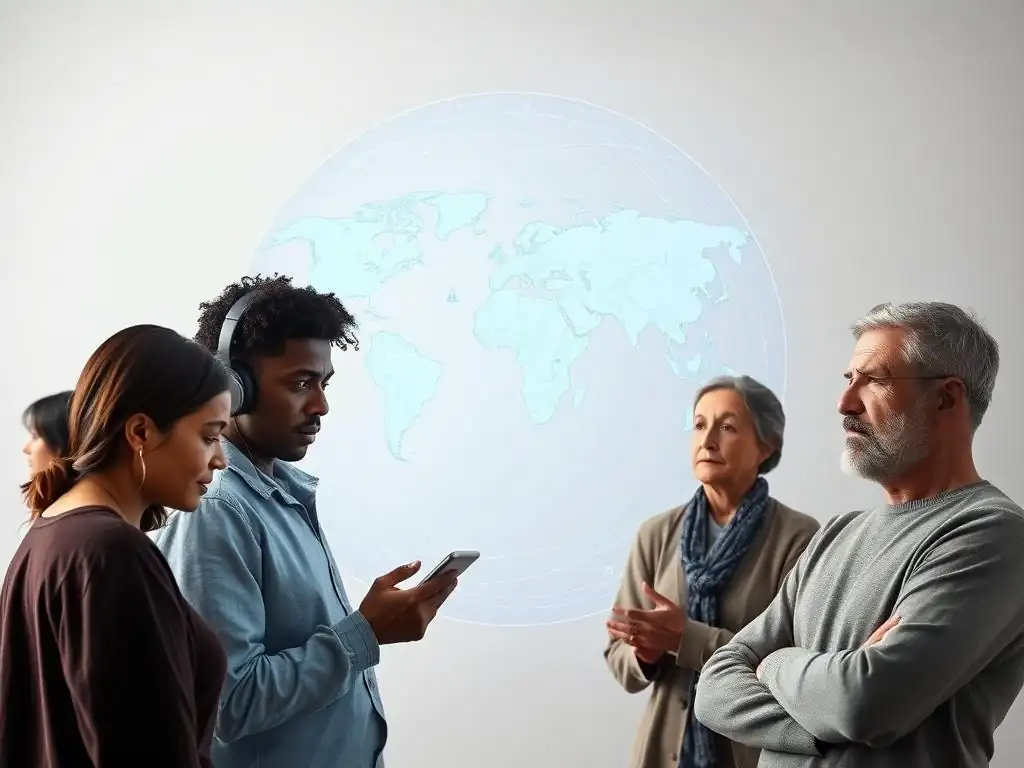
Optimizing international crisis support technology access begins with prioritizing user-centered design that accounts for diverse cultural backgrounds. This means involving representatives from the target communities throughout the design and development process. Software interfaces, language used in prompts and content, and even the visual design should be tested and adapted to be intuitive, trustworthy, and culturally appropriate for users from various linguistic, ethnic, and social groups.
- Conducting focus groups and usability testing with individuals from target populations.
- Ensuring content and language are translated accurately and culturally adapted, not just literally translated.
- Designing interfaces that are simple and accessible, considering varying levels of digital literacy and access to devices.
- Being mindful of cultural norms around privacy, help-seeking, and communication styles when designing interaction flows.
Training Mental Health Professionals in the Use of Digital Crisis Intervention Tools
Effective international crisis support technology access relies not only on the technology itself but also on the skills of the people using it. Mental health professionals and crisis counselors require specific training to effectively provide support through digital platforms. This training goes beyond clinical skills and includes technical proficiency with the platform, understanding the nuances of communication via text or video, managing privacy and security risks in a digital environment, and recognizing the unique challenges and opportunities of providing cross-border care.
Training programs should cover:
- Platform features and troubleshooting.
- Best practices for building rapport and assessing risk remotely.
- Maintaining professional boundaries in digital interactions.
- Understanding and navigating cultural differences in digital communication.
- Protocols for escalating high-risk situations in a digital context, potentially across different jurisdictions.
Developing Culturally Relevant and Localized Content
Generic mental health content is unlikely to resonate or be fully effective for diverse international populations. Developing culturally relevant and localized content is essential for optimizing international crisis support technology access. This includes adapting information about mental health conditions, coping strategies, and available resources to align with local cultural contexts, beliefs about mental illness, and existing community support structures.
This involves:
- Creating content in multiple languages spoken by the target population.
- Using examples and scenarios that are relatable to local experiences.
- Incorporating culturally specific coping mechanisms or traditional support systems where appropriate.
- Ensuring any references to resources or services are accurate and relevant to the user's location.
Establishing Partnerships with Local Organizations for Effective Implementation
Successful implementation of international crisis support technology access often requires collaboration with local organizations. Local partners possess invaluable knowledge of the community, cultural landscape, existing resources, and potential barriers to access. Partnering can help build trust within the community, facilitate culturally appropriate outreach, and ensure that digital tools are integrated effectively with local support systems, including emergency services.
Partnerships can facilitate:
- Understanding local needs and adapting technology accordingly.
- Promoting the service and building awareness within the community.
- Connecting users with local follow-up care or resources when needed.
- Navigating local regulations and logistical challenges.
- Providing on-the-ground support and digital literacy training.
The Future of Technology in Global Crisis Intervention
Emerging Technologies and Their Potential Impact on Cross-Border Support
The future of international crisis support technology access will be shaped by emerging technologies that promise to enhance the reach, effectiveness, and personalization of digital mental health interventions. Technologies like advanced artificial intelligence, virtual and augmented reality, and blockchain are moving beyond theoretical concepts into practical applications with significant potential for global crisis intervention. As these technologies mature and become more accessible, they will further transform how support is delivered across borders.
Consider the potential of AI not just for chatbots, but for analyzing patterns in communication to help identify individuals at high risk, or for personalizing therapeutic content. Virtual reality could offer immersive, simulated environments for exposure therapy for trauma survivors, accessible from anywhere in the world. Blockchain technology could provide secure, decentralized methods for managing sensitive health data across international boundaries, enhancing trust and privacy. These advancements suggest a future where international crisis support technology access is even more integrated, intelligent, and tailored to individual needs.
Predictive Analytics for Early Identification of Mental Health Crises
Predictive analytics, powered by machine learning and large datasets, holds promise for identifying individuals at risk of experiencing a mental health crisis before it reaches a critical point. By analyzing patterns in user behavior within digital platforms (with appropriate privacy safeguards), social media data (used ethically and with consent), or even anonymized population health data, predictive models could flag individuals who may be moving towards a crisis state. This would allow for proactive outreach and intervention, rather than solely reacting to a crisis in progress.
For example, an AI model might analyze changes in a user's communication patterns within a mental health app (e.g., increased frequency of negative words, changes in sleep logging) and trigger an alert or prompt offering additional support. Applying this on a larger scale, while navigating complex ethical considerations around surveillance and privacy, could potentially allow international crisis support technology access providers to identify at-risk populations in different regions and deploy targeted resources or outreach campaigns, moving towards prevention as well as intervention.
Personalized VR Therapy for Trauma Recovery
Virtual Reality (VR) technology is showing significant potential in treating trauma, particularly conditions like PTSD. VR can be used to create controlled, immersive environments that allow individuals to process traumatic memories or practice coping skills in realistic simulations under the guidance of a therapist. The potential to deliver this type of highly specialized and effective therapy remotely via VR headsets could revolutionize trauma recovery for individuals who lack access to such specialized care locally, which is common in regions affected by widespread conflict or disaster.
Imagine a refugee who has experienced severe trauma but is living in a country with limited trauma specialists. Personalized VR therapy delivered through an international crisis support technology access platform could allow them to receive cutting-edge treatment from an expert located anywhere in the world. While VR hardware is still a barrier for many, increasing affordability and accessibility could make this a viable option for expanding access to advanced trauma care across borders in the future.
Secure Blockchain-Based Platforms for International Mental Health Data Sharing
Sharing sensitive mental health data across international borders for continuity of care, research, or crisis management is fraught with challenges related to security, privacy, and regulatory compliance. Blockchain technology, known for its decentralized and secure ledger system, offers a potential solution. A blockchain-based platform could allow individuals to control access to their mental health records, granting permission to different providers or services across borders while maintaining a secure and transparent history of access.
Implementing blockchain for international crisis support technology access could enhance trust and interoperability between different digital mental health platforms and providers worldwide. It could facilitate smoother transitions of care for individuals moving between countries and enable large-scale, secure research into global mental health trends and treatment effectiveness, all while giving individuals greater agency over their sensitive information. While still largely in the exploratory phase for mental health applications, the potential for secure, cross-border data management is significant.
Conclusion: Expanding International Crisis Support Technology Access for a Healthier World
The need for accessible, effective mental health support is global and urgent. Technology has emerged as a powerful force capable of bridging geographical divides, overcoming resource limitations, and providing timely intervention during crises. From telehealth platforms connecting individuals with global experts to mobile apps offering immediate support and AI-powered tools providing instant guidance, international crisis support technology access is transforming the landscape of mental health care.
While significant challenges remain, including ensuring cultural sensitivity, protecting data privacy, navigating complex regulations, and ensuring equitable access for all, the potential benefits are immense. Continued innovation, thoughtful implementation grounded in best practices, and collaborative efforts are essential to harness the full power of technology to expand international crisis support access, ultimately contributing to a healthier and more resilient world.
Frequently Asked Questions
How does technology improve access to international crisis support?
Technology increases accessibility by providing instant communication channels and breaking down geographical barriers. This allows individuals in crisis to connect with resources regardless of their location.
What types of technology are used to provide international crisis support?
Various technologies are utilized, including mobile apps, online chat platforms, and teletherapy services. These tools facilitate remote counseling, information dissemination, and emergency assistance.
What are the challenges in providing international crisis support using technology?
Challenges include language barriers, cultural differences, and unequal access to technology across different regions. Addressing these requires culturally sensitive resources and affordable access solutions.
How can I find reliable international crisis support resources online?
Look for organizations with established reputations, clear privacy policies, and evidence-based practices. Mind Care Guide can also provide a list of vetted international resources and guidelines.
Is technology-based international crisis support always effective?
While beneficial, technology is not a replacement for face-to-face support in all situations. It serves as a vital tool, especially in remote or underserved areas, but limitations must be acknowledged.
Final Reflection: Bridging the Gap in Global Crisis Response
The seamless integration of technology into international crisis support is no longer a futuristic aspiration; it's a critical necessity. The devastating impact of recent global crises, from natural disasters to humanitarian conflicts, has starkly highlighted the urgent need for efficient, accessible, and scalable solutions. Without readily available technology, the response to these crises remains fragmented, slow, and ultimately, less effective in saving lives and mitigating suffering.
The evolving landscape of international aid is profoundly shaped by the innovative use of technology, from real-time communication platforms to AI-driven predictive analytics. This shift is not merely technological; it's a fundamental change in how we approach global responsibility. Technology is not a solution in itself, but it can be a powerful tool to amplify human compassion and accelerate effective action.
This quote underscores the importance of ethical considerations and human-centered design in the development and deployment of these technologies. The potential for good is immense, but so too is the potential for misuse or exacerbation of existing inequalities if not carefully managed.
The future of international crisis support hinges on our collective commitment to bridging the digital divide and ensuring equitable access to life-saving technologies. You have a role to play in this crucial endeavor. Consider how your skills and resources can contribute to this vital cause – whether through supporting organizations developing these technologies, advocating for improved access, or simply raising awareness of the critical need for global collaboration in crisis response. Let us work together to build a more resilient and compassionate world, one technological advancement at a time.
Unleash Your Global Impact: Extend Crisis Support Worldwide
Thanks for exploring the powerful role of technology in extending crisis support across borders! You've gained valuable insights into how we can connect with those in need, regardless of location. Now, let's take action:
- Prioritize one organization: Choose a global crisis support organization and research their specific needs. See how you can directly contribute your skills or knowledge. This is the most impactful step you can take today.
- Share this article: Help spread awareness of the technological solutions available for providing global crisis support by sharing this article on your social media platforms. Let's amplify the reach!
- Engage in the conversation: Join the discussion below and share your thoughts on innovative tech solutions that could further improve global crisis response. What unique idea do you have to contribute?
What innovative approach will you take to make a difference in global crisis support?