
Healing the Spirit: Spirituality's Role in Indigenous Mental Health & Prevention

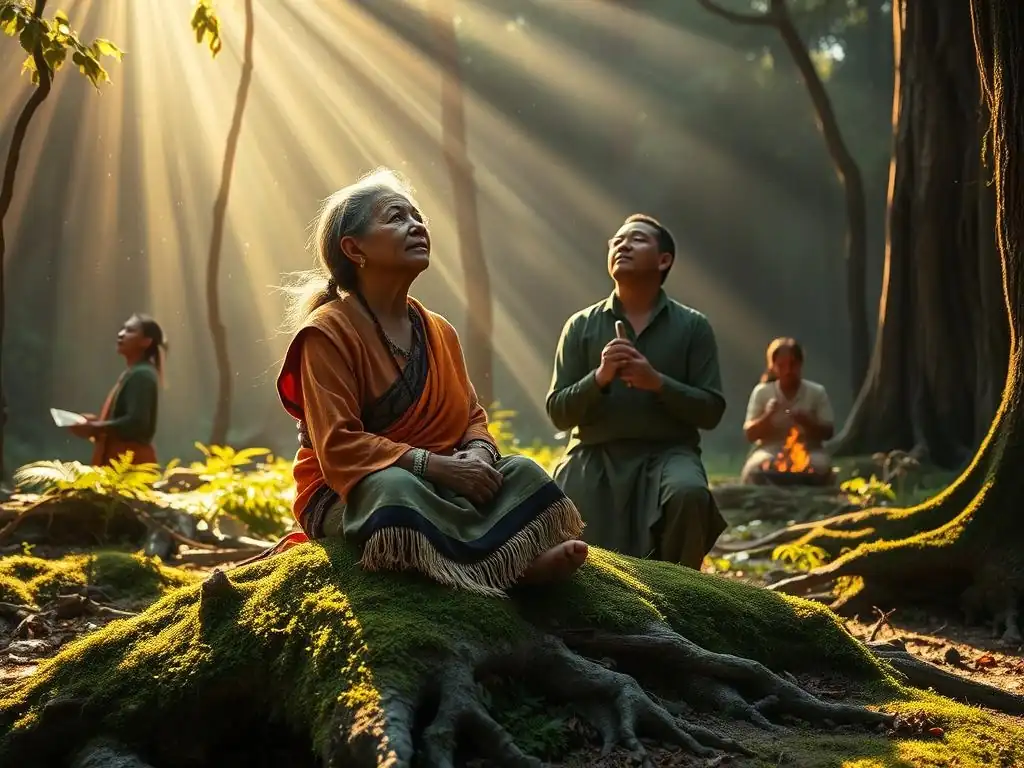
Welcome to Mind Care Guide, a compassionate space dedicated to your mental well-being.
Feeling lost or disconnected? Delve into our latest article, "Healing the Spirit: Spirituality's Role in Indigenous Mental Health & Prevention," where we explore the powerful connection between Indigenous spiritual practices and mental health. Discover how these traditions can offer vital support and play a crucial role in crisis intervention and suicide prevention. Ready to uncover pathways to healing and resilience?
Healing the Spirit: Spirituality's Role in Indigenous Mental Health & Prevention
- Understanding Indigenous Mental Health: A Holistic Approach
- The Power of Spirituality in Indigenous Mental Health
- Indigenous Spiritual Mental Health Support: Traditional Practices
- Integrating Spirituality into Modern Mental Health Care for Indigenous Peoples
- Suicide Prevention in Indigenous Communities: A Spiritual Perspective
- Case Studies: Examples of Successful Indigenous Spiritual Mental Health Initiatives
- Resources for Indigenous Spiritual Mental Health Support
- The Future of Indigenous Mental Health: Embracing Spirituality as a Foundation for Wellbeing
-
Frequently Asked Questions
- What is Indigenous spiritual mental health support, and why is it important?
- How does spirituality contribute to mental health prevention within Indigenous communities?
- What are some examples of traditional healing practices used in Indigenous spiritual mental health support?
- Where can Indigenous individuals find culturally appropriate mental health resources that incorporate spirituality?
- How can non-Indigenous individuals support Indigenous spiritual mental health and well-being?
- Final Reflection: Reclaiming the Sacred for Healing
- Ignite Your Inner Strength: Practical Steps to Holistic Wellbeing
Understanding Indigenous Mental Health: A Holistic Approach
The Unique Challenges Faced by Indigenous Communities
Indigenous communities across the globe face a complex web of challenges that profoundly impact mental well-being. These include the ongoing effects of colonization, historical trauma stemming from policies like residential schools and forced displacement, systemic discrimination, poverty, inadequate housing, and limited access to culturally appropriate healthcare. These factors create significant stressors that can lead to higher rates of mental health conditions compared to the general population. For instance, studies have consistently shown elevated rates of depression, anxiety, and PTSD among Indigenous peoples, often directly linked to the intergenerational impacts of trauma.
Furthermore, the disruption of traditional ways of life, including the loss of language, land, and cultural practices, has eroded protective factors that historically supported mental wellness. This cultural disconnection leaves many individuals feeling isolated and struggling with identity. The cumulative effect of these challenges manifests not only in individual distress but also in community-wide issues, including higher rates of substance use and tragically, significantly higher rates of suicide, particularly among youth, compared to non-Indigenous populations in many countries. Addressing these unique challenges requires an understanding that extends beyond individual pathology to encompass the broader social, historical, and cultural context.
Recognizing the Interconnection of Mind, Body, and Spirit in Indigenous Wellness
Indigenous worldviews fundamentally understand health as a state of balance and harmony encompassing the mind, body, spirit, and emotions, often viewed in connection with family, community, and the natural world. This holistic perspective contrasts sharply with many Western medical models that have historically separated physical and mental health. In Indigenous traditions, an imbalance in one area, particularly the spiritual realm, is seen as impacting the others, leading to illness or distress. Therefore, mental health is not merely the absence of illness but a vibrant state of spiritual, emotional, physical, and social well-being.
This interconnectedness means that healing must also be holistic, addressing all aspects of a person's being and their relationship to their community and environment. Spiritual wellness, often nurtured through cultural practices, connection to land, and relationships with elders and ancestors, is considered foundational to overall health. When traditional spiritual practices are suppressed or lost, it creates a void that can contribute significantly to mental distress. Recognizing this deep link is essential for developing effective Indigenous spiritual mental health support systems that honor and integrate traditional healing approaches.
The Impact of Historical Trauma on Indigenous Mental Wellbeing
Historical trauma refers to the cumulative emotional and psychological wounding across generations that results from massive group trauma experiences. For Indigenous peoples, this trauma stems from events like forced assimilation policies, land dispossession, massacres, and the residential school system, which systematically attempted to strip away culture, language, and identity. The trauma experienced by survivors of these events, such as the documented physical, emotional, and sexual abuse in residential schools, has been passed down through families, impacting subsequent generations through intergenerational trauma.
This intergenerational trauma manifests in various ways, including high rates of substance abuse, family violence, depression, anxiety, and suicide. The constant hypervigilance, difficulty trusting, and breakdown of family structures resulting from historical trauma create a challenging environment for fostering mental well-being. Healing from historical trauma requires acknowledging the past, understanding its present-day impacts, and reclaiming cultural identity and spiritual strength. Effective Indigenous spiritual mental health support must directly address the legacy of trauma and support processes of individual and collective healing rooted in cultural resilience.
The Power of Spirituality in Indigenous Mental Health
Defining Indigenous Spirituality and its Core Values
Indigenous spirituality is diverse, varying across different nations and cultures, but shares common core values and principles. It is fundamentally rooted in a deep connection to the land, the natural world, and all living beings, viewed as interconnected and sacred. Central tenets often include respect for creation, the importance of balance and harmony, reciprocity in relationships, and a strong sense of community and collective responsibility. Spirituality is not confined to specific rituals but is a way of life, integrated into daily activities, social structures, and understanding of the world.
Key elements often include reverence for ancestors, the guidance of spirits or Creator, the use of sacred objects and symbols, and practices like prayer, meditation, drumming, singing, and ceremony. These practices serve to connect individuals to something larger than themselves, providing a sense of purpose, identity, and belonging. For many Indigenous peoples, spirituality is the bedrock of their identity and resilience, offering a framework for understanding suffering, finding meaning, and navigating life's challenges. This profound connection forms the basis for Indigenous spiritual mental health support.
Spirituality as a Protective Factor Against Mental Health Issues
Indigenous spirituality acts as a powerful protective factor against the development and severity of mental health issues. Engaging in spiritual practices, maintaining cultural connections, and upholding traditional values provide individuals with a strong sense of identity, belonging, and purpose, which are critical buffers against the negative impacts of trauma and discrimination.
Studies have indicated that cultural connectedness, including participation in spiritual activities and speaking Indigenous languages, is associated with lower rates of suicide attempts among Indigenous youth. For example, research among some First Nations communities in Canada has shown that bands with higher levels of cultural continuity, including spiritual practices, experienced significantly lower youth suicide rates.
Furthermore, spirituality offers coping mechanisms and frameworks for resilience. Traditional teachings often emphasize overcoming adversity, finding strength in community, and maintaining hope. Ceremonies and rituals provide structured opportunities for healing, processing grief, and restoring balance. They foster social support networks and reinforce cultural identity, countering feelings of isolation and marginalization. Access to Indigenous spiritual mental health support rooted in these traditions is vital for building resilience and promoting healing within communities facing significant challenges.
Reconnecting with Culture: A Pathway to Healing
Reconnecting with cultural heritage, including language, traditions, and spiritual practices, is a vital pathway to healing for many Indigenous individuals and communities. The loss of culture due to historical policies has been a significant source of trauma and mental distress. Reclaiming cultural identity provides a sense of grounding, continuity, and belonging that was systematically targeted during colonization. This reconnection can involve learning traditional skills, participating in ceremonies, listening to elders' stories, or engaging in traditional arts.
This process of cultural reclamation is intrinsically linked to spiritual healing. It allows individuals to reconnect with the spiritual teachings and practices that historically supported the well-being of their ancestors. This renewed connection can restore dignity, pride, and a sense of purpose, counteracting the negative self-perceptions often internalized as a result of historical trauma and discrimination. Programs that facilitate cultural reconnection are increasingly recognized as essential components of effective Indigenous spiritual mental health support and suicide prevention efforts.
Indigenous Spiritual Mental Health Support: Traditional Practices
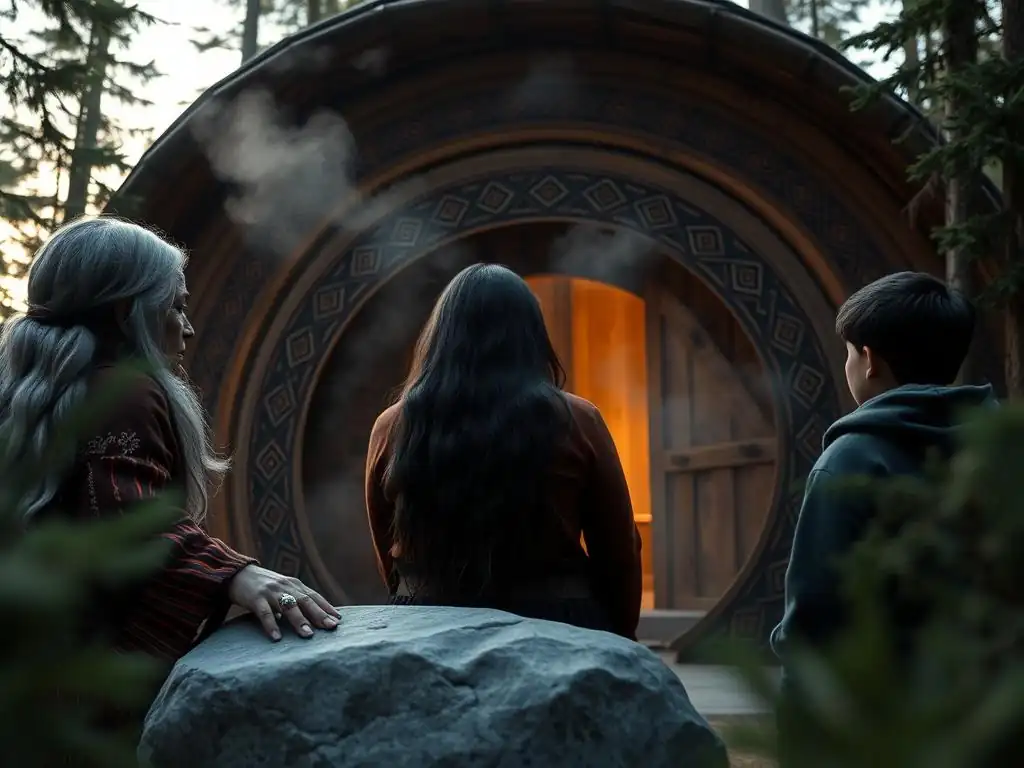
The Role of Elders and Traditional Knowledge Keepers
Elders and traditional knowledge keepers hold revered positions within Indigenous communities as custodians of cultural wisdom, history, language, and spiritual teachings. They are vital sources of guidance, support, and healing. In the context of mental health, elders often serve as informal counselors, mentors, and spiritual guides. They share traditional stories, offer teachings on living a balanced life, and facilitate healing ceremonies. Their presence and wisdom provide continuity with the past and reinforce cultural identity, which is crucial for mental well-being.
Access to elders and knowledge keepers is a key component of Indigenous spiritual mental health support. They can help individuals understand their experiences through a cultural lens, providing context for trauma and offering traditional pathways to healing. Their guidance is often sought for navigating difficult life transitions, resolving conflicts, and addressing spiritual imbalances believed to contribute to distress. Recognizing and supporting the role of elders is fundamental to culturally safe and effective mental health initiatives in Indigenous communities.
Sacred Ceremonies and Rituals: Fostering Connection and Wellbeing
Sacred ceremonies and rituals are central to Indigenous spiritual practices and play a significant role in fostering mental and emotional wellbeing. These practices, which vary widely among different nations (e.g., Sundance, sweat lodge, potlatch, healing circles), provide structured ways for individuals and communities to connect with the spiritual realm, honor traditions, process emotions, and seek healing. Ceremonies often involve prayer, song, dance, drumming, and the use of sacred items, creating a powerful collective experience.
Participation in these ceremonies promotes a sense of belonging, reinforces social bonds, and provides a space for communal healing. They can help individuals release emotional pain, purify the spirit, and restore balance. For example, healing circles provide a safe space for sharing experiences and receiving support from the community, guided by traditional protocols. These practices are not merely historical relics but living traditions that offer profound Indigenous spiritual mental health support, addressing trauma and promoting resilience in contemporary contexts.
Storytelling and Oral Traditions: Preserving Culture and Promoting Healing
Storytelling and oral traditions are fundamental to preserving Indigenous cultures, transmitting knowledge across generations, and promoting healing. Traditional stories, myths, legends, and personal narratives carry the history, values, laws, and spiritual teachings of a people. They provide moral guidance, explain the world, and offer lessons on how to live in balance and harmony. Listening to and sharing stories connects individuals to their ancestors, their community, and their cultural identity, which are vital components of mental wellness.
In a therapeutic context, storytelling can be a powerful tool for processing trauma and promoting emotional healing. Sharing personal stories within safe, culturally appropriate settings, often guided by elders, allows individuals to articulate their experiences, reduce feelings of isolation, and find validation. Traditional narratives often contain archetypes and lessons about overcoming adversity, providing hope and inspiration. Integrating storytelling into Indigenous spiritual mental health support strategies honors traditional ways of knowing and facilitates healing through cultural connection.
Integrating Spirituality into Modern Mental Health Care for Indigenous Peoples
Bridging the Gap: Western Mental Health and Indigenous Healing Practices
Historically, Western mental health care has often failed to adequately serve Indigenous populations due to a lack of cultural understanding and sensitivity, and a disregard for traditional healing practices. Bridging the gap between Western therapeutic approaches and Indigenous healing traditions is crucial for developing effective and culturally safe mental health services. This involves recognizing the validity and efficacy of Indigenous spiritual practices and integrating them respectfully alongside evidence-based Western therapies.
Integration does not necessarily mean replacing one system with the other, but rather finding ways for them to complement each other. For example, a treatment plan might include counseling sessions informed by trauma-informed care principles, alongside participation in healing ceremonies or sessions with traditional healers. This approach acknowledges that mental distress in Indigenous communities is often multifaceted, requiring interventions that address psychological, emotional, social, and spiritual dimensions. Successful models of Indigenous spiritual mental health support often involve collaboration between clinical professionals and traditional practitioners.
Culturally Safe Mental Health Services: Meeting the Needs of Indigenous Communities
Culturally safe mental health services are essential for building trust and ensuring that Indigenous individuals feel respected and understood when seeking help. Cultural safety goes beyond cultural sensitivity or awareness; it focuses on creating an environment where individuals feel safe to express their cultural identity without fear of judgment or discrimination. For Indigenous peoples, this means services that acknowledge the historical context of trauma, respect cultural protocols, and are delivered by practitioners who are culturally competent or willing to work alongside cultural experts.
Key elements of culturally safe services include involving Indigenous community members in the design and delivery of programs, providing access to traditional healers and ceremonies, offering services in accessible locations within or near communities, and ensuring staff receive training on Indigenous history, culture, and the impacts of trauma. Services that incorporate Indigenous spiritual mental health support are inherently more likely to be perceived as culturally safe and therefore more effective in meeting the specific needs of Indigenous peoples.
The Importance of Collaboration: Mental Health Professionals and Indigenous Leaders
Effective mental health support for Indigenous communities requires genuine collaboration between Western-trained mental health professionals and Indigenous leaders, elders, and traditional healers. This partnership ensures that services are not only clinically sound but also culturally relevant and acceptable to the community. Collaboration involves mutual respect, shared decision-making, and a willingness to learn from each other's knowledge systems.
Mental health professionals can bring expertise in diagnosing conditions and implementing evidence-based therapeutic techniques, while Indigenous leaders and healers provide invaluable knowledge of cultural context, traditional healing practices, and community needs. Collaborative models have proven successful in developing programs that integrate talking circles, traditional counseling, spiritual ceremonies, and land-based healing with conventional therapy and support services. This collaborative approach is fundamental to developing and sustaining effective Indigenous spiritual mental health support systems.
Suicide Prevention in Indigenous Communities: A Spiritual Perspective
Addressing the Root Causes: Loss of Culture, Identity, and Hope
Suicide rates among Indigenous peoples in many countries are alarmingly high, particularly among youth. Addressing this crisis requires understanding and tackling its root causes, which are deeply intertwined with the loss of culture, erosion of identity, and feelings of hopelessness resulting from historical trauma, discrimination, and ongoing social inequities. When individuals and communities are disconnected from their cultural heritage and spiritual practices, they lose protective factors that historically provided resilience and meaning.
The feeling of being caught between worlds, not fully belonging to either traditional or mainstream society, can lead to profound distress and identity confusion, especially for young people. Poverty, lack of opportunity, and systemic racism further exacerbate these feelings, contributing to a sense of despair. Effective suicide prevention strategies must go beyond crisis intervention to address these underlying issues by supporting cultural revitalization, strengthening identity, fostering a sense of belonging, and restoring hope through Indigenous spiritual mental health support.
Spiritual Practices for Building Resilience and Hope
Spiritual practices are powerful tools for building resilience and fostering hope in Indigenous communities facing high rates of suicide. Connecting with traditional ceremonies, engaging in prayer or meditation, spending time on the land, and learning ancestral teachings provide individuals with a sense of purpose, strength, and connection to something larger than themselves. These practices offer coping strategies for dealing with pain and adversity, rooted in cultural wisdom passed down through generations.
For example, participation in healing camps or land-based programs that integrate spiritual teachings and practices can provide a sense of peace, belonging, and connection to the earth and ancestors. These experiences can help individuals process trauma, build self-esteem, and cultivate a positive cultural identity, all of which are protective factors against suicidal ideation. Promoting access to and participation in these traditional spiritual practices is a critical component of Indigenous spiritual mental health support and suicide prevention efforts.
Community-Based Programs: Empowering Indigenous Youth
Community-based programs that are designed and led by Indigenous people are essential for empowering youth and preventing suicide. These programs often focus on cultural revitalization, skill-building, mentorship, and creating safe spaces for young people to connect with their peers and elders. By grounding activities in cultural values and spiritual teachings, these initiatives help youth develop a strong sense of identity and belonging, countering the feelings of isolation and hopelessness that can contribute to suicidal risk.
Examples include youth culture camps where participants learn traditional crafts, languages, and survival skills alongside spiritual teachings; mentorship programs connecting youth with elders and positive role models; and community-led initiatives that use traditional arts, drumming, or storytelling as therapeutic tools. These programs provide valuable Indigenous spiritual mental health support by strengthening cultural identity, building resilience, and fostering a supportive community network, directly addressing risk factors for suicide among young people.
Case Studies: Examples of Successful Indigenous Spiritual Mental Health Initiatives
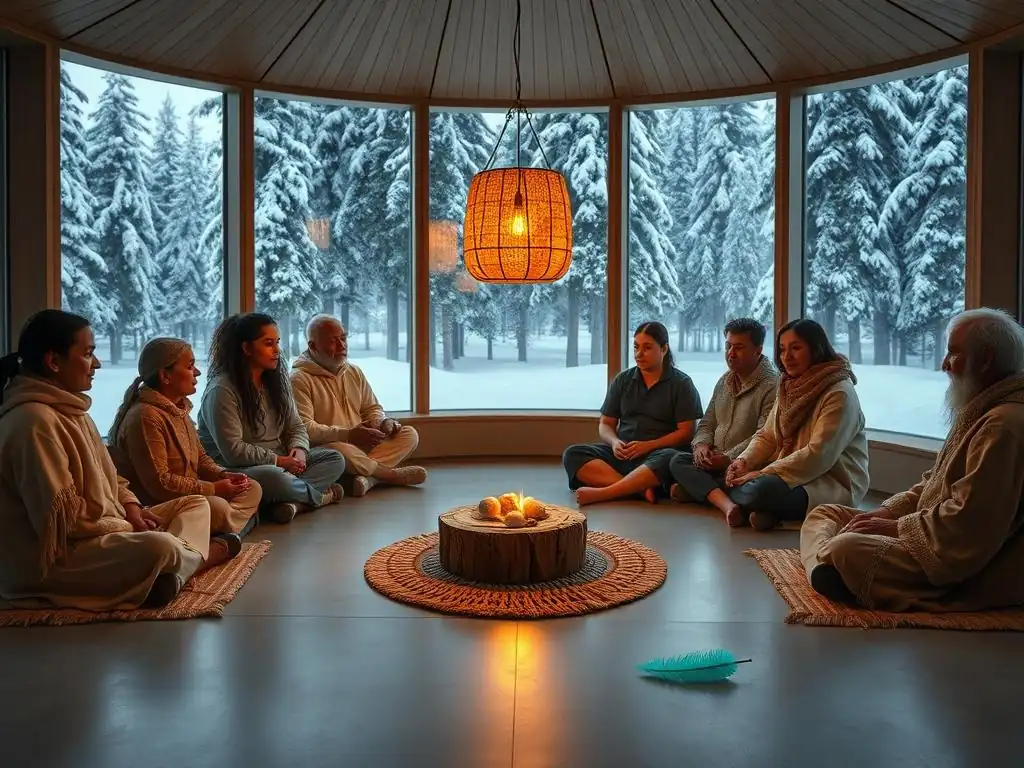
Restoring Balance: A First Nations Program Integrating Traditional Healing and Western Therapy
Many First Nations communities in Canada have developed programs that successfully integrate traditional healing practices with Western therapeutic approaches. One type of successful model involves community-based wellness centers that employ both registered clinical counselors and traditional healers or elders. Clients have the option to engage in individual or group therapy sessions, participate in healing circles, attend ceremonies like sweat lodges, or receive guidance from elders.
These programs prioritize client choice and cultural safety, allowing individuals to access the forms of support that resonate most deeply with them. The integration helps bridge the gap between different worldviews on health and healing, providing a comprehensive approach to mental wellness that respects both traditional wisdom and modern clinical knowledge. Such integrated models exemplify effective Indigenous spiritual mental health support.
Wounded Knee: Lakota Spirituality and Trauma Recovery
Following the events at Wounded Knee and the ongoing historical trauma experienced by the Lakota people, spiritual practices have played a crucial role in healing and recovery. Traditional Lakota ceremonies, such as the Yuwipi ceremony or participation in the Sundance, have been utilized as powerful means of spiritual and emotional healing. These practices help individuals connect with the spiritual realm, process grief and trauma, and reinforce cultural identity and collective resilience.
Community-led initiatives focusing on cultural revitalization, language preservation, and traditional arts have also contributed significantly to trauma recovery. These efforts provide a sense of continuity and strength, counteracting the historical attempts to erase Lakota culture. The reliance on traditional spirituality underscores its vital role as a source of strength and Indigenous spiritual mental health support in the face of profound historical adversity.
Inuit Youth Empowerment: Cultural Arts and Mental Wellness
Inuit communities in the Arctic have implemented youth empowerment programs that leverage traditional cultural arts and activities to promote mental wellness and prevent suicide. Activities such as traditional drumming, throat singing, carving, sewing, and land-based activities like hunting and camping are integrated into programs designed to engage youth, teach cultural skills, and provide mentorship.
These initiatives provide safe and supportive spaces for youth to express themselves, connect with their heritage, and build relationships with elders and peers. The focus on cultural continuity and positive identity formation through traditional activities serves as a powerful form of Indigenous spiritual mental health support, helping youth navigate the unique challenges they face and strengthening their resilience.
Resources for Indigenous Spiritual Mental Health Support
National Native American Boarding School Healing Coalition
Organizations like the National Native American Boarding School Healing Coalition (NABS) are dedicated to addressing the historical trauma caused by the U.S. Indian boarding school system. While not solely focused on spiritual support, their work in documenting the truth, advocating for justice, and supporting healing initiatives inherently acknowledges the deep spiritual wounds inflicted by these institutions. They serve as a valuable resource for understanding the context of trauma and finding pathways to healing, often pointing towards culturally relevant approaches.
Indian Health Service (IHS) Mental Health Programs
The Indian Health Service (IHS) provides health care to federally recognized tribes and Alaska Natives. Within their services, there are mental health programs that are increasingly incorporating culturally sensitive approaches and, in some cases, integrating traditional healing practices. While access and services vary, IHS represents a formal healthcare pathway that is working towards providing more culturally relevant care, including elements of Indigenous spiritual mental health support within a clinical framework.
Native Wellness Institute
The Native Wellness Institute is a national non-profit organization dedicated to the health and well-being of Native people. They offer training, workshops, and programs focused on cultural healing, trauma recovery, and promoting positive mental health using Native cultural values and practices. Their approach is rooted in traditional wisdom and aims to empower individuals and communities to heal and thrive through culturally grounded methods, making them a key resource for Indigenous spiritual mental health support.
The Future of Indigenous Mental Health: Embracing Spirituality as a Foundation for Wellbeing
Promoting Indigenous Knowledge and Practices
The future of Indigenous mental health care lies in fully recognizing and promoting Indigenous knowledge systems and healing practices as foundational elements of wellness. This involves supporting the revitalization of languages, ceremonies, and traditional ways of life that were suppressed for generations. It requires investing in community-led initiatives that utilize traditional methods for healing trauma, building resilience, and fostering mental well-being. Promoting Indigenous knowledge means empowering communities to define their own health priorities and develop their own solutions, rooted in their unique cultural and spiritual traditions.
This promotion must extend into research and policy, ensuring that traditional knowledge is respected and integrated into broader health strategies. For example, funding for mental health programs should prioritize those developed by and for Indigenous communities that incorporate spiritual and cultural components. This shift acknowledges that effective Indigenous spiritual mental health support is not an add-on but a core component of comprehensive care.
Advocating for Culturally Competent Mental Health Care
Advocating for culturally competent mental health care is crucial to ensure that Indigenous individuals receive appropriate and respectful support. This involves training non-Indigenous mental health professionals on the history, culture, and unique challenges faced by Indigenous peoples, including the impacts of historical trauma and the role of spirituality in healing. It also means increasing the number of Indigenous mental health professionals who can provide care from within a shared cultural understanding.
Culturally competent care respects Indigenous worldviews, integrates traditional healing practices when appropriate and desired by the client, and recognizes the importance of family and community in the healing process. Advocacy efforts must push for systemic changes within healthcare institutions to prioritize cultural safety and allocate resources towards services that provide effective Indigenous spiritual mental health support.
Fostering a Stronger Sense of Identity and Belonging
Ultimately, fostering a stronger sense of identity and belonging is paramount for improving Indigenous mental health and preventing suicide. This involves supporting cultural revitalization efforts, creating safe and inclusive spaces for Indigenous youth and adults, and addressing the systemic factors that contribute to marginalization and discrimination. When individuals feel proud of their heritage, connected to their community, and rooted in their spiritual traditions, they are better equipped to face challenges and maintain their well-being.
Indigenous spiritual mental health support, grounded in cultural practices and community connection, is key to building this strong sense of identity and belonging. By reclaiming and celebrating their spiritual heritage, Indigenous peoples are not only healing from the past but also building a resilient and hopeful future for themselves and future generations, laying a strong foundation for comprehensive mental wellness.
Frequently Asked Questions
What is Indigenous spiritual mental health support, and why is it important?
Indigenous spiritual mental health support recognizes the interconnectedness of spiritual, emotional, physical, and mental well-being within Indigenous cultures. It's important because it offers culturally relevant and holistic healing approaches.
How does spirituality contribute to mental health prevention within Indigenous communities?
Spirituality provides a sense of purpose, belonging, and connection to community and ancestors, acting as a protective factor against mental health challenges. It helps strengthen cultural identity and resilience.
What are some examples of traditional healing practices used in Indigenous spiritual mental health support?
Examples include ceremonies, storytelling, traditional medicines, and connection to the land. These practices aim to restore balance and harmony within the individual and their community.
Where can Indigenous individuals find culturally appropriate mental health resources that incorporate spirituality?
Look for Indigenous-led organizations, tribal health centers, and mental health professionals who are knowledgeable and respectful of Indigenous cultures and spiritual practices. Mind Care Guide also offers resources.
How can non-Indigenous individuals support Indigenous spiritual mental health and well-being?
By respecting Indigenous cultures, advocating for equitable access to resources, and supporting Indigenous-led initiatives. It's vital to listen and learn from Indigenous voices and experiences.
Final Reflection: Reclaiming the Sacred for Healing
The revitalization of Indigenous spiritual practices is not merely a cultural preservation effort; it is a critical component of addressing the devastating mental health crisis facing Indigenous communities today. The interconnectedness of spiritual well-being, cultural identity, and mental health is undeniable, and ignoring this crucial link perpetuates a cycle of suffering. We must actively support and empower Indigenous-led initiatives that prioritize spiritual healing as a fundamental pathway to wellness.
The enduring strength and resilience of Indigenous cultures, despite centuries of oppression, are a testament to the power of spiritual connection. These traditions offer profound wisdom and practical tools for navigating the complexities of modern life while maintaining a deep sense of self and belonging. As one Indigenous elder wisely stated, Our spirituality is not separate from our lives; it is the very breath that sustains us.
This understanding underscores the urgent need to decolonize mental health services and integrate culturally appropriate, spiritually-grounded approaches into care. The healing process must be led by Indigenous communities themselves, respecting their unique knowledge systems and practices.
You, the reader, are now invited to consider the profound implications of this discussion. How can you, in your own sphere of influence, contribute to the revitalization of Indigenous spiritual practices and the support of Indigenous mental health initiatives? Perhaps it's through education, advocacy, or simply amplifying the voices and experiences of Indigenous communities. Let us all commit to fostering a future where Indigenous spiritual well-being is not only respected but actively championed as a vital pathway to healing and wholeness.
Ignite Your Inner Strength: Practical Steps to Holistic Wellbeing
Thanks for taking the time to explore the powerful connection between spirituality and Indigenous mental health. We hope you gained valuable insights into fostering resilience and healing. Now it's time to put that knowledge into action!
- Prioritize a mindful practice: Dedicate just 5 minutes each day to meditation, prayer, or connecting with nature. This small step can make a significant difference in your overall wellbeing.
- Share your insights: Discuss this article with a friend or family member. Sharing these important concepts can broaden understanding and create supportive conversations.
- Explore Indigenous traditions: Research local Indigenous cultural practices and events in your area. Learn more about their connection to spirituality and holistic well-being.
Ready to embark on a journey towards deeper self-understanding and greater resilience? What small step will you take today to nurture your spiritual well-being?