
Helping Children Grieve: Supporting Young Minds Through Suicide Bereavement

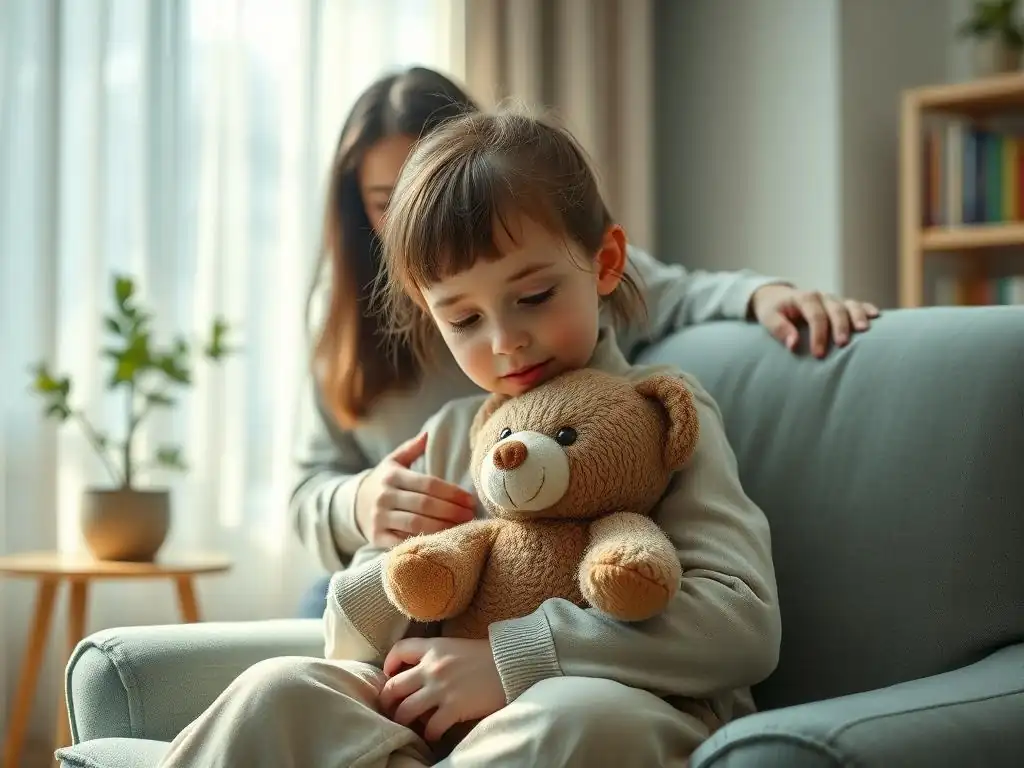
Welcome to Mind Care Guide, a safe space dedicated to understanding and nurturing mental well-being.
Losing someone to suicide is an unimaginable pain, especially for a child. This is why we've created this resource on Supporting Child Suicide Bereavement Grief. If you're navigating this difficult journey, know that you're not alone. We aim to offer compassionate guidance and practical tools to help young minds heal. Are you ready to learn how to provide the support they need?
Helping Children Grieve: Supporting Young Minds Through Suicide Bereavement
Navigating the aftermath of a suicide is profoundly challenging for anyone, but it presents unique complexities when children are involved. Supporting child suicide bereavement grief requires immense sensitivity, understanding, and patience. Children process loss differently than adults, and the specific nature of suicide adds layers of confusion, stigma, and unanswered questions. This guide aims to provide insights and practical strategies for adults seeking to help young minds cope with this difficult experience, focusing on compassionate support and effective communication.
The goal is to help children navigate their feelings, understand what happened in an age-appropriate way, and ultimately integrate the loss into their lives while fostering healthy coping mechanisms. Supporting child suicide bereavement grief is a long-term process, not a single event, and requires consistent, empathetic presence from caring adults.
- Understanding Child Suicide Loss: A Guide for Grief and Healing
-
Supporting Child Suicide Bereavement Grief: Practical Strategies
- Creating a Safe and Supportive Environment for Grieving Children
- Talking to Children About Suicide: Age-Appropriate Language and Explanations
- Validating Children's Feelings: Acknowledging and Accepting Their Grief
- Helping Children Express Their Grief: Creative Outlets and Activities
- Addressing Guilt and Blame: Common Feelings After Suicide Loss in Children
- Age-Specific Considerations for Child Suicide Bereavement
- The Role of Adults in Supporting Child Suicide Grief
- Navigating the Long-Term Effects of Child Suicide Bereavement
- Resources for Child Suicide Bereavement Support
-
Frequently Asked Questions
- How can I explain suicide to a child who is grieving?
- What are some common grief reactions in children after a suicide loss?
- How can I create a supportive environment for a grieving child?
- What resources are available to help children cope with suicide bereavement grief?
- How can I take care of myself while supporting a grieving child?
- Final Reflection: The Enduring Legacy of Childhood Loss
- Unveil Your Child's Strength: A Journey Through Grief
Understanding Child Suicide Loss: A Guide for Grief and Healing
Suicide loss is distinct from other forms of death, carrying a unique set of emotional and psychological burdens. For children, these burdens can be particularly heavy, impacting their sense of safety, trust, and understanding of the world. Recognizing these differences is the first step in effectively supporting child suicide bereavement grief. It's not just about mourning a death; it's about grappling with a death that is often shrouded in silence, shame, or misunderstanding.
Understanding the specific challenges children face helps adults tailor their support. It allows for more empathetic responses to seemingly unusual behaviors and provides a framework for open, honest communication. Effective supporting child suicide bereavement grief acknowledges the full spectrum of emotions and questions that arise.
The Unique Challenges of Suicide Bereavement in Children
Children grappling with suicide bereavement often face a complex mix of emotions, including confusion, anger, guilt, and abandonment, alongside the typical sadness of grief. Unlike deaths from illness or old age, suicide can lead to feelings of betrayal or questions about why the person chose to leave them. The stigma surrounding suicide can also make it difficult for children to talk about their loss openly, even with friends or family, hindering their healing process.
Furthermore, children may struggle to understand the concept of mental illness, which often plays a role in suicide. Explaining that the person was in immense pain and not thinking clearly can be challenging but crucial. A 2018 study published in the Journal of Affective Disorders noted that children bereaved by suicide are at a higher risk for prolonged grief, depression, and anxiety compared to those bereaved by other causes, highlighting the critical need for specialized support when supporting child suicide bereavement grief.
Recognizing Grief in Children After Suicide: Common Reactions and Behaviors
Grief in children after a suicide can manifest in various ways, often differing significantly from adult grief. Younger children might exhibit behavioral changes like increased clinginess, regression (e.g., bedwetting), or difficulty sleeping. They might also express their grief through play, repeatedly acting out scenarios related to the death. Older children and teenagers may show signs such as withdrawal from social activities, academic decline, irritability, or physical complaints like headaches or stomach aches.
It is also common for children to not display outward signs of sadness consistently. They might seem fine one moment and deeply distressed the next. Some children may try to be the "strong one" for surviving family members, suppressing their own feelings. Recognizing these varied reactions is key to providing appropriate support for supporting child suicide bereavement grief. For instance, a sudden drop in grades for a previously high-achieving middle schooler could be a silent cry for help following a suicide loss.
How Suicide Bereavement Differs From Other Types of Loss for Children
Suicide bereavement carries unique burdens that set it apart from other types of loss for children. The deliberate nature of the death often introduces questions of "why" that are difficult, if not impossible, to fully answer, leaving children with a profound sense of confusion and sometimes, responsibility. There's also the element of social stigma; while people readily offer condolences for deaths due to illness, suicide can evoke discomfort or silence, making it harder for grieving children to receive open support.
Unlike accidental deaths or deaths from natural causes, suicide often involves a complex narrative of mental health struggles, which children may not understand. This lack of understanding can lead to feelings of fear or worry about their own mental health or that of other family members. Supporting child suicide bereavement grief requires addressing these specific elements – the "why," the stigma, and the mental health context – with sensitivity and honesty, differentiating it from the simpler grief process associated with other forms of loss.
Supporting Child Suicide Bereavement Grief: Practical Strategies
Effectively supporting child suicide bereavement grief involves creating a stable, understanding environment where children feel safe to express themselves and process their complex emotions. It requires patience, clear communication, and a willingness to navigate uncomfortable topics. Practical strategies focus on providing comfort, validation, and healthy coping tools.
These strategies are not one-size-fits-all and must be adapted to the child's age, personality, and relationship with the deceased. The core principle remains: be present, be honest, and be supportive throughout their grief journey. Supporting child suicide bereavement grief is an ongoing commitment.
Creating a Safe and Supportive Environment for Grieving Children
Establishing a safe and predictable environment is paramount for children coping with suicide loss. Maintain routines as much as possible, as consistency provides a sense of stability in a world that feels chaotic. Ensure the child knows they are loved and safe, reinforcing that the suicide was not their fault. This might involve spending extra quality time with them, offering physical comfort like hugs, and ensuring their basic needs are met with care.
Creating a safe space also means allowing them to feel their emotions without judgment. Let them cry, be angry, or express confusion. Avoid minimizing their feelings or telling them how they "should" feel. A 2019 report by the National Alliance for Grieving Children emphasizes the importance of providing a stable home environment and predictable routines as foundational elements in supporting child suicide bereavement grief. This stability acts as an anchor during a turbulent time.
Talking to Children About Suicide: Age-Appropriate Language and Explanations
Open and honest communication, using age-appropriate language, is crucial when discussing suicide with children. Avoid euphemisms like "passed away" without also using the word "died," as this can be confusing. For young children (ages 3-5), simple, concrete explanations are best, focusing on the fact that the person's body stopped working and they won't be coming back. For older children (ages 6-12), you can introduce the concept of intense emotional pain or a "sickness in the mind" that made the person unable to see another way out, emphasizing it wasn't the child's fault.
Teenagers can handle more complex explanations, including discussions about mental health struggles. Be prepared for difficult questions and answer them truthfully, even if it's hard. It's okay to say you don't know the answer to some questions. The Dougy Center, a national grief center, strongly advocates for using the word "suicide" to reduce confusion and stigma, while tailoring the level of detail to the child's developmental stage when supporting child suicide bereavement grief.
Validating Children's Feelings: Acknowledging and Accepting Their Grief
Validating a child's feelings means acknowledging that whatever they are feeling is okay and understandable given the circumstances. If a child expresses anger, say "It makes sense that you're angry right now." If they feel guilty, gently reassure them it wasn't their fault and that those feelings are common after a suicide loss. Avoid trying to "fix" their feelings or telling them to "look on the bright side."
Simply listening attentively and saying things like "That sounds really hard," or "I hear you, and it's okay to feel that way," can be incredibly powerful. This acceptance helps children feel seen and understood, encouraging them to continue sharing their emotions. Validating their grief is a cornerstone of effectively supporting child suicide bereavement grief, building trust and emotional security.
Helping Children Express Their Grief: Creative Outlets and Activities

Children often express grief non-verbally. Providing creative outlets can help them process complex emotions they may not be able to articulate. Activities like drawing, painting, writing stories or poems, playing music, or engaging in physical activities can serve as healthy ways to release feelings. Some children might benefit from creating a memory box or scrapbook about the person who died.
Play therapy is particularly effective for younger children, allowing them to work through scenarios and emotions in a safe, symbolic way. For example, a child might use dolls to act out the events surrounding the death. Encouraging journaling or starting a private blog can be helpful for older children and teenagers. These activities provide structured ways of supporting child suicide bereavement grief expression.
Addressing Guilt and Blame: Common Feelings After Suicide Loss in Children
Guilt and blame are particularly prevalent and painful emotions for children after a suicide. They may believe they did something wrong or failed to do something that could have prevented the death. Phrases like "If only I hadn't argued with them" or "If only I had noticed they were sad" are common. It is essential to repeatedly and clearly reassure the child that the suicide was not their fault.
Explain that the decision to die was made by the person themselves due to their illness or pain, and that no one else is responsible. Use concrete examples if possible, such as explaining that mental illness is a powerful force that affects a person's choices. Gently correct any self-blaming statements and reinforce messages of love and support. Addressing and alleviating feelings of guilt and blame is a critical component of supporting child suicide bereavement grief.
Age-Specific Considerations for Child Suicide Bereavement
The way children understand and process death, including suicide, changes significantly with age and developmental stage. Therefore, the approach to supporting child suicide bereavement grief must be tailored accordingly. What works for a preschooler will not be effective for a teenager, and vice versa.
Understanding these age-specific needs allows adults to provide more targeted and impactful support, ensuring that the child receives the right kind of help at the right time.
Grief Support for Preschoolers After a Suicide: Play Therapy and Simple Explanations
Preschool-aged children (roughly 3-5) have a limited understanding of death. They often see it as temporary or reversible. When supporting child suicide bereavement grief in this age group, focus on concrete facts and simple, repetitive explanations. Use clear language: "Daddy's body stopped working, and he died. He won't be coming back." Avoid abstract concepts like "going to sleep forever" or "passing away."
Play therapy is an invaluable tool for this age group. Through play, children can express emotions they cannot verbalize. Providing dolls, art supplies, or building blocks in a supportive setting allows them to process their feelings and experiences symbolically. Maintaining routines and providing consistent physical comfort are also vital for helping preschoolers feel secure during this time of upheaval. A child might repeatedly bury a toy in the sandpit as a way of processing the concept of death.
Supporting Elementary School Children Through Suicide Loss: Open Communication and Emotional Validation
Elementary school children (roughly 6-12) are beginning to understand the permanence of death but may still struggle with the concept of suicide. They may ask more questions about how and why it happened. Open communication is key, providing honest answers using age-appropriate language. Explain that the person was very sick in their mind or heart and couldn't see a way to feel better, but emphasize it wasn't anyone's fault.
Emotional validation becomes increasingly important. Encourage them to talk about their feelings – sadness, anger, confusion, fear – and let them know that all these feelings are normal. Help them identify their emotions and find healthy ways to express them, such as drawing, writing, or talking. Supporting child suicide bereavement grief in this age group involves balancing factual information with emotional support and encouraging healthy expression. For instance, a teacher might notice a student drawing pictures of a sad person and gently ask about the drawing, opening a conversation.
Helping Teenagers Cope with Suicide Bereavement: Peer Support and Professional Counseling
Teenagers (roughly 13-18) have a more sophisticated understanding of death and suicide but are also navigating complex social and emotional landscapes. They may intellectualize the death, withdraw from family, or act out. They need opportunities to talk openly and honestly about what happened, including the circumstances of the suicide and their feelings about it. Peer support can be incredibly beneficial, as teenagers often feel more comfortable talking with others their age who have had similar experiences.
Professional counseling is often essential for teenagers. Therapists specializing in grief and trauma can provide a safe space for them to process their complex emotions, address potential guilt or blame, and develop healthy coping strategies. Encouraging them to maintain healthy routines, engage in activities they enjoy, and connect with supportive friends and family is also important for supporting child suicide bereavement grief in this age group. A school counselor might facilitate a small group for students who have experienced suicide loss, providing a sense of community.
The Role of Adults in Supporting Child Suicide Grief

Adults play a crucial role in supporting child suicide bereavement grief. Whether parents, caregivers, teachers, or mental health professionals, the consistent presence, understanding, and appropriate support from caring adults can significantly impact a child's healing journey.
Adults act as anchors, providing stability and guidance during a time of immense emotional upheaval. Their ability to manage their own grief while supporting the child is also a critical factor.
Parents and Caregivers: Providing Stability and Understanding During Child Suicide Loss
Parents and primary caregivers are the most important source of support for children after a suicide loss. Their priority is to provide a stable, loving, and predictable environment. This includes maintaining routines, ensuring the child's physical and emotional needs are met, and being consistently available to talk or simply be present. It is vital for parents to manage their own grief in a healthy way, as children often mirror their caregivers' emotional responses.
Being open to discussing the death, answering questions honestly, and validating the child's feelings are core responsibilities. Parents can also model healthy coping mechanisms and seek their own support, demonstrating to the child that it's okay to ask for help. Supporting child suicide bereavement grief starts at home, with parents creating a foundation of safety and trust. For example, a parent might read a book about grief with their child or establish a new family ritual in memory of the person who died.
Teachers and School Counselors: Identifying and Supporting Grieving Students
Teachers and school counselors are often among the first adults outside the family to notice changes in a child's behavior after a suicide loss. They play a vital role in identifying grieving students and providing support within the school setting. This can involve being a listening ear, offering flexibility with schoolwork, connecting the student with school counseling services, and educating peers about grief and empathy.
School counselors can provide individual or group counseling, facilitate classroom discussions about grief (if appropriate and handled sensitively), and serve as a liaison between the family and school. A school counselor might observe a student who was previously engaged becoming withdrawn and proactively reach out to offer support, initiating conversations about their feelings related to supporting child suicide bereavement grief.
Mental Health Professionals: When and How to Seek Specialized Support for Child Suicide Bereavement
While family and school support are essential, some children will require specialized mental health support to navigate suicide bereavement. It is advisable to seek professional help if a child's grief is prolonged, significantly impacts their daily functioning (e.g., persistent difficulty sleeping or eating, inability to attend school), involves symptoms of depression or anxiety, or includes suicidal ideation.
Therapists specializing in child grief, trauma, or suicide bereavement can provide tailored interventions. They can help children process the traumatic aspects of the loss, address complex emotions like guilt and blame, develop coping skills, and work towards healthy integration of the loss. Finding a therapist with experience in supporting child suicide bereavement grief is key to ensuring the child receives the most effective care. Organizations like the Association for Death Education and Counseling (ADEC) or the National Alliance for Grieving Children (NAGC) can help locate qualified professionals.
Suicide bereavement is not something a child "gets over"; it's something they learn to live with. The process of integrating the loss into their lives is long-term and may involve navigating complex emotions and challenges that resurface at different developmental stages or milestones. Supporting child suicide bereavement grief involves understanding and preparing for these potential long-term effects.
Resilience building and maintaining connections to the deceased in healthy ways are important aspects of long-term healing.
Understanding Complicated Grief in Children After Suicide Loss
While grief is a natural process, some children may develop complicated grief, also known as prolonged grief disorder. This occurs when the intensity of grief does not significantly decrease over time and continues to interfere with daily functioning for an extended period (typically more than 12 months for children, though assessment depends on age and context). Symptoms might include persistent yearning for the deceased, difficulty accepting the death, feeling detached from others, or a sense that life is meaningless without the person.
Children bereaved by suicide are at a higher risk for complicated grief due to the traumatic nature of the loss and associated factors like stigma or lack of support. Recognizing the signs of complicated grief is crucial for seeking professional help. A child exhibiting persistent symptoms like social withdrawal, significant academic decline, or overwhelming sadness that doesn't lift after a year may need intervention to address complicated grief, which is a distinct challenge in supporting child suicide bereavement grief.
Building Resilience and Coping Skills in Grieving Children
Building resilience is a key aspect of long-term support for children after suicide loss. Resilience is the ability to adapt well in the face of adversity. Adults can help children develop resilience by teaching them healthy coping skills, such as mindfulness, relaxation techniques, problem-solving skills, and effective communication. Encouraging physical activity, creative expression, and connection with supportive relationships also fosters resilience.
Empowering children by giving them choices and opportunities to feel competent can also enhance their ability to cope. Celebrate small victories and acknowledge their strength in navigating a difficult experience. A child who learns to identify their feelings and ask for help is building crucial coping skills that contribute to long-term resilience in supporting child suicide bereavement grief.
Maintaining Memories and Honoring the Deceased: Healthy Ways to Remember
Maintaining a healthy connection to the person who died is an important part of the grieving process. This doesn't mean dwelling on the circumstances of the suicide, but rather remembering the person's life, their positive qualities, and the happy memories shared. Encourage children to talk about their favorite memories, look at photos, or engage in activities the person enjoyed.
Creating rituals or traditions to honor the deceased can also be helpful. This might involve celebrating their birthday in a special way, visiting a meaningful place, or creating a memorial item. These activities provide a tangible way for children to keep the person's memory alive in a healthy context, integrating the loss into their lives without being consumed by the pain of the suicide itself. This is a vital element of supporting child suicide bereavement grief over the long haul.
Resources for Child Suicide Bereavement Support
Finding the right resources can make a significant difference in supporting child suicide bereavement grief. There are many organizations, books, and professionals dedicated to helping children and families navigate this specific type of loss. Utilizing these resources can provide valuable information, support networks, and specialized care.
These resources offer guidance, connection with others who understand, and access to therapeutic interventions tailored to the unique needs of children grieving a suicide loss.
Books and Websites for Children and Families Coping with Suicide Loss
There are numerous age-appropriate books available that can help children understand and process grief after a suicide. Books like "A Safe Place for Caleb" or "After a Suicide: A Workbook for Kids" offer stories and activities designed to facilitate discussion and emotional expression. Websites from reputable organizations often provide helpful articles, guides, and downloadable resources for parents and caregivers on supporting child suicide bereavement grief.
Examples include resources from the National Alliance for Grieving Children (NAGC), The Dougy Center, and the American Foundation for Suicide Prevention (AFSP). These platforms offer practical advice, information on grief reactions, and tools for communicating with children about suicide.
Support Groups and Organizations Offering Child Suicide Bereavement Services
Connecting with others who have experienced similar losses can provide immense comfort and validation. Support groups specifically for children and families bereaved by suicide offer a safe space to share experiences, learn coping strategies, and feel less alone. Organizations like The Dougy Center have local centers that run peer support groups for children and teens.
National organizations like the American Foundation for Suicide Prevention (AFSP) and the Suicide Prevention Resource Center (SPRC) also provide resources, support group listings, and information specifically related to supporting child suicide bereavement grief and suicide loss in families. These groups can be invaluable for both children and the adults caring for them.
Finding a Therapist or Counselor Specializing in Child Grief After Suicide
For specialized support, finding a mental health professional with experience in child grief, trauma, or suicide bereavement is highly recommended. These therapists are equipped to handle the complex emotional and psychological issues that can arise after a suicide loss. They can provide individual therapy, family therapy, and utilize therapeutic approaches like Trauma-Focused Cognitive Behavioral Therapy (TF-CBT) if needed.
Your pediatrician, school counselor, or local mental health agencies can often provide referrals. Professional organizations focused on grief and death education, such as the Association for Death Education and Counseling (ADEC), can also help locate qualified practitioners specializing in supporting child suicide bereavement grief. Seeking professional help is a sign of strength and a crucial step in ensuring a child receives the tailored support they need to heal.
Frequently Asked Questions
How can I explain suicide to a child who is grieving?
It’s important to be honest and use age-appropriate language. Explain that the person was very sick in their mind and that they died, but it wasn't their fault. Avoid graphic details.
What are some common grief reactions in children after a suicide loss?
Children may experience a range of emotions, including sadness, anger, confusion, and guilt. They might also show changes in behavior, such as clinginess, withdrawal, or acting out.
How can I create a supportive environment for a grieving child?
Offer unconditional love and support and create a safe space for them to express their feelings without judgment. Be patient and understanding, and validate their emotions.
What resources are available to help children cope with suicide bereavement grief?
There are several organizations that offer specialized support for children, including grief counseling, support groups, and online resources. Look for child-specific bereavement programs in your area.
How can I take care of myself while supporting a grieving child?
It's crucial to prioritize your own well-being by seeking support from friends, family, or a therapist. Remember that you can't effectively help others if you're not taking care of yourself. Self-care is essential.
Final Reflection: The Enduring Legacy of Childhood Loss
The devastating impact of suicide on children is a crisis often overlooked, yet its consequences ripple through families and communities for generations. Understanding and addressing the unique grief experienced by children who lose loved ones to suicide is not merely a matter of compassion; it's a vital step towards building a more resilient and supportive society.
The profound silence surrounding child suicide bereavement is perhaps the most heartbreaking aspect. Children often lack the vocabulary and support systems to adequately process their grief, leaving them feeling isolated and misunderstood. Grief is a journey, not a destination.
This simple truth holds particular weight for children, who navigate the complexities of loss with limited life experience and coping mechanisms. The ongoing need for open conversations, accessible resources, and empathetic support underscores the urgency of this issue. We must actively create spaces where children feel safe to grieve, to express their emotions, and to know they are not alone.
You, the reader, now hold the power to make a difference. Consider how you can contribute to a more supportive environment for grieving children. Perhaps it's by educating yourself on the signs of childhood grief, reaching out to a child in need, or advocating for improved resources in your community. Remember, even a small act of kindness can have a profound impact on a child navigating the unimaginable pain of losing a loved one to suicide. Let's work together to ensure that no child carries the burden of this grief alone.
Unveil Your Child's Strength: A Journey Through Grief
Thanks for taking the time to learn about supporting children grieving the loss of a loved one by suicide. You've gained valuable insights into this challenging journey, and now it's time to put that knowledge into action.
Here’s how you can make a real difference:
- Prioritize open and honest communication: Create a safe space for your child to express their feelings without judgment. This is the most crucial step in helping them navigate their grief.
- Seek professional support: Consider connecting with a grief counselor or support group specializing in childhood bereavement. They can provide tailored guidance and a sense of community.
- Share this knowledge: Forward this article to another parent or caregiver who might benefit from the information. You can make a powerful impact by spreading awareness and support.
What small act of love and support will you offer your child today to help them on their healing journey?