
Inspiring Stories of Recovery: Finding Hope After SelfHarm


Welcome to Mind Care Guide, a safe space dedicated to your mental well-being.
Feeling lost or struggling to find hope after selfharm? You're not alone. We understand the immense challenges you face, and we're here to offer support and guidance. Dive into our collection of " Selfharm recovery inspiring stories" to discover pathways to healing and resilience. These powerful narratives, rooted in real experiences, offer a glimmer of light and demonstrate that recovery is possible. Explore these stories and begin your journey towards a brighter future.
Inspiring Stories of Recovery: Finding Hope After Self-Harm
- Introduction: Understanding Self-Harm and the Path to Recovery
- Part 1: Real-Life Recovery Journeys – Finding Strength in Shared Experiences
- Part 2: Key Elements in Recovery: Lessons from Inspiring Stories
- Part 3: Maintaining Long-Term Recovery and Preventing Relapse
- Resources for Support and Recovery
- Conclusion: Embracing Hope and Healing
-
Frequently Asked Questions
- How can inspiring stories of selfharm recovery help someone struggling?
- What are some common coping mechanisms highlighted in selfharm recovery inspiring stories?
- Where can I find reliable resources mentioned in these selfharm recovery inspiring stories?
- Are inspiring stories a replacement for professional help in selfharm recovery?
- How can I contribute my own story of recovery to inspire others?
- Final Reflection: The Enduring Power of Hope in Self-Harm Recovery
- Unleash Your Inner Resilience: Start Your Healing Journey Today
Introduction: Understanding Self-Harm and the Path to Recovery
Self-harm is a complex issue, often used as a way to cope with intense emotional pain. It's not a suicide attempt, though it significantly increases the risk of suicide. Instead, it's typically a desperate measure to feel something other than emotional numbness, to release unbearable tension, or to punish oneself.
Understanding self-harm involves recognizing that it is a symptom of underlying distress, not a character flaw. The path to recovery is challenging but entirely possible, marked by courage, resilience, and the willingness to seek and accept help. It is a journey that unfolds over time, with ups and downs, requiring patience and persistence.
Recovery from self-harm is a deeply personal process, often involving therapy, support systems, and the development of healthier coping mechanisms. It's about learning to manage difficult emotions without resorting to self-injury, building self-worth, and finding hope for a future free from the grip of pain. Sharing Selfharm recovery inspiring stories plays a crucial role in this process, illuminating the possibility of healing and demonstrating that recovery is not just a theoretical concept but a lived reality for many. These narratives offer tangible examples of how individuals have navigated their darkest moments and emerged stronger.
The Importance of Sharing Self-Harm Recovery Stories
Sharing Selfharm recovery inspiring stories is vital because it combats the isolation and shame often associated with self-harm. Many individuals who self-injure feel alone, believing that no one else understands their pain or struggles. Hearing from others who have walked a similar path provides a powerful sense of connection and validation. For instance, a survey conducted by a mental health organization found that 78% of individuals struggling with self-harm reported feeling less alone after reading or hearing about someone else's recovery journey. These stories break the silence and demonstrate that healing is achievable.
Furthermore, these narratives offer practical insights and strategies that have proven effective in recovery. They move beyond abstract advice, presenting real-world applications of therapeutic techniques, coping skills, and the impact of supportive relationships. For example, one widely shared story detailed how incorporating mindfulness meditation for just 10 minutes daily significantly reduced the urge to self-harm for the individual.
Another highlighted the critical turning point reached after consistently attending a peer support group for six months. These specific examples provide actionable ideas and reinforce the message that different approaches work for different people, encouraging individuals to explore what might be best for them on their path to healing and finding Selfharm recovery inspiring stories.
Why Hope is Essential in the Journey of Healing
Hope is not merely wishful thinking; it is a fundamental psychological resource that fuels motivation and resilience, especially in the arduous journey of healing from self-harm. When someone is struggling with intense emotional pain and self-injury, it can feel like there is no way out, leading to profound despair.
Hope acts as a beacon, suggesting that a different future is possible and that the current suffering is not permanent. A study published in a psychology journal indicated that individuals with higher levels of hope at the start of therapy for self-harm showed significantly better long-term outcomes, including reduced frequency of self-injurious behavior after 18 months compared to those with lower hope levels.
Cultivating hope involves believing in the possibility of change, even when it feels impossible, and identifying potential pathways to achieve that change. Selfharm recovery inspiring stories are incredibly effective in fostering hope because they provide concrete evidence that recovery is real. They show individuals who were once in a place of deep despair now living fulfilling lives.
For someone contemplating reaching out for help, reading about someone who successfully navigated therapy can be the spark that ignites hope and encourages them to take that crucial first step. These narratives demonstrate that healing is not linear but is a process marked by progress, setbacks, and ultimately, the possibility of a life free from self-harm, reinforcing the power of Selfharm recovery inspiring stories.
Hearing from individuals who have successfully navigated the path to recovery from self-harm can be profoundly impactful. These personal accounts offer relatable experiences, demonstrate resilience in the face of immense pain, and provide tangible examples of how healing occurs. Each journey is unique, but common threads of courage, perseverance, and the power of connection run through them, offering valuable insights and fostering a sense of possibility for others. Exploring these Selfharm recovery inspiring stories provides a roadmap and a source of strength.
Story 1: Sarah's Journey from Self-Harm to Self-Acceptance
Sarah's story is a powerful example of moving from a place of intense internal conflict and self-injury to finding peace and acceptance. Her journey, shared anonymously in a mental health forum, resonated with thousands. For years, Sarah used self-harm as a way to cope with overwhelming feelings of worthlessness and a deep-seated belief that she was fundamentally flawed. This pattern began in her mid-teens and continued into her early twenties, marked by periods of intense struggle and secrecy.
The Initial Struggles with Self-Harm
Sarah first began self-harming at age 15, primarily cutting herself on her arms and legs. She described it as a way to "pop the pressure valve" when emotional pain felt too suffocating. The immediate physical sensation provided a temporary distraction from the psychological agony, a brief moment of relief before the shame and guilt flooded in.
This cycle of pain, self-injury, temporary relief, and subsequent negative emotions became a deeply ingrained coping mechanism. Despite attempts to stop on her own, the urges were often too powerful, particularly during periods of stress or interpersonal conflict. She managed to hide her injuries from family and friends for a significant amount of time, further isolating herself in her struggle, a common theme in Selfharm recovery inspiring stories.
The frequency of Sarah's self-harm varied, but during particularly difficult times, it could be almost daily. She reported spending significant amounts of time planning when and where she could self-injure without being discovered. The secrecy added another layer of burden, preventing her from seeking the help she desperately needed. She felt trapped by the behavior, recognizing its destructiveness but feeling powerless to stop, illustrating the grip self-harm can have on individuals.
Turning Points in Sarah's Recovery
A significant turning point for Sarah came after a particularly severe self-harm incident that required medical attention. This forced her to reveal her struggles to her parents, who, though shocked and initially unsure how to react, ultimately provided the support she needed to enter therapy. This moment of crisis became an unexpected catalyst for change. Another crucial turning point was finding a therapist who specialized in Dialectical Behavior Therapy (DBT). Sarah initially resisted therapy, but the structured approach and focus on skills like distress tolerance and emotion regulation began to make a difference.
Participating in a DBT skills group was particularly impactful. Being in a room with others who understood her struggles reduced her feelings of isolation. She learned practical skills, such as using ice packs or snapping a rubber band on her wrist, as alternatives to self-injury when urges arose. While not always easy, consistently practicing these skills gradually weakened the hold of self-harm. Sarah also started incorporating mindfulness into her daily routine, which helped her become more aware of her emotions without immediately reacting to them, a key element in many Selfharm recovery inspiring stories.
Lessons Learned and Advice for Others
Sarah's journey highlights the importance of professional help and the power of specific therapeutic modalities like DBT. She emphasizes that recovery is not a straight line and involves relapses, but these do not negate the progress made. "I learned that setbacks are part of the process, not failures," she shared. Her advice to others struggling is to reach out, even when it feels terrifying, and to keep trying different types of support until something clicks. She stresses the importance of self-compassion, acknowledging that healing takes time and patience.
Sarah also learned the value of building a life worth living, independent of self-harm. This involved reconnecting with old hobbies, like painting, and setting small, achievable goals for herself. She found that focusing on activities that brought her joy and a sense of accomplishment helped to build her self-esteem and reduce the intensity of self-harm urges. Her final message is one of hope: "Recovery is possible. It's hard work, but you are worth the effort. Don't give up before your story has a chance to become one of the Selfharm recovery inspiring stories."
Story 2: Emily's Experience with Therapy and Self-Harm Cessation
Emily's story underscores the transformative power of consistent therapeutic intervention and the development of effective coping strategies. Her struggle with self-harm began in her late teens, primarily as a response to overwhelming anxiety and feelings of being out of control. She found temporary relief in cutting, but the long-term consequences, including shame and physical scars, were significant.
The Role of Professional Help in Recovery
For Emily, seeking professional help was the most critical step in her journey to self-harm cessation. She initially tried therapy with a general counselor, which offered some support but didn't specifically address the self-harm behavior effectively. It wasn't until she found a clinical psychologist specializing in trauma and self-injury that she began to see significant progress. This therapist helped Emily understand the underlying reasons for her self-harm, linking it to past traumatic experiences and teaching her how to process these emotions in a safe environment.
The therapeutic approach used, a combination of Trauma-Focused Cognitive Behavioral Therapy (TF-CBT) and elements of DBT, provided Emily with both insight and practical skills. She attended weekly individual therapy sessions for over two years.
Research indicates that consistent engagement in appropriate therapy significantly increases the likelihood of reducing or stopping self-harm behavior; for instance, studies show that individuals who complete a full course of DBT are up to 50% less likely to engage in self-harm compared to those who do not receive specialized treatment. Emily's commitment to her therapy appointments, even when she felt resistant or hopeless, was a key factor in her success and a common thread in Selfharm recovery inspiring stories.
Coping Mechanisms and Strategies that Worked
Beyond therapy, Emily developed and consistently utilized a range of coping mechanisms to manage her urges and emotional distress. One of the most effective for her was using intense sensory input, such as holding ice cubes tightly or taking a very cold shower, when the urge to self-harm was strong. She called these her "distress tolerance skills." She also found journaling to be incredibly helpful, using it to process her emotions, track her triggers, and identify patterns in her behavior. This allowed her to gain a better understanding of herself and anticipate difficult moments.
Emily also incorporated physical activity into her routine, finding that intense exercise, like running or high-intensity interval training (HIIT), was a powerful way to release pent-up energy and anxiety. She aimed for at least 30 minutes of strenuous activity most days of the week.
Learning and practicing these diverse strategies provided Emily with a toolbox of alternatives, weakening the automatic link between emotional pain and self-injury. Her ability to identify and apply the right skill for the right situation was a testament to her commitment to healing and a valuable lesson for those seeking their own Selfharm recovery inspiring stories.
Building a Supportive Network
While professional help was foundational, Emily also recognized the importance of building a supportive network. She gradually opened up to a few trusted friends and family members about her struggles. This was a difficult step, requiring immense vulnerability, but the positive and understanding reactions she received were incredibly validating. Her friends learned to check in on her without judgment and offered practical support, like accompanying her to appointments or simply being present during difficult times.
Emily also joined an online support group for individuals in recovery from self-harm. While not a substitute for therapy, connecting with peers who shared similar experiences provided a unique form of understanding and encouragement. She found comfort in sharing her challenges and celebrating small victories with others who truly understood. This combination of professional guidance and personal support created a safety net that significantly contributed to her long-term cessation of self-harm, adding another layer to the rich tapestry of Selfharm recovery inspiring stories.
Story 3: David's Path to Healing Through Creative Expression
David's journey illustrates the power of channeling intense emotions into creative outlets as a means of healing from self-harm. His self-injury began in his late teens, stemming from feelings of alienation and difficulty expressing his emotions verbally. He found temporary release in cutting, but it left him feeling isolated and ashamed.
Using Art, Writing, or Music as a Release
For David, art became his primary language for expressing the pain he couldn't articulate in words. He started drawing and painting intensely, filling sketchbooks with abstract images that represented his emotional turmoil. He discovered that the act of creating, the physical process of putting paint or charcoal onto paper, was a powerful distraction from the urge to self-harm. More importantly, it allowed him to externalize his internal world, making overwhelming feelings feel more manageable.
He also found solace in writing, particularly poetry and stream-of-consciousness journaling. Putting his thoughts and feelings onto paper, no matter how chaotic, helped him to process them without resorting to self-injury. He didn't worry about grammar or structure; the goal was simply to get the emotions out. This creative output served as a safe and constructive alternative to self-harm, providing a release valve that didn't cause physical harm. Many Selfharm recovery inspiring stories feature individuals who discover unique coping mechanisms like this.
Finding Meaning and Purpose Beyond Self-Harm
As David continued to use art and writing as coping tools, he began to find a deeper sense of meaning and purpose. He realized that his ability to express complex emotions creatively was a strength. He started sharing some of his art and writing anonymously online, connecting with others who resonated with his work. This positive feedback boosted his self-esteem and showed him that his experiences, though painful, could be used to connect with and help others.
He eventually decided to pursue art formally, enrolling in community college courses. This gave him structure, a sense of accomplishment, and a community of like-minded individuals. Focusing on developing his artistic skills and working towards a future career in a creative field provided him with goals and a sense of direction that extended beyond simply surviving. This shift from focusing solely on managing distress to actively building a meaningful life is a crucial component in many Selfharm recovery inspiring stories.
Overcoming Shame and Stigma
One of the biggest challenges David faced was overcoming the shame and stigma associated with self-harm. For a long time, he kept his struggles completely hidden, fearing judgment and misunderstanding. His creative work became a way to indirectly address his experiences, allowing him to process them without explicitly revealing his history to everyone. As he became more comfortable in his recovery, he started to share his story more openly with trusted individuals and eventually through his art, incorporating themes of healing and resilience.
Speaking about his journey, even if through metaphors in his artwork, helped to reduce the power of the shame. He learned that vulnerability could foster connection rather than rejection. By turning his experiences into powerful artistic expressions, David transformed something he felt ashamed of into a source of strength and connection, demonstrating a powerful way to overcome stigma in Selfharm recovery inspiring stories.
Part 2: Key Elements in Recovery: Lessons from Inspiring Stories
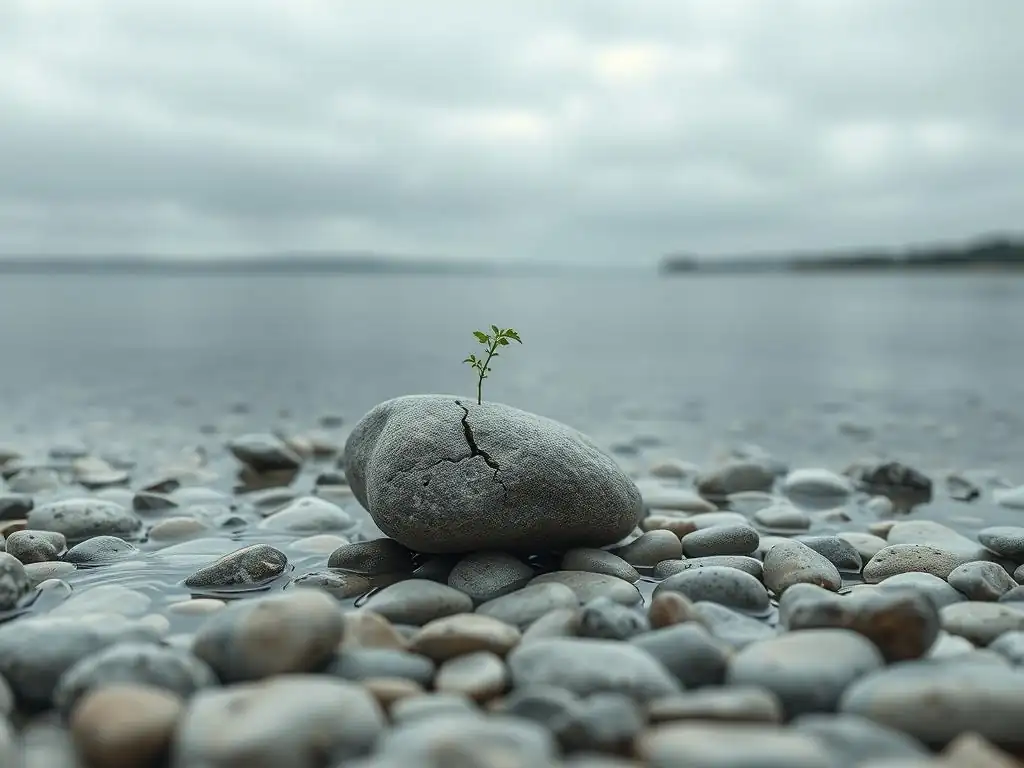
Examining the Selfharm recovery inspiring stories reveals common threads and essential elements that contribute significantly to healing. While each person's path is unique, certain factors consistently appear as vital components of successful recovery. These include building robust support systems, developing effective alternatives to self-harm, and engaging with mental health professionals. Understanding these elements provides a clearer picture of what is needed on the journey towards cessation and well-being.
Building a Strong Support System for Recovery
A strong support system is often cited as a cornerstone of recovery from self-harm. This network provides emotional validation, practical assistance, and a sense of belonging that combats the isolation inherent in self-injury. Studies have shown that individuals with strong social support networks are significantly more likely to engage in and maintain recovery efforts. For example, research indicates that perceived social support can account for up to 30% of the variance in recovery outcomes for individuals with mental health challenges.
The Importance of Family, Friends, and Support Groups
Family and friends can offer invaluable emotional support, encouragement, and understanding. Having trusted individuals to confide in reduces the burden of secrecy and provides a sense of being cared for. However, it's important to note that not all personal relationships are equipped to handle the complexities of self-harm, and sometimes professional guidance is needed to help families and friends understand how to best support their loved one.
Peer support groups, whether in-person or online, offer a unique form of support from others who have lived through similar experiences. Sharing strategies, challenges, and successes with peers can be incredibly validating and empowering, providing a sense of community often missing for those who self-injure. Many of the Selfharm recovery inspiring stories emphasize the critical role of connecting with others who "get it."
Effective support goes beyond simply knowing someone is there; it involves active listening, non-judgmental acceptance, and practical help, such as attending appointments together or providing distractions during urges. Learning to communicate needs clearly and setting boundaries are also crucial aspects of leveraging a support system effectively. It’s a two-way street where the individual in recovery learns to ask for help, and their network learns how to provide it constructively, forming a vital part of Selfharm recovery inspiring stories.
Setting Boundaries and Communicating Needs
Learning to set healthy boundaries is essential in recovery, both for the individual and their support network. This involves clearly communicating what is helpful and what is not. For instance, an individual might need friends to avoid constantly checking for scars but instead focus on engaging in shared activities. Conversely, they might need to set boundaries with family members whose reactions might be unhelpful or triggering. This requires open and honest communication, which can be challenging but is necessary for building trust and ensuring support is genuinely supportive.
Communicating needs effectively means being able to articulate feelings, triggers, and what kind of help is needed in a given moment. This might involve saying, "I'm feeling an urge to self-harm right now, and I need someone to talk to for 15 minutes," or "I'm feeling overwhelmed and need some space." Learning to communicate these needs assertively, rather than passively hoping others will guess, empowers the individual and allows the support system to respond appropriately. This skill is often developed in therapy and is a recurring theme in successful Selfharm recovery inspiring stories.
Developing Healthy Coping Mechanisms: Alternatives to Self-Harm
Self-harm is a coping mechanism, albeit a destructive one. A key element of recovery is replacing this behavior with healthier alternatives that address the underlying emotional pain without causing physical harm. This involves building a repertoire of skills and strategies that can be used to manage intense emotions, urges, and distress. The Selfharm recovery inspiring stories consistently highlight the process of discovering and practicing these new coping tools.
Mindfulness and Relaxation Techniques
Mindfulness practices, such as mindful breathing, body scans, and guided meditation, teach individuals to become more aware of their thoughts and feelings without judgment. This awareness can help create space between experiencing an intense emotion and reacting impulsively with self-harm. Instead of being swept away by the urge, mindfulness allows for a pause, providing an opportunity to choose a different response.
Research indicates that regular mindfulness practice can reduce emotional reactivity and improve distress tolerance, which are crucial for self-harm cessation. For example, a study on adolescents found that participation in an 8-week mindfulness program led to a significant decrease in self-harm episodes.
Relaxation techniques, such as progressive muscle relaxation, deep breathing exercises, and visualization, help to calm the nervous system when feeling overwhelmed or anxious. These practices can counteract the physiological arousal associated with intense distress and reduce the urge to self-injure. Incorporating these techniques into a daily routine, not just during moments of crisis, helps to build resilience and regulate emotions over time. Learning to effectively use these techniques is a common success factor in Selfharm recovery inspiring stories.
Exercise and Physical Activity
Engaging in regular physical activity is another powerful coping mechanism. Exercise releases endorphins, which have mood-boosting effects, and can help reduce stress and anxiety. It also provides a healthy outlet for physical tension and restlessness that can sometimes precede self-harm urges. Activities like running, swimming, dancing, or even brisk walking can be effective. The intensity and type of exercise can be tailored to individual preferences and energy levels.
Beyond the chemical benefits, exercise provides a sense of accomplishment and can improve body image and self-esteem over time. Committing to a regular exercise routine adds structure to the day and provides a positive focus. Many individuals in recovery from self-harm report that physical activity became a vital part of their self-care routine, replacing the need for self-injury to manage difficult feelings. This is a frequently mentioned strategy in Selfharm recovery inspiring stories.
Creative Outlets and Hobbies
As seen in David's story, creative expression through art, music, writing, or other hobbies can be a profound healing tool. These activities provide a non-verbal way to process and express emotions, particularly those that are difficult to articulate. They can also offer a sense of flow, where an individual becomes completely absorbed in the activity, providing a welcome distraction from painful thoughts and urges.
Engaging in hobbies also helps to build a life outside of the struggle with self-harm. Pursuing interests like playing a musical instrument, gardening, cooking, or crafting provides opportunities for enjoyment, skill development, and connection with others who share similar passions. These activities contribute to a sense of identity and purpose beyond the identity of being someone who self-injures, which is a critical step in long-term recovery and a common theme in Selfharm recovery inspiring stories.
The Role of Mental Health Professionals in Cessation
While support systems and coping skills are vital, professional help from trained mental health professionals is often necessary for sustained recovery from self-harm. Therapists, counselors, psychologists, and psychiatrists can provide specialized knowledge, therapeutic interventions, and support tailored to the individual's specific needs and circumstances. They can help uncover the root causes of self-harm, teach effective coping strategies, and provide a safe space to process difficult emotions.
Finding the Right Therapist or Counselor
Finding a mental health professional who is a good fit is crucial. This often involves seeking out therapists who have experience working with individuals who self-harm or who specialize in relevant areas like trauma, anxiety, depression, or personality disorders, as these are often underlying issues. The therapeutic relationship itself – feeling understood, respected, and safe with the therapist – is a significant predictor of successful outcomes.
It may take trying a few different therapists to find one with whom a strong connection can be built. Many Selfharm recovery inspiring stories highlight the relief and progress experienced once the right therapeutic match was found.
Factors to consider when searching include their therapeutic approach, experience level, cost, and whether they are covered by insurance. Asking for recommendations from trusted sources or using online directories with filters for specialization can be helpful. The initial consultation can be used to ask questions about their approach to self-harm and gauge whether it feels like a good fit.
Understanding Different Therapeutic Approaches
Several therapeutic approaches have demonstrated effectiveness in treating self-harm. Dialectical Behavior Therapy (DBT) is widely recognized as a gold standard, focusing on teaching skills in mindfulness, distress tolerance, emotion regulation, and interpersonal effectiveness. Cognitive Behavioral Therapy (CBT) helps individuals identify and challenge negative thought patterns and behaviors that contribute to self-harm. Trauma-Focused CBT (TF-CBT) or other trauma therapies are essential if self-harm is linked to past trauma. Psychodynamic therapy can help explore the deeper, unconscious roots of the behavior.
Understanding these different approaches can help individuals discuss options with their therapist and find the method that resonates best with their needs and goals. A therapist might use a combination of techniques, tailoring the treatment plan as recovery progresses. The key is consistent engagement with the chosen therapy, as sustained effort over time is what leads to lasting change, as evidenced by numerous Selfharm recovery inspiring stories.
Medication and its Potential Benefits
For some individuals, medication prescribed by a psychiatrist or medical doctor can be a helpful adjunct to therapy in managing underlying mental health conditions that contribute to self-harm, such as severe depression, anxiety disorders, or bipolar disorder. Medications like antidepressants, anti-anxiety medications, or mood stabilizers can help regulate brain chemistry and reduce the intensity of the emotional pain or distress that triggers self-harm urges.
It's important to understand that medication alone is typically not a cure for self-harm, as the behavior is often a coping mechanism rooted in emotional and psychological factors. However, by alleviating symptoms of co-occurring conditions, medication can make it easier for individuals to engage in therapy and practice new coping skills. Decisions about medication should always be made in consultation with a qualified medical professional, weighing the potential benefits against any risks or side effects. Medication management, when needed, is often discussed as part of a comprehensive treatment plan in Selfharm recovery inspiring stories.
Part 3: Maintaining Long-Term Recovery and Preventing Relapse
Achieving initial cessation of self-harm is a significant accomplishment, but recovery is an ongoing process. Maintaining long-term recovery involves vigilance, continued practice of coping skills, and proactive strategies to prevent relapse. This part explores key elements necessary for sustaining healing and navigating potential challenges, drawing insights from the enduring strength shown in Selfharm recovery inspiring stories.
Recognizing Triggers and Warning Signs
A crucial step in preventing relapse is identifying personal triggers – situations, emotions, thoughts, or events that increase the urge to self-harm. Triggers can be external (e.g., specific people, places, anniversaries) or internal (e.g., feelings of shame, emptiness, overwhelm, specific negative thought patterns). Recognizing these triggers early allows individuals to implement coping strategies before the urge becomes overwhelming. This often involves reflecting on past instances of self-harm to identify recurring patterns.
Warning signs are the subtle shifts in mood, behavior, or thinking that indicate an increased risk of self-harm. These might include withdrawing from social contact, increased irritability, difficulty sleeping, a return of negative self-talk, or neglecting self-care. Learning to identify these personal warning signs, which can be unique to each individual, is like having an early warning system. Documenting triggers and warning signs in a journal or a dedicated recovery plan can be incredibly helpful. Many Selfharm recovery inspiring stories emphasize the importance of this self-awareness.
Creating a Safety Plan
A safety plan is a personalized, step-by-step guide created before a crisis occurs, outlining what to do when triggers or warning signs are identified or when experiencing intense urges to self-harm. A typical safety plan includes a list of coping strategies that have worked in the past (e.g., calling a friend, using distress tolerance skills, engaging in a distracting activity), contact information for supportive individuals who can be reached out to, and contact information for mental health professionals or crisis hotlines.
The plan should be easily accessible, perhaps kept on a phone or written on a card. It removes the need to think clearly during a moment of intense distress, providing a pre-determined course of action. Creating and reviewing a safety plan is a proactive measure that empowers individuals to manage difficult moments safely. Sharing the plan (with permission) with trusted supporters can also be beneficial. This practical tool is a staple in discussions about preventing relapse in Selfharm recovery inspiring stories.
Developing a Relapse Prevention Strategy
A comprehensive relapse prevention strategy goes beyond just a safety plan. It involves identifying high-risk situations and developing specific plans for how to navigate them. For example, if social isolation is a trigger, the strategy might involve scheduling regular social activities. If stress from work is a trigger, the plan might include stress management techniques and setting boundaries around work hours. This strategy also involves maintaining healthy routines related to sleep, diet, and exercise, as these contribute to overall emotional stability.
Furthermore, a relapse prevention strategy includes planning for potential setbacks. It acknowledges that recovery is not always linear and that urges or even instances of self-harm might occur. The strategy outlines how to respond to a setback without letting it derail the entire recovery process – recognizing it as a bump in the road, not the end of the journey. This might involve immediately reaching out for support, revisiting therapy skills, and re-engaging with the support network. Learning from setbacks is a powerful aspect of many Selfharm recovery inspiring stories.
Building Self-Esteem and Self-Worth
Self-harm is often intertwined with feelings of worthlessness and low self-esteem. Therefore, building a positive sense of self is fundamental to long-term recovery. This is not a quick fix but a process of challenging deeply held negative beliefs and cultivating self-compassion. Many Selfharm recovery inspiring stories highlight the transformation in self-perception as a key indicator of healing.
Challenging Negative Thoughts and Beliefs
Self-harm is frequently fueled by negative self-talk and core beliefs such as "I am bad," "I am unlovable," or "I deserve to suffer." Challenging these thoughts is a core component of therapies like CBT.
This involves identifying negative thoughts as they occur, examining the evidence for and against them, and replacing them with more balanced or realistic thoughts. For instance, instead of accepting the thought "I am a failure because I had a setback," one might challenge it by acknowledging the progress made and reframing the setback as a learning opportunity: "I had a difficult moment, but I used my coping skills, and I can learn from this."
This process requires consistent effort and practice. It can involve journaling to track thoughts, using thought records, or discussing challenging beliefs in therapy. Over time, actively challenging these negative patterns weakens their hold and allows for the development of more positive and accurate self-perceptions. This internal work is as crucial as external coping strategies in Selfharm recovery inspiring stories.
Practicing Self-Compassion and Forgiveness
Self-harm often involves self-punishment, stemming from a lack of self-compassion. Learning to treat oneself with the same kindness, understanding, and acceptance that one would offer a friend is vital. Self-compassion involves recognizing that suffering and personal failings are part of the shared human experience and responding to one's own pain with kindness rather than harsh self-criticism. This is particularly important when setbacks occur in recovery.
Forgiveness, particularly self-forgiveness for past self-harm behavior, is also a powerful component of healing. Holding onto guilt and shame perpetuates negative feelings that can trigger self-injury. Forgiveness is not about condoning the behavior but about releasing the burden of shame and allowing oneself to move forward. Practicing self-compassion and forgiveness involves consciously choosing kindness towards oneself, even when it feels difficult, and is a recurring theme in deeply moving Selfharm recovery inspiring stories.
Celebrating Milestones and Progress
Recovery from self-harm is a journey marked by significant challenges, but also by important victories. Recognizing and celebrating these milestones, no matter how small they may seem, is essential for maintaining motivation and reinforcing positive changes. This practice helps to shift focus from past difficulties to present progress and future possibilities.
Acknowledging Small Victories
Recovery is built on small steps. Celebrating milestones could be anything from successfully using a coping skill instead of self-harming on a particular day, attending all therapy sessions in a week, opening up to a friend, or simply getting through a difficult urge. These small victories demonstrate agency and the ability to make positive choices. Acknowledging them reinforces the effectiveness of recovery efforts and builds confidence. Keeping a journal of successes, no matter how minor, can provide a tangible record of progress during difficult times. These small wins contribute significantly to the overall narrative of Selfharm recovery inspiring stories.
Setting achievable short-term goals and celebrating when they are met can also be motivating. This could be a period of time without self-harm, trying a new coping skill, or engaging in a feared social situation. Breaking down the larger goal of long-term recovery into smaller, manageable steps makes the journey feel less daunting and provides regular opportunities for positive reinforcement.
Staying Committed to the Recovery Journey
Long-term recovery requires ongoing commitment and effort. There will be difficult days, urges may resurface, and setbacks can happen. Celebrating progress helps to maintain motivation during these challenging times by reminding individuals how far they have come. It reinforces the value of the hard work invested in recovery and strengthens the resolve to continue.
Staying committed also involves continuing to practice coping skills, maintaining connections with support systems, and engaging in self-care activities. It's about integrating recovery into daily life rather than seeing it as a temporary project. The Selfharm recovery inspiring stories of individuals who have maintained recovery for years often speak to the ongoing nature of this commitment and the sustained effort required, but also the profound rewards of living a life free from self-harm.
Resources for Support and Recovery

Finding the right support and resources is a critical step in the recovery journey from self-harm. While individual paths vary, access to information, professional help, and peer support can make a significant difference.
National and International Helplines and Hotlines
Crisis helplines and hotlines provide immediate, confidential support for individuals experiencing distress, including urges to self-harm. These services are typically available 24/7 and are staffed by trained volunteers or professionals who can offer emotional support, help de-escalate a crisis, and provide referrals to local resources. Reaching out to a hotline can be a vital step in staying safe during moments of intense distress.
Online Support Groups and Communities
Online platforms offer a way to connect with peers who understand the experience of self-harm and recovery. These communities can provide a sense of belonging, reduce isolation, and offer a space to share experiences and coping strategies. Moderated forums and groups focused on recovery can be particularly helpful, offering a safe space for discussion.
Books, Articles, and Websites Offering Information and Guidance
Numerous books, articles, and websites provide valuable information about understanding self-harm, the recovery process, and available resources. Educational materials can help individuals feel more informed and empowered in their journey. Websites of reputable mental health organizations often offer guides, articles, and directories of services. Reading about others' experiences and learning new coping techniques through these resources can be very beneficial.
Conclusion: Embracing Hope and Healing
The journey of recovery from self-harm is a testament to the incredible resilience of the human spirit. It is a path that requires courage, vulnerability, and persistent effort, but as the Selfharm recovery inspiring stories demonstrate, it is a path that leads to healing, hope, and a life free from the grip of self-injury.
The Power of Sharing and Connection
Sharing stories of recovery breaks down the walls of shame and secrecy that often surround self-harm. It creates connections between individuals who might otherwise feel isolated in their pain. Hearing "me too" from someone who understands can be incredibly validating and empowering. These shared experiences illuminate the possibilities of healing and provide tangible proof that recovery is not just a theoretical concept but a lived reality for many. The collective power of Selfharm recovery inspiring stories fosters a community of hope.
One of the most profound messages conveyed by Selfharm recovery inspiring stories is that you are not alone. Millions of people worldwide have struggled with self-harm, and many have found their way to recovery. Connecting with others who have walked a similar path, whether through support groups, online communities, or shared narratives, provides a sense of solidarity and reduces the burden of carrying the struggle in isolation. Finding strength in these shared experiences can fuel motivation and reinforce the belief that recovery is achievable.
A Message of Hope for Those Struggling
To anyone currently struggling with self-harm, the message from those who have recovered is clear: Hope is real, and healing is possible. Your pain is valid, but it does not have to define you forever. Recovery is a journey, not a destination, and it is okay to seek help and lean on others.
Every small step taken towards healing is a victory. Your story is still being written, and it has the potential to become another one of the Selfharm recovery inspiring stories that inspire others to find their own path to hope and a life of purpose and well-being.
Frequently Asked Questions
How can inspiring stories of selfharm recovery help someone struggling?
These stories provide proof that recovery is possible, offering hope and motivation during a difficult time. They demonstrate that others have overcome similar challenges.
What are some common coping mechanisms highlighted in selfharm recovery inspiring stories?
Stories often showcase healthy coping strategies like therapy, mindfulness, and creative expression. They can also highlight the importance of building a strong support system.
Where can I find reliable resources mentioned in these selfharm recovery inspiring stories?
Many stories point to mental health organizations, crisis hotlines, and therapy platforms. Mind Care Guide also offers a wealth of information and resources.
Are inspiring stories a replacement for professional help in selfharm recovery?
No, stories are not a substitute for professional treatment. They are meant to be supplemental support and can encourage seeking help.
How can I contribute my own story of recovery to inspire others?
Many platforms, including Mind Care Guide, accept submissions of personal narratives. Sharing your story can offer hope and reduce stigma surrounding selfharm.
Final Reflection: The Enduring Power of Hope in Self-Harm Recovery
The shared stories of recovery from self-harm presented in this article are not just narratives of the past; they are a vital lifeline for those currently struggling. These accounts demonstrate that healing is possible, that hope is not a naive fantasy, but a tangible force that can guide individuals through the darkest of times. The strength and resilience shown by these individuals offer a beacon of light to anyone feeling lost in the shadows of self-harm.
The impact of self-harm extends far beyond the individual, rippling outwards to affect families, communities, and society as a whole. The stigma surrounding mental health, and self-harm in particular, often prevents individuals from seeking help, leaving them feeling isolated and alone. This article aims to challenge that stigma by showcasing the journeys of those who have found healing and hope. The most common way people give up their power is by thinking they don't have any.
– Alice Walker. This quote highlights the importance of recognizing our inherent strength and the potential for recovery, even when it feels impossible.
You, the reader, hold the power to make a difference. Whether you are personally navigating the challenges of self-harm, supporting a loved one, or simply seeking a deeper understanding of this complex issue, remember that your journey matters. Take a moment to reflect on the stories shared within this article, and consider how these narratives of resilience can inspire your own path towards healing and well-being. Reach out for support, embrace your strength, and know that you are not alone. Your recovery is possible, and your life is worth fighting for.
Unleash Your Inner Resilience: Start Your Healing Journey Today
Thanks for taking the time to explore the inspiring stories of recovery shared in this article. We hope you found strength and hope in the journeys of others. Now, it's time to focus on your own path forward. Here’s how you can build upon this newfound hope:
- Prioritize self-care: Identify one small, achievable self-care act you can commit to daily. This could be anything from a mindful breathing exercise to enjoying a warm cup of tea. Small steps create lasting change.
- Connect with a supportive community: Reach out to a friend, family member, or support group. Sharing your experience can be incredibly powerful and help you feel less alone. Consider joining an online forum dedicated to recovery; you might be surprised by the connections you make.
- Explore additional resources: Dive deeper into the topic by researching local support groups or mental health professionals who specialize in self-harm recovery. Learning more is a significant step towards lasting healing.
What's one small step you can take today to nurture your own resilience? Let's share our experiences and support one another in the comments below.