
The Isolation Epidemic: How Combating Loneliness Prevents Suicide

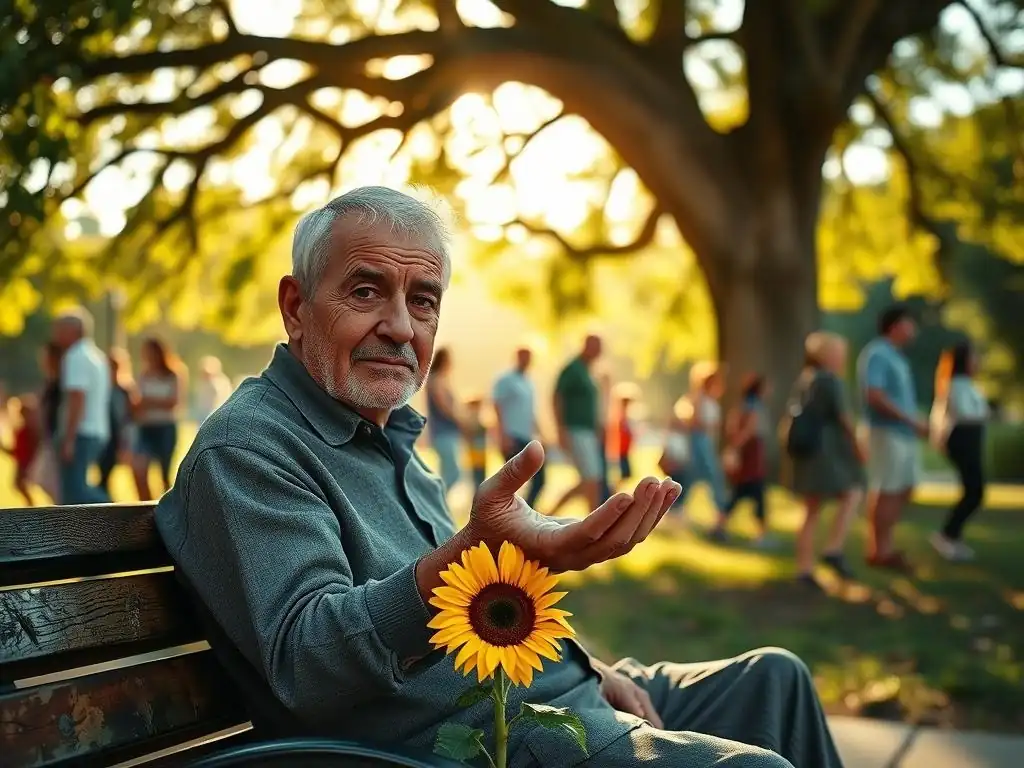
Welcome to Mind Care Guide, your sanctuary for navigating the complexities of mental well-being.
Feeling isolated? You're not alone. We understand the heavy weight of loneliness and its profound impact. Dive into our latest article, " The Isolation Epidemic: How Combating Loneliness Prevents Suicide," where we explore the critical link between connection and mental health, offering practical strategies and vital resources to help you, or someone you know, find a path toward hope and healing. Curious about how connection can be a lifeline? Let's explore the power of human connection, together.
- The Isolation Epidemic: How Combating Loneliness Prevents Suicide | Mind Care Guide
- Combating Loneliness: A Proactive Approach to Suicide Prevention
- Strategies for Combating Loneliness and Preventing Suicide: A Multi-Faceted Approach
- The Role of Mental Health Professionals in Addressing Loneliness and Suicide
- Practical Steps to Combat Loneliness and Prevent Suicide: A Call to Action
- The Future of Suicide Prevention: Prioritizing Social Connection
- Conclusion: Combating Loneliness is Crucial for Suicide Prevention
-
Frequently Asked Questions
- How directly does loneliness correlate with suicide risk?
- What are some practical strategies for combating loneliness to improve mental well-being?
- How can technology, often blamed for social isolation, be used to combat loneliness?
- What are some common misconceptions about loneliness that hinder effective intervention?
- What resources are available for individuals struggling with loneliness and suicidal thoughts?
- Final Reflection: The Urgent Need for Connection in a Disconnected World
- Unleash Your Connection: Take a Step Towards Well-being
The Isolation Epidemic: How Combating Loneliness Prevents Suicide | Mind Care Guide
Defining Loneliness: More Than Just Being Alone
Loneliness is a complex emotional state, distinct from simply being alone. It arises from a perceived lack of social connection, a discrepancy between the relationships one desires and the relationships one has. This feeling can persist even when surrounded by people, as it is the quality of connection, not just the quantity, that matters.
It's the subjective feeling of being isolated or disconnected from others, leading to feelings of emptiness, sadness, and a yearning for human contact. Understanding this nuanced definition is the first step in recognizing its profound impact on mental health and how effectively combating loneliness prevents suicide by addressing this core need for connection.
Unlike solitude, which can be a chosen and positive state of being by oneself, loneliness is often involuntary and distressing. It's not about the number of friends on social media or the size of one's family; it's about the depth, quality, and perceived support within those connections. Chronic loneliness can feel like a persistent ache, a fundamental lack that impacts self-worth and one's place in the world. This deep-seated feeling of isolation contributes significantly to mental distress and is a critical factor to consider when exploring how combating loneliness prevents suicide.
Social isolation, the objective state of having few social contacts or interactions, often goes hand-in-hand with loneliness and has severe consequences for mental well-being. Prolonged isolation can lead to a decline in cognitive function, increased anxiety, and a heightened risk of depression.
It deprives individuals of the emotional support, practical assistance, and sense of belonging that social networks provide, all of which are vital buffers against stress and mental health challenges. Studies have shown that social isolation can be as detrimental to health as smoking 15 cigarettes a day, highlighting its serious nature and reinforcing why combating loneliness prevents suicide by fostering protective social environments.
Beyond increasing the risk of common mental health conditions like depression and anxiety, chronic social isolation erodes an individual's resilience. Without regular positive interactions, people may develop negative self-perceptions and a distorted view of how others perceive them. This can create a vicious cycle where fear of rejection prevents them from seeking the very connections they need. The cumulative effect of this psychological burden significantly increases vulnerability to mental health crises, underscoring the urgent need for effective strategies aimed at combating loneliness prevents suicide by rebuilding social ties.
Loneliness intensifies suicidal ideation through several interconnected pathways. Firstly, it triggers "social pain," which neuroscience suggests is processed in the same brain regions as physical pain. This deep emotional suffering can become unbearable, leading individuals to seek an end to the pain.
Secondly, chronic loneliness often fosters negative self-perception; individuals may internalize their isolation, believing they are unworthy of connection or a burden to others, aligning with components of psychological theories of suicide, like the Interpersonal Theory of Suicide which highlights thwarted belongingness and perceived burdensomeness. Effectively combating loneliness prevents suicide by alleviating this social pain and correcting distorted self-views.
Furthermore, loneliness severely limits access to crucial support systems. When individuals are isolated, they lack trusted friends or family members to confide in during times of distress. They may not have anyone to notice warning signs, offer emotional support, or help them access professional care. This absence of a safety net means crises escalate more easily, and individuals feel they must navigate overwhelming challenges entirely alone. Therefore, strategies focused on combating loneliness prevents suicide not only by easing emotional pain but also by rebuilding essential support networks that can intervene during critical moments.
Loneliness as a Key Risk Factor in Suicide Statistics
Data consistently shows that loneliness and social isolation are significant risk factors for suicidal behavior across various populations, including older adults, adolescents, individuals with mental health conditions, and those facing significant life transitions. While not everyone who is lonely will experience suicidal ideation, the correlation is strong and concerning. For example, research suggests that older adults experiencing high levels of loneliness are at a significantly elevated risk compared to their socially connected peers. This pattern is replicated in younger populations, where social media use without genuine connection can paradoxically increase feelings of isolation.
Analyzing suicide statistics often reveals a backdrop of disconnectedness in the lives of those who have died by suicide. Whether due to lack of family ties, few close friends, or feeling marginalized within their community, a sense of profound isolation is frequently present. This underscores the critical importance of public health efforts aimed at combating loneliness prevents suicide by targeting populations known to be at high risk for isolation and implementing interventions that foster genuine connection. Addressing loneliness is not merely a matter of improving quality of life, but a vital component of comprehensive suicide prevention strategies.
Combating Loneliness: A Proactive Approach to Suicide Prevention

Social connection is a fundamental human need, as essential to our well-being as food and shelter. It provides a sense of belonging, validation, and security. Strong social ties offer emotional support during tough times, reduce stress, and increase overall happiness and resilience. When individuals feel connected, they are more likely to engage in healthy behaviors, seek help when needed, and have a more positive outlook on life. This protective effect of social connection is a cornerstone of mental well-being and explains why actively combating loneliness prevents suicide by building a foundation of support and belonging.
Beyond individual benefits, social connection strengthens communities. It fosters empathy, encourages mutual support, and builds trust, creating environments where people feel safe and valued. In such communities, individuals struggling with mental health issues, including suicidal thoughts, are more likely to feel comfortable reaching out for help and less likely to feel like a burden. Investing in initiatives that promote social connection is therefore a powerful public health strategy aimed at combating loneliness prevents suicide at both the individual and community levels.
Building and Maintaining Meaningful Relationships: A Guide
Building meaningful relationships requires intentional effort and vulnerability. It starts with identifying opportunities for connection, whether through hobbies, community groups, volunteering, or reaching out to existing acquaintances. Authenticity is key; genuine connection is built on being oneself and showing interest in others. Active listening, empathy, and consistent effort are crucial for nurturing these relationships over time. It's important to understand that building a strong social network takes time and patience, and setbacks are normal.
- Identify Potential Connections: Think about shared interests, workplaces, or community activities.
- Initiate Contact: Don't wait for others; take the first step in reaching out.
- Be Authentic: Share your true self, including vulnerabilities.
- Practice Active Listening: Show genuine interest in what others say.
- Be Consistent: Regular contact, even brief, strengthens bonds.
- Manage Expectations: Not every interaction will lead to a deep friendship. Focus on quality over quantity.
Maintaining relationships requires ongoing effort, communication, and mutual support. This involves checking in regularly, being present during both good times and bad, and resolving conflicts constructively. Healthy relationships are reciprocal, offering support and understanding to both parties. For individuals focused on combating loneliness prevents suicide through relationship building, setting realistic goals and celebrating small successes in connecting with others can be highly motivating.
Recognizing social isolation and loneliness in oneself can be challenging, as there's often shame or denial associated with these feelings. Signs might include a pervasive feeling of emptiness, a lack of energy or motivation to interact, withdrawal from previously enjoyed social activities, or a feeling of being disconnected even when with others. Physically, chronic stress from isolation can manifest as fatigue or unexplained aches. Honest self-reflection and acknowledging these feelings without judgment are the first steps towards seeking solutions.
Recognizing isolation in others requires empathy and observation. Look for changes in behavior, such as decreased participation in social events, talking less about friends or activities, or expressing feelings of being alone or disconnected. Individuals who have recently experienced significant life changes, such as loss of a loved one, moving, retirement, or illness, are particularly vulnerable. Gently reaching out, offering support, and simply letting someone know you care can make a significant difference. Initiating conversations about well-being and connection is a vital part of how combating loneliness prevents suicide within communities.
Strategies for Combating Loneliness and Preventing Suicide: A Multi-Faceted Approach
Individual Strategies for Overcoming Loneliness
Individuals can take proactive steps to mitigate feelings of loneliness and build connections. This involves cultivating self-awareness, challenging negative thought patterns about self-worth and social interactions, and actively seeking opportunities for positive engagement. It's a journey that requires patience and persistence, focusing on small, manageable steps rather than overwhelming overhauls. Empowering individuals with these strategies is a direct way of demonstrating how combating loneliness prevents suicide by building internal resilience and external support.
Practicing Self-Compassion and Acceptance
Self-compassion is crucial when dealing with loneliness. Instead of criticizing oneself for feeling isolated or for perceived social shortcomings, treat yourself with the same kindness and understanding you would offer a friend. Acknowledge that loneliness is a common human experience and not a personal failure. Accepting your feelings without judgment reduces the burden of shame and allows you to approach the challenge of building connections from a place of strength and self-worth. This internal shift is foundational for any external efforts towards combating loneliness prevents suicide.
Acceptance doesn't mean resigning yourself to loneliness, but rather acknowledging the current reality without resistance. This allows you to identify your needs more clearly and take deliberate action towards meeting them. Journaling about feelings, practicing mindfulness, or engaging in positive self-talk can all cultivate self-compassion. By being kinder to yourself, you build the emotional capacity to engage with others more authentically and resiliently.
Engaging in Activities You Enjoy and Find Meaningful
Participating in activities aligned with your interests provides opportunities to connect with like-minded individuals in a low-pressure environment. Whether it's joining a book club, a hiking group, a pottery class, or volunteering for a cause you care about, shared passions create natural conversation starters and a sense of camaraderie. These activities provide structure and purpose, which can counteract the aimlessness that sometimes accompanies loneliness. Finding meaning in activities is a powerful tool in combating loneliness prevents suicide by adding value and positive experiences to life.
Focusing on activities you genuinely enjoy makes the process of connecting more natural and sustainable. It shifts the focus from the anxiety of meeting new people to the pleasure of the activity itself, making social interactions a positive byproduct rather than the sole, intimidating goal. Even solitary hobbies can indirectly help by boosting mood and self-esteem, making you feel more capable and inclined to connect when opportunities arise.
Utilizing Technology to Connect with Others: Safe and Responsible Use of Social Media and Online Communities
Technology offers valuable tools for connection, especially for those who find in-person interactions challenging or are geographically isolated. Social media platforms, online forums, and video calls can help maintain existing relationships and form new ones based on shared interests. They offer accessible ways to stay in touch, share experiences, and find support groups for specific challenges, including mental health or chronic loneliness. Using technology mindfully is a modern approach to how combating loneliness prevents suicide.
However, it's crucial to use technology safely and responsibly. Excessive or passive social media consumption can sometimes increase feelings of inadequacy or isolation by fostering unfavorable comparisons. Prioritize genuine interaction – engaging in conversations, joining online communities focused on real connection (like support groups or hobby forums), and using video calls for face-to-face interaction when possible. Set boundaries on usage time and be critical of how online interactions make you feel. Technology should supplement, not replace, real-world connections where possible.
Seeking Professional Help for Chronic Loneliness
Chronic loneliness can be deeply ingrained and difficult to overcome alone, especially if it's linked to underlying mental health conditions like depression, anxiety, or social anxiety disorder. A mental health professional, such as a therapist or counselor, can provide valuable support and strategies. They can help identify the root causes of loneliness, challenge negative thought patterns about relationships and self-worth, and teach social skills. Seeking help is a sign of strength and a critical step for those whose loneliness is significantly impacting their well-being.
Therapy can equip individuals with practical tools for building connections, managing social anxiety, and developing a more positive self-image. Cognitive Behavioral Therapy (CBT) can help identify and change negative thoughts that perpetuate isolation. Dialectical Behavior Therapy (DBT) can teach skills for managing intense emotions and improving interpersonal relationships. For individuals struggling with suicidal ideation linked to loneliness, professional help is paramount for safety and recovery. This demonstrates how clinical intervention in combating loneliness prevents suicide by addressing the psychological barriers to connection.
Communities play a vital role in creating environments that foster connection and belonging. Local initiatives, supported by government, non-profits, and volunteers, can significantly reduce social isolation, particularly among vulnerable populations. These programs create accessible spaces and structured activities that encourage interaction and mutual support, directly impacting how combating loneliness prevents suicide on a broader scale.
Creating Opportunities for Social Interaction and Connection
Communities can establish and promote accessible spaces and activities designed to bring people together. Examples include community centers offering classes or social groups, public libraries hosting events, parks facilitating group activities, and volunteer programs. These initiatives should be inclusive and cater to diverse interests and demographics to maximize participation. Low-cost or free options are essential to ensure accessibility for everyone, regardless of socioeconomic status.
Simple ideas like community gardens, neighborhood walking groups, or skill-sharing workshops can provide regular, informal opportunities for residents to interact and build rapport. Schools and workplaces can also implement programs that encourage connection among students or colleagues. The goal is to weave a stronger social fabric that makes it easier for individuals to find and maintain connections, thereby inherently combating loneliness prevents suicide within the community.
Supporting Vulnerable Populations at Risk of Loneliness
Certain groups are disproportionately affected by loneliness, including older adults, individuals with disabilities or chronic illnesses, caregivers, recent immigrants, LGBTQ+ individuals, and those living in poverty. Targeted programs are needed to reach these populations. This might involve befriending programs for the elderly, support groups for caregivers, accessible community transportation, or culturally sensitive outreach efforts.
For example, studies have shown that structured interventions for older adults, such as group activities or volunteer opportunities, can significantly reduce feelings of loneliness and improve health outcomes. Similarly, peer support programs for individuals with mental health conditions provide invaluable connection and understanding. Focusing resources on these vulnerable groups is a strategic approach to combating loneliness prevents suicide where the need is often most acute.
Promoting Mental Health Awareness and Reducing Stigma
Stigma surrounding mental health, including loneliness and suicidal thoughts, prevents many people from seeking help or even talking about their struggles. Communities can play a crucial role in raising awareness and fostering a culture of acceptance and understanding. Public campaigns, workshops, and educational programs can help normalize conversations about mental well-being and encourage people to support one another.
Reducing stigma makes it easier for individuals experiencing loneliness or suicidal ideation to reach out for help without fear of judgment. It encourages empathy and prompts community members to look out for one another. When mental health is openly discussed and supported, the protective factor of social connection is amplified, reinforcing how combating loneliness prevents suicide by removing barriers to seeking and receiving support.
Fostering a Sense of Belonging and Community
Ultimately, the goal of community-based initiatives is to cultivate a strong sense of belonging. This involves creating environments where people feel valued, accepted, and connected to others. It's about building social capital – the networks of relationships among people who live and work in a particular society, enabling that society to function effectively.
This can be achieved through promoting civic engagement, supporting local organizations, celebrating diversity, and encouraging neighborliness. When individuals feel like active, valued members of their community, their risk of profound isolation decreases significantly. A strong sense of community belonging is a powerful antidote to loneliness and a fundamental aspect of how combating loneliness prevents suicide on a societal level.
The Role of Mental Health Professionals in Addressing Loneliness and Suicide
Identifying and Treating Loneliness in Clinical Settings
Mental health professionals are uniquely positioned to identify and address loneliness in their clients. During assessments, clinicians can ask specific questions about social relationships, feelings of connection, and experiences of isolation. Recognizing loneliness as a clinical concern, not just a social one, allows for targeted interventions. This involves not only treating co-occurring conditions like depression or anxiety but also directly addressing the client's subjective experience of isolation.
Treatment may involve exploring the historical roots of loneliness, identifying maladaptive social behaviors, and developing strategies for building healthier relationships. Psychoeducation about the impact of loneliness on mental and physical health can also empower clients. Integrating the assessment and treatment of loneliness into standard clinical practice is a vital step in ensuring that mental healthcare effectively contributes to combating loneliness prevents suicide by treating a core underlying factor.
Specific therapeutic modalities are highly effective in addressing social isolation and suicidal ideation. Cognitive Behavioral Therapy (CBT) helps individuals identify and challenge negative thought patterns that contribute to loneliness and social anxiety, such as beliefs about being unlikable or a burden. By restructuring these thoughts and practicing new behaviors, clients can gradually increase their comfort and success in social interactions. CBT can help individuals develop more realistic expectations about relationships and cope with social setbacks.
Dialectical Behavior Therapy (DBT), originally developed for individuals with chronic suicidal ideation, includes modules specifically focused on interpersonal effectiveness. DBT skills training teaches clients how to build and maintain relationships, ask for what they need, say no effectively, and resolve conflicts. These practical skills are invaluable for individuals who lack the tools to navigate social situations successfully, making DBT a powerful tool in how combating loneliness prevents suicide by enhancing social competence and connection.
Collaborative Care: Connecting Individuals with Community Resources
Mental health professionals often work within a collaborative care model, recognizing that clinical treatment is most effective when integrated with community support. This involves connecting clients experiencing loneliness and suicidal thoughts with relevant community resources. These resources might include support groups (for specific conditions, life experiences, or general mental health), social skills training programs, volunteer opportunities, or local clubs and organizations.
Acting as a bridge to community resources is crucial. Clinicians can help clients identify suitable options, overcome barriers to participation (like transportation or anxiety), and even facilitate initial connections. By linking individuals to external support networks, mental health professionals extend the reach of care beyond the therapy room, reinforcing the principle that combating loneliness prevents suicide through a combination of clinical intervention and community engagement.
Practical Steps to Combat Loneliness and Prevent Suicide: A Call to Action

How to Support a Loved One Experiencing Loneliness and Suicidal Thoughts
Supporting someone who is lonely and potentially suicidal requires empathy, patience, and a willingness to act.
- [ ] Reach Out: Simply checking in can make a difference. A text, call, or invitation for coffee shows you care.
- [ ] Listen Without Judgment: Let them share their feelings without trying to fix everything or offering platitudes. Validate their experience of loneliness.
- [ ] Encourage Connection (Gently): Suggest low-pressure activities you can do together or small group settings related to their interests. Avoid pushing them into overwhelming social situations.
- [ ] Be Present and Consistent: Loneliness isn't solved overnight. Regular, reliable contact is key.
- [ ] Ask Directly About Suicidal Thoughts: If you suspect they are having suicidal thoughts, ask directly and calmly. Phrases like "Are you thinking about harming yourself?" or "Are you thinking about suicide?" are crucial.
- [ ] Take It Seriously: If they express suicidal intent, do not leave them alone. Remove means of harm if possible.
- [ ] Connect Them to Help: Help them contact a crisis hotline, mental health professional, or go to an emergency room. Offer to make the call or go with them.
- [ ] Educate Yourself: Learn about the warning signs of suicide and resources available.
- [ ] Take Care of Yourself: Supporting someone in crisis is challenging. Ensure you have your own support system.
Remember, you are not expected to be their therapist, but you can be a vital bridge to help and a source of connection. Your role in combating loneliness prevents suicide for your loved one is significant.
Resources and Support Systems for Individuals Struggling with Isolation and Suicide
Numerous resources are available for individuals experiencing loneliness or suicidal ideation.
- Crisis Hotlines/Lifelines: These provide immediate, confidential support 24/7. Examples include the National Suicide Prevention Lifeline (now 988 in the US), Crisis Text Line, or local crisis centers.
- Mental Health Professionals: Therapists, counselors, psychologists, and psychiatrists can provide diagnosis, treatment, and coping strategies.
- Support Groups: Groups for specific mental health conditions, grief, chronic illness, or general peer support offer connection with others facing similar challenges. Organizations like NAMI (National Alliance on Mental Illness) or DBSA (Depression and Bipolar Support Alliance) often have local chapters.
- Community Centers and Organizations: Local YMCAs, senior centers, libraries, and religious institutions often host social activities and programs.
- Volunteer Opportunities: Giving back can provide purpose and opportunities to connect with others.
- Online Communities: Reputable online support forums (moderated for safety) can offer connection, especially for those with mobility issues or social anxiety.
Accessing these resources is a proactive step in combating loneliness prevents suicide by building a safety net and finding supportive connections.
Creating a Culture of Connection: Promoting Empathy and Understanding
Building a society where loneliness is less prevalent requires a collective effort to foster a culture of connection. This means prioritizing empathy, practicing active listening, and making conscious efforts to include others. It involves challenging norms that glorify busyness or independence at the expense of genuine human interaction.
Simple acts of kindness, being present in conversations, reaching out to neighbors, and supporting community events all contribute to this culture. Schools can teach social-emotional learning skills, workplaces can encourage positive peer relationships, and communities can invest in shared public spaces. By collectively valuing and nurturing connections, we create an environment where combating loneliness prevents suicide becomes a shared responsibility and a natural outcome of our interactions.
Investing in Research on Loneliness and its Impact on Mental Health
Continued investment in research is crucial to deepen our understanding of the complex interplay between loneliness, social isolation, and mental health outcomes, including suicide. Research can help identify specific risk factors within different populations, evaluate the effectiveness of various interventions, and uncover the neurobiological mechanisms linking social pain to suicidal ideation.
Future research could explore innovative ways to measure loneliness, investigate the impact of digital connection versus in-person interaction, and study long-term outcomes of community-based programs. Robust data is essential for developing evidence-based strategies and allocating resources effectively towards combating loneliness prevents suicide.
Addressing the isolation epidemic requires creative and scalable solutions. This might involve leveraging technology in new ways to facilitate meaningful connections, developing public health campaigns to raise awareness about the importance of social well-being, or implementing policies that support community building (e.g., urban planning that encourages social interaction, funding for community programs).
Innovative approaches could include intergenerational programs, initiatives that connect individuals based on skills or needs (e.g., time banking), or using AI to identify individuals at high risk of isolation who could benefit from targeted outreach. Thinking outside the box is necessary to reach those most in need and ensure that efforts in combating loneliness prevents suicide have a widespread impact.
Empowerment is key to sustainable change. Individuals need the knowledge, skills, and confidence to build and maintain their own social networks. This involves promoting social-emotional learning from a young age, providing resources for adults to develop interpersonal skills, and reducing the stigma associated with seeking help for social difficulties.
Communities need the resources and support to implement effective local initiatives. This includes funding, training for community leaders and volunteers, and platforms for sharing best practices. Empowering individuals and communities to take ownership of their social well-being is fundamental to creating a future where combating loneliness prevents suicide is an integrated and successful public health goal.
Conclusion: Combating Loneliness is Crucial for Suicide Prevention
The evidence is clear: loneliness and social isolation pose significant risks to mental health and are critical factors in suicidal ideation and behavior. Recognizing loneliness as more than just being alone, understanding its devastating impact, and acknowledging its role in suicide statistics are essential steps.
Fortunately, loneliness is not an insurmountable challenge. Through a combination of individual strategies, robust community-based initiatives, and professional support, we can effectively combat isolation and build stronger, more connected lives. Prioritizing social connection in our personal lives, communities, and public health strategies is not just about improving well-being; it is a vital, proactive approach to preventing suicide. By actively working towards combating loneliness prevents suicide, we invest in a healthier, more resilient future for everyone.
Frequently Asked Questions
How directly does loneliness correlate with suicide risk?
Loneliness is a significant risk factor for suicide. Studies show that individuals experiencing chronic loneliness are more likely to consider and attempt suicide. Addressing loneliness is a crucial preventative measure.
What are some practical strategies for combating loneliness to improve mental well-being?
Engaging in social activities, joining support groups, and fostering meaningful connections are key. Volunteering, pursuing hobbies, and utilizing mental health resources can also help.
Technology can facilitate virtual connections through video calls and online communities. However, it's important to balance online interactions with real-life relationships for genuine connection.
What are some common misconceptions about loneliness that hinder effective intervention?
A common misconception is that loneliness equates to being alone, or that it affects only the elderly. Actually, loneliness is a subjective feeling independent of social isolation and affects people of all ages and backgrounds.
What resources are available for individuals struggling with loneliness and suicidal thoughts?
Mind Care Guide provides information, support, and resources for various mental health challenges. Crisis hotlines and mental health professionals offer immediate assistance and long-term care.
Final Reflection: The Urgent Need for Connection in a Disconnected World
The pervasive loneliness gripping our society isn't just a feeling; it's a public health crisis directly linked to increased suicide rates. We've explored the devastating consequences of isolation, the insidious ways it creeps into our lives, and the crucial role connection plays in preventing tragic outcomes. The statistics are stark, but the solutions, while challenging, are within our reach.
The impact of loneliness extends far beyond individual suffering; it shapes our communities, our families, and our collective well-being. It erodes the social fabric, leaving individuals vulnerable and isolated. The feeling of being unseen, unheard, and uncared for is a powerful force, and combating it requires a multifaceted approach. Loneliness adds years to life; solitude adds life to years.
– This quote, while highlighting the difference between forced isolation and chosen solitude, underscores the critical need to foster genuine connection in our increasingly fragmented world.
You, the reader, hold the power to make a difference. Consider the people in your life – are there those who might be struggling silently? Reach out. Listen. Offer a kind word, a helping hand, or simply your presence. Small acts of connection can have a profound impact, creating ripples of support that extend far beyond your immediate circle. Let's work together to build a world where loneliness is not a death sentence, but a challenge we collectively overcome through empathy, understanding, and the unwavering power of human connection.
Unleash Your Connection: Take a Step Towards Well-being
Thanks for taking the time to explore the critical issue of loneliness and its impact on mental health. We hope this article shed light on the vital link between connection and well-being. Now it's time to turn awareness into action!
- Reach out: Connect with someone you haven't spoken to in a while – a friend, family member, or even a former colleague. A simple phone call or text can make a world of difference. This is your primary action – let's combat isolation together!
- Join a local group: Explore community centers, online forums, or volunteer organizations aligned with your interests. Find your tribe and build meaningful relationships.
- Share this article: Let's spread the word! Share this article with someone who might benefit from understanding the importance of combating loneliness.
What small act of connection will you make today to foster a stronger sense of belonging?