
The Partner's Grief: Unique Challenges After a Spouse or Partner's Suicide

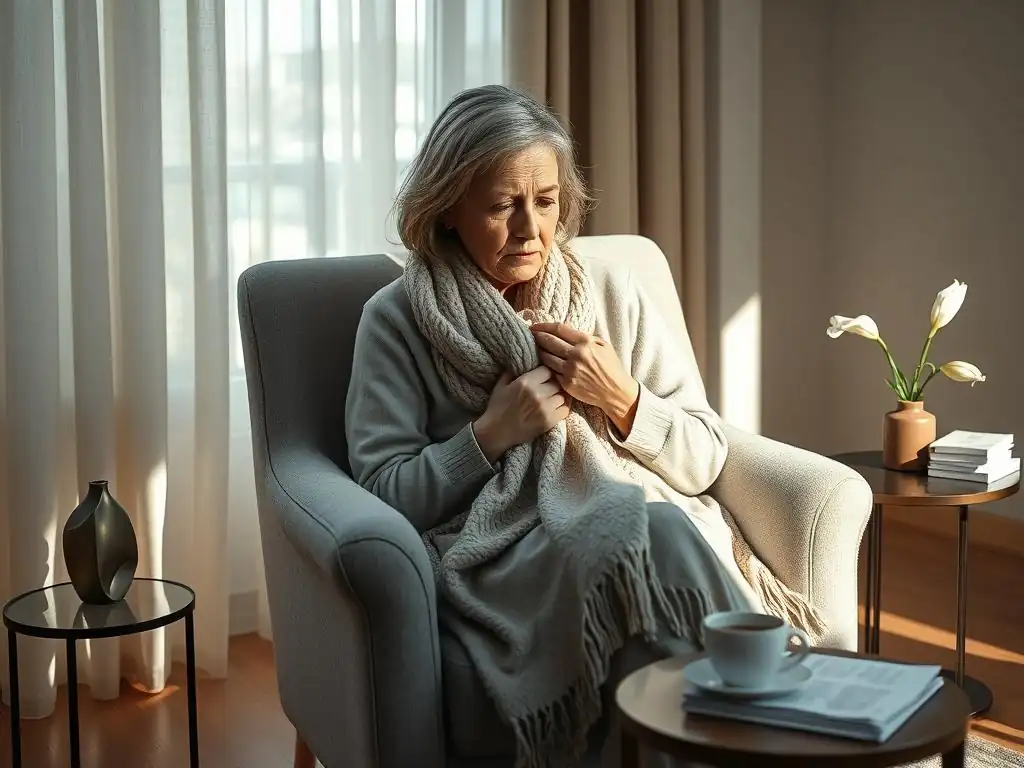
Welcome to Mind Care Guide.
Navigating the landscape of mental well-being can feel overwhelming, especially when facing profound loss. If you're grappling with the devastating aftermath of suicide, know that you're not alone. This article delves into the unique challenges of partner's grief after suicide, offering insights and support during this incredibly difficult time. Perhaps understanding the specific nuances of your grief can be the first step toward healing... Let's explore this together.
The Partner's Grief: Unique Challenges After a Spouse or Partner's Suicide
- Understanding Partner's Grief After Suicide Loss
- Unique Challenges Faced by Partners Grieving Suicide
- Specific Grief Reactions in Partners After Suicide
- Healing and Coping Strategies for Partners After Suicide Loss
- Rebuilding Life After Loss: Finding Meaning and Purpose
- Supporting a Grieving Partner After Suicide
- Resources for Partners Grieving Suicide Loss
-
Frequently Asked Questions
- What makes grief after a partner's suicide different from other types of grief?
- How can I cope with the intense guilt and self-blame often associated with a partner's suicide?
- What support resources are available specifically for partners grieving after a suicide?
- How can I navigate the social stigma and judgment that sometimes surrounds suicide?
- Is it normal to experience complex and conflicting emotions after a partner's suicide?
- Final Reflection: Navigating the Uncharted Territory of Partner's Grief After Suicide
- Uncover Your Path Forward: Healing After Partner Loss
Understanding Partner's Grief After Suicide Loss
The Devastating Impact of Suicide on Spouses and Partners
Losing a spouse or partner to suicide is a profound and uniquely painful experience that shatters a survivor's world. This specific form of loss often leaves individuals grappling not only with the immense sadness of bereavement but also with complex layers of trauma, confusion, and unanswered questions. The abruptness and violent nature of suicide can be deeply shocking, fundamentally altering a partner's sense of safety and reality. The emotional fallout is immediate and overwhelming, often leading to a state of disbelief, numbness, followed by intense emotional turmoil.
The impact extends beyond the immediate emotional shock. Survivors often face the daunting task of navigating daily life without their closest confidant and support system. Shared routines vanish, future plans dissolve, and the void left behind feels immense and inescapable. For many, the loss of a partner through suicide represents not just the end of a relationship, but the dismantling of a shared life and identity, making the journey through partner’s grief after suicide particularly arduous.
Why Partner's Grief Differs from Other Bereavement
Partner's grief after suicide presents distinct challenges compared to bereavement from other causes, such as illness or accidental death. One key difference lies in the element of choice associated with suicide, which can introduce feelings of abandonment, rejection, and even anger towards the deceased. Unlike deaths from natural causes, suicide often leaves surviving partners searching for reasons and signs they might have missed, leading to intense self-blame and rumination.
Furthermore, the societal stigma surrounding suicide adds a heavy burden. While grief for other losses is generally met with open sympathy and understanding, the grief experienced by partners after suicide can be met with awkwardness, judgment, or silence from others. This lack of conventional support can exacerbate feelings of isolation and make it harder for partners to process their emotions openly and honestly, significantly complicating the path through partner’s grief after suicide.
Unique Challenges Faced by Partners Grieving Suicide
The Stigma Surrounding Suicide and its Impact on Partners
The pervasive stigma associated with suicide is a significant hurdle for surviving partners. This societal discomfort often translates into silence, avoidance, or insensitive remarks from friends, family, and even professionals. Partners may feel pressured to hide the cause of death, leading to a secret burden that prevents genuine expression of their grief. This secrecy can be incredibly isolating, reinforcing feelings of shame and making it difficult to access necessary emotional support.
This stigma can also internalize, causing partners to feel personally responsible or disgraced by their loved one's actions. They may fear judgment from others, worrying that people will think they were neglectful or somehow contributed to the suicide. This fear can prevent them from reaching out for help or even talking about their partner, hindering the natural grieving process and prolonging the intensity of their partner’s grief after suicide.
Surviving partners often experience a complex and overwhelming mix of emotions that go beyond typical grief. Guilt is almost universal, manifesting as questions like "Could I have stopped it?" or "What did I miss?". This self-blame can be relentless, fueled by the belief that they should have known or done more to prevent the death. Shame may arise from the perceived failure to protect their partner or from the stigma associated with suicide.
Anger is another powerful and often confusing emotion. Partners may feel angry at their deceased partner for leaving them, angry at themselves, or angry at the world for not understanding their pain. These emotions are difficult to reconcile, especially when combined with deep love and sorrow for the person lost. Processing these intense and often conflicting feelings is a critical, albeit painful, part of navigating partner’s grief after suicide.
Financial and Practical Burdens After Losing a Partner to Suicide
Beyond the emotional turmoil, partners grieving suicide often face immediate and daunting financial and practical challenges. Suicide can leave behind complicated estates, unresolved debts, and insurance issues that are difficult to navigate during a period of intense grief. If the deceased partner was the primary breadwinner, the surviving partner may face sudden financial insecurity, struggling to cover daily expenses, mortgage payments, or childcare costs.
Managing household responsibilities, once shared, now falls entirely on the surviving partner. This includes everything from paying bills and maintaining the home to caring for children or pets. These practical burdens, while seemingly mundane, can feel overwhelming when coupled with the weight of partner’s grief after suicide, leaving individuals exhausted and with little energy to focus on their emotional healing.
The loss of a partner inherently disrupts a person's social life, as many social activities and friendships are centered around the couple. After a suicide loss, this disruption can be compounded by the discomfort others feel regarding the cause of death. Friends and family, unsure of what to say or how to help, may distance themselves, either intentionally or unintentionally, leading to profound social isolation for the grieving partner.
Furthermore, the partner loses their primary confidant and emotional anchor – the person they shared everything with. This leaves a significant void in their support network precisely when they need it most. Reaching out to others can be difficult due to the stigma or the sheer exhaustion of grief, resulting in a cycle of isolation that makes coping with partner’s grief after suicide even harder.
Specific Grief Reactions in Partners After Suicide

Intense Grief and Prolonged Grief Disorder in Suicide Bereavement
Grief following suicide is often described as particularly intense and complicated. While acute grief typically subsides over time, many partners experience prolonged or complicated grief disorder. This occurs when the intensity of grief does not decrease significantly over a year or more, and continues to interfere with daily functioning, relationships, and overall well-being. Symptoms can include persistent yearning, difficulty accepting the death, avoidance of reminders, and a sense of emptiness or meaninglessness.
Research indicates that survivors of suicide loss, including partners, are at a higher risk for developing prolonged grief disorder compared to those who have lost someone to other causes. This is often linked to the traumatic nature of the death, the unresolved questions, and the unique emotional landscape of partner’s grief after suicide. Addressing these complex layers is crucial for healing and moving forward.
Trauma and Post-Traumatic Stress in Surviving Partners
Witnessing or discovering a partner's suicide is a deeply traumatic event that can lead to symptoms of post-traumatic stress disorder (PTSD). Even if they did not witness the event directly, the circumstances surrounding the death, the discovery, or the subsequent investigation can be highly distressing and re-traumatizing. Symptoms of PTSD can include intrusive thoughts or flashbacks of the event, nightmares, avoidance of places or people associated with the death, hypervigilance, and difficulty sleeping or concentrating.
The trauma component of partner’s grief after suicide needs specific attention. Traditional grief counseling may not fully address the traumatic stress reactions. It is important for partners to recognize these symptoms and seek trauma-informed care to process the traumatic aspects of the loss alongside the grief itself, facilitating a more integrated path towards healing.
Increased Risk of Mental Health Issues in Grieving Partners
Surviving partners of suicide loss face a significantly increased risk of developing various mental health issues. Studies have shown higher rates of depression, anxiety disorders, substance abuse, and even suicidal ideation among this population compared to those bereaved by other means. The overwhelming stress, trauma, isolation, and complex emotions associated with partner’s grief after suicide contribute significantly to this heightened vulnerability.
For example, one study might indicate that survivors of suicide loss are approximately 1.5 to 3 times more likely to experience major depression than those grieving other types of loss. Recognizing this increased risk is vital, both for the grieving partner and those supporting them. Proactive monitoring of mental health and timely access to professional support are essential components of care for partners navigating this challenging journey.
Healing and Coping Strategies for Partners After Suicide Loss
Seeking Professional Support: Therapy and Counseling for Suicide Bereavement
Professional support is often indispensable for partners navigating the complex terrain of grief after a spouse or partner's suicide. Therapists specializing in trauma and bereavement can provide a safe space to process the traumatic aspects of the death, explore the complex emotions of guilt, shame, and anger, and develop healthy coping mechanisms. Different therapeutic approaches, such as Cognitive Behavioral Therapy (CBT) or Eye Movement Desensitization and Reprocessing (EMDR), may be beneficial in addressing trauma symptoms.
Counseling helps normalize the intense reactions experienced during partner’s grief after suicide and provides strategies for managing overwhelming feelings and intrusive thoughts. A therapist can also assist in navigating the practical challenges, improving sleep and self-care, and gradually reintegrating into social life. Finding a therapist who understands the unique dynamics of suicide loss is crucial for effective support.
The Importance of Self-Care During Partner's Grief
Amidst the overwhelming pain, prioritizing self-care is not selfish; it is a fundamental necessity for surviving partners. Grief is physically and emotionally exhausting, and neglecting basic needs exacerbates suffering. Simple acts like ensuring adequate sleep, eating nutritious meals, and engaging in gentle physical activity can make a significant difference in managing energy levels and emotional regulation.
Self-care also involves setting boundaries, saying no to commitments that feel overwhelming, and allowing oneself permission to rest and grieve without judgment. Engaging in activities that once brought comfort or peace, even for short periods, can provide moments of respite. While it can feel impossible initially, gradually incorporating self-care practices is a vital step in navigating the long-term process of partner’s grief after suicide.
Finding Support Groups for Survivors of Suicide Loss
Connecting with others who have experienced a similar loss can be incredibly validating and healing for partners grieving suicide. Support groups, specifically for survivors of suicide loss, offer a unique space where individuals can share their experiences without fear of judgment or the need to explain the nuances of their pain. Hearing from others who understand the specific challenges of partner’s grief after suicide can reduce feelings of isolation and provide a sense of community.
These groups can be found through national suicide prevention organizations, local mental health services, or online forums. Sharing stories, coping strategies, and moments of both pain and progress with fellow survivors fosters a sense of belonging and hope. The shared understanding within these groups provides a powerful source of strength during the challenging journey of grief.
Managing Triggers and Anniversaries After a Partner’s Suicide
Certain dates, places, or events can act as powerful triggers, bringing back intense waves of grief and trauma for surviving partners. Anniversaries of the death, birthdays, holidays, or even visiting specific locations can be particularly challenging. Developing strategies to anticipate and manage these triggers is an important part of coping with partner’s grief after suicide.
This might involve planning ahead for difficult dates, choosing how and with whom to spend significant anniversaries, and having coping mechanisms ready, such as reaching out to support systems, engaging in self-care activities, or allowing oneself to feel the emotions without resistance. Recognizing that triggers are a normal part of the grieving process helps partners navigate these difficult moments with greater preparation and resilience.
Rebuilding Life After Loss: Finding Meaning and Purpose

Adjusting to Life After Suicide Loss
Adjusting to life after losing a partner to suicide is a gradual and complex process that involves fundamentally reshaping one's daily existence and future outlook. The immediate aftermath is often characterized by a sense of unreality and disorientation. Over time, the surviving partner must learn to navigate tasks and responsibilities that were once shared, from managing finances and household chores to making decisions about the future. This adjustment phase is deeply intertwined with the ongoing process of partner’s grief after suicide, requiring immense patience and self-compassion.
Re-establishing routines and finding a new rhythm for daily life is challenging but necessary. It involves acknowledging the permanent absence while slowly rebuilding a sense of normalcy. This doesn't mean forgetting the person lost, but rather finding a way to live with the loss, integrating the experience into one's identity and finding new ways to engage with the world.
Re-evaluating Identity and Future Goals
Losing a spouse or partner, especially abruptly through suicide, often forces a profound re-evaluation of one's identity and future goals. Much of a person's identity is tied to being part of a couple – as a spouse, a partner, or part of a unit. The death necessitates discovering who they are as an individual again, independent of the partnership. This can be disorienting, raising questions about personal values, interests, and aspirations.
Simultaneously, future plans, often built around the shared life, are suddenly erased. Surviving partners must confront the daunting task of envisioning a new future, setting new goals, and finding new sources of meaning and purpose. This process is deeply personal and unfolds over a long period, requiring courage to imagine possibilities beyond the confines of partner’s grief after suicide.
Honoring Their Memory Through Advocacy
For many partners grieving suicide, finding ways to honor their loved one's memory becomes a crucial part of the healing process and finding new purpose. This can take many forms, from establishing foundations or scholarships in their name to becoming involved in suicide prevention or mental health advocacy. Turning pain into action allows partners to channel their grief into something meaningful and potentially help others.
Advocacy provides an opportunity to break the silence and stigma surrounding suicide, sharing their story to raise awareness and promote understanding. This can be incredibly empowering, transforming the experience of partner’s grief after suicide into a force for positive change. Contributing to a cause related to suicide prevention or mental health can provide a sense of connection to their partner's life and a renewed sense of purpose in their own.
Supporting a Grieving Partner After Suicide
How to Offer Practical and Emotional Support
Supporting a partner grieving suicide requires sensitivity, patience, and a willingness to offer both practical and emotional assistance. Practical support can include concrete help like bringing meals, assisting with household chores, running errands, or helping navigate administrative tasks. Instead of saying "Let me know if you need anything," offer specific help: "Can I bring dinner on Tuesday?" or "I'm going to the grocery store, what can I pick up?"
Emotionally, offer a non-judgmental presence. Listen more than you talk. Allow the grieving partner to express the full range of their emotions – sadness, anger, guilt, confusion – without trying to fix them or offer platitudes. Validate their pain and the unique challenges of partner’s grief after suicide. Simply sitting with them in silence or offering a hug can be incredibly comforting.
Avoiding Common Mistakes When Supporting a Suicide Survivor
When supporting someone experiencing partner’s grief after suicide, it's crucial to avoid common pitfalls that can inadvertently cause more pain. Do not minimize their grief or compare it to other losses ("At least they're not suffering anymore"). Avoid searching for reasons or assigning blame ("Did you see any signs?"). Do not shy away from mentioning the deceased partner's name, but be mindful of the grieving person's comfort level.
Perhaps most importantly, do not perpetuate the stigma. Speak openly and respectfully about the cause of death if the grieving partner is comfortable doing so. Do not disappear after the initial period of intense grief; remember that partner’s grief after suicide is a long-term process, and ongoing support is vital. Be patient, understanding that healing takes time and is not linear.
Understanding the Long-Term Nature of Grief
It is essential for both the grieving partner and their support network to understand that grief following suicide is not something that is "overcome" or "moved on from" in a few months. It is a long-term, lifelong process of adjusting to a fundamentally altered reality. The intensity may lessen over time, but waves of grief, triggered by memories, anniversaries, or simply daily life, will likely continue.
Educating oneself about the complexities and duration of partner’s grief after suicide helps manage expectations and fosters patience. Support needs to be consistent and available not just in the immediate aftermath but months and even years down the line. Acknowledging the lasting impact of the loss validates the survivor's experience and provides reassurance that their feelings are normal within the context of such profound pain.
Resources for Partners Grieving Suicide Loss
National Organizations Offering Support
Several national organizations provide invaluable resources and support specifically for individuals grieving a suicide loss. These organizations often offer helplines, support group directories, educational materials, and programs aimed at helping survivors navigate their grief. Examples might include organizations focused on suicide prevention and support for loss survivors, which often have dedicated resources for partners.
Accessing these resources can provide a lifeline, connecting partners with understanding professionals and peers who can offer guidance and solidarity during the challenging journey of partner’s grief after suicide. These organizations play a critical role in destigmatizing suicide loss and ensuring that survivors have access to the help they need.
Online Support Groups and Forums
For partners who may not have access to in-person support groups or who prefer the anonymity of online platforms, online support groups and forums offer a valuable alternative. These virtual communities provide a space to connect with other survivors of suicide loss from around the world, share experiences, ask questions, and offer mutual support at any time of day or night.
Participating in online forums dedicated to partner’s grief after suicide can help combat isolation and provide a sense of belonging. While not a substitute for professional help, these platforms offer a peer-to-peer support system where individuals can feel understood by others who truly grasp the unique pain of their loss.
Recommended Reading on Suicide Bereavement
Reading books and articles about suicide bereavement can be a helpful way for grieving partners to understand their experiences, feel less alone, and gain insights into the healing process. Many authors, including both professionals and individuals with lived experience, have written extensively on the specific challenges of grieving a suicide loss.
Recommended reading can cover topics such as the emotional complexities, coping strategies, navigating trauma, and finding meaning after loss. While individual experiences vary, these resources often provide validation and guidance, offering language for feelings that are difficult to articulate and reassurance that healing, though challenging, is possible on the path through partner’s grief after suicide.
Disclaimer: This article is intended for informational purposes only and does not constitute professional medical advice. If you are struggling with grief or mental health challenges, please seek help from a qualified healthcare provider or mental health professional.
Frequently Asked Questions
What makes grief after a partner's suicide different from other types of grief?
Grief after suicide often involves intense feelings of guilt and shame, coupled with the trauma of the sudden and unexpected loss. There's also the added complexity of social stigma and potentially difficult legal or financial situations.
How can I cope with the intense guilt and self-blame often associated with a partner's suicide?
Acknowledge these feelings are common, but untrue. Seek professional therapy to process these emotions and learn coping mechanisms. Remember that you are not responsible for your partner's choice.
What support resources are available specifically for partners grieving after a suicide?
Organizations like the American Foundation for Suicide Prevention (AFSP) and the Suicide Prevention Lifeline offer support groups and individual counseling. You can also find online resources and connect with others who have experienced similar losses.
Choose who you confide in carefully, prioritizing supportive and understanding individuals. Don't be afraid to educate others about mental health and suicide prevention. Remember your grief is valid, regardless of other people's opinions.
Is it normal to experience complex and conflicting emotions after a partner's suicide?
Yes, it's completely normal. You might feel anger, sadness, confusion, and even relief. Allow yourself to experience these emotions without judgment, understanding they are part of the grieving process.
The devastating impact of suicide on surviving partners is often underestimated, leaving them adrift in a sea of grief unlike any other. This unique form of bereavement, characterized by intense guilt, self-blame, and societal misunderstandings, demands a compassionate and informed response. The silence surrounding this type of loss only exacerbates the suffering, making it crucial to break the stigma and offer support to those who need it most.
The journey of healing after the suicide of a partner is a long and arduous one, marked by waves of intense emotion and the constant struggle to reconcile the loss with the lingering questions and unanswered "what ifs." The societal pressure to "move on" or the well-meaning but often unhelpful platitudes only serve to deepen the isolation. Grief is not a disorder, it is a process.
This simple statement highlights the importance of allowing oneself the time and space needed to navigate the complexities of this profound loss, without judgment or pressure.
You, the reader, are now equipped with a deeper understanding of the unique challenges faced by partners grieving a suicide. Take a moment to reflect on the information presented. Consider how you can better support those in your life who may be experiencing this type of loss. Perhaps a simple act of listening, offering a non-judgmental ear, or simply acknowledging their pain can make a world of difference. Let us collectively work towards creating a more supportive and understanding environment for those navigating the unimaginable pain of partner's grief after suicide. Your empathy and action can be a lifeline.
Uncover Your Path Forward: Healing After Partner Loss
Thanks for taking the time to explore the unique challenges of grief after a partner's suicide. We hope this article provided valuable insights and a sense of understanding. Now, let's focus on your next steps toward healing and finding support.
- Prioritize self-care: Engage in activities that nurture your well-being – even small acts like a warm bath or a mindful walk can make a difference. This is crucial for your journey.
- Connect with a support group: Sharing your experience with others who understand can be incredibly powerful. Explore local resources or online communities dedicated to supporting those grieving suicide loss. This could be a life-changing step.
- Consider journaling your thoughts and feelings: This can be a surprisingly effective way to process emotions and track your healing journey. You might be surprised by the insights you gain.
What small act of self-care will you prioritize today to honor your journey and your partner's memory?