
The Safety Plan Explained: A Vital Tool for Managing Suicidal Thoughts in Teens


Welcome to Mind Care Guide, a safe space dedicated to your mental well-being.
Feeling overwhelmed is something we all experience, especially our teens. If you're concerned about a young person struggling with suicidal thoughts, you're not alone. This guide delves into creating a teen suicidal thoughts safety plan – a crucial tool that can provide immediate support and prevent a crisis. Discover how this simple, yet powerful, plan can offer hope and guidance when it's needed most. Let's explore how to build a safety net together.
- The Safety Plan Explained: A Vital Tool for Managing Suicidal Thoughts in Teens - Mind Care Guide
- What is a Teen Suicidal Thoughts Safety Plan? A Detailed Explanation
-
Creating a Personalized Safety Plan for Your Teen: A Step-by-Step Approach
- Step 1: Identifying Personal Warning Signs of Suicidal Thoughts in Teens
- Step 2: Utilizing Internal Coping Strategies for Managing Distress
- Step 3: Reaching Out to Social Contacts for Support
- Step 4: Connecting with Mental Health Professionals and Resources
- Step 5: Making the Environment Safe: Reducing Access to Lethal Means
- Implementing and Maintaining the Safety Plan: A Practical Guide
- The Benefits of Using a Safety Plan for Teen Suicidal Thoughts
- Addressing Common Concerns and Misconceptions About Safety Plans
- Resources and Support for Teens and Families
- Conclusion: Empowering Teens to Manage Suicidal Thoughts Through Safety Planning
-
Frequently Asked Questions
- What is a Teen Suicidal Thoughts Safety Plan and why is it important?
- When should a Teen Suicidal Thoughts Safety Plan be used?
- Who should be involved in creating a Teen Suicidal Thoughts Safety Plan?
- What are the key components of an effective Teen Suicidal Thoughts Safety Plan?
- Where can I find resources and support to create a Teen Suicidal Thoughts Safety Plan?
- Final Reflection: Empowering Teens, Saving Lives Through Safety Planning
- Ready to Empower Your Teen?
The Safety Plan Explained: A Vital Tool for Managing Suicidal Thoughts in Teens - Mind Care Guide
Recognizing the Signs of Suicidal Ideation in Teenagers
Identifying suicidal ideation in teenagers can be challenging, as their emotional expression can be complex and varied. However, certain signs may indicate a teen is struggling. These can include significant changes in behavior, such as withdrawal from friends and activities they once enjoyed, increased isolation, or unusual mood swings ranging from intense sadness or hopelessness to sudden calmness after a period of distress. Parents and caregivers might notice a decline in academic performance, changes in sleep patterns (either sleeping too much or too little), or a loss of interest in their appearance.
Furthermore, direct or indirect verbal cues should never be ignored. This could involve statements like "I wish I weren't here," "It would be better if I wasn't a burden," or writing about death or dying. Giving away cherished possessions, engaging in reckless behaviors, or researching methods of suicide online are also serious warning signs. It's crucial to remember that these signs don't automatically mean a teen is suicidal, but they warrant immediate attention, open communication, and potentially professional evaluation to understand the underlying issues and determine if a Teen suicidal thoughts safety plan is necessary.
Why a Safety Plan is Crucial for Teens Experiencing Suicidal Thoughts
A safety plan serves as a critical, proactive tool for teens grappling with suicidal thoughts. Unlike a crisis plan, which is often reactive during an acute episode, a safety plan is developed before a crisis occurs. It provides a structured, personalized roadmap of steps a teen can take when they start experiencing warning signs of escalating distress or suicidal thinking. This empowers the teen by giving them concrete actions they can control during overwhelming moments.
For adolescents whose brains are still developing, particularly the prefrontal cortex responsible for decision-making and impulse control, having a pre-determined plan is invaluable. During intense emotional pain or suicidal urges, rational thinking can be impaired. A safety plan bypasses this by outlining pre-identified coping strategies, supportive contacts, and professional resources, significantly reducing the likelihood of impulsive dangerous behavior. Implementing a Teen suicidal thoughts safety plan provides a sense of control and hope during a difficult time, helping them navigate intense feelings safely.
The Role of Safety Plans in Youth Suicide Prevention
Safety plans play a significant role in broader youth suicide prevention efforts by providing a targeted intervention strategy for individuals identified as being at risk. While population-level initiatives focus on reducing stigma and increasing awareness, safety plans offer a personalized approach to managing risk at the individual level. They are often developed in collaboration with a mental health professional, ensuring they are tailored to the teen's specific needs, triggers, and support systems.
Research and clinical experience suggest that having a well-structured safety plan can decrease the likelihood of suicide attempts among individuals with suicidal ideation. For instance, studies have shown that interventions incorporating safety planning components are associated with reduced subsequent suicidal behavior. By equipping teens with a concrete strategy to follow during moments of distress, a Teen suicidal thoughts safety plan acts as a vital buffer, connecting them to help and support precisely when they need it most, thereby strengthening the overall network of care surrounding a vulnerable young person.
What is a Teen Suicidal Thoughts Safety Plan? A Detailed Explanation
Defining a Safety Plan: A Step-by-Step Guide for Teens
A safety plan is a prioritized, written list of coping strategies and social support resources that individuals can use when they are in a suicidal crisis or experiencing suicidal thoughts. For a teen, it's a personal guide created with them, not for them, making it more likely they will use it. It's typically structured into several steps, moving from internal coping mechanisms to external support systems and, finally, to emergency professional help. The process of creating the plan itself is therapeutic, encouraging the teen to think proactively about managing their distress.
Think of it as a personal emergency protocol. Step one might involve simple actions they can do on their own, like listening to a specific song or using a grounding technique. Subsequent steps build upon this, suggesting who they can contact for support, starting with people they trust most, and culminating in identifying professional crisis resources. The clarity and structure of a Teen suicidal thoughts safety plan make it actionable even when the teen feels overwhelmed and unable to think clearly.
Key Components of an Effective Safety Plan for Adolescents
An effective Teen suicidal thoughts safety plan typically includes several essential components, each designed to provide layered support.
- Recognizing Warning Signs: Identifying personal triggers and signs that indicate suicidal thoughts are emerging (e.g., feeling numb, isolating, increased irritability).
- Internal Coping Strategies: Activities the teen can do by themselves to help feel better or distracted without contacting anyone (e.g., hobbies, mindfulness, exercise).
- Social Contacts Who Provide Support: A list of people the teen can contact who are supportive and helpful, not judgmental (e.g., friends, family members, mentors).
- Professional Contacts and Agencies: Names and numbers of mental health professionals, crisis hotlines, or emergency services.
- Making the Environment Safe: Steps to reduce access to lethal means (e.g., securing medications, removing firearms).
Each component is crucial. For instance, having a trusted friend's number is important, but so is knowing what to do before reaching out, using internal coping strategies. The environmental safety step is particularly vital, as reducing access to means is a key factor in preventing impulsive attempts. A comprehensive Teen suicidal thoughts safety plan addresses these multiple layers of support and risk reduction.
How a Safety Plan Differs from a Crisis Plan
While both a safety plan and a crisis plan are tools used in mental health emergencies, they serve different primary purposes and are used at different stages. A crisis plan is typically a more immediate, reactive document outlining steps to take during an acute, active crisis. It might focus on emergency contacts, hospital information, and instructions for caregivers on how to handle the situation when the person is in immediate danger. It's often less focused on the individual's proactive coping and more on managing the immediate emergency.
In contrast, a safety plan is primarily a preventative and early intervention tool. It's designed to be used before the situation becomes an acute crisis, when the teen first notices their warning signs emerging. It emphasizes the individual's agency by listing personal coping strategies and supportive contacts they can reach out to.
While it includes professional resources as a final step, its core function is to help the teen de-escalate and connect with support before reaching a point of imminent danger. The development of a Teen suicidal thoughts safety plan is a collaborative process focused on empowering the individual, making it distinct from a more clinically focused crisis management plan.
Creating a Personalized Safety Plan for Your Teen: A Step-by-Step Approach

Step 1: Identifying Personal Warning Signs of Suicidal Thoughts in Teens
The first crucial step in creating a Teen suicidal thoughts safety plan is helping the teen identify their unique warning signs. These are the thoughts, feelings, behaviors, or situations that indicate their suicidal thoughts are starting to emerge or intensify. It's vital to do this collaboratively and empathetically, encouraging the teen to reflect on past experiences when they felt distressed.
Examples of warning signs might include:
- Feeling a specific kind of emptiness or numbness.
- Increased difficulty concentrating.
- Withdrawing from social media or friends.
- Listening to sad music constantly.
- Feeling overwhelmed by schoolwork or social situations.
- Experiencing specific negative thoughts about themselves or the future.
Discussing these signs helps the teen develop self-awareness, allowing them to recognize when they need to activate their safety plan early, before feeling completely overwhelmed. This step is foundational for the entire plan's effectiveness.
Step 2: Utilizing Internal Coping Strategies for Managing Distress
Once warning signs are identified, the next step involves listing internal coping strategies – things the teen can do on their own to help themselves feel better or distracted from suicidal thoughts. These should be activities that have genuinely helped them feel calmer, less distressed, or more hopeful in the past.
Examples of Effective Internal Coping Mechanisms for Teens
Effective internal coping strategies are highly personal but often fall into categories like sensory engagement, creative expression, physical activity, or mindfulness.
- Sensory: Taking a hot shower, holding an ice cube, listening to calming or upbeat music, smelling a favorite scent.
- Creative/Expressive: Drawing, journaling, writing lyrics or poetry, playing a musical instrument.
- Physical: Going for a walk, doing push-ups, stretching, dancing.
- Mindfulness/Grounding: Focusing on their breath, listing 5 things they can see, 4 they can touch, 3 they can hear, 2 they can smell, 1 they can taste.
The key is to list several options so the teen has choices depending on their mood and situation. These strategies provide immediate, accessible ways for the teen to try and manage difficult feelings before needing to reach out to others, making the Teen suicidal thoughts safety plan a tool they can use independently first.
The third step involves identifying people in the teen's social network who they can reach out to when internal strategies aren't enough. This moves from independent coping to seeking support from trusted individuals.
Identifying Trusted Friends, Family Members, and Mentors
This list should include people who are supportive, non-judgmental, and who the teen feels comfortable talking to about difficult emotions. It's important to list not just names, but also their phone numbers or other preferred contact methods.
Examples might include:
- A specific parent or guardian.
- A sibling or cousin.
- A close friend who is a good listener.
- A favorite teacher or school counselor.
- A coach or youth group leader.
- Another trusted adult family friend.
It's helpful to list these contacts in a preferred order, perhaps starting with the person they feel most comfortable talking to first. This step reinforces that the teen is not alone and has people who care about them and want to help, which is a vital component of a comprehensive Teen suicidal thoughts safety plan.
Step 4: Connecting with Mental Health Professionals and Resources
Step four escalates to professional help. This part of the safety plan lists mental health professionals or crisis services the teen can contact when their personal support network isn't available or sufficient, or when their suicidal thoughts are very intense.
Finding Local and National Suicide Prevention Hotlines and Services
This section should include specific phone numbers and potentially website addresses for immediate crisis support.
- National Suicide Prevention Lifeline (in the US, 988)
- Crisis Text Line (text HOME to 741741)
- Local county mental health crisis line (if applicable)
- The phone number of their therapist or psychiatrist (if they have one)
- The number for the nearest hospital emergency room or psychiatric urgent care.
Having these numbers readily available is crucial. In a moment of crisis, searching for help can be difficult and time-consuming. A well-prepared Teen suicidal thoughts safety plan puts these life-saving resources at their fingertips.
Step 5: Making the Environment Safe: Reducing Access to Lethal Means
The final, critical step in a Teen suicidal thoughts safety plan involves taking steps to reduce access to means that could be used in a suicide attempt. This is often referred to as "means restriction" or "lethal means safety."
Securing Medications, Firearms, and Other Potential Hazards
This involves identifying any potentially harmful items in the home that the teen might use and taking steps to make them inaccessible during a crisis.
- Medications: All prescription and over-the-counter medications, especially those that could be dangerous in overdose, should be stored securely (e.g., in a locked box or cabinet) or managed by an adult.
- Firearms: All firearms should be unloaded, locked in a safe, and ammunition stored separately and locked as well. The key or combination should be kept by a responsible adult, inaccessible to the teen.
- Other Potential Hazards: Depending on the individual teen's thoughts and environment, this might include securing ropes, sharp objects, or chemicals.
Discussing this step requires sensitivity but is essential. Reducing access to means during a period of high risk can literally save a life by creating time and distance between the suicidal impulse and the ability to act on it. Integrating this into the Teen suicidal thoughts safety plan acknowledges the importance of the physical environment in preventing suicide.
Implementing and Maintaining the Safety Plan: A Practical Guide
How to Use the Safety Plan When Suicidal Thoughts Arise
The most important aspect of a Teen suicidal thoughts safety plan is actually using it. The teen should keep their plan in a readily accessible place, such as their phone, wallet, or backpack. When they notice their personal warning signs beginning to appear, they should refer to the plan and start going through the steps in order.
This means first trying the internal coping strategies listed in Step 2. If those don't help manage the feelings, they move to Step 3 and contact someone from their list of social supports. If they still feel overwhelmed or unsafe, they proceed to Step 4 and contact a mental health professional or crisis line.
Step 5, environmental safety, should ideally be maintained proactively, but the plan can also serve as a reminder to ensure means are inaccessible when feeling distressed. Practicing using the plan when not in crisis can help the teen feel more comfortable and prepared to follow it when needed.
Regularly Reviewing and Updating the Safety Plan with Your Teen
A Teen suicidal thoughts safety plan is not a static document; it should be reviewed and updated regularly. A good rule of thumb is to review it during therapy sessions, after a period of crisis, or whenever there are significant changes in the teen's life (e.g., changing schools, a new therapist, changes in relationships).
Reviewing allows the teen and their support system to:
- Assess which coping strategies were helpful and which were not.
- Update contact information for social supports or professionals.
- Add new coping skills learned in therapy.
- Identify new warning signs that may have emerged.
- Ensure environmental safety measures are still in place.
Regular updates ensure the plan remains relevant, effective, and empowering for the teen as they grow and their needs change. A safety plan for teens experiencing suicidal thoughts is most useful when it reflects their current situation and coping abilities.
Involving Parents, Guardians, and Other Caregivers in the Safety Plan Process
While the safety plan is ultimately the teen's tool, involving trusted adults is often crucial for its success, especially for younger adolescents. Parents, guardians, and other key caregivers can play a vital supporting role.
Their involvement can include:
- Helping the teen identify warning signs.
- Brainstorming coping strategies together.
- Being included on the list of social supports (with the teen's consent).
- Assisting with the environmental safety step (e.g., securing medications or firearms).
- Knowing where the plan is kept.
- Encouraging the teen to use the plan when they seem distressed.
- Respecting the plan as the teen's tool while offering support.
It's important that adult involvement is supportive, not controlling. The goal is to empower the teen while ensuring they have a safety net. Collaborative creation and implementation of a Teen suicidal thoughts safety plan strengthens the support system around the young person.
The Benefits of Using a Safety Plan for Teen Suicidal Thoughts
Empowerment and Increased Self-Awareness for Teens
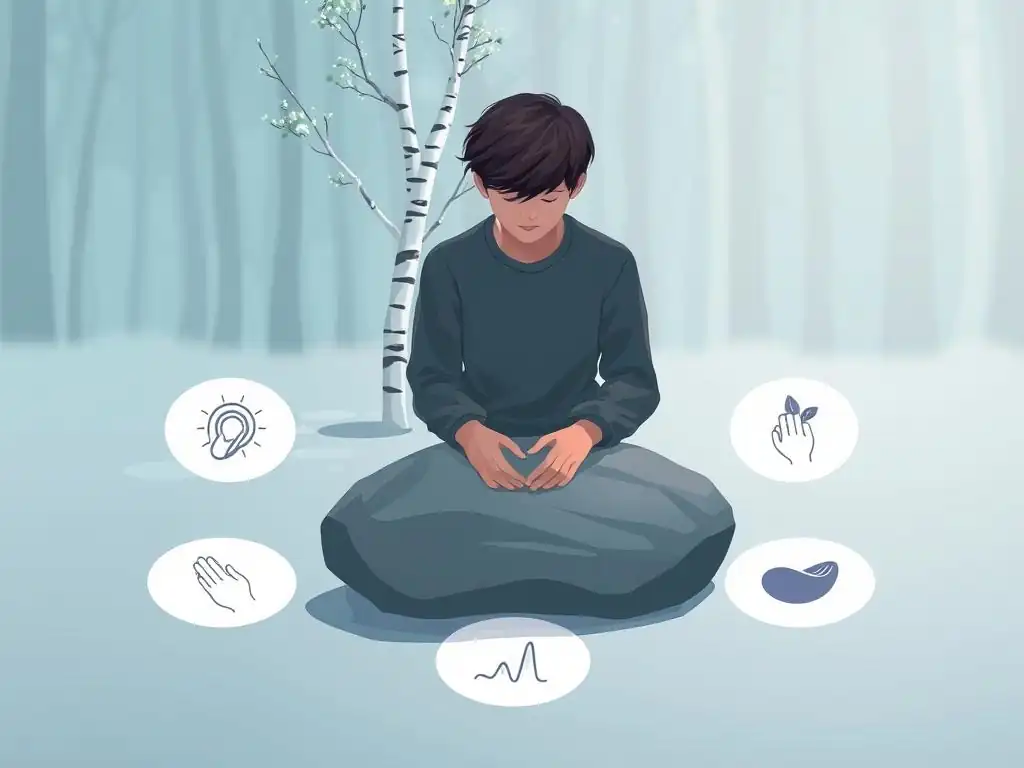
Creating and using a Teen suicidal thoughts safety plan is inherently empowering. It shifts the focus from feeling helpless in the face of overwhelming emotions to having a concrete set of actions they can take. By identifying their warning signs and effective coping strategies, teens gain valuable self-awareness about their emotional patterns and what helps them feel better.
This process gives them a sense of agency during moments when they might otherwise feel completely out of control. Knowing they have a plan they developed themselves provides a sense of readiness and capability to manage difficult feelings, fostering a belief in their ability to cope. This empowerment is a significant benefit for adolescents navigating mental health challenges.
Improved Coping Skills and Resilience
The process of developing a safety plan encourages teens to identify and practice coping skills. By brainstorming and listing strategies that work for them, they solidify their understanding of what helps them manage distress. Regularly reviewing and using the plan reinforces these skills, making them more accessible during times of need.
Over time, consistent use of the Teen suicidal thoughts safety plan can lead to improved overall coping abilities and increased resilience. Teens learn that difficult feelings are manageable and that they have the tools and support systems to navigate them safely. This builds confidence in their ability to handle future stressors and challenges.
Enhanced Communication and Support Networks
Developing a safety plan often requires open communication between the teen, their mental health professional, and trusted family members or friends. This process itself can open lines of communication about difficult topics like suicidal thoughts, reducing the stigma surrounding these feelings.
By identifying and listing social supports, the safety plan explicitly highlights the people the teen can turn to. This can strengthen existing relationships and encourage the teen to lean on their support network. Knowing who to call and having their contact information readily available removes potential barriers to seeking help, enhancing the effectiveness of the teen's support system when the Teen suicidal thoughts safety plan is activated.
Reduced Risk of Suicide Attempts
Ultimately, the primary goal and most significant benefit of a Teen suicidal thoughts safety plan is to reduce the risk of suicide attempts. By providing a structured approach to managing distress, connecting the teen with coping strategies and support, and restricting access to lethal means, the plan creates layers of protection.
Clinical experience and some research suggest that the use of safety plans is associated with a decrease in suicidal behaviors. For a teen in distress, the plan serves as a lifeline, guiding them step-by-step away from suicidal impulses and towards safety and support. It provides concrete actions to take during moments of highest risk, significantly increasing the likelihood of a positive outcome.
Addressing Common Concerns and Misconceptions About Safety Plans
Myth: Safety Plans are Only for Teens with Severe Suicidal Ideation
A common misconception is that Teen suicidal thoughts safety plans are only relevant for adolescents who are actively planning suicide or have a history of attempts. This is not the case. Safety plans are beneficial for any teen who experiences suicidal thoughts, regardless of their frequency, intensity, or whether a specific plan to attempt has been made.
Suicidal ideation exists on a spectrum. Even fleeting thoughts, passive wishes of not wanting to wake up, or general feelings of hopelessness warrant attention and proactive planning. Introducing the concept of a safety plan early can normalize the conversation about mental health and coping, providing a valuable tool before thoughts escalate. It's a preventative measure as much as it is a crisis intervention tool.
Reality: Safety Plans are Beneficial for a Range of Suicidal Thoughts
The reality is that a Teen suicidal thoughts safety plan is a versatile tool applicable across the spectrum of suicidal ideation. For a teen experiencing occasional, less intense thoughts, the plan might focus heavily on early warning signs and internal coping strategies. For a teen with more frequent or intense thoughts, the plan will place greater emphasis on social supports, professional resources, and environmental safety.
The process of creating the plan itself is therapeutic and skill-building, regardless of the severity of the thoughts. It helps teens understand their triggers, identify their strengths, and recognize who they can rely on. Therefore, advocating for the creation of a Teen suicidal thoughts safety plan for any teen who reports experiencing suicidal thoughts is a proactive and beneficial approach to youth mental health.
Addressing Stigma and Encouraging Open Communication about Mental Health
Discussing suicidal thoughts and creating a safety plan inherently involves talking about mental health challenges, which can be hindered by stigma. Stigma often prevents teens from opening up about their struggles and seeking help. Addressing this requires fostering an environment of empathy, acceptance, and open communication.
Parents, educators, and mental health professionals must approach the topic of suicidal thoughts and safety planning with sensitivity and without judgment. Using supportive language, validating the teen's feelings, and emphasizing that seeking help is a sign of strength, not weakness, can help break down barriers. Promoting the Teen suicidal thoughts safety plan as a standard tool for managing distress, similar to how someone with asthma might have an action plan, can further normalize its use and encourage teens to engage in the process openly.
Resources and Support for Teens and Families
Suicide Prevention Hotlines and Crisis Text Lines
Access to immediate crisis support is a critical component of any Teen suicidal thoughts safety plan. National and local hotlines and text lines provide free, confidential support 24/7.
- In the U.S., dialing 988 connects callers to the Suicide & Crisis Lifeline.
- Texting HOME to 741741 connects individuals to the Crisis Text Line.
- Many countries have their own national crisis numbers.
- Some regions also have local crisis lines staffed by mental health professionals familiar with local resources.
These services are staffed by trained counselors who can provide immediate support, de-escalation techniques, and connection to further resources. Ensuring these numbers are prominently listed in a teen's safety plan is essential.
Mental Health Professionals Specializing in Adolescent Suicide Prevention
Working with a mental health professional is highly recommended when a teen is experiencing suicidal thoughts and creating a safety plan. Therapists, counselors, psychologists, and psychiatrists specializing in adolescent mental health can provide expert guidance.
These professionals can:
- Conduct a thorough assessment of the teen's risk level.
- Help the teen identify personal warning signs and triggers.
- Collaborate with the teen to develop effective coping strategies.
- Facilitate conversations with family members.
- Provide ongoing therapy to address underlying issues contributing to suicidal thoughts.
- Ensure the Teen suicidal thoughts safety plan is comprehensive and tailored to their specific needs.
Finding a professional with experience in youth suicide prevention is key to providing comprehensive support.
Online Resources and Support Groups for Teens and Parents
Numerous online resources and support groups offer valuable information, community, and support for teens struggling with suicidal thoughts and their families.
- Websites of national mental health organizations (e.g., NAMI, Mental Health America) often have sections on teen mental health and suicide prevention.
- Online forums or support groups specifically for teens or parents dealing with suicidal ideation can provide a sense of connection and shared experience.
- Educational websites provide information about warning signs, how to talk to teens about suicide, and how to create a Teen suicidal thoughts safety plan.
While online resources should not replace professional help in a crisis, they can be valuable for education, finding support networks, and accessing information on topics like creating an effective safety plan for teens experiencing suicidal thoughts.
Conclusion: Empowering Teens to Manage Suicidal Thoughts Through Safety Planning
Frequently Asked Questions
What is a Teen Suicidal Thoughts Safety Plan and why is it important?
A Teen Suicidal Thoughts Safety Plan is a personalized list of coping strategies and support resources. It's vital because it provides actionable steps for teens experiencing suicidal thoughts, helping them navigate crises and stay safe.
When should a Teen Suicidal Thoughts Safety Plan be used?
A safety plan should be used before a crisis occurs, ideally when the teen is feeling relatively stable. It's a proactive tool designed to be readily available when suicidal thoughts intensify.
Who should be involved in creating a Teen Suicidal Thoughts Safety Plan?
Ideally, the teen, a trusted adult (parent, guardian, counselor), and a mental health professional should collaborate. This ensures the plan is tailored to the teen's specific needs and circumstances.
What are the key components of an effective Teen Suicidal Thoughts Safety Plan?
Key components include: recognizing warning signs, using coping strategies, contacting supportive people, identifying safe places, and listing emergency resources like crisis hotlines. It should be easily accessible.
Where can I find resources and support to create a Teen Suicidal Thoughts Safety Plan?
You can find resources on websites like Mind Care Guide, through mental health professionals, and at local community centers. Seeking professional guidance is crucial for creating a comprehensive and effective plan.
Final Reflection: Empowering Teens, Saving Lives Through Safety Planning
The creation and implementation of a safety plan is not merely a theoretical exercise; it's a lifeline for teenagers grappling with suicidal thoughts. This vital tool provides a concrete pathway out of crisis, offering immediate strategies and long-term support that can be the difference between life and death. The urgency of this issue cannot be overstated, especially in today's complex and often overwhelming world for young people.
The impact of accessible mental health resources, including the readily available safety plan template, is profoundly shaping the landscape of teen mental health. We are moving beyond a culture of silence and stigma, fostering open conversations about suicidal ideation and providing tangible tools for coping. This shift is crucial, and the ongoing dialogue surrounding mental health is empowering teens to seek help and find hope. Hope is being able to see that there is light despite all of the darkness.
- Desmond Tutu. This quote encapsulates the essence of a safety plan: it provides that light, that beacon of hope in moments of profound despair.
You, the reader, now possess the knowledge to understand and utilize a safety plan. Consider this information not just as knowledge, but as a tool you can share with a teenager in your life. Take the time to learn the steps involved, and if you are a teen struggling, reach out for help. Your life matters, and there are people who care and want to support you. Don't hesitate to seek professional guidance, share this information with a trusted adult, or simply take the first step towards building your own personalized safety plan. Your future is worth fighting for.
Ready to Empower Your Teen?
Thanks for taking the time to learn about safety planning – a crucial step in supporting a teen struggling with suicidal thoughts. You’ve gained valuable insights into a proactive approach to mental well-being. Now, let's put that knowledge into action.
- Create a personalized safety plan today: This is the most vital step. Use the information from the article as a guide, and involve your teen in the process. Remember, it's a living document, adaptable to their changing needs.
- Share this article with a trusted friend or family member: Building a supportive network is key to effective crisis management. Opening up the conversation can be incredibly powerful.
- Explore additional resources: Consider researching local mental health support groups or online communities offering peer support and guidance.
What specific step in creating a safety plan feels most achievable for you right now, and how can you make it happen this week?