
StressBusting Strategies: Practical Techniques for Youth Mental Wellbeing


Welcome to Mind Care Guide, a safe space to explore your mental well-being. Are you a teenager feeling overwhelmed and searching for ways to cope? You're not alone. This week, we're diving deep into stress management for teenagers, offering practical techniques to navigate the pressures of youth. Discover effective strategies and unlock a calmer, more balanced you. Ready to take the first step?
- Understanding Stress in Teenagers and Youth: A Mind Care Guide
-
Effective Stress Management Techniques for Teenagers
- Mindfulness and Meditation for Stress Reduction in Youth
- Physical Activity: Exercise as a Stress Reliever for Young People
- Healthy Eating Habits: Fueling Your Body and Mind for Stress Resilience
- Time Management Skills: Organizing Your Life for Less Stress
- Sleep Hygiene: Improving Sleep Quality for Stress Relief
- Coping Mechanisms for Stressful Situations in Youth
- Long-Term Strategies for Youth Mental Wellbeing and Stress Prevention
- Resources and Support for Teenagers Struggling with Stress
- Stress Management Plans for Teenagers: A Personalized Approach
- Supporting a Teenager Experiencing Stress: A Guide for Parents and Educators
-
Frequently Asked Questions
- What are the primary sources of stress for teenagers and young adults?
- Why is stress management particularly important for youth mental wellbeing?
- What are some practical stress-busting techniques that teenagers can easily implement?
- Where can teenagers find additional support and resources for managing stress and improving their mental health?
- How can parents and educators support teenagers in developing healthy stress management habits?
- Final Reflection: Cultivating Calm in a Stormy World
- Unleash Your Inner Calm: Start Your Wellbeing Journey Today!
Understanding Stress in Teenagers and Youth: A Mind Care Guide
Identifying Stressors: Common Causes of Stress in Young People
Teenagers and youth navigate a complex landscape of expectations and pressures that can significantly contribute to stress. Academics are frequently cited as a primary source, with the weight of exams, demanding coursework, and the pressure to achieve high grades for college applications creating constant tension. For example, research consistently shows that students often report feeling overwhelmed by the sheer volume of homework and the intensity of testing periods throughout the school year. This academic burden is a major factor impacting effective stress management for teenagers youth.
Beyond the classroom, social dynamics, including peer relationships and the pervasive influence of social media, add another layer of stress. Navigating friendships, dealing with potential conflicts or exclusion, and managing online presence and comparisons can be emotionally taxing. Family expectations, participation in numerous extracurricular activities (sports, clubs, part-time jobs), and uncertainty about the future (college, career) also contribute to the overall stress load experienced by young people. These varied pressures highlight the need for comprehensive stress management for teenagers youth.
Recognizing the Symptoms of Stress: Physical and Emotional Signs
The signs of stress in teenagers can manifest in both physical and emotional ways, sometimes making them difficult to distinguish from typical adolescent development. Physically, stress might present as frequent headaches, stomachaches, or digestive issues without a clear medical cause. Changes in sleep patterns, such as insomnia or excessive sleeping, fatigue, and alterations in appetite leading to weight gain or loss are also common indicators. A teenager might complain of feeling constantly tired or unwell, especially during periods of heightened pressure like final exams.
Emotionally and behaviorally, stress can lead to increased irritability, anxiety, sadness, or feelings of hopelessness. Young people might withdraw from social activities they once enjoyed, exhibit difficulty concentrating in school, or become more easily frustrated. Some might show changes in behavior, such as acting out, becoming defiant, or conversely, becoming unusually quiet and withdrawn. Recognizing these shifts from a teenager's baseline behavior is crucial for parents and educators aiming to support stress management for teenagers youth.
Effective Stress Management Techniques for Teenagers
Mindfulness and Meditation for Stress Reduction in Youth
Mindfulness is the practice of paying attention to the present moment without judgment. For teenagers, this can be a powerful tool to break the cycle of worrying about the past or future, which often fuels stress. Simple mindfulness exercises, like focusing on the sensation of breathing or observing the environment during a walk, can help ground young people and create a sense of calm amidst chaotic thoughts. This practice is increasingly recognized as a valuable component of stress management for teenagers youth.
Meditation, a related practice, involves training the mind to focus or clear it, often through techniques like concentrating on breath or using guided imagery. Regular meditation has been shown to reduce anxiety levels and improve emotional regulation. Even short daily sessions, perhaps just 5 or 10 minutes, can help teenagers develop a greater capacity to handle stressful situations, improve their focus during schoolwork, and cultivate a more positive outlook, all contributing to better stress management for teenagers youth.
Practicing Mindfulness: Simple Exercises for Teenagers
One simple mindfulness exercise is focused breathing. A teenager can sit or lie down comfortably, close their eyes if they wish, and simply pay attention to the sensation of air entering and leaving their nostrils or the rise and fall of their abdomen. When the mind wanders, which it inevitably will, the goal is gently to notice the thought without judgment and redirect attention back to the breath. Practicing this for just a few minutes several times a day can provide quick moments of calm.
Another accessible technique is a mindful walk. While walking, a teenager can focus on the physical sensations in their feet, the rhythm of their steps, and the sights, sounds, and smells around them. The aim is to engage the senses fully in the present experience rather than letting the mind dwell on worries or to-do lists. This can turn a simple walk into a refreshing break that helps clear the head and reduce immediate stress levels.
Benefits of Meditation: Reducing Anxiety and Improving Focus
Meditation has a tangible impact on the body's stress response system. Regular practice can help lower levels of stress hormones like cortisol and reduce activity in the amygdala, the brain region associated with fear and anxiety. This physiological effect translates to feeling less anxious and more emotionally stable when facing stressful situations. It provides a foundation for improving stress management for teenagers youth.
Furthermore, meditation trains the brain to improve attention and concentration. By repeatedly bringing the focus back to the breath or a chosen object, teenagers strengthen their ability to concentrate on tasks, like studying or listening in class, without being easily distracted by internal worries or external stimuli. This improved focus can directly reduce academic stress and enhance overall cognitive performance.
Physical Activity: Exercise as a Stress Reliever for Young People
Physical activity is a powerful natural stress reliever. When teenagers exercise, their bodies release endorphins, which are natural mood boosters that can help counteract feelings of stress and anxiety. Exercise also helps to reduce the levels of stress hormones like adrenaline and cortisol. Engaging in physical activity provides a healthy outlet for pent-up energy and tension, which is particularly beneficial for active young people seeking effective stress management for teenagers youth.
Beyond the immediate chemical effects, regular exercise improves overall physical health, which in turn supports mental well-being. It can lead to better sleep quality, increased energy levels, and improved body image and self-esteem. The sense of accomplishment from mastering a new skill, completing a workout, or participating in a team effort also contributes positively to a teenager's mental state and resilience against stress.
Types of Exercise: Finding Activities That Teenagers Enjoy
The most effective exercise for stress relief is one that a teenager genuinely enjoys, making them more likely to stick with it. This could be participation in organized sports like soccer, basketball, or swimming, which also offer social benefits. Individual activities such as running, cycling, dancing, or martial arts are also excellent options. The key is to find an activity that feels like fun rather than a chore.
Incorporating movement into daily routines also counts. Encourage walking or biking to school, taking the stairs instead of the elevator, or simply taking active breaks to stretch or move around during long study sessions. Even moderate physical activity, like a brisk 30-minute walk several times a week, can significantly contribute to stress management for teenagers youth.
The Link Between Physical Health and Mental Wellbeing
The connection between physical health and mental wellbeing is undeniable and bidirectional. When teenagers are physically healthy, with balanced nutrition and regular activity, their bodies and brains are better equipped to handle stress. Poor physical health, conversely, can exacerbate mental health challenges, making it harder to cope with even minor stressors.
Maintaining good physical health provides a robust foundation for mental resilience. Regular exercise improves sleep, boosts mood, and increases energy, all of which are critical factors in managing stress effectively. By prioritizing physical health, teenagers are actively investing in their capacity for strong stress management for teenagers youth and overall mental wellbeing.
Healthy Eating Habits: Fueling Your Body and Mind for Stress Resilience
Nutrition plays a significant role in how the body and mind respond to stress. Eating a balanced diet provides the necessary nutrients to support brain function, regulate mood, and maintain stable energy levels. Skipping meals or relying on processed foods can lead to blood sugar crashes, irritability, and fatigue, making it harder to cope with stress. Good eating habits are fundamental to effective stress management for teenagers youth.
The gut-brain connection is also increasingly understood; a healthy gut microbiome supported by a diet rich in fiber and fermented foods can positively influence mood and reduce stress. Conversely, a diet high in sugar and unhealthy fats can negatively impact this connection, potentially worsening stress and anxiety symptoms. Fueling the body with nutritious foods is a proactive step in building stress resilience.
Nutritional Tips: Foods to Reduce Stress and Anxiety
Certain foods are known to support brain health and promote a sense of calm. Complex carbohydrates like oatmeal, whole-grain bread, and brown rice can help increase serotonin levels, a neurotransmitter associated with mood regulation. Lean proteins found in chicken, fish, beans, and nuts provide amino acids essential for neurotransmitter production. Foods rich in omega-3 fatty acids, such as salmon, walnuts, and chia seeds, are linked to reduced inflammation and improved mood.
Incorporating plenty of colorful fruits and vegetables ensures intake of essential vitamins, minerals, and antioxidants that protect brain cells from stress-related damage. Examples include berries, citrus fruits, leafy greens, and avocados. Staying well-hydrated by drinking enough water throughout the day is also crucial, as dehydration can contribute to fatigue and irritability, hindering stress management for teenagers youth.
Avoiding Stress-Inducing Foods and Drinks
While some foods help manage stress, others can exacerbate it. Limiting excessive intake of sugar is important, as it can cause rapid spikes and crashes in blood sugar, leading to mood swings and increased irritability. High amounts of caffeine, found in coffee, tea, and energy drinks, can trigger anxiety symptoms like jitters and nervousness, making stress feel worse.
Processed foods, often high in unhealthy fats, salt, and sugar, offer little nutritional value and can negatively impact overall health and mood. Avoiding large amounts of these foods and opting for whole, unprocessed options supports better physical and mental stability, crucial for effective stress management for teenagers youth. Consistency in eating regular, balanced meals throughout the day is also key to maintaining stable energy and mood.
Time Management Skills: Organizing Your Life for Less Stress
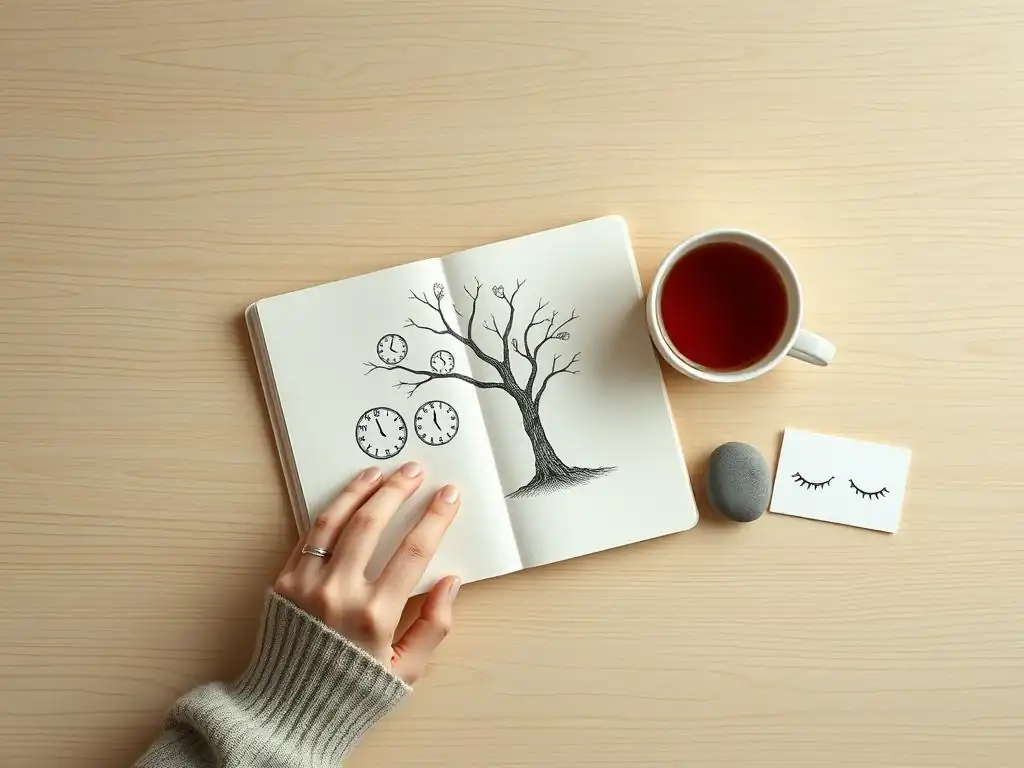
Feeling overwhelmed by too many tasks and deadlines is a major source of stress for teenagers. Developing effective time management skills provides a sense of control over one's schedule and responsibilities, significantly reducing anxiety. Learning to plan, prioritize, and organize time allows teenagers to allocate sufficient attention to academics, extracurriculars, social life, and rest without feeling constantly rushed or behind. This skill is vital for comprehensive stress management for teenagers youth.
Effective time management also frees up time for relaxation, hobbies, and spending time with friends and family – activities that are essential for mental wellbeing and stress reduction. By proactively managing their time, teenagers can minimize procrastination, avoid last-minute rushes, and feel more capable of handling their workload, leading to decreased stress levels and improved academic performance.
Prioritizing Tasks: Managing School, Activities, and Social Life
Prioritization involves deciding which tasks are most important and need attention first. Teenagers can use simple tools like to-do lists, planners, or digital apps to write down all their commitments. Then, they can categorize tasks based on urgency and importance (e.g., using a system like the Eisenhower Matrix: urgent/important, important but not urgent, etc.). This helps clarify where effort should be focused.
Learning to say "no" to taking on too many commitments is also a crucial part of prioritization. Teenagers need to balance academic demands, extracurricular passions, and essential social connections without overextending themselves. Deciding which activities truly matter and allocating appropriate time to each is key to managing a busy life and preventing stress buildup. This selective approach supports effective stress management for teenagers youth.
Breaking Down Large Tasks: Making Projects Less Overwhelming
Large assignments or long-term projects can feel daunting and lead to procrastination and increased stress. A highly effective strategy is to break these large tasks into smaller, more manageable steps. For example, instead of seeing "Write a research paper," a teenager can list steps like "Choose a topic," "Conduct initial research," "Create an outline," "Write introduction," "Write body paragraph 1," and so on.
Focusing on completing one small step at a time makes the overall task seem less intimidating and provides a sense of progress as each mini-goal is achieved. This approach not only reduces the feeling of being overwhelmed but also makes the project more approachable and less likely to cause significant stress, improving overall stress management for teenagers youth.
Sleep Hygiene: Improving Sleep Quality for Stress Relief
Adequate, quality sleep is absolutely essential for managing stress and maintaining mental health. Teenagers typically need between 8 and 10 hours of sleep per night, but many get significantly less due to academic pressure, social activities, and screen time. Chronic sleep deprivation impairs concentration, exacerbates mood swings, and makes it much harder to cope with daily stressors. Prioritizing sleep is a non-negotiable aspect of effective stress management for teenagers youth.
Stress and sleep have a reciprocal relationship: stress makes it difficult to fall asleep and stay asleep, and lack of sleep increases stress and reduces the ability to handle challenges. Establishing healthy sleep habits, known as sleep hygiene, helps regulate the body's natural sleep-wake cycle, leading to more restful sleep and improved resilience against stress.
Creating a Relaxing Bedtime Routine
Developing a consistent and calming bedtime routine signals to the body that it's time to wind down and prepare for sleep. This routine should ideally start about an hour before bedtime. Activities could include taking a warm bath or shower, reading a physical book (avoiding screens), listening to quiet music, doing some gentle stretching, or practicing deep breathing exercises.
It is particularly important to avoid electronic screens (phones, tablets, computers, TV) for at least 60 minutes before bed, as the blue light they emit can interfere with the production of melatonin, the hormone that regulates sleep. Creating a peaceful, dark, and cool bedroom environment also helps promote better sleep quality, supporting effective stress management for teenagers youth.
The Importance of Consistent Sleep Schedules
Maintaining a consistent sleep schedule – going to bed and waking up around the same time every day, even on weekends – helps regulate the body's internal clock, or circadian rhythm. This consistency strengthens the sleep-wake cycle, making it easier to fall asleep when it's time and wake up feeling refreshed.
While it might be tempting to sleep in late on weekends to catch up, large deviations from the weekday schedule can actually disrupt the circadian rhythm, making it harder to wake up on Monday mornings and potentially worsening sleep patterns overall. Aiming for consistency within an hour or two, even on days off, is best for promoting restful sleep and enhancing stress management for teenagers youth.
Coping Mechanisms for Stressful Situations in Youth
Deep Breathing Exercises: Quick Stress Relief Techniques
When faced with an immediate stressful situation, such as before a presentation or during a conflict, deep breathing exercises can provide quick relief. Stress often triggers shallow, rapid breathing, which activates the body's fight-or-flight response. Consciously slowing down and deepening the breath helps activate the parasympathetic nervous system, promoting relaxation. This is a simple yet powerful technique for immediate stress management for teenagers youth.
A common technique is the 4-7-8 method: inhale deeply through the nose for a count of four, hold the breath for a count of seven, and exhale slowly through the mouth for a count of eight. Repeating this cycle a few times can help lower heart rate, calm the nervous system, and create a brief pause to regain composure.
Progressive Muscle Relaxation: Releasing Tension in Your Body
Stress often causes physical tension in the muscles, leading to stiffness, headaches, or even pain. Progressive Muscle Relaxation (PMR) is a technique where you systematically tense and then release different muscle groups in the body. By focusing on the contrast between tension and relaxation, you become more aware of where you hold stress in your body and learn to release it.
To practice PMR, a teenager can start by tensing the muscles in their feet for a few seconds, then completely releasing the tension and noticing the difference. They then move up the body, tensing and releasing calf muscles, thighs, abdomen, arms, shoulders, neck, and face. This process not only releases physical tension but also serves as a mental distraction from stressful thoughts, contributing to effective stress management for teenagers youth.
Positive Self-Talk: Challenging Negative Thoughts
Stress is often amplified by negative self-talk – critical or pessimistic thoughts that run through one's mind (e.g., "I'm going to fail," "Nobody likes me," "This is too hard"). These thoughts can become a self-fulfilling prophecy and increase feelings of anxiety and hopelessness. Recognizing and challenging these negative thought patterns is a key coping mechanism.
Replacing negative self-talk with positive or realistic affirmations can significantly improve mood and confidence. Instead of "I can't do this," a teenager can practice thinking "I will try my best" or "I can ask for help." Regularly practicing positive self-talk helps build a more resilient mindset and improves the ability to face challenges with greater confidence, enhancing stress management for teenagers youth.
Seeking Support: Talking to Trusted Adults and Friends
One of the most effective ways to cope with stress is to talk about it with someone you trust. Bottling up feelings can intensify stress and make problems seem insurmountable. Sharing concerns with a supportive parent, teacher, school counselor, mentor, or close friend can provide emotional relief, offer new perspectives, and sometimes lead to practical solutions.
Talking about stress helps teenagers feel less alone in their struggles. Trusted individuals can offer empathy, validation, and encouragement. They can also help brainstorm coping strategies or connect the teenager with additional resources if needed. Reaching out for support is a sign of strength and a vital component of effective stress management for teenagers youth.
Long-Term Strategies for Youth Mental Wellbeing and Stress Prevention
Building Resilience: Developing Coping Skills for Future Challenges
Resilience is the capacity to adapt well in the face of adversity, trauma, tragedy, threats, or significant sources of stress. It is not an inherent trait that some people have and others don't, but rather a skill that can be developed and strengthened over time. Learning and consistently applying stress management techniques is a direct way for teenagers to build this crucial capacity.
By successfully navigating stressful situations using learned coping skills, teenagers gain confidence in their ability to handle future challenges. Each time they effectively manage stress, they reinforce their resilience, making them better equipped to face academic pressures, social difficulties, and life transitions without becoming overwhelmed. Building resilience is central to long-term stress management for teenagers youth.
Setting Realistic Goals: Avoiding Unnecessary Pressure
Setting goals is important for motivation and achievement, but setting unrealistic or overly ambitious goals can be a significant source of stress and anxiety. Teenagers often feel pressure to excel in multiple areas – academics, sports, arts, social life – leading to feelings of inadequacy if they fall short of unattainable standards.
Encouraging teenagers to set realistic, achievable goals helps reduce unnecessary pressure. Using frameworks like SMART goals (Specific, Measurable, Achievable, Relevant, Time-bound) can help break down aspirations into manageable steps. Celebrating progress towards realistic goals, rather than focusing solely on outcomes, fosters a healthier mindset and reduces stress related to perceived failure, supporting long-term stress management for teenagers youth.
Practicing Self-Care: Prioritizing Your Mental and Emotional Health
Self-care involves intentionally engaging in activities that promote physical, mental, and emotional well-being. For teenagers, this means consciously setting aside time for activities they enjoy and that help them recharge, separate from academic or social obligations. Self-care is not a luxury; it is a necessary practice for preventing burnout and maintaining resilience against stress.
Examples of self-care activities for teenagers include pursuing hobbies (art, music, reading), spending time in nature, practicing mindfulness or meditation, connecting with loved ones, getting enough sleep, and ensuring proper nutrition. Making self-care a regular, non-negotiable part of their routine helps teenagers prioritize their mental and emotional health, which is fundamental for sustainable stress management for teenagers youth.
Creating a Supportive Environment: Building Strong Relationships
Having a strong network of supportive relationships is a powerful protective factor against stress. Positive connections with family, friends, teachers, and mentors provide emotional support, a sense of belonging, and a safety net during difficult times. Feeling understood and accepted by others significantly reduces the burden of stress.
Teenagers can actively nurture these relationships by communicating openly, being a good listener for others, spending quality time with loved ones, and setting healthy boundaries. Building and maintaining strong social connections provides a crucial buffer against adversity and enhances a teenager's ability to cope with stress, contributing significantly to their long-term mental wellbeing and stress management for teenagers youth.
Resources and Support for Teenagers Struggling with Stress

Mental Health Professionals: When to Seek Professional Help
While self-help techniques and support from loved ones are effective for managing everyday stress, there are times when professional help is necessary. If a teenager's stress is persistent, overwhelming, or significantly interfering with their daily life (school performance, relationships, sleep, appetite), or if they are experiencing symptoms of anxiety or depression, it may be time to consult a mental health professional.
Therapists, counselors, or psychologists can provide personalized strategies, teach advanced coping skills, and help address any underlying issues contributing to the stress. Seeking professional help is a proactive and courageous step towards better mental health and is a valid part of comprehensive stress management for teenagers youth. It's important to normalize seeking help and view it as a sign of strength.
Online Resources: Websites and Apps for Stress Management
The digital age offers numerous online resources that can be helpful for teenagers managing stress. Many reputable mental health organizations and health websites provide articles, guides, and toolkits on stress reduction techniques, mindfulness, and coping skills tailored for young people. These resources can offer accessible information and practical tips.
Additionally, various mobile apps are designed to support stress management. These might include guided meditation apps, mindfulness exercises, mood tracking tools, or organizational apps to help with time management. When using online resources, it's important to ensure they come from credible sources, such as established health organizations or licensed professionals, to ensure the information is accurate and safe.
Crisis Hotlines: Immediate Support for Suicidal Thoughts or Feelings
In moments of severe distress, overwhelming stress, or when experiencing thoughts of self-harm or suicide, immediate help is available. Crisis hotlines are staffed by trained counselors who can provide confidential support 24/7. Reaching out to a crisis hotline is a critical step and these services are specifically designed to help individuals in acute emotional pain.
If a teenager expresses suicidal thoughts or feelings, or if you are concerned about their immediate safety, do not leave them alone. Remove any potential means of harm if possible and seek help immediately by calling emergency services (like 911 in the US), contacting a crisis hotline, or taking the teenager to the nearest emergency room. Accessing immediate support is paramount in a crisis situation.
Stress Management Plans for Teenagers: A Personalized Approach
Identifying Your Individual Stressors and Triggers
While many teenagers face similar pressures like school and social life, the specific situations or thoughts that trigger stress, and how intensely they are felt, are highly individual. The first step in creating a personalized stress management plan is for a teenager to become aware of their unique stressors and triggers. This involves paying attention to when stress arises and what situations, people, or thoughts seem to provoke it.
Keeping a simple stress journal for a week or two can be helpful. The teenager can note down moments when they felt stressed, what was happening, how they reacted physically and emotionally, and what thoughts went through their mind. Reviewing these entries can reveal patterns and specific triggers that might not be obvious otherwise, providing a clear target for personalized stress management for teenagers youth.
Developing a Personalized Stress Management Toolkit
Based on the identified stressors and triggers, a teenager can then build a personalized "toolkit" of coping strategies. This toolkit should include a variety of techniques that they find effective and enjoyable. It might combine immediate coping skills for acute stress (like deep breathing) with long-term strategies for prevention (like regular exercise or a consistent sleep schedule).
The toolkit should be easily accessible, both mentally and physically. It could include a list of go-to activities (listening to music, drawing, talking to a specific friend), quick exercises (a favorite breathing technique), and reminders of healthy habits (eating a snack, taking a walk). Experimenting with different techniques is key to discovering what works best for the individual's unique needs and preferences for effective stress management for teenagers youth.
Reviewing and Adjusting Your Plan Regularly
A personalized stress management plan is not a static document; it should evolve as a teenager grows and their circumstances change. Stressors and triggers might shift over time, and techniques that were effective once might become less so. Therefore, it is important to regularly review and adjust the plan.
Encourage teenagers to check in with their plan periodically – perhaps monthly, or during periods of increased stress like exam season. They can assess which strategies are working, which aren't, and what new challenges they are facing. Adjusting the toolkit, trying new techniques, or seeking additional support ensures the plan remains relevant and effective for ongoing stress management for teenagers youth.
Supporting a Teenager Experiencing Stress: A Guide for Parents and Educators
Recognizing the Signs of Stress in Teenagers
Parents and educators are often the first to notice signs of stress in teenagers. It's crucial to be attuned to changes in their typical behavior, mood, or habits. Look for shifts such as increased irritability, withdrawal from social activities, a significant drop in academic performance, frequent complaints of physical ailments (headaches, stomachaches) without a medical explanation, or noticeable changes in sleep or eating patterns.
Other indicators might include difficulty concentrating, increased worry or anxiety, loss of interest in hobbies, or expressing feelings of hopelessness or feeling overwhelmed. While some of these can be part of normal teenage development, a cluster of symptoms or a significant departure from their usual self warrants attention. Recognizing these signs is the first step in providing support for stress management for teenagers youth.
Communicating Effectively with Stressed Youth
When you notice signs of stress, approaching the teenager with empathy and a genuine desire to listen is key. Avoid accusatory language or minimizing their feelings. Start the conversation by expressing care and observing specific behaviors ("I've noticed you seem more quiet lately" or "You seem a bit overwhelmed with schoolwork"). Create a safe space for them to share without fear of judgment.
Practice active listening: pay full attention, nod, make eye contact, and summarize what they've said to show you understand. Validate their feelings ("It sounds like you're under a lot of pressure"). Ask open-ended questions ("What feels most challenging right now?" or "How can I help?"). Avoid immediately jumping to solutions; sometimes, just being heard is the most important thing. Your support is invaluable for effective stress management for teenagers youth.
Creating a Supportive and Understanding Environment
Beyond communication, creating an environment that actively supports a teenager's mental wellbeing is vital. This involves managing expectations around academics and activities, ensuring opportunities for adequate rest and healthy habits, and fostering a sense of security and belonging. Let them know that their worth is not solely tied to their achievements.
Encourage them to utilize stress management techniques and healthy coping skills, and model these behaviors yourself. Help them connect with resources like school counselors or external mental health professionals if needed. Providing consistent emotional support, understanding, and practical help empowers teenagers to navigate stress more effectively and build resilience for the future, enhancing their long-term stress management for teenagers youth.
Frequently Asked Questions
What are the primary sources of stress for teenagers and young adults?
Teenagers often experience stress from academic pressures, social anxieties, and family expectations. These factors contribute significantly to their overall mental well-being.
Why is stress management particularly important for youth mental wellbeing?
Effective stress management is crucial because it helps prevent the development of long-term mental health issues like anxiety and depression. It also promotes better coping mechanisms in the face of adversity.
What are some practical stress-busting techniques that teenagers can easily implement?
Simple techniques include mindfulness exercises, regular physical activity, and establishing a consistent sleep schedule. These strategies can significantly reduce stress levels.
Where can teenagers find additional support and resources for managing stress and improving their mental health?
Resources are available through school counselors, online mental health platforms (like Mind Care Guide), and community support groups. These offer valuable guidance and assistance.
How can parents and educators support teenagers in developing healthy stress management habits?
Parents and educators can create a supportive environment by encouraging open communication, promoting self-care practices, and providing access to mental health resources. This fosters resilience and well-being.
Final Reflection: Cultivating Calm in a Stormy World
The relentless pressure on today's youth is undeniable, a tidal wave of academic expectations, social media scrutiny, and future anxieties. This article has explored practical, accessible stress management techniques specifically designed to equip teenagers with the tools to navigate these challenges and build resilience. We've examined the power of mindfulness, the benefits of physical activity, and the importance of strong social connections – all crucial elements in fostering mental wellbeing.
The impact of chronic stress on young people is profound and far-reaching, shaping not only their present experiences but also their future trajectories. It affects academic performance, relationships, and overall life satisfaction. The pervasive nature of this issue demands our collective attention and proactive solutions. As the poet Mary Oliver wisely reminds us, Tell me, what is it you plan to do with your one wild and precious life?
This question becomes even more poignant when considering the mental health struggles faced by young people, urging us to prioritize their wellbeing and empower them to live fulfilling lives.
Now, consider your own life. What strategies resonate most with you from those discussed? Take a moment to identify one small, manageable step you can implement today to reduce stress and prioritize your mental health. It could be a five-minute meditation, a brisk walk, or simply reaching out to a trusted friend. Remember, cultivating inner peace is a journey, not a destination, and every small act of self-care contributes to a more resilient and joyful you. Embrace the power of these techniques, and begin building a life characterized by calm amidst the storm.
Unleash Your Inner Calm: Start Your Wellbeing Journey Today!
Thank you for taking the time to explore practical stress-busting techniques for young minds. We hope you found valuable insights to help navigate the challenges of daily life. Now it's time to put this knowledge into action!
- Prioritize one new mindfulness technique: Choose one strategy from the article (deep breathing, mindful walking, or journaling) and commit to practicing it daily for a week. Notice how it shifts your perspective.
- Share your experience: Tell a friend or family member about the technique you're trying and encourage them to join you. Building a support network is key!
- Explore additional resources: Visit MindCareGuide.org for more articles and tools to support your mental well-being journey. Discover what resonates with you most.
What small step will you take today to prioritize your mental wellbeing?