
The Unique Challenges of Rural LGBTQ+ Individuals and Access to Support


Welcome to Mind Care Guide.
Feeling isolated can be especially challenging when you're also navigating the complexities of identity. Are you, or someone you know, facing unique mental health hurdles as part of the rural LGBTQ+ community? This guide sheds light on the specific difficulties encountered and, more importantly, explores vital resources designed to provide rural LGBTQ+ mental health support. Let's uncover pathways to well-being together.
- The Unique Challenges of Rural LGBTQ+ Individuals and Access to Support: A Mental Health Guide
- The Impact of Geographic Location on LGBTQ+ Mental Well-being
- Overcoming Barriers to Mental Health Support for Rural LGBTQ+ Individuals
- Improving Access to Mental Healthcare Services in Rural Areas
- Resources and Support Networks for Rural LGBTQ+ Mental Health
- Building Resilience and Fostering Mental Well-being in Rural LGBTQ+ Communities
- The Role of Mental Health Professionals in Supporting Rural LGBTQ+ Individuals
- Conclusion: Empowering Rural LGBTQ+ Individuals to Thrive
-
Frequently Asked Questions
- What are some of the unique mental health challenges faced by LGBTQ+ individuals in rural areas?
- Why is access to mental health support particularly difficult for rural LGBTQ+ individuals?
- How does the lack of community resources impact the mental well-being of rural LGBTQ+ individuals?
- What types of mental health support resources are most effective for rural LGBTQ+ individuals?
- How can mental health professionals better serve the needs of rural LGBTQ+ individuals?
- Final Reflection: Bridging the Distance to Care
- Unlock Support: Empowering Rural LGBTQ+ Communities
The Unique Challenges of Rural LGBTQ+ Individuals and Access to Support: A Mental Health Guide
The Disparities in Mental Health for LGBTQ+ Individuals in Rural Areas
Research consistently shows that LGBTQ+ individuals, particularly youth, face higher rates of mental health challenges compared to their heterosexual and cisgender peers. When we look specifically at those living in rural areas, these disparities often become more pronounced. For instance, studies have indicated that rural LGBTQ+ youth are significantly more likely to report depression, anxiety, and suicidal ideation than their urban counterparts. This heightened vulnerability is not inherent to their identity but stems from systemic and environmental factors unique to non-urban settings.
The lack of readily available, culturally competent Rural LGBTQ+ mental health support exacerbates these issues. While mental health resources might be scarce in rural areas for everyone, the specific needs of LGBTQ+ individuals, such as navigating identity development in potentially unsupportive environments or dealing with minority stress, often go unaddressed. This gap in specialized care means that even when individuals seek help, they may encounter providers who lack training in LGBTQ+ affirmative practices, leading to negative experiences and further disengagement from the healthcare system.
Factors Contributing to Mental Health Challenges in Rural LGBTQ+ Communities
Social Isolation and Limited Community in Rural Settings
Rural areas often have smaller populations spread over larger geographic distances, which can limit opportunities for LGBTQ+ individuals to connect with peers and build supportive communities. Unlike urban centers that may have dedicated LGBTQ+ community centers, support groups, or social spaces, rural residents may find themselves feeling isolated, believing they are the only LGBTQ+ person in their town or region. This isolation can be particularly difficult for youth exploring their identity, as they may lack positive role models or safe spaces to express themselves freely.
The absence of visible LGBTQ+ community infrastructure means fewer opportunities for collective support and validation. This lack of connection contributes significantly to feelings of loneliness, alienation, and invisibility, all of which are known risk factors for various mental health issues, including depression and anxiety. Building robust Rural LGBTQ+ mental health support networks requires creative approaches that overcome these geographic and social barriers, fostering connections even across distances.
Limited Access to LGBTQ+ Affirmative Mental Healthcare
Accessing any mental healthcare can be challenging in rural areas dueitecto a shortage of providers. For LGBTQ+ individuals, the challenge is compounded by the scarcity of providers who are specifically trained in or knowledgeable about LGBTQ+ issues. Finding a therapist who understands minority stress, the coming-out process, gender identity exploration, or relationship dynamics specific to the LGBTQ+ community can be incredibly difficult.
This lack of affirmative care means that individuals may face providers who are uninformed, uncomfortable, or even prejudiced, leading to harmful therapeutic experiences. A negative encounter can deter someone from seeking help again, leaving them without essential Rural LGBTQ+ mental health support. The need for accessible, culturally competent, and affirmative care is critical in these underserved areas.
Stigma and Discrimination in Rural Environments
While progress is being made, stigma and discrimination against LGBTQ+ individuals persist in many areas, and can be particularly pronounced in some rural communities where traditional values may be more deeply entrenched. This can manifest as overt prejudice, microaggressions, lack of acceptance from family or community members, or fear of being openly out. Living in an environment where one feels unsafe or constantly judged creates significant psychological distress.
The fear of discrimination can prevent individuals from seeking healthcare, including mental healthcare, or participating in community life. It forces some to remain closeted, which itself is linked to higher rates of depression and anxiety. Addressing this requires not just providing Rural LGBTQ+ mental health support but also working to reduce stigma through education and fostering greater acceptance within the broader community.
Financial Barriers and Healthcare Coverage Issues
Access to mental healthcare is often limited by cost, and this is a major barrier in rural areas where poverty rates may be higher and employment opportunities offering comprehensive health insurance might be fewer. Even with insurance, coverage for mental health services can be inadequate, with high co-pays or deductibles. Many rural mental health providers may not accept certain insurance plans or may only offer services on a fee-for-service basis.
For LGBTQ+ individuals, these financial hurdles can be particularly difficult to navigate, especially if they lack family support or face employment discrimination. The cost of travel to distant providers, coupled with the cost of care itself, makes consistent Rural LGBTQ+ mental health support financially out of reach for many. Policies and funding initiatives are needed to make care more affordable and accessible.
The Impact of Geographic Location on LGBTQ+ Mental Well-being
How Rurality Exacerbates Existing Mental Health Issues
Rurality doesn't cause mental health issues, but the environmental factors present in rural areas can significantly worsen existing conditions or increase vulnerability. For someone already struggling with depression, the lack of social connection and recreational opportunities common in rural settings can deepen feelings of isolation and hopelessness. For an individual experiencing anxiety, living in a small community where privacy is limited and gossip is prevalent can heighten fears of judgment and exposure.
The difficulty in accessing timely and appropriate care means that mental health conditions may go untreated or undertreated for longer periods. A crisis that might be quickly addressed in an urban area with multiple emergency services and walk-in clinics could escalate in a rural setting where the nearest mental health professional or hospital is hours away. This delay in receiving effective Rural LGBTQ+ mental health support can lead to more severe outcomes and prolonged suffering.
The Intersection of LGBTQ+ Identity and Rural Life
Navigating the world as an LGBTQ+ person in a rural environment involves a unique set of challenges that urban counterparts may not face to the same degree. The intersection of these identities means dealing with the general challenges of rural living—economic hardship, limited services, geographic isolation—while also confronting the specific hurdles related to sexual orientation and gender identity in a potentially less accepting context. This can create a constant state of vigilance and stress.
For example, a transgender person in a rural town may face significant difficulty accessing gender-affirming healthcare, finding supportive social spaces, or simply using public restrooms without fear. A lesbian couple might face discrimination when seeking housing or participating in community events. These daily stresses, layered upon the baseline stressors of rural life, contribute to a higher burden of minority stress, impacting the need for robust Rural LGBTQ+ mental health support.
Increased Risk of Suicidal Ideation and Attempts Among Rural LGBTQ+ Youth
Alarming statistics highlight the elevated risk of suicidal ideation and attempts among LGBTQ+ youth, and this risk is often even higher for those living in rural areas. Data suggests that rural LGBTQ+ youth may be up to twice as likely to attempt suicide compared to their heterosexual and cisgender rural peers. This stark difference underscores the severe impact of the challenges they face, including lack of acceptance, bullying, isolation, and limited access to life-saving mental health resources.
The absence of visible support systems, combined with potential rejection from family or community, can leave young people feeling hopeless and trapped. Access to crisis services or culturally competent therapists who can provide immediate Rural LGBTQ+ mental health support and safety planning is often scarce. This makes targeted prevention efforts and accessible crisis resources absolutely vital in rural settings.
Overcoming Barriers to Mental Health Support for Rural LGBTQ+ Individuals
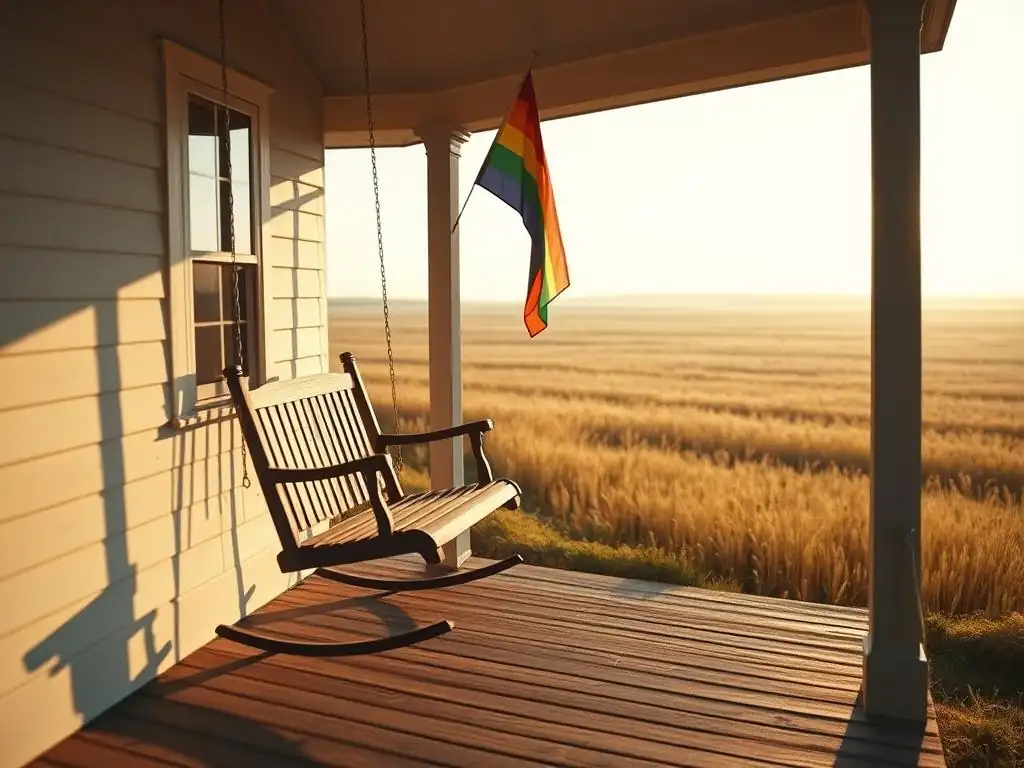
Identifying and Addressing the Specific Needs of Rural LGBTQ+ Communities
Effectively addressing the mental health needs of rural LGBTQ+ individuals requires a nuanced understanding of their unique circumstances. It's not enough to simply offer general mental health services; the support must be tailored to acknowledge and validate their identities and experiences. This begins with listening to individuals within these communities to understand their specific challenges, priorities, and what types of support they find most helpful.
Addressing needs means recognizing the diversity within the rural LGBTQ+ population itself, considering factors like age, race, socioeconomic status, and disability. A young person's needs might differ significantly from an older adult's, or a transgender person of color's experiences might differ from a white cisgender lesbian's. Developing effective Rural LGBTQ+ mental health support strategies requires this level of specificity and cultural humility.
Strategies for Building Supportive and Inclusive Environments
Creating truly supportive and inclusive environments in rural areas requires a multi-pronged approach that goes beyond clinical settings. It involves fostering acceptance and understanding within the broader community, challenging stigma, and creating safe spaces where LGBTQ+ individuals feel welcome and valued. This might involve educational campaigns, community dialogues, or visible displays of support from local businesses or organizations.
Empowering local allies and community leaders to champion LGBTQ+ inclusion is crucial. Simple acts, like a local library displaying LGBTQ+ inclusive books or a community center hosting an LGBTQ+ friendly event, can make a significant difference in reducing feelings of isolation and signaling that Rural LGBTQ+ mental health support is a community priority.
Community-Based Initiatives and Peer Support Networks
Given the geographic isolation and scarcity of formal resources, community-based initiatives and peer support networks are invaluable for Rural LGBTQ+ mental health support. These can take many forms, from informal social gatherings to structured support groups facilitated by trained peers or volunteers. Technology can play a crucial role here, enabling online or hybrid groups that connect individuals across distances.
Examples might include a monthly potluck for LGBTQ+ adults, a youth group that meets virtually or in a safe physical space like a church basement or library, or a peer-led online forum. These initiatives provide vital social connection, shared experience, and mutual support, helping individuals cope with challenges and build resilience outside of traditional therapy settings.
Educational Programs for Rural Communities
Reducing stigma and fostering acceptance requires education. Implementing educational programs in rural communities can help increase understanding of LGBTQ+ identities and the challenges faced by LGBTQ+ individuals. These programs can target various audiences, including schools, community organizations, healthcare providers, and the general public.
Educational efforts could focus on topics like basic LGBTQ+ terminology, the importance of using correct pronouns, understanding minority stress, and the specific mental health disparities faced by Rural LGBTQ+ mental health support seekers. Such programs not only build knowledge but also encourage empathy and create a more welcoming environment, making it easier for LGBTQ+ individuals to live authentically and seek help when needed.
Improving Access to Mental Healthcare Services in Rural Areas
Telehealth and Online Mental Health Resources for Rural LGBTQ+ Individuals
Telehealth has emerged as a critical tool for expanding access to mental healthcare in rural areas. For rural LGBTQ+ individuals, it offers the potential to connect with culturally competent and affirmative therapists who may be located far away. Online platforms can provide individual therapy, group therapy, and even psychiatric consultations via video conferencing, overcoming geographic barriers and eliminating the need for long travel times.
Furthermore, online resources like websites, apps, and forums dedicated to LGBTQ+ mental health can provide valuable information, coping strategies, and connection points. While not a substitute for clinical care, these resources can serve as a first step for individuals seeking help or needing immediate, anonymous support. Leveraging technology is essential for improving Rural LGBTQ+ mental health support reach.
Connecting Rural LGBTQ+ Individuals with Affirmative Therapists and Counselors
Beyond simply providing technology, efforts are needed to actively connect rural LGBTQ+ individuals with providers who can offer affirmative care. This involves creating directories of LGBTQ+-affirming therapists, ideally searchable by location or via telehealth options. Mental health organizations and LGBTQ+ advocacy groups can play a key role in compiling and promoting these resources.
Training existing rural mental health professionals in LGBTQ+ affirmative practices is also vital. Workshops and continuing education programs can equip local therapists with the knowledge and skills needed to effectively support their LGBTQ+ clients, increasing the pool of available Rural LGBTQ+ mental health support providers within rural communities themselves.
Funding and Policy Changes to Support Rural Mental Health Services
Addressing the mental health crisis in rural LGBTQ+ communities requires systemic change, including increased funding and supportive policies. Government funding is needed to expand mental health services in rural areas, including specific allocations for programs targeting underserved populations like the LGBTQ+ community. This could support the recruitment and retention of providers, the development of telehealth infrastructure, and the establishment of community-based programs.
Policy changes are also crucial, such as expanding insurance coverage for mental health and telehealth services, implementing anti-discrimination laws that protect LGBTQ+ individuals in all areas, and supporting initiatives that promote LGBTQ+ inclusion in rural development plans. These broader changes create a more supportive environment that underpins effective Rural LGBTQ+ mental health support.
Resources and Support Networks for Rural LGBTQ+ Mental Health
National Organizations Offering Support to LGBTQ+ Individuals
Several national organizations provide vital resources and support for LGBTQ+ individuals, many of which offer services accessible remotely. Organizations like The Trevor Project focus on crisis intervention and suicide prevention for LGBTQ+ youth, offering phone, text, and chat hotlines available 24/7. PFLAG (Parents, Families and Friends of Lesbians and Gays) has chapters across the country, and while not all are in rural areas, their national resources and online communities can provide support to families and individuals.
The Human Rights Campaign (HRC) and Lambda Legal work on policy and legal issues that impact the LGBTQ+ community, creating a more equitable landscape that can indirectly improve mental well-being. Exploring the websites and resources of these national groups is a crucial step for anyone seeking Rural LGBTQ+ mental health support or information.
Local and Regional Resources for Rural LGBTQ+ Communities
While less common than in urban areas, some rural regions do have local or regional LGBTQ+ centers, community groups, or inclusive churches that can serve as important hubs for support and connection. Identifying these local resources often requires networking or searching online directories that specialize in rural or regional listings. Public libraries, community health centers, or local non-profits may also be aware of or host such groups.
Connecting with these local resources can provide face-to-face interaction, peer support, and information specific to the challenges and opportunities within a particular geographic area. Even a small, informal group can make a significant difference in combating isolation and fostering a sense of belonging for those seeking Rural LGBTQ+ mental health support close to home.
Crisis Hotlines and Suicide Prevention Resources for LGBTQ+ Individuals
Access to immediate crisis support is paramount, especially given the increased risk of suicidal ideation among rural LGBTQ+ youth. The National Suicide Prevention Lifeline (now 988) offers free, confidential support 24/7. Callers can press "3" to be connected directly to the Veterans Crisis Line. While 988 is a universal resource, organizations like The Trevor Project (1-866-488-7386, or text START to 678-678) and the Crisis Text Line (text HOME to 741741) offer specialized support specifically for LGBTQ+ individuals.
Having these numbers readily available and knowing they offer affirming support is crucial. For those in rural areas, these remote crisis services can be a lifeline when local help is hours away. Promoting awareness of these resources is a critical component of Rural LGBTQ+ mental health support and suicide prevention efforts.
Building Resilience and Fostering Mental Well-being in Rural LGBTQ+ Communities
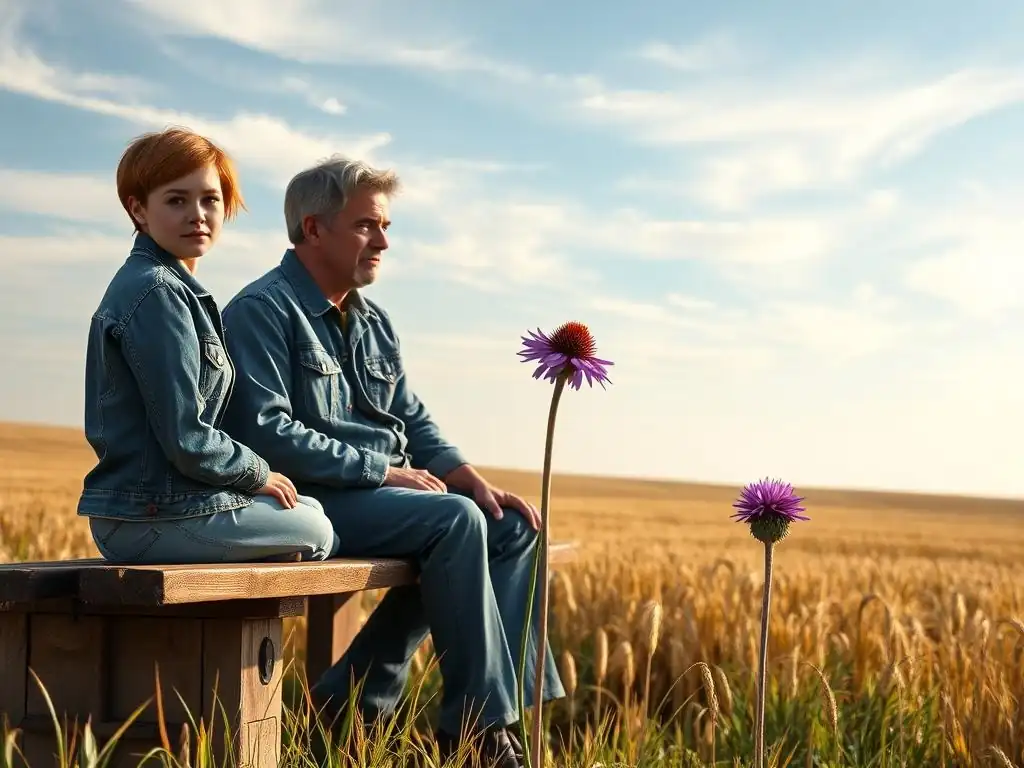
Self-Care Strategies for Rural LGBTQ+ Individuals
Building resilience is an ongoing process, and self-care plays a vital role, especially when external support systems are limited. For rural LGBTQ+ individuals, self-care strategies might include finding ways to connect with nature, engaging in hobbies, practicing mindfulness or meditation, or setting boundaries to protect their emotional energy in potentially challenging environments.
Finding safe ways to express identity, whether through creative outlets, journaling, or connecting with online communities, is also essential. Prioritizing physical health through exercise and nutrition also positively impacts mental well-being. Developing a personalized self-care plan is a proactive step towards maintaining mental health while navigating the unique pressures of rural life and the need for Rural LGBTQ+ mental health support.
Cultivating a Sense of Belonging and Connection
Combating isolation is key to fostering mental well-being. Cultivating a sense of belonging might involve actively seeking out or creating opportunities for connection, even if they are online or require travel. This could mean joining an online book club for LGBTQ+ people, attending a regional LGBTQ+ event a few times a year, or starting a small, informal social group with the few other LGBTQ+ people known in the area.
Building strong relationships with allies in the community can also provide invaluable support and reduce feelings of being alone. Focusing on building connections, no matter how small or geographically dispersed, helps create a personal support network that supplements formal Rural LGBTQ+ mental health support.
Advocating for Change and Creating a More Inclusive Future for Rural LGBTQ+ Individuals
Becoming an advocate, whether for oneself or for the broader community, can be empowering and contribute to a sense of purpose. This could involve advocating for LGBTQ+ inclusive policies at a local school board meeting, writing letters to local representatives about the need for Rural LGBTQ+ mental health support, or simply speaking up against prejudice when it occurs.
Engaging in advocacy efforts, even on a small scale, can help create positive change and build a more inclusive future. It shifts individuals from feeling like passive recipients of challenges to active participants in shaping their environment, fostering resilience and hope.
The Role of Mental Health Professionals in Supporting Rural LGBTQ+ Individuals
Providing Culturally Competent and Affirmative Care
Mental health professionals serving rural populations have a critical responsibility to provide culturally competent and affirmative care to their LGBTQ+ clients. This means going beyond basic awareness to actively understanding the unique experiences, challenges, and strengths of LGBTQ+ individuals, particularly within a rural context. Training should cover topics like identity development, minority stress, chosen family dynamics, and the specific mental health disparities faced by this population.
Affirmative care involves validating a client's identity, using correct pronouns and names, and creating a safe and non-judgmental therapeutic space. It means recognizing that being LGBTQ+ is not a mental illness but that navigating societal stigma and discrimination can profoundly impact mental health. Providing truly affirmative Rural LGBTQ+ mental health support requires ongoing education and self-reflection from providers.
Understanding the Unique Challenges Faced by Rural LGBTQ+ Clients
Therapists working with rural LGBTQ+ clients must understand the specific environmental factors at play. This includes acknowledging the potential for limited privacy, increased stigma, lack of local resources, and the difficulty in finding supportive community. A therapist in a rural setting might need to be more attuned to safety concerns if a client is not out, or understand the complexities of seeking gender-affirming care when the nearest specialist is hundreds of miles away.
Understanding these unique challenges allows therapists to provide more relevant and effective Rural LGBTQ+ mental health support. It informs treatment planning, goal setting, and the identification of resources (even if those resources are primarily remote or require travel).
Collaborating with Community Organizations to Improve Access to Care
Mental health professionals in rural areas can play a vital role in improving access to care by collaborating with local community organizations, even those not explicitly focused on mental health. Partnering with libraries, schools, churches, or local non-profits can help identify individuals in need, reduce stigma around seeking help, and promote available services, including telehealth options.
Working together, professionals and community groups can develop referral pathways, organize educational events, or create support groups. This collaborative approach helps weave a stronger safety net for rural LGBTQ+ individuals seeking Rural LGBTQ+ mental health support and fosters a more connected and supportive community environment.
Conclusion: Empowering Rural LGBTQ+ Individuals to Thrive
The Importance of Continued Advocacy and Support for Rural LGBTQ+ Mental Health
The mental health disparities faced by rural LGBTQ+ individuals are significant and require sustained attention and action. Continued advocacy is essential at local, regional, and national levels to secure funding, implement supportive policies, and increase awareness of the unique challenges these communities face. Advocacy efforts must push for equitable access to culturally competent and affirmative mental healthcare, regardless of geographic location.
Supporting organizations that work to provide Rural LGBTQ+ mental health support and resources is also crucial. This includes both national organizations offering remote services and smaller, local initiatives striving to build community and provide support on the ground. The fight for mental health equity in rural areas is ongoing and requires the commitment of allies, policymakers, and mental health professionals alike.
A Call to Action for Creating More Inclusive and Supportive Rural Communities
Ultimately, improving the mental well-being of rural LGBTQ+ individuals depends on fostering more inclusive and supportive communities where they feel safe, accepted, and valued. This is a call to action for everyone living in rural areas to challenge prejudice, educate themselves and others, and actively work to create environments where diversity is celebrated.
Creating welcoming spaces, supporting local LGBTQ+ initiatives, and simply being a visible ally can make a profound difference. By working together, we can strengthen Rural LGBTQ+ mental health support systems and empower individuals to not only survive but thrive in the places they call home.
Frequently Asked Questions
What are some of the unique mental health challenges faced by LGBTQ+ individuals in rural areas?
Rural LGBTQ+ individuals often experience heightened feelings of isolation and loneliness due to smaller, less diverse communities. They may also face increased stigma and discrimination compared to their urban counterparts. Furthermore, a lack of visible LGBTQ+ community can contribute to feelings of invisibility and self-doubt.
Why is access to mental health support particularly difficult for rural LGBTQ+ individuals?
Geographic isolation presents a significant barrier, with fewer specialized mental health professionals available locally. Limited transportation options and unreliable internet access further complicate accessing online or remote support. Finally, concerns about confidentiality and privacy in small communities can deter individuals from seeking help.
How does the lack of community resources impact the mental well-being of rural LGBTQ+ individuals?
The absence of LGBTQ+ centers, support groups, and affirming social spaces contributes to feelings of loneliness and disconnection. This lack of community support can exacerbate existing mental health conditions and hinder identity affirmation. It also limits opportunities for peer support and shared experiences.
What types of mental health support resources are most effective for rural LGBTQ+ individuals?
Telehealth and online therapy can provide accessible and confidential mental health services, overcoming geographical barriers. Community-based outreach programs can bring support directly to individuals in rural areas. Focusing on creating safe and affirming spaces, even virtually, is crucial.
How can mental health professionals better serve the needs of rural LGBTQ+ individuals?
Mental health professionals should pursue cultural competency training to understand the unique challenges faced by rural LGBTQ+ individuals. Building trust and rapport is essential, especially considering concerns about confidentiality. They should also actively connect individuals with available resources, both local and online.
Final Reflection: Bridging the Distance to Care
The lack of accessible mental health support for LGBTQ+ individuals in rural communities is not merely a statistic; it's a crisis demanding immediate attention. This article has highlighted the unique barriers faced by this vulnerable population, from geographical isolation and limited resources to the pervasive stigma that often prevents individuals from seeking help. The consequences of this lack of access are devastating, leading to higher rates of mental health issues, substance abuse, and social isolation.
The journey to understanding and addressing this complex issue is far from over. The stories shared throughout this piece underscore the profound impact of community, acceptance, and access to appropriate care. The most basic of human needs is the need to understand and be understood.
- Ralph Nichols. This quote rings especially true for rural LGBTQ+ individuals who often feel unseen and unheard. Their experiences, struggles, and resilience deserve recognition and proactive support to foster a sense of belonging and hope. The fight for equality extends beyond urban centers; it demands a concerted effort to reach those in the most isolated corners of our society.
You, the reader, now hold the power to make a difference. Consider how you can contribute to bridging this gap. Whether it's advocating for increased funding for rural mental health services, supporting LGBTQ+ organizations working in rural areas, or simply educating yourself and others on the challenges faced by this community, your actions can have a profound impact. Let us work together to build a future where every LGBTQ+ individual, regardless of their location, has access to the support and understanding they deserve.
Unlock Support: Empowering Rural LGBTQ+ Communities
Thanks for taking the time to learn about the unique challenges faced by LGBTQ+ individuals in rural areas. We hope this article shed light on the importance of accessible and inclusive support systems. Now, let's take action!
- Connect with a local LGBTQ+ organization: Find a group near you offering support, resources, and a sense of community. Many operate discreetly or online, so some research may be necessary.
- Share this article with friends, family, or community leaders to raise awareness about these critical issues and inspire change in your own area.
- Consider volunteering your time or skills: Even a few hours can make a big difference in providing vital support to those who need it most.
What steps will you take today to help build a more inclusive and supportive environment for rural LGBTQ+ individuals?