
Using Digital Tools to Create a Personal Crisis Plan


Welcome to Mind Care Guide, a safe space to navigate the complexities of mental well-being.
Feeling overwhelmed or unsure where to turn? You're not alone. We understand the importance of proactive self-care, especially during moments of crisis. That's why we're diving deep into practical solutions, starting with a crucial tool: digital crisis plan templates free. Discover how these readily available resources can empower you to take control and build a personalized safety net. Curious how a simple template can offer peace of mind? Let's explore how to craft yours today.
Using Digital Tools to Create a Personal Crisis Plan: A Mind Care Guide
- Understanding the Importance of a Personal Crisis Plan
- Leveraging Digital Crisis Plan Templates for Enhanced Support
-
Step-by-Step Guide: Creating Your Digital Crisis Plan
- Step 1: Identifying Your Crisis Triggers and Warning Signs
- Step 2: Listing Coping Mechanisms and Self-Soothing Techniques
- Step 3: Compiling a Support Network: Key Contacts and Professionals
- Step 4: Creating a Safe Space and Relaxation Strategies List
- Step 5: Developing a Plan for When You Can't Cope: Emergency Contacts and Resources
- Digital Tools for Building Your Crisis Plan: Apps and Resources
- Customizing Your Digital Crisis Plan for Individual Needs
- Sharing and Updating Your Digital Crisis Plan
- Overcoming Challenges in Creating a Digital Crisis Plan
- Examples of Effective Digital Crisis Plans
- Maintaining Your Mental Well-being with Digital Support
-
Frequently Asked Questions
- What is a digital crisis plan and why is it useful?
- Where can I find digital crisis plan templates for free?
- What key elements should be included in a digital crisis plan?
- How often should I review and update my digital crisis plan?
- Is it safe to store my digital crisis plan on my phone or computer?
- Final Reflection: Building Resilience in the Digital Age
- Empower Your Future: Create Your Personal Crisis Plan Today!
Understanding the Importance of a Personal Crisis Plan
What is a Crisis Plan and Why Do You Need One?
A personal crisis plan is a proactive tool designed to help individuals manage mental health crises effectively. It's a pre-determined set of steps, strategies, and contact information compiled when you are feeling well, to be used during times of intense distress or crisis. Think of it as a personalized roadmap for navigating difficult emotional states, outlining triggers, warning signs, coping mechanisms, and a support network.
Developing such a plan is crucial because, during a crisis, rational thinking and decision-making can be significantly impaired. Having a clear, accessible plan removes the burden of trying to figure out what to do in the moment of overwhelm, potentially preventing escalation, hospitalization, or even saving a life.
Studies indicate that individuals with established crisis plans report feeling more prepared and empowered to handle challenging mental health episodes. For instance, research presented at a mental health conference highlighted that participants who actively used a crisis plan were 50% less likely to require emergency psychiatric services over a six-month period compared to those without a formal plan.
The necessity of a crisis plan becomes particularly evident when considering the unpredictable nature of mental health challenges. A crisis can be triggered by various factors – stress, trauma, changes in medication, or even seemingly minor events when you are already vulnerable. Without a plan, individuals may resort to less helpful or even harmful coping strategies, or they might not know who to reach out to for support.
A well-structured plan provides concrete actions to take, from simple self-soothing techniques to contacting emergency services. It also serves as a vital communication tool for loved ones and healthcare providers, giving them clear instructions on how they can best assist you during a difficult time. This preparation fosters a sense of control and reduces anxiety about future crises, knowing that you have a strategy in place to help guide you through.
The Role of Digital Tools in Modern Crisis Planning
The evolution of technology has significantly transformed how we approach personal crisis planning, moving beyond traditional paper-based methods to dynamic digital solutions. Digital tools, such as dedicated mental health apps, online platforms, and accessible document formats, offer unparalleled portability and ease of access. Unlike a physical document that might be misplaced or left behind, a digital crisis plan can be stored on a smartphone, tablet, or in the cloud, making it readily available wherever you are, whenever you need it.
This immediate accessibility is paramount during a crisis when time and ease of use are critical factors. Furthermore, digital formats often allow for quick updates and revisions, ensuring your plan remains current and relevant as your needs or circumstances change, a process that can be cumbersome with paper versions.
Moreover, digital tools enhance the functionality and interactivity of a crisis plan. Many platforms allow for the integration of multimedia elements, such as calming images, audio recordings of guided meditations, or even video messages from loved ones, which can be incredibly soothing during distress. Some digital solutions offer features like automated reminders to check in with your plan or prompts to engage in coping strategies, adding an extra layer of support.
The ability to easily share your digital crisis plan with trusted individuals or healthcare providers via email or shared drives streamlines communication and ensures that your support network has the necessary information to help you effectively. This integration of accessibility, flexibility, and interactive features makes digital tools a powerful ally in creating and utilizing a robust personal crisis plan in the modern age.
Leveraging Digital Crisis Plan Templates for Enhanced Support
Exploring Free Digital Crisis Plan Templates: An Overview
For many individuals beginning the process of creating a personal crisis plan, starting from scratch can feel overwhelming. This is where digital crisis plan templates free of charge become incredibly valuable resources. Numerous mental health organizations, non-profits, and public health initiatives offer downloadable or online templates designed to guide you through the essential components of a crisis plan. These templates typically provide structured sections covering triggers, warning signs, coping strategies, support contacts, medication details, and emergency procedures.
They are often available in user-friendly formats like fillable PDFs, Word documents, or web-based forms, making them accessible on various digital devices. For instance, a template might include prompts like "List 3-5 early warning signs," "Identify 2-3 grounding techniques," or "Whom should you call if you feel unsafe?" – questions that help structure your thinking and ensure all critical areas are covered.
The availability of digital crisis plan templates free of cost removes a potential barrier for individuals seeking to prepare for mental health challenges. These resources are developed by experts in the field and are often based on evidence-informed practices for crisis intervention. While the specific content and format may vary, the core purpose remains the same: to provide a clear, actionable framework that you can personalize.
Many templates also include space for important medical information, such as current medications and dosages, allergies, and primary care provider details, which is vital information to have readily available during a crisis. Exploring these options allows you to find a format that resonates with you and provides the structure you need to build a comprehensive and effective personal crisis plan without any financial burden.
Benefits of Using Digital Templates vs. Traditional Methods
Using digital templates for your crisis plan offers several distinct advantages over traditional paper-and-pen methods. One major benefit is accessibility and portability. A digital template, once completed, can be stored on your phone or in the cloud, meaning it's with you almost constantly. This contrasts sharply with a paper copy, which can be easily forgotten, lost, or damaged.
Imagine being away from home during a difficult moment; having your digital plan instantly available on your smartphone can make a significant difference. Furthermore, digital templates are typically much easier to edit and update. Life circumstances, triggers, coping strategies, and support networks can change over time. Modifying a digital document is quick and clean, unlike crossing out or rewriting sections on a paper copy, which can make the plan messy and difficult to read when you need it most.
Another significant advantage is the potential for enhanced organization and clarity. Many digital templates use clear formatting, headings, and bullet points, making the information easy to scan and understand quickly during a stressful time. Some advanced digital solutions or apps built around template concepts can even include interactive elements, although basic free digital crisis plan templates usually focus on structure.
The ease of sharing is also a major plus; you can easily email or share a digital copy with trusted friends, family, or your therapist, ensuring your support system is informed and prepared to help according to your outlined wishes. This seamless sharing is far more practical than photocopying or manually distributing paper copies, especially if your support network is geographically dispersed.
Step-by-Step Guide: Creating Your Digital Crisis Plan
Step 1: Identifying Your Crisis Triggers and Warning Signs
The first crucial step in building your digital crisis plan is to gain a deep understanding of what might precipitate a crisis for you and the early indicators that you are heading towards one. Triggers are specific situations, events, thoughts, or feelings that can lead to significant distress or a crisis state. These can be external, like stress at work, relationship conflicts, or anniversaries of difficult events, or internal, such as specific thought patterns or intense emotions.
For example, someone might identify excessive social media use or receiving critical feedback as a trigger. Spend time reflecting on past difficult periods and try to pinpoint what was happening just before you felt overwhelmed or entered a crisis.
Equally important are identifying your personal warning signs. These are the subtle (or not so subtle) changes in your thoughts, feelings, or behaviors that indicate your mental health is deteriorating and you might be approaching a crisis point. Warning signs are unique to each individual but often include changes in sleep patterns (sleeping much more or less), loss of interest in activities you usually enjoy, increased irritability or anxiety, difficulty concentrating, changes in appetite, or withdrawing from social contact.
Jotting these down in your digital crisis plan template provides concrete indicators to watch out for, both for yourself and for those you share your plan with. Recognizing these signs early is key to implementing your plan before a full-blown crisis occurs, allowing for earlier intervention and potentially preventing escalation.
Step 2: Listing Coping Mechanisms and Self-Soothing Techniques
Once you've identified potential triggers and warning signs, the next step is to list the strategies and activities that help you cope with distress and soothe yourself. These are the positive actions you can take when you start feeling overwhelmed or notice your warning signs appearing.
This section of your digital crisis plan should be filled with specific, actionable techniques that you know are helpful for you. Examples might include listening to a particular playlist of calming music, taking a warm bath, going for a walk in nature, practicing deep breathing exercises, engaging in a favorite hobby like drawing or reading, using a weighted blanket, or spending time with a pet.
Be as detailed as possible when listing these techniques in your digital template. Instead of just writing "listen to music," specify what kind of music and maybe even list specific songs or artists. If "going for a walk" is helpful, note where you might go – a specific park or trail.
Include a variety of techniques that engage different senses or require different levels of energy, so you have options regardless of how you are feeling or where you are. This list serves as your immediate toolkit during moments of distress, providing concrete actions to help ground you, reduce anxiety, and prevent the situation from escalating into a full crisis. Regularly practicing these techniques when you are not in distress can also make them more effective when you truly need them.
Step 3: Compiling a Support Network: Key Contacts and Professionals
A critical component of any crisis plan, digital or traditional, is having a clear list of people and professionals you can reach out to for support. This section of your digital crisis plan template should include names, phone numbers, and possibly email addresses or preferred contact methods for individuals in your support network.
Start with trusted friends and family members who you feel comfortable talking to about your mental health and who you know are supportive and reliable. Consider who you would call for different levels of support – someone to distract you, someone to listen, or someone to physically be with you.
Beyond personal contacts, it's essential to include contact information for your mental healthcare providers. This might include your therapist, psychiatrist, primary care physician, or any other specialists involved in your care. Having their names, clinic phone numbers, and perhaps even their after-hours or emergency contact procedures (if applicable) readily available in your digital plan is crucial.
You might also include information about local mental health hotlines or crisis lines in this section. This compiled list ensures that when you are in distress, you don't have to search for contact information, potentially delaying access to vital support. A well-organized support network list within your digital crisis plan empowers you to reach out effectively when you need it most.
Step 4: Creating a Safe Space and Relaxation Strategies List
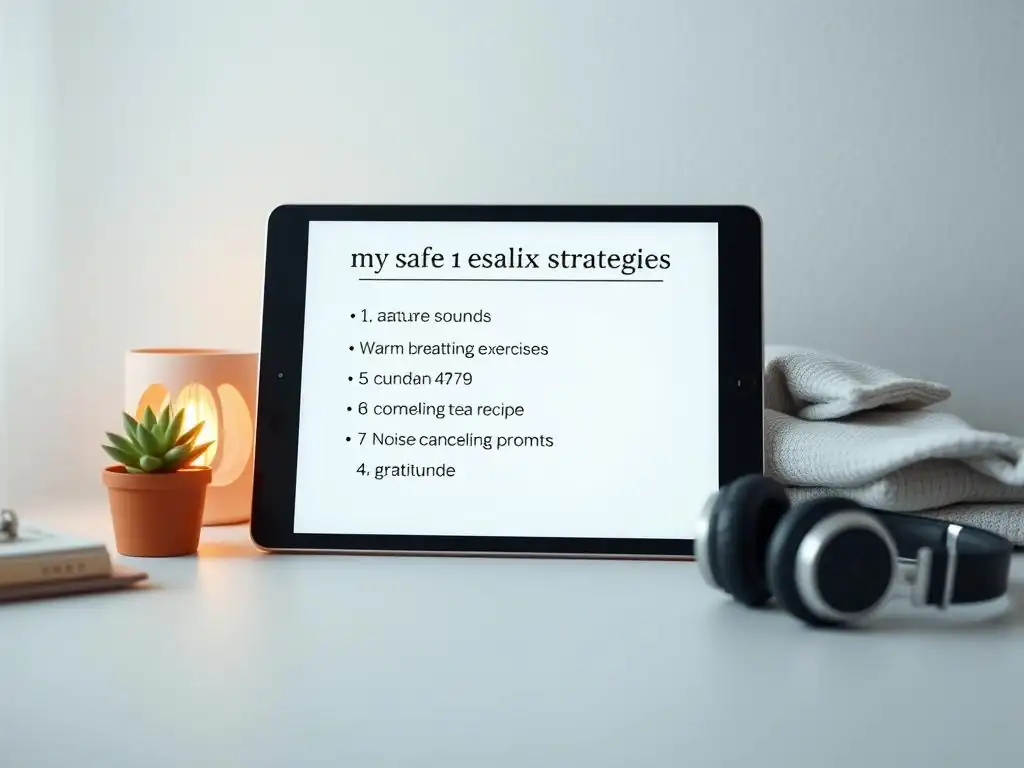
Identifying or creating a "safe space" and listing specific relaxation strategies are vital elements to include in your digital crisis plan. A safe space is either a physical location or a mental visualization where you feel secure, calm, and protected. This could be a specific room in your home, a quiet spot in nature, or even a calming image or memory you can access mentally.
Describe this space in detail in your digital template – what it looks like, sounds like, smells like, and how it makes you feel. Knowing you have a designated place to retreat to, physically or mentally, can provide a sense of security during overwhelming moments.
Complementing the idea of a safe space is a list of relaxation strategies. While similar to coping mechanisms, these often focus specifically on techniques designed to reduce physical tension and promote a sense of calm. Examples include progressive muscle relaxation, guided imagery, mindfulness meditation, listening to calming sounds (like nature sounds or white noise), taking a warm shower or bath, or gentle stretching.
Include specific instructions or prompts for these techniques in your digital plan, or note where you can access them (e.g., "Use the 5-4-3-2-1 grounding technique," or "Listen to the 'Ocean Waves' track on my relaxation app"). Having these strategies listed provides concrete actions you can take to lower your stress and anxiety levels when you are feeling agitated or overwhelmed.
Step 5: Developing a Plan for When You Can't Cope: Emergency Contacts and Resources
This is perhaps the most critical section of your digital crisis plan: outlining what to do when your usual coping mechanisms and support network are not enough, and you feel you are in imminent danger or unable to keep yourself safe. This part of the plan should clearly list emergency contacts and resources to access immediate, higher-level support. The first and most important contact is typically emergency services – including the national emergency number (e.g., 911 in the U.S., 999 in the UK, 112 in Europe). Make this number prominent in your digital template.
Also include the phone number for a national or local mental health crisis hotline or suicide prevention lifeline. These services are available 24/7 and staffed by trained counselors who can provide immediate support and guidance. List the name and number of a designated emergency contact person – someone in your support network who you trust implicitly and who knows your plan, perhaps a family member or very close friend who is willing and able to assist in an emergency.
Finally, include the address and phone number of the nearest emergency room or psychiatric urgent care center. This section of your digital crisis plan serves as a vital lifeline, providing clear, immediate steps to take when you need urgent professional help to ensure your safety.
Digital Tools for Building Your Crisis Plan: Apps and Resources
Mental Health Apps for Crisis Support: A Comparison
The landscape of mental health apps is vast, offering a variety of features that can support the creation and implementation of a digital crisis plan. While it's challenging to compare specific apps without naming them due to constraints, they generally fall into categories based on their primary function. Some apps focus heavily on mood tracking and journaling, which can be useful in identifying triggers and warning signs (Step 1).
Others specialize in providing guided mindfulness exercises, meditation, or breathing techniques, directly supporting Step 2 (Coping Mechanisms) and Step 4 (Relaxation Strategies). A third category includes apps designed specifically for crisis planning, often providing structured templates and sections similar to what you'd find in free digital crisis plan templates, allowing you to input your information directly into the app.
Beyond these core functionalities, some apps integrate features like direct links or dial buttons to crisis hotlines or your pre-programmed emergency contacts (supporting Step 5). A key differentiator among apps is their user interface, ease of navigation, and the level of customization they allow for your personal plan. Some offer robust data backup and sharing options, which are crucial for ensuring your plan is accessible and shareable.
While many apps offer free versions, premium subscriptions may unlock additional features or content. When considering an app, look for one that aligns with your needs – whether you prioritize tracking, guided exercises, a structured template, or immediate access to emergency resources – to effectively build and utilize your digital crisis plan.
Online Resources and Websites Offering Crisis Assistance
In addition to mobile applications, numerous online resources and websites serve as valuable tools for both creating a digital crisis plan and finding support during challenging times. Many national and local mental health organizations host websites that provide comprehensive information about mental health conditions, crisis intervention strategies, and guidance on developing a personal safety plan.
These sites often offer downloadable materials, including free digital crisis plan templates, workbooks, and guides that can be completed digitally or printed. For example, a prominent mental health non-profit might have a section on their website dedicated to crisis planning, offering a free template you can download as a PDF and fill out on your computer or tablet.
Beyond template resources, these websites frequently list crisis hotlines, warmlines (peer support lines), and links to local mental health services, providing essential contacts for Step 3 (Support Network) and Step 5 (Emergency Resources). Some websites also feature articles, videos, and forums related to coping strategies, self-care, and managing specific mental health challenges, which can inform the content you put into your plan, particularly in Step 2 (Coping Mechanisms).
While direct links are not included, searching for reputable mental health organizations online will yield a wealth of resources, including valuable free digital crisis plan templates and information to support your planning process and provide assistance during a crisis.
Utilizing Cloud Storage for Easy Access and Sharing of Your Plan
Once you have created your digital crisis plan, whether using a template, a document, or exporting it from an app, storing it securely and accessibly is paramount. Cloud storage services offer an excellent solution for this. Platforms like Google Drive, Dropbox, OneDrive, or iCloud allow you to upload your digital plan and access it from any device with an internet connection – your smartphone, tablet, or computer.
This ensures that your plan is not confined to a single device that might be lost, damaged, or have a drained battery during a crisis. Having it in the cloud provides a reliable backup and universal access.
Moreover, cloud storage facilitates easy sharing of your digital crisis plan with your trusted support network and healthcare providers. Most cloud services allow you to generate a secure link to your document or invite specific individuals to view or access the file. This means you can easily share your complete, up-to-date plan with your emergency contacts, therapist, or family members, ensuring they know your triggers, warning signs, coping strategies, and what steps to take if you need help.
Setting clear permissions (e.g., view-only access) is important for privacy. Utilizing cloud storage transforms your digital crisis plan from a personal document into a readily available resource for your entire support system, enhancing its effectiveness during a crisis.
Customizing Your Digital Crisis Plan for Individual Needs
Tailoring Your Plan to Address Specific Mental Health Challenges
A truly effective digital crisis plan must be highly personalized to your unique experiences and mental health challenges. While free digital crisis plan templates provide a valuable framework, the content you fill in needs to reflect your specific condition, symptoms, and needs.
For example, someone managing bipolar disorder might include specific triggers related to sleep disruption or changes in mood states, while someone with an anxiety disorder might focus on panic attack coping strategies and grounding techniques. If you experience psychosis, your plan might include specific instructions for loved ones on how to respond to delusions or hallucinations and contact information for a crisis intervention team familiar with your care.
Customization involves not just filling in the blanks but adapting the sections to be most relevant to you. You might add specific sections not present in a standard template, such as a list of sensory items that provide comfort or detailed steps for managing specific symptoms you experience during distress. Use language that resonates with you and is easy to understand during a crisis.
For instance, instead of a generic "Coping Mechanisms," you might title the section "Things That Help Me Feel Safe and Calm." The goal is to create a document that feels entirely your own and directly addresses the specific ways your mental health impacts you during difficult periods, making your digital crisis plan a truly personalized and powerful tool.
Including Medication Information and Healthcare Provider Details
Integrating comprehensive medication information and detailed contact information for your healthcare providers is a crucial customization for your digital crisis plan. During a mental health crisis, cognitive function can be impaired, making it difficult to recall essential medical details. Including a clear list of all current medications, including the name, dosage, frequency, and prescribing doctor, is vital. This information is critical for emergency responders or healthcare professionals if you require medical attention. You should also note any medication allergies or sensitivities you have.
Furthermore, consolidate all relevant healthcare provider details in one easily accessible place within your digital template. This includes the full name, phone number, and specialty of your psychiatrist, therapist, primary care physician, and any other relevant specialists. If you have a specific care team or case manager, include their contact information as well.
You might also add information about your preferred hospital or clinic for mental health emergencies. Having this medical and professional contact information readily available in your digital crisis plan ensures that anyone assisting you during a crisis has immediate access to the details needed to provide appropriate and informed care, potentially streamlining communication with your existing treatment team.
Addressing Suicidal Thoughts and Self-Harm Prevention in Your Plan
For individuals who experience suicidal thoughts or urges to self-harm, it is absolutely critical to address these specific challenges explicitly and compassionately within the digital crisis plan. This section requires careful thought and should ideally be developed with the support of a mental health professional. It should outline specific steps to take when these thoughts or urges arise. This might include immediate coping strategies focused on distraction or delaying the urge, such as using ice, holding a strong-smelling item, or engaging in intense physical activity for a short period.
Most importantly, this section must clearly list the emergency contacts and resources to utilize when feeling unsafe. This reiterates the information from Step 5 but focuses specifically on the context of suicidal ideation or self-harm urges. Include the national suicide prevention lifeline number, local crisis line numbers, and the contact information for your designated emergency contact person.
Clearly state who to call or text and in what circumstances. You may also include instructions for removing access to means of harm if applicable and safe to do so. Developing this part of your digital crisis plan is a courageous and life-affirming act, providing a clear pathway to safety and support during moments of extreme vulnerability.

Creating a digital crisis plan is a significant step, but its effectiveness is greatly enhanced when shared with your trusted support network and relevant healthcare professionals. Choose individuals who you know are reliable, supportive, and capable of assisting you during a crisis – this might include family members, close friends, or a partner. Discuss your plan with them openly when you are feeling well, explaining its purpose and how they can use it to help you.
Provide them with a copy of your digital plan, either by sharing the file directly, sending it via email, or giving them access via cloud storage. Ensure they know where to find it and understand its contents.
Sharing your digital crisis plan with your mental healthcare providers – your therapist, psychiatrist, or case manager – is equally important. They can offer valuable feedback on its content, help you refine it, and integrate it into your overall treatment plan.
Knowing your plan allows them to provide more targeted support during appointments, particularly if you discuss warning signs or triggers you've identified. Sharing ensures that your support system, both personal and professional, is informed and prepared to act according to your wishes and needs during a crisis, transforming your plan from a static document into an active tool for collaborative support.
Regularly Reviewing and Updating Your Crisis Plan: Keeping it Current
A digital crisis plan is not a static document; it's a living tool that needs to be reviewed and updated regularly to remain effective. Your life circumstances, triggers, coping strategies, and support network can change over time. What was helpful last year might not be as effective today, or new stressors might have emerged. Schedule regular times to review your digital crisis plan – perhaps every six months, annually, or after any significant life event (like a change in job, relationship status, or medication).
During your review, read through each section of your digital template. Are the triggers still accurate? Are the warning signs still relevant? Are the coping mechanisms still effective and appealing? Is the contact information for your support network and healthcare providers up to date?
Have you added or removed anyone from your trusted contacts? Are your medication details correct? Make any necessary revisions directly in your digital document. After updating, remember to reshare the revised version with your trusted contacts and professionals so they have the most current information. Keeping your digital crisis plan current ensures it accurately reflects your present needs and resources, maximizing its usefulness when you need it most.
Digital Security and Privacy Considerations When Sharing Your Plan
When sharing your digital crisis plan, especially if it contains sensitive personal and medical information, it is crucial to consider digital security and privacy. While sharing with trusted individuals is essential for support, you want to ensure your information is protected. If using cloud storage, utilize secure platforms and be mindful of the sharing settings – only share with specific individuals you trust completely, rather than making the document publicly accessible. Consider using password protection for the document itself, although ensure your trusted contacts have the password readily available.
If using a dedicated mental health app for your crisis plan, review the app's privacy policy to understand how your data is stored, encrypted, and shared (or not shared). Choose apps from reputable developers with strong privacy track records. Be cautious about sharing highly sensitive information via unsecured email.
When possible, use secure messaging platforms or share documents directly through secure cloud links. Discuss privacy concerns with your healthcare providers if you are sharing the plan with them electronically. Taking these precautions helps safeguard your sensitive information while still allowing you to share your digital crisis plan effectively with your necessary support system.
Overcoming Challenges in Creating a Digital Crisis Plan
Addressing Technology Barriers and Digital Literacy Concerns
One potential challenge in creating a digital crisis plan is navigating technology, particularly for individuals who may have limited digital literacy or access to necessary devices and internet connectivity. Not everyone is comfortable using smartphones, computers, or cloud storage. For those facing technology barriers, the process of using free digital crisis plan templates or dedicated apps might feel daunting or impossible. It's important to recognize that while digital tools offer significant advantages, they are not the only option, and support is available to bridge this gap.
Addressing these challenges requires practical solutions and empathetic support. If technology is a barrier, consider asking a trusted friend, family member, or support person who is more digitally savvy to sit with you and help you navigate the process. Many community centers, libraries, or mental health organizations offer basic digital literacy training or one-on-one assistance.
While the focus here is on digital tools, remember that a paper plan is still better than no plan if digital access is truly impossible. However, with assistance, even individuals new to technology can often learn to use simple digital document formats or basic apps to create and store their essential plan components, leveraging the portability and ease of sharing that digital offers.
Dealing with Emotional Challenges During Plan Creation
Creating a personal crisis plan, whether digital or paper, requires confronting difficult thoughts, feelings, and past experiences. Thinking about triggers, warning signs, and potential crises can be emotionally challenging, potentially bringing up anxiety, fear, or sadness. This emotional intensity is a significant hurdle for many people attempting to build their plan. It requires introspection into vulnerable moments and planning for worst-case scenarios, which can be emotionally draining.
It is crucial to approach the process with self-compassion and patience. You do not need to complete your digital crisis plan template in one sitting. Break it down into smaller, manageable steps. Work on one section at a time and take breaks as needed.
Engage in self-care activities after working on your plan, such as using the coping mechanisms you are listing! If you find the process overwhelming, reach out to a trusted friend, family member, or your therapist for support. Talking through your feelings and experiences while building the plan can make the process less isolating and help you process the emotions that arise. Remember that creating this plan is a positive step towards empowering yourself and enhancing your safety and well-being.
Seeking Professional Guidance in Developing Your Crisis Plan
While free digital crisis plan templates provide an excellent starting point, seeking guidance from a mental health professional during the creation process is highly recommended and can significantly enhance the plan's effectiveness. Therapists, counselors, psychologists, or social workers are trained to help individuals identify triggers, recognize warning signs, develop effective coping strategies, and build robust support networks. They can offer personalized insights based on their understanding of your specific mental health condition and history.
A professional can help you identify blind spots in your self-assessment of triggers or warning signs. They can also suggest evidence-based coping techniques that you may not have considered. Crucially, they can assist in developing the critical section addressing suicidal thoughts or self-harm, ensuring it includes appropriate safety measures and emergency resources.
Working with a therapist also provides a supportive environment to process the emotions that may arise during the planning process. Integrating professional guidance ensures that your digital crisis plan is not only comprehensive and well-structured but also clinically informed and tailored precisely to your individual therapeutic needs and goals.
Examples of Effective Digital Crisis Plans
Case Study 1: Using a Digital App for Real-Time Crisis Support
Consider Sarah, who manages generalized anxiety disorder and occasional panic attacks. She decided to create a digital crisis plan using a popular mental health app that offered a structured template. In the app, she logged her specific anxiety triggers, such as public speaking events or unexpected changes in her schedule.
She detailed her warning signs, noting increased heart rate, shortness of breath, and racing thoughts. For coping mechanisms, she listed guided breathing exercises available within the app, a calming music playlist stored on her phone, and instructions for a 5-4-3-2-1 grounding technique. Her support network included her sister and her therapist, whose numbers were saved directly in the app's contact section.
During a particularly stressful day at work, Sarah felt her warning signs escalating. She immediately opened her crisis plan app. Seeing the clear steps and familiar format helped reduce her initial panic. She tapped on the "Coping Mechanisms" section and chose the guided breathing exercise within the app, following the prompts for several minutes.
When her anxiety persisted but lessened slightly, she called her sister, whose number was easily accessible in the app. Her sister reminded her of other techniques listed in the plan. This digital accessibility allowed Sarah to access her personalized support tools instantly, helping her manage the intense anxiety in real-time and prevent a full-blown panic attack, demonstrating the practical utility of an app-based digital crisis plan.
Case Study 2: Customizing a Free Digital Crisis Plan Template
John, who lives with depression, found a free digital crisis plan template online offered by a mental health non-profit. The template was a fillable PDF. John downloaded it and began customizing it on his laptop.
He identified his triggers, such as social isolation and feelings of failure, noting that increased sleep and loss of interest in hobbies were his primary warning signs. He used the template's sections to list his coping strategies, including watching specific uplifting movies, going for a walk in a nearby park, and journaling his thoughts. He added a detailed list of his medications and dosages in a dedicated section he created within the PDF.
John didn't stop at just filling the template. He added a section with photos of loved ones that brought him comfort and embedded links (not active URLs, but notes like "See photo album named 'Happy Memories'") to digital photo albums stored on his computer. He also wrote out specific positive affirmations to read when feeling down.
He saved the completed, customized PDF to his cloud storage account (like Google Drive) and shared access with his brother and his therapist via a secure link. A few months later, experiencing a dip in his mood, John accessed the PDF on his phone. Seeing his own words, strategies, and comforting images in his personalized digital crisis plan helped motivate him to reach out to his brother and engage in one of his listed coping activities, illustrating how customizing a free digital crisis plan template can create a powerful, personal resource.
Maintaining Your Mental Well-being with Digital Support
Integrating Your Crisis Plan with Broader Mental Health Strategies
Your digital crisis plan is a crucial component of managing your mental health, but it works best when integrated into a broader strategy for well-being. Think of the plan as your emergency toolkit, but your daily practices are what help maintain your mental health and potentially reduce the frequency or intensity of crises. This integration involves consistently applying the insights gained from creating your plan into your everyday life.
For instance, if identifying lack of sleep as a warning sign, your broader strategy would include prioritizing consistent sleep hygiene. If social isolation is a trigger, your daily routine might involve scheduling regular social interactions.
Digital tools can support this integration. The same apps or platforms used for your crisis plan might offer features for daily mood tracking, habit building (like tracking exercise or meditation), or connecting with online support communities.
Your digital crisis plan itself can serve as a reminder of your values and goals when you are feeling well, reinforcing the importance of self-care and proactive management. By seeing your crisis plan not just as something for emergencies but as a reflection of what helps you thrive, you can weave its principles into your daily habits, using digital tools to support both crisis preparedness and ongoing mental wellness.
Long-Term Benefits of Using Digital Tools for Mental Wellness
Embracing digital tools, including free digital crisis plan templates and dedicated apps, for managing mental health offers significant long-term benefits beyond immediate crisis preparedness. Firstly, these tools promote self-awareness. Features like mood tracking, journaling, and identifying triggers and warning signs help individuals gain deeper insights into their emotional patterns and the factors affecting their well-being over time. This increased understanding is foundational for proactive mental health management and can help identify potential issues before they escalate.
Secondly, digital tools foster a sense of empowerment and control. Having a portable, accessible, and easily updated digital crisis plan provides reassurance that you have resources and strategies readily available to navigate difficult times. This sense of preparedness can reduce anxiety about future crises. Furthermore, many digital platforms offer resources for learning new coping skills, connecting with peer support, and tracking progress in therapy, all of which contribute to long-term resilience and recovery. The convenience, flexibility, and comprehensive features offered by digital tools make them powerful allies in the ongoing journey towards improved mental wellness and stability.
Frequently Asked Questions
What is a digital crisis plan and why is it useful?
A digital crisis plan is a readily accessible electronic document outlining coping strategies and support contacts for mental health emergencies. It's useful because it provides quick access to vital information during a crisis, helping individuals manage overwhelming feelings.
Where can I find digital crisis plan templates for free?
Many organizations, including some mental health charities, offer digital crisis plan templates free online. A simple web search using the keywords "Digital crisis plan templates free" will yield several options.
What key elements should be included in a digital crisis plan?
A comprehensive digital crisis plan should include triggers, coping mechanisms, support contacts (family, friends, professionals), safe spaces, and emergency contact information. It personalizes the plan to address individual needs.
How often should I review and update my digital crisis plan?
It's recommended to review and update your digital crisis plan regularly, at least every few months, or whenever there are significant changes in your life or mental health. This ensures the plan remains relevant and effective.
Is it safe to store my digital crisis plan on my phone or computer?
While convenient, storing a digital crisis plan on your phone or computer raises privacy concerns. Consider using password protection and encryption to safeguard your sensitive information.
Final Reflection: Building Resilience in the Digital Age
The ability to navigate personal crises effectively is no longer a luxury; it's a necessity in our increasingly interconnected world. The rise of digital tools offers unprecedented opportunities to proactively plan for and mitigate potential challenges, empowering individuals to take control of their well-being. This article explored the power of readily available, free digital resources to create personalized crisis plans, proving that preparedness doesn't require significant financial investment.
The impact of readily accessible digital crisis planning tools extends far beyond individual resilience. It fosters a culture of proactive self-care, challenging the stigma often associated with seeking help and planning for difficult times. By normalizing the creation of personalized plans, we encourage open conversations about mental health and emotional well-being. The best way to predict the future is to create it,
– Abraham Lincoln. This rings true in the context of crisis planning; by actively shaping our response to potential challenges, we gain a sense of control and reduce anxiety.
You now possess the knowledge and resources to create your own digital crisis plan. Don't let the fear of the unknown paralyze you. Take the time today to download a free template, personalize it to your specific needs, and begin building your resilience. Remember, a well-crafted plan is not just a document; it's a testament to your commitment to your own well-being and a powerful tool for navigating life's inevitable storms. Start building your future, one digital step at a time.
Empower Your Future: Create Your Personal Crisis Plan Today!
Thank you for taking the time to explore the vital topic of creating a personal crisis plan! By understanding and utilizing digital tools, you’re on the path to empowering yourself and enhancing your wellbeing.
Now, let’s take that next step together! Here are a few actionable suggestions to keep the momentum going:
- Start drafting your personalized crisis plan using an online template or app designed for mental health resources. This is your first step towards readiness!
- Explore support groups or forums related to crisis planning. Sharing your thoughts can provide new insights and community support.
- Consider scheduling a digital detox day this week to focus on your mental wellness; you might be surprised by the clarity it brings!
What’s the first step you’re excited to take in building your personal crisis plan? Share your thoughts below!