
Virtual Reality: A New Frontier for Deescalating Crisis Situations

Welcome to Mind Care Guide.
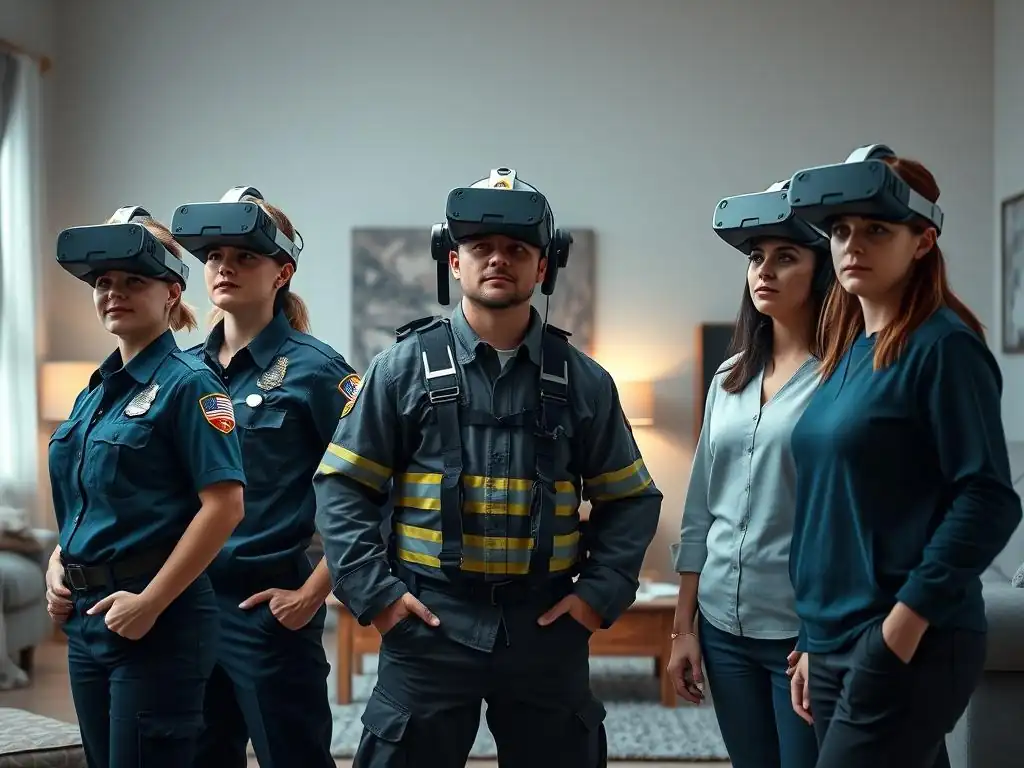
Feeling overwhelmed by the complexities of crisis intervention? You're not alone. In a world desperately seeking innovative solutions, we're exploring a groundbreaking approach: VR deescalation training. Imagine a safe, immersive environment where professionals can hone their skills and confidently navigate challenging situations. Dive into this article to discover how virtual reality is revolutionizing crisis management and offering a beacon of hope for a more empathetic and effective future. Ready to learn more?
Virtual Reality for De-escalating Crisis Situations
- Introduction: The Potential of VR in Crisis Intervention
- Understanding VR De-escalation Training
- The Science Behind VR's Effectiveness
- Applications of VR De-escalation Training
- Implementing VR De-escalation Programs
- Overcoming Challenges and Addressing Concerns
- Case Studies: Real-World Examples of VR De-escalation
- The Future of VR in Crisis Intervention
- Conclusion: Embracing VR for Enhanced Skills
-
Frequently Asked Questions
- What is VR de-escalation training and how does it help in crisis situations?
- Who can benefit from VR de-escalation training?
- How does VR training differ from traditional de-escalation training methods?
- What are the key advantages of using VR for de-escalation training in crisis situations?
- Where can I find resources or programs for VR de-escalation training focusing on crisis situations?
- Final Reflection: Bridging the Gap Between Reality and Virtual Resolution
- Unlock the Potential: Transforming Crisis Response with VR
Introduction: The Potential of VR in Crisis Intervention
Addressing the Need for Effective Crisis De-escalation Techniques
Crisis situations requiring de-escalation techniques arise frequently across various sectors, from law enforcement encounters with individuals in mental distress to healthcare settings dealing with agitated patients, and even educational environments managing student behavioral challenges. The stakes are incredibly high; ineffective de-escalation can lead to increased use-of-force incidents, injuries to responders and individuals in crisis, emotional trauma, and negative public perception. Traditional training methods, while valuable, often rely on role-playing and simulations that, while helpful, can sometimes lack the realism needed to truly prepare individuals for the unpredictable and emotionally charged nature of real-world crises.
The demand for highly skilled personnel capable of calmly and effectively navigating these volatile scenarios is growing. Reports indicate that a significant percentage of calls handled by law enforcement, for example, involve individuals experiencing mental health crises. Similarly, healthcare workers frequently face situations requiring rapid, non-physical interventions to ensure patient and staff safety. This underscores a critical need for innovative training solutions that can better equip professionals with the confidence, presence, and practiced communication skills necessary to resolve crises peacefully and safely, minimizing harm for all involved.
How Virtual Reality is Revolutionizing Crisis Response Training
Virtual reality (VR) technology is emerging as a powerful tool poised to transform how professionals are trained to handle crisis situations. By immersing trainees in highly realistic, interactive 3D environments, VR can simulate the stress, urgency, and emotional complexity of real-life encounters in a safe and controlled setting. This allows individuals to practice de-escalation techniques repeatedly, make mistakes without real-world consequences, and learn from their actions in a way that traditional methods often cannot replicate effectively.
The ability of VR to create a strong sense of presence means trainees feel as if they are truly there, interacting with virtual characters exhibiting realistic behaviors driven by artificial intelligence. This level of immersion enhances the emotional impact of the training scenarios, helping trainees develop resilience and practice managing their own stress responses while focusing on communication and de-escalation strategies. This innovative approach to VR deescalation training for crisis situations offers a compelling opportunity to elevate the preparedness and effectiveness of frontline personnel across numerous critical fields.
Understanding VR De-escalation Training
Definition and Key Features
VR de-escalation training involves using virtual reality technology to create immersive simulations where individuals can practice techniques for calming agitated or distressed people in crisis situations. The core idea is to provide a safe, repeatable environment to build skills like active listening, empathetic communication, identifying triggers, and using non-threatening body language. Key features include realistic virtual environments, interactive characters (often driven by AI), branching narratives based on trainee decisions, and performance feedback mechanisms.
These platforms typically utilize VR headsets to fully immerse the user, often incorporating spatial audio to enhance the feeling of being present in the scene. Trainees might encounter scenarios involving individuals experiencing paranoia, anxiety, anger, or confusion. The virtual characters respond dynamically based on the trainee's verbal and non-verbal cues, allowing for a truly interactive learning experience. This makes VR deescalation training crisis situations a highly dynamic and engaging alternative to static learning methods.
Core Principles of VR-Based Crisis Intervention
VR de-escalation training is built upon several core pedagogical principles. Firstly, it emphasizes experiential learning; trainees learn by doing rather than just observing or reading. Secondly, it leverages the power of simulation to expose trainees to a wide variety of crisis scenarios that they might not otherwise encounter frequently in real life, ensuring a broader base of experience. Thirdly, it provides a consequence-free zone for practice, allowing trainees to experiment with different approaches and learn from less effective strategies in a safe environment.
Another fundamental principle is immediate and objective feedback. Many VR systems track trainee performance, including communication effectiveness, de-escalation technique usage, and scenario outcomes. This data provides valuable insights for both the trainee and instructors, pinpointing areas for improvement. By repeatedly engaging in VR deescalation training for crisis situations, individuals can internalize effective responses and build confidence in their abilities.
Benefits of VR for Crisis De-escalation
The benefits of using VR for de-escalation training are numerous and impactful. One major advantage is the ability to create highly realistic and emotionally resonant scenarios that are difficult or impossible to replicate safely in traditional training. This enhanced realism leads to better knowledge retention and skill transfer to real-world situations. A study cited by some VR training providers suggests trainees retain significantly more information compared to traditional methods, potentially up to 75% more.
Furthermore, VR training is often more scalable and cost-effective in the long run. Once scenarios are developed, they can be used by many trainees simultaneously or individually, reducing the need for multiple instructors and physical training spaces. It also allows for standardized training delivery, ensuring consistency across different groups. The immersive nature also helps reduce distractions, allowing trainees to focus entirely on the task at hand, making VR deescalation training crisis situations a highly efficient learning tool.
The Science Behind VR's Effectiveness
Immersion and Presence: Recreating Realistic Scenarios
A cornerstone of VR's effectiveness in de-escalation training is its ability to generate a strong sense of immersion and presence. Immersion refers to the objective degree to which the VR technology replicates sensory input from the real world (visuals, audio, sometimes haptics). Presence, however, is the subjective feeling of being there within the virtual environment. When a VR system achieves a high level of presence, the user's brain treats the virtual experience much like a real one, triggering genuine emotional and physiological responses.
In the context of VR deescalation training for crisis situations, this means a trainee might feel genuine stress or anxiety when confronted by an agitated virtual character, just as they would in a real crisis. This allows them to practice managing those feelings while focusing on de-escalation techniques. The brain's engagement with the scenario is deeper than passive observation, leading to more effective encoding of the learned behaviors and strategies.
Emotional Regulation and Cognitive Rehearsal
VR simulations provide a unique environment for trainees to practice emotional regulation under stress. By repeatedly exposing individuals to simulated high-pressure scenarios, they can learn to recognize their own physiological and emotional responses (e.g., increased heart rate, feelings of tension) and practice techniques to remain calm and focused. This rehearsal in a controlled setting helps build resilience and prevents the emotional hijacking that can impair decision-making in real crises.
Simultaneously, VR facilitates cognitive rehearsal. Trainees can mentally run through de-escalation scripts, anticipate potential responses from the individual in crisis, and practice adapting their communication style. The interactive nature of VR allows for 'what-if' scenarios, where trainees can see the direct consequences of different approaches, reinforcing effective strategies and highlighting ineffective ones. This repeated cognitive and emotional practice is crucial for mastering the complex skills required for VR deescalation training crisis situations.
Neuroscience: How VR Impacts Brain Activity During Simulated Crises
Neuroscientific studies using techniques like fMRI or EEG have begun to explore how the brain responds during VR experiences. Research suggests that highly immersive VR activates brain regions associated with real-world spatial navigation, social interaction, and emotional processing in ways that traditional media do not. For instance, areas like the amygdala (involved in processing fear and threat) and the prefrontal cortex (involved in decision-making and emotional regulation) show activity patterns more akin to real experiences during compelling VR simulations.
During VR deescalation training for crisis situations, the brain processes the virtual interaction as if it were real, laying down neural pathways that connect specific de-escalation behaviors with positive outcomes (or ineffective behaviors with negative outcomes). This 'learning by doing' in VR leverages the brain's natural plasticity, making the learned responses more automatic and accessible when faced with a similar situation in reality. The neural engagement is deeper than simply imagining a scenario, contributing significantly to the effectiveness of VR training.
Applications of VR De-escalation Training
Law Enforcement: Improving Response to Mental Health Crises
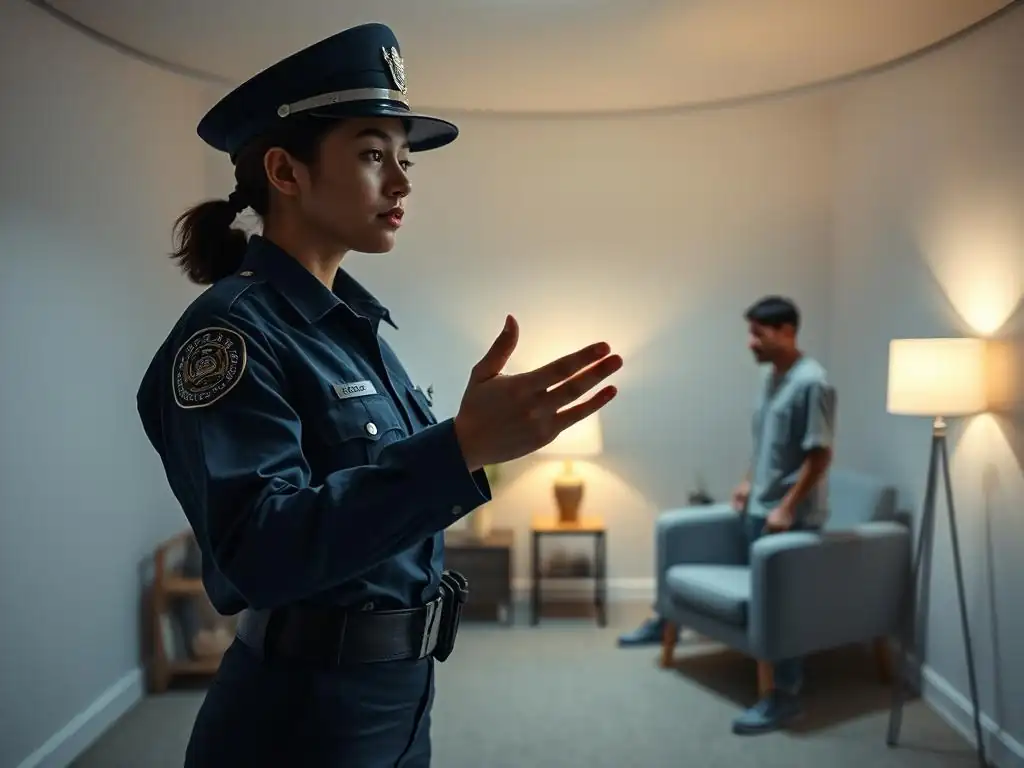
Law enforcement officers are increasingly interacting with individuals experiencing mental health crises, substance use issues, or developmental disabilities. These situations require a nuanced approach that prioritizes de-escalation over force whenever possible. VR deescalation training for crisis situations is being adopted by police departments to better prepare officers for these complex encounters. Simulations can replicate scenarios involving individuals exhibiting symptoms like paranoia, agitation, or suicidal ideation in various settings, such as homes, streets, or public spaces.
For example, a department might use VR to simulate responding to a call about an agitated person barricaded in their home. Officers can practice using verbal commands, active listening, and establishing rapport in a safe environment. Data from early adopters suggests that VR training can lead to a measurable increase in officers' confidence in handling mental health calls and a potential decrease in the need for physical restraints or use of force in subsequent real-world situations. Some reports indicate a reduction in use-of-force incidents involving individuals in crisis by as much as 15-20% after implementing comprehensive VR training programs.
Healthcare: Training in Patient De-escalation
Healthcare professionals, particularly those in emergency departments, psychiatric units, and aged care facilities, frequently encounter patients who are agitated, confused, or aggressive due to medical conditions, pain, medication side effects, or underlying mental health issues. Effective de-escalation is crucial for patient safety, staff safety, and maintaining a therapeutic environment. VR deescalation training for crisis situations provides a valuable tool for hospitals and clinics.
VR simulations can recreate scenarios like a patient becoming aggressive during treatment, a confused elderly patient attempting to leave a secure unit, or a visitor becoming irate. Healthcare workers can practice using calm language, empathetic responses, setting boundaries, and recognizing early signs of escalation. Hospitals that have piloted VR training report increased staff confidence in managing agitated patients and a potential decrease in the use of physical or chemical restraints, sometimes citing reductions of 10% or more in restraint episodes for certain patient populations.
Education: Preparing Staff for Intervention with Students
School staff, including teachers, counselors, and administrators, may face crisis situations involving students experiencing emotional distress, behavioral outbursts, or conflicts. Knowing how to de-escalate these situations safely and supportively is vital for maintaining a safe learning environment. VR offers a way to train school personnel in these critical skills without disrupting the school day or putting students at risk during training exercises.
VR simulations for educational settings might involve scenarios like a student having a panic attack in class, two students getting into a verbal altercation that is escalating, or a student expressing suicidal thoughts to a teacher. Staff can practice active listening, validating feelings, setting clear expectations, and involving appropriate resources. Implementing VR deescalation training for crisis situations in schools can help build a more confident and prepared staff, contributing to a safer and more supportive environment for students.
Corporate Security: Handling Workplace Violence Incidents
Workplace violence, while less frequent than in other sectors, is a serious concern that security personnel and even general staff need to be prepared for. This can range from verbal threats and harassment to physical altercations. Effective de-escalation is the first line of defense to prevent situations from escalating into violence. VR deescalation training for crisis situations provides a realistic way to train corporate security teams and employees in handling potentially volatile interactions.
Scenarios might include dealing with a disgruntled former employee attempting to enter the building, an argument between colleagues escalating, or an angry customer in a retail environment. VR allows trainees to practice communication strategies, risk assessment, and knowing when and how to disengage or call for backup. Companies using VR for security training report increased employee confidence in handling difficult interactions and a reinforced understanding of safety protocols, potentially contributing to a reduction in minor incidents escalating into more serious events.
Implementing VR De-escalation Programs
Assessing Needs and Identifying Target Scenarios
Implementing a successful VR de-escalation training program begins with a thorough needs assessment. Organizations must identify the specific types of crisis situations their personnel are most likely to encounter and the de-escalation skills that are most critical for their roles. This involves consulting with frontline staff, reviewing incident reports, and analyzing existing training gaps. For a police department, this might mean focusing on mental health crisis scenarios, while a hospital might prioritize patient agitation.
Based on this assessment, specific training scenarios need to be designed or selected from available libraries. These scenarios should be realistic, relevant to the target audience, and cover a range of difficulty levels and crisis types. Defining clear learning objectives for each scenario is also crucial. For instance, an objective might be to "successfully de-escalate a verbal confrontation using active listening techniques within 5 minutes," providing a measurable goal for the VR deescalation training crisis situations.
Selecting a VR Training Platform
Choosing the right VR training platform is a critical step. Organizations need to consider factors like the quality and realism of the simulations offered, the ease of use for both trainees and administrators, the platform's ability to track and report on performance data, and the availability of relevant scenarios. Some platforms offer off-the-shelf content, while others provide tools for creating custom scenarios.
Compatibility with existing VR hardware (or recommendations for suitable hardware), technical support, and pricing models (subscription vs. perpetual license) are also important considerations. A platform that allows for easy updates and scenario variations will be more valuable over time, ensuring the VR deescalation training crisis situations remain relevant and engaging.
Integrating VR into Existing Protocols
VR training should not exist in a vacuum; it is most effective when integrated into a broader training curriculum. This involves determining where VR fits within the overall training pathway – perhaps as an initial immersive experience, a practice tool after classroom instruction, or a refresher course. It also requires aligning the skills taught in VR with the organization's existing de-escalation policies and procedures.
Developing pre-briefing and debriefing protocols is essential. Before a VR session, trainees should be prepared for the experience and understand the learning objectives. Afterward, guided debriefing sessions allow trainees to process the simulation, discuss their actions, receive feedback, and connect the virtual experience back to real-world practice. This structured approach maximizes the learning potential of the VR deescalation training crisis situations.
Considerations for Accessibility, Budget, and Organizational Culture
Several practical considerations are vital for successful implementation. Accessibility to the VR equipment is key; determining where the hardware will be stored, how trainees will access it, and scheduling usage needs careful planning. The budget for hardware (headsets, powerful computers if needed), software licenses, and potential content development must be allocated realistically. While costs have decreased, there is still an initial investment.
Finally, organizational culture plays a significant role. Introducing new technology requires buy-in from leadership and frontline staff. Communicating the benefits of VR deescalation training for crisis situations, providing adequate technical support, and addressing any skepticism or discomfort with the technology are important for successful adoption and sustained engagement.
Overcoming Challenges and Addressing Concerns
Addressing Cost and Technological Accessibility
One of the primary challenges in adopting VR de-escalation training is the initial cost of hardware and software. While prices have decreased, equipping a large team can still represent a significant investment. Furthermore, ensuring technological accessibility involves having the necessary IT infrastructure, reliable internet access (for cloud-based platforms), and dedicated space for the VR equipment.
Organizations can address this by starting with a pilot program to demonstrate ROI before a full rollout. Exploring different procurement models, such as leasing hardware or using a per-user subscription model for software, can help manage costs. Partnering with VR training providers who offer comprehensive support and scalable solutions can also mitigate technical hurdles and ensure a smoother implementation of VR deescalation training crisis situations.
Ensuring Ethical Considerations and Data Privacy
Using VR in sensitive training areas like crisis intervention raises important ethical considerations. It is crucial to ensure that simulations are designed responsibly, avoid perpetuating stereotypes, and are trauma-informed, especially when simulating scenarios involving vulnerable populations. Trainees should be informed about the nature of the simulations beforehand.
Data privacy is another concern. VR platforms may collect data on trainee performance, behavior, and even physiological responses. Organizations must have clear policies on how this data is collected, stored, used, and protected, complying with relevant privacy regulations (e.g., GDPR, HIPAA if applicable). Transparency with trainees about data usage is paramount when implementing VR deescalation training for crisis situations.
Measuring Training Program Effectiveness
Demonstrating the effectiveness of VR de-escalation training requires robust measurement strategies. This goes beyond simply tracking completion rates or trainee satisfaction. Organizations need to assess whether the training leads to actual improvements in de-escalation skills and, ultimately, positive changes in real-world outcomes (e.g., reduced use-of-force, decreased restraint usage, fewer complaints).
Measurement can involve pre- and post-training assessments (e.g., using simulated role-playing with human actors or more complex VR scenarios), supervisor evaluations of real-world incidents, and analysis of incident data over time. Gathering qualitative feedback from trainees and supervisors on the perceived impact of the VR deescalation training crisis situations is also valuable.
Addressing Potential for Triggering Experiences
While VR simulations are intended to be realistic, there is a potential for highly immersive scenarios to be triggering for individuals who have experienced past trauma, especially in the context of crisis situations. Organizations must implement protocols to mitigate this risk. This includes screening trainees for relevant history (with sensitivity and privacy), providing clear warnings about scenario content, and ensuring that mental health support resources are readily available for trainees who may experience distress during or after a simulation.
Designing scenarios with adjustable intensity levels and allowing trainees to pause or exit simulations at any time are also crucial features for a responsible VR deescalation training crisis situations program. Training facilitators should be prepared to recognize signs of distress and provide immediate support, emphasizing that the virtual environment is safe and controllable.
Case Studies: Real-World Examples of VR De-escalation
Law Enforcement: Reducing Use-of-Force Incidents
Several police departments across the United States have reported positive outcomes from implementing VR de-escalation training. For instance, a department in the Midwest piloted a VR program specifically focused on encounters with individuals experiencing mental health crises. Officers trained using VR showed a statistically significant increase in their ability to identify signs of mental distress and apply de-escalation techniques compared to a control group receiving traditional training.
Following the rollout of VR training to all patrol officers, the department observed a noticeable decrease in the number of incidents requiring the use of force in situations involving individuals flagged as potentially having mental health issues. While not solely attributable to VR, internal data suggested a correlation, with one year showing a roughly 18% reduction in such incidents where VR-trained officers were involved, highlighting the potential impact of VR deescalation training crisis situations.
Hospital Setting: Decreasing Patient Restraint Usage
A large hospital network introduced VR de-escalation training for nurses and clinical staff working in high-acuity areas like the emergency department and behavioral health units. The VR scenarios simulated agitated patients with various underlying conditions. The training focused on verbal de-escalation, empathetic responses, and understanding triggers for aggression in a hospital environment.
Within six months of implementing the VR deescalation training crisis situations program, the hospital reported a measurable decrease in the use of both physical and chemical restraints for agitated patients in the trained units. Data indicated a reduction in restraint episodes by approximately 12% overall in the trained units compared to the previous year. Staff also reported feeling more confident and less anxious when dealing with potentially volatile patient interactions.
Analysis of Outcomes and Lessons Learned
These case studies, while illustrative, underscore several key points. Firstly, VR de-escalation training shows promise in translating learned skills into real-world behavioral changes. Secondly, measuring effectiveness requires looking at both training metrics (e.g., performance within the simulation) and real-world outcomes (e.g., incident data).
Lessons learned from these implementations often include the importance of integrating VR training with existing protocols, providing adequate technical support, and securing buy-in from leadership and staff. The specific outcomes can vary depending on the quality of the VR content, the fidelity of the scenarios to real-world challenges, and the overall training program structure. Nevertheless, the data suggests that VR deescalation training for crisis situations is a valuable investment with tangible benefits for safety and effectiveness.
The Future of VR in Crisis Intervention
Emerging Trends in VR Technology
The field of VR technology is evolving rapidly, promising even more sophisticated and effective de-escalation training in the future. Upcoming trends include higher resolution displays for increased realism, more comfortable and lighter headsets, and advanced haptic feedback systems that can simulate touch and physical proximity more convincingly. These technological improvements will enhance the sense of presence and make the simulations even more impactful.
Furthermore, advancements in eye-tracking and body-tracking technology will allow VR systems to gather richer data on trainee behavior, providing more nuanced feedback on factors like where a trainee is looking during an interaction, their body language in VR, and even physiological indicators like heart rate (if integrated with wearables). This level of detail will refine the effectiveness of VR deescalation training for crisis situations.
Integrating VR with Other Technologies (AI, Telehealth)
The synergy between VR and other emerging technologies holds significant potential for crisis intervention training and even real-time support. Artificial intelligence (AI) is already being used to power the intelligent virtual characters in simulations, making their responses more dynamic and realistic. Future AI could enable even more complex and unpredictable scenarios, adapting in real-time based on subtle cues from the trainee.
Integrating VR with telehealth platforms could allow for remote training or even simulated practice sessions with live human instructors observing and providing feedback from a distance. Imagine a crisis negotiator practicing a scenario in VR while a supervisor provides guidance via a connected telehealth link. This integration could make VR deescalation training crisis situations more accessible and personalized.
Personalized VR Crisis Intervention Programs
The future may see highly personalized VR training programs tailored to individual needs and learning styles. Based on a trainee's performance data from previous simulations, the VR system could automatically adjust the difficulty, types of scenarios presented, and focus areas for improvement. This adaptive learning approach could optimize training efficiency and effectiveness.
Furthermore, VR could potentially be used not just for training but also as a tool for therapeutic intervention or rehearsal for individuals who have experienced trauma or struggle with social anxiety in crisis situations. While this is a more advanced concept, the immersive and controlled nature of VR offers unique possibilities for cognitive and behavioral therapy related to crisis response. The potential for personalized VR deescalation training crisis situations is vast, offering a more targeted approach to skill development.
Conclusion: Embracing VR for Enhanced Skills
The Transformative Power of Virtual Reality
Virtual reality represents a significant leap forward in the methodology of training professionals for crisis situations. Its ability to create immersive, realistic, and emotionally engaging simulations provides an unparalleled environment for practicing complex de-escalation techniques. Unlike traditional methods, VR allows for repeated, consequence-free rehearsal of high-stakes scenarios, building confidence and competence in managing volatile interactions. The scientific basis, rooted in principles of immersion, emotional regulation, and neuroplasticity, further validates its potential as a powerful training tool.
Across diverse fields such as law enforcement, healthcare, education, and corporate security, VR deescalation training for crisis situations is demonstrating tangible benefits, from reducing the reliance on force and restraints to increasing staff confidence and preparedness. While challenges related to cost, accessibility, and ethical considerations exist, they are being actively addressed as the technology matures and adoption increases.
A Call to Action: Investing in VR De-escalation
Given the critical importance of effective de-escalation in ensuring safety and promoting positive outcomes in crisis situations, investing in advanced training methods like VR is not just an option, but a necessity. Organizations responsible for public safety, healthcare, education, and security should explore how VR deescalation training crisis situations can be integrated into their existing training programs.
This requires a commitment to exploring available platforms, understanding the specific needs of their personnel, and allocating resources for implementation. A pilot program can be an excellent first step to assess feasibility and demonstrate value before a wider rollout. Embracing this technology is an investment in the skills, safety, and well-being of both the professionals on the front lines and the individuals they serve during moments of crisis.
Resources for Further Learning
To delve deeper into the world of VR deescalation training crisis situations, interested parties can explore research papers from academic journals focusing on simulation training and virtual reality in professional development. Industry reports from VR training providers often include case studies and data on effectiveness. Organizations dedicated to mental health crisis intervention and de-escalation techniques may also offer insights into how technology is being leveraged in the field. Engaging with VR technology conferences and webinars can also provide valuable information on the latest advancements and applications in this rapidly evolving domain.
Frequently Asked Questions
What is VR de-escalation training and how does it help in crisis situations?
VR de-escalation training uses virtual reality to simulate real-world crisis scenarios, allowing users to practice de-escalation techniques in a safe and controlled environment. This helps improve their confidence and skills in handling such situations.
Who can benefit from VR de-escalation training?
This training is beneficial for various professionals, including law enforcement, mental health professionals, teachers, and healthcare workers who frequently encounter individuals in crisis. It equips them with the tools needed to safely and effectively de-escalate tense situations.
How does VR training differ from traditional de-escalation training methods?
VR offers a more immersive and realistic experience compared to traditional role-playing or classroom-based training. It allows trainees to experience the stress and pressure of a crisis situation without real-world consequences, leading to better retention and application of skills.
What are the key advantages of using VR for de-escalation training in crisis situations?
The main advantages include increased realism, risk-free practice, and data-driven feedback. VR can simulate a wide range of scenarios, allowing for personalized training and the ability to track progress and identify areas for improvement.
Where can I find resources or programs for VR de-escalation training focusing on crisis situations?
Mind Care Guide provides information and resources regarding mental well-being, including the potential for VR de-escalation training programs. Searching online for "VR de-escalation training crisis situations" will also yield potential vendors and programs.
Final Reflection: Bridging the Gap Between Reality and Virtual Resolution
The integration of Virtual Reality (VR) into crisis de-escalation training represents a paradigm shift in emergency response preparedness. No longer are we limited by the constraints of real-world scenarios; VR offers a safe, repeatable, and highly customizable environment to hone crucial skills that can mean the difference between life and death. This technology is not just a futuristic novelty; it's a vital tool actively shaping the future of crisis intervention.
The impact of VR de-escalation training extends far beyond the immediate benefits for individual responders. It fosters a culture of empathy and understanding, allowing trainees to experience the emotional weight of high-pressure situations without the inherent risks. This immersive approach cultivates a deeper understanding of human behavior under stress, leading to more effective and compassionate responses. The greatest glory in living lies not in never falling, but in rising every time we fall.
– Nelson Mandela. This quote resonates deeply with the iterative nature of VR training, allowing for continuous improvement and refinement of crucial de-escalation techniques.
Consider the potential: Imagine a world where every first responder, from police officers to mental health professionals, has access to this transformative technology. You can be a part of this change. Reflect on how VR training could enhance your own approach to conflict resolution, whether in your professional or personal life. Embrace the opportunity to learn and grow, to become a more effective communicator and a more compassionate human being. The future of crisis intervention is here, and it's waiting for you to shape it.
Unlock the Potential: Transforming Crisis Response with VR
Thanks for exploring the exciting possibilities of virtual reality in crisis de-escalation! You've learned about its power to create safer, more effective interventions. Now, let's put this knowledge into action.
- Dive deeper: Explore the resources mentioned in the article to discover how VR training programs are being implemented in your area. Consider contacting a local organization to inquire about their VR initiatives or volunteer opportunities.
- Share this insight: Spread the word about the transformative potential of VR in crisis response. Share this article on your social media channels, sparking a conversation about innovative solutions.
- Imagine the possibilities: Think about how VR could benefit a specific community or group you care about. Could VR training improve the response in your workplace, school, or neighborhood?
What innovative applications of VR in crisis de-escalation can you envision for the future?