
Ancient Solutions for Modern Stress: Eastern Mental Health Practices

Welcome to Mind Care Guide, a sanctuary for your mental well-being.
Are you feeling overwhelmed by the relentless pressures of modern life? You're not alone. We understand the unique challenges you face. This week, we delve into the wisdom of the East with a special focus on Eastern stress reduction techniques. Could these ancient practices hold the key to unlocking inner peace and resilience in your daily life? Explore our guide and discover how these time-tested methods can help you reclaim your calm. Let's embark on this journey to find your mindful center.
Ancient Solutions for Modern Stress: Eastern Mental Health Practices
- Understanding Eastern Approaches to Stress Management
- Exploring Traditional Eastern Practices for Stress Relief
- Integrating Eastern Stress Reduction Techniques into Modern Life
- The Scientific Evidence Supporting Eastern Mental Health Practices
- Conclusion: Embracing Eastern Wisdom for a Stress-Free Life
-
Frequently Asked Questions
- What are some common Eastern stress reduction techniques mentioned in the article?
- How do Eastern mental health practices differ from Western approaches to stress management?
- Can anyone benefit from incorporating Eastern stress reduction techniques into their daily routine?
- What are the potential benefits of practicing mindfulness meditation, as discussed in the article?
- Where can I find more resources or guidance on learning and practicing Eastern stress reduction techniques?
- Final Reflection: Finding Inner Peace in a Frantic World
- Unlock Your Inner Calm: Practical Steps to Less Stress
Understanding Eastern Approaches to Stress Management
The Holistic View of Mental Well-being in Eastern Cultures
Eastern philosophies and traditional healing systems, such as those found in China, India, and Japan, fundamentally view mental well-being not as an isolated state but as deeply interconnected with physical health, spiritual balance, social harmony, and the natural environment. This perspective contrasts sharply with purely biomedical models often prevalent in the West, which might focus primarily on neurochemical imbalances.
In the East, concepts like Qi (vital energy in TCM) or Prana (life force in Ayurveda and Yoga) are central; disruptions or blockages in these energies are believed to manifest as physical illness and mental distress, including stress, anxiety, and depression. The goal is always to restore balance and promote harmonious flow throughout the entire system.
This holistic lens means that addressing mental health challenges like chronic stress involves more than just treating symptoms. It requires examining and often modifying diet, lifestyle, relationships, and even one's connection to nature and community. Practices that support physical vitality, emotional regulation, and spiritual connection are considered essential components of mental hygiene. For instance, sleep disturbances or digestive issues, often seen as standalone physical problems in some systems, might be viewed in Eastern contexts as direct indicators of underlying energetic imbalances or emotional blockages contributing significantly to a person's overall stress load.
Key Principles of Eastern Stress Reduction Techniques
At the heart of many Eastern stress reduction techniques lies the cultivation of mindfulness and present moment awareness. Rooted in Buddhist philosophy, this principle involves paying deliberate attention to one's thoughts, feelings, bodily sensations, and surrounding environment without judgment. The modern mind, often caught in worrying about the future or ruminating on the past, generates significant stress. By gently anchoring attention to the now, practices like meditation aim to interrupt this cycle of stressful thinking and foster a sense of calm and perspective.
Another fundamental principle involves working with the body's subtle energies and promoting balance. Systems like TCM and Ayurveda utilize practices aimed at ensuring the smooth flow of Qi or Prana through specific channels or points.
Techniques ranging from acupuncture and acupressure to specific breathing exercises (Pranayama) and physical postures (Yoga Asanas) are designed to release tension, unblock energy pathways, and restore equilibrium. This focus on the physical body as a vessel for energy and emotion is a cornerstone, recognizing that stress is not just a mental state but a physical experience encoded in muscle tension, breathing patterns, and physiological responses.
Exploring Traditional Eastern Practices for Stress Relief
Meditation: A Cornerstone of Eastern Mental Health
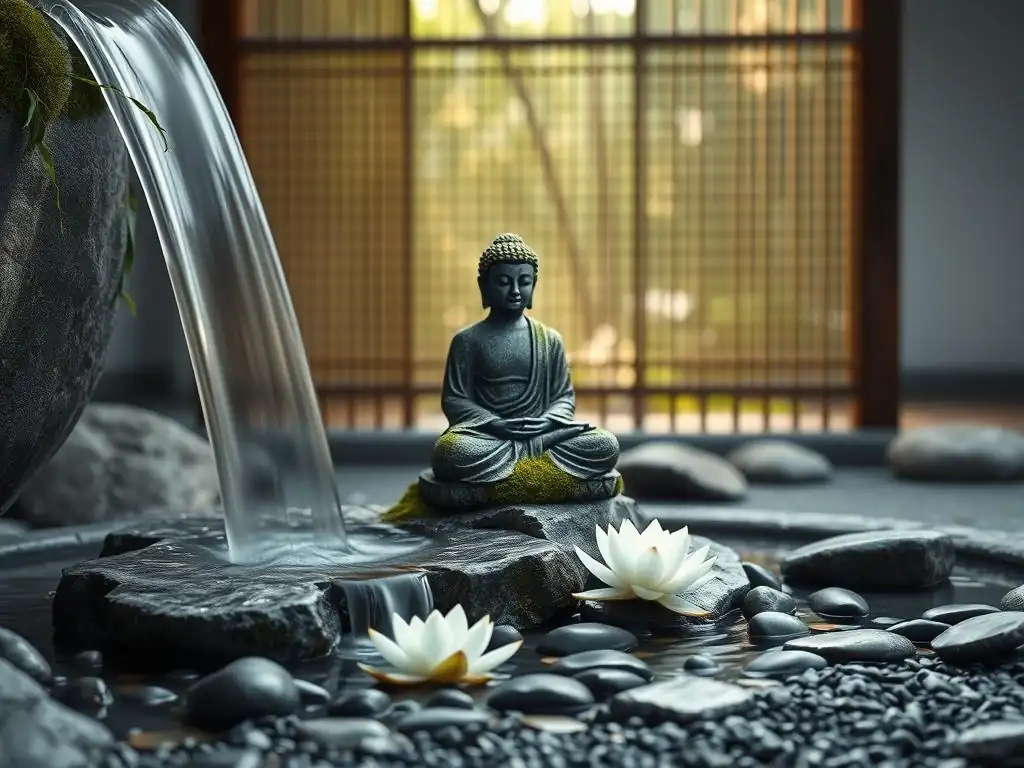
Meditation has been practiced for thousands of years across various Eastern traditions, serving as a primary method for cultivating inner peace, self-awareness, and mental clarity. Its role in managing stress and anxiety is increasingly recognized globally, becoming one of the most popular Eastern stress reduction techniques adopted in the modern world. The fundamental aim is often to train the mind to be less reactive to stressful thoughts and external pressures, fostering a state of calm equanimity.
Regular meditation practice has been associated with numerous physiological and psychological benefits relevant to stress relief. Studies utilizing fMRI scans have shown changes in brain structure and function among long-term meditators, including increased gray matter density in areas related to learning and memory, and decreased volume in the amygdala, the brain's fear center. Participants in mindfulness-based stress reduction (MBSR) programs, which incorporate meditation, often report significant reductions in perceived stress levels, sometimes by as much as 30% or more after just an 8-week course.
Types of Meditation for Stress and Anxiety Relief
- Mindfulness Meditation: Focusing on present-moment awareness of thoughts, feelings, and sensations without judgment.
- Helps detach from stressful thought patterns.
- Can be practiced anywhere, anytime.
- Loving-Kindness Meditation (Metta): Cultivating feelings of warmth, compassion, and acceptance towards oneself and others.
- Counteracts negative self-talk and social stress.
- Promotes emotional resilience.
- Transcendental Meditation (TM): A mantra-based technique practiced twice daily for 20 minutes.
- Aims for a deep state of relaxation and expanded consciousness.
- Research suggests benefits for blood pressure and anxiety.
- Zazen: Sitting meditation associated with Zen Buddhism, often focusing on breath or "just sitting" (Shikantaza).
- Emphasizes discipline and direct experience.
- Cultivates stillness and insight.
How to Practice Mindfulness Meditation for Daily Stress
Here is a simple way to begin practicing mindfulness meditation to manage daily stress:
- [ ] Find a quiet place where you won't be disturbed for 5-10 minutes.
- [ ] Sit comfortably, either on a cushion on the floor or in a chair, with your spine relatively straight but not rigid.
- [ ] Gently close your eyes or soften your gaze downwards.
- [ ] Bring your attention to your breath. Notice the sensation of the air entering and leaving your nostrils, or the rise and fall of your abdomen.
- [ ] Your mind will inevitably wander. This is normal. When you notice your mind has drifted to thoughts about stress, worries, or anything else, gently acknowledge the thought without judgment.
- [ ] Then, gently guide your attention back to your breath.
- [ ] Continue for your chosen duration. When ready, slowly open your eyes and take a moment to notice your surroundings.
Yoga: Balancing Body and Mind for Stress Reduction
Originating in ancient India as a comprehensive system for spiritual growth, Yoga has evolved into a globally practiced discipline highly valued for its physical and mental health benefits, particularly as an effective Eastern stress reduction technique. It integrates physical postures (Asanas), breathing techniques (Pranayama), meditation, and ethical principles. The practice recognizes the intimate connection between the body and mind, asserting that physical tension is often a manifestation of mental or emotional stress, and conversely, releasing physical tension can calm the mind.
Yoga's effectiveness in reducing stress stems from its multi-faceted approach. Physically, holding and moving through poses helps release chronic muscle tension, improve circulation, and promote relaxation. Mentally, the focus required to maintain balance and coordinate movement with breath pulls the mind away from stressors and cultivates concentration. Physiologically, Yoga practice has been shown to activate the parasympathetic nervous system, which is responsible for the body's "rest and digest" response, counteracting the "fight or flight" response triggered by stress. Studies have reported reductions in cortisol, the primary stress hormone, among regular yoga practitioners.
The Benefits of Yoga Asanas for Stress Management
Yoga postures (Asanas) provide a physical outlet for stress. Many poses, such as forward folds or child's pose, are inherently calming, while others, like standing poses, build strength and resilience. Poses that open the chest and shoulders can help release tension commonly held in these areas due to stress. Gentle inversions or legs-up-the-wall pose can help regulate blood pressure and calm the nervous system. The physical effort involved in some poses can also serve as a healthy distraction from worrying thoughts, grounding the practitioner in the present moment and their physical experience.
Furthermore, the practice of moving mindfully through a sequence of poses, often called Vinyasa or flow, creates a meditative state. The rhythmic linking of breath with movement helps to quiet the mental chatter. Holding poses requires focus and patience, building mental fortitude. Over time, this physical practice increases body awareness, allowing individuals to recognize the early signs of stress manifesting physically and use simple poses or stretches to intervene before tension escalates.
Pranayama: Breathing Techniques for Calming the Nervous System
Pranayama, the practice of conscious breath control, is a vital component of Yoga and a powerful Eastern stress reduction technique. The breath is intimately linked to our nervous system and emotional state; rapid, shallow breathing is common during stress, while slow, deep breathing promotes relaxation. By deliberately regulating the breath, one can directly influence the autonomic nervous system, shifting from sympathetic (stress response) dominance to parasympathetic (relaxation response) dominance.
Specific Pranayama techniques are employed for different effects. For instance, Dirga Pranayama (Three-Part Breath) involves filling the abdomen, chest, and upper chest with air, promoting full oxygenation and deep relaxation. Nadi Shodhana (Alternate Nostril Breathing) is renowned for balancing the left and right hemispheres of the brain and calming the mind, making it excellent for reducing anxiety. Even simply lengthening the exhalation can signal the nervous system to relax. Regular Pranayama practice helps build resilience to stress by training the body and mind to maintain calm even in challenging situations.
Traditional Chinese Medicine (TCM) and Stress
Traditional Chinese Medicine (TCM) is a complex medical system developed over thousands of years that views the body and mind as an integrated whole, governed by the flow of vital energy (Qi) through meridians. In TCM theory, stress, particularly chronic emotional stress like worry, anger, or frustration, is seen as a major factor disrupting the harmonious flow of Qi and blood.
This disruption can lead to specific imbalances, often affecting the Liver meridian system, which is associated with the smooth flow of Qi throughout the body and emotional regulation. Stagnation of Liver Qi is a common diagnosis in TCM for stress-related symptoms like irritability, tension headaches, digestive issues, and sleep disturbances.
TCM practitioners use a variety of diagnostic methods, including pulse and tongue diagnosis, to identify the specific pattern of imbalance caused by stress in an individual. Treatment aims to restore balance and promote the smooth flow of Qi and blood using techniques tailored to the patient's unique constitution and presentation. This individualized approach is a hallmark of TCM as an Eastern stress reduction technique. While research on TCM's effectiveness using Western methodologies is ongoing and presents challenges due to its holistic nature, studies, particularly on acupuncture, show promising results for stress-related conditions.
Acupuncture and Acupressure for Stress Relief
Acupuncture, a core modality of TCM, involves inserting thin needles into specific points along the body's meridians. The theory is that stimulating these points helps unblock stagnant Qi and restore balanced energy flow, thereby alleviating symptoms. For stress and anxiety, acupuncture points on the ears (auricular acupuncture), wrists (e.g., Pericardium 6), and between the eyebrows (e.g., Yin Tang) are commonly used for their calming effects. Research suggests acupuncture may influence neurotransmitter levels, including serotonin and endorphins, which play a role in mood regulation and pain relief.
Acupressure works on the same principles as acupuncture but uses physical pressure instead of needles. It can be self-administered or performed by a practitioner. Applying pressure to points like Hegu (Large Intestine 4, on the hand) or Taichong (Liver 3, on the foot) is traditionally used to release tension and promote relaxation. While perhaps less potent than acupuncture for some conditions, acupressure provides an accessible Eastern stress reduction technique that individuals can use anytime, anywhere, to help manage acute stress symptoms like muscle tension or headaches.
Herbal Remedies Used in TCM for Anxiety and Stress
TCM utilizes a vast pharmacopoeia of herbs, typically combined into complex formulas tailored to an individual's specific diagnosis pattern. These formulas aim to address the root cause of the imbalance contributing to stress and anxiety, rather than just suppressing symptoms. For Liver Qi stagnation due to stress, a classic formula like Xiao Yao San (Free and Easy Wanderer Powder) is often prescribed to soothe the liver and regulate Qi. For anxiety accompanied by insomnia and restlessness, formulas like Gan Mai Da Zao Tang (Licorice, Wheat, and Jujube Decoction) might be used to nourish the heart and calm the spirit.
It is crucial that TCM herbal remedies are prescribed and monitored by a qualified practitioner, as formulas are complex and tailored to individual needs. While scientific research on the efficacy of specific TCM formulas for stress and anxiety is still developing, many individual herbs within these formulas have been studied for their pharmacological effects. For example, components found in herbs used in TCM formulas have shown properties that may affect the nervous system and stress response pathways. The use of these tailored herbal blends is a key aspect of the holistic approach in TCM for managing chronic stress.
Ayurveda: An Ancient Indian System for Stress Management
Ayurveda, meaning "knowledge of life," is an ancient Indian system of medicine that predates TCM and is considered a sister science to Yoga. It views health as a state of balance between the body, mind, and spirit, influenced by the five elements (earth, water, fire, air, space) manifesting as three fundamental energies or Doshas: Vata (air and space), Pitta (fire and water), and Kapha (earth and water). Stress is often seen as primarily aggravating the Vata dosha, which governs movement and the nervous system. An imbalanced Vata can lead to symptoms like anxiety, fear, insomnia, restlessness, and digestive upset.
Ayurvedic stress management is highly individualized based on a person's unique constitution (Prakriti) and current state of imbalance (Vikriti). The approach focuses on restoring equilibrium through diet, lifestyle adjustments, herbal remedies, and therapeutic treatments. The goal is not just to alleviate stress symptoms but to strengthen the individual's inherent resilience and promote overall harmony. This personalized, preventative focus distinguishes Ayurveda as a comprehensive Eastern stress reduction technique.
Ayurvedic Diet and Lifestyle for Stress Reduction
Ayurveda places great emphasis on daily routines (Dinacharya) and seasonal routines (Ritucharya) as foundational practices for grounding the nervous system and reducing stress, particularly for Vata-dominant individuals prone to anxiety and scattered energy. Establishing consistent times for waking, eating, working, and sleeping helps create stability. Dietary recommendations are tailored to one's Dosha, but generally, stress reduction involves favoring warm, cooked, grounding foods and avoiding excessive stimulants like caffeine, sugar, and cold or raw foods, which can aggravate Vata. Mindful eating is also encouraged.
Lifestyle practices extend to sensory therapies. For example, using calming aromas like sandalwood or lavender, listening to gentle music, and spending time in nature are recommended to soothe the senses and calm the mind. Regular, gentle exercise like Yoga or walking is advised, focusing on building stamina and releasing tension without excessive strain, which could further imbalance Vata. The Ayurvedic perspective is that consistent, mindful living is a potent antidote to the fragmentation and overstimulation of modern life that fuels stress.
Ayurvedic Herbs and Therapies for Mental Well-being
Ayurveda utilizes a range of herbs, often called "adaptogens," that are traditionally believed to help the body adapt to stress and promote mental well-being. Ashwagandha (Withania somnifera) is perhaps the most well-known, valued for its ability to calm the nervous system, reduce anxiety, and improve sleep. Brahmi or Gotu Kola (Bacopa monnieri/Centella asiatica) is often used to support cognitive function and reduce mental fog associated with stress. Tulsi (Holy Basil) is another widely used herb for its stress-relieving and mood-uplifting properties.
Ayurvedic therapies also play a significant role. Abhyanga, a warm oil self-massage or practitioner-administered massage, is deeply grounding and nourishing to the nervous system, helping to release physical tension. Shirodhara, a therapy involving a continuous stream of warm oil poured onto the forehead (the location of the "third eye"), is renowned for its profound ability to calm the mind, reduce anxiety, and promote deep relaxation. These therapies, combined with diet and herbs, form a comprehensive approach to managing stress from an Ayurvedic perspective.
Integrating Eastern Stress Reduction Techniques into Modern Life
Adapting Ancient Practices for Contemporary Stressors
The demands of modern life—long working hours, constant digital connectivity, financial pressures, and information overload—can make traditional, time-intensive practices seem challenging to adopt. However, the essence of Eastern stress reduction techniques lies in their adaptability. Ancient wisdom can be distilled into practical, shorter forms that fit into busy schedules. For example, a full hour of meditation or yoga may not be feasible daily, but incorporating 5-10 minutes of mindfulness meditation during a work break, or a 15-minute sequence of gentle yoga stretches in the morning or evening, can still yield significant benefits.
Technology has also made these practices more accessible. Numerous apps offer guided meditations of varying lengths, online platforms provide yoga classes suitable for all levels and time constraints, and resources explaining basic principles of TCM or Ayurveda are widely available. The key is to identify which practices resonate most and find ways to weave them consistently into the fabric of daily life, even in small increments. The goal is not perfection, but progress and consistency in creating moments of calm and self-awareness amidst the chaos.
Creating a Personalized Stress Management Plan with Eastern Techniques
Building an effective stress management plan using Eastern stress reduction techniques involves experimentation and personalization. No single practice works for everyone, and the most beneficial approach often combines elements from different traditions. Start by exploring a few techniques – perhaps trying different types of meditation, attending a beginner yoga class, or researching basic Ayurvedic principles related to your dominant Dosha. Pay attention to how your body and mind respond to each practice.
Once you identify techniques that feel helpful and sustainable, aim to integrate them into a regular routine. This might involve scheduling a specific time for meditation, practicing breathing exercises during commutes, incorporating stress-reducing foods into your diet, or using acupressure points during moments of tension. A personalized plan might look like this: 10 minutes of mindfulness meditation in the morning, a 30-minute yoga class twice a week, using a calming Pranayama technique before sleep, and making dietary choices based on Ayurvedic principles. The plan should be flexible and evolve as your needs change.
Overcoming Challenges in Practicing Eastern Methods
Embarking on the path of Eastern stress reduction techniques can present challenges. Common hurdles include difficulty quieting a busy mind during meditation, physical limitations in yoga poses, skepticism about energetic concepts, or simply finding the time and motivation to practice consistently. It's important to approach these challenges with patience and self-compassion, recognizing that developing new habits takes time and effort.
For a restless mind, starting with shorter durations of meditation (even 2-3 minutes) and focusing on the breath or bodily sensations can be more manageable than aiming for extended periods of stillness. Physical limitations in yoga can often be addressed with props (blocks, straps) or by seeking out classes specifically designed for beginners or those with injuries. Finding a qualified teacher or practitioner can provide guidance, support, and accountability.
Remember that setbacks are normal; if you miss a day or a week of practice, simply return to it without self-criticism. The journey towards stress reduction through Eastern wisdom is ongoing, emphasizing gradual progress and persistent effort.
The Scientific Evidence Supporting Eastern Mental Health Practices
As Eastern practices have gained popularity in the West, scientific interest in understanding their mechanisms and validating their benefits has grown significantly. While research methodologies sometimes need adaptation to fully capture the holistic nature of these systems, a substantial body of evidence is emerging that supports the effectiveness of many Eastern stress reduction techniques for improving mental well-being and reducing stress. This growing scientific validation helps bridge the gap between ancient wisdom and modern healthcare.
Numerous studies have explored the impact of practices like meditation and yoga on physiological markers of stress, brain function, and psychological outcomes. Research into TCM and Ayurveda, while perhaps less extensive in Western clinical trials, is also providing evidence for their efficacy in managing stress-related symptoms and conditions. This research not only confirms what practitioners have observed for centuries but also helps integrate these valuable tools into broader conversations about mental health care.
Research on Meditation and its Impact on Stress Levels
Research consistently demonstrates that meditation can significantly impact stress levels. Studies using physiological measures show that regular meditation practice is associated with lower levels of cortisol (the stress hormone) and reduced inflammatory markers. Neuroimaging studies indicate that mindfulness meditation can lead to structural and functional changes in the brain, including increased activity in the prefrontal cortex (associated with executive functions and emotional regulation) and decreased reactivity in the amygdala (the brain's threat detection center).
Clinical trials have shown the effectiveness of meditation-based interventions like Mindfulness-Based Stress Reduction (MBSR) and Mindfulness-Based Cognitive Therapy (MBCT) in reducing symptoms of stress, anxiety, and depression. For instance, a meta-analysis of over 47 trials involving MBSR/MBCT found moderate evidence of improved anxiety and depression symptoms. Participants often report significant improvements in their ability to cope with stress, reduced rumination, and increased emotional resilience, highlighting the profound impact of this Eastern stress reduction technique.
Studies on Yoga and its Effects on Anxiety and Depression
The scientific literature increasingly supports the use of Yoga as an effective adjunctive therapy for stress, anxiety, and depression. Research indicates that Yoga practice can lower heart rate, blood pressure, and cortisol levels, all physiological indicators of reduced stress. A 2018 review published in the Journal of Psychiatric Practice concluded that Yoga interventions were associated with significant reductions in symptoms for individuals with elevated anxiety levels.
Studies also suggest that Yoga may influence neurotransmitter systems, potentially increasing levels of gamma-aminobutyric acid (GABA), a neurotransmitter associated with calmness, which is often low in individuals with anxiety. The combination of physical movement, breath control, and meditative elements in Yoga appears to have a synergistic effect on the nervous system and mood regulation. Regular practice of Yoga provides a physical yet calming avenue for managing stress, making it a powerful Eastern stress reduction technique for many.
Evidence-Based Benefits of Traditional Chinese Medicine for Mental Health
While researching complex systems like TCM within conventional Western trial frameworks presents challenges, studies on specific modalities like acupuncture for mental health conditions, including stress and anxiety, are growing. Research suggests that acupuncture may modulate the body's stress response by affecting the hypothalamic-pituitary-adrenal (HPA) axis and influencing the release of neurotransmitters like serotonin, dopamine, and endorphins.
Several reviews and studies have explored acupuncture's effects on anxiety. Some research indicates that acupuncture may be a useful complementary therapy for reducing anxiety symptoms, potentially as effective as some forms of counseling or medication for certain individuals, though results can vary.
Studies on TCM herbal medicine for stress and anxiety are more complex due to the individualized nature of formulas, but research into the pharmacological properties of individual herbs used in these formulas continues to reveal compounds with potential anxiolytic or mood-regulating effects. While more large-scale, rigorous studies are needed, the existing evidence supports the potential of TCM modalities as valuable Eastern stress reduction techniques.
Conclusion: Embracing Eastern Wisdom for a Stress-Free Life
The Enduring Relevance of Eastern Practices in Modern Mental Health
In an age characterized by chronic stress and mental health challenges, the ancient wisdom embedded in Eastern stress reduction techniques offers profound and enduring relevance. These practices provide a counterbalance to the fast-paced, often fragmented nature of modern life, offering pathways to inner stillness, balance, and resilience. Unlike approaches that may focus solely on symptom management, Eastern methods often address the root causes of stress by promoting harmony between mind, body, and environment.
The increasing scientific validation of practices like meditation, yoga, and elements of TCM and Ayurveda underscores their effectiveness. They are not merely historical or cultural artifacts but powerful, time-tested tools that can complement contemporary mental health strategies. By offering holistic perspectives and practical techniques, these traditions provide valuable resources for individuals seeking sustainable ways to navigate the complexities of modern stressors and cultivate lasting well-being.
Finding Balance and Harmony Through Eastern Stress Reduction Techniques
Ultimately, the goal of exploring Eastern stress reduction techniques is to find greater balance and harmony within oneself and with the world. Practices like mindfulness meditation teach us to observe our thoughts and emotions without being consumed by them. Yoga helps us release physical tension and connect with our breath, grounding us in the present moment. TCM and Ayurveda offer frameworks for understanding our unique constitutions and the lifestyle choices that support our well-being, guiding us towards equilibrium.
Embracing these ancient solutions involves a journey of self-discovery and consistent practice. It requires patience, curiosity, and a willingness to view stress not just as a problem to be eliminated, but as an indicator of imbalance that can be addressed through cultivating greater self-awareness and making conscious choices that support holistic health. By integrating these powerful techniques into our lives, we can build resilience, reduce the impact of stress, and move towards a more peaceful and harmonious existence.
Frequently Asked Questions
What are some common Eastern stress reduction techniques mentioned in the article?
The article explores various Eastern mental health practices like mindfulness meditation, yoga, and Tai Chi which are used for stress reduction. These are ancient techniques adapted for modern stress.
How do Eastern mental health practices differ from Western approaches to stress management?
Eastern approaches often focus on holistic well-being and inner peace, emphasizing the connection between mind, body, and spirit. Western methods might prioritize cognitive behavioral therapy or medication.
Can anyone benefit from incorporating Eastern stress reduction techniques into their daily routine?
Yes, anyone can benefit! The article highlights how these techniques can improve mental well-being, reduce anxiety, and promote a sense of calmness in daily life.
What are the potential benefits of practicing mindfulness meditation, as discussed in the article?
Mindfulness meditation can lead to reduced stress levels, improved focus and concentration, and increased self-awareness. It cultivates a non-judgmental awareness of the present moment.
Where can I find more resources or guidance on learning and practicing Eastern stress reduction techniques?
The "Mind Care Guide" website offers information, support, and resources on various mental health challenges, including Eastern stress reduction techniques. Explore the website for more details.
Final Reflection: Finding Inner Peace in a Frantic World
The ancient wisdom of Eastern mental health practices offers a powerful antidote to the pervasive stress of modern life. We live in a culture obsessed with productivity and achievement, often at the expense of our mental and emotional well-being. The techniques explored in this article – from mindfulness meditation to the principles of yoga and Tai Chi – are not mere trends; they are time-tested methods for cultivating inner peace and resilience in the face of overwhelming demands.
The enduring influence of these practices is undeniable, shaping not only individual lives but also the very fabric of our society. We see a growing integration of mindfulness into workplaces, schools, and even healthcare settings, a testament to the increasing recognition of the mind-body connection. As the Dalai Lama wisely stated, Happiness is not ready made. It comes from your own actions.
This simple yet profound truth underscores the active role we all play in cultivating our own well-being, a role that Eastern practices empower us to embrace.
The journey to stress reduction is a personal one, and this article serves only as a starting point. I encourage you to explore these ancient techniques further, to experiment with what resonates with you, and to discover the profound benefits they can bring to your life. Begin today. Invest in your mental health. Discover the peace that awaits within.
Unlock Your Inner Calm: Practical Steps to Less Stress
Thanks for exploring the ancient wisdom of Eastern mental health practices! We hope you discovered valuable tools to navigate modern stress. Ready to integrate these techniques into your daily life?
- Prioritize one new practice: Choose one meditation technique, breathing exercise, or mindfulness strategy from the article and dedicate just 5 minutes each day to it. Notice the difference it makes!
- Share your experience: Tell us (and others!) which practice resonated most with you. Share your thoughts in the comments below – your insights might inspire someone else!
- Explore further: Dive deeper into the world of Eastern wellness by researching other related practices mentioned – perhaps you'll discover a new favorite.
What simple change will you make today to foster a more peaceful and balanced mind?