
The Influence of Pop Culture on Mental Health Views in the West

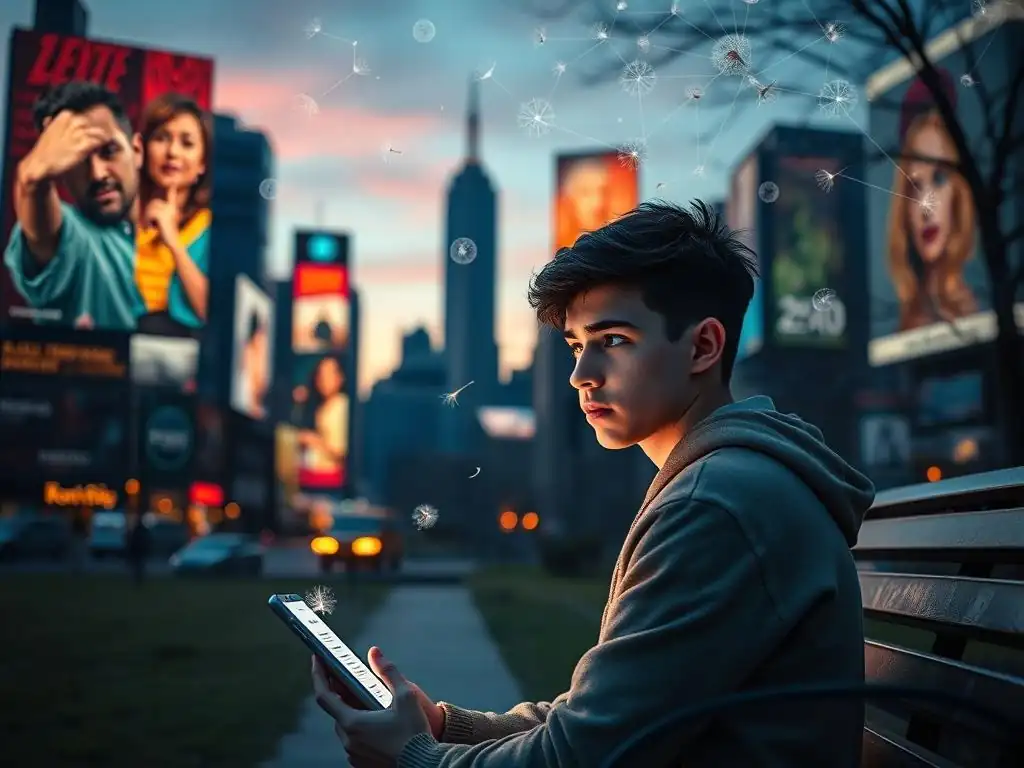
Welcome to Mind Care Guide, your trusted companion on the journey to mental well-being.
Ever wondered how the shows we binge-watch or the music we listen to subtly shape our understanding of mental health? In this article, we delve into the fascinating and often overlooked connection: Pop culture impacts mental health, particularly in the Western world. Prepare to explore how these influences affect our perceptions, challenge stigmas, and, ultimately, impact our own well-being. Let's unravel this complex relationship together and discover how to navigate the landscape with awareness and empathy.
The Influence of Pop Culture on Mental Health Views in the West
- Understanding Pop Culture's Role in Shaping Mental Health Perceptions
- How Pop Culture Influences Mental Health Attitudes in Western Societies
- Positive and Negative Effects of Pop Culture on Mental Health
- Pop Culture's Portrayal of Specific Mental Health Conditions
- The Role of Social Media in Shaping Mental Health Narratives
- Analyzing Trends: Popular Culture and Evolving Mental Health Views
- Pop Culture's Influence on Mental Health Treatment and Therapy
- Counteracting Negative Influences and Promoting Positive Mental Health Messages
- Conclusion: Navigating the Complex Relationship Between Pop Culture and Mental Well-being
-
Frequently Asked Questions
- How does pop culture often depict mental health issues?
- Can consuming pop culture content related to mental health be beneficial?
- What are some potential negative impacts of pop culture's portrayal of mental illness?
- How can individuals critically evaluate pop culture's messages about mental health?
- Does pop culture influence how people perceive and seek mental health treatment?
- Final Reflection: Echoes of the Screen: Pop Culture's Lasting Impact on Mental Health
- Unlock Your Understanding: Pop Culture & Mental Wellness
Understanding Pop Culture's Role in Shaping Mental Health Perceptions
Pop culture, encompassing mass media like movies, television, music, social media, and celebrity influence, acts as a powerful mirror and shaper of societal norms and attitudes. In Western societies, where media consumption is high, the narratives, images, and discussions presented through popular channels significantly impact how individuals understand complex issues, including mental health. This pervasive influence means that what is shown and discussed in popular culture doesn't just reflect existing views but actively molds them, affecting public perception, reducing or increasing stigma, and influencing help-seeking behaviors.
The sheer volume and accessibility of pop culture content ensure its widespread reach across diverse demographics. From blockbuster films to viral TikTok trends, information and perspectives on mental health are constantly being disseminated, often bypassing traditional sources like educational institutions or healthcare providers. This informal education can be both beneficial, by raising awareness and fostering empathy, and detrimental, by perpetuating stereotypes or spreading misinformation. Understanding this dynamic is key to appreciating the complex ways pop culture impacts mental health understanding in the contemporary West.
How Pop Culture Influences Mental Health Attitudes in Western Societies
The pervasive nature of pop culture in Western life means its influence on attitudes towards mental health is profound and multifaceted. It shapes public discourse, normalizes certain experiences, and can either challenge or reinforce existing stigmas. This section explores specific avenues through which this influence is exerted.
The Ubiquity of Mental Health Themes in Modern Media
Mental health themes have become increasingly prevalent across various forms of modern media in the West. Television shows, movies, and even video games now frequently feature characters dealing with conditions like anxiety, depression, PTSD, and bipolar disorder. This shift reflects a growing societal willingness to acknowledge these issues, and it brings mental health into mainstream conversations, increasing visibility.
For instance, popular shows on streaming platforms have dedicated significant storylines to characters navigating mental health challenges, often exploring the complexities of diagnosis, treatment, and daily living. While accuracy varies, the sheer volume of these portrayals means that millions of viewers are regularly exposed to narratives surrounding mental well-being.
A study analyzing prime-time television in the US in the late 2010s found that mental health was a recurring theme in a substantial percentage of scripted shows, indicating its firm place in popular storytelling. However, the quality and depth of these portrayals remain a critical point of analysis when considering how pop culture impacts mental health understanding.
The Impact of Celebrity Mental Health Advocacy on Public Awareness
The willingness of prominent figures in pop culture – actors, musicians, athletes, and social media influencers – to openly discuss their own mental health struggles has had a significant impact on public awareness and attitudes. When a widely admired celebrity shares their experience with depression, anxiety, or seeking therapy, it can powerful challenge the notion that mental health issues are a sign of weakness or something to be hidden.
High-profile disclosures by figures like Lady Gaga discussing PTSD, Dwayne "The Rock" Johnson on depression, or Simone Biles on prioritizing her mental well-being have garnered widespread media attention and generated millions of social media interactions. This level of visibility helps normalize the experience of struggling with mental health and can encourage others to speak up or seek help.
While the long-term quantifiable impact on help-seeking rates is complex to isolate solely to celebrity influence, surveys and anecdotal evidence suggest that such disclosures contribute to reducing perceived stigma and making mental health a more acceptable topic of conversation, demonstrating a clear way pop culture impacts mental health discourse.
Positive and Negative Effects of Pop Culture on Mental Health
Pop culture's engagement with mental health is a double-edged sword. While it has the potential to educate and destigmatize, it can also perpetuate harmful stereotypes and spread misinformation.
Positive Influences: Reducing Stigma and Promoting Help-Seeking
One of the most significant positive impacts of pop culture on mental health is its potential to reduce stigma. By depicting characters with mental health conditions in relatable ways, showing them seeking help, and highlighting the reality of their struggles and recovery, media can foster empathy and understanding among viewers. When a favorite character attends therapy or discusses their anxiety, it can make these actions seem less daunting or shameful in real life.
Moreover, positive portrayals can actively promote help-seeking behaviors. Shows that depict therapy as a valid and helpful process, or characters successfully managing their conditions, can encourage individuals who are struggling to consider professional support. Some media campaigns or celebrity initiatives linked to pop culture platforms have also directly signposted resources, leading to increased calls to helplines or visits to mental health websites following their release. This direct link shows how pop culture impacts mental health actions by making support resources more visible and appealing.
Negative Influences: Glamorizing Mental Illness and Spreading Misinformation
Conversely, pop culture can sometimes inadvertently or intentionally contribute to negative perceptions and outcomes related to mental health. One major concern is the potential for glamorizing or romanticizing mental illness, particularly among younger audiences. Depicting conditions like depression or eating disorders as somehow artistic, unique, or desirable can be harmful and potentially triggering.
Furthermore, inaccurate portrayals can spread misinformation. Media might depict individuals with severe mental illness as inherently violent (a stereotype not supported by data, as individuals with mental illness are far more likely to be victims than perpetrators of violence), or show recovery as instantaneous rather than a long, complex process.
The controversial series '13 Reasons Why,' for example, faced significant criticism for its depiction of suicide, with some studies suggesting a correlation between its release and an increase in suicide rates among young people in the US, highlighting a potentially severe way pop culture impacts mental health outcomes when handled irresponsibly.
Pop Culture's Portrayal of Specific Mental Health Conditions

Different mental health conditions are often depicted in distinct ways within pop culture, leading to varied public understandings and misconceptions.
Depiction of Anxiety and Depression in Film and Television
Anxiety and depression are among the most commonly portrayed mental health conditions in Western film and television. Portrayals range from nuanced explorations of debilitating panic attacks or persistent low mood to stereotypical depictions that trivialize the conditions. Often, characters with anxiety might be shown as simply quirky or overly worried, neglecting the physical and emotional distress involved. Depression is sometimes depicted as simply sadness that can be easily overcome, ignoring the clinical reality of a complex mood disorder requiring professional intervention.
More sensitive portrayals, such as in shows like 'BoJack Horseman' which explored depression with surprising depth and realism, or series that show characters actively managing anxiety through therapy and medication, offer viewers more accurate insights. However, the prevalence of less accurate or overly simplified depictions means that many people's understanding of what it truly means to live with anxiety or depression is heavily filtered through potentially misleading pop culture narratives. This variance in portrayal significantly influences how pop culture impacts mental health understanding for these common conditions.
The Media's Representation of Trauma and PTSD
Trauma and Post-Traumatic Stress Disorder (PTSD) are frequently featured in genres like war films, crime dramas, and medical shows. These portrayals often focus on the dramatic symptoms like flashbacks or hypervigilance, particularly in veterans or first responders. While this brings visibility to PTSD, it can also lead to a narrow public perception that the condition only affects specific groups or manifests in extreme ways, overlooking the fact that trauma can result from various experiences and PTSD symptoms vary widely.
Some media representations have been lauded for their realism, depicting the long-term struggles, the impact on relationships, and the challenges of seeking effective treatment for trauma. However, many others fall into stereotypes, showing individuals with PTSD as ticking time bombs or solely defined by their trauma. This inconsistent and often sensationalized depiction means that while pop culture increases awareness of PTSD, it often fails to convey the full complexity and reality of living with and recovering from trauma, affecting how pop culture impacts mental health understanding for trauma survivors.
Pop Culture and Eating Disorders: A Critical Analysis
Eating disorders like anorexia nervosa and bulimia nervosa have appeared in various forms of pop culture, from movies and TV episodes focusing on the topic to storylines involving characters struggling with disordered eating. Historically, portrayals have often been criticized for focusing excessively on the physical appearance of individuals with eating disorders, particularly thinness, rather than the underlying psychological complexities. This can inadvertently contribute to a focus on weight rather than mental health, and potentially be triggering for vulnerable viewers.
More recent attempts at depicting eating disorders have tried to delve deeper into the psychological aspects, control issues, and the difficult path to recovery. However, the nature of visual media makes it challenging to avoid showing behaviors that could be emulated, and the emphasis on body image in wider pop culture (through celebrity culture, fashion, etc.)
creates a complex environment. A critical analysis reveals that while pop culture has brought eating disorders into public view, the quality and responsibility of these portrayals have been highly variable, demonstrating a sensitive area where pop culture impacts mental health perceptions and potentially behaviors.
Social media platforms have become integral to pop culture, and their influence on mental health narratives is particularly complex due to their interactive and personal nature.
Social media platforms like Instagram, TikTok, and Facebook are saturated with curated images and idealized representations of bodies and lifestyles. The constant exposure to filtered photos, celebrity endorsements of beauty standards, and the pressure to present a perfect online persona can significantly impact users' body image and self-esteem. Studies have consistently shown a correlation between heavy social media use and increased body dissatisfaction, particularly among young people.
The comparison culture inherent in social media, where users compare their real lives and appearances to the highlight reels of others, can foster feelings of inadequacy, anxiety, and depression. While some movements on social media promote body positivity and acceptance, the dominant visual culture often reinforces narrow beauty ideals. This direct link between social media content (a key part of modern pop culture) and personal feelings about self and body highlights a potent way pop culture impacts mental health, specifically self-esteem and body image.
The Spread of Mental Health Information and Misinformation Online
Social media has become a primary source of information for many people, including about mental health. Individuals share personal experiences, coping strategies, and recommendations for resources. This peer-to-peer sharing can provide valuable support and break down barriers to discussing mental health openly. Online communities and hashtags dedicated to specific conditions offer spaces for connection and validation.
However, social media is also fertile ground for misinformation. Unverified claims about causes, cures, or treatments for mental health conditions can spread rapidly. Self-diagnosis based on trending content or anecdotal evidence is common but can be inaccurate and prevent individuals from seeking appropriate professional help. The algorithmic nature of these platforms can also create echo chambers, reinforcing potentially harmful or inaccurate beliefs about mental health. This duality means social media's role in how pop culture impacts mental health information flow is both a benefit and a risk.
The Impact of Online Communities on Mental Health Support
Beyond the general feed, social media platforms host countless online communities, forums, and support groups dedicated to mental health. These spaces allow individuals to connect with others facing similar challenges, share experiences, offer mutual support, and reduce feelings of isolation. For many, these online communities provide a sense of belonging and understanding that may be lacking in their offline lives.
These communities can be particularly beneficial for individuals with less common conditions or those who face significant geographical or social barriers to accessing in-person support. They offer a low-threshold entry point for discussing difficult feelings. However, the quality of support varies, and some communities may inadvertently reinforce negative thought patterns or promote unhelpful or even harmful coping mechanisms. While offering valuable support avenues, the impact of these online spaces on individual mental well-being is complex and requires careful consideration of community dynamics and moderation.
Analyzing Trends: Popular Culture and Evolving Mental Health Views
The relationship between pop culture and mental health is not static; it evolves over time, reflecting and influencing broader societal changes.
The Evolution of Mental Health Representation in Media Over Time
Looking back over decades, the representation of mental health in Western media has undergone significant changes. In earlier eras, mental illness was often depicted primarily in horror films (e.g., the 'insane asylum' trope) or as a plot device for villains, contributing heavily to stigma and fear. Characters with mental health issues were frequently shown as dangerous, unpredictable, or objects of ridicule.
In recent decades, there has been a discernible shift towards more nuanced and empathetic portrayals. Driven partly by increased public awareness and advocacy, contemporary media is more likely to show characters managing conditions, seeking therapy, and living fulfilling lives alongside their mental health challenges. While stereotypes persist, there is a greater variety in how conditions are depicted, moving away from simplistic villains towards complex individuals. This evolution demonstrates how pop culture impacts mental health views by gradually shifting the narrative from fear and ridicule to understanding and empathy, though progress is uneven.
The Impact of "13 Reasons Why" on Suicide Awareness and Prevention
The Netflix series "13 Reasons Why," released in 2017, which depicted a teenager's suicide and the events leading up to it, serves as a notable case study on the powerful and controversial influence of pop culture on mental health. The show generated immense public discussion about suicide, bullying, and mental health among teenagers. It led to increased conversations in schools and homes and reportedly correlated with a significant spike in searches for suicide-related terms online.
However, the show also received widespread criticism from mental health professionals and organizations for its graphic depiction of suicide, potential for triggering vulnerable viewers, and perceived lack of emphasis on seeking help or alternative coping strategies. Some research suggested a concerning increase in suicide rates among young people following the show's release, though the causal link is debated and complex. This example starkly illustrates the profound, and sometimes negative, way pop culture impacts mental health discourse and potentially behavior, underscoring the need for responsible storytelling.
Pop Culture's Influence on Mental Health Treatment and Therapy
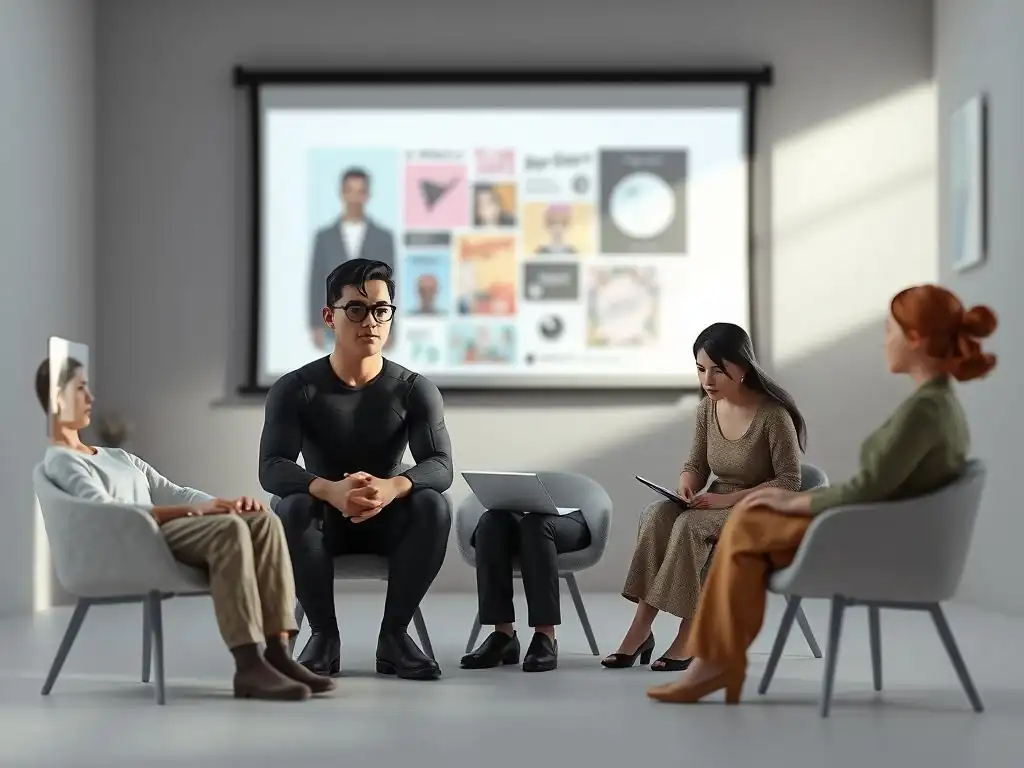
Beyond raising awareness of conditions, pop culture also shapes public understanding and expectations regarding mental health treatment and therapy.
The Portrayal of Therapy in Popular Culture
Therapy sessions are a recurring scene in many films and television shows. These portrayals significantly influence how the public perceives what therapy is like, what happens in a session, and the role of a therapist. Depictions range from overly simplistic quick fixes to intense, long-term psychoanalysis. Common tropes include the 'miracle cure' therapist who solves problems in one session, the cold and distant therapist, or the therapist who crosses ethical boundaries.
More realistic portrayals, such as the in-depth sessions shown in series like 'In Treatment,' offer a glimpse into the complexities and challenges of the therapeutic process. However, the prevalence of less accurate depictions means that many people considering therapy may have unrealistic expectations, either expecting instant solutions or being deterred by portrayals that make therapy seem intimidating or ineffective. The way pop culture depicts therapy directly impacts mental health attitudes towards seeking professional help.
How Pop Culture Shapes Expectations of Mental Health Treatment
Pop culture narratives often simplify the process of mental health treatment, focusing on dramatic breakthroughs rather than the gradual, often challenging work involved. Medications might be portrayed as instant mood enhancers or personality-altering drugs, rather than tools that help manage symptoms as part of a broader treatment plan. This simplification can lead individuals to expect quick results from therapy or medication and become discouraged if their own experience is more complex or slower.
Conversely, some narratives highlight the challenges of treatment, including finding the right therapist or medication, dealing with side effects, or facing setbacks. While potentially discouraging, these more realistic portrayals can also better prepare individuals for the reality of managing a mental health condition. The overall impact of these varied portrayals means that pop culture impacts mental health expectations by presenting a spectrum of possibilities, some realistic, others highly fictionalized.
The Role of Pop Culture in Encouraging Individuals to Seek Help
Despite the potential for negative or inaccurate portrayals, pop culture can play a crucial role in encouraging individuals to seek help. When characters they relate to or admire openly discuss seeking therapy or using medication and are shown benefiting from it, it can normalize these actions. Seeing a character struggle and then find support through professional help can provide a roadmap and inspiration for viewers facing similar challenges.
Celebrity endorsements of therapy or specific mental health resources, shared widely through social media and entertainment news, also contribute to this. While not a substitute for professional advice, the visibility provided by pop culture platforms can lower the perceived barrier to entry for seeking help and make it seem like a more acceptable and viable option. This is a significant positive way pop culture impacts mental health by actively promoting help-seeking behaviors.
Counteracting Negative Influences and Promoting Positive Mental Health Messages
Given pop culture's significant influence, actively working to mitigate its negative impacts and leverage its potential for good is essential for promoting mental well-being.
Media Literacy and Critical Consumption of Pop Culture
Developing media literacy skills is crucial for navigating the complex landscape of pop culture representations of mental health. This involves teaching individuals, particularly young people, how to critically analyze media content, recognize stereotypes, understand the difference between drama and reality, and question the accuracy of portrayals.
Educational initiatives in schools and public awareness campaigns can equip individuals with the tools to consume pop culture more critically. Encouraging viewers to think about why a character is portrayed in a certain way, what message the media is sending, and how it compares to real-world experiences or expert information can help them filter out harmful messages and appreciate more responsible ones. Promoting media literacy is a key strategy for empowering individuals against the potential negative ways pop culture impacts mental health perceptions.
Promoting Accurate and Responsible Mental Health Representation in Media
Advocacy efforts aimed at the entertainment industry are vital for improving the quality and accuracy of mental health portrayals. Mental health organizations, professionals, and individuals with lived experience can work with writers, producers, and directors as consultants to ensure storylines are realistic, sensitive, and avoid harmful stereotypes.
Guidelines for responsible reporting and portrayal of mental health issues, particularly sensitive topics like suicide, have been developed by various health bodies. Encouraging media creators to adhere to these guidelines, prioritize showing help-seeking and recovery, and represent the diversity of experiences within mental health can shift the overall narrative towards one that is more helpful and less stigmatizing. This collaborative approach is essential for harnessing the power of pop culture to positively impact mental health understanding.
Implementing Mental Health Education Programs in Schools
Integrating comprehensive mental health education into school curricula is another critical step. While pop culture provides informal learning, structured education provides accurate information, teaches coping skills, and helps young people understand mental health conditions in a factual and destigmatized way.
These programs can address common misconceptions often perpetuated by media, teach students how to identify signs of struggle in themselves and others, and inform them about available resources. By providing a foundation of accurate knowledge, formal education can help young people critically evaluate the mental health content they encounter in pop culture and reduce their susceptibility to misinformation or harmful portrayals. This proactive approach complements media literacy efforts and strengthens the positive impact of education on mental well-being, counteracting potential negative ways pop culture impacts mental health in vulnerable populations.
Pop culture's influence on mental health views in the West is undeniable and multifaceted. It acts as a powerful mirror, reflecting societal attitudes, but more importantly, it serves as a shaper, actively molding perceptions, reducing or reinforcing stigma, and influencing behaviors like help-seeking. While pop culture has made significant strides in bringing mental health into the mainstream, increasing visibility and sometimes promoting positive actions like seeking therapy, it also carries the risk of perpetuating harmful stereotypes, spreading misinformation, and even glamorizing serious conditions.
Navigating this complex relationship requires a conscious effort from both consumers and creators of pop culture. Developing critical media literacy skills is essential for individuals to evaluate the mental health narratives they encounter, recognizing that media is often dramatized and not always accurate. Simultaneously, advocating for more responsible, accurate, and diverse portrayals within the entertainment industry is crucial.
By combining critical consumption with efforts to improve media representation and bolster formal mental health education, Western societies can work towards harnessing the immense reach of pop culture to foster greater understanding, reduce stigma, and ultimately support mental well-being. Understanding how pop culture impacts mental health is the first step towards shaping that impact positively.
Frequently Asked Questions
How does pop culture often depict mental health issues?
Pop culture frequently portrays mental health conditions with stereotypes and misrepresentations, which can lead to stigmatization and a lack of understanding among the general public.
Yes, responsibly created pop culture can be beneficial by raising awareness, promoting open conversations, and reducing stigma surrounding mental health.
What are some potential negative impacts of pop culture's portrayal of mental illness?
Negative impacts include glamorizing unhealthy behaviors, romanticizing mental illness, and creating unrealistic expectations about treatment and recovery.
How can individuals critically evaluate pop culture's messages about mental health?
By seeking reliable information from mental health professionals, understanding the difference between fiction and reality, and recognizing potential biases in the media.
Does pop culture influence how people perceive and seek mental health treatment?
Absolutely. Pop culture can influence perceptions of treatment effectiveness, willingness to seek help, and the acceptance of mental health conditions within society.
Final Reflection: Echoes of the Screen: Pop Culture's Lasting Impact on Mental Health
The pervasive influence of pop culture on our understanding of mental health is undeniable, shaping not only our perceptions but also influencing the very language we use to discuss these complex issues. From romanticized portrayals of mental illness to the trivialization of serious conditions, the media's reflection – or often, distortion – of reality has profound consequences for individuals struggling with their mental well-being and for the broader societal response to mental health challenges.
The ongoing dialogue surrounding mental health, fueled in part by pop culture's portrayal (or misrepresentation), is a testament to its power to shape societal attitudes. This influence, both positive and negative, underscores the urgent need for critical media literacy. The media doesn't tell us what to think, it tells us what to think about.
– Bernard Cohen. This quote highlights the subtle yet powerful way pop culture frames the conversation, influencing what aspects of mental health we prioritize and how we approach the subject. The responsibility lies with both creators and consumers to engage thoughtfully with these portrayals, demanding more nuanced and accurate representations.
Consider the power you hold as a consumer of media. You have the ability to choose what you consume and to challenge inaccurate or harmful depictions. By actively seeking out diverse and responsible portrayals of mental health, and by engaging in critical discussions about the messages you encounter, you become part of a movement towards greater understanding and acceptance. Let this reflection inspire you to be more mindful of the media you consume and to advocate for a more accurate and compassionate representation of mental health in pop culture. Your voice matters.
Unlock Your Understanding: Pop Culture & Mental Wellness
Thanks for exploring the fascinating connection between pop culture and our perceptions of mental health! We hope this article provided valuable insights into how media shapes our understanding and attitudes. Now, let's turn those insights into action.
- Share your thoughts: What's one portrayal of mental health in pop culture that resonated with you – for better or worse? Start a conversation in the comments below – let's learn from each other!
- Become a mindful media consumer: Next time you encounter a depiction of mental health in a movie, show, or song, actively consider its impact and potential biases.
- Challenge the narrative: If you see an inaccurate or harmful representation, consider writing a thoughtful response, or reaching out to the creators (if you feel comfortable). This is a powerful way to inspire more responsible portrayals.
What positive changes can we create, together, by fostering a more nuanced discussion about mental health in media?