
Zen Buddhism & Mental Peace: Practices from Japanese Tradition

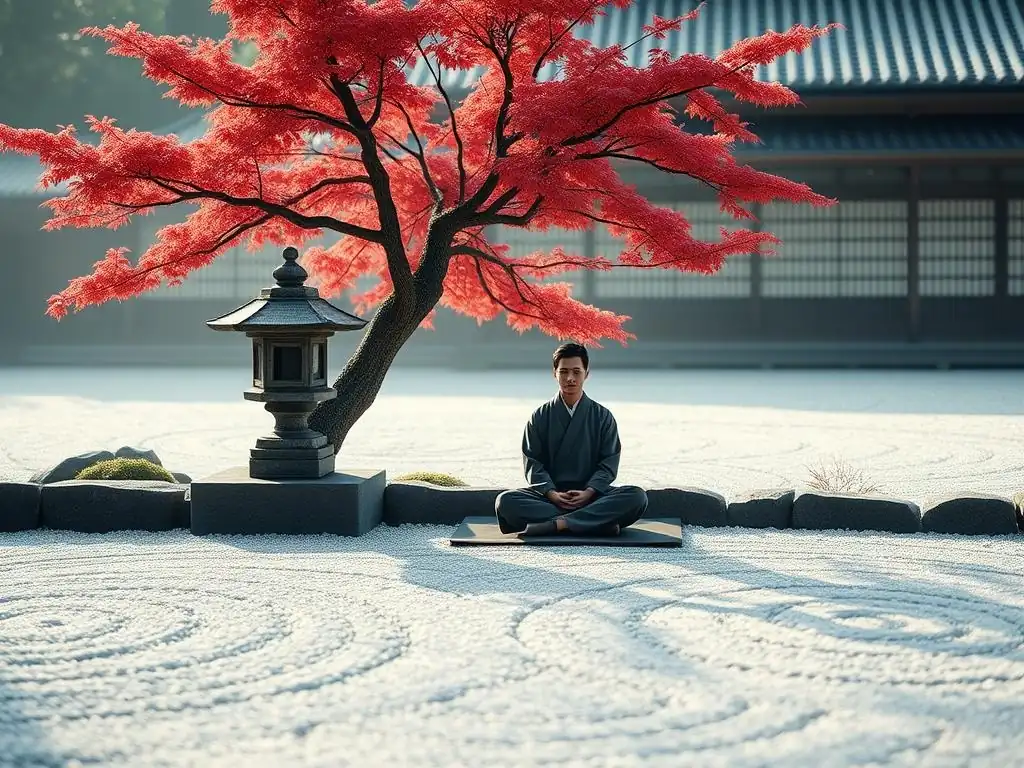
Welcome to Mind Care Guide, your sanctuary for navigating the complexities of mental well-being. Feeling overwhelmed? Longing for inner peace? Discover the profound tranquility offered by Japanese Zen meditation, a practice rooted in ancient wisdom. Could this be the key to unlocking a calmer, more centered you? Explore our guide and begin your journey towards lasting serenity.
Zen Buddhism & Mental Peace: Practices from Japanese Tradition
- Introduction to Zen Buddhism and Mental Well-being
- Japanese Zen Meditation for Peace: A Practical Guide
- Key Zen Practices for a Calm Mind
- Zen Buddhism and Emotional Regulation
- Zen Gardens and the Pursuit of Tranquility
- The Role of Koans in Zen Training
- Integrating Zen Principles into Modern Life
- Beyond Meditation: Other Zen Practices for Mental Wellness
- Conclusion: Embracing Zen for Lasting Mental Peace
-
Frequently Asked Questions
- How can Japanese Zen meditation contribute to mental peace?
- What are some core principles of Zen Buddhism that promote mental well-being?
- Is prior experience with meditation necessary to begin practicing Zen meditation for peace?
- What are the key differences between Japanese Zen meditation and other meditation techniques?
- Where can I find resources or guidance to learn more about Japanese Zen meditation?
- Final Reflection: Finding Peace in the Modern World Through Zen
- Unlock Your Inner Calm: Start Your Zen Journey Today!
Introduction to Zen Buddhism and Mental Well-being
Zen Buddhism, a school of Mahayana Buddhism, originated in China and later flourished significantly in Japan, profoundly influencing its culture and philosophy. At its heart, Zen is less about dogma and more about direct experience and personal realization, often through meditation and mindful awareness.
It provides a framework for understanding the nature of mind and reality, offering practices that can lead to profound mental peace and clarity. For centuries, the principles and practices of Zen have served as a guide for individuals seeking liberation from suffering and the cultivation of inner tranquility, making it a powerful resource for mental well-being.
The relevance of Zen extends beyond traditional religious contexts into modern psychology and mental health. Concepts like mindfulness, non-attachment, and living in the present moment, central to Zen teachings, are increasingly being incorporated into therapeutic approaches. The focus on direct experience and self-awareness in Zen aligns well with contemporary understandings of how to manage stress, anxiety, and depression. By exploring Zen Buddhism, particularly its Japanese lineage, we can uncover practical methods for fostering a calmer mind and achieving a greater sense of peace in our often chaotic lives.
The Core Principles of Zen Philosophy for Inner Peace
Zen philosophy is grounded in several key principles that directly contribute to inner peace. One fundamental concept is impermanence (anicca in Pali, mujō in Japanese), the understanding that all phenomena are constantly changing. Recognizing and accepting this truth helps to reduce suffering caused by clinging to things as if they were permanent. Another crucial principle is non-self (anatta in Pali, mugwa in Japanese), which posits that there is no fixed, independent self or ego. This understanding can diminish the power of self-centered thoughts and anxieties, fostering a sense of interconnectedness.
A third core principle is emptiness (sunyata in Sanskrit, kū in Japanese), which in Zen refers to the lack of inherent existence in all phenomena. This doesn't mean nothing exists, but rather that things exist interdependently and without a fixed, independent nature. Grasping this concept can dissolve rigid mental constructs and open the mind to a more flexible and peaceful perception of reality. Through practices like Japanese Zen meditation for peace, these principles move from abstract ideas to lived experiences, transforming one's relationship with thoughts, emotions, and the world, thereby cultivating a deep sense of inner peace.
Zen Buddhism's Historical Roots in Japan
Zen Buddhism was introduced to Japan from China in the late 12th and 13th centuries, notably by monks like Eisai and Dōgen. Eisai is credited with founding the Rinzai school, emphasizing koan practice and sudden enlightenment, while Dōgen established the Sōtō school, which stresses the importance of seated meditation (Zazen) as the primary path to enlightenment. These schools, among others, took root and flourished, becoming integral to Japanese culture, influencing everything from the arts (like tea ceremony and calligraphy) to the martial arts.
Over centuries, Zen became deeply intertwined with Japanese society, particularly among the samurai class who valued its discipline and focus. This historical development cemented Zen's place in Japan, leading to the establishment of numerous influential monasteries and temples across the country. These institutions became centers for practicing Japanese Zen meditation for peace, preserving the lineage and teachings through generations. The distinct Japanese aesthetic and cultural elements were integrated into Zen practice, giving it a unique character that is still recognized and studied globally today for its profound insights into mind and peace.
Exploring the Connection Between Zen and Modern Mental Health
The connection between Zen principles and modern mental health is increasingly recognized by researchers and practitioners. The core Zen practice of mindfulness, which involves paying attention to the present moment without judgment, is now a cornerstone of therapeutic modalities like Mindfulness-Based Stress Reduction (MBSR) and Dialectical Behavior Therapy (DBT). Studies, such as those published in journals like Psychological Science or Mindfulness, have shown that regular mindfulness practice, akin to Japanese Zen meditation for peace, can significantly reduce symptoms of anxiety and depression, improve emotional regulation, and enhance overall psychological well-being.
Furthermore, Zen's emphasis on acceptance, non-reactivity, and letting go of attachment provides a powerful framework for dealing with difficult thoughts and emotions, central challenges in many mental health conditions. Instead of suppressing or fighting negative experiences, Zen teaches how to observe them with equanimity. This approach mirrors acceptance-based therapies, helping individuals develop resilience and a healthier relationship with their internal landscape. The ancient wisdom preserved in Japanese Zen traditions thus offers practical, time-tested methods that complement and enrich contemporary approaches to fostering mental peace and emotional stability.
Japanese Zen Meditation for Peace: A Practical Guide
The cornerstone of Japanese Zen practice is meditation, primarily seated meditation known as Zazen. Practicing Japanese Zen meditation for peace involves specific techniques aimed at cultivating deep concentration and insight. It is not merely a relaxation technique, although relaxation is often a byproduct. Instead, Zazen is considered a path to understanding the true nature of existence and one's own mind. The disciplined approach to posture, breathing, and mental attitude in Zazen creates the conditions necessary for clarity and profound inner stillness to emerge.
Undertaking Japanese Zen meditation for peace requires dedication and patience. It's a skill that develops over time, much like learning a musical instrument or a new language. While the basic instructions are relatively simple, the practice involves confronting the mind's natural tendency to wander and become entangled in thoughts and emotions. By gently and consistently returning to the present moment, practitioners gradually train their minds to be less reactive and more stable, laying a solid foundation for genuine peace.
Understanding Zazen: Seated Meditation for Mindfulness
Zazen, which literally means "seated meditation," is the central practice in Zen Buddhism, particularly emphasized in the Sōtō school founded by Dōgen. The essence of Zazen is often described as "just sitting" (shikantaza), which involves sitting with upright posture, being fully present, and observing whatever arises in the mind without engaging with it. It's not about emptying the mind or achieving a specific state, but rather about recognizing the mind as it is, moment by moment.
This practice of non-judgmental observation cultivates mindfulness and insight. By simply sitting and paying attention to the breath or the sensations in the body, practitioners learn to detach from the incessant stream of thoughts and worries that often fuel stress and anxiety. A typical Zazen session might last anywhere from 20 to 40 minutes, though practitioners in monasteries often sit for much longer periods, sometimes hours at a time. The consistent practice of Zazen is considered the direct path to experiencing the peace and clarity inherent within the mind.
Preparing for Zazen: Posture, Breathing, and Mental Focus
Proper preparation is key to effective Zazen. The posture is critical: one sits on a cushion (zafu) or bench, typically cross-legged (full lotus, half lotus, or Burmese position) or kneeling (seiza), with the spine straight but relaxed. The hands form a specific mudra, usually resting in the lap, with the tips of the thumbs lightly touching, forming an oval shape. The eyes are typically kept slightly open, gazing downwards at a spot a few feet in front without focusing on anything specific.
Breathing in Zazen is natural but attentive. The focus is often placed on the gentle rise and fall of the abdomen or the sensation of air entering and leaving the nostrils. The breath is not controlled or forced, but simply observed.
For mental focus, the instruction in Sōtō Zen is often shikantaza – just sitting with alert awareness, letting thoughts come and go without judgment or involvement. In Rinzai Zen, the focus might be on a koan. Regardless of the specific technique, the aim is to cultivate a state of alert, non-reactive presence, essential for deep Japanese Zen meditation for peace.
Cultivating Mindfulness Through Zen Meditation: Techniques and Tips
Cultivating mindfulness through Japanese Zen meditation for peace involves consistent practice and gentle perseverance. While shikantaza is the core method, beginners often start with focus on the breath (counting breaths or simply observing them) to help anchor the mind. A key tip is to approach the practice with an attitude of kindness and patience towards oneself. The mind will wander – it is its nature. The practice is not about preventing thoughts, but about noticing when the mind has wandered and gently bringing attention back to the breath or the present moment, without self-criticism.
Another technique is mindful body scanning, briefly bringing awareness to different parts of the body to notice sensations. This helps to ground the mind in the physical present. Establishing a regular time and place for meditation is also crucial; even 10-15 minutes daily can be beneficial. It's less about the duration of any single session and more about the consistency of the practice over time. Approaching meditation with curiosity rather than expectation can also make the process more accessible and less frustrating, fostering a genuine sense of calm and peace.
Overcoming Common Challenges in Zen Meditation Practice
Practicing Japanese Zen meditation for peace comes with common challenges, and recognizing them is the first step to overcoming them. One of the most frequent is a restless or "monkey mind," characterized by an incessant stream of thoughts, worries, and distractions. This is normal. The Zen approach is not to fight these thoughts but to acknowledge them without judgment and gently redirect attention back to the meditation object (like the breath) or the posture. It's a continuous process of noticing and returning.
Another challenge is physical discomfort, such as pain in the knees or back from sitting. Experimenting with different sitting postures or using extra cushions can help. Listening to the body while also distinguishing between genuine pain requiring adjustment and mere discomfort can be part of the practice itself. Drowsiness is also common, especially during longer sessions; maintaining an upright posture and keeping the eyes slightly open can help stay alert. Ultimately, overcoming these challenges involves cultivating patience, self-compassion, and viewing difficulties not as failures, but as integral parts of the meditative journey towards peace.
Key Zen Practices for a Calm Mind
Beyond formal seated meditation, Zen encourages integrating mindfulness and awareness into all aspects of life. This holistic approach recognizes that the path to a calm mind is not confined to the meditation cushion but extends to every action, interaction, and experience. By bringing mindful attention to daily activities, practitioners can transform mundane tasks into opportunities for presence and peace. This continuous practice reinforces the calm cultivated during meditation sessions and helps to maintain a stable and centered state throughout the day.
These practices, often deeply rooted in Japanese aesthetics and traditions, provide practical methods for embodying Zen principles. They teach patience, attention to detail, appreciation for the simple, and the ability to find peace even amidst activity. From the way one eats to the way one walks or works, each moment becomes a potential practice ground for developing a calm and focused mind, complementing the stillness achieved in Japanese Zen meditation for peace.
Mindfulness in Daily Life: Integrating Zen into Everyday Activities
Integrating Zen into daily life means bringing the same quality of attention cultivated in Zazen to ordinary activities. This is sometimes referred to as "post-meditation practice." Simple tasks like washing dishes, brushing teeth, or walking to work become opportunities to be fully present. Instead of rushing or letting the mind dwell on the past or future, one focuses on the sensory experience of the task at hand – the feel of water, the texture of the brush, the sensation of walking.
This consistent application of mindfulness helps to dissolve the perceived boundary between formal practice and daily living. It trains the mind to be present and aware regardless of the activity, reducing the tendency to get lost in distracting thoughts and worries. For instance, while commuting, instead of letting anxiety build about the destination, one can pay attention to the sights, sounds, and physical sensations of the journey. This shift in focus, inspired by Zen principles, can significantly reduce daily stress and foster a pervasive sense of calm, extending the benefits of Japanese Zen meditation for peace into every moment.
The Art of Mindful Eating: Savoring Each Moment
Mindful eating, known in some Zen traditions as oryoki (though Oryoki is a more formalized ritual), is a practice of bringing full attention to the experience of eating. This involves engaging all the senses: noticing the colors and textures of the food, smelling its aroma, feeling the temperature and consistency in the mouth, and tasting the flavors fully. It also includes paying attention to the sounds of eating and the physical sensations of chewing and swallowing.
Beyond the sensory experience, mindful eating involves being aware of the process of nourishment, expressing gratitude for the food and those who prepared it, and recognizing the body's signals of hunger and fullness. Instead of eating quickly or distractedly while reading or watching screens, one dedicates full attention to the meal. This practice slows down the eating process, improves digestion, and transforms eating from a hasty necessity into a deeply nourishing and peaceful experience, reinforcing the principles learned in Japanese Zen meditation for peace.
Mindful Walking Meditation (Kinhin): Finding Peace in Movement
Kinhin is a form of walking meditation practiced in Zen, typically performed between periods of Zazen. It involves walking slowly and deliberately, with focused attention. The pace is often very slow, sometimes just taking one step per breath or even slower. The hands are usually held in a specific position, often one hand covering the other at chest or solar plexus level.
The practice involves paying close attention to the physical sensations of walking: the lifting of the foot, the movement of the leg, the placement of the foot on the ground, and the shifting of weight. The breath is often coordinated with the steps. Kinhin helps to maintain the state of mindfulness and concentration cultivated during seated meditation while the body is in motion. It demonstrates that presence and peace are not limited to stillness but can be found in movement, providing a dynamic complement to Japanese Zen meditation for peace.
Samu: Mindful Work Practice
Samu refers to mindful work or physical labor performed as a spiritual practice in Zen monasteries. It involves engaging in everyday tasks like cleaning, gardening, or cooking with full attention and dedication, without seeking reward or recognition. The focus is entirely on the activity itself, seen as an opportunity to cultivate mindfulness, concentration, and humility.
In Samu, there is no distinction between spiritual practice and mundane work. Every task, no matter how simple, is performed with the same level of care and awareness as seated meditation. This practice teaches diligence, patience, and the ability to find meaning and peace in action. By engaging in work mindfully, practitioners learn to quiet the internal commentary and simply be present with the task, transforming labor into a form of meditation and extending the benefits of Japanese Zen meditation for peace into productive activity.
Zen Buddhism and Emotional Regulation
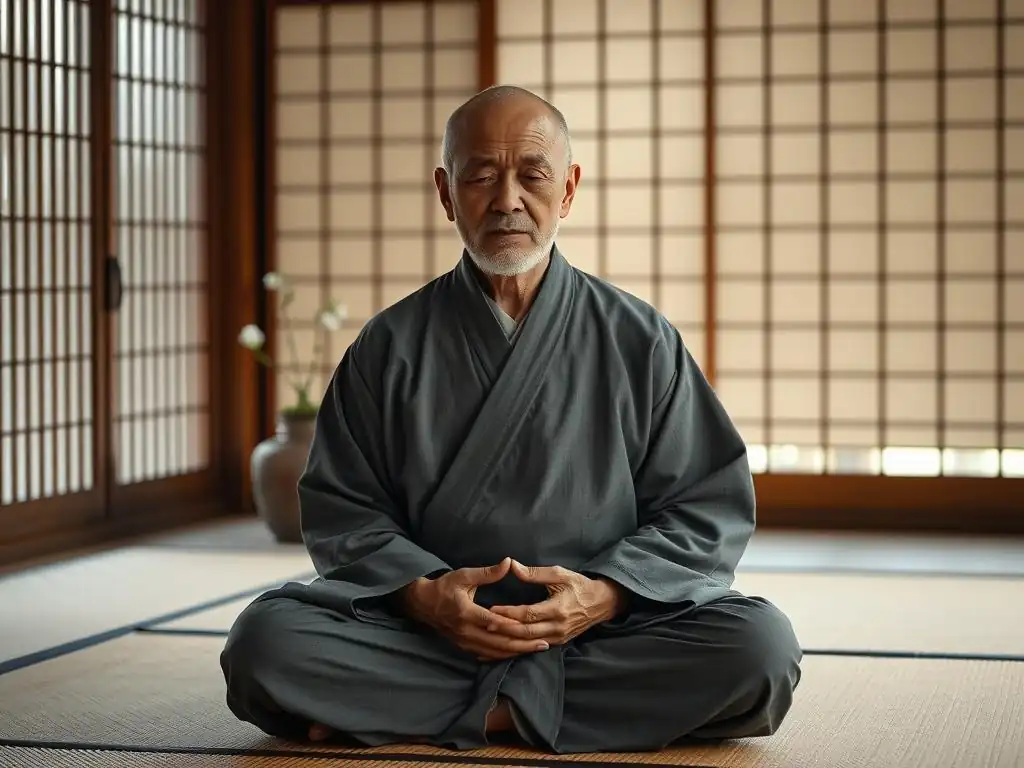
Zen Buddhism offers profound insights and practical methods for understanding and regulating emotions. Rather than attempting to suppress or eliminate difficult feelings, Zen teaches how to relate to them with awareness and acceptance. This approach is based on the understanding that emotions are transient phenomena, much like thoughts, and that suffering arises not from the emotions themselves, but from our resistance to them or our identification with them.
Through consistent practice of Japanese Zen meditation for peace and the application of Zen principles in daily life, individuals can develop greater emotional resilience. They learn to observe emotions without getting swept away by them, recognizing their impermanent nature. This capacity for non-reactive observation allows for a more skillful response to emotional challenges, fostering a sense of balance and equanimity even amidst turbulent feelings.
Accepting Impermanence: Letting Go of Attachment
A central teaching in Zen is the acceptance of impermanence (mujō). Everything in existence – thoughts, feelings, relationships, physical objects – is constantly changing and will eventually cease to be in its current form. Our suffering often arises from our resistance to this fundamental truth, specifically from our attachment to things remaining as they are or to outcomes being as we desire. We cling to pleasant experiences and push away unpleasant ones, creating internal conflict.
By deeply understanding and accepting impermanence, cultivated through practices like Japanese Zen meditation for peace, we can gradually loosen the grip of attachment. This doesn't mean becoming indifferent, but rather developing the capacity to appreciate things as they are, knowing they will change, and being able to let go when the time comes. This reduces the fear of loss and the anxiety about the future, freeing up mental energy and fostering a more peaceful relationship with reality.
Dealing with Difficult Emotions Through Zen Practice
Zen practice provides a powerful framework for dealing with difficult emotions like anger, sadness, fear, or frustration. Instead of trying to suppress or analyze them, Zen teaches to simply acknowledge their presence with mindful awareness. During meditation, when a difficult emotion arises, one might gently label it ("anger," "sadness") and return attention to the breath, allowing the emotion to be present without getting entangled in its story or content.
In daily life, this translates to pausing when a strong emotion arises, taking a few mindful breaths, and observing the physical sensations associated with the emotion without immediately reacting. This creates space between the feeling and the reaction, allowing for a more conscious and skillful response rather than an impulsive one. This practice of non-reactive observation, honed through Japanese Zen meditation for peace, helps to defuse the power of difficult emotions and prevents them from overwhelming one's sense of peace.
Finding Equanimity: Cultivating a Balanced Mind
Equanimity (upekkhā in Pali, heijōshin in Japanese, meaning "ordinary mind" or "calm, everyday mind") is a state of mental balance and composure, especially in the face of challenging circumstances. It is not indifference, but rather the ability to remain stable and peaceful regardless of external conditions or internal fluctuations. Zen practice, particularly Zazen and mindfulness in daily life, directly cultivates equanimity.
By consistently practicing non-attachment and observing the impermanent nature of all phenomena, including one's own emotional states, the mind becomes less prone to being tossed about by the ups and downs of life. One develops the capacity to meet pleasure without grasping and pain without aversion, maintaining a steady center. This balanced perspective, a key outcome of dedicated Japanese Zen meditation for peace, is fundamental to achieving lasting inner peace.
Zen Gardens and the Pursuit of Tranquility
Zen gardens, particularly the dry landscape gardens (karesansui) originating in Japan during the Muromachi period (14th-16th centuries), are not merely decorative spaces but are designed as aids to meditation and contemplation. They embody core Zen principles like simplicity, minimalism, and the appreciation of nature's essence. These gardens offer a visual and symbolic representation of the vastness of the cosmos, encouraging introspection and providing a tranquil environment for reflection.
Visiting or contemplating a Zen garden can evoke a sense of calm and stillness, facilitating a meditative state. The careful arrangement of rocks, gravel, moss, and sometimes a few plants is intended to represent natural landscapes, such as mountains and water, in an abstract form. This deliberate simplicity removes distractions and invites the viewer to look deeper, finding peace in the quiet harmony of the design, complementing the internal focus of Japanese Zen meditation for peace.
The Principles of Zen Garden Design: Simplicity and Harmony
The design of a Japanese Zen garden is guided by principles that reflect Zen philosophy. Simplicity (Wabi-sabi) is paramount, favoring natural materials and avoiding excessive ornamentation. The aesthetic often embraces imperfection and transience, finding beauty in the understated and the aged. Harmony (Wa) is achieved through the careful placement of elements to create a balanced and peaceful composition. Rocks might symbolize islands or mountains, while raked gravel represents water or the void.
Another principle is asymmetry (Fukinsei), which avoids perfect balance in favor of a more dynamic and natural feel, reflecting the irregular patterns found in nature. Austerity (Koko) emphasizes the essential, stripping away the non-essential to reveal the core beauty. These principles combine to create a space that is not meant to be walked in (unlike strolling gardens) but contemplated from a fixed viewpoint, encouraging quiet reflection and embodying the tranquility sought in Japanese Zen meditation for peace.
Creating Your Own Miniature Zen Garden for Stress Relief
While large Zen gardens require significant space, creating a miniature version can be a therapeutic activity and a tool for stress relief. These small gardens, often contained in a tray, typically include sand or fine gravel, a few small rocks, and a miniature rake. The act of arranging the rocks and raking patterns in the sand can be a meditative process in itself, focusing the mind and promoting relaxation.
The simplicity of a miniature Zen garden makes it accessible for anyone. Placing it on a desk or table provides a small sanctuary for moments of quiet contemplation throughout the day. The act of raking the sand can become a mindful practice, a brief respite from mental clutter, offering a small taste of the peace cultivated through Japanese Zen meditation for peace and larger Zen gardens. It serves as a tangible reminder to seek simplicity and harmony in one's environment and mind.
Finding Peace and Reflection in Nature
Zen tradition has a deep appreciation for nature, viewing it as a direct expression of reality and a source of spiritual insight. Many Zen temples in Japan are situated in natural surroundings, and their gardens are designed to integrate with the landscape. Spending time in nature, observing the changing seasons, the growth of plants, and the flow of water, can be a powerful practice of mindfulness and reflection, echoing the principles found in Zen gardens.
Nature offers a constant display of impermanence, interdependence, and stillness. Walking mindfully in a forest, sitting quietly by a stream, or simply observing a single flower can bring a sense of connection and peace. This connection to the natural world, cultivated through mindful observation, complements the internal work done in Japanese Zen meditation for peace, providing a broader context for understanding one's place in the universe and fostering a deep sense of tranquility.
The Role of Koans in Zen Training
In the Rinzai school of Zen, koans play a central role in training. A koan (공안 in Korean, literally "public case") is a paradoxical anecdote or riddle used in Zen practice to provoke the "great doubt" and test a student's progress. They are not meant to be solved through logical reasoning but are intended to break down the student's conceptual mind and lead to a direct, intuitive realization of truth.
Working with a koan under the guidance of a Zen master (roshi) is a rigorous process that pushes the student beyond intellectual understanding. The koan becomes the object of meditation during Zazen and is contemplated throughout the day. The student presents their understanding of the koan to the master in a private interview (dokusan or sanzen), which is a critical part of the training, aimed at fostering a breakthrough in consciousness and complementing the stillness of Japanese Zen meditation for peace.
Understanding Koans: Paradoxical Riddles for Mental Clarity
Koans are designed to be logically unsolvable. Famous examples include "What is the sound of one hand clapping?" or "Does a dog have Buddha-nature?" (Zhaozhou's dog). These questions cannot be answered by rational thought because they point to a reality that transcends dualistic thinking and conceptualization. The purpose is not to find a clever answer but to exhaust the analytical mind's attempts to solve it, leading to a state of mental impasse.
This impasse, or "great doubt," is considered a crucial stage in Zen training. It is a state of intense questioning that occupies the entire being, preventing the mind from wandering and focusing all energy on the koan. When the conceptual mind reaches its limit, there is the potential for a sudden insight or awakening (satori), a direct experience of reality unmediated by thought. This intense focus, while different from shikantaza, is another path within Japanese Zen meditation for peace traditions to achieve clarity and peace.
How Koans Challenge and Transform Thinking
Working with koans challenges the student's habitual patterns of thinking and perceiving. We are accustomed to approaching problems with logic and seeking definitive answers. Koans disrupt this process, forcing the student to operate outside the realm of conventional thought. This sustained effort to penetrate the koan, often over months or years, gradually erodes the student's reliance on intellectual understanding and rigid concepts.
The transformation occurs when the student breaks through the koan, experiencing a moment of direct insight. This is not an intellectual realization but a fundamental shift in perspective, a glimpse into the nature of reality that words cannot fully capture. This experience can profoundly alter how one perceives the world and oneself, leading to greater mental freedom, clarity, and a deeper sense of peace that complements the stillness sought in Japanese Zen meditation for peace. It is a path to liberation from the limitations of the conceptual mind.
Examples of Common Zen Koans and Their Meanings
While the "meaning" of a koan is not something to be grasped intellectually, understanding the context of some common ones can illuminate their purpose.
- "What is the sound of one hand clapping?": This koan, attributed to Hakuin Ekaku, challenges the dualistic notion of sound requiring two objects striking each other. It points towards a reality that exists prior to conceptualization and duality.
- "Does a dog have Buddha-nature?" (Zhaozhou's dog): When asked if a dog has Buddha-nature (the potential for enlightenment), Master Zhaozhou replied, "Mu" (無), meaning "no" or "nothing." This is paradoxical because Buddhist teaching generally states that all sentient beings have Buddha-nature. "Mu" here isn't a simple negative answer but points beyond the question itself, cutting through the conceptual framework of "having" or "not having" Buddha-nature.
Working with these koans in Japanese Zen meditation for peace training is a deeply personal journey. The master's role is to guide the student and confirm when a genuine insight has occurred, not to provide the "correct" answer. The value lies in the process of grappling with the koan, which strips away mental constructs and opens the mind to direct experience.
Integrating Zen Principles into Modern Life
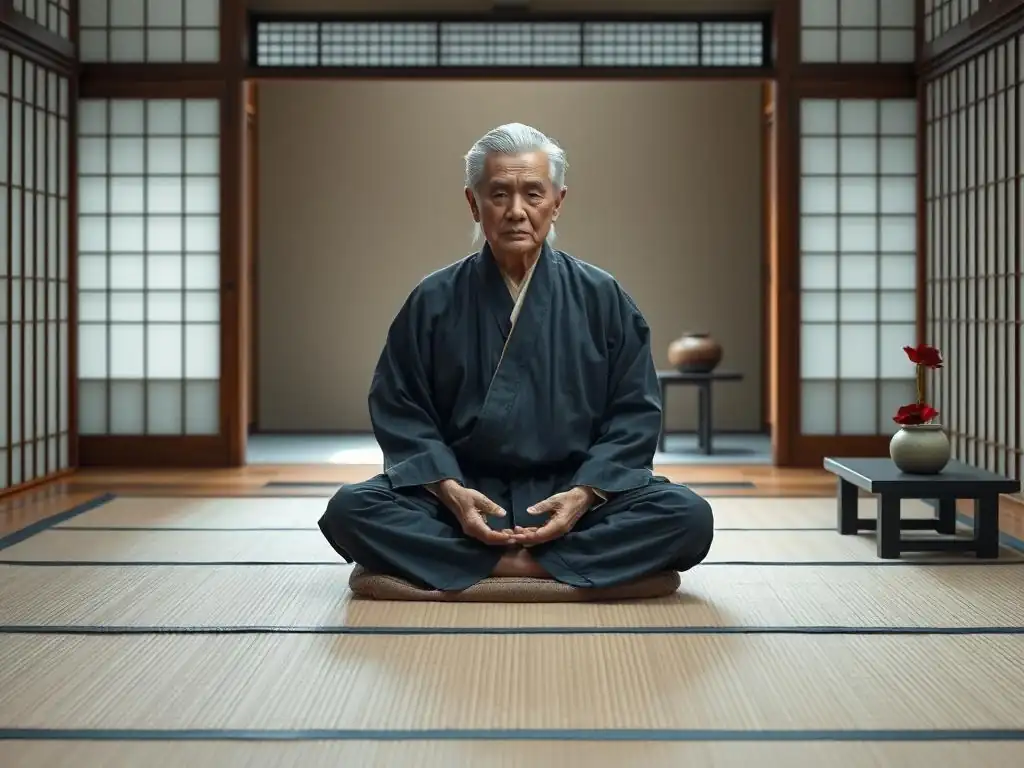
Integrating Zen principles into modern life doesn't require becoming a monk or spending hours in formal meditation each day, although dedicated practice is beneficial. It means finding ways to apply the wisdom of Zen to the challenges and complexities of contemporary living. The core principles of mindfulness, acceptance, non-attachment, and living in the present moment are highly relevant to navigating stress, fostering healthy relationships, and finding meaning in a fast-paced world.
By consciously adopting a Zen-inspired approach, individuals can cultivate greater resilience, improve focus, and experience more peace amidst the demands of modern life. This integration involves making small, deliberate choices to bring awareness and intention to everyday actions, transforming routine into practice and reinforcing the calm gained from Japanese Zen meditation for peace.
Applying Zen to Reduce Stress and Anxiety
Zen principles offer practical tools for reducing stress and anxiety. The practice of mindfulness, central to Zen, teaches us to observe stressful thoughts and anxious feelings without getting overwhelmed by them. By recognizing that thoughts are just mental events, not necessarily reflections of reality, we can reduce their power over us. Instead of reacting impulsively to stress triggers, we can learn to pause, breathe, and respond more skillfully.
Acceptance of impermanence helps us to release the need to control everything and everyone, a major source of anxiety. Understanding that difficult situations are temporary can alleviate worry about the future. Furthermore, focusing on the present moment, a key outcome of Japanese Zen meditation for peace, pulls the mind away from dwelling on past regrets or future fears, anchoring it in the safety of the here and now, significantly reducing the mental space for stress and anxiety to flourish.
Zen and the Workplace: Enhancing Focus and Productivity
The principles of Zen can also be applied effectively in the workplace to enhance focus and productivity while reducing stress. Mindfulness allows one to concentrate fully on the task at hand, minimizing distractions from internal thoughts or external stimuli. This single-pointed attention, cultivated through practices like Japanese Zen meditation for peace, improves efficiency and the quality of work.
Mindful work (Samu) teaches dedication and presence in tasks, even routine ones. Approaching work with a sense of purpose and attention to detail can transform tedious chores into engaging activities. Furthermore, applying principles of non-attachment helps in dealing with workplace challenges – setbacks, difficult colleagues, or failed projects – without excessive emotional turmoil. By staying present and accepting outcomes without rigid attachment, one can maintain composure and effectiveness, fostering a more peaceful and productive work environment.
Building Resilience with Zen Practices
Resilience, the ability to bounce back from adversity, is significantly strengthened through Zen practices. By cultivating acceptance of impermanence and the inevitable challenges of life, one develops a more realistic and less reactive stance towards difficulties. Zen teaches that suffering is part of the human condition, but our relationship to suffering can be transformed through awareness and acceptance.
Practicing Japanese Zen meditation for peace trains the mind to remain calm and stable even when faced with discomfort or emotional pain. This capacity to sit with difficulty without being overwhelmed builds inner strength. The emphasis on non-self also reduces the tendency to take setbacks personally, viewing them instead as experiences to learn from. This combination of acceptance, stability, and non-personalization fosters a deep wellspring of resilience, enabling individuals to navigate life's challenges with greater grace and peace.
Beyond Meditation: Other Zen Practices for Mental Wellness
While seated meditation (Zazen) is foundational, Zen encompasses a variety of other practices that contribute to mental wellness. These practices often involve bringing mindfulness and intention to everyday activities, transforming them into opportunities for spiritual cultivation and the enhancement of inner peace. They reflect the holistic nature of Zen, which seeks to integrate awareness into every aspect of life.
These practices, deeply embedded in Japanese cultural traditions influenced by Zen, emphasize presence, respect, and attention to detail. They demonstrate that the path to a calm mind is not limited to formal sitting but can be walked in numerous ways throughout the day, reinforcing the benefits gained from Japanese Zen meditation for peace.
Zen Tea Ceremony (Chado): Cultivating Presence and Respect
The Japanese Tea Ceremony (Chado, the "Way of Tea") is a highly ritualized practice deeply influenced by Zen Buddhism. It is far more than just drinking tea; it is an elaborate sequence of preparing and serving matcha (powdered green tea) with grace, precision, and mindfulness. Every movement, every gesture, is performed with deliberate intention and attention.
The ceremony cultivates presence (ichigo ichie, "one time, one meeting"), emphasizing that each gathering is unique and should be fully appreciated. It fosters respect for the host, the guests, the utensils, and the tea itself. Participating in or observing the tea ceremony encourages a state of calm focus, aesthetic appreciation, and interpersonal harmony. This mindful ritual serves as a microcosm for living life with presence, respect, and peace, complementing the stillness of Japanese Zen meditation for peace.
The Importance of Ritual in Zen Practice
Ritual plays an important role in Zen practice, from the formal procedures of Zazen and Kinhin to ceremonies and daily routines in monasteries. Rituals provide structure, create a sense of continuity, and help to cultivate mindfulness and intention. By performing actions in a prescribed, deliberate manner, practitioners are encouraged to be fully present in each step.
Rituals also serve to ground the practice in tradition and community, fostering a sense of connection to the lineage and fellow practitioners. The repetition and predictability of ritual can be calming and centering, providing a stable anchor in a rapidly changing world. Whether it's the bowing before and after meditation, the specific way of handling bowls during meals, or formal ceremonies, ritual in Zen, like Japanese Zen meditation for peace itself, is a means to cultivate awareness, discipline, and peace.
Oryoki: Silent Eating Practice
Oryoki is a formal, ritualized way of eating practiced in Zen monasteries, particularly in the Sōtō school. It involves a set of nested bowls and specific procedures for receiving, eating, and cleaning them, all performed in silence and with precise movements. The practice emphasizes mindfulness, gratitude, and frugality.
During Oryoki, attention is focused entirely on the act of eating – the sensations, the movements, the sounds (kept minimal). Waste is avoided, and the bowls are cleaned using tea and a cloth. This silent, deliberate meal transforms a basic necessity into a profound practice of presence, discipline, and appreciation for sustenance. It reinforces the principles of mindfulness cultivated in Japanese Zen meditation for peace and other Zen practices, extending awareness to the fundamental act of nourishing the body.
Conclusion: Embracing Zen for Lasting Mental Peace
Embracing Zen Buddhism, particularly its rich tradition rooted in Japan, offers a powerful and comprehensive path towards lasting mental peace. Through core practices like Japanese Zen meditation for peace (Zazen), mindfulness in daily life, and the wisdom gleaned from principles like impermanence and non-attachment, individuals can cultivate a mind that is less reactive, more centered, and deeply peaceful. Zen is not a quick fix but a lifelong journey of practice, insight, and integration.
The benefits extend beyond moments of formal meditation, influencing how one navigates relationships, work, and life's inevitable challenges. By learning to be present, accept what is, and relate to thoughts and emotions with awareness, the persistent anxiety and stress that plague modern life can be significantly reduced. The path of Zen, with its emphasis on direct experience and compassionate awareness, provides a timeless framework for unlocking the inherent peace that resides within each of us.
The Ongoing Journey of Zen Practice
The path of Zen is often described as an ongoing journey without a final destination to be reached and held permanently. Enlightenment (satori or kensho) is viewed less as a static state and more as a glimpse or a series of insights that deepen over time. The practice of Japanese Zen meditation for peace and other Zen disciplines is something one engages in consistently, refining awareness and understanding throughout life.
This perspective is inherently empathetic and realistic; it acknowledges that challenges will continue to arise, but through practice, one develops the capacity to meet them with greater equanimity and peace. The journey involves continuous learning, letting go, and returning to the present moment, cultivating a mind that is both strong and flexible. It is a path of diligent effort coupled with profound acceptance, leading to a life lived with increasing clarity and peace.
Resources for Further Exploration of Zen Buddhism
For those interested in further exploring Japanese Zen Buddhism and its practices for mental peace, numerous resources exist. Many Zen centers and temples worldwide offer introductory classes, retreats, and public sitting periods (zazenkai) where one can receive guidance on posture, breathing, and the basics of Japanese Zen meditation for peace.
There are also many reputable books by Zen masters and scholars that delve into the philosophy, history, and practice of Zen. Exploring the works of figures like Shunryu Suzuki (author of Zen Mind, Beginner's Mind), Thich Nhat Hanh (a Vietnamese Zen master whose teachings are widely accessible), or contemporary teachers can provide valuable insights. Engaging with a community of practitioners, either online or in person, can also offer support and deepen understanding on this path towards inner peace.
Final Thoughts on Zen and Mental Well-being
Zen Buddhism, with its roots firmly planted in Japanese tradition, offers a profound and practical approach to mental well-being. It teaches us that peace is not something to be found outside ourselves but is cultivated within, through disciplined practice and a shift in perspective. Japanese Zen meditation for peace is a central tool in this cultivation, training the mind to be present, aware, and non-reactive.
By integrating Zen principles into our lives, we can learn to navigate the complexities of the modern world with greater ease and resilience. The path requires effort and patience, but the rewards – a calmer mind, greater emotional balance, and a deeper connection to the present moment – are immeasurable. Embracing the wisdom of Zen is an invitation to live a life rooted in peace, clarity, and compassionate awareness.
Frequently Asked Questions
How can Japanese Zen meditation contribute to mental peace?
Japanese Zen meditation, especially techniques like Zazen, focuses on mindfulness and present moment awareness. This helps reduce rumination and anxiety, leading to a greater sense of inner calm.
What are some core principles of Zen Buddhism that promote mental well-being?
Key principles include non-judgmental observation, acceptance, and understanding the impermanent nature of reality. These principles encourage detachment from negative thoughts and emotions.
Is prior experience with meditation necessary to begin practicing Zen meditation for peace?
No, prior experience isn't required. Zen meditation is accessible to beginners. Start with short sessions and focus on breath awareness.
What are the key differences between Japanese Zen meditation and other meditation techniques?
Zen meditation emphasizes direct experience over intellectual understanding. It often involves Zazen, sitting meditation, and Kinhin, walking meditation, focusing on posture and presence.
Where can I find resources or guidance to learn more about Japanese Zen meditation?
You can explore resources like the Mind Care Guide website, which offers information and support. Look for local Zen centers or online courses taught by qualified instructors.
Final Reflection: Finding Peace in the Modern World Through Zen
The ancient wisdom of Japanese Zen Buddhism offers a powerful antidote to the relentless stress of modern life. Its emphasis on mindfulness, meditation, and acceptance provides practical tools for navigating the anxieties and uncertainties of our time, offering a path towards a more peaceful and fulfilling existence. This is not merely a historical curiosity; it's a vital practice with profound relevance for today's world.
The enduring influence of Zen on our cultural landscape is undeniable, subtly shaping our understanding of mindfulness and stress reduction. Its principles have permeated various aspects of our lives, from corporate wellness programs to popular self-help books. Yet, the core tenets remain deeply rooted in the Japanese tradition, offering a rich tapestry of practices for cultivating inner peace. The purpose of practice is not to become perfect, but to become free.
This quote perfectly encapsulates the Zen approach, emphasizing the journey over the destination and the acceptance of imperfection as a part of the human experience.
Now, consider your own life. What aspects of your daily routine could benefit from the mindful awareness cultivated through Zen meditation? Perhaps it's finding a few minutes each day for quiet reflection, or approaching challenging situations with greater patience and acceptance. I invite you to explore the practices discussed in this article and discover the transformative power of Zen for yourself. Begin your journey towards a more peaceful and centered life; the path to inner tranquility awaits.
Unlock Your Inner Calm: Start Your Zen Journey Today!
Thanks for taking the time to explore the world of Zen Buddhism and its path to mental peace. We hope you gained valuable insights into these ancient practices. Now it's time to put your newfound knowledge into action!
Here are a few ways to deepen your connection with Zen and cultivate inner calm:
- Begin a daily meditation practice: Even 5-10 minutes a day can make a significant difference. Start small and gradually increase your practice time. This is your primary step to experiencing the benefits firsthand.
- Share this article with someone who you think would benefit from learning about Zen practices. Let's spread the peace!
- Explore mindful activities like tea ceremonies or calligraphy – these activities help integrate Zen principles into everyday life.
Ready to embark on your journey to inner peace? What small step will you take today to cultivate more calm in your life?