
Fear of Missing Out (FOMO) and Its Link to Digital Burnout


Welcome to Mind Care Guide, a safe space to navigate the complexities of mental well-being.
Are you feeling increasingly overwhelmed by the constant stream of information and connection online? You're not alone. Many are experiencing the intense pressure of Fear of Missing Out (FOMO), and it can silently fuel digital burnout. Discover how to recognize the FOMO digital burnout symptoms and, more importantly, find effective relief strategies within this guide. Let's explore this emerging challenge together and pave the way for a healthier, more balanced relationship with technology.
FOMO, Digital Burnout, and Mental Well-being in a Hyper-Connected World
- Understanding FOMO: The Fear of Missing Out
- Digital Burnout: The Consequences of Constant Connectivity
- The Interplay of FOMO and Digital Burnout: A Feedback Loop
- Identifying Symptoms: Recognizing FOMO and Digital Burnout
- Strategies for Managing FOMO and Digital Burnout: Taking Control
- Long-Term Solutions: Managing FOMO and Preventing Digital Burnout
- Promoting Mental Wellness in the Digital Age: Prevention and Awareness
-
Frequently Asked Questions
- What is FOMO and how does it relate to digital burnout?
- What are some common FOMO digital burnout symptoms?
- How can excessive social media use contribute to FOMO and burnout?
- What are some practical strategies for FOMO digital burnout symptoms relief?
- Where can I find more resources and support for managing FOMO and digital burnout?
- Final Reflection: Unplugging from the Fear of Missing Out
- Unlock Your Digital Wellbeing: Reclaim Your Time & Energy
Understanding FOMO: The Fear of Missing Out
Defining FOMO: Its Core Components
Fear of Missing Out, widely known as FOMO, is a pervasive feeling of anxiety that arises from the belief that others might be having rewarding experiences from which one is absent. At its core, FOMO is characterized by two main components: a perception that others are experiencing something worthwhile, and a feeling of anxiety or worry that you are not part of it. This often translates into a compulsive desire to stay continually connected to what others are doing, fueled heavily by the constant stream of updates available through digital platforms.
This feeling isn't entirely new; humans have always been social beings concerned with their place within a group. However, the digital age has significantly amplified its reach and intensity. Before the internet, you might only hear about a friend's exciting trip weeks later. Now, you see curated highlights in real-time, creating an immediate and often distorted sense of what everyone else is experiencing. This constant exposure makes the feeling of being left out more acute and frequent, contributing to a perpetual state of low-level anxiety for many.
Psychological Drivers of FOMO: Needs and Motivations
Several fundamental psychological needs underpin the experience of FOMO. The need for belonging and social connection is paramount; seeing others gathered or enjoying activities can trigger feelings of exclusion if one isn't present. Closely related is the need for validation; in the digital realm, this often manifests as seeking approval or recognition through likes, comments, and shares, reinforcing the desire to be part of desirable online narratives.
Furthermore, the need for autonomy and competence can play a role. Autonomy involves having control over one's experiences, and FOMO can stem from a fear that one is missing out on opportunities that could enhance their life or status. Competence relates to feeling effective, and in a world where "experiences" are constantly being shared and implicitly valued online, not participating can feel like a deficiency. These deep-seated needs, when constantly bombarded with social stimuli, create a fertile ground for FOMO to flourish and drive compulsive digital engagement.
Social media platforms are arguably the most significant amplifiers of FOMO in the modern era. Designed to be engaging and habit-forming, they present a continuous, filtered highlight reel of others' lives. People tend to share their most exciting moments, achievements, and social gatherings, creating an often unrealistic portrayal of perpetual happiness and success. This curated reality makes it easy for users to compare their own everyday lives unfavorably to the perceived peak experiences of others.
The algorithmic nature of these platforms further exacerbates FOMO. They are designed to show you content that is likely to keep you engaged, often prioritizing popular or trending posts. This means you are constantly shown what is generating buzz or what your connections are actively participating in, explicitly highlighting what you might be missing. The fear of being out of the loop or not keeping up with social trends becomes a powerful driver to stay constantly online, scrolling, and checking notifications, trapping individuals in a cycle that fuels both FOMO and the potential for digital burnout.
Digital Burnout: The Consequences of Constant Connectivity
Defining Digital Burnout: Symptoms and Impact
Digital burnout is a state of physical, emotional, and mental exhaustion caused by excessive and prolonged use of digital devices and constant connectivity. Unlike professional burnout, which is tied to work, digital burnout stems from the relentless demands of managing one's digital life, including social media, emails, notifications, and the pressure to be constantly available online. Key symptoms include persistent fatigue, irritability, difficulty concentrating, a sense of detachment from online activities previously enjoyed, and physical complaints like eye strain or headaches.
The impact of digital burnout extends beyond just feeling tired of screens. It can significantly affect mental and emotional health, leading to increased anxiety, feelings of overwhelm, and even symptoms of depression. Relationships can suffer as face-to-face interactions are neglected in favor of online engagement. Sleep patterns are often disrupted due to late-night scrolling or the stimulating blue light from devices. Ultimately, digital burnout diminishes overall well-being and makes it challenging to engage meaningfully with either the digital or the physical world.
Technology's Effects on Mental and Emotional Health
The omnipresence of technology has profound and complex effects on mental and emotional health. While technology offers undeniable benefits in terms of connection and information access, its constant demand for attention can fragment our focus and increase stress levels. The mere anticipation of a notification releases cortisol, a stress hormone, contributing to a state of chronic low-grade anxiety for frequent users. Studies indicate a correlation between high screen time, particularly on social media, and increased rates of reported anxiety and depression among certain demographics, especially younger individuals.
Furthermore, the constant exposure to news cycles, social comparisons, and online negativity can contribute to feelings of pessimism, inadequacy, and emotional fatigue. The pressure to maintain an online persona and the vulnerability to online criticism or cyberbullying add layers of emotional labor and stress. While technology connects us, it can also isolate us emotionally if not used mindfully, substituting superficial interactions for deeper, in-person connections vital for mental well-being.
Contribution of Constant Connectivity to Burnout
The expectation and reality of constant connectivity are primary drivers of digital burnout. In many professions and social circles, there's an implicit pressure to be available via email, messaging apps, or social media almost around the clock. This blurring of boundaries between work, social life, and personal time means there is rarely a true "off" switch. The brain remains in a state of readiness, constantly scanning for new information or demands.
This perpetual state of alertness prevents the mind and body from truly resting and recovering, a process essential for preventing burnout. The sheer volume of information and interactions managed daily – emails, messages, social media feeds, news alerts – constitutes a form of cognitive overload. Unlike finite tasks, the digital stream is endless, creating a feeling of never being caught up or truly done, which contributes significantly to the exhaustion characteristic of digital burnout.
The Interplay of FOMO and Digital Burnout: A Feedback Loop
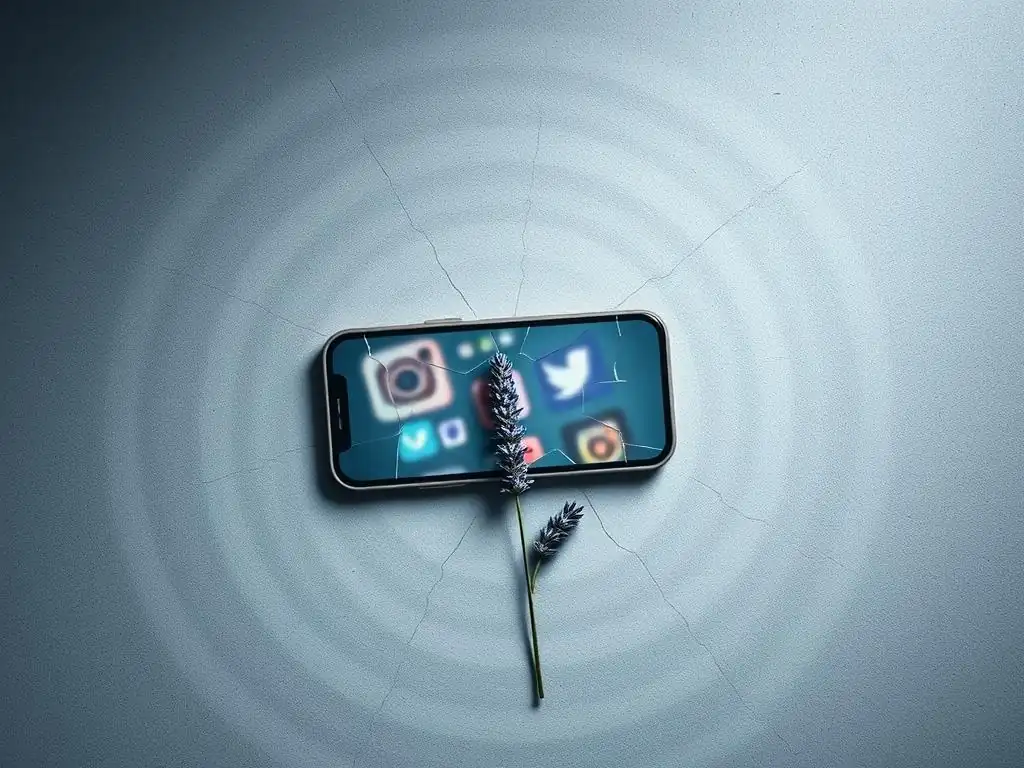
FOMO's Contribution to Digital Burnout: Seeking Validation
FOMO acts as a powerful catalyst in the cycle leading to digital burnout, largely through its drive to seek validation and stay "in the know." The anxiety of missing out compels individuals to spend excessive time online, constantly checking feeds, monitoring interactions, and contributing to conversations or trends they might not genuinely care about. This isn't passive consumption; it often involves actively participating, commenting, liking, and crafting posts, all of which require mental effort and time.
The constant pursuit of external validation – measured in likes, shares, and follower counts – adds significant emotional labor. Each post becomes a potential source of anxiety as one waits for affirmation, and perceived low engagement can feel like rejection. This pressure to perform and receive approval online, driven by the fear of being irrelevant or unpopular (a manifestation of FOMO), directly contributes to the exhaustion and cynicism characteristic of digital burnout.
Social comparison is a central mechanism that intensifies both FOMO and digital burnout. On social media, individuals are constantly exposed to carefully curated versions of others' lives – vacations, achievements, perfect families, exciting social events. This leads to upward social comparison, where users compare themselves to those they perceive as "better off" or having more exciting lives. This comparison fuels FOMO, as it highlights perceived deficiencies in one's own experiences.
The cycle continues as trying to keep up with or emulate these perceived perfect lives online requires significant effort. Users might spend excessive time crafting their own online persona, seeking out experiences solely for the purpose of sharing them, or feeling pressure to engage with every trend. This relentless striving to measure up, driven by the initial FOMO-induced comparison, adds to the cognitive load and emotional fatigue, pushing individuals closer to digital burnout.
Exhaustion From Managing an Online Identity
Maintaining an active and seemingly successful online identity is far from effortless; it requires considerable time, energy, and emotional regulation. Deciding what to post, how to phrase it, selecting the right photos, responding to comments and messages, and keeping up with multiple platforms all contribute to this labor. For individuals susceptible to FOMO, the pressure to present a life that appears as exciting or fulfilling as those they see online can be particularly draining.
This constant performance, coupled with the anxiety of comparison and the need for validation, leads to a unique form of exhaustion. It's not just screen fatigue; it's the weariness that comes from perpetually managing a public persona, navigating social dynamics in a digital space, and feeling the pressure to be "on" at all times. This relentless demand on mental and emotional resources is a significant factor in the progression towards digital burnout.
Identifying Symptoms: Recognizing FOMO and Digital Burnout
Recognizing FOMO Symptoms: Behavioral Indicators
Recognizing the signs of FOMO involves observing specific behavioral patterns related to digital device use and social interactions. A primary indicator is the compulsive and near-constant checking of phones and social media feeds, driven by an underlying anxiety about missing updates or events. Individuals with significant FOMO may feel restless or uncomfortable when they are unable to access their devices or are disconnected from the internet.
Other behavioral signs include agreeing to participate in social activities or events that they don't genuinely enjoy, simply because they see others attending or anticipate feeling left out if they don't go. There's often a preoccupation with what others are doing, frequently bringing up things seen online in conversations. This constant need to know and participate digitally can interfere with concentration on tasks at hand and reduce engagement in real-world interactions.
Recognizing Digital Burnout Symptoms: Signs of Exhaustion
Identifying digital burnout involves recognizing signs of exhaustion and detachment specifically related to digital activities. A common symptom is feeling overwhelmed or dreading the prospect of checking emails, social media, or other online platforms, even those previously enjoyed. This can manifest as procrastination in responding to digital communications or a general apathy towards online interactions.
Physical symptoms are also prevalent, including persistent fatigue, eye strain, headaches, or disrupted sleep patterns directly linked to screen time or the stress of constant connectivity. Emotionally, individuals may become more irritable, anxious, or cynical in relation to their digital life. They might feel a loss of interest in online communities or hobbies they once found engaging. Recognizing FOMO digital burnout symptoms often involves noticing this combination of mental, emotional, and physical fatigue tied to digital engagement.
Self-Assessment: Evaluating FOMO and Burnout Levels
Evaluating your own levels of FOMO and digital burnout requires honest self-assessment and reflection on your digital habits and feelings. Consider questions like: How often do you feel anxious when you can't check your phone? Do you compare your life negatively to what you see online? Do you feel pressured to be constantly available or online? Do you feel tired, irritable, or overwhelmed after spending time on digital devices?
Keeping a simple journal for a few days, noting when and why you check your phone, how you feel before and after, and what physical or emotional symptoms you experience, can provide valuable insights. Pay attention to patterns of checking behavior, feelings of anxiety when disconnected, and signs of fatigue or detachment related to your digital life. This self-awareness is the first crucial step towards developing strategies for managing FOMO digital burnout symptoms relief.
Strategies for Managing FOMO and Digital Burnout: Taking Control
Developing healthier habits around social media is fundamental to managing FOMO and reducing digital burnout. This involves shifting from reactive, compulsive scrolling to intentional and mindful engagement. Start by setting specific times during the day to check social media, rather than checking constantly whenever a notification appears or you have a free moment. Consider using app timers or built-in phone features to monitor and limit your usage.
Another helpful practice is curating your feed. Unfollow accounts that make you feel inadequate, anxious, or contribute to comparison and FOMO. Seek out accounts that inspire you, provide value, or genuinely connect you with friends and family. When you do engage, be intentional about why you are online – are you connecting with a specific person, seeking information, or just mindlessly scrolling? Becoming aware of the motivation behind your usage can help you develop more conscious habits.
Establishing Boundaries: Setting Digital Limits
Setting clear and firm digital boundaries is essential for creating space away from the demands of constant connectivity and finding FOMO digital burnout symptoms relief. Define tech-free zones in your home, such as the bedroom or dining table, to protect rest time and face-to-face interactions. Establish specific hours when you will not check work emails or engage in non-essential online activities, particularly in the evenings and first hour of the morning.
Turn off non-essential notifications on your phone and computer to reduce interruptions and the constant pull to check your device. Consider scheduling "digital sabbaths" – periods of several hours or even a full day where you intentionally disconnect from all devices. Communicating these boundaries to friends, family, and colleagues where appropriate can also help manage expectations and reduce pressure.
Prioritizing Real-World Experiences: Reconnecting with Reality
Actively prioritizing and engaging in real-world experiences is a powerful antidote to both FOMO and digital burnout. Make time for activities that require your full presence and do not involve a screen. This could be spending time in nature, pursuing a hobby like painting or playing a musical instrument, exercising, or simply having an uninterrupted conversation with a loved one.
These activities provide genuine fulfillment and connection that curated online experiences cannot replicate. They ground you in the present moment and help you appreciate your own life and experiences without the filter of social comparison. By investing time and energy in offline pursuits, you naturally reduce the time available for digital engagement and build a sense of satisfaction that is independent of online validation.
Time Management for Reducing Digital Overload

Effective time management techniques can significantly reduce the feeling of digital overload that contributes to burnout. Instead of constantly switching between tasks and digital platforms, try batching your digital activities. Designate specific blocks of time for checking and responding to emails, engaging on social media, or reading news online. This prevents digital tasks from bleeding into every available moment.
Utilize tools like website blockers or focus apps during periods when you need to concentrate on non-digital work or activities. Track how you spend your time online – many devices and apps offer built-in screen time reports. Seeing the actual amount of time spent can be eye-opening and motivate you to make changes. By managing your time intentionally, you regain control over your digital consumption rather than feeling controlled by it.
Self-Care Practices: Prioritizing Mental Well-being
Prioritizing comprehensive self-care is crucial for building resilience against the stresses of FOMO and constant connectivity, offering significant FOMO digital burnout symptoms relief. Ensure you are getting adequate sleep, ideally 7-9 hours per night, as digital overuse often interferes with healthy sleep patterns. Regular physical activity is also vital; exercise helps reduce stress and improve mood.
Incorporate mindfulness or meditation into your routine to help stay present and reduce anxiety about missing out. Spend time outdoors, as exposure to nature has been shown to reduce stress and improve mental clarity. Engage in activities you find relaxing and rejuvenating, whether it's reading a book, taking a bath, or listening to music. These practices help recharge your mental and emotional batteries, making you less susceptible to the negative impacts of excessive digital engagement.
Long-Term Solutions: Managing FOMO and Preventing Digital Burnout
Building Self-Esteem: Finding Internal Validation
A long-term strategy for mitigating both FOMO and digital burnout is building robust self-esteem and reducing reliance on external validation. When your sense of worth is primarily derived from internal values, accomplishments, and self-acceptance, the perceived need for validation through online interactions diminishes. Focus on identifying your strengths, celebrating your personal achievements (however small), and aligning your activities with your core values rather than external pressures.
This shift requires conscious effort to detach self-worth from metrics like likes, comments, or follower counts. Practice positive self-talk and challenge negative thoughts that arise from social comparison. Engaging in activities that genuinely interest you and provide a sense of mastery or purpose, independent of whether they are shareable online, can significantly boost internal validation and provide lasting relief from the anxieties fueled by FOMO and the subsequent push towards burnout.
Cultivating Gratitude: Focusing on the Positive
Cultivating a practice of gratitude is a powerful way to counteract the feelings of lack and comparison that drive FOMO. Regularly taking time to appreciate what you have in your own life – your relationships, experiences, skills, and opportunities – shifts your focus away from what others might have or what you might be missing. This perspective change can significantly reduce the anxiety associated with FOMO.
Consider keeping a gratitude journal, listing a few things you are thankful for each day. Simply pausing to notice and appreciate positive moments, no matter how small, can help retrain your brain to focus on abundance rather than scarcity. This positive reframing makes the highlight reels of others' lives less impactful and reduces the compulsive need to seek out potentially anxiety-inducing information online.
Developing a Strong Sense of Identity: Knowing Your Values
Developing a strong, independent sense of identity is a crucial long-term defense against the pressures of constant connectivity and social comparison. When you are grounded in your own values, interests, and beliefs, you are less swayed by online trends or the perceived expectations of others. Knowing who you are and what matters to you provides an internal compass that guides your choices, including how and why you engage with the digital world.
This involves exploring your passions, understanding your personal boundaries, and making choices that align with your authentic self, rather than trying to fit into a mold dictated by online culture. The more secure you are in your own identity, the less compelled you will feel to constantly monitor what others are doing or seek external validation, thereby reducing susceptibility to FOMO and the demands that lead to digital burnout.
Seeking Professional Support: When to Consult a Mental Health Professional
While self-help strategies offer significant relief, there are times when the symptoms of FOMO and digital burnout are severe or persistent enough to warrant professional help. If feelings of anxiety, depression, or overwhelm related to your digital life are significantly impacting your daily functioning, relationships, work, or overall well-being, it may be beneficial to consult a mental health professional.
A therapist or counselor can provide personalized strategies for managing the underlying anxieties driving FOMO, developing healthier coping mechanisms for stress, and addressing any co-occurring conditions like anxiety or depression. They can also help you explore the deeper psychological factors contributing to your reliance on digital validation or difficulty setting boundaries. Seeking professional support for FOMO digital burnout symptoms relief is a sign of strength and commitment to your mental health.
Promoting Mental Wellness in the Digital Age: Prevention and Awareness
Promoting Digital Wellbeing: Education and Resources
Promoting digital wellbeing involves educating ourselves and others about the potential impacts of technology on mental health and providing access to resources that support healthier digital habits. This includes understanding the persuasive design techniques used by platforms, recognizing the signs of problematic usage, and learning strategies for mindful engagement. Schools, workplaces, and public health initiatives can play a vital role in disseminating this information.
Resources such as guides on setting screen time limits, apps that help manage digital distractions, and workshops on digital literacy can empower individuals to make more conscious choices about their technology use. Raising awareness about the link between constant connectivity, FOMO, and digital burnout is a crucial first step in fostering a culture that prioritizes mental health in the digital age.
Fostering Supportive Online Communities: Connection Over Comparison
While social media can be a source of comparison and anxiety, it also has the potential to foster genuine connection and support. Actively seeking out and participating in online communities centered around shared interests, hobbies, or support groups can provide a sense of belonging without the pressure to perform or compare. Focus on interactions that feel authentic and supportive, rather than those that trigger feelings of inadequacy or competition.
Prioritize quality over quantity in online connections. Engage meaningfully with a smaller number of close friends online rather than trying to keep up with hundreds or thousands of acquaintances. By using digital platforms for genuine connection and mutual support, individuals can harness the positive aspects of technology while minimizing the negative impacts that contribute to FOMO and digital burnout.
The Importance of Digital Detox: Unplugging For Clarity
Regularly incorporating periods of digital detox is a powerful preventative measure against digital burnout and a way to gain perspective on FOMO. This means intentionally stepping away from all digital devices for a defined period – whether it's an hour each evening, a full day on the weekend, or longer breaks during vacations. These periods allow the mind and body to rest and reset away from the constant demands of screens and notifications.
Unplugging provides an opportunity to reconnect with yourself, your surroundings, and the people around you without digital distractions. It can reduce stress, improve sleep, enhance focus, and remind you of the richness of offline experiences. Implementing regular digital detoxes helps break the cycle of compulsive checking driven by FOMO and provides essential relief from the cognitive load contributing to digital burnout.
Staying Informed: Research on Digital Wellbeing
The field of digital wellbeing is constantly evolving as researchers continue to study the complex relationship between technology use and mental health. Staying informed about the latest research, findings, and best practices can help individuals make informed decisions about their own digital habits and advocate for healthier digital environments. Follow reputable sources that report on studies related to screen time, social media use, attention span, and digital addiction.
Understanding the science behind how technology affects our brains and behaviors can empower us to use it more intentionally and mitigate potential harms. As we navigate an increasingly hyper-connected world, staying educated about digital wellbeing is not just about personal health but also about contributing to a broader conversation about creating a healthier digital future for everyone.
Frequently Asked Questions
What is FOMO and how does it relate to digital burnout?
FOMO, or Fear of Missing Out, is the apprehension that others might be having rewarding experiences from which one is absent. It contributes to digital burnout by fueling the constant need to be online and connected, leading to exhaustion.
What are some common FOMO digital burnout symptoms?
Common symptoms include feelings of anxiety, insomnia due to late-night scrolling, and a constant urge to check social media, all contributing to overall mental fatigue.
Excessive social media use often presents a curated, idealized version of reality, triggering FOMO. This constant comparison leads to feelings of inadequacy and ultimately burnout from the pressure to keep up.
What are some practical strategies for FOMO digital burnout symptoms relief?
Strategies include setting time limits for social media use, practicing mindfulness to appreciate the present moment, and focusing on real-life experiences and relationships.
Where can I find more resources and support for managing FOMO and digital burnout?
Mind Care Guide offers a comprehensive guide to mental well-being, including information, support, and resources for various mental health challenges, including FOMO and digital burnout.
Final Reflection: Unplugging from the Fear of Missing Out
The pervasive nature of social media, coupled with the relentless pressure to stay connected, fuels a vicious cycle of FOMO and digital burnout. This isn't just a millennial problem; it's a societal challenge impacting individuals across generations, leaving many feeling exhausted, anxious, and disconnected from genuine experiences. The constant stream of curated perfection online creates an unattainable ideal, exacerbating feelings of inadequacy and fueling the flames of burnout.
The insidious creep of FOMO into our daily lives has profoundly altered our relationship with technology and, more importantly, with ourselves. We've become slaves to the notification, constantly chasing the next dopamine hit, sacrificing genuine connection and self-care in the process. The greatest threat to our planet is the belief that someone else will save it.
This quote, often attributed to Robert Swan, resonates deeply here. We cannot rely on external forces to solve our digital burnout; we must actively choose to disconnect and reclaim our well-being.
Now, consider your own digital habits. How often do you find yourself scrolling through social media, comparing your life to the highlight reels of others? Are you prioritizing genuine connections over fleeting online interactions? I urge you to take a conscious step back, to unplug from the constant noise, and rediscover the joy in real-life experiences. Prioritize mindfulness, engage in activities that bring you joy, and cultivate meaningful relationships offline. Your mental and emotional well-being depends on it. The path to relief from FOMO and digital burnout begins with a single, intentional choice to disconnect and reconnect with yourself.
Unlock Your Digital Wellbeing: Reclaim Your Time & Energy
Thanks for taking the time to explore the connection between FOMO and digital burnout! We hope you gained valuable insights into managing your online time and prioritizing your mental health. Now it's time to put that knowledge into action.
Here's how you can start reclaiming your digital wellbeing:
- Implement a daily digital detox: Schedule 30 minutes each day completely free from screens. This could involve a mindful walk, reading a book, or simply enjoying a quiet cup of tea.
- Share this article with a friend: Help someone else break free from the cycle of FOMO and digital exhaustion. Spread awareness and support!
- Experiment with a social media fast: Try temporarily disabling notifications or taking a break from specific platforms to see how you feel. Be surprised by what you discover!
What small step will you take today to foster a healthier relationship with technology?