
Finding Connection Through Shared Hobbies and Interests

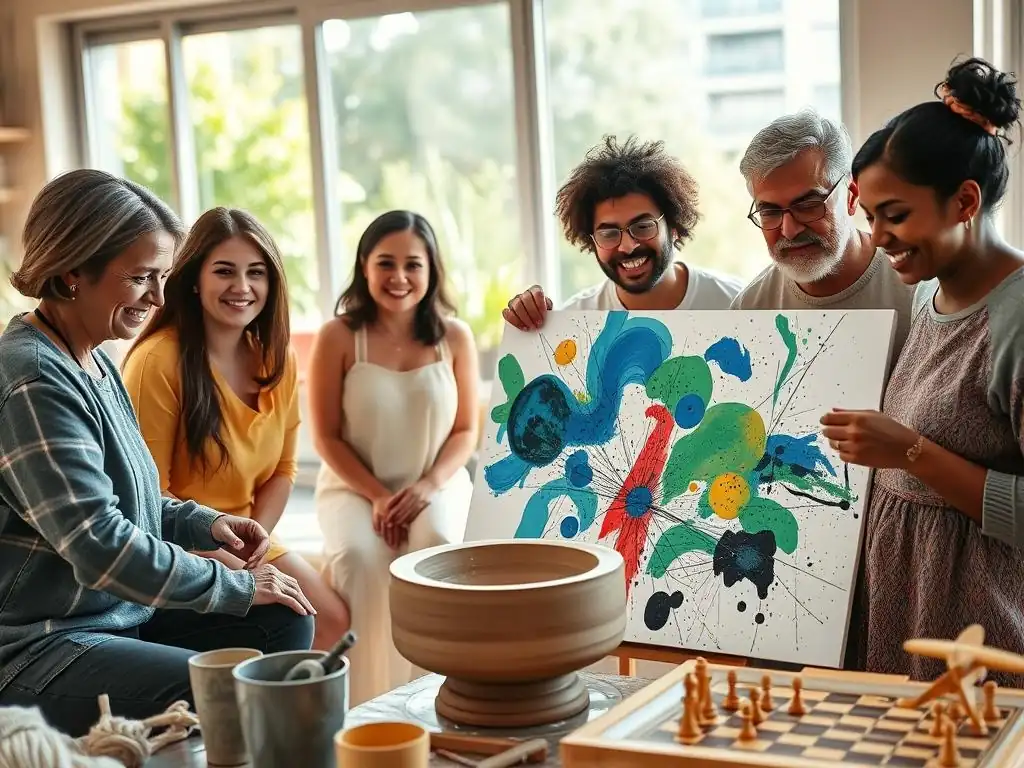
Welcome to Mind Care Guide, your sanctuary for navigating the complexities of mental well-being. Feeling disconnected? You're not alone. Dive into our latest exploration of the powerful "Hobbies boost mental wellbeing connection" and discover how rekindling old passions, or igniting new ones, can unlock a pathway to richer connections and a more fulfilling life. What hidden talents and shared interests are waiting to be unearthed within you? Let's explore together.
Finding Connection Through Shared Hobbies and Interests: A Mind Care Guide
- The Loneliness Epidemic and the Power of Shared Interests
- Why Hobbies Boost Mental Wellbeing Connection: The Science Behind It
- Identifying Your Passions: Discovering Hobbies for Mental Wellness and Social Connection
- Building Meaningful Connections Through Shared Activities: Practical Strategies
- The Benefits of Shared Hobbies: Enhancing Mental Wellbeing and Building Social Bonds
- Overcoming Social Anxiety and Building Confidence in Hobby Groups
- Maintaining Connection and Wellbeing: Long-Term Engagement in Shared Hobbies
- Frequently Asked Questions
- Final Reflection: The Enduring Power of Shared Passions
- Unlock Your Social Potential: Find Your Tribe!
Social isolation is a significant concern in modern society, often referred to as a silent epidemic. It describes a state where individuals lack meaningful social connections, leading to feelings of loneliness and detachment. Research indicates that a substantial portion of the population, perhaps around 20-30% of adults, report experiencing feelings of loneliness regularly.
This lack of connection isn't just an emotional state; it has tangible impacts on both physical and mental health. Chronic social isolation has been linked to increased risks of depression, anxiety disorders, cognitive decline, and even physical ailments like heart disease and weakened immune function. The absence of a supportive social network can exacerbate stress and reduce resilience, making individuals more vulnerable to mental health challenges.
The effects of social isolation extend beyond individual well-being, impacting communities and healthcare systems. When people feel disconnected, they may be less likely to seek help for mental or physical health issues, leading to worsening conditions. The feeling of being alone can create a negative feedback loop, where withdrawal makes it harder to connect, further deepening isolation.
Addressing this epidemic requires proactive strategies that facilitate genuine human interaction and belonging. Recognizing the signs of social isolation in oneself and others is the first step towards building bridges and fostering the connections essential for a healthy mind and a thriving life.
Hobbies as a Remedy for Loneliness: Fostering Connection and Wellbeing
Engaging in hobbies offers a powerful antidote to the pervasive feelings of loneliness. Hobbies provide a structured way to spend time, offering purpose and enjoyment, but their real strength lies in their potential to connect people. When you pursue an interest alongside others who share that passion, you create a natural environment for interaction.
This shared ground eliminates the awkwardness often associated with meeting new people, providing instant conversation starters and common goals. Whether it's joining a book club, a hiking group, a pottery class, or a board game society, these activities bring individuals together around a mutual interest, fostering initial connections that can blossom into deeper friendships.
Furthermore, participating in hobbies can provide a sense of belonging and community that directly counters the feeling of being alone. Being part of a group, no matter how small, validates your interests and provides a space where you feel understood and accepted. This sense of belonging is crucial for mental wellbeing. It builds social capital, offering a support system that can be relied upon during difficult times. Hobbies boost mental wellbeing connection by creating these vital social ties, moving individuals from isolation towards inclusion and shared experience, proving that pursuing your passions can be a pathway to overcoming loneliness.
Why Hobbies Boost Mental Wellbeing Connection: The Science Behind It
The Psychological Benefits of Engaging in Hobbies
Engaging in hobbies provides a myriad of psychological benefits that contribute significantly to overall mental wellbeing. Firstly, hobbies offer a form of active rest and stress relief, allowing the mind to disengage from daily pressures and focus on enjoyable tasks. This can lead to a reduction in cortisol levels, the body's primary stress hormone. For instance, activities like knitting or painting are often described as meditative, promoting mindfulness and reducing anxiety.
Secondly, mastering new skills through hobbies boosts self-efficacy and confidence. Learning to play a musical instrument, complete a complex puzzle, or cultivate a garden provides tangible evidence of one's capabilities, enhancing self-esteem and a sense of accomplishment. These positive psychological states are foundational for maintaining good mental health and resilience.
Beyond stress reduction and confidence building, hobbies stimulate cognitive function and provide a sense of purpose. Learning new rules in a strategy game, memorizing lines for community theatre, or researching historical periods for a reenactment group all challenge the brain and keep it active. This cognitive engagement is linked to improved memory and problem-solving skills.
Moreover, dedicating time to a passion provides a sense of meaning and structure outside of work or daily responsibilities. This sense of purpose is a protective factor against depression and feelings of emptiness, reinforcing how hobbies boost mental wellbeing connection by enriching inner life and providing fulfilling activities.
Shared activities are inherently powerful tools for combating social isolation because they provide a low-pressure environment for social interaction. When people gather for a shared hobby, the focus is primarily on the activity itself, reducing the anxiety often associated with forced social situations. Conversations flow naturally from the shared interest, making it easier to connect with others.
For example, members of a running club might discuss training tips, race experiences, or simply chat about their day during a run, building rapport organically. This shared experience creates common ground and facilitates the formation of bonds based on mutual enjoyment and understanding.
Furthermore, participating in shared hobbies fosters a strong sense of belonging. Being part of a group with a common interest provides a ready-made community where individuals feel accepted and valued for who they are and what they enjoy. This feeling of belonging is a fundamental human need and its fulfillment is critical for mental health.
Studies suggest that individuals with strong social connections are significantly less likely to experience depression and report higher levels of happiness. Joining a photography club, a volunteer group, or a cooking class offers opportunities to build relationships, share experiences, and feel connected to something larger than oneself, demonstrating how shared hobbies boost mental wellbeing connection by weaving individuals into the fabric of a supportive community.
The combination of engaging in a stress-reducing hobby and doing so in a social setting offers a powerful synergy for managing stress and anxiety. The act of performing the hobby itself, whether it's the repetitive motion of knitting or the physical exertion of dancing, can be calming. Adding a social element amplifies these benefits.
Social interaction, particularly positive and supportive interaction, triggers the release of endorphins and oxytocin, neurochemicals associated with pleasure, bonding, and stress reduction. Sharing a laugh with fellow choir members, receiving encouragement from teammates, or simply enjoying the company of others during a shared activity provides emotional validation and reduces feelings of isolation, which are often linked to anxiety.
Moreover, social connections built through hobbies provide a buffer against life's stressors. Knowing you have people to talk to, share experiences with, or even just meet up with regularly creates a safety net. If you're feeling overwhelmed or anxious, discussing it with a friend from your book club or getting distracted by a lively conversation at your painting class can provide perspective and relief.
The regularity of meeting for a shared hobby also provides structure and something positive to look forward to, which can be particularly helpful for individuals struggling with anxiety or depression. This combination of enjoyable activity and supportive social interaction clearly illustrates how hobbies boost mental wellbeing connection by actively reducing stress and mitigating anxiety.
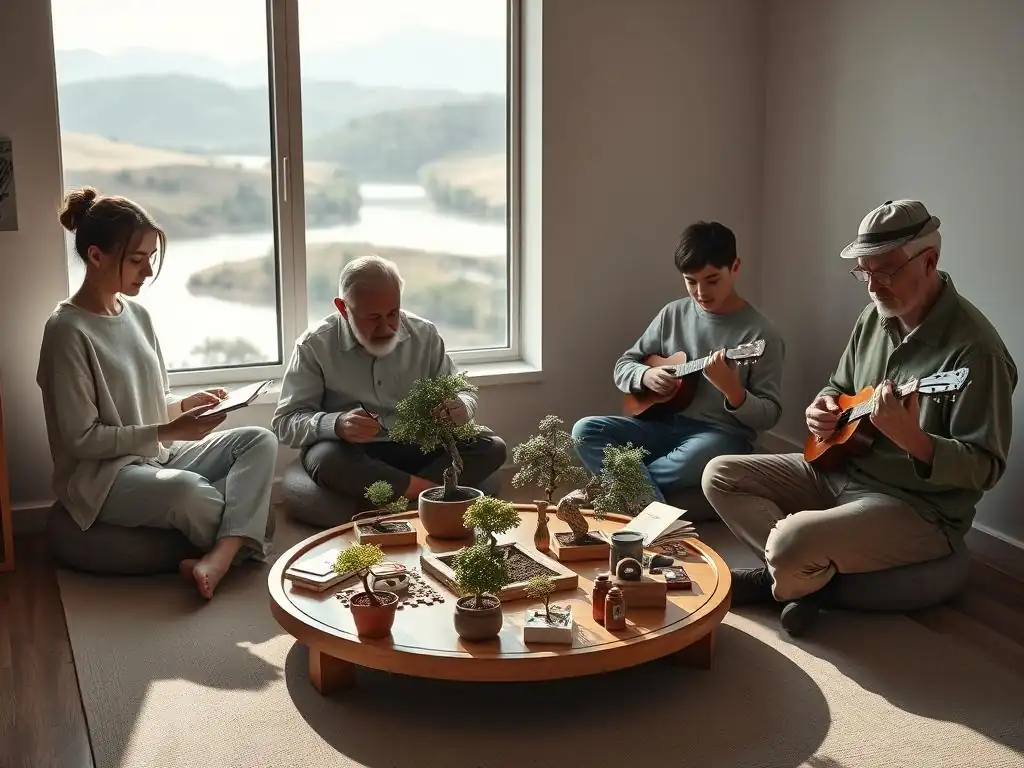
Exploring Different Types of Hobbies: From Creative Pursuits to Physical Activities
The world of hobbies is vast and varied, offering something for nearly everyone, regardless of age, ability, or interest. Broadly, hobbies can be categorized into several types, each offering unique benefits and opportunities for connection. Creative pursuits like painting, writing, playing music, or crafting allow for self-expression and can be deeply fulfilling.
These can be solitary activities that become social when shared in workshops or groups. Physical activities, such as hiking, cycling, team sports, or yoga, not only improve physical health but also offer natural settings for social interaction, whether through joining a sports league or participating in group classes. Engaging in a physical hobby with others can provide motivation and camaraderie.
Other categories include collecting (stamps, coins, antiques), learning-based hobbies (languages, history, astronomy), and community-focused activities (volunteering, community gardening). Each type provides different pathways to connection. A birdwatching group might meet regularly to share sightings, while a local history society could involve collaborative research and presentations. The key is to explore what genuinely interests you.
Think about activities you enjoyed in the past, things you've always wanted to try, or topics you find yourself drawn to. Trying a few different things is a great way to discover what resonates and where you might find like-minded individuals. The diversity ensures that you can find a hobby that not only boosts mental wellbeing connection but also aligns with your personal preferences and lifestyle.
Once you've identified potential interests, the next step is to find ways to engage in these activities socially. Simply enjoying a hobby alone is beneficial, but the focus here is on finding connection. Consider how your chosen interests can be pursued in a group setting. If you love reading, look for local book clubs or online reading communities.
If you're interested in photography, search for photography walks or workshops in your area, or join online forums where photographers share tips and organize meetups. For physical activities, explore local sports leagues, running clubs, or group fitness classes offered at community centers or gyms. Many hobbies have established communities centered around them.
Think about the level of social interaction you are comfortable with initially. Some hobbies offer more structured group interaction, like a theatre group rehearsing a play, while others might be more informal, like meeting up with fellow gardeners at a community garden plot. Consider your goals: are you looking for deep friendships, or simply a casual way to connect with others who share your passion?
Matching your interest with the right type of social opportunity increases the likelihood of finding fulfilling connections. Researching local clubs, community centers, libraries, and online platforms dedicated to specific hobbies can reveal numerous possibilities to turn a solitary interest into a social gateway, helping hobbies boost mental wellbeing connection effectively.
Overcoming Barriers to Participation: Finding Time and Resources for Hobbies
Finding time and resources can be significant hurdles when trying to engage in new hobbies, especially social ones. Many people feel overwhelmed by work, family commitments, and other responsibilities, leaving little free time. It's important to view hobby time not as a luxury, but as an essential investment in your mental health and social wellbeing. Start small; even dedicating just an hour or two a week can make a difference.
Look for activities that fit into your existing schedule or consider how you might adjust your routine slightly to make space. For instance, joining a walking group during your lunch break or attending an evening class once a week. Prioritization is key – sometimes saying no to less important commitments allows you to say yes to activities that nourish your soul and build connections.
Resource constraints, such as cost or lack of equipment, can also be barriers. Many hobbies, however, are relatively inexpensive or offer ways to get involved without significant upfront investment. Community centers often offer low-cost classes, libraries provide free resources like books and online courses, and many groups meet in public spaces like parks or community rooms for free.
Look for opportunities to borrow or rent equipment before buying. Online communities can also be a free way to connect around interests. Don't let perceived obstacles deter you; with a little creativity and research, it's often possible to find accessible ways to pursue your passions and connect with others, ensuring that hobbies can indeed boost mental wellbeing connection even on a tight schedule or budget.
Joining an established hobby group or club is one of the most direct and effective ways to build meaningful connections through shared activities. These groups are specifically designed to bring together people with common interests, providing a structured environment for interaction. Look for local clubs related to your chosen hobby – check community notice boards, libraries, community centers, or search online platforms dedicated to listing local groups.
Examples range from hiking clubs and photography societies to writing circles and amateur dramatics. Attending a few meetings or events can give you a feel for the group dynamic and help you decide if it's a good fit.
Once you join a group, make an effort to participate actively. Attend regularly, introduce yourself to new members, and engage in conversations. Remember that everyone there shares your interest, providing an easy starting point for dialogue.
Offer to help with organizing events or activities, as this can deepen your involvement and create more opportunities to connect with others on a different level. Patience is important; building meaningful friendships takes time. However, by consistently showing up and engaging with others who share your passion, you create a fertile ground for friendships to grow, demonstrating how joining hobby groups truly helps hobbies boost mental wellbeing connection by facilitating regular, positive social contact.
Utilizing Online Platforms to Connect with Like-Minded Individuals
In today's digital age, online platforms offer another powerful avenue for connecting with people who share your hobbies and interests, especially if local options are limited or social anxiety is a significant barrier to in-person meetings initially. Websites, forums, and social media groups dedicated to specific hobbies abound. Whether you're into vintage video games, rare houseplants, or a particular author, you can likely find an online community. These platforms allow you to share your work, ask questions, offer advice, and engage in discussions with people from around the world who understand your passion.
While online interactions don't fully replace face-to-face connection, they can be a valuable first step or a supplementary way to build relationships. Many online groups organize virtual meetups, webinars, or even plan in-person gatherings for members who live near each other. Engaging in these online communities can help you feel less alone in your interests and build confidence in discussing your hobby.
They can also serve as a stepping stone to finding or starting local groups. By leveraging the vast reach of the internet, you expand your potential social circle, highlighting how online platforms can help hobbies boost mental wellbeing connection by bridging geographical distances and facilitating initial contact.
Creating Your Own Hobby Group: Cultivating a Thriving Community
If you can't find a local group for your specific hobby or if you have a vision for a particular kind of community, consider starting your own. This might seem daunting, but it allows you to shape the group's focus and atmosphere. Start by gauging interest among friends, colleagues, or people you know who share your hobby. Post flyers in relevant community spaces like libraries, coffee shops, or hobby stores. Utilize online platforms like local social media groups or community websites to announce your intention to start a group and invite interested individuals to an initial meeting.
When starting a group, define its purpose and activities clearly. Decide on a regular meeting time and location – a public library room, a park, or a community center are often good, low-cost options. Be welcoming and proactive in facilitating introductions and conversations during meetings.
Encourage members to share their ideas and contribute to planning future activities. Building a thriving community takes effort and consistent communication, but the reward is creating a supportive network centered around a shared passion. This initiative not only connects you with others but also empowers you to foster a sense of belonging for yourself and others, proving that starting a group is a direct way that hobbies boost mental wellbeing connection.
Increased Self-Esteem and Confidence Through Skill Development
Engaging in hobbies, particularly those that involve learning new skills, directly contributes to increased self-esteem and confidence. As you practice and improve in your chosen activity, whether it's mastering a complex knitting pattern, improving your serve in tennis, or learning to speak basic French, you gain tangible evidence of your capabilities. Each small success builds upon the last, reinforcing a positive self-image.
This sense of mastery is a powerful antidote to feelings of inadequacy or self-doubt. When you share your progress or creations with others in a hobby group, receiving positive feedback or constructive criticism in a supportive environment further validates your efforts and boosts your confidence.
The shared aspect of hobby participation amplifies these benefits. Participating in a group allows you to see your own progress in the context of others, providing motivation and a sense of shared journey. It also offers opportunities to help others or share your knowledge, which reinforces your expertise and boosts your self-worth.
For example, teaching a fellow group member a new technique in woodworking not only helps them but also solidifies your own understanding and confidence in that skill. This positive feedback loop between skill development and social validation is a key way hobbies boost mental wellbeing connection, building internal strength through external interaction.
Shared hobbies provide a low-stakes, natural environment for practicing and improving communication and social skills. Regular interaction within a hobby group requires you to listen to others, express your own ideas, collaborate on projects, and navigate group dynamics. These interactions, whether discussing strategies in a board game, coordinating roles in a community play, or simply chatting during a pottery class, help you become more comfortable and adept at social engagement. For individuals who may feel shy or socially anxious, the shared focus on the hobby provides a crutch for conversation, making it easier to initiate and maintain dialogue.
Over time, consistent participation in a hobby group can lead to significant improvements in social fluency. You learn how to read social cues, respond appropriately in group settings, and build rapport with different personalities. These skills are transferable to other areas of life, improving relationships with family, friends, and colleagues.
The positive reinforcement gained from successful social interactions within the hobby group helps reduce social anxiety and builds confidence in your ability to connect with others. This development of interpersonal skills is a crucial benefit, illustrating how shared hobbies boost mental wellbeing connection by equipping individuals with the tools for healthier relationships.
A Sense of Purpose and Accomplishment Through Collaborative Projects
Collaborating on projects within a shared hobby group can provide a strong sense of purpose and accomplishment that is difficult to achieve alone. Working towards a common goal, such as organizing a public exhibition of artwork, performing a concert, building a community garden, or completing a large group craft project, creates a shared mission. Contributing your skills and efforts to something larger than yourself fosters a sense of value and belonging. The collective effort and mutual support involved in collaborative projects strengthen bonds between group members and create lasting memories.
Achieving a shared goal through collaboration is incredibly rewarding. The success is not just yours, but the group's, reinforcing the power of teamwork and connection. This shared accomplishment can be a significant boost to morale and provides tangible proof of what can be achieved together.
For instance, a group of volunteers cleaning up a local park or a theatre troupe putting on a successful show experiences a collective sense of pride and fulfillment. This shared purpose and the accomplishment derived from it are powerful drivers of connection and contribute significantly to mental wellbeing, highlighting how collaborative hobby activities genuinely help hobbies boost mental wellbeing connection by fostering teamwork and shared success.
Strategies for Initiating Conversations and Making New Friends
Social anxiety can make the idea of joining a hobby group feel overwhelming, but there are strategies to make initiating conversations and making friends feel more manageable. Firstly, choose a hobby group where the activity itself provides a natural conversation starter. Asking questions about the hobby – about technique, materials, or shared experiences – is much easier than making small talk about unrelated topics. Prepare a few simple questions beforehand, like "How did you get into [hobby]?"
or "What projects are you working on right now?" Secondly, focus on active listening. Show genuine interest in what others are saying, ask follow-up questions, and remember details about their projects or experiences. People appreciate feeling heard.
Start small with your interactions. You don't need to become best friends with everyone on the first day. Aim to have a brief, positive interaction with just one or two people. Consistency is key; attending meetings regularly allows you to become a familiar face and provides repeated opportunities for brief exchanges that can build over time.
Consider arriving a little early or staying a little late if that feels less pressured than jumping into the middle of a crowded room. Remember that most people in a hobby group are there because they share your interest and are likely open to connecting. By taking small, consistent steps, you can gradually build confidence and make meaningful connections, proving how participation in shared hobbies can help manage social anxiety and hobbies boost mental wellbeing connection.
Even in groups centered around shared passions, social challenges and minor conflicts can occasionally arise. Different personalities, varying levels of commitment, or disagreements about how things should be done are natural parts of any group dynamic. It's important to approach these situations with empathy and a focus on maintaining positive relationships within the group. If you encounter a minor disagreement, try to address it calmly and directly, focusing on the issue at hand rather than personal attacks. Sometimes, simply taking a moment to listen to the other person's perspective can resolve misunderstandings.
If a conflict is more significant or persistent, consider involving a group leader or mediator if one exists. Avoid gossip or taking sides, which can quickly escalate tensions. Remember that the primary goal is to enjoy the hobby and connect with others; try not to let negative interactions derail your participation entirely.
It can be helpful to remember that not every interaction needs to be perfect, and it's okay to politely disengage from conversations that feel uncomfortable. Learning to navigate these social complexities is itself a valuable skill gained from group participation, reinforcing how shared hobbies boost mental wellbeing connection by providing real-world practice in social resilience.
Seeking Support and Guidance When Needed
Navigating social situations in hobby groups, especially when dealing with social anxiety or past negative experiences, can be challenging. It's important to recognize when you might need support or guidance. If social anxiety is severely impacting your ability to join or participate in groups, consider speaking with a mental health professional. Therapists can provide strategies and techniques specifically designed to manage anxiety in social settings, such as cognitive behavioral therapy (CBT) or exposure therapy. They can help you identify the root causes of your anxiety and develop coping mechanisms.
Additionally, don't hesitate to seek support within the hobby group itself, if you feel comfortable doing so. Sometimes, simply sharing your feelings with a trusted member or group organizer can provide reassurance and understanding. They may be able to offer practical advice or simply provide a friendly face to connect with during meetings.
Online communities can also be a source of support, allowing you to connect with others who share similar struggles with social interaction. Remember, seeking help is a sign of strength, and there are resources available to help you overcome barriers and fully experience how shared hobbies boost mental wellbeing connection.
Keeping Your Hobbies Fresh and Engaging Over Time
Maintaining long-term engagement in a hobby is key to reaping its ongoing benefits for mental wellbeing and social connection. Over time, even the most beloved hobby can start to feel routine. To keep things fresh, look for ways to introduce new challenges or variations.
If you're in a book club, try reading different genres or authors, or host themed discussions. If you're part of a hiking group, explore new trails or plan longer, more ambitious trips. Learning new techniques, setting new goals (like completing a specific project or participating in an event), or teaching your skills to others can reignite your passion and keep the activity exciting.
Connecting with others in your hobby group can also provide inspiration and motivation to keep going. Share ideas for new projects, collaborate on creative endeavors, or simply encourage each other during challenging periods. Seeing what others are doing can spark new ideas and keep you engaged.
Don't be afraid to take short breaks if you feel burnt out, but make a plan to return. By actively seeking novelty and leveraging the social energy of the group, you ensure that your hobby remains a vibrant source of enjoyment and connection, consistently allowing hobbies to boost mental wellbeing connection over the long haul.
Once you've established connections within one hobby group, consider how you might expand your social circle further. The people you meet through one hobby may have other interests that align with yours, leading to invitations to new activities or groups. For example, someone from your running club might also be part of a photography group, or a friend from your knitting circle might invite you to a craft fair where you can meet other artisans. Be open to these opportunities and willing to explore related interests.
You could also consider joining a second, different type of hobby group. This not only diversifies your activities but also introduces you to a completely new set of people, further broadening your social network.
For instance, if you're already in a book club, joining a local volunteering group would expose you to individuals with different motivations and backgrounds, while still providing a shared activity and purpose. Continuously seeking new avenues for engagement ensures that your social life remains dynamic and prevents stagnation, reinforcing the multifaceted ways hobbies boost mental wellbeing connection by fostering an ever-expanding network of support and shared experiences.
Long-term engagement in shared hobbies plays a vital role in preventing future social isolation and actively promoting mental health throughout life. As life circumstances change – perhaps due to retirement, relocation, or changes in family structure – maintaining a strong social network becomes increasingly important. Hobbies provide a stable platform for consistent social interaction, independent of work or family obligations. The friendships built through shared passions can become a crucial support system during transitions or challenging times, acting as a protective factor against loneliness and its associated negative health outcomes.
Moreover, continuing to engage in enjoyable, purpose-driven activities through hobbies contributes to overall life satisfaction and resilience. Having regular activities to look forward to provides structure and meaning. The cognitive and physical benefits of many hobbies also contribute to maintaining health and independence as we age. By consistently participating in shared hobbies, individuals not only enrich their present lives with connection and enjoyment but also invest in their future mental and social wellbeing, demonstrating definitively how hobbies boost mental wellbeing connection as a lifelong strategy for health and happiness.
Frequently Asked Questions
Shared hobbies can enhance social connections, reduce feelings of isolation, and improve overall mental health by fostering a sense of community and belonging.
How do hobbies specifically boost mental health?
Participating in hobbies can lead to improved mood, increased self-esteem, and reduced stress levels, as engaging in enjoyable activities provides a positive distraction and promotes relaxation.
Can any hobby improve mental well-being?
While many hobbies can be beneficial, those that encourage social interaction, such as team sports or group classes, often have a more significant impact on mental wellness through connection and camaraderie.
Consider joining local clubs, attending community events, or exploring online platforms to connect with individuals who share your interests and passions, facilitating opportunities for shared activities.
A strong community around shared hobbies can provide essential support, motivation, and accountability, significantly enhancing the positive effects on mental well-being and overall life satisfaction.
The pursuit of shared hobbies isn't just a pastime; it's a vital ingredient in fostering strong communities and bolstering individual mental wellbeing. In a world increasingly defined by digital connection and physical distance, the simple act of finding common ground through shared interests offers a powerful antidote to loneliness and isolation. This profound connection, built on mutual understanding and shared experiences, is more crucial than ever in navigating the complexities of modern life.
The impact of shared hobbies on our social fabric is undeniable. They create spaces for genuine human interaction, fostering empathy and understanding beyond the superficial. These shared experiences build bridges between people from diverse backgrounds, creating a sense of belonging that is often lacking in our fast-paced, individualistic society. The best and most beautiful things in the world cannot be seen or even touched - they must be felt with the heart.
- Helen Keller. This quote perfectly encapsulates the intangible yet powerful connections forged through shared passions, connections that enrich our lives in ways that go beyond mere enjoyment.
You, the reader, now hold the key to unlocking this powerful force. Consider the hobbies that ignite your passion, and actively seek out communities and individuals who share those interests. Don't underestimate the transformative power of a shared laugh over a challenging game, the collaborative energy of a creative project, or the quiet companionship of a shared walk in nature. Embrace the opportunity to connect, to build, and to grow alongside others who understand and appreciate your unique passions. The rewards—a stronger sense of self, deeper relationships, and a more fulfilling life—are immeasurable.
Thanks for taking the time to explore the world of connection through shared hobbies! We hope you gained valuable insights into building meaningful relationships. Now it's time to put that knowledge into action.
- Join a local group: Find a club or community centered around a hobby you love. This is the most direct way to connect with like-minded individuals who share your passions.
- Share this article: Spread the word and inspire others to build their own connections by sharing this article with friends or on social media.
- Comment below: Tell us about your favorite hobby and how it has helped you connect with others! We'd love to hear your stories.
What unique connection will you discover next?