
Navigating Fear and Stress: Mental Wellbeing During Worldwide Crises


Welcome to Mind Care Guide.
Feeling overwhelmed by the constant stream of news and uncertainty? You're not alone. In these challenging times, taking care of your mental well-being is more critical than ever. This guide offers empathetic support and practical strategies for managing stress during global crises. Let's explore how to navigate fear, build resilience, and prioritize your mental health together. Ready to find a path forward?
Navigating Global Uncertainty: Prioritizing Mental Wellbeing
- Understanding the Mental Health Impact of Global Events
- Identifying Sources of Stress and Anxiety
- Strategies for Managing Stress and Anxiety
- Maintaining Social Connection and Support
- Self-Care Practices for Mental Wellbeing
- Long-Term Mental Health Considerations
- Resources for Mental Wellbeing
-
Frequently Asked Questions
- How can I identify the signs of excessive stress during a global crisis?
- What are some effective coping mechanisms I can use to manage stress during a global crisis?
- How can I support my mental wellbeing when I feel overwhelmed by fear and uncertainty?
- Where can I find professional mental health support if I'm struggling to cope during a global crisis?
- How can I help my children manage their stress and anxiety during a global crisis?
- Final Reflection: Resilience in the Face of Global Uncertainty
- Unleash Your Inner Resilience: Take Charge of Your Wellbeing
Understanding the Mental Health Impact of Global Events
Global events, from pandemics and economic downturns to political instability and climate crises, cast long shadows over our collective and individual mental wellbeing. The unpredictable nature and widespread consequences of these events can create a pervasive sense of unease, disrupting daily life and challenging our sense of safety and security. Understanding the profound impact these crises have on mental health is the first step toward effective managing stress during global crises.
The psychological toll can manifest in numerous ways, affecting people across all demographics. Witnessing or experiencing hardship, loss, and uncertainty on a large scale can trigger significant stress responses, exacerbate existing mental health conditions, and lead to the emergence of new challenges. Recognizing this impact is vital for fostering resilience and developing strategies for coping with the unique pressures these times present.
Recognizing Signs of Stress and Anxiety
Identifying the signs of stress and anxiety is crucial for early intervention and support when managing stress during global crises. These symptoms can be varied and often manifest physically, emotionally, and behaviorally. Common physical signs include headaches, muscle tension, fatigue, digestive issues, and changes in sleep patterns, such as insomnia or sleeping too much.
Emotionally, individuals might experience persistent worry, irritability, difficulty concentrating, feelings of helplessness, sadness, or even numbness. Behavioral changes can range from withdrawing from social activities and increased reliance on coping mechanisms like alcohol or substances to changes in appetite and difficulty performing daily tasks. For example, during the peak of a global health crisis, many individuals reported struggling with focus at work and experiencing heightened frustration over minor issues, classic indicators of elevated stress levels.
Psychological Impact of Global Uncertainty
The pervasive uncertainty inherent in global crises has a significant psychological impact, challenging our fundamental need for predictability and control. When the future feels unstable and unpredictable, it can trigger deep-seated fears and anxieties about safety, health, and economic security. This lack of control can lead to chronic worry, a state of heightened alert, and difficulty relaxing, all of which contribute to poor mental health.
Studies conducted during recent global events, such as widespread economic recessions or natural disasters, have shown a marked increase in symptoms of generalized anxiety disorder and depression. For instance, following a major financial crisis, research indicated a rise in reported stress levels related to job security and personal finances across affected populations, directly linking external uncertainty to internal psychological distress. The constant flow of uncertain information can also lead to decision fatigue and a sense of being overwhelmed.
Global Events and Mental Wellbeing: An Overview
Global events act as potent stressors that can overwhelm individual and community coping resources, significantly impacting mental wellbeing. The sheer scale and interconnectedness of modern crises mean that their effects ripple across borders, affecting billions of people simultaneously. This shared experience of threat, loss, or disruption can create a collective sense of vulnerability.
The overview of the impact reveals a consistent pattern: increased prevalence of common mental health conditions like anxiety, depression, and stress-related disorders, alongside potential increases in substance use and domestic conflict. For example, data from the World Health Organization (WHO) following the initial phase of the COVID-19 pandemic estimated a 25% increase in the prevalence of anxiety and depression worldwide. This highlights how managing stress during global crises becomes not just an individual challenge but a public health imperative.
Identifying Sources of Stress and Anxiety
Understanding the specific triggers behind the stress and anxiety experienced during global crises is essential for developing targeted coping strategies. While the overarching crisis provides the context, the immediate sources of distress often stem from specific aspects of the situation that directly affect individuals' lives and perceptions. Pinpointing these sources helps in effectively managing stress during global crises.
These triggers are often interconnected, creating a complex web of stressors that can feel overwhelming. Recognizing how factors like the constant news cycle, changes in social interaction, and financial pressures contribute to mental strain allows for a more informed approach to self-care and seeking support.
Several common triggers consistently emerge as primary sources of stress during global crises. Information overload is a significant factor; the 24/7 news cycle and constant updates from social media can lead to excessive exposure to distressing information, fueling anxiety and fear. For example, during a rapidly evolving health crisis, individuals might spend hours consuming news, leading to heightened panic and difficulty distinguishing credible information from misinformation.
Social isolation, often a consequence of necessary public health measures or disruptions to daily life, is another major trigger. Humans are social beings, and reduced contact with friends, family, and community networks can lead to feelings of loneliness, sadness, and a lack of support.
Furthermore, financial concerns, such as job losses, reduced income, or economic instability, create immense pressure, impacting individuals' ability to meet basic needs and plan for the future. A survey during a recent economic downturn found that financial stress was a top concern for over 60% of respondents, directly correlating with increased reports of anxiety and depression.
Media Consumption and Its Impact on Mental Wellbeing
The way we consume media during global crises has a profound impact on our mental wellbeing. While staying informed is important, excessive or unmanaged exposure to news and social media can exacerbate stress and anxiety. Constant updates, often focusing on negative or alarming developments, can keep individuals in a perpetual state of high alert, making it difficult to relax or feel safe.
Research indicates a correlation between high levels of media consumption during crises and increased symptoms of post-traumatic stress, anxiety, and depression. For instance, studies conducted after major disaster events have shown that individuals who spent more time watching news coverage reported higher levels of distress than those who consumed less media. This highlights the need for mindful media habits as part of managing stress during global crises.
Economic Instability and Mental Health
Economic instability is a powerful stressor with direct links to declining mental health during global crises. Job losses, business closures, inflation, and overall economic uncertainty create significant financial strain on individuals and families. This strain can lead to worry about meeting essential expenses, housing insecurity, and the inability to save for the future, all of which are major sources of anxiety.
The psychological effects of economic hardship extend beyond financial worry; they can impact self-esteem, create feelings of failure or inadequacy, and strain relationships. Studies have consistently shown increased rates of depression, anxiety, and even suicide during periods of significant economic recession. For example, data following the 2008 financial crisis indicated a rise in mental health service utilization and antidepressant prescriptions in many affected countries, demonstrating the tangible link between economic stress and mental health outcomes.
Strategies for Managing Stress and Anxiety
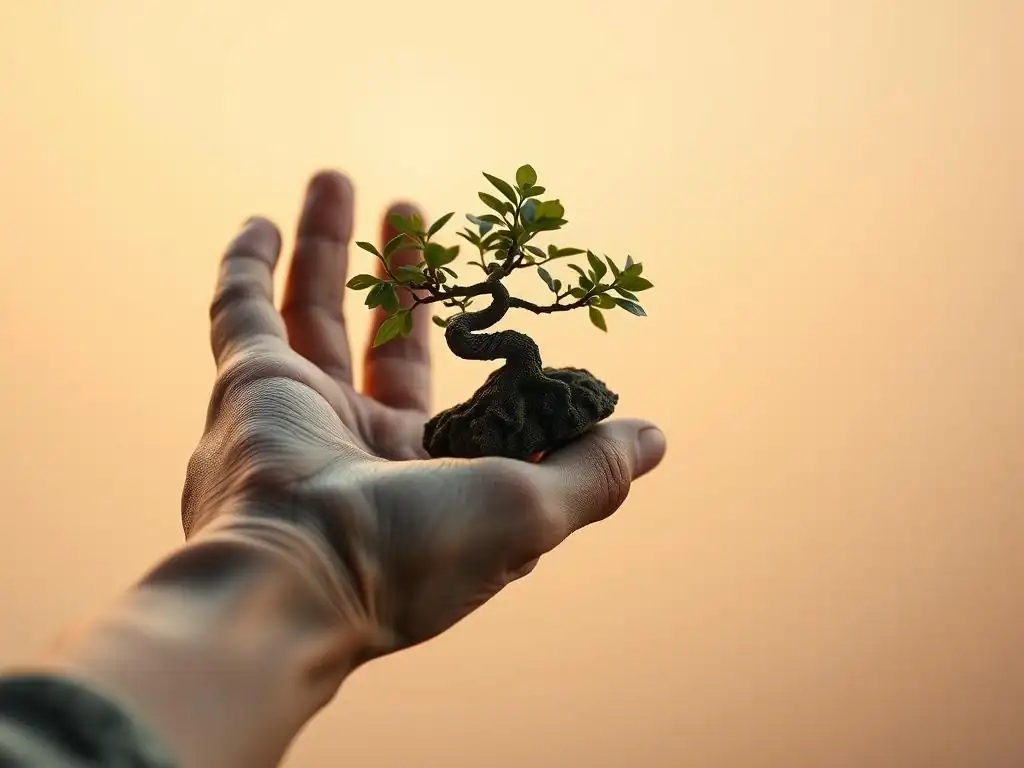
Developing effective strategies is key to navigating the mental health challenges posed by global crises. While the external circumstances may be beyond our control, we can learn and implement techniques to manage our internal responses to stress and anxiety. Managing stress during global crises requires a proactive and multifaceted approach, combining practical techniques, mindful practices, and building internal strength.
These strategies are not one-size-fits-all; what works for one person may not work for another. It's important to explore different techniques and find what resonates with your individual needs and circumstances. Consistency in applying these strategies is often more impactful than sporadic efforts.
Practical Coping Techniques
Practical coping techniques offer immediate ways to manage stress and anxiety in the moment. Simple yet effective methods include deep breathing exercises, which can calm the nervous system by slowing the heart rate. For example, the 4-7-8 breathing technique (inhale for 4 counts, hold for 7, exhale for 8) is a widely recommended practice. Grounding techniques, which involve focusing on the present moment through the five senses (e.g., naming five things you can see, four things you can touch), can help interrupt anxious thought spirals.
Other practical strategies involve engaging in physical activity, even light movement like walking, which releases endorphins that have mood-boosting effects. Setting small, achievable goals each day can help regain a sense of control amidst uncertainty. Limiting exposure to overwhelming news, scheduling breaks from stressful tasks, and engaging in enjoyable hobbies for distraction are also valuable components of a practical approach to managing stress during global crises.
Mindfulness and Meditation
Mindfulness and meditation are powerful tools for cultivating mental resilience and reducing stress during challenging times. Mindfulness involves intentionally bringing your attention to the present moment without judgment. This practice helps you observe your thoughts and feelings without getting swept away by them, allowing you to respond to stress more calmly rather than reacting impulsively.
Regular meditation, even for just a few minutes daily, has been shown in numerous studies to reduce symptoms of anxiety and depression, lower stress hormone levels like cortisol, and improve overall emotional regulation. For instance, a study published in JAMA Internal Medicine found that a 30-minute daily meditation practice could alleviate some anxiety and depression symptoms. These practices help create mental space, making it easier to navigate the intense emotions that global crises can provoke and are central to effective stress management during global crises.
Building Resilience
Building resilience is about developing the ability to bounce back from adversity and adapt to challenging circumstances. It's not about avoiding stress or difficulty, but about cultivating the capacity to navigate it effectively. Resilience is built over time through a combination of mindset shifts, coping skills, and supportive relationships.
Key components of resilience include fostering a positive self-view, developing problem-solving skills, maintaining a sense of hope, and building strong social connections. During a crisis, actively practicing gratitude, focusing on what you can control, and viewing challenges as opportunities for growth can strengthen resilience. For instance, adapting to remote work during a pandemic required many to build new routines and skills, demonstrating adaptability as a form of resilience. Engaging in activities that provide a sense of purpose or accomplishment also contributes significantly to building resilience when managing stress during global crises.
In times of global crisis, maintaining social connection and seeking support are not luxuries, but essential components of mental wellbeing. Isolation can exacerbate feelings of stress, anxiety, and loneliness, while strong social networks provide comfort, perspective, and practical assistance. Connecting with others is a fundamental aspect of managing stress during global crises.
Even when physical proximity is limited, finding ways to stay connected is vital. Social support acts as a buffer against the negative impacts of stress and helps individuals feel less alone in their struggles. It provides opportunities to share experiences, gain emotional validation, and receive encouragement.
Social networks, encompassing friends, family, colleagues, and community groups, play a crucial role in buffering the effects of stress during global crises. These connections provide emotional support, a sense of belonging, and practical help. Sharing your feelings with a trusted friend or family member can reduce the burden of anxiety and provide new perspectives on challenging situations.
Research consistently shows that individuals with strong social support systems are better equipped to cope with stressful life events and have lower rates of depression and anxiety. For example, a study conducted during a widespread natural disaster found that community cohesion and social support were significant predictors of lower psychological distress among affected residents. Nurturing these relationships is a proactive step in managing stress during global crises.
Connecting with Others: Combating Isolation
Combating isolation requires intentional effort, particularly when physical distancing measures are in place. Fortunately, technology offers numerous avenues for connection, such as video calls, phone calls, and online group activities. Scheduling regular virtual meetups with friends or family can help maintain a sense of routine and connection.
Beyond individual connections, participating in online support groups or community forums related to shared interests or experiences can provide a sense of belonging and mutual understanding. Engaging in volunteer work, even remotely, can also foster connections and provide a sense of purpose. The key is to be proactive in reaching out and finding ways to interact with others, reinforcing the idea that you are not alone in navigating these challenging times and helping with managing stress during global crises.
Seeking Professional Support
While social support is invaluable, there are times when professional help is necessary for managing stress during global crises. Mental health professionals, such as therapists, counselors, and psychiatrists, are trained to help individuals process difficult emotions, develop coping strategies, and address mental health conditions exacerbated by crisis situations.
Seeking professional support is a sign of strength, not weakness. A therapist can provide a safe space to talk about your experiences, offer evidence-based techniques for managing anxiety and depression, and help you develop long-term strategies for resilience. Many professionals offer telehealth services, making support more accessible even when in-person visits are difficult. Don't hesitate to reach out if your stress or anxiety feels overwhelming or is significantly impacting your daily life.
Self-Care Practices for Mental Wellbeing
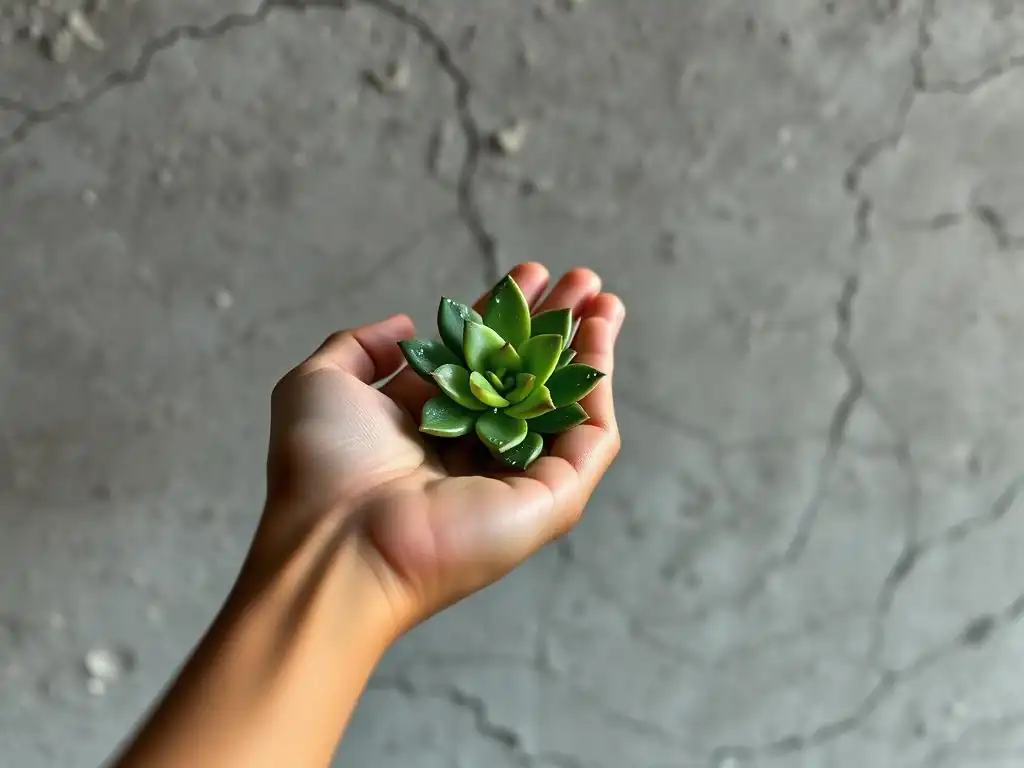
Prioritizing self-care is fundamental to maintaining mental wellbeing, especially when managing stress during global crises. Self-care is not selfish; it is about taking deliberate actions to protect your physical, mental, and emotional health. It involves recognizing your needs and actively working to meet them, creating a foundation of stability amidst external chaos.
Integrating self-care practices into your daily or weekly routine provides essential moments of respite and rejuvenation. These practices help replenish your resources, making you better equipped to handle the demands and uncertainties of a global crisis.
Prioritizing Self-Care
Prioritizing self-care means making conscious choices to allocate time and energy to activities that nourish your wellbeing. This involves setting boundaries, learning to say no when necessary, and recognizing that it's okay to take breaks. In a crisis, there can be pressure to constantly be informed or productive, but stepping back for self-care is essential for long-term sustainability.
Examples of prioritizing self-care include scheduling time for relaxation, engaging in hobbies you enjoy, spending time in nature, or simply allowing yourself moments of rest without guilt. It might also involve setting limits on news consumption or social media use if they are causing distress. Making self-care a non-negotiable part of your routine is a powerful act in managing stress during global crises.
Healthy Habits: Sleep, Nutrition, and Exercise
Maintaining healthy habits related to sleep, nutrition, and exercise forms the bedrock of physical and mental health, which is particularly critical for managing stress during global crises. Sleep is vital for emotional regulation and cognitive function; aiming for 7-9 hours of quality sleep per night can significantly improve your ability to cope with stress. Establishing a consistent sleep schedule, even when routines are disrupted, is beneficial.
Proper nutrition fuels your body and brain. Eating balanced meals with plenty of fruits, vegetables, and whole grains can positively impact mood and energy levels. Avoiding excessive caffeine or sugar can help prevent energy crashes and mood swings. Regular physical activity, even moderate exercise like walking, releases tension, improves mood, and reduces symptoms of anxiety and depression. Aiming for at least 30 minutes of movement most days of the week can make a noticeable difference in your ability to manage stress.
Establishing Routine and Stability
Establishing and maintaining a sense of routine and stability is incredibly grounding during times of global uncertainty. Crises often disrupt normal schedules, leading to feelings of disorientation and lack of control. Creating a predictable daily or weekly structure can help counteract these feelings and provide a sense of normalcy.
This might involve setting regular times for waking up and going to bed, scheduling work or study periods, allocating time for meals, exercise, relaxation, and social connection. Even small routines, like having your morning coffee in a specific way or taking a short walk at the same time each day, can provide anchors in an unpredictable world. A predictable routine reduces decision fatigue and frees up mental energy for managing stress during global crises.
Long-Term Mental Health Considerations
While immediate coping strategies are vital during a crisis, it's also important to consider the long-term mental health implications. Global events can have lasting effects, and addressing trauma, adapting to ongoing change, and seeking sustained support are crucial for long-term wellbeing. Managing stress during global crises often involves recognizing that the recovery process can be extended.
The experience of living through a significant global event can fundamentally alter perspectives, relationships, and daily life. Acknowledging these potential long-term impacts allows for proactive planning and seeking the necessary support to navigate the aftermath and build a more resilient future.
Addressing Trauma and Grief
Global crises often involve widespread loss, whether of life, livelihoods, security, or a familiar way of life. Experiencing or witnessing such losses can lead to trauma and grief, which require time and support to process. Trauma can manifest in various ways, including flashbacks, avoidance behaviors, hypervigilance, and difficulty with emotional regulation.
Grief is a natural response to loss, and during a crisis, individuals may experience multiple forms of grief simultaneously – grieving loved ones, grieving lost opportunities, or grieving the state of the world. Allowing yourself to feel and process these emotions is important. For some, professional help, such as trauma-informed therapy or grief counseling, may be necessary to work through these complex feelings and prevent them from developing into chronic mental health conditions.
Adapting to Change
Global crises often bring about significant and lasting changes to society, economies, and individual lives. Adapting to these changes is an ongoing process that requires flexibility and patience. This might involve adjusting to new work arrangements, navigating altered social norms, or coping with shifts in financial stability.
Acceptance plays a key role in adaptation – acknowledging that things may not return exactly to how they were before the crisis and finding ways to move forward within the new reality. This doesn't mean passively accepting hardship but finding proactive ways to build a meaningful life within changed circumstances. Developing new skills, exploring alternative paths, and maintaining a flexible mindset are crucial for successful adaptation and long-term managing stress during global crises.
Seeking Long-Term Support
The need for mental health support doesn't necessarily end when the most acute phase of a crisis passes. The long-term effects of stress, trauma, and change can linger, and ongoing support may be needed to maintain wellbeing. This could involve continuing therapy, participating in support groups, or maintaining healthy lifestyle habits.
Regular check-ins with a mental health professional can be beneficial for monitoring your wellbeing and addressing any emerging challenges. Support groups, whether in-person or online, provide a space to connect with others who have shared similar experiences, fostering a sense of community and mutual understanding. Committing to long-term self-care practices is also essential for sustained mental health. Recognizing that recovery and adaptation are processes, not events, is key to seeking and utilizing long-term support effectively when managing stress during global crises.
Resources for Mental Wellbeing
Accessing reliable resources is a critical part of managing stress during global crises. Fortunately, a wide range of support is available, from online information and self-help tools to crisis intervention services and professional mental healthcare. Knowing where to turn for help is an empowering step.
These resources cater to different needs and levels of distress, ensuring that individuals can find the appropriate support whether they are seeking information, immediate help during a crisis, or ongoing therapeutic intervention.
Online Mental Health Resources
The internet offers a wealth of online mental health resources that can provide information, self-help tools, and connect individuals with support networks. Websites from reputable organizations like the World Health Organization (WHO), national mental health associations (e.g., National Alliance on Mental Illness in the US, Mind in the UK), and government health bodies often provide evidence-based information on coping with stress and anxiety during crises.
Many platforms offer free or low-cost resources such as guided meditations, cognitive behavioral therapy (CBT) exercises, and peer support forums. While online resources should not replace professional help for severe conditions, they can be valuable tools for psychoeducation, learning coping strategies, and finding initial support for managing stress during global crises.
Crisis Hotlines and Helplines
For individuals experiencing acute distress, suicidal thoughts, or a mental health crisis, crisis hotlines and helplines provide immediate, confidential support. These services are typically available 24/7 and are staffed by trained counselors who can offer emotional support, de-escalate crisis situations, and provide referrals to local resources.
Major crisis hotlines operate globally and nationally, offering a lifeline for those in urgent need. For example, the National Suicide Prevention Lifeline in the US (now 988) provides support to individuals in crisis. Having access to these numbers and knowing when to call is vital during times when stress and despair may feel overwhelming. They offer immediate assistance in managing stress during global crises at its most critical point.
Mental Health Professionals
Mental health professionals – including therapists, psychologists, counselors, and psychiatrists – offer expert diagnosis, treatment, and ongoing support for individuals struggling with mental health challenges during or after a global crisis. They can provide individualized therapy, recommend medication if appropriate, and help develop personalized strategies for coping and recovery.
Seeking help from a qualified professional is particularly important if stress, anxiety, or depression symptoms are severe, persistent, or interfering significantly with daily life. Many professionals are adapting to offer remote sessions via telehealth, increasing accessibility. Consulting a mental health professional is a key step for comprehensive and long-term managing stress during global crises and their aftermath.
Frequently Asked Questions
How can I identify the signs of excessive stress during a global crisis?
It's important to recognize when stress is becoming overwhelming. Look for signs like persistent anxiety, changes in sleep or appetite, and difficulty concentrating. These can indicate that you need to take action to manage your stress levels.
What are some effective coping mechanisms I can use to manage stress during a global crisis?
Effective strategies include practicing mindfulness, engaging in regular exercise, and maintaining social connections (even virtually). It's also helpful to limit exposure to overwhelming news coverage.
How can I support my mental wellbeing when I feel overwhelmed by fear and uncertainty?
Focus on what you can control, such as establishing a daily routine and setting realistic goals. Remember to practice self-compassion and acknowledge your feelings without judgment.
Where can I find professional mental health support if I'm struggling to cope during a global crisis?
Mind Care Guide offers a wealth of resources and information on mental wellbeing. You can also seek support from licensed therapists or counselors who specialize in crisis management.
How can I help my children manage their stress and anxiety during a global crisis?
Be open and honest with them, provide age-appropriate information, and create a safe space for them to express their feelings. Model healthy coping mechanisms and maintain a consistent routine.
Final Reflection: Resilience in the Face of Global Uncertainty
The interconnectedness of our world has never been clearer, and neither has the impact of global crises on our mental wellbeing. The anxieties surrounding pandemics, economic downturns, and geopolitical instability are not merely abstract concerns; they are deeply personal experiences shaping our daily lives and impacting our mental health. Understanding the mechanisms of stress and fear, and developing coping strategies, is no longer a luxury but a necessity for navigating the complexities of the 21st century.
The pervasive nature of stress during global crises underscores the urgent need for accessible mental health resources and a societal shift towards prioritizing emotional wellbeing. We are witnessing a growing awareness of the importance of self-care, mindfulness, and community support, but the stigma surrounding mental health still persists. The greatest glory in living lies not in never falling, but in rising every time we fall.
- Nelson Mandela. This quote encapsulates the spirit of resilience we must cultivate to face future challenges, both individually and collectively. The ongoing conversation surrounding mental health is crucial, and we must continue to break down barriers and foster open dialogue.
You, the reader, are now equipped with tools and strategies to navigate the inevitable stresses of life in a globally interconnected world. Consider the ways in which you can proactively build resilience into your life – whether through establishing healthy coping mechanisms, seeking support from loved ones, or prioritizing self-care practices. Remember that seeking help is a sign of strength, not weakness. Embrace the opportunity to cultivate inner peace and build a stronger, more resilient you, prepared to face whatever challenges the future may hold.
Unleash Your Inner Resilience: Take Charge of Your Wellbeing
Thanks for taking the time to explore strategies for navigating fear and stress. We hope this article provided valuable tools for building your mental resilience. Now, it's time to put these insights into action!
- Prioritize one self-care practice: Choose one technique from the article – whether it's deep breathing, mindful movement, or connecting with loved ones – and commit to incorporating it into your daily routine for the next week.
- Share your experience: What resonated most with you from this article? Share your thoughts and key takeaways with friends, family, or on social media – you might inspire someone else!
- Explore additional resources: Dive deeper into mental wellbeing by visiting the Mind Care Guide website and exploring our extensive library of resources.
Ready to make a positive shift in your mental wellbeing? What small step will you take today to prioritize your mental health?