
The Art of the Digital Disconnect: Creating ScreenFree Family Rituals

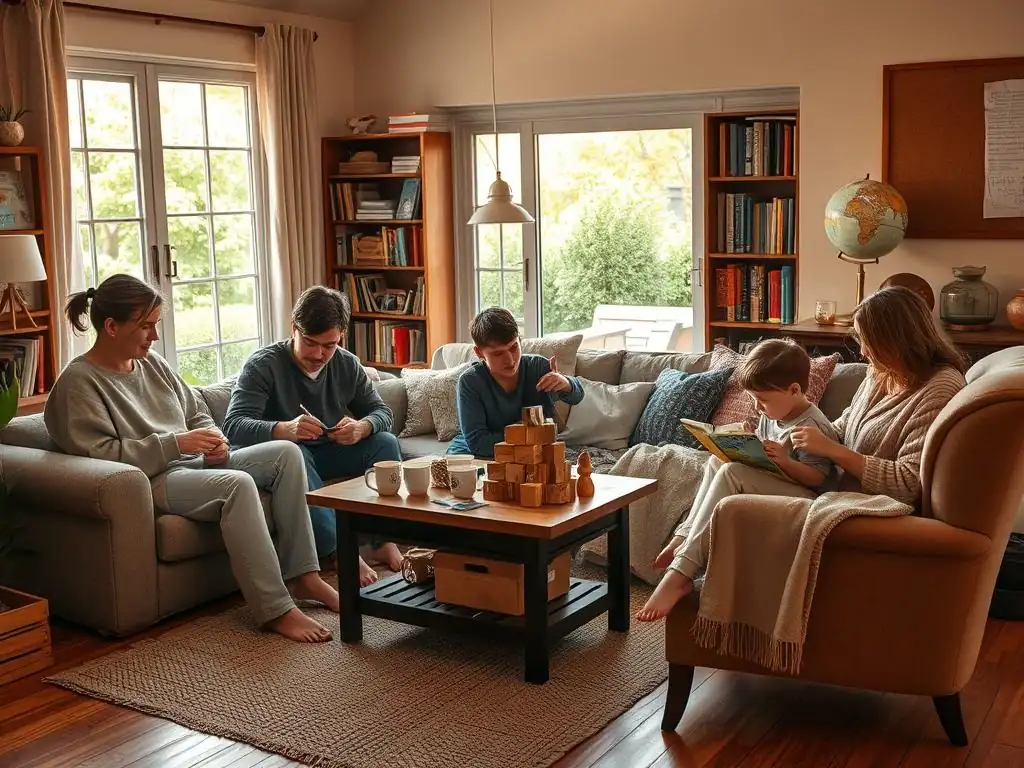
Welcome to Mind Care Guide, a space dedicated to nurturing your mental well-being. Are you finding it increasingly difficult to connect with your loved ones amidst the constant digital hum? Perhaps you've sensed a longing for simpler times, for genuine connection beyond the screen? This article delves into the profound benefits of screenfree family rituals, exploring how unplugging can reignite bonds and foster lasting memories. Intrigued to discover how intentionally disconnecting can dramatically improve your family's well-being? Let's explore the art of the digital disconnect together...
- Cultivating Connection: Establishing Device-Free Family Rituals for Enhanced Well-being
-
Implementing Device-Free Family Rituals: A Practical Approach
- Step 1: Determining Your Family's Priorities and Objectives Regarding Technology
- Step 2: Generating Device-Free Activities that Resonate with All Members
- Step 3: Setting Firm Boundaries and Device-Free Zones
- Step 4: Communicating Expectations Clearly and Enforcing Rules Consistently
- Step 5: Leading by Example: Demonstrating Responsible Technology Usage
-
Benefits of Device-Free Family Rituals: Exploring the Positive Impacts
- Improved Communication and Stronger Bonds Within the Family
- Enhanced Emotional Well-being and Reduced Stress Levels for Everyone
- Increased Creativity and Imagination Through Unstructured Activities
- Better Sleep Patterns and Improved Physical Health
- Encouraging a Passion for Reading and Other Non-Digital Interests
- Addressing Challenges in Establishing Device-Free Family Time
-
Types of Device-Free Family Rituals to Consider
- Family Board Game Night: Unplugged Fun and Cooperative Play
- Nature Walks and Outdoor Exploration: Discovering the Natural World Together
- Collaborative Cooking and Baking: Creating Delicious Memories
- Storytelling and Sharing: Connecting Through Personal Narratives
- Volunteering Together: Making a Difference as a Family
- Maintaining Device-Free Family Rituals Over Time
- Resources and Support for Families Seeking to Limit Device Use
- Conclusion: Embracing the Value of Device-Free Family Rituals for a Healthier, More Connected Family Life
-
Frequently Asked Questions
- What are screen-free family rituals, and why are they important?
- What are some examples of screen-free family rituals we can implement?
- What are the key benefits of establishing screen-free family rituals for children's mental health?
- How can we overcome resistance from family members who are used to constant screen time?
- How often should we aim to have screen-free family rituals to see noticeable benefits?
- Final Reflection: Reclaiming Connection in a Digital Age
- Rediscover Family Connection: Unplug & Reconnect
Cultivating Connection: Establishing Device-Free Family Rituals for Enhanced Well-being
Why Device-Free Family Rituals are Crucial in Today's Digital Landscape
In an era dominated by screens, from smartphones and tablets to laptops and televisions, the average person spends a significant portion of their day engaged with digital media. For families, this pervasive digital presence often translates into reduced face-to-face interaction and fragmented attention.
Establishing screenfree family rituals offers a vital counterpoint to this trend, providing dedicated opportunities for genuine connection, communication, and shared experiences without the constant distraction of notifications and scrolling. These rituals are not just about 'unplugging'; they are about actively 'plugging in' to each other, fostering stronger bonds and creating lasting memories that digital interactions simply cannot replicate.
The need for intentional digital disconnection is underscored by research indicating the increasing amount of time families spend tethered to devices. Studies suggest that even when physically together, family members are often absorbed in their individual screens, leading to what is sometimes termed 'parallel play' in a digital context. Screenfree family rituals provide a structured way to break this pattern, ensuring that quality time is truly focused and present. They help reinforce the value of in-person relationships and shared activities, which are fundamental pillars of a healthy family unit and contribute significantly to the screenfree family rituals benefits.
Effects of Excessive Device Use on Family Interactions and Emotional Health
Excessive device use can subtly erode the quality of family interactions. Constant interruptions from pings and alerts disrupt conversations, making it difficult to engage deeply or listen attentively. This can lead to feelings of being ignored or less valued among family members, particularly children. For example, a parent constantly checking email during dinner or a teenager glued to social media while on a family outing sends a message, intended or not, that the device holds higher priority than the people present. Over time, this pattern can diminish empathy and understanding within the family dynamic.
Beyond impacting direct interactions, excessive screen time has been linked to various emotional and psychological effects that can ripple through the family. Increased screen use, especially before bedtime, is associated with poorer sleep quality, which in turn affects mood, patience, and overall emotional regulation for both children and adults.
Furthermore, the curated realities presented on social media can sometimes fuel feelings of inadequacy or comparison, potentially increasing anxiety or low mood. Implementing screenfree family rituals helps mitigate these risks by providing alternative, positive outlets for connection and relaxation, highlighting key screenfree family rituals benefits like improved emotional resilience and reduced digital-induced stress.
Recognizing Indicators of Digital Dependency Within Your Family
Identifying signs of digital dependency is the first step toward establishing healthier habits. These indicators can manifest differently depending on age but often include significant frustration, irritability, or anxiety when devices are inaccessible, or an inability to easily limit screen time despite intentions to do so. For instance, a child might have extreme meltdowns when asked to put away a tablet, or a parent might find themselves compulsively checking their phone during activities they planned to be screen-free.
Other signs might involve device use interfering with daily routines and responsibilities, such as homework, chores, sleep, or family mealtimes. A family where conversations are consistently punctuated by screen-gazing, or where outdoor play and creative activities have dwindled significantly in favor of digital entertainment, might be showing signs of over-reliance on technology. Recognizing these patterns without judgment is crucial for initiating positive change and understanding the necessity and potential screenfree family rituals benefits.
Implementing Device-Free Family Rituals: A Practical Approach
Step 1: Determining Your Family's Priorities and Objectives Regarding Technology
Embarking on the journey of creating screenfree family rituals begins with a family conversation about your collective relationship with technology. Gather everyone, including children (age-appropriately), to discuss how technology currently fits into your lives and what you hope to gain by setting aside device-free time. This isn't about demonizing technology, but about finding a healthy balance that supports family well-being. Ask questions like: What do we miss doing together because of screens? What kind of memories do we want to create? How does technology make us feel sometimes (stressed, disconnected)?
Define shared objectives. Perhaps the goal is to have more meaningful conversations, reduce evening screen time for better sleep, encourage outdoor activity, or simply enjoy each other's company without distraction. Setting clear, agreed-upon goals makes the process feel less like a restriction and more like a positive choice towards achieving desired screenfree family rituals benefits. Document these priorities, perhaps writing them down together as a family mission statement for technology use.
Step 2: Generating Device-Free Activities that Resonate with All Members
Once priorities are clear, brainstorm activities that everyone genuinely enjoys or is willing to try. The key is to find activities that are engaging and naturally pull attention away from screens. This step requires input from all family members to ensure buy-in. What does each person like to do? What haven't you done together in a while? Make a list and be open to diverse ideas, from simple board games to more involved projects.
Consider activities that encourage interaction, creativity, physical movement, or relaxation. The activity itself is secondary to the shared experience and focused attention it facilitates. The list should be a living document, allowing for new ideas to be added and old ones to be rotated. This collaborative approach helps ensure that the screenfree family rituals feel like a positive choice rather than a forced deprivation, highlighting the fun and engagement aspects among the many screenfree family rituals benefits.
Examples of Engaging Device-Free Activities for Families
- Family Game Night: Dust off board games, card games, or puzzles.
- Outdoor Adventures: Go for a walk, hike, bike ride, or visit a local park.
- Creative Projects: Draw, paint, build with LEGOs, or work on a craft together.
- Cooking or Baking: Prepare a meal or treat as a team.
- Reading Together: Read aloud from a chapter book or have individual reading time side-by-side.
- Storytelling: Share personal stories, make up collaborative tales, or use story prompts.
- Music Time: Play instruments, sing together, or simply listen to music without screens.
- Volunteering: Find a local cause to support as a family.
- Simply Talking: Dedicate time just to chat and catch up on each other's day.
Step 3: Setting Firm Boundaries and Device-Free Zones
Establishing clear boundaries is essential for successful screenfree family rituals. This involves deciding when and where devices will be off-limits. Consistency is paramount here. If a time or place is designated as device-free, this rule needs to apply to everyone, parents included. Physical boundaries, like having a central charging station outside bedrooms, can be helpful reminders.
Creating 'device-free zones' makes the boundary tangible. The dinner table is a classic example, but others could include bedrooms after a certain time, the car during family trips, or specific rooms during designated ritual times. Clearly communicate these zones and the rationale behind them – it's about making space for connection and presence.
Designating Specific Device-Free Times and Areas
Identify times when the family is typically together and could benefit most from being unplugged. Common times include:
- Family meals (breakfast, lunch, dinner)
- The hour or two before bedtime
- Specific evenings or afternoons each week
- During car rides (unless necessary for navigation or emergencies)
Examples of Device-Free Areas:
- The dining table
- Living room during designated family time
- Bedrooms after a certain hour
- Outdoor spaces (parks, backyards) during family activities
These designated times and places serve as anchors for your screenfree family rituals, providing predictable opportunities for connection and reinforcing the value of present moment interaction, contributing directly to screenfree family rituals benefits.
Step 4: Communicating Expectations Clearly and Enforcing Rules Consistently
Once boundaries and zones are set, articulate these expectations clearly to all family members. Explain the why behind the rules in an age-appropriate manner, focusing on the positive outcomes like better conversations, more fun together, and feeling closer – highlighting the screenfree family rituals benefits. Involve children in setting the rules where possible, which increases their sense of ownership and commitment.
Consistency in enforcement is critical. If a rule is broken, address it calmly but firmly. Avoid making exceptions that undermine the rule's importance. This doesn't mean being rigid; there might be rare exceptions (like an urgent work call), but these should be clearly explained and not become the norm. Consistent enforcement helps the new habits stick and demonstrates the family's collective commitment to prioritizing connection over constant digital access.
Step 5: Leading by Example: Demonstrating Responsible Technology Usage
Perhaps the most powerful step is modeling the behavior you wish to see in your children. Children are keen observers, and they learn their habits, including technology use, from their parents. If you expect your children to put their phones away during dinner, you must do the same. If you want them to limit recreational screen time, they need to see you engaging in non-digital activities as well.
Actively participate in the screenfree family rituals you establish. Show genuine enjoyment and presence. Talk about your own efforts to manage screen time and the positive impact it has on you. This authentic demonstration of responsible technology use reinforces the value of the screenfree lifestyle you are cultivating and makes the concept of screenfree family rituals benefits tangible and relatable for everyone in the family.
Benefits of Device-Free Family Rituals: Exploring the Positive Impacts

Improved Communication and Stronger Bonds Within the Family
One of the most profound screenfree family rituals benefits is the significant improvement in communication. Without the constant distraction of screens, family members are more likely to engage in deeper, more meaningful conversations. Dinner tables become places for sharing the day's highs and lows, rather than silent spaces filled with the glow of screens. This dedicated, uninterrupted talk time allows for better understanding, active listening, and the development of empathy.
These focused interactions build trust and strengthen emotional bonds. When family members feel truly heard and seen, they are more likely to open up and feel connected. Simple acts like making eye contact during a conversation or being fully present during a game night reinforce that each person is valued and important, fostering a stronger sense of belonging and unity within the family unit – a fundamental aspect of the screenfree family rituals benefits.
Enhanced Emotional Well-being and Reduced Stress Levels for Everyone
The constant barrage of information and social comparison inherent in digital platforms can contribute to stress and anxiety. Stepping away from screens, even for short periods, provides a much-needed mental break. Screenfree family rituals offer opportunities for relaxation, mindfulness, and engaging in activities that genuinely reduce stress, such as playing games, being outdoors, or creative pursuits.
Spending quality time together, free from external digital pressures, also creates a supportive environment where family members can feel more secure and less isolated. Sharing laughter during a board game or finding solace in a quiet conversation can significantly boost mood and resilience. These moments of genuine connection and relaxation are key screenfree family rituals benefits that contribute to the overall emotional health of each individual and the family as a whole.
Increased Creativity and Imagination Through Unstructured Activities
Digital content is often highly structured and passive. In contrast, many screenfree activities encourage active participation, problem-solving, and imaginative thinking. Building with blocks, inventing stories, drawing, or even just engaging in unstructured play outdoors requires children (and adults!) to tap into their creativity and imagination.
These activities foster cognitive flexibility and innovation, skills that are crucial in all aspects of life. When families engage in screenfree rituals like collaborative building projects or improvisational storytelling, they are not only connecting but also stimulating their creative minds. This boost in creativity and imagination is a valuable, often underestimated, screenfree family rituals benefit.
Better Sleep Patterns and Improved Physical Health
Screen time, particularly in the hours before bed, is known to interfere with sleep due to the blue light emitted by devices, which suppresses melatonin production. Implementing screenfree family rituals in the evening, such as reading together or quiet conversation, helps the brain wind down naturally, promoting better sleep quality and duration for everyone.
Furthermore, many screenfree activities involve physical movement. Family walks, bike rides, playing in the park, or even active games indoors contribute to increased physical activity. Regular physical activity is essential for overall health, stress reduction, and improved mood. The encouragement of both better sleep and more physical movement are significant screenfree family rituals benefits that impact physical health positively.
Encouraging a Passion for Reading and Other Non-Digital Interests
Screenfree time opens the door to rediscovering or developing passions outside the digital realm. Reading, in particular, flourishes when there's less competition from screens. Family reading time, visits to the library, or simply having more leisure time available encourages reading habits. This is crucial for literacy, knowledge acquisition, and fostering a lifelong love of learning.
Beyond reading, screenfree rituals provide the space and time to explore other interests like music, art, crafting, gardening, or collecting. These hobbies offer alternative forms of entertainment and fulfillment, reducing reliance on digital consumption for leisure and highlighting the diverse range of screenfree family rituals benefits that extend into personal growth and interests.
Addressing Challenges in Establishing Device-Free Family Time
Managing Resistance from Family Members
It's common to encounter resistance when introducing significant changes like screenfree rituals, especially from children or teenagers accustomed to constant digital access. Approach resistance with empathy and understanding. Acknowledge their feelings of frustration or boredom, but reiterate the why behind the change – focusing on the positive screenfree family rituals benefits you are trying to achieve together.
Involve resistant members in the planning process; giving them a voice in choosing activities or setting boundaries can increase their buy-in. Start small with achievable goals, perhaps just one device-free meal a day or one screenfree evening per week, gradually increasing over time. Celebrate small victories and focus on the positive experiences created during screenfree times to demonstrate the value.
Disagreements about technology use are inevitable. When they arise, address them calmly and constructively, using them as opportunities to reinforce family rules and values around technology. Avoid emotional arguments or punitive measures that aren't aligned with your established plan. Refer back to the family's agreed-upon priorities and rules regarding technology.
Establish clear consequences for breaking rules that are fair and consistently applied. More importantly, focus on finding solutions together. If a child is struggling to transition away from a game, discuss strategies like setting timers or having a clear stopping point before the activity begins. Effective resolution reinforces boundaries and teaches valuable self-regulation skills, contributing to a healthier relationship with technology, which is part of the broader screenfree family rituals benefits picture.
Identifying Alternatives to Device Use for Entertainment and Relaxation
A major challenge is filling the void left by screens, particularly for entertainment and relaxation. Proactively identify and suggest a variety of alternative activities. Have a readily accessible list of screenfree options brainstormed in Step 2. Ensure there are options available that appeal to different moods – from energetic outdoor play to quiet indoor activities like reading or drawing.
Make non-digital entertainment appealing and accessible. Keep board games visible, have art supplies stocked, or have a selection of books readily available. Model enjoying these alternatives yourself. The more appealing and accessible non-digital options are, the easier it is for family members to choose them over screens, reinforcing the positive aspects and screenfree family rituals benefits.
Types of Device-Free Family Rituals to Consider
Family Board Game Night: Unplugged Fun and Cooperative Play
A classic screenfree ritual, board game night offers a fantastic opportunity for interaction, strategic thinking, and shared laughter. Choose games that suit the family's age range and interests, from cooperative games that encourage teamwork to competitive ones that spark friendly rivalry.
Setting aside a specific night each week or month for games creates a predictable ritual. This isn't just about playing a game; it's about the conversation that happens around the table, the shared experience of navigating challenges, and the simple joy of being together without digital interruption. This ritual directly contributes to screenfree family rituals benefits by fostering communication and connection.
Nature Walks and Outdoor Exploration: Discovering the Natural World Together
Spending time outdoors is inherently screenfree and offers numerous physical and mental health benefits. Family walks in a local park, hikes on nearby trails, or simply exploring your backyard can become cherished rituals. Encourage observation, curiosity, and conversation about the natural world around you.
Outdoor activities promote physical activity, reduce stress, and provide a change of scenery that can be incredibly refreshing. These shared experiences in nature create unique memories and reinforce the importance of the physical world over the digital one, embodying significant screenfree family rituals benefits related to well-being and connection.
Collaborative Cooking and Baking: Creating Delicious Memories
Working together in the kitchen is a wonderful way to connect. Planning a meal, preparing ingredients, cooking or baking, and then enjoying the fruits of your labor together provides a multi-sensory experience free from screens. Assign age-appropriate tasks to each family member, fostering teamwork and teaching practical skills.
This ritual is not only about the finished product but about the process – the conversations that happen while chopping vegetables, the laughter while mixing dough, and the shared satisfaction of creating something together. It's a nurturing and productive screenfree activity that strengthens bonds and creates delicious screenfree family rituals benefits.
Storytelling and Sharing: Connecting Through Personal Narratives

Dedicated time for sharing stories can deepen understanding and empathy within the family. This could involve each person sharing a highlight or challenge from their day, telling stories from their past, or even collaboratively creating fictional tales. This ritual encourages active listening and verbal expression.
Gathering without screens, perhaps in a cozy spot before bed or during a relaxed afternoon, to simply talk and share personal narratives builds intimacy and makes each family member feel valued. It's a simple yet powerful way to connect on an emotional level, highlighting the screenfree family rituals benefits of improved communication and emotional closeness.
Volunteering Together: Making a Difference as a Family
Engaging in community service as a family provides a powerful screenfree ritual focused on giving back and shared values. Find local opportunities that align with your family's interests, such as helping at a food bank, cleaning up a park, or visiting elderly residents.
Volunteering together teaches empathy, responsibility, and the importance of contributing to the wider community. It's a meaningful way to spend time without screens, reinforcing positive values and creating a shared sense of purpose, adding a layer of altruistic screenfree family rituals benefits to your family life.
Maintaining Device-Free Family Rituals Over Time
Regularly Reviewing and Adapting Your Strategy
Establishing screenfree family rituals is an ongoing process, not a one-time fix. As children grow and family dynamics change, your rituals and rules may need adjustment. Schedule regular family meetings (which can also be screenfree!) to discuss how the rituals are working. Are they still enjoyable? Are the boundaries effective?
Be open to adapting your approach based on feedback and changing circumstances. What worked for young children might need tweaking for teenagers. Flexibility and open communication are key to ensuring that your screenfree family rituals remain relevant, enjoyable, and continue to deliver their valuable screenfree family rituals benefits over the long term.
Celebrating Achievements and Addressing Difficulties
Acknowledge and celebrate successes, no matter how small. Did you have a full device-free dinner for the first time? Did everyone participate enthusiastically in game night? Positive reinforcement encourages continued effort. Recognize the screenfree family rituals benefits you are experiencing together.
Equally important is addressing difficulties without blame. If a ritual isn't working or someone is struggling with the rules, discuss it collaboratively. Problem-solve together to find solutions or modify the ritual. Approaching challenges as a team strengthens family resilience and commitment to the process.
Staying Dedicated to the Advantages of Digital Disconnection
Maintaining motivation requires a continued focus on the positive outcomes of digital disconnection. Regularly remind yourselves and each other why these screenfree family rituals are important. Talk about the improved communication, the reduced stress, the fun memories being made, and the overall screenfree family rituals benefits you are witnessing.
Keep the list of potential screenfree activities fresh and exciting. Seek out new experiences to keep the rituals from becoming monotonous. By staying dedicated to the vision of a more connected, present family life, you reinforce the value of the screenfree time and ensure these positive habits endure.
Resources and Support for Families Seeking to Limit Device Use
Child Mind Institute
Common Sense Media
Recommended Books: "The Tech-Wise Family" and "Irresistible"
Conclusion: Embracing the Value of Device-Free Family Rituals for a Healthier, More Connected Family Life
In a world saturated with digital distractions, the deliberate practice of creating screenfree family rituals is not a luxury, but an essential strategy for nurturing strong, healthy family relationships. By intentionally setting aside time and space free from screens, families can reclaim genuine connection, improve communication, foster emotional well-being, and create a wealth of shared memories.
The journey requires effort, communication, and consistency, but the screenfree family rituals benefits – from enhanced bonds and reduced stress to increased creativity and better health – are invaluable. Embracing the art of the digital disconnect allows families to thrive, building a foundation of presence, understanding, and love that no amount of screen time can ever replace.
Frequently Asked Questions
What are screen-free family rituals, and why are they important?
Screen-free family rituals are regularly scheduled activities where electronic devices are intentionally avoided. They are important because they foster stronger family bonds and promote mental well-being by encouraging face-to-face interaction.
What are some examples of screen-free family rituals we can implement?
Examples include family dinners with no phones, weekly board game nights, or dedicated time for reading aloud together. Even a short evening walk where everyone leaves their devices behind can be a beneficial ritual.
What are the key benefits of establishing screen-free family rituals for children's mental health?
These rituals can lead to reduced anxiety and depression in children, as well as improved sleep quality and cognitive development. They also provide opportunities for children to learn social and emotional skills through direct interaction.
How can we overcome resistance from family members who are used to constant screen time?
Start small and gradually introduce screen-free periods. Make the alternative activities engaging and fun. Explain the benefits of disconnecting and involve everyone in choosing the rituals.
How often should we aim to have screen-free family rituals to see noticeable benefits?
Even one or two consistent rituals per week can make a significant difference. The key is consistency and commitment from all family members. Aim for quality over quantity.
Final Reflection: Reclaiming Connection in a Digital Age
The relentless pull of screens threatens the very fabric of family connection, yet the antidote—intentional screen-free time—offers a powerful path to deeper relationships and lasting memories. We live in a world saturated with technology, a world where even the youngest among us are constantly bombarded with digital stimuli. This constant connectivity, while offering undeniable benefits, often comes at the cost of genuine human interaction and the development of strong family bonds. This article has explored the crucial need to actively cultivate screen-free family rituals, and the profound positive impact they can have.
The shift away from constant digital engagement isn't merely a trend; it's a necessary recalibration of our priorities. It's a conscious decision to choose presence over pixels, connection over consumption. The benefits extend far beyond simply reducing screen time; they foster communication, empathy, and a shared sense of family identity. As the poet Mary Oliver so eloquently stated: Tell me, what is it you plan to do with your one wild and precious life?
This question, when applied to our family time, compels us to prioritize meaningful experiences over fleeting digital distractions. We must actively cultivate moments of shared joy, laughter, and connection, moments that will resonate long after the screens are turned off.
Consider the power of a weekly game night, a monthly family hike, or even a simple nightly bedtime story. These seemingly small rituals, consistently practiced, weave a rich tapestry of shared experiences that strengthen family bonds and create lasting memories. You have the power to shape your family's narrative, to choose presence over pixels, and to build a legacy of connection that transcends the digital age. Start small, be consistent, and watch as screen-free family rituals transform your family life, enriching your relationships and creating a legacy of love and shared experience.
Rediscover Family Connection: Unplug & Reconnect
Thanks for taking the time to explore the importance of screen-free family time! We hope you gained valuable insights into building stronger bonds through shared experiences. Now, let's put those ideas into action:
- Prioritize one screen-free activity this week. This could be anything from a family game night to a nature walk – the key is intentional time together, unplugged.
- Share your favorite screen-free family ritual in the comments below! Let's inspire each other with creative ideas and build a supportive community.
- Consider creating a "Digital Detox Zone" in your home – a designated space free from screens where family members can relax and connect.
What simple change will you make today to nurture stronger family connections?