
Beyond Diagnosis: Focusing on Your Child's Potential and Wellbeing


Welcome to Mind Care Guide, a sanctuary for understanding and nurturing mental well-being.
We know you're here because you care deeply about your child's future. But what if we told you that focusing solely on diagnoses can sometimes obscure the path to true flourishing? In our latest article, " Beyond Diagnosis: Focusing on Your Child's Potential and Wellbeing," we delve into practical strategies for Child’s potential mental wellbeing support, shifting the focus from limitations to possibilities. Are you ready to unlock your child's innate strengths and build a foundation for lasting happiness? Let's explore together...
Nurturing a Child's Mental Wellbeing: A Comprehensive Guide for Parents
- Understanding Child Mental Wellbeing: A Holistic Perspective
- Creating a Supportive Home Environment
- Practical Strategies for Promoting Wellbeing
- Seeking Professional Guidance and Support
- Collaborating with Schools for Comprehensive Support
- Building a Foundation for Long-Term Wellbeing
- Celebrating Individuality and Unique Abilities
- Resources for Supporting Child Mental Wellbeing
-
Frequently Asked Questions
- What does it mean to focus on my child's potential and wellbeing beyond a diagnosis?
- How can I identify my child's strengths and potential when they are facing mental health challenges?
- What are some practical ways to support my child's mental wellbeing, regardless of a diagnosis?
- How can I advocate for my child's potential and wellbeing within the school system?
- Where can I find additional resources and support for my child's mental wellbeing?
- Final Reflection: Unlocking Potential, Nurturing Wellbeing
- Unleash Your Child's Brilliance: Next Steps to Flourishing
Understanding Child Mental Wellbeing: A Holistic Perspective
Shifting Focus: From Challenges to Strengths
When addressing a child's mental health, it's easy to become preoccupied with diagnoses and difficulties. However, a more empowering approach involves recognizing and nurturing their inherent strengths and potential. Every child possesses unique talents, interests, and positive attributes, whether it's creativity, resilience, empathy, or a knack for problem-solving. Focusing on these areas not only builds their self-esteem but also provides valuable resources they can draw upon when facing challenges. This positive framing is a core component of effective child’s potential mental wellbeing support.
Shifting the narrative from "what's wrong" to "what's strong" can significantly impact a child's self-perception and motivation. For example, a child who struggles with anxiety might also be highly imaginative and articulate. Instead of solely focusing on managing anxiety symptoms, parents and caregivers can encourage storytelling or creative writing, providing an outlet for expression and a sense of accomplishment. Research in positive psychology highlights that identifying and utilizing signature strengths is correlated with increased happiness and reduced symptoms of depression, demonstrating the tangible benefits of this strength-based perspective in promoting child mental wellness.
Recognizing Early Signs of Mental Health Needs
Identifying mental health needs in children can be complex, as symptoms often manifest differently than in adults and can sometimes be mistaken for typical childhood behaviors. Early signs might include persistent changes in mood (irritability, sadness, excessive worry), significant shifts in behavior (withdrawal from friends, increased defiance, difficulty concentrating), changes in sleep or appetite patterns, or physical complaints with no medical cause (stomachaches, headaches). Observing these changes consistently over time, particularly if they interfere with daily functioning at home or school, warrants attention.
It's crucial to approach these observations with empathy and without judgment. For instance, a sudden drop in grades or avoidance of school might signal underlying anxiety or depression, not simply laziness. Similarly, increased aggression or risk-taking behavior could be a cry for help stemming from emotional distress or trauma. Parents are often the first to notice these subtle shifts, making their awareness vital for providing timely child’s potential mental wellbeing support. While prevalence varies by specific condition, estimates suggest that approximately one in five children experience a mental disorder in a given year, underscoring the importance of early recognition.
The Impact of Early Intervention
The benefits of early intervention for childhood mental health challenges are substantial and well-documented. Addressing issues promptly can prevent problems from escalating, reduce their long-term impact, and significantly improve a child's trajectory. Just as intervening early with learning difficulties can help a child catch up academically, early mental health support can equip children with coping skills and strategies before difficulties become entrenched or lead to more severe outcomes later in life.
Studies consistently show that children who receive appropriate support early on have better academic outcomes, improved social skills, stronger family relationships, and a reduced likelihood of developing more severe mental health conditions in adolescence or adulthood. For example, early cognitive behavioral therapy (CBT) for childhood anxiety can reduce the risk of developing anxiety disorders in adolescence by a significant margin. Investing in early child’s potential mental wellbeing support is not just about addressing current problems; it's about building a foundation for a healthier, more fulfilling future.
Creating a Supportive Home Environment
Fostering Resilience: Building Inner Strength
Resilience is the ability to bounce back from adversity, adapt to challenges, and cope with stress. It's not an innate trait that children either have or don't have; it's a capacity that can be actively nurtured within a supportive environment. Parents play a critical role in helping their children develop this inner strength by providing consistent love and security, teaching effective coping strategies, and allowing them to experience and overcome manageable challenges.
Building resilience involves helping children understand that difficulties are a normal part of life and that they possess the capacity to navigate them. This can be achieved by discussing challenges openly, modeling healthy coping mechanisms, and celebrating their efforts and small victories when they face tough situations.
For instance, helping a child cope with the disappointment of not making a sports team by validating their feelings and then brainstorming other activities fosters resilience more effectively than simply telling them not to be sad. Research indicates that children with strong supportive relationships and opportunities to develop coping skills are significantly more resilient.
Positive Parenting Strategies for Mental Wellbeing
Positive parenting strategies are foundational to promoting a child's mental wellness. These approaches focus on building strong, nurturing relationships, setting clear and consistent boundaries, and using discipline methods that teach rather than punish. Techniques like active listening, validating feelings, and spending quality time together create a secure base from which a child can explore the world and develop a healthy sense of self.
Using positive reinforcement for desired behaviors, maintaining routines, and involving children in family decisions where appropriate also contribute to a stable and predictable environment that reduces stress. For example, implementing a consistent bedtime routine can significantly improve sleep quality, which is intrinsically linked to mood and cognitive function. Avoiding harsh criticism or punishment, and instead focusing on teaching problem-solving and emotional regulation, helps children internalize positive behaviors and develop a healthy self-image, crucial elements of child’s potential mental wellbeing support.
Cultivating Self-Esteem and Confidence
Self-esteem and confidence are vital components of a child's mental wellbeing. Self-esteem relates to how a child values themselves, while confidence is their belief in their ability to succeed. Both are shaped by experiences and interactions, particularly within the family. Parents can cultivate these qualities by offering unconditional love and acceptance, celebrating effort and progress rather than just outcomes, and providing opportunities for children to experience success and master new skills.
Encouraging children to pursue their interests, allowing them to make age-appropriate choices, and giving them responsibilities helps them develop a sense of competence and autonomy. For example, letting a young child help with simple chores or allowing an older child to plan a family outing builds their confidence in their abilities. Offering specific, sincere praise – focusing on effort ("You worked so hard on that!")
rather than innate ability ("You're so smart!") – is more effective in building resilient self-esteem. Low self-esteem is often linked to increased risk of anxiety, depression, and difficulty coping with challenges, highlighting the importance of actively nurturing it.
Practical Strategies for Promoting Wellbeing
Effective Communication: Active Listening and Open Dialogue
Effective communication is the cornerstone of a healthy parent-child relationship and essential for supporting a child's mental wellbeing. This goes beyond just talking; it involves active listening – fully focusing on, understanding, responding to, and remembering what is being said. Creating an environment where a child feels safe to express their thoughts and feelings without fear of judgment or dismissal is paramount.
Parents can practice active listening by giving their child their full attention, making eye contact, nodding, and using verbal cues like "I see" or "Tell me more." Paraphrasing what the child has said ("So, it sounds like you felt really frustrated when...") helps confirm understanding and shows they are being heard.
Establishing regular times for open dialogue, perhaps during dinner or a quiet moment before bed, encourages children to share their experiences and concerns, fostering trust and making it easier to address issues early. For instance, a child might be more likely to talk about bullying at school if they know their parent will listen empathetically.
Establishing a Safe and Emotionally Secure Home
A safe and emotionally secure home environment provides the stability and predictability that children need to thrive mentally and emotionally. This means not only physical safety but also emotional safety – a place where a child feels loved, accepted, and protected from excessive stress or conflict. Consistent routines, clear expectations, and predictable responses from caregivers contribute significantly to this sense of security.
Reducing parental conflict, managing household stress effectively, and ensuring the child knows their basic needs will be met creates a buffer against external stressors. When children feel secure, they are more likely to explore, learn, and develop independence. Conversely, chronic stress, unpredictable environments, or exposure to conflict can significantly undermine a child's sense of safety and contribute to anxiety and other mental health challenges. Providing this bedrock of security is a fundamental aspect of providing child’s potential mental wellbeing support.
The Benefits of Play: Encouraging Creativity and Expression
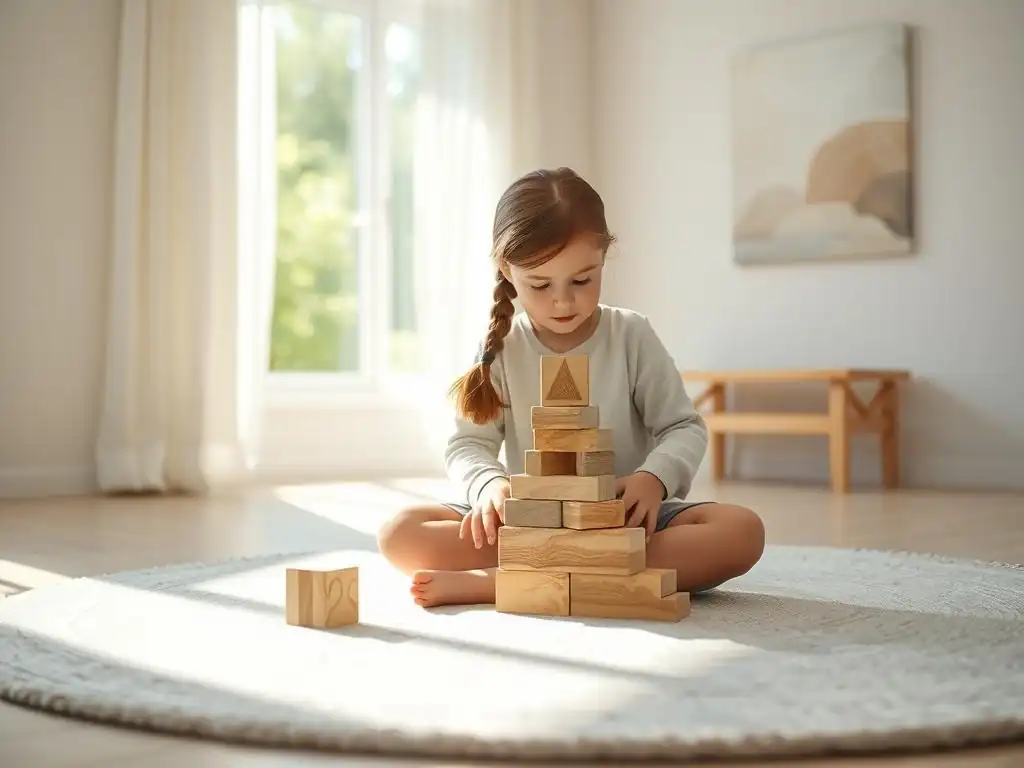
Play is not just a leisure activity for children; it is essential for their cognitive, social, emotional, and physical development. Unstructured, creative play allows children to explore their imagination, practice social skills through interaction, problem-solve, and process emotions in a safe, low-stakes environment. Encouraging regular playtime, both alone and with others, is a powerful tool for promoting mental wellbeing.
Through play, children can act out scenarios, express feelings they might not be able to articulate verbally, and experiment with different roles and behaviors. For example, a child might use dolls or action figures to work through anxieties about a school situation. Engaging in creative activities like drawing, painting, or building also provides outlets for self-expression and can be incredibly therapeutic. Ensuring children have dedicated time for free play, away from structured activities and screens, is a simple yet effective way to support their emotional health.
Introducing Mindfulness: Relaxation and Stress Management Techniques
Teaching children simple mindfulness and relaxation techniques can provide them with valuable tools for managing stress, anxiety, and difficult emotions throughout their lives. Mindfulness involves paying attention to the present moment without judgment, which can help children become more aware of their feelings and learn to respond thoughtfully rather than react impulsively.
Techniques can be as simple as deep breathing exercises ("balloon breathing" or "bunny breathing"), guided imagery (imagining a calm place), or body scans (focusing attention on different parts of the body). Even a few minutes of practicing these techniques daily can help children feel calmer and more centered. Introducing these skills early helps build a foundation for healthy coping, contributing significantly to long-term child’s potential mental wellbeing support. Apps and children's books designed to teach mindfulness can make these practices accessible and engaging for younger ages.
Seeking Professional Guidance and Support
Identifying Qualified Child Mental Health Professionals
Knowing when and how to seek professional help is a crucial part of supporting a child's mental wellbeing. Identifying a qualified child mental health professional is the first step. These professionals have specialized training in diagnosing and treating mental health conditions in children and adolescents. They may include child psychologists, child psychiatrists, licensed clinical social workers, or licensed professional counselors who focus on pediatric populations.
Look for credentials and experience specific to working with children. Pediatricians can often provide referrals to local specialists. Professional organizations may also have directories of qualified providers. It is important to find a professional with whom both you and your child feel comfortable, as a strong therapeutic alliance is key to successful treatment. Don't hesitate to ask about their experience with similar issues or age groups when considering a potential provider.
Exploring Different Therapeutic Approaches
A variety of therapeutic approaches are effective for addressing mental health challenges in children, and the best fit depends on the child's specific needs and the nature of the difficulty. Some common evidence-based therapies include Cognitive Behavioral Therapy (CBT), which helps children identify and change negative thought patterns and behaviors; Play Therapy, which uses play as a medium for communication and healing, particularly effective for younger children; and Family Therapy, which involves the entire family unit in addressing issues.
Other approaches might include Dialectical Behavior Therapy (DBT) for older children struggling with intense emotions or relationship difficulties, or Parent-Child Interaction Therapy (PCIT) for young children with disruptive behaviors. A qualified professional will conduct an assessment to determine the most appropriate therapeutic approach for your child. Understanding the different options available can empower parents in advocating for the best possible child’s potential mental wellbeing support.
Navigating the mental healthcare system can sometimes feel overwhelming. Understanding how to access services and support is essential. Start by consulting your pediatrician, who can provide initial guidance and referrals. Health insurance coverage for mental health services varies, so it's important to understand your plan's benefits, including co-pays, deductibles, and in-network providers.
Community mental health centers, school counseling services, and non-profit organizations often provide accessible and affordable support options. Websites of national mental health organizations can offer valuable information, resources, and directories of providers. Don't be discouraged if the first professional or approach isn't the perfect fit; finding the right support can sometimes take time and persistence. Advocating for your child's needs within the healthcare system is a vital part of providing effective child’s potential mental wellbeing support.
Collaborating with Schools for Comprehensive Support
Partnering with Teachers and Counselors
Schools play a significant role in a child's life and can be key partners in supporting their mental wellbeing. Open communication and collaboration with teachers, school counselors, and administrators are essential. Share relevant information about your child's needs (with appropriate privacy considerations) and work together to create a supportive environment at school.
Teachers spend a considerable amount of time with your child and may observe behaviors or difficulties that are not apparent at home. School counselors are trained professionals who can provide individual or group counseling, implement classroom-based mental health programs, and act as liaisons between home and school. Establishing a positive working relationship with school staff ensures a more coordinated approach to providing child’s potential mental wellbeing support. Regular check-ins, attending parent-teacher conferences, and responding promptly to school communications are helpful strategies.
Bullying and social difficulties can have a profound negative impact on a child's mental health, leading to anxiety, depression, withdrawal, and decreased self-esteem. Addressing these issues promptly and effectively requires partnership between parents and the school. Schools typically have anti-bullying policies and procedures in place, but parental involvement is crucial for ensuring these are implemented and that the child feels safe and supported.
Encourage your child to talk about their social experiences and listen without judgment. Teach them strategies for coping with difficult social situations and empower them to report bullying. Work with the school to understand the incident, ensure appropriate action is taken, and develop a plan to support your child emotionally and socially at school. This might involve connecting them with a school counselor, identifying supportive peers, or developing strategies for navigating social interactions more effectively. Preventing and addressing bullying is a critical component of protecting child mental wellness.
Advocating for Mental Health Needs in Education
Parents are powerful advocates for their child's educational and mental health needs within the school system. If a child's mental health challenges are impacting their learning or ability to function at school, they may be eligible for support services under educational laws. This could involve developing an Individualized Education Program (IEP) or a 504 Plan, which outlines specific accommodations, support services, and goals.
Advocating involves understanding your child's rights, communicating clearly with school staff about their needs, and participating actively in meetings regarding their educational plan. This might include requesting specific accommodations, such as preferential seating, extended time on assignments, or access to a quiet space, or advocating for counseling services within the school day. Ensuring your child receives the necessary support at school is vital for their academic success and overall child’s potential mental wellbeing support.
Building a Foundation for Long-Term Wellbeing
Developing Healthy Coping Skills
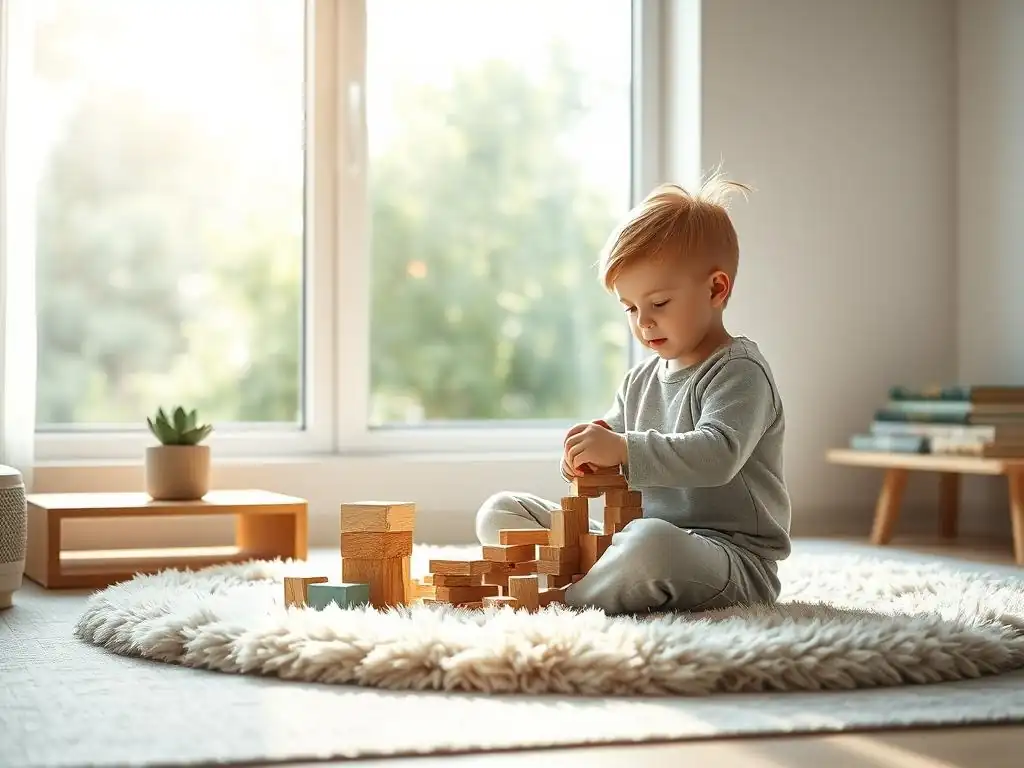
Equipping children with a repertoire of healthy coping skills is fundamental for their long-term mental wellbeing. These skills help them manage stress, navigate challenges, and process difficult emotions constructively. Examples include problem-solving, seeking support from trusted adults, engaging in physical activity, practicing relaxation techniques, expressing emotions through art or writing, and reframing negative thoughts.
Parents can model healthy coping skills and actively teach them to their children. When a child faces a disappointment, for instance, a parent can help them identify their feelings, brainstorm solutions, and choose a positive action. Instead of immediately solving problems for them, guide them through the process of finding their own solutions. The ability to cope effectively is a lifelong skill that significantly impacts resilience and overall mental health. Research shows that individuals with strong coping skills are better equipped to handle life's inevitable stressors.
Promoting Healthy Habits: Sleep, Nutrition, and Exercise
Fundamental healthy habits like adequate sleep, balanced nutrition, and regular physical activity are deeply interconnected with mental wellbeing in children. Chronic sleep deprivation, for example, can negatively impact mood, concentration, and emotional regulation. Poor nutrition can affect energy levels and cognitive function. Lack of exercise is linked to increased risk of anxiety and depression.
Establishing consistent routines around sleep (aiming for the recommended 9-12 hours for school-aged children), offering nutritious meals and snacks, and encouraging daily physical activity are essential preventive measures for promoting child mental wellness. Making these habits a priority within the family structure provides a strong foundation for both physical and mental health. Even relatively small changes, like ensuring children get enough sleep, can yield noticeable improvements in mood and behavior.
Fostering Independence and Responsibility
As children grow, fostering their independence and providing opportunities for responsibility are crucial for developing competence, self-reliance, and a healthy sense of self-worth. Age-appropriate tasks and decision-making opportunities allow children to build confidence in their abilities and learn important life skills. This could range from choosing their clothes in the morning for a young child to managing a small allowance or completing chores for an older child.
Allowing children to experience the natural consequences of their choices (within safe limits) and celebrating their efforts and successes in taking on responsibility reinforces their capabilities. Over-parenting or shielding children from all challenges can inadvertently hinder their development of independence and problem-solving skills. Providing opportunities for autonomy within a supportive framework contributes significantly to their developing sense of competence and overall child’s potential mental wellbeing support.
Celebrating Individuality and Unique Abilities
Identifying and Nurturing Talents and Interests
Every child is unique, possessing their own set of talents, interests, and passions. Identifying and nurturing these areas is vital for their self-discovery, self-expression, and overall mental wellbeing. Whether a child shows an aptitude for music, art, science, sports, writing, or connecting with animals, encouraging them to explore and develop these interests provides outlets for creativity and achievement.
Support their exploration by providing resources, opportunities to learn, and positive encouragement. Enroll them in classes, visit museums, read books about their interests, or simply dedicate time for them to pursue their passions at home. Excelling in an area of interest can significantly boost a child's confidence and provide a sense of purpose and belonging, contributing positively to their child’s potential mental wellbeing support.
Building Confidence Through Achievements
Experiencing achievement, no matter how small, is a powerful way to build a child's confidence. Focus on acknowledging and celebrating their efforts and accomplishments in areas they care about. This doesn't mean only celebrating winning or perfection, but rather recognizing progress, persistence, and effort. Learning a new skill, completing a challenging project, overcoming a fear, or helping others are all valuable achievements.
Highlighting their strengths and acknowledging their successes in specific terms ("You stuck with that puzzle even when it was hard, and you finished it!") helps children internalize a belief in their own capabilities. Providing opportunities for them to tackle challenges they can realistically master, and gradually increasing the difficulty, helps them build a history of success that fuels future confidence. This positive feedback loop is essential for developing robust child mental wellness.
Appreciating Individuality and Strengths
Ultimately, fostering a child's mental wellbeing involves celebrating who they are as an individual, embracing their unique personality, quirks, and strengths. Avoid comparing them to siblings or peers and instead focus on their personal growth and development. Let them know they are loved and valued unconditionally, regardless of their performance or challenges.
Recognize that every child has their own pace of development and their own way of seeing the world. Encourage them to express their individuality and support their choices, even if they differ from your own, within safe and healthy boundaries. Creating an environment where a child feels truly seen, accepted, and appreciated for their unique self is perhaps the most fundamental aspect of providing comprehensive child’s potential mental wellbeing support. This acceptance builds a strong foundation of self-worth that can help them navigate life's challenges with greater resilience.
Resources for Supporting Child Mental Wellbeing
Recommended Books and Articles
Accessing reliable information is key for parents seeking to understand and support their child's mental health. Numerous valuable books and articles offer insights into child development, common mental health challenges, parenting strategies, and therapeutic approaches. Look for resources written by child psychologists, psychiatrists, and experienced mental health professionals.
Topics might range from understanding anxiety in children, managing behavioral challenges, fostering emotional intelligence, to specific guides on conditions like ADHD or depression. Many reputable organizations dedicated to child mental health also publish informative articles and guides for parents. These resources can provide practical strategies and a deeper understanding of the issues your child might be facing, enhancing your ability to provide effective child’s potential mental wellbeing support.
Online Support Groups and Communities
Connecting with other parents who are navigating similar challenges can provide invaluable support, understanding, and practical advice. Online support groups and communities offer a platform for parents to share experiences, ask questions, and find solidarity. These groups can be found through social media platforms, dedicated mental health organization websites, or parenting forums.
While online communities can be a great source of emotional support and shared knowledge, it's important to seek advice from qualified professionals for diagnosis or treatment plans. However, hearing from others who have faced similar situations, learning about their coping strategies, and feeling less alone in your journey can be incredibly beneficial for parents seeking to provide the best possible child’s potential mental wellbeing support.
Frequently Asked Questions
What does it mean to focus on my child's potential and wellbeing beyond a diagnosis?
It means shifting the focus from labels and limitations to your child's inherent strengths and capabilities. It emphasizes creating a supportive environment that fosters growth and resilience, regardless of any specific challenges they might face.
How can I identify my child's strengths and potential when they are facing mental health challenges?
Look for areas of interest, skills they enjoy, and activities that make them feel confident. Observe how they interact with others and celebrate small achievements, fostering a positive self-image despite any struggles.
What are some practical ways to support my child's mental wellbeing, regardless of a diagnosis?
Prioritize open communication and create a safe space for them to express their feelings. Encourage healthy habits like regular exercise, balanced nutrition, and adequate sleep. Seek professional guidance if needed.
How can I advocate for my child's potential and wellbeing within the school system?
Collaborate with teachers and school counselors to develop an individualized support plan that focuses on their strengths and learning style. Advocate for accommodations and modifications that enable them to succeed.
Where can I find additional resources and support for my child's mental wellbeing?
Organizations like the Mind Care Guide offer valuable information and resources on various mental health topics. Seek out local support groups and therapists specializing in child and adolescent mental health.
Final Reflection: Unlocking Potential, Nurturing Wellbeing
The journey towards supporting a child's mental wellbeing is not solely defined by diagnosis, but by a proactive focus on their unique potential and strengths. This understanding, crucial in today's world, allows us to move beyond labeling and towards empowering children to thrive, regardless of challenges they may face. The emphasis on early intervention and holistic support is no longer a luxury, but a necessity for building a healthier, more resilient generation.
The impact of this shift in perspective is profound. We are witnessing a cultural move away from solely focusing on deficits towards celebrating individuality and fostering a growth mindset. The greatest discovery of all time is that a person can change his future by merely changing his attitude.
- Oprah Winfrey. This quote perfectly encapsulates the power of focusing on potential, not just limitations, when supporting children's mental wellbeing. It's a paradigm shift that requires ongoing commitment from families, educators, and mental health professionals alike.
Now, consider your own child, or a child you know. How can you actively nurture their strengths and passions? How can you create a supportive environment where vulnerability is embraced, and seeking help is seen as a sign of strength, not weakness? Take a moment to reflect on the ways you can contribute to this vital movement, fostering a future where every child has the opportunity to flourish and reach their full potential. Let's work together to build a world where wellbeing is not just a goal, but a reality for all children.
Unleash Your Child's Brilliance: Next Steps to Flourishing
Thanks for taking the time to explore ways to support your child's wellbeing beyond diagnosis. We hope you gained valuable insights and actionable strategies. Now, let's turn those insights into positive change.
- Prioritize one small, achievable step: Choose just one strategy from the article to implement this week. Focus on making this one change consistently before adding more.
- Share your journey: Connect with other parents facing similar challenges. Share your experiences and successes (even the small ones!) on our Mind Care Guide community forum. (This will be a future feature)
- Explore additional resources: Dive deeper into relevant topics by searching our site for further articles on child development and wellbeing.
What's one small step you'll take today to foster your child's potential?