
Community Resources: Practical Ways to Find Local Support

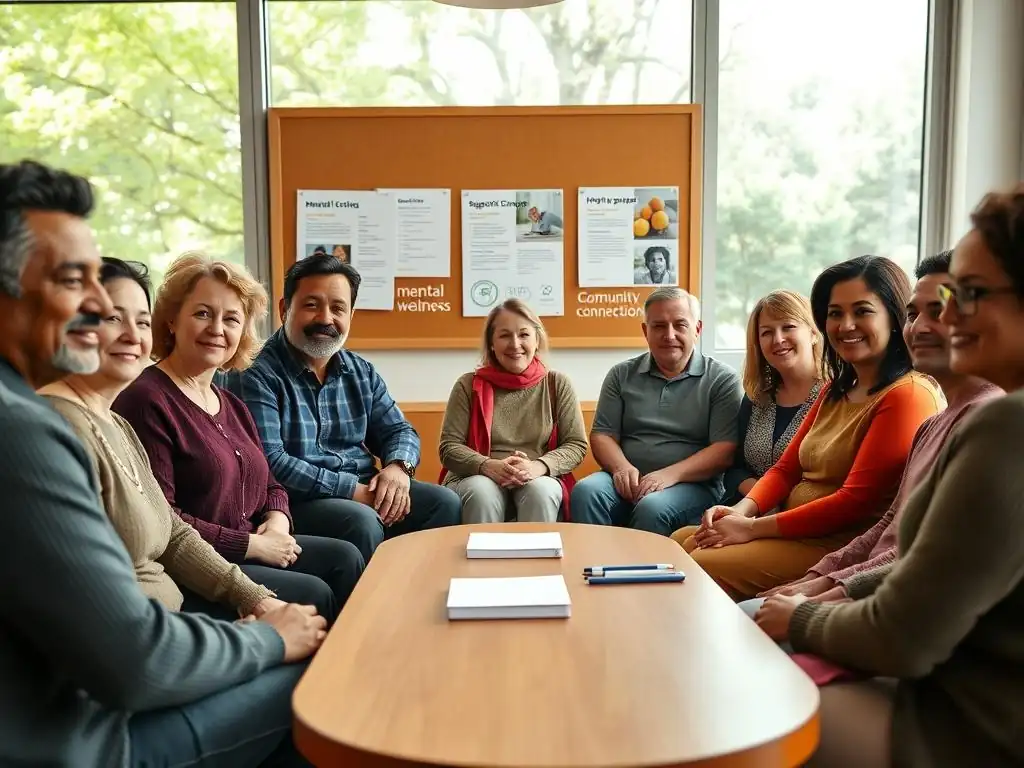
Welcome to Mind Care Guide, a sanctuary dedicated to nurturing your mental well-being. Feeling isolated or overwhelmed? You're not alone. Discover the power of connection as we delve into the world of local mental health support groups. Could finding the right community be the key to unlocking your inner strength? Read on to uncover practical ways to find support and foster meaningful relationships within your local area.
Community Resources: Practical Ways to Find Local Support
- Understanding the Importance of Local Mental Health Support Groups
- Identifying Your Specific Support Needs
- Finding Local Mental Health Support Groups: A Step-by-Step Guide
- Evaluating and Choosing the Right Support Group
- Preparing for Your First Support Group Meeting
- Beyond Support Groups: Other Local Mental Health Resources
- Building a Strong Local Support Network for Mental Wellness
-
Frequently Asked Questions
- How can I find local mental health support groups near me?
- What are the benefits of joining a local mental health support group?
- Are local mental health support groups typically free to attend?
- What if I'm hesitant to share my personal struggles in a local mental health support group setting?
- Besides local mental health support groups, what other community resources are available for mental well-being?
- Final Reflection: Finding Strength in Shared Experience
- Unlock Your Local Support Network Now!
Understanding the Importance of Local Mental Health Support Groups
Why Local Support Matters for Mental Well-being
Connecting with others who share similar experiences is a fundamental human need, and for those navigating mental health challenges, this connection can be profoundly healing. Local mental health support groups provide a vital space where individuals can feel understood, validated, and less alone.
Unlike clinical settings, these groups often operate within the community, making them more accessible geographically and often less intimidating for a first step towards seeking help. Being part of a local group means interacting with people who live in your area, potentially sharing similar community stressors or resources, which can foster a deeper sense of solidarity and practical understanding.
Furthermore, proximity matters when building consistent support. Attending a local mental health support group regularly is often easier than traveling long distances, increasing the likelihood of sustained participation. This regularity is key to building trust within the group and benefiting from the ongoing shared experiences and coping strategies discussed. Accessing local mental health support groups allows individuals to weave their mental wellness journey into the fabric of their daily lives and community, strengthening their overall support network outside of formal therapy or medical appointments.
Benefits of Joining a Mental Health Community
Joining a mental health community, especially through local support groups, offers a wealth of benefits that complement traditional treatment. One significant advantage is the reduction of isolation and stigma. Hearing others voice similar struggles can normalize one's own experiences and combat feelings of shame or uniqueness. Participants often report feeling a sense of belonging and acceptance that can be difficult to find elsewhere, creating a powerful counterpoint to the loneliness that can accompany mental health conditions.
Beyond emotional support, these communities are often rich sources of practical information and coping techniques. Members share strategies that have worked for them, tips for navigating local mental health services, and encouragement during difficult times. It's a peer-to-peer learning environment where lived experience is highly valued. Research indicates that consistent engagement in support groups can lead to improved mood, better management of symptoms, and enhanced coping skills, demonstrating the tangible positive impact of connecting with local mental health support groups.
Identifying Your Specific Support Needs
Assessing the Type of Support You're Seeking
Before searching for local mental health support groups, it's helpful to reflect on what kind of support you specifically need. Are you looking for a group focused on a particular condition, such as depression, anxiety, bipolar disorder, or PTSD? Or are you seeking general mental wellness support? Consider whether you primarily need emotional validation, practical advice for daily challenges, help with setting goals, or simply a safe space to share your feelings without judgment. Understanding your primary motivations will help narrow down the options and lead you to a group that is the best fit for your current situation.
Think about what you hope to gain from attending a group. Is it learning new coping mechanisms, building social connections, receiving encouragement, or sharing your own journey to help others? Your needs might change over time, and that's okay, but having a clear initial goal can make the search process more effective.
For instance, someone struggling with social anxiety might initially seek a very structured, low-pressure environment, while someone managing chronic depression might prioritize a group focused on finding motivation and managing energy levels. Identifying these specific needs is the first step towards finding the most effective local mental health support groups.
Defining Your Preferred Group Setting and Format
Support groups come in various formats, and identifying your preference can significantly impact your comfort and engagement. Consider whether you prefer an in-person group where you meet face-to-face, or if an online or hybrid format would be more accessible or comfortable. Think about the group size – some people thrive in larger groups with diverse perspectives, while others prefer smaller, more intimate settings. The structure of the meeting is also important; some groups follow a strict agenda with specific topics, while others are more free-form, allowing participants to share as they feel comfortable.
Furthermore, consider whether you prefer a peer-led group, facilitated by individuals with lived experience, or a professionally facilitated group, led by a therapist or counselor. Both have unique advantages. Peer-led groups often offer a strong sense of solidarity and shared understanding, while professionally facilitated groups may provide more clinical insights and structured interventions. Reflecting on these preferences will help you filter the available local mental health support groups and choose one that aligns with your personality and needs, ensuring a more positive and beneficial experience.
Finding Local Mental Health Support Groups: A Step-by-Step Guide

Step 1: Utilizing Online Directories and Databases for Mental Health Resources
Searching National Mental Health Organizations' Websites
National mental health organizations are excellent starting points for finding local resources. Websites for organizations like the National Alliance on Mental Illness (NAMI) or the Depression and Bipolar Support Alliance (DBSA) often have searchable databases or directories that list affiliate chapters and support groups across the country. These directories are typically updated regularly and provide details such as meeting times, locations, and the focus of the group. Navigating their sites, usually through a "Find Support" or "Programs" section, can yield a list of potential local mental health support groups in your area.
These national sites frequently allow you to filter results by zip code, city, or state, making it efficient to locate resources geographically close to you. They also often provide descriptions of the different types of groups offered, which helps in selecting one that aligns with your needs identified in the previous steps. Leveraging the extensive networks of these established organizations is a practical and reliable method for beginning your search for local mental health support groups.
Exploring Local Government and County Mental Health Services
Your local government and county health departments are mandated to provide mental health services and resources to residents. Their websites often contain lists of available services, including community mental health centers, clinics, and sometimes, directories of local support groups or organizations that host them. Look for sections labeled "Mental Health Services," "Community Resources," or "Health and Human Services" on your city or county government website.
These local government resources can be particularly useful as they are tailored to the specific services and programs available in your immediate geographic area. They may also list services that are low-cost or free, increasing accessibility. Contacting the county mental health office directly via phone or email can also yield valuable information and referrals to local mental health support groups that might not be listed online.
Step 2: Leveraging Healthcare Providers and Professionals for Referrals
Talking to Your Doctor or Therapist About Local Options
Your primary care physician or any mental health professional you currently see (like a therapist, counselor, or psychiatrist) can be invaluable resources for finding local mental health support groups. They often have established networks and are aware of reputable groups operating in the community. Don't hesitate to bring up your interest in joining a support group during an appointment. Be specific about your condition or the type of support you are seeking, as this will help them provide the most relevant recommendations.
Healthcare providers can offer personalized referrals based on their understanding of your specific situation and needs. They may know of groups affiliated with their own practice, hospital, or other local health organizations. Asking your doctor or therapist is a direct and often efficient way to get connected with appropriate local mental health support groups that are recognized within the professional community.
Contacting Local Hospitals and Mental Health Clinics
Local hospitals, especially those with psychiatric or behavioral health departments, often run their own support groups or maintain lists of groups available in the area. Contacting the hospital's behavioral health or community services department can provide information on groups they host or refer you to external ones. Similarly, local mental health clinics, whether private or community-based, are hubs for mental wellness resources and are usually well-informed about local support group options.
Calling or visiting the administrative office of a local mental health clinic can connect you with staff who can provide schedules, contact information, and details about various local mental health support groups. They may have brochures, flyers, or internal databases listing groups categorized by condition, format, or location, making it easier for you to find a suitable option nearby.
Step 3: Connecting with Community Centers and Non-Profit Organizations
Exploring Local Community Centers for Mental Wellness Programs
Community centers are often hubs for various local programs aimed at improving well-being, and this frequently includes mental wellness initiatives. While they might not always host condition-specific support groups in the traditional sense, they often offer related programs like stress management workshops, mindfulness classes, art therapy groups, or general well-being discussion groups. These can serve as valuable stepping stones or complementary resources to formal support groups.
Check the program schedule or events calendar of your local community center. Look for classes or groups focused on health, wellness, or personal development. Sometimes, a local mental health support group might even rent space at a community center for their meetings, so the staff there might have information or flyers about local groups operating in the building or the immediate vicinity.
Researching Mental Health Non-Profits in Your Area
Many smaller, local non-profit organizations are dedicated specifically to mental health advocacy, support, and education within a particular city or region. These organizations are often deeply connected to the community and may run their own support groups or maintain comprehensive lists of all local mental health support groups available in their service area. Searching online for "[Your City/County] mental health non-profits" or "[Your Area] mental health resources" can help you discover these valuable local entities.
Once you find a local non-profit, explore their website or contact them directly. They often have staff or volunteers who are highly knowledgeable about the local mental health landscape and can provide personalized guidance on finding a group that fits your needs. These organizations are often passionate about connecting people with the right resources and can be a warm, empathetic first point of contact.
Joining Local Mental Health Facebook Groups
Social media platforms, particularly Facebook, host a vast number of groups dedicated to mental health. Searching for "[Your City/Area] Mental Health Support" or "[Your Condition] Support Group [Your Area]" on Facebook can reveal local groups. These groups can be a place where members share information about local meetings, discuss their experiences, and offer mutual support. Joining a local Facebook group can provide leads to in-person or online local mental health support groups operating in your community.
Be mindful of privacy and safety when using social media for support. Look for groups that are moderated and have clear rules regarding confidentiality and respectful interaction. While not a direct substitute for a structured support group, these online communities can serve as a valuable network for information exchange and connecting with others who understand your local context and challenges.
Participating in Online Forums Focused on Mental Health Support
Beyond social media, numerous dedicated online forums and communities exist for various mental health conditions. While many are national or international, participants often mention local resources they have found helpful. Engage in these forums, share your location generally (e.g., "I'm in the Pacific Northwest" or "Anyone know groups near Chicago? "), and ask if anyone is aware of local mental health support groups in your specific area.
While online forums offer anonymity and accessibility, they require careful navigation. Information shared should be cross-referenced with more formal sources. However, the collective knowledge of participants who have navigated the search for support themselves can sometimes uncover smaller, less-publicized local mental health support groups that might be a perfect fit.
Evaluating and Choosing the Right Support Group
Key Factors to Consider When Selecting a Group
Once you've identified a few potential local mental health support groups, it's important to evaluate them to find the best fit. Consider factors such as the group's stated focus – does it align with your specific needs and the condition you are managing? Look into the typical meeting structure – is it drop-in or does it require regular attendance? Is there a facilitator, and if so, what is their background? Understanding these aspects will help you determine if the group's style and purpose meet your expectations and requirements for support.
Logistics are also crucial. Check the meeting schedule – are the day and time convenient for you to attend consistently? What is the exact location, and is it easily accessible via transportation? If it's an online group, what platform do they use, and are you comfortable with it? Don't hesitate to contact the group organizer or facilitator with questions before attending. Gathering this information upfront can save you time and ensure you choose a group that is practical and beneficial for your long-term mental wellness journey among the available local mental health support groups.
Group Focus and Specialization
One of the most critical factors is ensuring the group's focus aligns with your needs. Some local mental health support groups are general, offering a space for anyone dealing with any mental health challenge. Others are highly specialized, focusing on specific conditions like obsessive-compulsive disorder (OCD), eating disorders, or grief related to mental illness. If you are managing a specific diagnosis, a specialized group might offer more targeted discussions and strategies relevant to your experience.
Consider whether the group's approach resonates with you. Some groups are primarily about sharing personal stories, while others might incorporate educational components, skill-building exercises, or discussions based on specific readings or materials. Understanding the group's specialization and typical activities will help you gauge if it will provide the type of support and information you are seeking.
Meeting Schedule and Location
Practicality plays a significant role in consistent attendance. Evaluate the meeting schedule – are the meetings held at a time and frequency that you can realistically commit to? Weekly or bi-weekly meetings are common, but some groups meet more or less often. The location is equally important for in-person local mental health support groups. Is it easily accessible from your home or work? Is there convenient parking or public transportation options?
If the group meets online, check the time zone and the specific virtual platform used. Ensuring the schedule and location (or virtual access) are convenient removes potential barriers to participation and makes it easier to prioritize attending the meetings regularly, which is key to building rapport and benefiting from the group dynamic.
Group Facilitator's Experience and Credentials
Some local mental health support groups are peer-led, meaning they are facilitated by individuals with lived experience who have received training in group facilitation. Others are professionally facilitated by licensed therapists, counselors, social workers, or psychologists. While both types can be highly effective, understanding the facilitator's background can help you choose a group that aligns with your preference for peer support versus clinical guidance.
For professionally facilitated groups, inquire about the facilitator's credentials and experience working with the specific conditions or issues the group addresses. For peer-led groups, you might ask about the facilitators' training and experience in leading support groups. While formal credentials aren't always necessary for effective peer support, knowing that the facilitator has relevant experience or training can offer reassurance about the group's structure and safety.
Preparing for Your First Support Group Meeting

What to Expect During a Typical Session
Attending your first local mental health support group meeting can feel daunting, but knowing what to expect can ease some anxiety. Most meetings begin with introductions, where participants may share their first name and perhaps briefly mention why they are there, though sharing is usually voluntary. The facilitator or a designated member might then introduce a topic for discussion, or the floor might be open for individuals to share what's on their mind. The atmosphere is generally informal and non-judgmental, focused on active listening and mutual respect.
Meetings often include guidelines or group rules, such as confidentiality (what's shared in the room stays in the room), speaking one at a time, and avoiding cross-talk or giving unsolicited advice unless requested. The duration of a meeting typically ranges from 60 to 90 minutes. It's okay to just listen during your first meeting; there's no pressure to share until you feel comfortable. The goal is to provide a safe space for connection and understanding among people seeking local mental health support groups.
Tips for Making the Most of Your First Meeting
To make your first meeting with a local mental health support group a positive experience, consider these tips. Arrive a few minutes early if possible; this allows you to settle in and observe the environment before the meeting starts. Bring a small notebook or journal if you like, to jot down any thoughts, feelings, or coping strategies that resonate with you, but be mindful of group confidentiality.
-
- [ ] Plan your transportation to and from the meeting location.
-
- [ ] Arrive a little early to reduce rushing stress.
-
- [ ] Wear comfortable clothing.
-
- [ ] Set an intention for what you hope to get out of the meeting.
-
- [ ] Give yourself permission to simply listen if you don't feel ready to share.
-
- [ ] Remember that it's okay to feel nervous; it's a new experience.
-
- [ ] Stay for the entire meeting if you can, to get a full sense of the group dynamic.
-
- [ ] Reflect on the experience afterward to see how you felt.
Most importantly, be open to the experience and be kind to yourself. It takes courage to attend a first meeting, and simply showing up is a significant step towards finding valuable local mental health support groups.
Beyond Support Groups: Other Local Mental Health Resources
Individual Therapy and Counseling Services
While local mental health support groups offer peer connection and shared experience, individual therapy provides personalized, one-on-one support from a trained professional. A therapist or counselor can help you explore the root causes of your challenges, develop coping mechanisms, and work through specific issues in a confidential setting. Therapy and support groups are not mutually exclusive; many people benefit from engaging in both simultaneously, using therapy for deeper clinical work and support groups for community and shared practical advice.
Finding a local therapist involves similar steps to finding a support group, including using online directories (like Psychology Today or the directories of professional associations), getting referrals from doctors, or contacting local clinics. Many community mental health centers also offer individual counseling on a sliding scale based on income, making it more accessible.
Community Mental Health Centers and Clinics
Community mental health centers (CMHCs) are vital local resources that offer a range of services, often including therapy, case management, medication management, crisis intervention, and sometimes, their own support groups. These centers are often publicly funded or non-profit and aim to provide affordable and accessible mental healthcare to residents of a specific geographic area. They are excellent points of contact for understanding the full spectrum of local mental health resources available.
Contacting your nearest CMHC can provide a gateway to comprehensive care. They can assess your needs and connect you with appropriate services within their center or refer you to other local providers and programs, including local mental health support groups that might be affiliated with them or known to their staff.
Crisis Hotlines and Emergency Services
For immediate help during a mental health crisis, local crisis hotlines and emergency services are essential resources. These services provide confidential support and guidance 24/7 for individuals experiencing acute distress, suicidal thoughts, or other mental health emergencies. While not a long-term support solution like local mental health support groups, they offer critical intervention when needed most.
Familiarize yourself with the national crisis hotline number (like the Suicide & Crisis Lifeline at 988 in the U.S.) and any local crisis lines specific to your area. Knowing these numbers and when to use them is crucial for ensuring safety and accessing immediate professional support during emergencies. Local emergency rooms are also equipped to handle mental health crises.
Building a Strong Local Support Network for Mental Wellness
Actively Participating in Group Activities
Simply attending a local mental health support group is a positive step, but actively participating can significantly enhance the benefits. Sharing your experiences, when you feel ready, can be therapeutic and allows others to connect with you. Engaging in discussions, offering words of encouragement to others, and listening attentively fosters a sense of community and mutual support. The more you invest in the group dynamic, the more you are likely to receive in return.
Participation isn't just about talking; it's also about being present and engaged. This might involve helping set up chairs, bringing refreshments if appropriate, or simply offering a friendly smile to new members. Active involvement helps build rapport with other members and the facilitator, strengthening your connection to the local mental health support group and the support network it provides.
Connecting with Other Members Outside of Meetings
The connections made within a local mental health support group don't have to end when the meeting does. Many groups naturally lead to members exchanging contact information and connecting outside of the formal session. This could involve simple check-ins via text, grabbing coffee, or engaging in shared hobbies. These informal connections can provide crucial support between meetings and deepen the bonds of understanding and friendship.
Building relationships outside the group reinforces the sense of community and provides a more immediate support system during challenging moments. These connections, born from shared experiences within local mental health support groups, can evolve into lasting friendships that contribute significantly to long-term mental wellness. Always respect boundaries and group rules regarding outside contact, but seize opportunities for genuine connection when they arise.
Expanding Your Network Beyond the Support Group
While local mental health support groups are a fantastic resource, building a strong support network involves multiple layers. Consider how you can expand your connections beyond the group itself. This might involve reconnecting with supportive friends or family members, finding community through activities related to your hobbies or interests, volunteering, or participating in other local wellness programs offered by community centers or non-profits.
A diverse support network ensures you have different types of support available – from the peer understanding of a support group to the clinical guidance of a therapist, the unconditional love of family, and the shared joy of friends. By actively seeking connections in various aspects of your life, including through local mental health support groups, you create a robust safety net that enhances resilience and promotes overall well-being.
Frequently Asked Questions
How can I find local mental health support groups near me?
You can start by checking the Mind Care Guide's resource directory, searching online using keywords like "mental health support groups" and your city, or contacting your local hospital or mental health clinic.
What are the benefits of joining a local mental health support group?
Joining a support group can provide a sense of community, reduce feelings of isolation, and offer practical advice and coping strategies from others facing similar challenges.
Are local mental health support groups typically free to attend?
Many local mental health support groups are free or offer services at a low cost. Some may require a small donation, but cost is usually not a barrier to participation.
It's understandable to feel hesitant. Start by observing and listening to others. You can share as much or as little as you're comfortable with, and confidentiality is usually emphasized.
Besides local mental health support groups, what other community resources are available for mental well-being?
Beyond support groups, look for community centers, mental health clinics, crisis hotlines, and online forums specifically designed to offer help and guidance.
The urgent need for accessible mental health support is undeniable, and the power of community in navigating these challenges is increasingly recognized. This article has highlighted practical ways to locate and engage with local resources, emphasizing the importance of proactive self-care and the transformative potential of connecting with others. The journey towards well-being is rarely solitary, and understanding where to find support is a crucial first step.
The impact of community-based mental health initiatives is profound, shaping not only individual lives but also the very fabric of our society. By fostering understanding, empathy, and shared experiences, these groups create a sense of belonging that is vital for healing and growth. As the renowned psychiatrist Viktor Frankl stated, >“Between stimulus and response there is a space.
In that space is our power to choose our response. In our response lies our growth and our freedom.” These support groups offer a space for individuals to process their experiences, choose their responses, and ultimately, find their freedom from the isolating grip of mental health struggles.
You now possess the tools to actively seek out the support you need. Don't hesitate to explore the resources mentioned in this article – take that first step towards connecting with a community that understands and cares. Your well-being is paramount, and the journey towards a healthier, more fulfilling life begins with a single act of self-compassion and the courage to reach out. Remember, you are not alone.
Unlock Your Local Support Network Now!
Thanks for taking the time to explore the world of community resources! We hope you found practical ideas to help you connect with the support you deserve. Now, let's put that knowledge into action.
- Identify 3 local organizations that resonate with your needs – and reach out to them today! Don't wait, take that first step.
- Share this article with someone who might benefit from discovering these valuable resources. Let's spread the word!
- Consider volunteering your time at one of the organizations you discover – it's a rewarding way to give back and further strengthen your community.
What's one local resource you're excited to explore further, and why?