
Creating Your Child's Resilience Hub: Designing a Supportive Home Environment

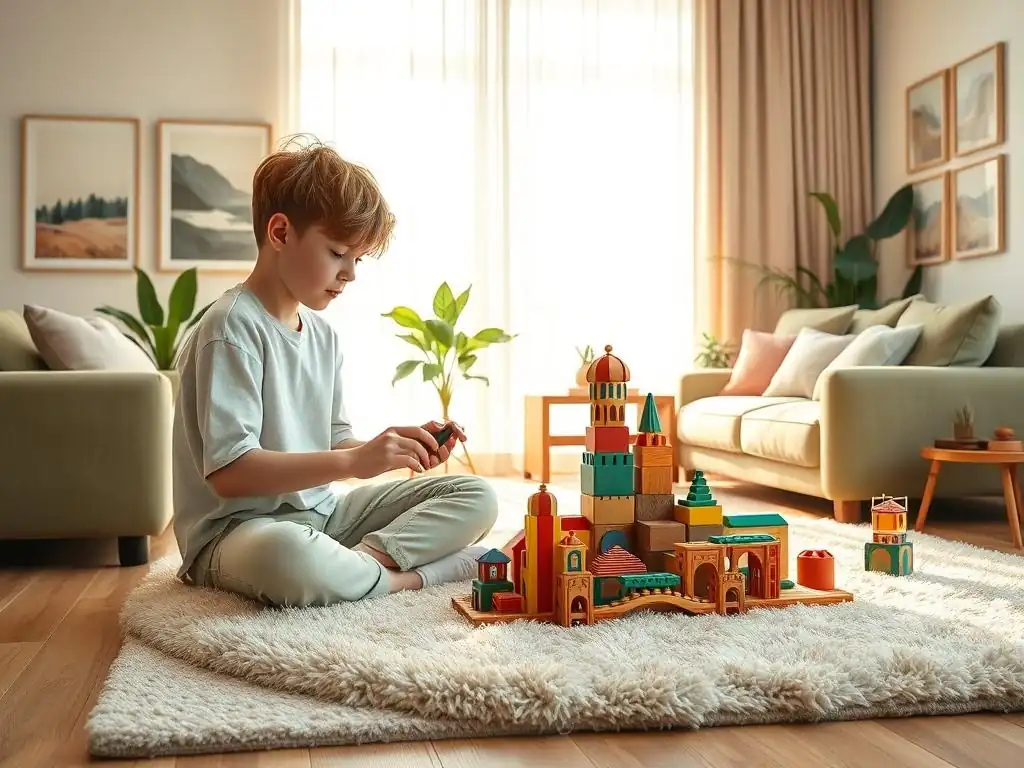
Welcome to Mind Care Guide!
Are you yearning to create a sanctuary for your child, a place where they can thrive and weather life's inevitable storms? We understand. Building a resilient home environment for kids isn't just about comfortable furniture; it's about fostering inner strength and unwavering support. Discover the key elements that transform your house into a true resilience hub, and unlock your child's potential for lasting mental well-being. Let's begin this journey together.
Creating Your Child's Resilience Hub: Designing a Supportive Home Environment
- Understanding Resilience in Children: The Foundation of a Supportive Home
-
Key Elements of a Resilient Home Environment for Kids
- 1. Creating a Safe and Secure Space: Physical and Emotional Safety
- 2. Promoting Positive Relationships: Building Strong Family Bonds
- 3. Nurturing Independence and Self-Efficacy: Empowering Your Child
- 4. Cultivating Optimism and Hope: A Positive Outlook on Life
- 5. Developing Problem-Solving Skills: Equipping Children to Overcome Challenges
- Practical Strategies for Building a Resilient Home Environment
- Addressing Challenges and Setbacks: Maintaining a Resilient Home
- The Long-Term Benefits of a Resilient Home Environment for Children
- Conclusion: Investing in Your Child's Resilience Through a Supportive Home
-
Frequently Asked Questions
- How does a resilient home environment impact a child's mental well-being?
- What are the key elements of a "Resilient Home Environment for kids"?
- How can I foster open communication within my home?
- What strategies can I use to help my child develop emotional regulation skills at home?
- How can I create a sense of security and belonging for my child in our home?
- Final Reflection: Cultivating Resilience: A Homegrown Strength
- Unleash Your Child's Inner Strength: Build Their Resilience Today!
Understanding Resilience in Children: The Foundation of a Supportive Home
What is Resilience and Why is it Important for Children's Mental Health?
Resilience in children refers to their ability to bounce back from adversity, cope with stress, and adapt well in the face of trauma, tragedy, threats, or significant sources of stress—such as family and relationship problems, or serious health problems. It's not about avoiding difficulty, but rather navigating challenges effectively and emerging stronger. Developing resilience is crucial for a child's overall mental well-being, acting as a protective shield against various mental health challenges.
For instance, studies suggest that children with higher levels of resilience are less likely to develop anxiety disorders or depression when faced with stressful life events compared to their less resilient peers. Approximately 1 in 5 children aged 3-17 in the U.S. experiences a mental, emotional, developmental, or behavioral disorder, highlighting the critical need for protective factors like resilience.
Furthermore, resilience equips children with essential life skills. It fosters a sense of competence, self-worth, and the belief in their ability to influence outcomes. This internal strength allows them to face academic pressures, peer conflicts, and personal disappointments without becoming overwhelmed. Teaching children how to manage their emotions, solve problems, and maintain a positive outlook, even when things are tough, lays the groundwork for mental health throughout their lives. A child who understands they can overcome small hurdles is better prepared for larger obstacles, demonstrating the profound impact of this trait on their long-term psychological health and adaptability.
The Role of a Home Environment in Fostering Resilience
The home environment serves as the primary ecosystem where a child's resilience is nurtured or hindered. It's the first place they learn about safety, relationships, and their place in the world. A supportive home environment provides a secure base from which children can explore, take risks, and learn from mistakes, knowing they have a safe place to return to.
Research consistently shows that positive parent-child relationships and a stable home life are among the strongest predictors of resilience in children. For example, a long-term study tracking children from diverse backgrounds found that those raised in homes characterized by warmth, structure, and consistent support were significantly more likely to exhibit resilient coping mechanisms in adolescence and adulthood, regardless of socioeconomic challenges.
Building a resilient home environment for kids involves more than just physical shelter; it encompasses the emotional climate, the quality of relationships, and the opportunities provided for growth. When children feel loved, understood, and supported unconditionally, they develop a strong sense of self-worth and security. This emotional safety is fundamental for building resilience, allowing them to process difficult emotions and experiences effectively.
Conversely, unstable or neglectful home environments can significantly undermine a child's ability to develop resilience, potentially leading to increased vulnerability to stress and mental health issues later in life. Therefore, actively cultivating a nurturing and predictable home is perhaps the most vital step in equipping children to face the complexities of the world.
Key Elements of a Resilient Home Environment for Kids
1. Creating a Safe and Secure Space: Physical and Emotional Safety
Establishing a foundation of safety and security is paramount in building a resilient home environment for kids. This involves ensuring both their physical well-being—safe play areas, proper supervision, and healthy habits—and their emotional security. Emotional safety means creating an atmosphere where children feel free to express their feelings, fears, and thoughts without judgment or ridicule.
It's about consistent, predictable caregiving that allows a child to trust that their needs will be met and that they are protected. For instance, a child who witnesses frequent, unpredictable conflict at home, even if not directed at them, may develop heightened anxiety and difficulty regulating emotions, directly impacting their ability to feel safe and, consequently, their resilience.
Moreover, emotional safety is built through parental responsiveness and empathy. When a child is distressed, a calm, understanding response helps them learn to manage their emotions. Dismissing their feelings ("It's not a big deal") or reacting with anger can teach them to suppress emotions or view the world as unsafe. Creating a safe space involves validating their experiences, even if you don't fully understand them, and offering comfort and reassurance. This consistent emotional attunement helps children build a secure attachment, which is a critical buffer against stress and a cornerstone of a resilient home environment for kids.
Establishing Clear Boundaries and Rules for Kids
Clear boundaries and consistent rules provide children with a sense of structure, predictability, and safety, all vital components of a resilient home environment for kids. When children know what is expected of them and understand the limits, they feel more secure and are better able to navigate their world. For example, a simple rule like "homework before screen time" or "clean up toys after playing" teaches responsibility and order.
These boundaries should be age-appropriate and explained in a way children can understand, focusing on the 'why' behind the rule (e.g., "We clean up so nobody trips and gets hurt, and so we can find our toys later"). Inconsistent or overly harsh discipline, conversely, can create anxiety and confusion, undermining their sense of safety and their budding resilience.
Setting boundaries is also about teaching children self-regulation and respect for others. It helps them understand social norms and prepares them for interacting within broader communities. For instance, setting a boundary around polite communication ("We use kind words when we're upset") teaches crucial social-emotional skills. While children may push back against rules as they test independence, the consistent and calm enforcement of fair boundaries reinforces that the home is a predictable and secure place. This predictability is comforting and essential for building the internal stability needed for resilience.
Fostering Open Communication and Trust
Open communication is the lifeline of a supportive and resilient home environment for kids. It means creating an atmosphere where children feel comfortable talking about anything, from their triumphs to their struggles, without fear of negative repercussions. This involves actively listening to your child, showing genuine interest in their thoughts and feelings, and responding with empathy and understanding.
For example, setting aside dedicated time each day, even just 10-15 minutes, for 'chat time' where the child leads the conversation can significantly strengthen this bond and encourage them to open up. This practice builds trust, assuring the child that their voice is valued and heard within the family unit.
Trust is built incrementally through consistent, honest interactions. It's about following through on promises, admitting when you've made a mistake, and being a reliable source of support. When children trust their parents, they are more likely to seek help when facing challenges, rather than trying to cope alone. This reliance on supportive relationships is a hallmark of resilient individuals. Fostering this kind of open dialogue and deep trust ensures that as children encounter life's inevitable difficulties, they have a secure base to turn to, reinforcing the strength of their resilient home environment.
2. Promoting Positive Relationships: Building Strong Family Bonds
Strong, positive family relationships are a cornerstone of a resilient home environment for kids. The quality of the connections within the family unit—between parents, between siblings, and between parents and children—significantly impacts a child's emotional development and their capacity to cope with stress.
Children who grow up in families where there is mutual respect, affection, and support are more likely to feel secure and confident. For instance, a study published in the Journal of Family Psychology found that strong family cohesion was a major protective factor against the negative impacts of peer pressure and bullying on adolescent mental health, demonstrating the power of family bonds.
These relationships provide children with their first lessons in empathy, conflict resolution, and navigating social dynamics. They learn how to give and receive support, how to manage disagreements respectfully, and how to be part of a team. A home where laughter is common, where members support each other's efforts, and where forgiveness is practiced provides a powerful model for healthy relationships outside the home. This network of positive connections within the family acts as a vital support system, bolstering a child's resilience when they face challenges in the wider world.
Quality Time Together: Activities that Strengthen Family Connections
Spending quality time together is fundamental to building strong family bonds and fostering a resilient home environment for kids. This isn't just about being in the same room, but actively engaging with one another in meaningful ways. Shared activities create positive memories, strengthen communication, and reinforce the sense of belonging. Examples include family dinners where everyone shares their day, playing board games together, going for walks, or working on a shared project like gardening or baking. Even just 30 minutes of focused, screen-free interaction several times a week can make a significant difference in strengthening connections.
These shared experiences provide opportunities for parents to model positive behavior, teach values, and simply enjoy being with their children. During these times, children feel seen and valued, which boosts their self-esteem and security. For example, a family game night isn't just fun; it teaches turn-taking, managing frustration when losing, and celebrating wins together – all skills relevant to resilience. Prioritizing quality time, despite busy schedules, sends a clear message to children that they are a priority and that their family is a source of joy and support, further embedding the strength of their resilient home environment.
Encouraging Healthy Sibling Relationships
Sibling relationships are often a child's first peer relationships and provide a unique training ground for developing social skills, empathy, and conflict resolution – all key aspects of resilience. While sibling rivalry is normal, actively encouraging healthy interactions can turn potential conflict into opportunities for growth. This involves teaching siblings how to communicate respectfully, how to share and compromise, and how to support one another. For instance, parents can facilitate problem-solving when siblings argue, guiding them to find mutually agreeable solutions rather than simply imposing a resolution.
Parents can also foster positive sibling bonds by avoiding comparisons between children, celebrating each child's unique strengths, and creating opportunities for siblings to collaborate on tasks or projects. Encouraging older siblings to help younger ones, or allowing them to share responsibilities, can build teamwork and mutual respect. While disagreements will inevitably arise, a resilient home environment helps children learn to navigate these conflicts constructively, understanding that conflict is normal and can be resolved, thus strengthening their ability to handle relationship challenges outside the family.
3. Nurturing Independence and Self-Efficacy: Empowering Your Child
Fostering independence and self-efficacy is crucial for building a resilient home environment for kids. Self-efficacy, the belief in one's ability to succeed in specific situations or accomplish a task, is a powerful predictor of resilience. When children feel capable and competent, they are more willing to tackle challenges and persist in the face of difficulty.
Parents can nurture this by providing opportunities for children to do things for themselves and by offering support without immediately stepping in to fix problems. For example, allowing a child to struggle a bit with a puzzle before offering a hint, or letting them choose their own clothes (within reason), builds their confidence in their own abilities.
Empowering children involves giving them appropriate levels of autonomy and responsibility. This shows them that you trust their judgment and capacity. As children successfully complete tasks independently, their self-efficacy grows, creating a positive feedback loop that reinforces their belief in their own competence. This internal sense of capability is a vital component of resilience, enabling them to approach new situations and challenges with a "can-do" attitude rather than fear or helplessness.
Age-Appropriate Responsibilities and Chores for Kids
Assigning age-appropriate responsibilities and chores is a practical way to nurture independence and contribute to a resilient home environment for kids. Chores teach children valuable life skills, contribute to the family unit, and foster a sense of responsibility and contribution. Even young children can help with simple tasks like putting toys in a bin or helping set the table.
As children get older, chores can increase in complexity, such as making their bed, doing laundry, or helping with meal preparation. For example, a study published in the journal Family Relations found that children who started doing chores at a young age were more likely to be well-adjusted, have better grades, and be more successful later in life.
Completing chores gives children a tangible sense of accomplishment and shows them that their contributions are valued. It teaches them that they are capable members of the household and that everyone has a role to play. This sense of competence and belonging directly feeds into their self-efficacy and overall resilience. It moves them from a passive recipient of care to an active participant in family life, a crucial step in developing independence and a strong sense of self.
Supporting Decision-Making Skills in Children
Supporting children's decision-making skills is essential for empowering them and strengthening their resilience. Starting at a young age, offer choices that are appropriate for their development (e.g., "Would you like to wear the blue shirt or the red shirt?"). As they grow, the complexity of decisions can increase (e.g., "Which two friends would you like to invite to your birthday party?" or "How would you like to spend your allowance?"). Guide them through the process by discussing potential outcomes and consequences, but allow them the space to make the final choice.
Making decisions, even small ones, helps children develop critical thinking skills and learn to weigh options. It also teaches them that they have agency and that their choices have an impact. When they make a poor decision, it becomes a learning opportunity rather than a failure. Discussing what went wrong and what they might do differently next time is far more constructive than criticizing the outcome. This practice in decision-making, supported within a safe environment, builds their confidence in their judgment and their ability to navigate future choices, a key aspect of a resilient home environment.
4. Cultivating Optimism and Hope: A Positive Outlook on Life

Cultivating optimism and hope is a powerful element in building a resilient home environment for kids. An optimistic outlook doesn't mean ignoring difficulties, but rather believing that challenges are temporary, that problems can be solved, and that positive outcomes are possible. Hope is the belief that things can get better and that one has the ability to help make that happen.
Children who possess these traits are better equipped to face setbacks with a sense of agency and a belief in their ability to influence their future. For example, research indicates that optimistic children tend to cope better with academic stress and peer rejection than their pessimistic counterparts.
Parents play a crucial role in modeling and teaching these perspectives. This involves highlighting the positive aspects of situations, focusing on solutions rather than dwelling on problems, and expressing confidence in your child's ability to overcome difficulties. Creating a home where gratitude is practiced and where achievements, big or small, are celebrated reinforces a positive focus. This doesn't mean shielding children from reality, but framing challenges within a context of potential growth and learning.
Modeling Optimistic Thinking and Behavior
Children learn largely through observation, making parental modeling of optimistic thinking and behavior incredibly influential in creating a resilient home environment for kids. When faced with a challenge, how do you react? Do you express frustration and helplessness, or do you approach it as a problem to be solved with a belief in a positive outcome?
For instance, if a family outing is rained out, instead of complaining, a parent might say, "Oh well, plan A didn't work, but now we have a chance to do plan B! Let's build a fort and have a movie marathon!" This demonstrates adaptability and a focus on finding joy in unexpected situations.
Sharing your own positive coping strategies and acknowledging that it's okay to feel disappointed but important to find a way forward teaches children valuable lessons. Discussing challenges you've faced and how you overcame them (in an age-appropriate way) shows them that difficulty is a normal part of life and that resilience is built through effort. Your consistent demonstration of hope and a positive mindset provides a powerful blueprint for your child to emulate, strengthening their own capacity for resilience.
Teaching Children to Reframe Negative Thoughts
Teaching children to identify and reframe negative thoughts is a practical skill for cultivating optimism and building a resilient home environment for kids. Children, like adults, can get stuck in negative thinking patterns ("I'm no good at this," "Nobody likes me"). Help them recognize these thoughts and gently challenge their accuracy. For example, if a child says, "I can't do this math problem, I'm stupid," you can help them reframe it: "Math is tricky sometimes. Let's look at the problem together. You're not stupid, you just haven't figured this one out yet. What part is confusing you?"
This process involves teaching them to look for evidence that contradicts the negative thought or to consider alternative explanations. It's about shifting from a fixed mindset ("I'm bad at this") to a growth mindset ("I can get better with practice"). Encourage them to replace negative self-talk with more positive and realistic affirmations ("This is hard, but I can try my best," "I'll ask for help"). This skill empowers children to manage their internal dialogue, preventing negative thoughts from overwhelming them and fostering a more hopeful and resilient outlook.
5. Developing Problem-Solving Skills: Equipping Children to Overcome Challenges
Developing strong problem-solving skills is fundamental to building a resilient home environment for kids. Resilience isn't just about enduring hardship; it's about actively navigating and overcoming obstacles. Children who know how to identify problems, brainstorm solutions, and evaluate outcomes are better equipped to handle the inevitable challenges life throws their way.
Instead of feeling helpless when faced with difficulty, they feel a sense of agency and competence, knowing they have the tools to work through it. For instance, a child who can't figure out how to build a complex Lego structure might feel frustrated, but if they have problem-solving skills, they can break the task down, look at the instructions, or try different approaches until they succeed.
Parents can foster these skills by involving children in finding solutions to everyday problems, both their own and family challenges. This doesn't mean solving the problem for them, but guiding them through the process. This practice builds their confidence in their ability to tackle difficulties independently and creatively, reinforcing the practical strength of a resilient home environment.
Helping Children Identify and Analyze Problems
The first step in problem-solving is accurately identifying and analyzing the problem. Help children articulate what the problem is in clear terms. For younger children, this might be as simple as "What's making you upset right now?" For older children, it could involve helping them break down a complex issue, like a disagreement with a friend or a challenging school project. Encourage them to describe the situation objectively, identify the key players involved, and understand the different facets of the problem.
Analyzing the problem involves understanding its causes and potential impacts. Ask questions like, "Why do you think that happened?" or "What are the different parts of this problem?" This helps children look beyond the surface and gain a deeper understanding. For example, if a child is struggling with homework, analyzing the problem might involve identifying if the issue is the difficulty of the material, distractions, or lack of understanding of the instructions. This analytical step is crucial for developing effective solutions and is a core component of building a resilient home environment.
Encouraging Creative Solutions and Strategies
Once a problem is identified, the next step is brainstorming potential solutions. Encourage children to think broadly and creatively, without immediately judging ideas as good or bad. The goal is to generate multiple possibilities. For example, if a child wants a toy they can't afford, potential solutions might include saving allowance, doing extra chores for money, asking for it for their birthday, or finding a less expensive alternative. Avoid jumping in with your own solutions right away; give them space to think.
After brainstorming, guide children in evaluating the potential outcomes of each solution. "What might happen if you try this?" Discuss the pros and cons. Finally, help them choose the strategy they want to try and support them in implementing it. If the first solution doesn't work, encourage them to learn from the experience and try another one. This iterative process of identifying, brainstorming, implementing, and evaluating builds adaptability and persistence, essential traits nurtured within a resilient home environment for kids.
Practical Strategies for Building a Resilient Home Environment
Creating a Routine and Structure for Children
Establishing consistent routines and structure is a practical and effective strategy for building a resilient home environment for kids. Predictability provides children with a sense of security and control in their world. Knowing what to expect throughout the day reduces anxiety and helps them develop good habits. Daily routines for meals, homework, playtime, and bedtime create a framework that supports their physical and emotional well-being. For example, a consistent bedtime routine (bath, story, lights out) signals to a child that it's time to wind down, promoting better sleep, which is critical for managing stress and building resilience.
Structure also helps children learn self-management skills. When they have designated times for activities, they learn to prioritize and manage their time effectively. While flexibility is important, especially during holidays or unexpected events, a general structure provides a comforting rhythm to family life. This predictable foundation helps children feel safe and grounded, making them better able to cope when unexpected changes or challenges arise, thus strengthening their resilient home environment.
Encouraging Healthy Habits: Sleep, Nutrition, and Exercise for Kids
Promoting healthy habits related to sleep, nutrition, and physical activity is fundamental to building a resilient home environment for kids. A child's physical health is inextricably linked to their mental and emotional well-being. Adequate sleep is crucial for mood regulation, cognitive function, and stress management. Children aged 6-12 need 9-12 hours of sleep per night, while teenagers need 8-10 hours.
Consistent sleep schedules are key. Similarly, nutritious food provides the brain and body with the energy needed to cope with daily demands. Limiting processed foods and ensuring a balanced diet rich in fruits, vegetables, and lean proteins supports stable energy levels and mood.
Regular physical activity is a powerful stress reliever and mood enhancer. Encouraging children to play outside, participate in sports, or simply be active helps them manage energy, reduce anxiety, and improve their overall physical and mental health. For instance, participating in team sports or group activities can also build social skills and a sense of belonging. By prioritizing and modeling these healthy habits, parents equip children with the physical foundation necessary to support their emotional resilience.
Limiting Screen Time and Promoting Outdoor Activities
In today's digital age, managing screen time is a significant factor in creating a resilient home environment for kids. Excessive screen use, particularly passive consumption of entertainment, can displace activities crucial for resilience development, such as physical play, social interaction, and creative exploration. The American Academy of Pediatrics suggests specific screen time limits based on age, recommending no screen time (other than video-chatting) for children younger than 18 months, and only 1 hour per day of high-quality programming for children aged 2 to 5. For older children, balanced limits are recommended, prioritizing healthy habits.
Conversely, promoting outdoor activities provides numerous benefits for physical and mental health. Spending time in nature reduces stress, improves mood, increases physical activity, and offers opportunities for imaginative play and exploration. Encouraging activities like playing in the park, riding bikes, hiking, or simply spending time in the backyard helps children connect with the natural world and each other, fostering creativity, physical health, and a sense of adventure—all contributing to their overall resilience.
Practicing Mindfulness and Relaxation Techniques as a Family
Introducing mindfulness and relaxation techniques can be a valuable strategy for building a resilient home environment for kids. These practices help children become more aware of their thoughts and feelings without judgment and teach them how to calm their bodies and minds when feeling stressed or overwhelmed.
Simple activities like deep breathing exercises, guided meditation suitable for children, or even just taking a few moments each day to sit quietly together can make a difference. For example, practicing a simple 5-finger breathing exercise (trace fingers while inhaling and exhaling) can be a quick way for a child to find calm.
Engaging in these practices as a family models healthy coping mechanisms and creates shared moments of peace. It teaches children that it's okay to feel stressed or anxious and provides them with practical tools to manage these emotions. Incorporating a short period of quiet time or a simple mindfulness exercise into the daily routine can significantly enhance a child's ability to self-regulate and cope with stress, thereby strengthening their resilience.
Addressing Challenges and Setbacks: Maintaining a Resilient Home

Dealing with Stress and Anxiety in Children
Recognizing and helping children deal with stress and anxiety is a critical part of maintaining a resilient home environment for kids. Stress and anxiety are normal human experiences, but prolonged or intense levels can undermine resilience and lead to mental health issues. Parents should be attuned to signs of stress in children, which can manifest as changes in behavior, sleep patterns, appetite, increased irritability, or physical complaints like headaches or stomachaches. Open communication is key: ask your child how they are feeling and listen without judgment.
Teach children healthy coping strategies, such as talking about their feelings, engaging in physical activity, practicing relaxation techniques, or engaging in hobbies they enjoy. Help them identify the sources of their stress and work together to find solutions or ways to manage the situation. For instance, if schoolwork is a source of anxiety, break down tasks into smaller steps or develop a study schedule together. Normalizing these feelings and providing tools to manage them empowers children and reinforces that their home is a safe place to navigate difficult emotions.
Supporting Children Through Difficult Times and Transitions
Life inevitably brings difficult times and transitions, such as moving to a new school, dealing with parental separation, or experiencing the loss of a loved one. Supporting children through these periods is crucial for maintaining a resilient home environment. During times of change or stress, children need extra reassurance, patience, and stability. Maintain routines as much as possible, as predictability is comforting during uncertainty.
Encourage children to express their feelings about the situation and validate their emotions ("It's okay to feel sad about leaving your friends," "It's understandable to be nervous about a new school"). Provide clear, age-appropriate information about what is happening. Help them focus on what they can control and identify positive aspects or opportunities within the change. For example, when moving, focus on the exciting things about the new place while acknowledging the sadness of leaving the old. Your calm presence and empathetic support teach children that they can get through tough times with help, reinforcing their capacity for resilience.
Seeking Professional Help When Needed: Knowing When and Where to Turn
An essential aspect of maintaining a resilient home environment is knowing when a child's challenges require professional support and being willing to seek it. While parents can do much to foster resilience, some difficulties may be beyond the scope of home-based support. Signs that a child may need professional help include persistent changes in mood or behavior, significant difficulties with sleep or appetite, withdrawal from activities they once enjoyed, overwhelming worries or sadness, or difficulty functioning at school or home.
Consulting with a pediatrician, school counselor, or a child mental health professional (like a therapist or psychologist) is a sign of strength, not failure. These professionals can assess the child's needs, provide targeted therapeutic interventions, and offer parents additional strategies for support. They can help address underlying issues like anxiety, depression, or trauma that are impacting a child's ability to cope. Knowing when and where to turn for expert guidance ensures that children receive the comprehensive support they need to navigate significant challenges and continue building their resilience.
The Long-Term Benefits of a Resilient Home Environment for Children
Improved Mental and Emotional Well-being
One of the most significant long-term benefits of cultivating a resilient home environment for kids is their improved mental and emotional well-being throughout life. Children raised in supportive, nurturing homes with opportunities to develop coping skills are more likely to have higher self-esteem, greater emotional intelligence, and a more positive outlook. They are better equipped to manage stress, regulate their emotions, and navigate interpersonal relationships effectively. For instance, a longitudinal study conducted over several decades found that childhood resilience factors, heavily influenced by early environment, were significantly associated with lower rates of depression and anxiety disorders in adulthood.
This enhanced mental and emotional well-being translates into a greater capacity for happiness and life satisfaction. Resilient individuals are less likely to be derailed by setbacks and more likely to maintain a sense of hope and purpose. The protective factors established in a resilient home environment create a lasting foundation for psychological health, enabling children to thrive not just survive, as they grow into adults.
A resilient home environment for kids also has a profound positive impact on their academic performance and social skills. Children who feel secure, confident, and capable are better able to focus in school, persevere through challenging subjects, and engage actively in learning. Their ability to manage stress and bounce back from academic disappointments (like a poor test grade) allows them to maintain motivation and continue striving for success. Research often links socio-emotional learning skills, which are fostered in a supportive home, to improved academic outcomes.
Furthermore, resilience is closely tied to strong social skills. Children who are resilient tend to have better relationships with peers, are more empathetic, and are better able to resolve conflicts constructively. They feel more comfortable navigating social situations and are less vulnerable to negative peer influences. These enhanced social competencies contribute to positive peer relationships and a stronger sense of belonging, which are vital for overall well-being and success both in and out of the classroom.
Greater Ability to Cope with Adversity and Achieve Success
Ultimately, the most enduring benefit of a resilient home environment for kids is their increased ability to cope with adversity and their greater potential for achieving success in various aspects of life. Life will inevitably present challenges, from minor frustrations to significant crises. Children who have built resilience at home possess the internal resources and coping strategies to face these difficulties head-on, adapt to changing circumstances, and emerge stronger.
This ability to effectively navigate challenges is a critical predictor of long-term success in careers, relationships, and personal goals. Resilient individuals are more likely to persevere when faced with obstacles, learn from failures, and maintain a positive attitude in the pursuit of their aspirations. By investing in creating a resilient home environment, parents are essentially equipping their children with a lifelong toolkit for navigating the complexities of the world, empowering them to not only survive but to truly flourish and achieve their full potential.
Conclusion: Investing in Your Child's Resilience Through a Supportive Home
Creating a resilient home environment for kids is one of the most valuable investments a parent can make in their child's future. It's not about shielding children from all difficulties, but about providing them with the secure base, essential skills, and emotional strength needed to navigate challenges successfully. By focusing on safety, nurturing positive relationships, fostering independence, cultivating optimism, and teaching problem-solving, parents build the foundation for lifelong resilience.
This journey involves patience, consistency, and a willingness to learn and adapt alongside your child. The effort put into nurturing a supportive home environment today yields invaluable benefits for your child's mental health, emotional well-being, and overall capacity to thrive throughout their life. It is a continuous process, but one that empowers children to face the world with confidence, hope, and the unwavering knowledge that they have a strong, resilient home to support them.
Frequently Asked Questions
How does a resilient home environment impact a child's mental well-being?
A resilient home environment acts as a protective factor, buffering children from stress and promoting emotional regulation. It fosters a sense of security and belonging, crucial for mental well-being.
What are the key elements of a "Resilient Home Environment for kids"?
Essential elements include stable routines, open communication, and a space where children feel safe to express their emotions. Also crucial is consistent and loving support from caregivers.
How can I foster open communication within my home?
Encourage active listening by validating your child's feelings, asking open-ended questions, and creating a non-judgmental atmosphere. Make time for regular conversations about their day and their worries.
What strategies can I use to help my child develop emotional regulation skills at home?
Teach them to identify and name their emotions, practice mindfulness techniques, and model healthy coping mechanisms when you're feeling stressed. Provide a safe space for them to calm down.
How can I create a sense of security and belonging for my child in our home?
Establish consistent routines and expectations, ensure a safe and comfortable physical space, and actively participate in activities together as a family. Most importantly, show unconditional love and acceptance.
Final Reflection: Cultivating Resilience: A Homegrown Strength
The ability to bounce back from adversity is no longer a luxury, but a necessity for children navigating an increasingly complex world. Building resilience isn't about shielding children from challenges, but equipping them with the tools to face them head-on and emerge stronger. This article has explored the crucial role of the home environment in fostering this vital life skill.
Creating a resilient home environment is not a one-time project, but an ongoing process of nurturing, understanding, and adapting to the ever-changing needs of our children. It requires conscious effort, patience, and a willingness to learn alongside them. The impact of a supportive home extends far beyond childhood; it shapes the adults they become, influencing their relationships, careers, and overall well-being. The best preparation for tomorrow is doing your best today.
– Elbert Hubbard. This quote perfectly encapsulates the ongoing nature of building resilience – it's a daily commitment to creating a positive and supportive space.
Consider the ways you can actively contribute to your child's resilience. What small changes can you implement today to create a more nurturing and supportive home? Perhaps it's dedicating more time for open communication, fostering a sense of belonging, or simply providing a safe space for them to express their emotions. Remember, you are the architect of your child's resilience hub, and your actions today will shape their future tomorrow. Embrace the journey, celebrate the small victories, and continue to build a home where resilience flourishes.
Unleash Your Child's Inner Strength: Build Their Resilience Today!
Thank you for taking the time to learn how to create a supportive home environment that fosters your child's resilience. You've gained valuable insights into building a stronger foundation for their emotional well-being. Now, let's put that knowledge into action!
- Implement one new strategy from the article this week: Choose the tip that resonates most with you and your child, and make a conscious effort to incorporate it into your daily routines. This could be anything from dedicated family time to creating a calm bedtime routine.
- Share this article with other parents: Spread the word! Let's build a community of parents supporting each other in raising resilient children.
- Explore additional resources on MindCareGuide.org: Discover even more practical tips and strategies designed to help your child thrive.
What small step will you take today to strengthen your child’s resilience?