
Cultivating Optimism: Teaching Your Child to See the Bright Side

Welcome to Mind Care Guide.
Are you yearning to nurture a brighter outlook in your child? We understand. Navigating the complexities of parenthood while fostering a positive mindset can feel overwhelming. This is where our guide to Raising Optimistic Children Effectively comes in. Discover practical strategies and compassionate insights to help your child embrace hope and resilience, building a foundation for lifelong well-being. Ready to unlock the secrets to a more optimistic future for your family? Let's begin.
Cultivating Optimism: Teaching Your Child to See the Bright Side
- Introduction: Why Raising Optimistic Children Matters
- Understanding Optimism in Children
- Practical Strategies for Fostering Optimism
- The Role of Parents in Nurturing Optimism
- Activities and Games to Promote Optimism
- Addressing Challenges in Cultivating Optimism
- Long-Term Benefits of Raising Optimistic Children
- Conclusion: Empowering Children to Embrace Optimism
-
Frequently Asked Questions
- How can I start teaching my child optimism at a young age?
- What are some practical activities to foster optimism in children?
- How do I handle a child who is naturally pessimistic?
- What role does parental support play in raising optimistic children?
- How can I help my child cope with setbacks and failures while maintaining optimism?
- Final Reflection: The Enduring Power of Optimism
- Unlock Your Child's Inner Sunshine!
Introduction: Why Raising Optimistic Children Matters
The Importance of Optimism for Children's Mental Well-being
Raising optimistic children effectively is a goal shared by many parents, and for good reason. An optimistic outlook is far more than just a positive feeling; it's a protective factor for mental health. Children who tend to see the bright side are often better equipped to handle stress, disappointment, and challenges.
Studies indicate that optimistic children report lower levels of anxiety and depression compared to their more pessimistic peers. For example, research published in the Journal of Clinical Child & Adolescent Psychology has highlighted that cognitive styles, including optimism, significantly influence vulnerability to depressive symptoms in young people. By fostering optimism, parents are essentially building a stronger foundation for their child's future emotional resilience and overall psychological health.
Furthermore, a positive frame of mind influences a child's self-perception and their interaction with the world. Children with a more optimistic perspective are likely to approach new situations with curiosity rather than fear. They are more prone to developing healthy coping mechanisms when faced with adversity, seeing temporary setbacks as surmountable obstacles rather than insurmountable failures. This positive internal dialogue, cultivated through practices aimed at raising optimistic children effectively, contributes significantly to their self-esteem and confidence, enabling them to navigate the complexities of childhood and adolescence with greater ease and emotional stability.
Connecting Optimism to Resilience and Academic Achievement
Optimism is intrinsically linked to resilience, the ability to bounce back from difficulties. When children possess an optimistic mindset, they are more likely to view challenges as temporary and specific, rather than permanent and pervasive. This attribution style, often discussed in psychological literature, is crucial for developing resilience.
For instance, a child who performs poorly on a test but is optimistic might think, "I didn't study enough for this test, but I can do better next time," rather than "I'm just bad at this subject and will never succeed." This resilient perspective allows them to learn from setbacks without becoming discouraged, which is vital for both emotional growth and academic success.
The connection between optimism and academic achievement is also well-documented. Optimistic students tend to have higher motivation levels and persevere longer when faced with difficult academic tasks. They are more likely to engage actively in learning, take intellectual risks, and seek help when needed because they believe their efforts will lead to positive outcomes.
A meta-analysis of studies on optimism and academic performance, though varying by age group and subject, generally shows a positive correlation, indicating that fostering a hopeful outlook can contribute to better grades and a more positive school experience. Therefore, efforts towards raising optimistic children effectively can have tangible benefits extending into their educational journeys.
Understanding Optimism in Children
Defining Optimism: A Positive Outlook on the Future
Optimism in children can be defined as a general expectation that good things will happen in the future, coupled with a belief in their ability to navigate challenges successfully. It's not about ignoring problems, but rather about approaching them with a sense of hope and agency. This positive outlook influences how a child interprets events, particularly adverse ones.
An optimistic child is more likely to see a difficult situation as temporary and manageable, attributing negative outcomes to specific external factors or lack of effort rather than inherent personal flaws. For example, if a child loses a game, an optimistic perspective might lead them to focus on the fun they had playing or the lessons learned for the next game, rather than dwelling on the loss itself.
This definition distinguishes childhood optimism from mere happiness or cheerfulness, which can be fleeting emotions. Optimism is a more stable cognitive trait that affects a child's explanatory style – how they explain the causes of events in their lives. Developing this positive explanatory style is a key aspect of raising optimistic children effectively.
It involves teaching children to see negative events as temporary, specific (confined to one area), and external (not their fault entirely), while seeing positive events as permanent, pervasive (affecting many areas), and internal (due to their own abilities or efforts). This way of thinking empowers children and helps them maintain hope even when things are tough.
Distinguishing Optimism from Unrealistic Expectations
It's crucial to differentiate genuine optimism from unrealistic expectations or wishful thinking. Optimism is grounded in a belief in the possibility of positive outcomes and the ability to work towards them, even acknowledging potential obstacles. Unrealistic expectations, conversely, involve believing in positive outcomes without considering the effort required, the potential for failure, or the realities of a situation.
For instance, an optimistic child might believe they can improve their math grade with dedicated study, while a child with unrealistic expectations might simply believe they will get a good grade without putting in the necessary work. Raising optimistic children effectively means fostering a hopeful yet grounded perspective.
Teaching this distinction is vital. True optimism involves a balanced view that acknowledges challenges while maintaining hope and focusing on solutions. It's about believing in one's capacity to influence outcomes through effort and perseverance.
Parents should guide children to set realistic goals and understand that setbacks are part of the process, not indicators of inherent failure. Helping children understand that effort is key and that success often comes after challenges reinforces a healthy form of optimism that is both hopeful and practical, preparing them for the real world rather than setting them up for disappointment when things don't go perfectly.
Practical Strategies for Fostering Optimism
Modeling Optimistic Behavior: Leading by Example
Children are keen observers, and they learn a great deal by watching their parents. One of the most powerful ways to cultivate optimism in your child is to consistently model optimistic behavior yourself. This means demonstrating a positive outlook in your daily life, especially when faced with challenges. When something goes wrong, articulate your thoughts aloud in a constructive way. For instance, if you spill coffee, instead of exclaiming "Oh no, everything is ruined!
", you might say, "Okay, a little spill. That's annoying, but easily cleaned up. At least it wasn't on something important." This shows your child that setbacks are manageable and don't define the whole day.
Modeling also involves how you talk about the future and your own efforts. Share your goals and the steps you're taking to achieve them, acknowledging potential difficulties but emphasizing your determination.
For example, if you're working on a challenging project, you might say, "This is tough, but I'm learning a lot, and I'm confident I can figure it out by trying different approaches." By consistently displaying this hopeful and proactive attitude, you provide a living example of what raising optimistic children effectively looks like in practice, showing them how to approach life's ups and downs with resilience and a positive frame of mind.
Teaching Cognitive Restructuring: Challenging Negative Thoughts
Teaching children to recognize and challenge their negative thought patterns is a core component of fostering optimism. This process, known as cognitive restructuring, helps children understand that their thoughts are not always accurate reflections of reality and that they have the power to change how they interpret events. It's about helping them become detectives of their own thoughts, questioning whether a negative thought is truly accurate or helpful. This skill is fundamental for raising optimistic children effectively and building their emotional intelligence.
Start by explaining the connection between thoughts, feelings, and behaviors using simple examples. You might say, "When you think 'I'm bad at drawing,' how does that make you feel? Maybe sad or frustrated? And when you feel that way, do you want to keep trying? Probably not. But what if you thought, 'I'm still learning to draw, and I can get better with practice'? How would that make you feel? Maybe hopeful? And would you be more likely to keep trying?" This simple illustration helps them grasp the power of their internal dialogue.
Identifying Negative Thought Patterns in Children
Helping children identify their negative thought patterns involves listening carefully to their language and observing their reactions to different situations. Look for common cognitive distortions such as all-or-nothing thinking ("If I don't get an A, I'm a total failure"), overgeneralization ("I messed up once, so I'll always mess up"), catastrophizing ("If I don't get invited to that party, my life will be ruined"), or personalizing ("That group of kids is laughing, they must be laughing at me"). These patterns are red flags indicating a pessimistic explanatory style.
Encourage your child to articulate their thoughts when they are feeling down or facing a challenge. You can ask open-ended questions like, "What are you thinking right now?" or "What story is your brain telling you about this?" Sometimes, just giving a name to the negative thought can help a child gain perspective. You might say, "It sounds like your brain is doing some 'all-or-nothing' thinking right now. Let's see if that's really true." This non-judgmental approach makes it easier for children to identify and share their inner dialogue, paving the way for constructive intervention.
Replacing Negative Thoughts with Positive and Realistic Ones
Once negative thoughts are identified, the next step is to help the child replace them with more positive and realistic alternatives. This isn't about forcing them to be unrealistically cheerful, but about finding a thought that is both more positive and more accurate or helpful. For example, if a child thinks, "I can't do this math problem," a more realistic and positive thought might be, "This problem is hard, but I can try breaking it down into smaller steps," or "I can ask for help if I get stuck."
Work with your child to brainstorm alternative thoughts. You can ask, "Is there another way to look at this?" or "What's a thought that would help you feel a little better and still be true?" Write down the negative thought and then several alternative, more positive/realistic thoughts. Practice choosing the helpful thought. This process requires patience and repetition, but it's a fundamental skill in raising optimistic children effectively. Over time, children can internalize this process and automatically challenge their own negative thinking.
Using Affirmations to Boost Self-Esteem
Affirmations are positive statements that can help counteract negative self-talk and build self-esteem, which is closely linked to optimism. While not a standalone solution, incorporating affirmations can be a helpful tool. Encourage your child to identify positive qualities about themselves or positive beliefs they want to reinforce. Examples include: "I am capable," "I am learning and growing," "I can handle challenges," "I am kind," or "I believe in myself."
Help your child create a few personal affirmations that resonate with them. They can write them down, say them aloud daily, or even turn them into simple songs or chants. The key is consistency and genuine belief. While affirmations shouldn't replace addressing underlying issues, they can serve as powerful reminders of a child's strengths and potential, reinforcing a positive self-image that supports an optimistic outlook. This simple practice contributes to raising optimistic children effectively by building their inner confidence.
Encouraging Gratitude and Appreciation
Cultivating gratitude is a powerful practice that shifts focus from what is lacking to what is abundant, naturally fostering a more optimistic perspective. Teaching children to appreciate the good things in their lives, no matter how small, helps them recognize that even on challenging days, there are reasons to feel thankful. Research has shown that regular gratitude practices can increase positive emotions, improve mental well-being, and even boost physical health. This makes gratitude a cornerstone practice when raising optimistic children effectively.
Start by simply talking about things you are grateful for as a family. Make it a regular part of your conversation, perhaps during dinner or bedtime. Share specific examples, like being thankful for a sunny day, a delicious meal, a helpful friend, or the opportunity to learn something new. Encourage your child to share what they are grateful for too. This shared practice normalizes expressing appreciation and helps children actively look for the positives in their daily experiences.
Practicing Gratitude as a Family
Making gratitude a family habit reinforces its importance and provides consistent opportunities for practice. One simple method is the "Three Good Things" exercise, where each family member shares three things that went well or that they are grateful for from their day. These don't have to be monumental events; they can be as simple as enjoying a favorite song, having a good laugh, or receiving a compliment.
Another family practice is creating a "Gratitude Jar." Decorate a jar together and keep slips of paper and pens nearby. Throughout the week, encourage everyone to write down things they are grateful for and put them in the jar. Periodically, perhaps at the end of the week or month, gather together and read the slips aloud. This is a wonderful way to visually see all the positive things that have happened and reinforce a collective sense of appreciation, contributing significantly to raising optimistic children effectively within a supportive family unit.
Keeping a Gratitude Journal Together
For children who enjoy writing or drawing, keeping a gratitude journal can be a more personal way to practice appreciation. Provide your child with a special notebook and encourage them to write or draw one or more things they are grateful for each day. It doesn't need to be lengthy; a few words or a simple sketch is enough.
Parents can participate by keeping their own gratitude journal alongside their child. This models the behavior and makes it a shared activity. Discuss what you've written in your journals, sharing your own reflections on gratitude. This practice helps children develop a habit of noticing and appreciating the positives, even amidst challenges, strengthening their optimistic outlook and contributing to raising optimistic children effectively in a consistent and meaningful way.
Promoting Problem-Solving Skills
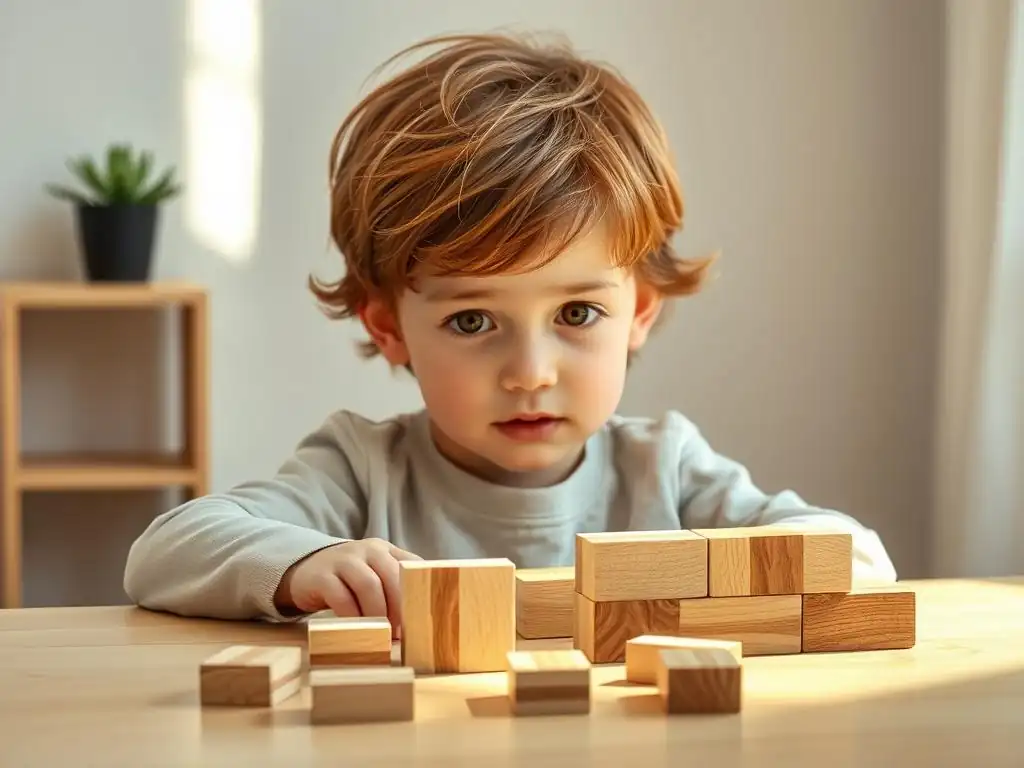
A significant part of optimism is the belief in one's ability to handle challenges. By teaching children effective problem-solving skills, you empower them to approach difficulties with confidence rather than despair. Instead of seeing problems as insurmountable barriers, they learn to view them as situations that can be analyzed and navigated. This sense of agency is crucial for fostering a realistic and proactive form of optimism.
When a child comes to you with a problem, resist the urge to immediately solve it for them. Instead, guide them through a process of identifying the problem, brainstorming solutions, and evaluating the potential outcomes. This structured approach helps them develop a systematic way of thinking about challenges. It teaches them that they have the tools to tackle difficulties, which is a fundamental aspect of raising optimistic children effectively.
Helping Children Identify and Analyze Problems
The first step in problem-solving is clearly defining the problem. Help your child articulate exactly what the issue is. Sometimes, children might express frustration without being able to pinpoint the source. Ask clarifying questions like, "What exactly happened?" or "What is making you feel upset?"
Once the problem is identified, help them analyze it. What are the different aspects of the problem? Who is involved? What are the facts of the situation? Encourage them to look at the situation from different angles. For example, if the problem is a disagreement with a friend, help them consider the friend's perspective. This analytical step helps demystify the problem and makes it feel less overwhelming, a key part of raising optimistic children effectively by building their confidence in tackling difficulties.
Brainstorming Solutions Together
Once the problem is understood, it's time to brainstorm potential solutions. Encourage your child to come up with as many ideas as possible, no matter how silly they might seem at first. The goal is quantity at this stage, not quality. Write down all the ideas without judgment. This creative process empowers the child and shows them that there are often multiple ways to approach a challenge.
After brainstorming, help your child evaluate the potential solutions. Discuss the pros and cons of each idea. What might happen if they try solution A? What about solution B? Guide them to consider the potential consequences and choose the solution they think is the most feasible and likely to lead to a positive outcome. This collaborative brainstorming and evaluation process is essential for developing their problem-solving muscles.
Focusing on What Can Be Controlled
A key element of optimistic problem-solving is distinguishing between what can and cannot be controlled. Teach your child to focus their energy on the aspects of a situation they can influence. For example, if they are upset about a canceled event due to weather, they cannot control the weather, but they can control how they react, what alternative activity they choose, or how they communicate their feelings.
Help them identify the controllable elements in a challenging situation. "What part of this situation can you actually do something about?" Focusing on controllable actions empowers them and reduces feelings of helplessness, which are often linked to pessimism. This pragmatic approach to challenges is a vital skill for raising optimistic children effectively, helping them channel their energy into productive actions rather than dwelling on uncontrollable circumstances.
Developing Resilience Through Setbacks
Setbacks and failures are inevitable parts of life. How a child learns to respond to these disappointments significantly impacts their optimism and overall resilience. Shielding children from all difficulties is impossible and ultimately unhelpful. Instead, focus on teaching them how to navigate and learn from setbacks, transforming challenges into opportunities for growth. This process is fundamental to raising optimistic children effectively.
Empathy is crucial when a child experiences disappointment. Acknowledge their feelings of sadness, frustration, or anger without minimizing their experience. Saying things like, "I know you're really disappointed that you didn't make the team," validates their emotions. Once they feel heard, you can gently guide them towards a more constructive perspective.
Teaching Children That Failure is a Learning Opportunity
Reframe failure not as an endpoint, but as a temporary result that provides valuable information. Talk about your own failures and what you learned from them. Share stories of successful people who faced numerous rejections or setbacks before achieving their goals (e.g., Thomas Edison's many attempts to invent the lightbulb). This helps normalize failure as a part of the learning process.
When your child experiences a setback, help them analyze what happened without assigning blame. Focus on the process: "What did you learn from this?" "What could you do differently next time?" This analytical approach turns the failure into a lesson, empowering the child to adjust their strategy and try again with newfound knowledge. This perspective is crucial for raising optimistic children effectively, as it teaches them that challenges are opportunities for growth.
Helping Children Bounce Back from Disappointments
Bouncing back from disappointment involves a combination of emotional processing and proactive problem-solving. Encourage your child to feel their emotions fully, but then help them shift their focus towards what they can do next. This might involve adjusting their goals, seeking support, or trying a different approach.
For example, if a child doesn't get the grade they hoped for on a test, after acknowledging their disappointment, you could discuss strategies for the next test: "What went well?" "What was challenging?" "What could we do differently to prepare next time?" This forward-looking approach helps them move past the disappointment and focus on positive action, reinforcing the optimistic belief that they can improve and succeed in the future.
Building a Growth Mindset
Closely related to resilience is the concept of a growth mindset, as popularized by Dr. Carol Dweck. A child with a fixed mindset believes their abilities are inherent and unchangeable ("I'm just not good at this"). A child with a growth mindset believes their abilities can be developed through dedication and hard work ("I can get better at this if I practice"). This belief in the power of effort is a cornerstone of optimism.
Praise effort and perseverance rather than just innate talent. Instead of saying, "You're so smart! ", say, "I'm really proud of how hard you worked on that," or "You stuck with that problem even when it was difficult, that shows great determination." Emphasize that the brain is like a muscle that gets stronger with practice. This shift in focus encourages children to embrace challenges and see difficulties as opportunities to grow, which is essential for raising optimistic children effectively and equipping them for lifelong learning and resilience.
The Role of Parents in Nurturing Optimism
Creating a Supportive and Encouraging Environment
The home environment plays a critical role in shaping a child's outlook. A supportive and encouraging home provides a safe space for children to express their feelings, take risks, and learn from mistakes without fear of harsh criticism. Parents who offer consistent love, acceptance, and encouragement foster a sense of security that allows optimism to flourish.
This involves actively listening to your child, validating their emotions, and offering comfort during difficult times. It also means celebrating their efforts and achievements, no matter how small. Create a culture where it's okay to try and fail, and where learning and growth are valued above perfection. This nurturing environment is the bedrock upon which the skills for raising optimistic children effectively are built.
Avoiding Over-Criticism and Perfectionism
Excessive criticism or a relentless focus on perfection can severely undermine a child's optimism. When children constantly feel they are falling short or that their best is never good enough, they may develop a fear of failure and a pessimistic view of their own capabilities. They might stop trying new things or taking healthy risks to avoid criticism.
Instead of focusing solely on mistakes, offer constructive feedback that is specific and actionable. Frame challenges as opportunities for improvement rather than evidence of inadequacy. Encourage your child to learn from errors without dwelling on them. Model self-compassion and acceptance of imperfection in yourself. By reducing pressure and emphasizing progress over perfection, you help your child maintain a positive self-image and a hopeful outlook, crucial for raising optimistic children effectively.
Celebrating Effort and Progress
As mentioned in the context of a growth mindset, celebrating effort is paramount. When a child works hard on a task, whether it's practicing a sport, studying for a test, or trying to master a new skill, acknowledge and praise their dedication and perseverance, regardless of the outcome. This teaches them that their effort is valued and that persistence is key to growth.
Celebrate progress, even incremental steps. Did they master a difficult math concept? Did they improve their reading fluency? Did they manage to stay calm in a frustrating situation? Acknowledge these steps forward. This positive reinforcement motivates them to keep trying and reinforces the belief that their efforts lead to positive change, which is a core tenet of optimism and essential for raising optimistic children effectively.
Activities and Games to Promote Optimism
Gratitude Scavenger Hunt
Turn practicing gratitude into a fun game with a gratitude scavenger hunt. Create a list of things for your child to find or identify that they are grateful for within your home or neighborhood. Examples could include: "Find something that makes you feel cozy," "Identify a sound you are grateful for," "Find something that helps you learn," "Identify a person (or pet) you are grateful for and why."
This activity encourages children to actively look for things to appreciate in their environment. It makes the abstract concept of gratitude tangible and enjoyable. Discuss their findings afterwards, asking them why they chose each item. This interactive game helps reinforce a mindset of noticing the good, a key element in raising optimistic children effectively.
"Rose, Bud, Thorn" Daily Reflection
The "Rose, Bud, Thorn" activity is a simple yet effective way to encourage daily reflection and balanced thinking. At the end of the day, ask your child to share:
- Rose: Something positive that happened or something they are grateful for.
- Thorn: Something challenging or difficult that happened.
- Bud: Something they are looking forward to or something they are working towards (a potential "bloom").
This structure encourages children to acknowledge both the positive and negative aspects of their day, providing a balanced perspective. The "Bud" element specifically fosters anticipation and hope for the future, directly nurturing optimism. Doing this as a family also models open communication and shared reflection, contributing to raising optimistic children effectively within a connected family unit.
Addressing Challenges in Cultivating Optimism

Dealing with Pessimistic Tendencies in Children
Some children naturally have more pessimistic tendencies than others. This doesn't mean they can't learn optimism, but it may require more patience and persistent effort. If your child frequently expresses negative thoughts or expects the worst, avoid dismissing their feelings. Phrases like "Just cheer up!" are rarely helpful. Instead, acknowledge their feelings and gently challenge their negative interpretations using the cognitive restructuring techniques discussed earlier.
Focus on small, achievable steps. Celebrate tiny shifts towards a more positive perspective. For example, if a child usually says "I can't do it," praise them if they say, "This is hard, but I'll try." Consistency is key. Keep practicing gratitude, problem-solving, and reframing negative thoughts regularly. Sometimes, understanding the root cause of pessimism, such as anxiety or past negative experiences, can also be helpful.
Overcoming Resistance to Positive Thinking
Children, especially older ones or those with ingrained pessimistic habits, might be resistant to attempts to encourage positive thinking. They might view it as insincere or feel misunderstood. Approach this with empathy and patience. Avoid forcing them to be positive. Instead, focus on teaching the skills associated with optimism, such as identifying thoughts, problem-solving, and focusing on controllable actions.
Explain why these skills are helpful, focusing on benefits like feeling better, being more resilient, or being better able to tackle challenges. Use examples from their own lives or from stories they enjoy. Sometimes, presenting it as a set of tools or strategies they can choose to use gives them a sense of control and reduces resistance. Remember that raising optimistic children effectively is a process, not an overnight transformation.
Seeking Professional Help When Needed
While parents can do a great deal to foster optimism, there are times when professional help may be necessary. If a child's pessimistic tendencies are severe, persistent, and significantly impacting their mood, behavior, or ability to function (e.g., leading to symptoms of depression or anxiety), it's important to consult a mental health professional.
A therapist specializing in cognitive behavioral therapy (CBT) or other evidence-based approaches can provide targeted strategies for challenging negative thought patterns and building coping skills. They can also assess for any underlying mental health conditions that may be contributing to the pessimism. Seeking help is a sign of strength and commitment to your child's well-being, ensuring they receive the support needed for raising optimistic children effectively, especially when facing significant challenges.
Long-Term Benefits of Raising Optimistic Children
Improved Mental and Physical Health
The benefits of optimism extend far beyond childhood, impacting long-term mental and physical health. Optimistic individuals tend to experience lower stress levels, as they perceive challenges as less threatening. This reduced stress response can have positive physiological effects, potentially lowering the risk of stress-related health issues. Studies have also linked optimism to stronger immune function and faster recovery from illness.
Mentally, optimistic adults are generally happier, more resilient in the face of adversity, and less susceptible to depression and anxiety. They are more likely to engage in healthy behaviors because they believe their actions can positively influence their future health. The skills learned through raising optimistic children effectively lay a foundation for a healthier and more fulfilling life in adulthood.
Optimism also plays a significant role in social interactions and relationships. Optimistic individuals tend to be more approachable, friendly, and collaborative. They are less likely to blame others when things go wrong and more likely to seek positive resolutions to conflicts. Their positive outlook can be infectious, making them enjoyable companions.
Children who are raised with an optimistic perspective often find it easier to build and maintain friendships. They are more likely to participate in group activities and contribute positively to their communities. Their belief in positive outcomes and their ability to navigate challenges makes them more resilient in social situations, whether dealing with peer pressure or resolving disagreements, contributing to stronger social bonds throughout life.
Increased Resilience and Success in Life
Ultimately, raising optimistic children effectively equips them with the resilience needed to navigate the complexities and inevitable setbacks of adulthood. Their ability to see challenges as temporary, learn from failures, and believe in their capacity to influence outcomes prepares them for academic pursuits, career challenges, and personal growth.
Optimistic individuals are often more persistent in pursuing their goals, viewing obstacles as hurdles to overcome rather than insurmountable walls. This perseverance, combined with a positive problem-solving approach, significantly increases their likelihood of achieving success in various aspects of life. They are better equipped to adapt to change, bounce back from job loss or relationship difficulties, and maintain a sense of well-being even during tough times, demonstrating the profound long-term impact of cultivating optimism from a young age.
Conclusion: Empowering Children to Embrace Optimism
Reinforcing the Importance of Optimism as a Lifelong Skill
Raising optimistic children effectively is an ongoing journey, not a destination. The skills of cognitive restructuring, gratitude, problem-solving, and resilience are not innate; they are learned and strengthened through consistent practice and reinforcement. Emphasize to your child that optimism is a valuable skill they can cultivate and use throughout their entire life, a tool that will help them navigate challenges and appreciate the good.
Talk about optimism explicitly. Explain that it's about having hope and believing in yourself, even when things are tough. Frame the strategies you practice as ways to build their "optimism muscle." This helps them understand that they have agency in developing this trait and encourages them to take ownership of their own positive mindset.
Continuing to Support and Encourage a Positive Outlook
Your role as a parent in nurturing optimism doesn't end in childhood. Continue to model optimistic behavior, offer support during setbacks, and celebrate their efforts and successes as they grow into adolescence and adulthood. Maintain open communication about challenges and feelings, providing a safe space for them to process difficulties.
Encourage them to continue practicing gratitude, setting realistic goals, and focusing on what they can control. Remind them of past challenges they've overcome, reinforcing their belief in their own resilience. By consistently supporting their efforts to maintain a positive and hopeful outlook, you empower them to embrace optimism as a lifelong companion, benefiting their mental health, relationships, and overall success.
Frequently Asked Questions
How can I start teaching my child optimism at a young age?
Begin by modeling positive thinking and gratitude yourself. Show them how to reframe negative situations and focus on the good aspects of their experiences.
What are some practical activities to foster optimism in children?
Engage in activities that promote positive self-talk, such as creating affirmation cards or journaling about things they are grateful for. Encourage problem-solving and celebrating small successes.
How do I handle a child who is naturally pessimistic?
Acknowledge their feelings without dismissing them. Gently guide them to identify positive aspects of the situation and encourage them to explore alternative perspectives.
What role does parental support play in raising optimistic children?
Parental support is crucial. Create a safe and supportive environment where they feel comfortable expressing their emotions and taking risks, knowing they have your unconditional love.
How can I help my child cope with setbacks and failures while maintaining optimism?
Teach them that failure is a learning opportunity. Encourage them to focus on what they can control, and help them develop resilience by celebrating effort over outcome.
Final Reflection: The Enduring Power of Optimism
The ability to cultivate optimism in children isn't just a feel-good parenting strategy; it's a crucial life skill that directly impacts their resilience, mental health, and future success. A child equipped with an optimistic outlook is better prepared to navigate challenges, build strong relationships, and achieve their goals, ultimately leading to a more fulfilling and meaningful life. This isn't about ignoring hardship, but about teaching them to find the silver lining and learn from setbacks.
The impact of fostering optimism extends far beyond the individual child; it ripples outwards, shaping the social and cultural landscape we inhabit. A generation raised with a positive outlook has the potential to create a more compassionate, innovative, and problem-solving society. As the Dalai Lama wisely said, The purpose of our lives is to be happy.
Teaching our children to cultivate optimism is a direct path towards achieving this fundamental human desire, not just for them, but for the world they will inherit.
Now, consider your own approach to challenges. How do you frame setbacks? Do you focus on the lessons learned or dwell on the negative? Take a moment to reflect on your own optimism and how you can model positive thinking for your children. By consciously choosing to focus on the bright side, practicing gratitude, and teaching your children these same skills, you are investing in their future happiness and the brighter future of our world. Let's empower the next generation to see the possibilities, not just the problems.
Unlock Your Child's Inner Sunshine!
Thanks for taking the time to explore the power of optimism with us! You've just learned valuable tools to help your child navigate challenges with a more positive outlook. Now it's time to put those tools into action.
- Start a "Gratitude Jar" tonight: Encourage your child to write down or draw one thing they're grateful for each day. This simple practice can dramatically shift their perspective.
- Share this article with other parents: Let's build a community of supportive parents committed to raising optimistic children.
- Try incorporating one new optimism-building activity into your family routine this week – even something small can make a big difference.
Ready to nurture a brighter future for your child? What's one small step you'll take today to cultivate more optimism in your family?