
Emotional Storms: Teaching Your Child Healthy Ways to Manage Big Feelings


Welcome to Mind Care Guide, a sanctuary for fostering mental well-being.
Navigating the turbulent waters of childhood emotions can feel overwhelming, can't it? We understand. That's why we're diving deep into managing child’s big emotions effectively. Discover practical strategies and empathetic guidance to help your little one weather any emotional storm, fostering resilience and a stronger connection between you both. Ready to unlock the secrets to calmer, happier days? Let's begin...
Navigating Childhood Emotions: A Practical Guide for Parents
- Understanding Emotional Development in Children
- Practical Strategies for Emotional Regulation
- Addressing Specific Emotional Challenges
- Fostering Long-Term Emotional Well-being
- Resources for Parents and Children
-
Frequently Asked Questions
- How can I help my child identify their emotions?
- What are some practical strategies for children to calm down during an emotional outburst?
- Is it okay to ignore a child's tantrum?
- How can I encourage my child to talk about their feelings instead of acting them out?
- When should I seek professional help for my child's emotional regulation difficulties?
- Final Reflection: Navigating the Emotional Landscape of Childhood
- Unlock Your Child's Emotional Strength
Understanding Emotional Development in Children
Recognizing and Validating Children's Emotions
Understanding and acknowledging a child's feelings is the foundational step in managing child’s big emotions effectively. Children, especially younger ones, lack the sophisticated cognitive tools that adults use to process complex feelings like frustration, disappointment, or even overwhelming joy. When a child is having a tantrum, withdrawing, or expressing intense fear, they aren't being deliberately difficult; they are communicating an internal state they don't know how to articulate or handle. Research indicates that consistent validation helps children feel seen and understood, which is crucial for building trust and encouraging them to express themselves rather than suppress their emotions.
Validation doesn't mean agreeing with the child's behavior, but rather acknowledging the emotion behind it. For instance, if a child cries because they can't have a toy, a validating response isn't "Okay, fine, have the toy," but "You seem really sad/angry that you can't have that right now."
This simple act can significantly de-escalate a situation by letting the child know their feelings are acceptable, even if the behavior isn't. Studies on emotional development often highlight that children who receive emotional validation from caregivers tend to develop better emotional regulation skills later in life, demonstrating improved ability in managing big emotions.
Common Reasons for Emotional Dysregulation in Children
Children might struggle with emotional regulation for a variety of interconnected reasons. Developmentally, their prefrontal cortex, the part of the brain responsible for impulse control and complex decision-making, is still maturing throughout childhood and adolescence. This means they are naturally less equipped to handle intense feelings calmly than adults. Environmental factors also play a significant role; stress at home, changes in routine, lack of sleep, poor nutrition, or exposure to parental conflict can all contribute to a child's difficulty in managing big emotions.
Furthermore, individual differences in temperament mean some children are naturally more sensitive or reactive than others. A child with a highly sensitive temperament might become overwhelmed by stimuli or changes more easily, leading to more frequent or intense emotional outbursts. Learning difficulties or underlying conditions, such as ADHD or anxiety disorders, can also impact a child's ability to regulate their feelings. For example, a child with ADHD might struggle with impulsivity, making it harder to pause and choose a calm response when frustrated. Understanding these potential causes is key to developing effective strategies for managing child’s big emotions.
The Long-Term Effects of Unaddressed Emotional Challenges
When children's intense feelings are consistently ignored, dismissed, or punished, it can have significant long-term consequences for their mental health and overall well-being. Children may learn to suppress their emotions, believing they are bad or unacceptable. This can lead to difficulties in identifying their feelings, expressing their needs, and forming healthy relationships as they grow older. Unaddressed emotional dysregulation in childhood is associated with an increased risk of developing anxiety, depression, conduct disorders, and substance abuse issues later in adolescence and adulthood.
Moreover, children who struggle with managing big emotions effectively without support may face challenges in academic settings and social interactions. Difficulty controlling impulses or reacting intensely to minor frustrations can lead to peer rejection or conflict with teachers. Longitudinal studies tracking children from early years into adulthood have shown a correlation between poor emotional regulation skills in childhood and lower levels of life satisfaction, poorer physical health outcomes, and greater interpersonal difficulties in adulthood. Investing time in helping children manage big emotions is not just about immediate peace but about building a foundation for a healthier future.
Practical Strategies for Emotional Regulation
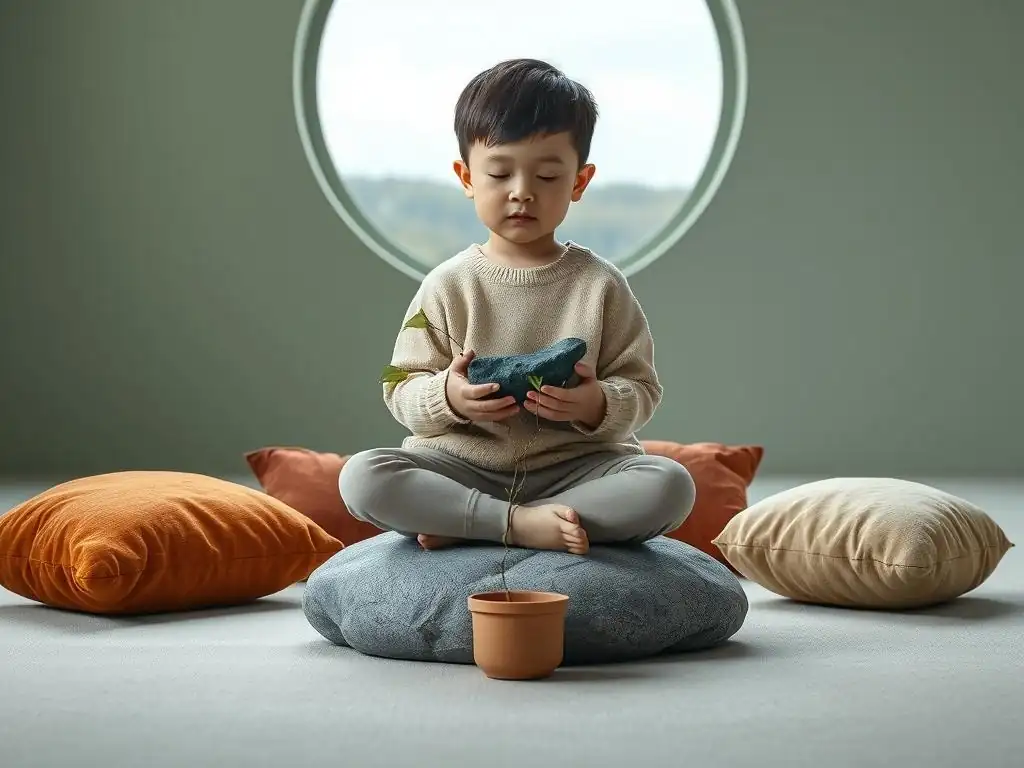
Creating a Safe and Supportive Home Environment
A child's ability to manage big emotions effectively is deeply influenced by the environment they grow up in. A safe and supportive home provides a secure base where children feel loved, accepted, and understood, even when they are struggling. This involves establishing predictable routines, setting clear and consistent boundaries, and ensuring the child feels physically and emotionally safe. When a child knows what to expect and understands the rules, they experience less anxiety and feel more in control, which reduces triggers for emotional outbursts.
Creating a supportive environment also means responding to a child's distress with empathy and patience rather than frustration or anger. It's about being present and available to listen when they need to talk, and offering comfort without judgment. Research suggests that children whose parents provide a warm, responsive, and predictable environment show improved emotional regulation skills compared to those in less stable or more critical settings. This nurturing foundation is essential for helping children navigate their complex emotional landscape and learn how to cope with intense feelings.
Teaching Emotional Literacy: Identifying and Naming Feelings
Emotional literacy is the ability to identify, understand, and respond to emotions in oneself and others. For children, this starts with simply naming feelings. You can help your child build their emotional vocabulary by pointing out emotions in themselves, others, and even characters in books or shows. Using phrases like, "You seem frustrated because the blocks keep falling," or "That character looks happy because they are playing," provides concrete examples. Offering a range of feeling words beyond just "happy," "sad," or "mad" – like "frustrated," "disappointed," "excited," "nervous," or "proud" – expands their understanding.
As children learn to name their feelings, they gain a sense of control over them. What feels like an overwhelming, nameless storm inside becomes something identifiable and manageable. This skill is fundamental for managing child’s big emotions effectively, as it allows them to communicate their internal state to caregivers and begin to understand why they feel a certain way. Studies on emotional intelligence development show that children who can accurately identify and label their emotions are better equipped to regulate them and communicate their needs constructively.
Developing Healthy Coping Skills: A Step-by-Step Approach
Teaching children healthy coping skills provides them with a toolbox of strategies to use when big feelings arise. This isn't about suppressing emotions but about finding constructive ways to process and express them. Start by introducing one or two simple techniques when the child is calm and receptive. Practice these skills together regularly, so they become familiar and accessible during moments of distress.
Deep Breathing Techniques for Children
Deep breathing is a powerful tool for calming the nervous system. Simple exercises like "Balloon Breathing" (pretending their belly is a balloon expanding as they inhale and shrinking as they exhale) or "Smell the Flower, Blow out the Candle" (inhaling slowly through the nose as if smelling a flower, exhaling slowly through the mouth as if blowing out a candle) can be easy for children to visualize and perform. Practice these a few times a day, even when not upset, so the child remembers to use them when they feel overwhelmed.
Mindfulness Activities for Emotional Regulation
Mindfulness helps children become aware of the present moment without judgment, which can ground them when emotions feel chaotic. Simple mindfulness exercises include focusing on their senses: what do they see, hear, smell, taste, and feel right now? A "Body Scan" where they gently bring attention to different parts of their body can also help them notice physical sensations associated with emotions. Even short, playful mindfulness games can build this crucial skill for managing big emotions.
Creative Expression: Art, Music, and Writing
Creative outlets offer children non-verbal ways to process and express feelings that are difficult to talk about. Providing access to art supplies (crayons, paper, playdough), musical instruments (even simple ones like drums or shakers), or journals can be incredibly therapeutic. Encourage them to draw how their anger looks, play music that matches their sadness, or write down their worries. This allows them to externalize their feelings in a safe way.
- Provide a dedicated space and materials.
- Encourage expression without critiquing the art/music itself.
- Ask open-ended questions about their creation if they are willing to share.
Addressing Specific Emotional Challenges
Managing Anger and Frustration: Constructive Techniques
Anger and frustration are common big emotions in childhood, often leading to behaviors like hitting, yelling, or throwing objects. Helping children manage anger constructively involves teaching them acceptable ways to express this powerful feeling. Start by validating the anger – "It's okay to feel angry." Then, guide them towards alternative actions. Instead of hitting, they could stomp their feet, punch a pillow, tear up paper, or squeeze a stress ball.
Teaching problem-solving skills is also key. Once the initial intensity of anger has subsided, help the child identify why they were angry and brainstorm solutions. For example, if they're angry because a sibling took their toy, discuss asking for it back nicely, setting a timer for turns, or finding another toy. Role-playing these scenarios can make them more concrete. Learning these techniques is vital for managing child’s big emotions like anger in healthy ways.
Overcoming Anxiety and Fear: Building Resilience
Anxiety and fear can manifest in children as worries, avoidance, physical symptoms (stomachaches, headaches), or difficulty separating from caregivers. Building resilience in anxious children involves teaching them coping mechanisms and gradually exposing them to feared situations in a supportive way. Techniques like identifying "worry thoughts" and challenging them (e.g., "Is that worry thought really true? What else could happen?") can be helpful for older children.
Introducing relaxation techniques like deep breathing or progressive muscle relaxation can help calm the physical symptoms of anxiety. Creating a "bravery ladder" – a step-by-step plan to face a fear gradually – allows children to build confidence with small successes. For a child afraid of dogs, step one might be looking at pictures of dogs, step two watching a dog video, step three standing across the street from a dog, and so on. Celebrating small steps helps in managing child’s big emotions like fear effectively.
Supporting Children Through Sadness and Grief
Sadness and grief are natural responses to loss or disappointment, but intense or prolonged sadness can be challenging for children to navigate. Supporting a child through sadness involves allowing them space to feel their emotions without trying to "fix" it immediately. Offer comfort, listen empathetically, and let them know it's okay to cry. Avoid minimizing their feelings with phrases like "It's not a big deal."
Encourage healthy expression of sadness through talking, drawing, or creative play. Help them identify triggers for their sadness and develop simple coping strategies, such as talking to a trusted adult, spending time in nature, or engaging in a comforting activity. For grief, which is a complex form of sadness following loss, providing consistent support, maintaining routines, and allowing for remembrance can help children process their feelings over time. Patiently supporting a child through sadness is a crucial aspect of managing big emotions.
Fostering Long-Term Emotional Well-being

The Importance of Parental Modeling
Children learn how to manage big emotions largely by observing the adults around them, particularly their parents. Your own emotional responses serve as a powerful blueprint for your child. If you react to stress or frustration with yelling, slamming doors, or shutting down, your child is likely to adopt similar patterns. Conversely, if you model healthy coping strategies – like taking deep breaths when upset, talking calmly about your feelings, or problem-solving challenges – you teach them valuable skills.
Parental modeling isn't about being perfect; it's about being authentic and showing your child that everyone experiences difficult emotions and that there are constructive ways to handle them. This might involve saying aloud, "I'm feeling really frustrated right now, so I'm going to take a few deep breaths," or "I'm disappointed about this, but I can try again tomorrow." This transparency normalizes the experience of big feelings and demonstrates effective strategies for managing child’s big emotions in real-time.
Building Self-Esteem and Confidence
A child's self-esteem and confidence are deeply intertwined with their emotional well-being and ability to manage big emotions effectively. When children feel capable and valued, they are better equipped to face challenges and bounce back from setbacks. You can help build your child's self-esteem by offering genuine praise for effort (not just outcome), encouraging their interests, allowing them to make age-appropriate choices, and giving them opportunities to succeed at tasks.
Focusing on their strengths helps children recognize their positive qualities and feel more resilient when difficult emotions arise. When a child feels good about themselves, they are less likely to be overwhelmed by feelings of inadequacy or fear of failure, which can be triggers for emotional dysregulation. Consistently showing unconditional love and acceptance reinforces their inherent worth, providing a secure emotional foundation.
Recognizing When Professional Help is Needed
While parents can do a great deal to help children manage big emotions, there are times when professional support is necessary. It's important to recognize the signs that a child's emotional challenges might be more than typical developmental struggles. These signs could include persistent sadness or irritability, significant changes in behavior (like withdrawal from friends or activities they once enjoyed), changes in sleep or appetite, difficulty concentrating at school, excessive worries or fears that interfere with daily life, or frequent, intense outbursts that are difficult to de-escalate.
If you are concerned about the intensity, frequency, or duration of your child's emotional difficulties, or if their emotions seem to be significantly impacting their functioning at home, school, or socially, consult with your pediatrician. They can rule out any physical causes and refer you to a mental health professional specializing in children, such as a child psychologist, therapist, or counselor. Seeking help is a sign of strength and provides your child with expert strategies for managing big emotions.
Resources for Parents and Children
Recommended Books and Websites
There are numerous valuable resources available to help parents and children on the journey of managing big emotions. Many excellent children's books are specifically designed to help young ones identify and understand different feelings, offering simple narratives and relatable characters. Books like "The Color Monster" or titles from the "Julia Cook" series on emotions are popular choices. These books can be used as conversation starters about feelings during calm times.
For parents, websites from reputable organizations focused on child development and mental health offer articles, tips, and tools. Organizations like the American Academy of Pediatrics, the National Association of School Psychologists, or mental health non-profits often provide free resources on emotional regulation, positive parenting strategies, and recognizing mental health concerns in children. While specific links are not included here, searching for these organizations online can provide a wealth of information tailored to managing child’s big emotions effectively.
Support Groups and Organizations
Connecting with other parents facing similar challenges can provide invaluable support, shared wisdom, and a sense of not being alone. Many communities offer parenting support groups, sometimes focused specifically on topics like challenging behaviors or emotional development. These groups can be found through local community centers, schools, or online parenting forums. Sharing experiences and strategies with peers who understand can be immensely helpful.
Additionally, various national and local organizations are dedicated to supporting children's mental health and providing resources for families. These organizations often offer helplines, educational materials, and information about accessing professional services. Searching for mental health associations or family support organizations in your area can connect you with resources that provide expert guidance and community support for managing child’s big emotions effectively.
This article provides general information and is not a substitute for professional medical or psychological advice.
Frequently Asked Questions
How can I help my child identify their emotions?
Helping children name their feelings is crucial. Use visual aids like emotion charts, and talk about your own feelings openly to model emotional awareness.
What are some practical strategies for children to calm down during an emotional outburst?
Teach coping mechanisms like deep breathing, counting, or taking a break in a quiet space. Create a "calm-down corner" stocked with comforting items.
Is it okay to ignore a child's tantrum?
Ignoring a tantrum is only effective if it's for attention-seeking behavior. If the child is overwhelmed or in distress, offer comfort and support, not punishment.
How can I encourage my child to talk about their feelings instead of acting them out?
Create a safe and supportive environment where your child feels comfortable expressing themselves. Listen actively and validate their feelings, even if you don't agree with their behavior.
When should I seek professional help for my child's emotional regulation difficulties?
If your child's emotional outbursts are frequent, intense, and disruptive to their daily life, consider consulting a child psychologist or therapist for professional guidance.
The ability to manage big emotions is not just a life skill; it's the cornerstone of a child's well-being and future success. Understanding and implementing healthy coping mechanisms from a young age equips children with the resilience needed to navigate the inevitable challenges of life, fostering emotional intelligence and strong mental health. This is more crucial now than ever, in a world increasingly demanding emotional regulation in the face of complex social pressures and rapid technological change.
The journey of helping a child understand and manage their emotions is a deeply personal one, filled with both triumphs and challenges. It's a continuous process of learning and adapting, requiring patience, empathy, and a willingness to connect with our children on their emotional level. As the saying goes, The best thing we can give our children is roots and wings.
Providing them with the tools to manage their emotions gives them the strong roots they need to weather life's storms, while simultaneously empowering them with the wings to fly and reach their full potential.
Now, consider your own relationship with your child's emotions. What strategies resonate most with you from this article? What small steps can you take today to foster a more emotionally intelligent environment in your home? Remember, every interaction, every moment of connection, is an opportunity to teach, to guide, and to nurture the blossoming emotional landscape of your child. Embrace the journey, celebrate the small victories, and know that your efforts are making a profound difference in shaping a happier, healthier future for your child.
Unlock Your Child's Emotional Strength
Thanks for taking the time to learn about helping your child navigate their big feelings! We hope you found practical strategies to build their emotional resilience. Now, let's put that knowledge into action:
- Implement one new strategy this week: Choose one technique from the article – whether it’s deep breathing exercises, a feelings chart, or a calming corner – and try it out with your child. See what works best for your family.
- Share your experience! What worked, what didn't, and what surprised you about the process? We'd love to hear about your journey in the comments below.
- Explore additional resources: Consider visiting your local library or searching online for age-appropriate books about emotions to expand your child's understanding.
What small step will you take today to help your child weather their emotional storms?