
Mastering Big Feelings: Guiding Kids Towards Emotional Resilience

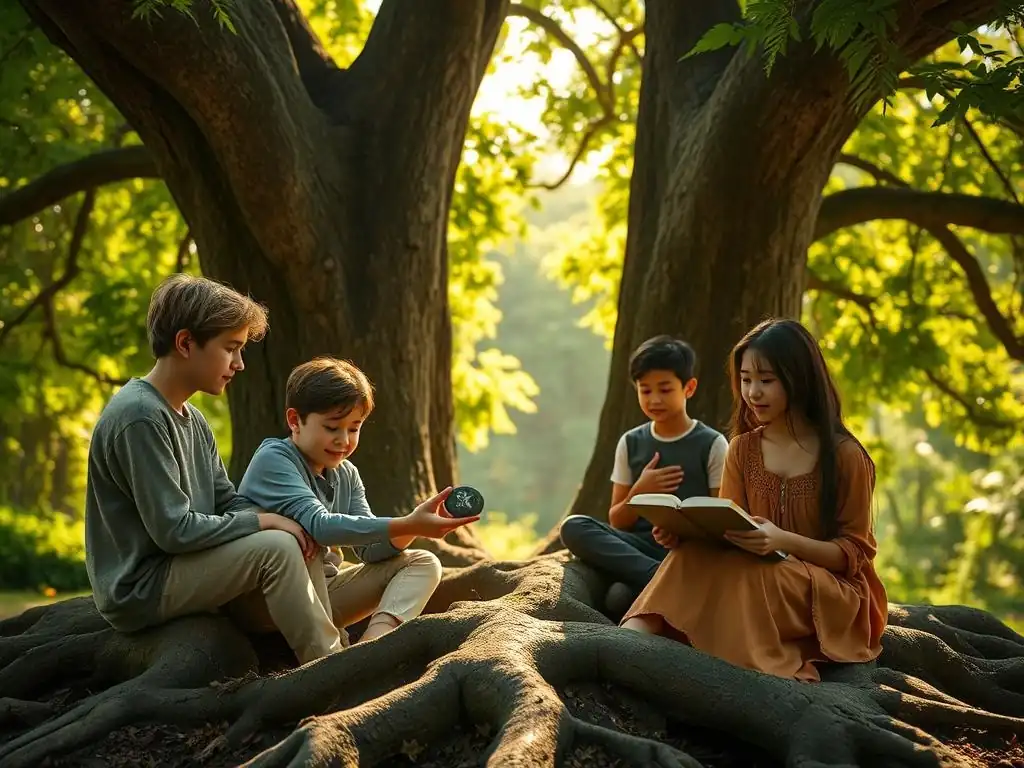
Welcome to Mind Care Guide, a safe space dedicated to nurturing your mental well-being and the well-being of those you love. Feeling overwhelmed by the emotional rollercoaster of raising children? You're not alone.
Discover how to navigate those turbulent waters with our Kids Emotional Resilience Strategies Guide. We understand the challenges, and we're here to provide practical tools and empathetic support to help you and your children thrive. Ready to unlock the secrets to building lasting emotional strength? Let's begin.
Mastering Big Feelings: Guiding Kids Towards Emotional Resilience
- Understanding Kids' Emotional Landscape: Building a Foundation for Resilience
- Practical Strategies for Fostering Emotional Resilience in Children
- Age-Specific Kids Emotional Resilience Strategies: A Tailored Approach
- Overcoming Obstacles to Emotional Resilience: Addressing Common Challenges
- The Role of Parents and Caregivers in Fostering Emotional Resilience
- Long-Term Benefits of Emotional Resilience: Preparing Kids for a Successful Future
- Nurturing Kids' Emotional Growth: A Continuous Journey Towards Resilience
-
Frequently Asked Questions
- How can I help my child identify their emotions?
- What are some practical strategies for building emotional resilience in children?
- How can I model healthy emotional expression for my child?
- What role does play have in developing emotional resilience?
- When should I seek professional help for my child's emotional well-being?
- Final Reflection: Cultivating Emotional Gardens
- Unlock Your Child's Emotional Strength
Understanding Kids' Emotional Landscape: Building a Foundation for Resilience
Recognizing and Validating Children's Emotions: The First Step to Emotional Resilience
Recognizing and validating a child's emotions is the bedrock upon which emotional resilience is built. It involves actively listening to what a child expresses, both verbally and non-verbally, and acknowledging their feelings without judgment. This doesn't mean agreeing with the behavior that stems from the emotion, but rather accepting the feeling itself as real and valid for the child.
For instance, if a child is crying because a toy broke, a validating response isn't "Stop crying, it's just a toy," but rather "I see you're feeling really sad that your toy broke. It's okay to feel sad when something you like is damaged." This simple act communicates empathy and acceptance, teaching the child that their inner experiences are important and understandable.
Research consistently shows the positive impact of emotional validation on children's well-being. Studies, such as those in developmental psychology, indicate that children whose emotions are frequently validated are more likely to develop a secure attachment style and have a stronger sense of self-worth. They learn that their feelings are manageable and not something to be feared or suppressed.
Conversely, invalidation—dismissing, ignoring, or criticizing a child's emotions—can lead to feelings of shame, confusion, and difficulty in regulating emotions later in life. It's estimated that children who experience consistent emotional invalidation are at a higher risk of developing anxiety or depression in adolescence and adulthood. Therefore, mastering this initial step is crucial in any guide offering kids emotional resilience strategies.
The Importance of Emotional Literacy in Early Childhood Development
Emotional literacy refers to the ability to identify, understand, and respond to emotions in oneself and others. Developing this skill in early childhood is profoundly important for a child's overall development and is a core component of effective kids emotional resilience strategies. When children can name their feelings – saying "I am angry" instead of hitting, or "I feel scared" instead of hiding – they gain a sense of control over their internal world.
This vocabulary provides them with the tools to communicate their needs and experiences more effectively, reducing frustration and leading to more positive interactions with peers and adults. Introducing concepts like "happy," "sad," "angry," "scared," and "surprised" through books, games, and everyday conversations lays a vital foundation.
Early emotional literacy has tangible long-term benefits. Longitudinal studies have tracked children from preschool into adulthood and found that those with strong emotional and social skills at age five were significantly more likely to graduate from high school, attend college, and be employed full-time by age 25, compared to those with weaker skills.
For example, a study involving over 3,000 children over two decades found that social-emotional skills in kindergarten were a strong predictor of future success in various life domains. Teaching emotional literacy is not just about feelings; it's about equipping children with the foundational skills needed for academic success, healthy relationships, and navigating life's challenges, making it a cornerstone of building kids emotional resilience.
Common Emotional Challenges Faced by Children: Identifying Potential Roadblocks
Children, like adults, face a wide range of emotional challenges as they grow and develop. These challenges are a normal part of the human experience but can become roadblocks to building emotional resilience if not addressed constructively. Common challenges include managing frustration when things don't go their way, coping with disappointment, dealing with fears (like fear of the dark, strangers, or school), navigating social anxieties, and handling the intense emotions associated with conflict or perceived unfairness.
Younger children might express these challenges through tantrums, crying, or withdrawal, while older children and teenagers might exhibit irritability, defiance, excessive worry, or changes in sleep and appetite. Recognizing these common patterns is essential for parents and caregivers using a kids emotional resilience strategies guide.
Specific developmental stages often bring particular emotional hurdles. For instance, toddlers frequently grapple with intense frustration due to limited language skills and a strong desire for independence, leading to the notorious "terrible twos" where tantrums are common. Elementary-aged children often face challenges related to peer relationships, bullying, and academic pressures, which can manifest as anxiety or withdrawal.
Teenagers navigate complex identity issues, social pressures, academic stress (like preparing for exams or college applications), and hormonal changes, often leading to mood swings, heightened sensitivity, and struggles with self-esteem. Approximately 1 in 5 young people aged 13-18 will experience a severe mental disorder at some point in their lives, highlighting that emotional challenges can sometimes escalate beyond typical developmental phases and require additional support. Understanding these age-specific and general emotional challenges is the first step in applying effective kids emotional resilience strategies.
Practical Strategies for Fostering Emotional Resilience in Children
Creating a Safe and Supportive Environment: A Haven for Emotional Expression
Building a safe and supportive environment is paramount for fostering emotional resilience in children. This means creating a space where children feel secure, loved, and accepted unconditionally, regardless of their feelings or behaviors. It's a place where they know they can express their full range of emotions – from joy and excitement to anger and sadness – without fear of ridicule, punishment, or rejection.
A safe environment involves consistent routines, clear expectations, and predictable responses from caregivers, which provides a sense of stability. It also means actively listening to children, respecting their perspectives, and letting them know that their feelings are valid and manageable.
Physical safety is fundamental, but emotional safety is equally crucial. This involves protecting children from chronic stress, harsh criticism, and exposure to unresolved conflict within the home. It's about being present, attuned to their needs, and offering comfort and reassurance when they are distressed.
For example, setting aside dedicated time each day for connection – like reading together, playing a game, or simply talking about their day – significantly strengthens the parent-child bond and enhances a child's sense of security. Studies show that children raised in supportive, nurturing environments are significantly more likely to develop strong coping skills and higher levels of emotional resilience compared to those in environments characterized by unpredictability or emotional neglect.
Teaching Emotional Regulation Skills: Helping Kids Manage Big Feelings
Teaching children how to regulate their emotions is one of the most critical components of any kids emotional resilience strategies guide. Emotional regulation is the ability to understand and manage one's emotional responses in a way that is appropriate to the situation. This doesn't mean suppressing feelings, but rather learning healthy ways to experience and express them.
When children learn these skills, they are better equipped to handle stress, bounce back from setbacks, and navigate social interactions successfully. This process is gradual and requires patient guidance from adults, starting with simple techniques and progressing to more complex ones as the child matures.
Effective emotional regulation strategies equip children with a toolkit to manage intense feelings like anger, frustration, anxiety, or overwhelming sadness. Instead of reacting impulsively (like hitting or yelling), they learn to pause, identify their feeling, and choose a constructive response. This is a skill that needs explicit teaching and practice, much like learning to read or ride a bike. Introducing various techniques and allowing children to discover what works best for them is key. The goal is to help them develop internal mechanisms for calming themselves down, processing difficult experiences, and responding thoughtfully rather than reactively.
Deep Breathing Techniques for Kids: A Simple Tool for Calming Down
Deep breathing is a simple yet powerful technique that children can use to calm their nervous system when feeling overwhelmed, angry, or anxious. It works by slowing the heart rate and interrupting the body's stress response. Teaching kids fun ways to practice deep breathing makes it accessible and engaging.
- Balloon Breathing: Imagine your belly is a balloon. Breathe in slowly through your nose, filling your belly like a balloon. Hold for a few seconds, then exhale slowly through your mouth, letting the air out of the balloon. Repeat several times.
- Smell the Flower, Blow out the Candle: Cup one hand as a pretend flower. Breathe in deeply through your nose to smell the flower. Make the other hand into fingers like candles. Exhale slowly through your mouth to blow out the candles.
- Starfish Breathing: Spread one hand like a starfish. Trace your fingers with the index finger of your other hand. As you trace up a finger, breathe in. As you trace down, breathe out. Repeat for all five fingers.
Practicing these techniques when calm helps children remember to use them when they are experiencing a "big feeling." Even just a few slow, deep breaths can significantly shift a child's emotional state, providing a moment to pause before reacting.
Mindfulness Activities for Children: Cultivating Present Moment Awareness
Mindfulness involves paying attention to the present moment without judgment. For children, this can be taught through simple, engaging activities that help them become more aware of their senses, thoughts, and feelings in the here and now. Cultivating present moment awareness helps children observe their emotions without being consumed by them, a crucial skill in kids emotional resilience strategies.
- Mindful Listening: Close your eyes and listen for sounds for one minute. What sounds are close? What sounds are far away?
- Mindful Eating: Choose a small snack, like a raisin or a piece of fruit. Look at it closely, feel its texture, smell it, take a tiny bite and notice the taste and texture before chewing and swallowing.
- Body Scan: Lie down and gently bring attention to different parts of your body, starting from the toes and moving up to the head. Notice any sensations without trying to change them.
Regular mindfulness practice, even for just a few minutes a day, can help children become more aware of their internal states, improve focus, reduce reactivity to stress, and enhance their ability to manage challenging emotions.
Problem-Solving Skills: Empowering Kids to Navigate Challenges
Teaching children problem-solving skills empowers them to face difficulties head-on and find constructive solutions, rather than feeling overwhelmed or helpless. This is a vital aspect of developing kids emotional resilience. When children learn how to identify a problem, brainstorm solutions, evaluate options, and try out a plan, they build confidence in their ability to handle challenges.
A simple framework for teaching problem-solving to kids might include:
- Identify the Problem: What is the challenge or the feeling causing distress? Help the child name it clearly.
- Brainstorm Solutions: Encourage the child to think of as many ways to solve the problem as possible, no matter how silly they seem initially. Write them down.
- Evaluate Solutions: Discuss the pros and cons of each idea. Which ones are safe? Which ones are kind? Which ones are likely to work?
- Choose a Solution and Make a Plan: Help the child select the best option and plan the steps needed to carry it out.
- Try It Out: Encourage the child to implement their plan.
- Review: How did it go? Did it work? If not, what can we try next?
Using this process with real-life situations, such as resolving a conflict with a sibling or figuring out how to finish a difficult homework assignment, provides children with practical experience and builds their confidence as capable problem-solvers.
Modeling Healthy Emotional Expression: Leading by Example
Children are keen observers, and they learn a great deal about how to handle emotions by watching the adults in their lives. Modeling healthy emotional expression is one of the most powerful kids emotional resilience strategies parents and caregivers can employ. This means openly and appropriately expressing your own feelings, both positive and negative, and demonstrating healthy coping mechanisms. It's okay for children to see you feel frustrated, sad, or angry, as long as they also see you managing those feelings constructively.
For example, if you are feeling stressed, you might say aloud, "I'm feeling really stressed right now because I have a lot to do. I'm going to take a few deep breaths" (demonstrating the technique) or "I'm going to step away for a few minutes to calm down." When you make a mistake, you can model taking responsibility and managing disappointment by saying, "Oops, I made a mistake, and I feel a little frustrated, but it's okay.
I'll try again." Sharing your feelings in age-appropriate ways teaches children that all emotions are normal and that there are healthy ways to deal with them, rather than suppressing or exploding with them. Consistent modeling provides a living example of emotional intelligence in action, guiding children toward developing their own emotional resilience.
Encouraging Self-Compassion and Positive Self-Talk: Building Inner Strength
Self-compassion is the ability to be kind and understanding towards oneself, especially when facing difficulties or perceived failures. Encouraging self-compassion and positive self-talk in children helps them build inner strength and navigate setbacks without being overly self-critical. This is a vital element in fostering kids emotional resilience. Instead of dwelling on mistakes or negative experiences, children who practice self-compassion can acknowledge their struggles with kindness and learn from them.
Help children develop a gentle inner voice by teaching them to challenge negative self-talk. If a child says, "I'm stupid because I couldn't do it," you can gently correct and reframe: "That was a tricky problem, and you felt frustrated. It doesn't mean you're stupid. You're learning, and it's okay to make mistakes. What can you say to yourself instead?
Maybe 'I can try again' or 'This is hard, but I won't give up'?" Encourage them to talk to themselves like they would talk to a kind friend who is struggling. Teach simple positive affirmations they can repeat, such as "I am capable," "I am brave," or "I am loved." This practice builds a resilient mindset, helping children bounce back from challenges with greater ease and self-acceptance.
Age-Specific Kids Emotional Resilience Strategies: A Tailored Approach

The emotional landscape and developmental capabilities of a child change significantly from preschool through the teenage years. Therefore, effective kids emotional resilience strategies must be tailored to the child's age and stage of development. What works for a four-year-old learning to share will be vastly different from strategies needed by a sixteen-year-old navigating peer pressure or academic stress. Understanding these differences allows parents and caregivers to provide support that is both appropriate and effective, maximizing the child's ability to build and utilize their coping skills.
Tailoring strategies involves considering a child's cognitive abilities, language development, attention span, and social understanding. For very young children, strategies focus on basic needs, simple language, and concrete examples. As children grow, approaches can incorporate more abstract concepts, complex problem-solving, and greater independence in applying techniques. Recognizing these age-specific needs ensures that the guidance offered is relevant and empowers children in ways they can understand and implement, strengthening their emotional resilience throughout their childhood and adolescence.
Emotional Resilience Strategies for Preschoolers (Ages 3-5)
Preschoolers are just beginning to understand and express their emotions. Their feelings are often intense and fleeting, and they lack the language and cognitive skills to fully regulate them independently. Strategies for this age group focus on providing a safe environment, helping them name feelings, and introducing very basic coping skills.
- Name the Feeling: Use simple words to label the emotion they are experiencing. "You are feeling angry because you can't have the cookie." "You seem sad that your friend went home."
- Simple Coping Tools: Introduce very basic techniques like taking a deep breath ("bunny breaths" - short quick breaths, or "dragon breaths" - big exhale), squeezing a stress ball, or having a quiet corner to calm down.
- Picture Cards/Books: Use visual aids like feeling faces charts or books about emotions to help them identify different feelings.
- Comfort and Reassurance: Offer physical comfort (hugs, holding hands) and verbal reassurance ("I'm here for you," "You are safe").
- Play: Encourage imaginative play, which allows children to work through feelings and scenarios in a safe way. Approximately 80% of a young child's learning happens through play.
Strategies at this age are heavily reliant on co-regulation, where the adult helps the child manage their emotions through their calm presence and guidance. Consistency and patience are key.
Emotional Resilience Strategies for Elementary School Children (Ages 6-12)
Elementary school children have a more developed understanding of emotions and are capable of learning more complex regulation and problem-solving skills. They spend significant time in social settings (school, activities) and face challenges related to friendships, schoolwork, and independence.
- Expand Emotional Vocabulary: Introduce a wider range of feeling words (e.g., frustrated, disappointed, anxious, proud). Discuss nuances between similar feelings.
- Coping Skills Menu: Help the child create a list or drawing of things they can do when they feel a big emotion (e.g., draw, listen to music, talk to a trusted adult, go for a walk, use a fidget toy). Encourage them to choose from the "menu."
- Problem-Solving Steps: Teach and practice the structured problem-solving framework outlined earlier, applying it to real-life situations like peer conflicts or homework struggles.
- Identify Triggers: Help the child start recognizing what situations or thoughts tend to lead to certain feelings.
- Growth Mindset: Encourage the belief that abilities can be developed through dedication and hard work. Focus on effort and learning from mistakes rather than just outcomes. Studies show that children with a growth mindset are more resilient in the face of academic challenges.
At this age, children can begin to take more ownership of their emotional management, though adult support and guidance remain crucial. They benefit from explicit instruction and practice in applying these skills.
Emotional Resilience Strategies for Teenagers (Ages 13-18)
Teenagers face significant emotional upheaval due to hormonal changes, complex social dynamics, academic pressure, and identity formation. Strategies for this age group should respect their growing independence and involve more collaborative approaches.
- Advanced Emotional Identification: Discuss complex emotions and how feelings can be mixed or contradictory. Encourage self-reflection on internal states.
- Mindfulness and Stress Reduction: Introduce more sophisticated mindfulness techniques, meditation apps, yoga, or progressive muscle relaxation as tools for managing stress and anxiety.
- Effective Communication: Teach active listening, assertive communication, and conflict resolution skills for navigating peer and family relationships. Role-playing difficult conversations can be helpful.
- Healthy Coping Mechanisms: Discuss and encourage healthy outlets for stress and difficult emotions, such as exercise (recommended 60 minutes of physical activity daily for teens by health organizations), creative pursuits (art, music, writing), spending time in nature, or talking to friends/family.
- Goal Setting and Planning: Help teens break down large tasks (like studying for exams or applying for jobs/college) into smaller, manageable steps to reduce overwhelm and build a sense of accomplishment.
- Identifying Support Systems: Encourage teens to identify trusted adults (parents, teachers, counselors, mentors) and peers they can turn to for support.
Teenagers need space and autonomy but also clear boundaries and consistent availability from supportive adults. Strategies should focus on empowering them to build their own toolkit of coping mechanisms and seek help when needed, reinforcing their journey towards emotional resilience.
Overcoming Obstacles to Emotional Resilience: Addressing Common Challenges
Children inevitably face obstacles that test their emotional resilience. These can range from everyday frustrations to significant life events. Addressing specific challenging emotions like anxiety, anger, and sadness requires targeted approaches that help children understand these feelings and develop healthy ways to cope with them. Simply telling a child "don't be scared" or "calm down" is rarely effective. Instead, a practical kids emotional resilience strategies guide offers concrete methods for navigating these difficult emotional states, transforming potential roadblocks into opportunities for growth and skill development.
Successfully overcoming these obstacles involves a combination of validation, skill-building, and patience. It's about equipping children with the understanding that these feelings are normal, manageable, and temporary, while providing them with the tools to move through them constructively. This proactive approach helps prevent these challenging emotions from becoming overwhelming or leading to unhelpful behaviors.
Dealing with Anxiety and Fear in Children: Building Courage and Confidence
Anxiety and fear are common emotions in childhood, often stemming from new experiences, perceived threats, or uncertainty. While normal in moderation, excessive anxiety can significantly hinder a child's ability to explore, learn, and build emotional resilience. Strategies focus on acknowledging the fear while gradually encouraging brave behavior.
- Validate the Fear: Avoid dismissing their fears, even if they seem irrational to you (e.g., fear of monsters, fear of failing). Say, "I understand you're feeling scared right now. That feeling is real for you."
- Teach Coping Skills: Revisit and practice deep breathing, mindfulness, and grounding techniques (e.g., naming 5 things you see, 4 things you feel, 3 things you hear, 2 things you smell, 1 thing you taste).
- Gradual Exposure: Help the child face their fears in small, manageable steps. If they fear public speaking, start with practicing in front of one family member, then a few, then a small group, etc. Celebrating small victories is key.
- Challenge Anxious Thoughts: For older children, help them identify and question anxious thoughts. Is the thought true? What's another way to look at it? What's the worst that could realistically happen? What's the best?
- Focus on Bravery, Not the Absence of Fear: Praise their courage for trying, even if they are still scared. "You were scared, but you did it anyway! That's being brave."
- Limit Avoidance: While gentle exposure is needed, allowing constant avoidance reinforces the fear. Encourage facing challenges with support.
Approximately 7% of children aged 3-17 have diagnosed anxiety, highlighting the prevalence of this challenge. Implementing these strategies consistently can help children build confidence in their ability to handle anxious feelings and situations.
Managing Anger and Frustration: Teaching Healthy Outlets for Emotions
Anger and frustration are powerful emotions that children often express through yelling, hitting, or tantrums. Teaching children healthy ways to manage these feelings is crucial for their social development and emotional resilience. The goal isn't to eliminate anger, but to provide constructive outlets.
- Identify the Feeling and Its Source: Help the child recognize they are feeling angry or frustrated. Ask, "What happened that made you feel this way?"
- Establish Safe Outlets: Teach acceptable ways to express anger physically or verbally without harming themselves or others. Examples include stomping feet, hitting a pillow, yelling into a cushion, ripping paper, drawing scribbles, or using "I feel" statements ("I feel angry when...").
- Teach Calming Strategies: Practice techniques like deep breathing, counting to ten, taking a break in a calm-down corner, or getting a drink of water.
- Problem-Solve the Trigger: Once calm, discuss what caused the anger and brainstorm solutions using problem-solving steps, especially if the anger stemmed from a solvable issue like a conflict or unfair situation.
- Model Healthy Anger Management: Show your children how you handle your own frustration or anger constructively.
- Set Clear Boundaries: Make it clear that while the feeling of anger is okay, aggressive or destructive behavior is not.
Learning to manage anger effectively is a skill that takes time and practice. Providing children with a range of strategies and consistent support helps them develop healthier responses to frustration, enhancing their overall emotional resilience.
Coping with Sadness and Loss: Supporting Children Through Difficult Times
Sadness and grief are natural responses to loss, disappointment, or difficult life events (e.g., death of a pet or loved one, moving, parental separation, losing a game). Supporting children through these experiences is vital for building their emotional resilience. It involves allowing them to feel their sadness while providing comfort and hope.
- Validate Their Sadness: Let them know it's okay to feel sad. Say, "I see you're feeling very sad right now, and that's okay. It's hard when [explain the situation]."
- Offer Comfort and Presence: Be physically present, offer hugs, listen without trying to fix everything immediately. Sometimes just sitting with them is enough.
- Encourage Expression: Provide outlets for expressing sadness, such as talking, drawing, writing, or listening to sad music.
- Maintain Routine (Where Possible): Predictable routines provide a sense of security during uncertain or sad times.
- Share Your Own Experiences (Age-Appropriate): If appropriate, share how you coped with sadness or loss in your life, modeling healthy grieving.
- Focus on Memories and Connection: Help them remember positive aspects or memories related to what was lost. Encourage connection with supportive family and friends.
- Reinforce Hope: While not minimizing their pain, gently remind them that feelings change and things can get better.
Grief is not a linear process, and children may revisit feelings of sadness over time. Patience, consistent support, and allowing them space to grieve in their own way are essential components of helping them cope and build resilience through loss. Approximately 5-10% of children will experience the death of a parent or sibling by age 16, highlighting the importance of preparing children to navigate such profound sadness.
The Role of Parents and Caregivers in Fostering Emotional Resilience

Parents and caregivers are the primary architects of a child's emotional development and resilience. Their interactions, responses, and modeling significantly shape how a child understands and manages their feelings. Being a guide in a child's journey towards emotional strength requires patience, self-awareness, and a willingness to learn alongside them. It's an active role that involves more than just providing for physical needs; it's about nurturing their emotional landscape and equipping them with the skills to navigate life's inevitable ups and downs.
The influence of the parent-child relationship on emotional resilience is well-documented. Studies consistently show that warm, responsive, and supportive parenting is a strong predictor of positive emotional outcomes in children. This section delves into specific ways parents and caregivers can actively contribute to building kids emotional resilience through their communication, structure, and knowing when to seek external support.
Effective Communication Techniques: Talking to Kids About Their Feelings
Open and effective communication is fundamental to helping children understand and express their emotions. It creates a channel for children to share their inner world and feel heard and understood. Parents and caregivers can employ specific techniques to facilitate these conversations and support kids emotional resilience.
- Active Listening: Give your child your full attention when they are speaking. Put away distractions. Nod, make eye contact, and use verbal cues like "I hear you" or "Tell me more."
- Use "I Feel" Statements: Model expressing your own feelings using "I feel" statements, and encourage your child to do the same ("I feel [emotion] when [situation] because [need]"). This helps them take ownership of their feelings.
- Ask Open-Ended Questions: Instead of questions with yes/no answers, ask questions that encourage elaboration, such as "How did that make you feel?" or "What was that like for you?"
- Empathy and Validation: As discussed earlier, acknowledge and validate their feelings. "It makes sense that you felt frustrated when..."
- Choose the Right Time: Try to have important conversations when both you and the child are calm and have time to talk without interruption.
- Keep it Age-Appropriate: Adjust your language and the complexity of the conversation to the child's developmental level. What you discuss with a 5-year-old about anger is different from a 15-year-old.
Regular, meaningful conversations about feelings normalize the emotional experience and build trust, making it easier for children to turn to you when they are facing significant challenges.
Setting Healthy Boundaries and Expectations: Providing Structure and Security
While a supportive environment is crucial, fostering emotional resilience also requires structure, consistency, and clear boundaries. Healthy boundaries and age-appropriate expectations provide children with a sense of security and predictability. They learn what is expected of them, what the limits are, and understand that there are consequences for their actions. This helps them develop self-control and responsibility, key components of emotional regulation and resilience.
Setting boundaries involves clearly communicating rules and limits in a calm and firm manner. For example, setting a boundary around screen time, homework completion, or respectful communication teaches children about responsibility and managing impulses. Expectations should be realistic for the child's age and abilities, allowing for growth and learning from mistakes. When boundaries are crossed, consistent and predictable consequences, focused on teaching rather than punishment, help children learn.
Children thrive within a framework of structure; it reduces anxiety by making their world feel safer and more predictable. A study published in the Journal of Child Psychology and Psychiatry found that consistent parenting practices were associated with better emotional regulation in children. This structure, combined with warmth and support, creates an optimal environment for developing kids emotional resilience.
Seeking Professional Help When Needed: Recognizing the Signs and Resources Available
Parents and caregivers play a vital role, but sometimes the emotional challenges a child faces are significant enough to warrant professional support. Recognizing the signs that a child may need more help than you can provide alone is an important part of supporting their emotional resilience journey.
Signs might include persistent changes in mood (sadness, irritability) lasting more than a few weeks, significant changes in sleep or appetite, withdrawal from activities they once enjoyed, difficulty in school, excessive worry or fear that interferes with daily life, aggressive or defiant behavior that is out of character or escalating, or expressing thoughts of self-harm.
It's estimated that only about half of children with diagnosable mental health conditions receive the treatment they need. Knowing when and where to seek help is crucial. Pediatricians are often a first point of contact and can offer referrals.
School counselors or psychologists can provide support within the school setting. Child psychologists, therapists, or counselors specializing in child and adolescent mental health are trained to assess and treat a range of emotional and behavioral difficulties using evidence-based therapies like Cognitive Behavioral Therapy (CBT) or play therapy. Utilizing these resources is not a sign of failure, but a proactive step in ensuring a child receives the specialized support they need to navigate complex emotional challenges and build lasting emotional resilience.
Long-Term Benefits of Emotional Resilience: Preparing Kids for a Successful Future
Investing time and effort in building kids emotional resilience yields significant long-term benefits that extend far beyond childhood. Children equipped with strong emotional skills are better prepared to face the challenges, transitions, and opportunities that life presents. Emotional resilience isn't just about bouncing back from adversity; it's about thriving, forming healthy relationships, achieving personal goals, and maintaining overall well-being throughout life. It's a foundational skill that underpins success and happiness in various domains.
These long-term benefits demonstrate the profound impact of early intervention and consistent support in nurturing a child's emotional growth. From improved mental health to stronger social connections and academic achievement, the skills developed through effective kids emotional resilience strategies serve as a powerful asset for a successful and fulfilling future.
Improved Mental Health and Well-being: A Foundation for Happiness
One of the most significant long-term benefits of fostering emotional resilience is the positive impact on a child's mental health and overall well-being. Emotionally resilient individuals are better equipped to manage stress, cope with adversity, and regulate difficult emotions, which are protective factors against developing mental health issues such as anxiety and depression. They tend to have a more positive outlook on life and a greater sense of hope and self-efficacy.
Studies have shown that interventions aimed at building emotional resilience in childhood can lead to sustained improvements in mental health outcomes years later. For example, programs focusing on social-emotional learning in schools have demonstrated reductions in behavioral problems and improvements in emotional well-being among students. By teaching children healthy coping mechanisms and fostering a positive self-image, we lay the groundwork for a lifetime of better mental health, providing a solid foundation for happiness and life satisfaction.
Emotional resilience is closely linked to strong social skills and the ability to form and maintain healthy relationships. Children who can understand and manage their own emotions are better able to understand and respond empathetically to the emotions of others. They are more adept at navigating social situations, resolving conflicts constructively, and communicating effectively.
Individuals with high emotional resilience are often described as having better interpersonal skills. They can handle disagreements without becoming overly defensive or aggressive, offer support to friends in need, and build deeper, more meaningful connections. For instance, research indicates that children with higher levels of emotional competence in elementary school tend to have more positive peer relationships and are less likely to experience social rejection. These stronger social bonds provide a crucial support network throughout life, further enhancing resilience and overall well-being.
Enhanced Academic Performance and Cognitive Function: Unlocking Potential
While it might seem counterintuitive, emotional resilience also plays a significant role in academic performance and cognitive function. Children who are emotionally resilient are better able to focus, persevere through challenging tasks, manage test anxiety, and recover from academic setbacks. Their ability to regulate emotions and manage stress frees up cognitive resources that might otherwise be consumed by worry or frustration.
Studies have shown a correlation between social-emotional skills, a key component of resilience, and academic success. Children with strong emotional regulation and interpersonal skills tend to have better attendance records, receive higher grades, and perform better on standardized tests. For example, one large-scale study found that students with higher social-emotional competence scores showed an 11 percentile point gain in academic achievement compared to their peers. By helping children master their big feelings and build emotional strength, we not only prepare them for life's challenges but also unlock their potential for learning and academic achievement.
Nurturing Kids' Emotional Growth: A Continuous Journey Towards Resilience
Building emotional resilience in children is not a one-time fix but a continuous journey that evolves as the child grows. It requires ongoing effort, patience, and a willingness to adapt strategies to meet the child's changing needs and developmental stages. It's about creating a nurturing environment where emotions are understood, accepted, and healthily managed, providing a solid foundation for a child's future well-being.
This kids emotional resilience strategies guide offers a framework, but the most effective application comes from consistent practice, open communication, and a deep, empathetic connection with the child. By prioritizing emotional growth and providing the tools and support children need, parents and caregivers empower them to navigate the complexities of life with courage, confidence, and strength, preparing them to thrive as resilient individuals.
Frequently Asked Questions
How can I help my child identify their emotions?
Encourage them to name their feelings by using emotion words like sad, angry, or frustrated. You can also use tools like emotion charts to help them visualize and connect with their feelings.
What are some practical strategies for building emotional resilience in children?
Teach problem-solving skills and encourage positive self-talk. Promote mindfulness activities like deep breathing to help them manage stress and regulate their emotions.
How can I model healthy emotional expression for my child?
Show your child how you handle your own emotions in a healthy and constructive way. Discuss your feelings openly and demonstrate coping mechanisms like exercise or talking to a friend.
What role does play have in developing emotional resilience?
Play provides opportunities for children to practice social skills, develop empathy, and process their emotions through role-playing and imaginative scenarios.
When should I seek professional help for my child's emotional well-being?
If you notice persistent signs of emotional distress, such as excessive worry, difficulty sleeping, or withdrawal from activities, consult a mental health professional for guidance.
Final Reflection: Cultivating Emotional Gardens
The ability to navigate big feelings is no longer a luxury, but a crucial life skill. In a world increasingly demanding emotional intelligence, equipping children with the tools for emotional resilience isn't just beneficial—it's essential for their future well-being and success. This guide has explored practical strategies, from mindful breathing exercises to open communication techniques, all designed to help children develop a strong foundation for managing their emotions effectively.
The journey towards emotional resilience is a continuous process, one that shapes not only the individual child but also the broader societal landscape. We are witnessing a growing recognition of the importance of mental health, a shift that reflects a deeper understanding of the interconnectedness between emotional well-being and overall success. This positive change is encouraging, yet the work is far from over. The best way to find yourself is to lose yourself in the service of others.
– Mahatma Gandhi. This quote, while seemingly unrelated, speaks to the power of empathy and connection – crucial components in fostering emotional resilience in children. By nurturing their ability to understand and manage their own emotions, we empower them to connect meaningfully with others and contribute positively to the world around them.
Consider the seeds of emotional resilience you've planted within your child, or within yourself. Nurture them with patience, understanding, and consistent practice. Remember, emotional intelligence isn't a destination, but a journey of continuous growth and learning. Embrace the challenges, celebrate the small victories, and continue to cultivate the emotional garden within your family. The rewards – a child equipped to navigate life's complexities with grace and strength – are immeasurable.
Unlock Your Child's Emotional Strength
Thanks for taking the time to explore ways to support your child's emotional well-being! You've gained valuable insights into fostering resilience. Now, let's put that knowledge into action.
- Implement one new strategy from the article this week. Even small changes can make a big difference! Start with the technique that resonates most with you and your child.
- Share this article with a friend or family member who might find it helpful. Let's build a community of support around emotional intelligence!
- Consider journaling your observations of your child's emotional responses over the next few days. This can provide valuable insights into their emotional development.
What small step will you take today to nurture your child's emotional resilience?