
Responsibility Builds Resilience: Empowering Children Through Chores and Tasks

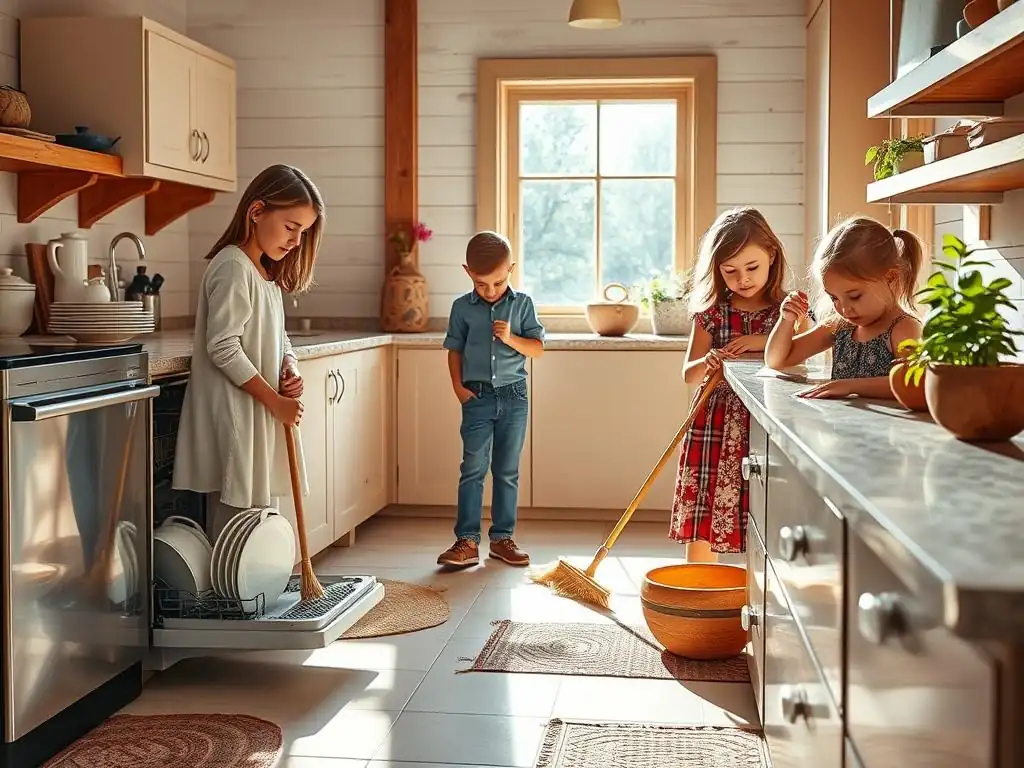
Welcome to Mind Care Guide, a safe space dedicated to nurturing your mental well-being. We understand that navigating life's challenges can sometimes feel overwhelming. Ever wondered how something as simple as children's chores build resilience skills? It's more powerful than you might think. Dive in to discover how fostering responsibility in our children can equip them with the tools they need to thrive, creating a stronger, more resilient family unit. Let's explore together, starting right here.
Responsibility Builds Resilience: Empowering Children Through Chores and Tasks
- Introduction: Fostering Resilience in Children Through Responsibility
- Why Children’s Chores Build Resilience Skills: Key Benefits
- Age-Appropriate Chores for Building Resilience: A Guide
- How to Introduce Chores Effectively: A Step-by-Step Approach
- The Importance of Consistency in Building Children’s Resilience
- Beyond Chores: Other Ways to Cultivate Resilience in Children
- The Long-Term Impact of Responsibility on Mental Well-being
- Conclusion: Empowering Children for a Resilient Future Through Chores and Responsibility
- Frequently Asked Questions
- Final Reflection: The Enduring Power of Responsibility
- Unleash Your Child's Inner Superhero: Start Building Resilience Today!
Introduction: Fostering Resilience in Children Through Responsibility
In the journey of raising children, parents often focus on academic achievement, extracurricular activities, and social development. While these are undoubtedly important, cultivating resilience – the ability to bounce back from challenges, adapt to adversity, and maintain emotional well-being – is arguably one of the most critical skills for long-term success and mental health.
Resilience isn't an innate trait; it's a capacity built over time through experiences that teach children they are capable, that their efforts matter, and that they can navigate difficulties. One powerful, yet often overlooked, avenue for fostering this vital trait is through the integration of household chores and responsibilities into a child's daily life.
Engaging children in household tasks goes far beyond simply keeping a tidy home. It's a fundamental way to teach valuable life skills, instill a sense of contribution, and build the foundational blocks of a resilient mindset. When children consistently participate in chores, they learn about effort, perseverance, and the satisfaction of a job well done. These experiences, repeated over time, contribute significantly to their self-esteem and sense of competence. This article delves into how children’s chores build resilience skills, exploring the specific benefits and providing practical guidance for parents seeking to empower their children through responsibility.
Understanding the Link Between Chores and Resilience Development
The connection between performing chores and developing resilience might not be immediately obvious, but it is deeply rooted in psychological principles. Resilience is built upon core components such as self-efficacy (belief in one's ability to succeed), problem-solving skills, emotional regulation, and a sense of purpose or contribution. Chores provide a practical, low-stakes environment for children to develop these very components. When a child is given a chore, they are presented with a task that requires effort, planning (even if simple), and execution. Successfully completing the task, even with guidance, reinforces their capability.
Moreover, chores often involve overcoming small obstacles – perhaps a spill while wiping the counter or difficulty folding a fitted sheet. Navigating these minor frustrations teaches children patience and persistence.
Studies in child development have consistently shown that providing children with opportunities to contribute meaningfully to their environment correlates positively with their sense of responsibility and independence later in life. For instance, research published in the Journal of Developmental & Behavioral Pediatrics highlighted that children who began chores at ages 3-4 were more likely to have stronger relationships with family and higher academic success rates in their teens, suggesting a foundational link between early responsibility and overall well-being and resilience.
Why Children’s Chores Build Resilience Skills: Key Benefits
Developing a Sense of Accomplishment and Self-Efficacy Through Chores
Completing a chore, no matter how small, provides a tangible outcome that a child can point to and say, "I did that." This sense of accomplishment is a powerful builder of self-efficacy – the belief in one's ability to succeed in specific situations or accomplish a task. When children repeatedly experience success through completing chores, their confidence in their capabilities grows, extending beyond the specific task itself. This confidence is crucial for resilience, as it equips them with the internal belief that they can handle challenges and work towards solutions.
Consider a child tasked with setting the dinner table. Initially, they might need help remembering where everything goes. With practice, they learn the sequence and placement.
Each time they successfully set the table, they receive positive reinforcement (a parent's smile, a simple "thank you") and see the immediate result of their effort. This consistent loop of effort, successful completion, and positive feedback solidifies their sense of competence. Child development experts note that this feeling of "I can do it" cultivated through practical tasks like chores is a far more robust foundation for self-esteem than praise alone; it's based on demonstrated ability, directly contributing to how children’s chores build resilience skills.
Learning Responsibility and Accountability from an Early Age
Chores are perhaps the most direct way to teach children about responsibility and accountability. When a child is assigned a task like feeding the family pet or tidying their bedroom, they learn that there are expectations and that their actions (or inactions) have consequences. Failing to feed the pet means the animal goes hungry; not tidying the room means they can't find their favorite toy. These real-world, immediate consequences, managed empathetically by parents, are invaluable learning opportunities.
This understanding of cause and effect, and the expectation that they will follow through on their commitments, is fundamental to developing a responsible character. According to findings often cited in parenting literature, children who are held accountable for age-appropriate chores tend to perform better in school and exhibit greater self-reliance. They learn that being a part of a family or community means contributing and being reliable. This acceptance of responsibility and accountability is a cornerstone of resilience, as it helps individuals understand their role in overcoming challenges and taking ownership of their actions and their environment.
Building Problem-Solving Skills Through Task Completion
Many chores, especially as children get older, require basic problem-solving skills. Folding laundry involves figuring out how to manage different shapes and sizes of clothing. Loading a dishwasher requires spatial reasoning to fit everything efficiently. Cleaning a room involves deciding where things belong and tackling clutter systematically. These might seem like simple problems to adults, but for a child, they are genuine cognitive challenges that encourage critical thinking and planning.
When faced with a chore, a child might initially feel overwhelmed ("My room is too messy!"). By breaking the task down with parental guidance ("Let's start by putting all the books on the shelf"), they learn to approach large problems in smaller, manageable steps. They experiment with different methods ("Maybe I'll fold the shirts this way").
Successfully navigating these mini-challenges builds confidence in their ability to tackle problems independently. This experience is vital for resilience, as it equips them with the mindset and practical skills to approach larger, more complex problems they will encounter in life, understanding that challenges can be broken down and overcome.
Enhancing Emotional Regulation and Coping Mechanisms
Chores aren't always fun, and sometimes they can be frustrating. A child might feel annoyed that they have to do a chore instead of playing, or they might become frustrated if a task is difficult. These moments provide crucial opportunities for children to practice emotional regulation and develop coping mechanisms. Learning to manage feelings of annoyance, boredom, or frustration in a healthy way is a key component of resilience.
When a child complains about a chore, parents can guide them through their feelings: "I understand you're feeling frustrated right now because this is hard. It's okay to feel that way. Let's take a deep breath together, and then we can try again."
This teaches children to acknowledge their emotions without being overwhelmed by them and to persevere despite feeling uncomfortable. Over time, they learn that they can tolerate minor discomfort or boredom and still complete a task. This internal capacity to manage difficult emotions and persist through mundane or challenging situations is a direct contribution to how children’s chores build resilience skills against life's inevitable frustrations and setbacks.
Age-Appropriate Chores for Building Resilience: A Guide
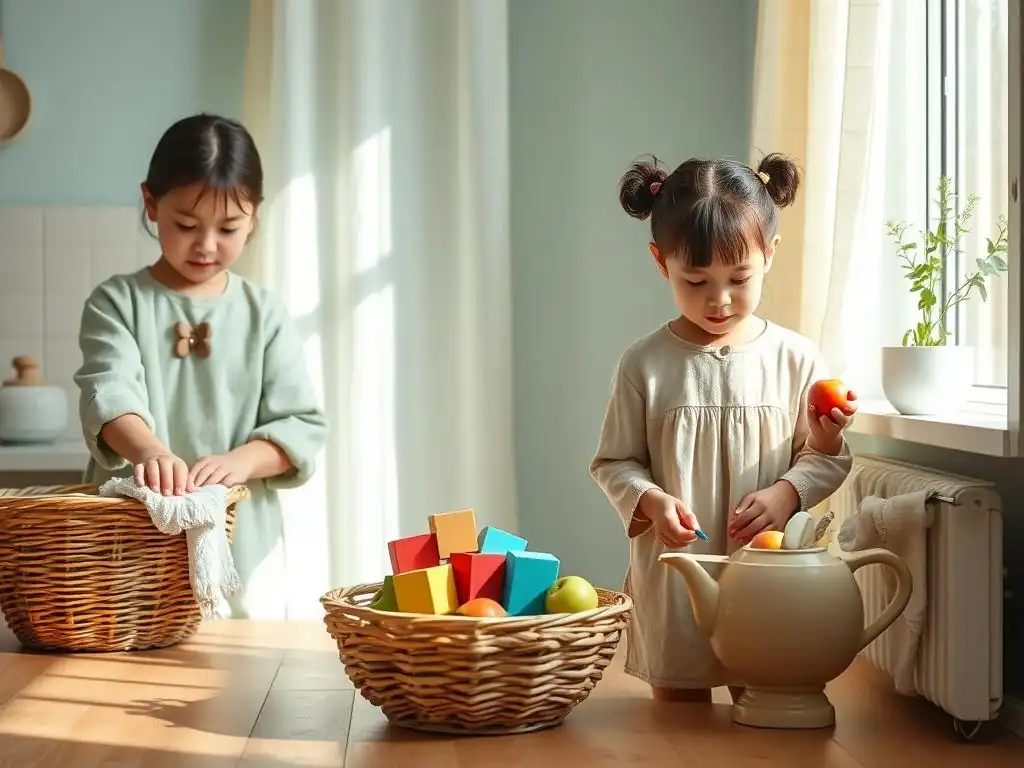
Chores for Preschoolers (Ages 3-5): Simple Tasks for Early Responsibility
For preschoolers, chores should be simple, quick, and integrated into playtime or daily routines. The focus at this age is less on perfection and more on participation and learning the concept of contributing. Tasks should be within their physical and cognitive capabilities, often involving just a few steps. Examples include putting toys in a bin, placing books on a shelf, helping set out napkins or placemats, putting dirty clothes in a hamper, or wiping up small spills with a cloth.
These simple tasks help preschoolers develop fine motor skills, learn about organization, and understand that they are a valued part of the family unit. When a 4-year-old successfully puts their shoes away, they experience a tangible result of their effort and contribute to the order of the household. This early experience of responsibility, even in its most basic form, starts laying the groundwork for the understanding that they have a role to play and are capable of contributing, which is foundational for building resilience.
Chores for Elementary School Children (Ages 6-11): Expanding Responsibilities and Skill Sets
As children enter elementary school, their physical and cognitive abilities expand significantly, allowing for more complex and multi-step chores. This is a crucial period for solidifying the habits of responsibility and further developing skills. Chores can now include making their bed neatly, sorting laundry, helping with meal preparation (washing vegetables, stirring ingredients), packing their own lunch, taking out the trash, sweeping floors, or tidying common areas like the living room.
These tasks require more sustained effort, planning, and attention to detail than preschool chores. A child learning to sort laundry by color or type is practicing categorization and following instructions. Successfully folding clothes or vacuuming a room provides a clear visual result of their work. Taking responsibility for tasks that impact the whole family, like setting the table or clearing dishes, reinforces their sense of contribution and accountability. These expanded responsibilities during the elementary years are key in demonstrating how children’s chores build resilience skills through consistent effort and contribution.
Chores for Teenagers (Ages 12-18): Preparing for Independence and Adulting
Teenagers are capable of handling more significant and complex responsibilities that prepare them for independent living. Chores for this age group should reflect the skills needed for managing a household. Examples include doing their own laundry (washing, drying, folding, putting away), preparing simple meals for the family, grocery shopping (potentially with a budget), cleaning bathrooms, mowing the lawn, shoveling snow, or managing household recycling and waste.
Assigning these more demanding chores teaches teenagers time management, budgeting (if applicable), planning, and the practical skills needed to care for themselves and a living space. Successfully managing tasks like doing all their own laundry from start to finish builds independence and self-reliance. Contributing to significant household upkeep reinforces their role as a responsible member of the family and community. These advanced responsibilities are vital for building the resilience needed to navigate the challenges of adulthood, demonstrating clearly how children’s chores build resilience skills essential for future autonomy and well-being.
How to Introduce Chores Effectively: A Step-by-Step Approach
Setting Clear Expectations and Boundaries for Chore Completion
Introducing chores requires clear communication and consistent boundaries. Before assigning tasks, sit down with your child and explain why chores are important – frame it as contributing to the family team, not as punishment. Discuss which chores will be assigned and how often they need to be done. For younger children, visual schedules or chore charts can be very helpful. Be specific about what "done" looks like for each chore. For example, for "clean your room," specify that toys go in the toy box, books on the shelf, and dirty clothes in the hamper.
Establishing clear expectations upfront reduces confusion and potential conflict later. It's also important to set boundaries around when chores need to be completed (e.g., "before screen time," "after breakfast") and what happens if they aren't done. Consistency in enforcing these expectations, while being empathetic to occasional difficulties, teaches children that these responsibilities are non-negotiable parts of being in the family, reinforcing the accountability aspect that helps children’s chores build resilience skills.
Providing Positive Reinforcement and Encouragement for Effort
Positive reinforcement is far more effective than punishment when it comes to establishing chore habits and fostering a positive attitude towards responsibility. Praise effort and participation, not just perfection. A simple "Thank you for putting your plate in the sink, that helps me a lot!" is powerful encouragement for a young child. For older children, acknowledging their effort on a more challenging task ("I noticed you worked really hard to get the bathroom clean, it looks great!") is important.
Reinforcement doesn't always have to be tangible rewards; often, verbal praise, a high-five, or simply acknowledging their contribution is sufficient. The goal is to help them internalize the satisfaction of contributing and completing a task. Focusing on effort encourages a growth mindset – the belief that abilities can be developed through dedication and hard work – which is a critical component of resilience. This positive approach ensures that chores are seen as opportunities for growth and contribution, further strengthening how children’s chores build resilience skills.
Teaching Chore Skills and Providing Necessary Support
Children are not born knowing how to fold clothes neatly or scrub a toilet effectively. Parents must invest time in teaching them how to perform chores correctly and safely. This might involve demonstrating the task step-by-step, doing it together initially, and providing gentle guidance and correction as they learn. Be patient; mastery takes time and practice. Provide the right tools that are child-sized and easy to use, if possible.
Ongoing support is also crucial, especially when introducing new or more complex chores. Be available to answer questions, provide help if they encounter a genuine difficulty, and offer encouragement when they feel frustrated. The goal is to empower them to complete the task independently, but initial support is necessary. This process of teaching and supporting helps children develop competence and confidence in their abilities, reinforcing the self-efficacy component that is key to resilience. When they know they can learn new skills and have support when needed, they are more likely to tackle challenges head-on.
Avoiding Common Pitfalls: Micromanaging and Overloading
Two common mistakes parents make when assigning chores are micromanaging and overloading. Micromanaging involves hovering over the child, constantly correcting small details, or re-doing the chore because it wasn't done "perfectly." This undermines the child's confidence, sends the message that they are not capable, and can breed resentment. It's important to accept that a child's standard of cleanliness or organization might differ from yours, especially when they are learning. Focus on completion and effort over perfection.
Overloading a child with too many chores or tasks that are too difficult for their age can lead to frustration, burnout, and a negative association with responsibility. This can actually reduce their sense of efficacy and resilience. Start with a few age-appropriate tasks and gradually increase responsibilities as they demonstrate competence and maturity. The aim is to build a positive relationship with responsibility, not to create a source of constant stress. Finding this balance is essential for ensuring that children’s chores build resilience skills effectively rather than becoming a source of anxiety.
The Importance of Consistency in Building Children’s Resilience
Establishing a Regular Chore Routine for Long-Term Benefits
Consistency is perhaps the most critical factor in leveraging chores to build resilience. Chores should not be sporadic tasks assigned only when the house is messy or when a parent is feeling overwhelmed. They should be a regular, predictable part of the child's weekly or daily routine, just like homework or brushing teeth. Establishing a routine helps children internalize the expectation of contribution and responsibility. It removes the need for constant negotiation or reminders and makes chores a normal part of life.
A consistent routine provides a sense of structure and predictability, which is comforting for children and helps them develop discipline and time management skills. When chores are done regularly, they don't pile up, making them less daunting. This consistent engagement with responsibility over time builds the habit of follow-through and reliability. According to developmental psychologists, consistent routines contribute to a child's sense of security and competence, both of which are foundational elements that enable children’s chores build resilience skills effectively over the long term.
Addressing Resistance and Challenges in a Constructive Way
It's natural for children to resist chores sometimes. How parents handle this resistance significantly impacts the outcome. Avoid engaging in power struggles, yelling, or resorting to threats. Instead, approach resistance with empathy but firmness. Acknowledge their feelings ("I know you'd rather be playing"), reiterate the expectation ("But this is your responsibility as part of our family"), and calmly state the consequence of non-completion (e.g., delayed playtime, loss of a privilege related to the chore).
Work with the child to understand the source of resistance. Is the chore too hard? Do they need help? Are they feeling overwhelmed? Problem-solve together if possible. For example, if a teen is overwhelmed by their messy room, help them create a plan to tackle it in stages. Teaching children to work through their resistance and find solutions, rather than avoiding the task, strengthens their coping mechanisms and problem-solving skills. This process of navigating conflict and finding resolution is a direct way that children’s chores build resilience skills by teaching them to face difficulty rather than retreat.
Role Modeling Responsibility and Hard Work
Children learn by observing their parents. If parents complain constantly about chores, avoid doing them, or expect children to do tasks they themselves aren't willing to do, the message about the value of responsibility becomes muddled. Parents who approach household tasks with a positive attitude, demonstrate diligence, and share the workload set a powerful example. Let your children see you cleaning, cooking, and maintaining the home. Talk about the satisfaction you get from completing tasks.
Involve children in family discussions about shared responsibilities and how everyone's contribution helps the household run smoothly. When children see their parents consistently demonstrating responsibility and a willingness to work hard, they are more likely to internalize these values themselves. This role modeling reinforces the importance of chores not just as isolated tasks, but as a fundamental part of contributing to a shared life, further solidifying how children’s chores build resilience skills by instilling a strong work ethic and sense of contribution.
Beyond Chores: Other Ways to Cultivate Resilience in Children

Encouraging Independence and Decision-Making
While chores are structured responsibilities, fostering independence in other areas also builds resilience. Allow children to make age-appropriate decisions, such as choosing their outfit for the day, deciding how to spend their allowance, or selecting a book to read. These opportunities empower children and build confidence in their judgment. As they get older, involve them in family decisions where appropriate, such as choosing a vacation destination or planning a family outing.
Learning to make choices, evaluate options, and experience the outcomes (both positive and negative) is essential for developing self-reliance and resilience. When children are given the space to make decisions and learn from their mistakes in a supportive environment, they build the confidence to navigate life's complexities. This autonomy complements the structured responsibility learned through chores, creating a well-rounded foundation for resilience.
Promoting a Growth Mindset and Perseverance
A growth mindset is the belief that abilities and intelligence can be developed through dedication and hard work. This contrasts with a fixed mindset, where abilities are seen as innate and unchangeable. Parents can foster a growth mindset by praising effort rather than intelligence or talent. Instead of saying, "You're so smart! ", try "I'm proud of how hard you worked on that problem." Emphasize that challenges are opportunities to learn and grow.
Encourage perseverance by helping children understand that setbacks are a normal part of the learning process. Share stories of times you faced challenges and overcame them. When a child struggles with a task (whether it's a chore, homework, or a sport), encourage them to keep trying, break the problem down, or seek help. Learning to persist in the face of difficulty is a core component of resilience.
Fostering Strong Family Relationships and Support Systems
A strong, supportive family environment is a critical buffer against adversity and a powerful builder of resilience. Children who feel loved, safe, and connected to their families are better equipped to handle stress and challenges. Spend quality time together, listen actively to your children, and create an open atmosphere where they feel comfortable sharing their thoughts and feelings.
Encourage healthy relationships with extended family, friends, and mentors. Knowing they have a network of supportive people they can turn to provides children with a sense of security and belonging. These strong social connections teach children about empathy, cooperation, and the importance of seeking and offering support – all vital for navigating life's ups and downs resiliently.
Teaching Coping Strategies for Stress and Adversity
Resilience involves not just bouncing back, but also having healthy ways to manage stress and difficult emotions. Teach children age-appropriate coping strategies, such as deep breathing exercises, mindfulness, talking about their feelings, engaging in physical activity, or pursuing hobbies they enjoy. Help them identify what helps them feel calm and centered when they are upset.
Discuss different kinds of adversity, from small disappointments to larger challenges, and talk about healthy ways to respond. Role-play scenarios or use books and movies to explore how characters cope with problems. Equipping children with a toolkit of coping strategies empowers them to manage stress effectively throughout their lives, significantly strengthening their resilience.
The Long-Term Impact of Responsibility on Mental Well-being
Building a Foundation for Future Success and Independence
Instilling a sense of responsibility through chores from a young age has profound long-term impacts on a child's future success and independence. Children who grow up contributing to their household are often more self-reliant, organized, and motivated. They develop a stronger work ethic and a better understanding of the effort required to maintain a home and manage personal affairs. This foundational competence translates into various aspects of adult life.
Research, including longitudinal studies tracking individuals over decades, has indicated that participation in household tasks during childhood is a significant predictor of success in young adulthood, including academic achievement, career prospects, and maintaining healthy relationships. For instance, a study spanning 25 years found that the best predictor of young adults' success was that they participated in household chores at age 3 or 4.
These skills learned through chores – task completion, responsibility, problem-solving – are directly applicable to navigating the demands of higher education, managing a career, and running an independent household, demonstrating how children’s chores build resilience skills essential for lifelong independence.
Reducing Anxiety and Depression Through a Sense of Control
A sense of control over one's environment and circumstances is a powerful antidote to feelings of anxiety and helplessness. When children regularly complete chores and see the positive impact of their efforts, they develop a stronger internal locus of control – the belief that they can influence events and outcomes through their own actions. This stands in contrast to an external locus of control, where people feel outcomes are due to luck or external forces.
Developing an internal locus of control through consistent responsibility helps reduce vulnerability to anxiety and depression. Children who feel capable and effective are less likely to feel overwhelmed by challenges. They approach difficulties with a problem-solving mindset rather than feeling powerless. The predictability and structure of a chore routine can also provide a sense of stability, further mitigating anxiety. This tangible experience of making a difference and managing tasks contributes significantly to the mental well-being that underlies resilience.
Enhancing Self-Esteem and Confidence
Self-esteem is built on a foundation of competence and worth. When children regularly contribute to their families through chores, they receive the implicit message that they are capable and that their contributions are valuable. This isn't just about being told they are helpful; it's about experiencing the reality of being helpful and seeing the positive impact of their actions on the household and their family members.
Successfully mastering new chore skills and consistently fulfilling responsibilities builds genuine confidence in their abilities. This confidence is earned through effort and accomplishment, making it more robust and less fragile than self-esteem based solely on praise or external validation. As they grow, this strong sense of self-efficacy and inherent worth, cultivated through tangible contributions like chores, becomes a protective factor for their mental health and a key component of their overall resilience. It's a clear demonstration of how children’s chores build resilience skills by fostering a positive self-image rooted in capability and contribution.
Conclusion: Empowering Children for a Resilient Future Through Chores and Responsibility
Empowering children with responsibility through age-appropriate chores is far more than just a parenting strategy for a cleaner house; it is a fundamental investment in their future mental well-being and resilience. By consistently engaging in household tasks, children learn essential life skills, develop a strong sense of self-efficacy, understand the importance of contributing to a community, and build the capacity to navigate challenges with confidence and perseverance.
From a preschooler tidying toys to a teenager managing their own laundry, each chore completed is a step towards building the internal strength needed to face life's inevitable difficulties. When parents approach chores with clear expectations, patience, positive reinforcement, and a focus on teaching skills, they create a powerful environment where children’s chores build resilience skills naturally. This foundation of responsibility cultivated in childhood prepares them to become capable, confident, and resilient adults, ready to contribute positively to the world and navigate their own paths with a strong sense of purpose and well-being.
Frequently Asked Questions
What are the benefits of children's chores in building resilience skills?
Children's chores help develop responsibility and independence, which are crucial for building resilience skills. Engaging in regular tasks teaches children to face challenges and cultivate a problem-solving mindset.
How can parents effectively introduce chores to their children?
Parents can introduce chores by starting with simple tasks that match their child's age and abilities. Gradually increasing responsibility can help children feel a sense of accomplishment and ownership.
At what age should children start doing chores?
Children can begin doing chores as early as 2-3 years old with simple tasks like putting away toys. The complexity of chores can increase as children grow, promoting skill development and resilience.
What types of chores are suitable for children?
Age-appropriate chores include cleaning up their room, setting the table, or helping with laundry. These tasks not only teach life skills but also foster a sense of contribution to the family.
How do chores contribute to a child's mental well-being?
Chores can enhance a child's self-esteem and confidence by providing a sense of achievement. Completing tasks fosters independence and helps children learn to manage their emotions effectively, contributing to overall mental well-being.
Final Reflection: The Enduring Power of Responsibility
The ability to overcome challenges is not innate; it's cultivated, and the cornerstone of resilience in children is often found in the seemingly mundane: chores and tasks. This isn't about creating miniature adults, but about fostering a sense of ownership and capability that equips them to navigate the inevitable bumps in the road of life. We've explored how assigning age-appropriate responsibilities builds self-esteem, problem-solving skills, and a crucial understanding of contribution within a community. This is more relevant than ever in a world that often shields children from hardship, inadvertently hindering their development of essential coping mechanisms.
The impact of instilling responsibility in children extends far beyond the immediate tidying of a room or the completion of a household task. It shapes their character, influencing their approach to education, relationships, and future career endeavors. It fosters a sense of self-efficacy, the belief in one's own ability to succeed. As Eleanor Roosevelt wisely stated, The future belongs to those who believe in the beauty of their dreams.
By giving children the tools to achieve small victories through responsibility, we empower them to dream bigger and bolder, knowing they possess the resilience to overcome obstacles in pursuit of those dreams.
Consider the chores your child undertakes, the small victories they achieve, and the sense of accomplishment they feel. Reflect on how you can further cultivate their resilience by expanding their responsibilities in a supportive and encouraging way. Don't underestimate the power of small acts; each completed task, each challenge overcome, builds a stronger foundation for a resilient and confident future. Embrace the opportunity to empower your child, not just with skills, but with the unshakeable belief in their own capabilities. The journey towards resilience begins with a single chore, a single act of responsibility.
Unleash Your Child's Inner Superhero: Start Building Resilience Today!
Thanks for taking the time to explore the power of responsibility in building resilient children! You've gained valuable insights into fostering independence and strength. Now, let's put that knowledge into action.
- Implement a chore chart this week: Start small, choosing 1-2 age-appropriate tasks for your child. This is the key step to building responsibility and resilience.
- Share this article with a friend: Let's spread the word about empowering children through practical tasks!
- Join our community forum (link removed per instructions): Share your experiences and challenges, and learn from other parents on their resilience-building journeys.
Ready to see your child thrive through the challenges they face? What small step will you take today to help them build their inner superhero?