
StepbyStep Guide to Resolving Common Family Conflicts

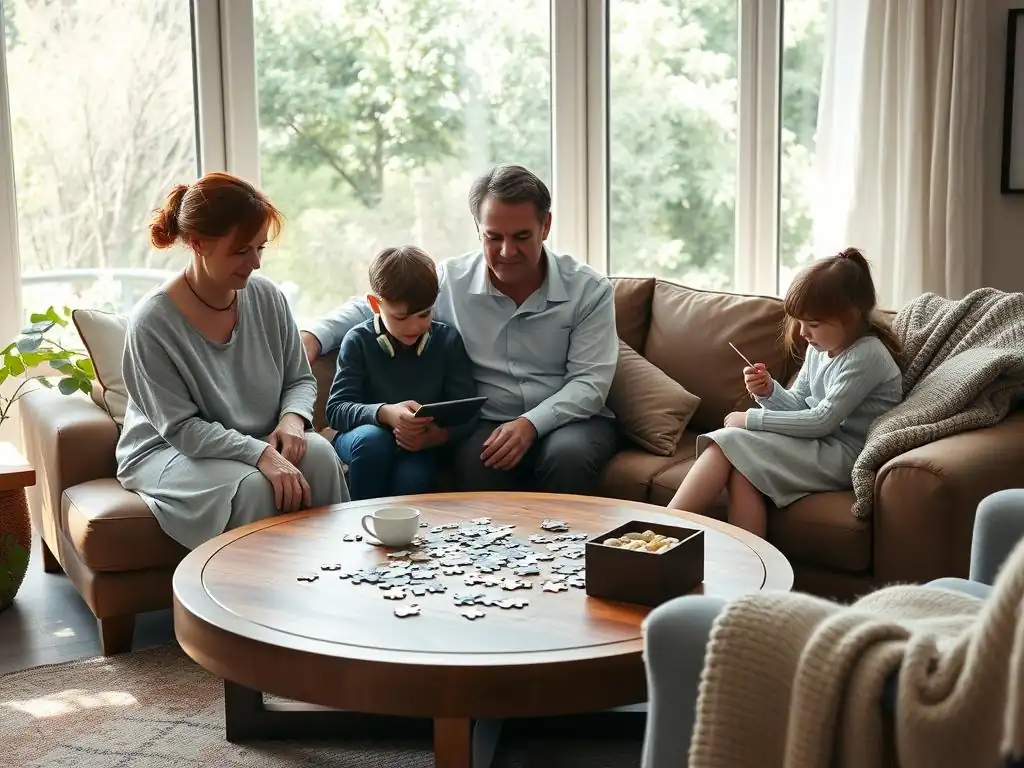
Welcome to Mind Care Guide, your sanctuary for navigating the complexities of mental well-being. Are family disagreements casting a shadow over your home life? You're not alone. Many families struggle with conflict, but understanding how to navigate these challenges is key to creating a healthier, happier environment. Discover practical and empathetic solutions as we delve into effective family conflict resolution strategies, offering a step-by-step guide to help you build stronger, more resilient bonds. What if you could transform those tense moments into opportunities for growth and understanding? Let's explore how.
Step-by-Step Guide to Resolving Sibling Rivalry
- Understanding Sibling Rivalry: A Foundation for Resolution
- Step 1: Active Listening and Empathetic Communication for Sibling Harmony
-
Step 2: Identifying and Defining the Core Issue of the Conflict
- Separating Underlying Needs from Surface Arguments: Attention, Recognition, Fairness
- Framing the Conflict in a Clear and Concise Manner: "We're arguing about sharing toys, but the real issue is feeling like everyone gets a fair turn."
- Avoiding Blame and Focusing on the Problem at Hand: "How can we make sure everyone gets a chance to play with the toy?"
- Step 3: Brainstorming Potential Solutions for Sibling Disputes
- Step 4: Evaluating and Selecting the Best Solution
- Step 5: Implementing the Solution and Establishing Clear Expectations
- Step 6: Monitoring Progress and Adjusting the Solution as Needed
- Step 7: Seeking Professional Help When Sibling Conflict Resolution Strategies Fail
- Long-Term Strategies for Preventing Future Sibling Conflicts
- The Benefits of Successful Sibling Conflict Resolution
-
Frequently Asked Questions
- What are some common causes of family conflicts that resolution strategies can address?
- How can active listening contribute to better family conflict resolution?
- What role does compromise play in successful family conflict resolution strategies?
- What are some warning signs that a family conflict requires professional help beyond basic resolution strategies?
- How can setting clear boundaries aid in preventing and resolving family conflicts?
- Final Reflection: Weaving a Stronger Family Tapestry
- Unlock Your Family's Harmony: Start Building Bridges Today!
Understanding Sibling Rivalry: A Foundation for Resolution
Identifying the Root Causes of Sibling Rivalry: Competition, Perceived Favoritism, and Individual Needs
Sibling rivalry, a common dynamic in many households, often stems from a few key underlying factors. At its core, it frequently involves competition – for parental attention, resources like toys or space, or even recognition for achievements. This competitive drive can manifest early, with toddlers vying for a parent's lap, and continue into adolescence, where siblings might compete over grades, social status, or privileges. Understanding that this competition is a natural part of development, though needing management, is the first step in effective family conflict resolution strategies.
Beyond simple competition, perceived favoritism is a significant catalyst for conflict. Children are highly attuned to how they are treated relative to their siblings. Even slight differences in rules, attention, or praise can be interpreted as unfairness, fueling resentment and conflict. A child might feel a sibling gets "away with everything" or that another is always praised more, leading to arguments rooted in a deep-seated need for equitable treatment and validation. Recognizing that perception is reality for the child is crucial when addressing these issues.
Recognizing Unhealthy Communication Patterns: Name-Calling, Physical Aggression, and Silent Treatment
Conflicts between siblings can quickly escalate when fueled by unhealthy communication patterns. Name-calling and insults are common ways siblings express frustration or anger, directly attacking the other's self-worth. Phrases like "You're so stupid!" or "I hate you!" are hurtful and erode the sibling bond, making resolution difficult. These verbal jabs are often a cry for attention or an inability to articulate deeper feelings constructively.
Physical aggression, ranging from pushing and shoving to hitting or biting, is another dangerous pattern. While common in younger children who lack verbal skills, persistent physical conflict requires immediate intervention. It signifies an inability to manage strong emotions or resolve disagreements peacefully. Equally damaging, though less visible, is the silent treatment or social exclusion. This passive-aggressive behavior involves ignoring a sibling, excluding them from games, or spreading rumors, creating emotional distance and isolation that can be deeply painful and challenging to address with typical family conflict resolution strategies.
The Impact of Age Gaps, Personality Differences, and Parental Stress on Sibling Conflicts
Several external factors significantly influence the frequency and intensity of sibling conflicts. Age gaps play a role; siblings close in age might experience more direct competition for similar resources and parental attention, leading to frequent squabbles. Conversely, larger age gaps can lead to conflicts related to different needs, interests, and power imbalances, where an older sibling might dominate or a younger one feels ignored. For example, a 10-year-old and a 6-year-old might fight over screen time or game choices, while a 16-year-old and a 12-year-old's conflicts might center on privacy, chores, or borrowing clothes without permission.
Personality differences are also a major contributor. A highly sensitive child might clash frequently with a more assertive or boisterous sibling. An organized child might be constantly at odds with a messy one. These inherent traits, when not understood or managed, can be perpetual sources of friction. Furthermore, parental stress can exacerbate sibling rivalry. When parents are overwhelmed, distracted, or inconsistent in their discipline or attention, sibling conflicts often increase. Children may act out or compete more fiercely for limited parental resources, reflecting the tension within the home environment.
Step 1: Active Listening and Empathetic Communication for Sibling Harmony
Practicing Active Listening Skills: Allowing Each Sibling to Express Their Feelings Without Interruption
Effective family conflict resolution strategies begin with truly hearing each person involved. For sibling conflicts, this means teaching and facilitating active listening. When a conflict arises, designate a time and space where each sibling gets an uninterrupted turn to speak. The goal is not to immediately jump to conclusions or offer solutions, but to understand the other's perspective fully. This might involve setting a timer, perhaps two or three minutes for each child depending on age, during which the other sibling must remain silent, focusing solely on listening.
During their turn, encourage the speaking sibling to express their feelings using "I" statements, such as "I felt angry when you took my toy without asking." The listening sibling's role is just to absorb the information. Once the speaker is finished, the listener should briefly summarize what they heard to check their understanding. For example, "So, you felt angry because I took your toy without asking?" This simple act validates the speaker's experience and ensures the listener has grasped the core message, preventing misunderstandings that often fuel the conflict further.
Expressing Empathy and Validation: Acknowledging Each Sibling's Perspective
Once each sibling has had a chance to speak and be actively listened to, the next critical step is expressing empathy and validation. This does not mean agreeing with their actions or blaming the other sibling; it means acknowledging the validity of their feelings and perspective from their point of view. For instance, a parent might say to one child, "It sounds like you were really frustrated because you weren't finished playing with the toy," and to the other, "And it sounds like you felt it was unfair because you hadn't had a turn all day."
Validating feelings helps siblings feel understood and heard, which can significantly de-escalate tension. It shifts the focus from who is "right" or "wrong" to acknowledging the emotional impact of the conflict on each person. Even if a parent knows one child acted inappropriately, acknowledging the feeling behind the action ("You were angry because...") before addressing the behavior ("...but hitting is not okay") is a more empathetic approach. This step is foundational for moving towards a resolution that respects everyone's emotional experience.
Avoiding Taking Sides and Remaining Neutral
A cornerstone of effective family conflict resolution strategies, particularly with siblings, is the parent's ability to remain neutral and avoid taking sides. When parents consistently side with one child over another, it reinforces perceived favoritism, breeds resentment, and teaches children that conflicts are about winning or losing rather than finding mutual solutions. Children become less likely to resolve issues themselves if they know a parent will intervene and declare a "winner."
Instead of acting as a judge, the parent's role is to act as a facilitator. This involves guiding the conversation, ensuring everyone follows the rules of active listening, and helping the siblings articulate their needs and feelings. Phrases like "Let's hear both sides of the story" or "It seems like you both feel strongly about this" promote neutrality. By not taking sides, parents empower siblings to work together towards a solution and learn valuable negotiation skills, rather than relying on external authority to settle their disputes.
Step 2: Identifying and Defining the Core Issue of the Conflict
Separating Underlying Needs from Surface Arguments: Attention, Recognition, Fairness
Sibling conflicts often appear to be about trivial things – who gets the remote, who used the last of the milk, who gets the biggest cookie. However, these surface arguments usually mask deeper, underlying needs. A fight over a toy might not be about the toy itself, but about a child feeling ignored (need for attention) or feeling that a sibling always gets their way (need for fairness and control). Similarly, arguments about chores could stem from a need for recognition for contributions or a perception of unequal workload (need for fairness).
Helping siblings articulate these underlying needs is crucial for effective family conflict resolution strategies. Encourage them to think beyond the immediate trigger. A parent might prompt, "What did you really want when you grabbed the toy?" or "What did it feel like when your brother got to stay up later?" By guiding them to identify needs like feeling valued, respected, included, or treated fairly, the focus shifts from the specific object or event to the emotional and psychological drivers of the conflict, making finding a resolution much more targeted and effective.
Framing the Conflict in a Clear and Concise Manner: "We're arguing about sharing toys, but the real issue is feeling like everyone gets a fair turn."
Once the underlying needs are identified, the next step is to frame the conflict in a clear, concise, and neutral way that both siblings can agree on. This reframing moves the discussion from accusatory statements ("He always takes my stuff!") to a shared problem that needs solving.
A parent can help articulate this, perhaps starting with the surface issue and then incorporating the identified needs. For example, instead of "You two are fighting about the video game again," reframe it as "The problem we need to solve is how both of you can feel you get enough time to play the video game fairly."
This framing should be a statement that summarizes the conflict without assigning blame. Using phrases like "We have a problem with..." or "It seems the issue is..." helps create a sense of shared challenge. For instance, if the conflict is about noise levels, the framing might be: "Our challenge is finding a way for one person to practice their music while the other person can concentrate on their homework without being disturbed." This clear definition of the problem sets the stage for collaborative problem-solving in the subsequent steps of family conflict resolution strategies.
Avoiding Blame and Focusing on the Problem at Hand: "How can we make sure everyone gets a chance to play with the toy?"
A critical aspect of defining the conflict is ensuring the language used avoids blame and focuses squarely on the problem itself. When blame enters the conversation ("You started it!" or "It's your fault! "), siblings become defensive, and productive dialogue shuts down. The goal is not to determine who was right or wrong, but to find a way forward that works for everyone.
Instead of asking "Why did you do that?" which often sounds accusatory, ask "What happened from your perspective?" And crucially, once the problem is defined, pivot the conversation towards solutions. Use forward-looking questions that focus on resolution, such as "Given this problem, what can we do differently next time?" or, referring back to the toy example, "How can we make sure everyone gets a chance to play with the toy in a way that feels fair to both of you?" This solution-oriented approach empowers siblings and prevents the discussion from devolving back into accusations and defensiveness.
Step 3: Brainstorming Potential Solutions for Sibling Disputes
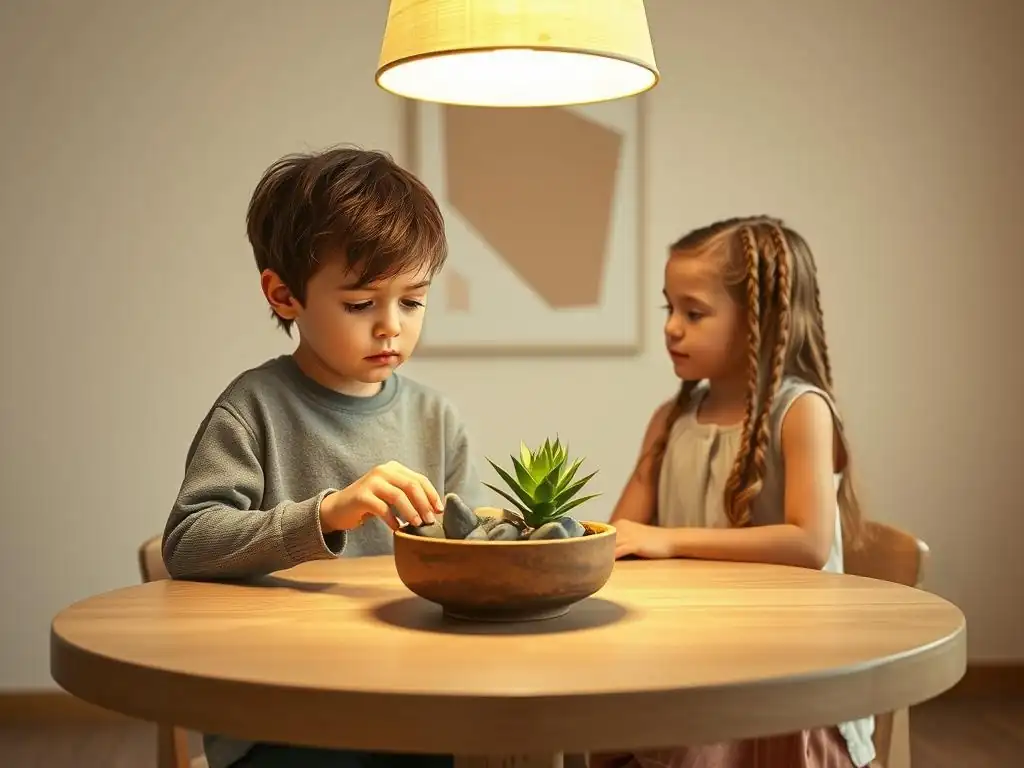
With the core issue clearly defined and underlying needs understood, the next step in effective family conflict resolution strategies is to brainstorm potential solutions. Encourage siblings to think creatively, moving beyond the initial "I want it!" or "No, I want it!" mentality. Facilitate ideas like establishing clear turn-taking rules, exploring ways they could play together with the contested item or space (shared play), or setting specific times when each person has exclusive use (designated playtimes).
For example, if the conflict is over a shared tablet, brainstorming could include:
- Using a timer for turns.
- Finding games they can play together simultaneously.
- Agreeing on specific days or times each sibling gets the tablet.
- Identifying alternative activities to do while waiting for their turn.
- Establishing a rule about asking permission before using it.
The key is to generate as many ideas as possible without immediately evaluating them. The focus is on quantity and creativity at this stage, encouraging siblings to think outside the box of their initial demands.
Generating a Wide Range of Possible Solutions: Timers, Reward Systems, Compromises
Expand the brainstorming process to include a wide range of potential solutions, considering various approaches like using external tools (timers, charts), implementing positive reinforcement (reward systems for sharing or peaceful conflict resolution), or finding compromise where neither sibling gets exactly what they initially wanted but both feel their needs are partially met. For a conflict over shared space in a room, solutions might include dividing the room with tape, agreeing on "quiet hours" for different activities, or creating individual storage solutions.
Task List Example for Brainstorming:
- [ ] Use a timer for sharing.
- [ ] Play together with the toy.
- [ ] Create a schedule for turns.
- [ ] Find a different toy to play with while waiting.
- [ ] Ask permission before using it.
- [ ] Parent helps set rules for sharing.
- [ ] Earn points for sharing nicely.
Encourage siblings to suggest even seemingly impractical ideas initially. Sometimes a wild idea can spark a more realistic one. The goal is to create a diverse pool of options from which to choose in the next step, ensuring that the siblings feel empowered in the resolution process.
Considering the Needs and Perspectives of All Siblings: Age-Appropriate Solutions, Individual Interests
As solutions are generated, it's vital to ensure they consider the needs and perspectives of all siblings involved, taking into account their age, developmental stage, and individual interests. A solution that works for a 5-year-old and a 7-year-old might be completely inappropriate for teenagers. For instance, a chore chart with stickers might motivate younger children, while older ones might respond better to increased privileges based on responsibility.
Ensure the solutions are fair and feel equitable from each child's point of view. Does the proposed solution address the underlying need for attention for one child and the need for fairness for the other? Discuss how each proposed solution might impact each sibling. "If we do it this way, how will that feel for you, [Sibling A]? And for you, [Sibling B]?" This step reinforces the idea that the resolution should work for the family unit, not just satisfy one individual, a key element of effective family conflict resolution strategies.
Step 4: Evaluating and Selecting the Best Solution
Assessing the Pros and Cons of Each Potential Solution: Will it be Fair? Will it be Sustainable?
Once a list of potential solutions has been generated, the next step in family conflict resolution strategies is to evaluate them collaboratively. Go through each proposed idea and discuss its pros and cons. Encourage siblings to think critically about how each solution might work in practice. For example, for the "using a timer" solution, pros might include clear expectations and equal time, while cons might include fights over starting/stopping the timer or interruptions to play.
Discuss questions like:
- Is this solution fair to everyone involved?
- Is it realistic and easy to implement?
- Will it address the root cause of the conflict?
- Is it sustainable over time, or will it likely lead to future conflicts?
- Are there any potential downsides we haven't considered?
This evaluation process teaches critical thinking and negotiation skills, helping siblings understand that not all ideas are equally effective and that finding the "best" solution involves careful consideration of its practical implications and fairness.
Prioritizing Solutions that Address the Root Cause: Addressing the underlying need for attention or fairness
When evaluating options, prioritize solutions that directly address the underlying needs identified in Step 2. A solution that merely manages the surface behavior (e.g., separating siblings when they fight) is less effective long-term than one that addresses the need driving the behavior (e.g., creating dedicated one-on-one time with each parent to address attention needs, reducing the need to fight for it).
For instance, if the conflict over a shared item is rooted in a feeling of unfairness, a strict turn-taking schedule might be a better solution than simply buying a second item, as the schedule directly addresses the need for perceived equity. Guide the siblings towards understanding which solutions are most likely to resolve the core issue, not just temporarily stop the fighting. This focus on root causes is a hallmark of deep and lasting family conflict resolution strategies.
Ensuring Fairness and Equity: Making sure all siblings feel valued and respected
Ultimately, the selected solution must feel fair and equitable to all siblings involved. Fairness doesn't always mean identical treatment, but it means treatment that is perceived as just and considerate of individual needs. A solution where one sibling feels completely unheard or disadvantaged is unlikely to succeed and will likely breed further resentment.
Check in with each sibling: "Does this solution feel fair to you?" "Do you think you can agree to this?" Ensure that the chosen solution respects each child's feelings, needs, and perspective as much as possible. Collaborative selection increases buy-in; siblings are far more likely to adhere to a solution they helped create and agreed upon than one imposed upon them. This ensures that the chosen strategy promotes a sense of value and respect for every family member.
Step 5: Implementing the Solution and Establishing Clear Expectations
Communicating the Chosen Solution Clearly: "We've decided that everyone gets 30 minutes with the toy."
Once a solution is agreed upon, it's crucial to communicate it clearly and simply to all siblings. State the solution explicitly, using concrete terms. For example, instead of "Be nice about the toy," say "We've all agreed that when you want to play with the blue truck, you will ask [Sibling's Name] if they are using it, and if they are, you will set the timer for 30 minutes and take turns when the timer rings." Write it down or draw pictures for younger children if necessary.
Ensure everyone understands what the solution is, how it will work, and why it was chosen (because it's fair, addresses the problem, etc.). This clear communication prevents misunderstandings and provides a clear point of reference if conflicts arise again regarding this specific issue. It is a vital step in solidifying the agreed-upon family conflict resolution strategies.
Defining Roles and Responsibilities: Who is responsible for setting the timer?
For the solution to work smoothly, clearly define who is responsible for what. If the solution involves a timer, who sets it? Who monitors it? If it involves a schedule, who is responsible for checking the schedule? If it involves cleaning up after using a shared space, who does the cleaning?
Assigning specific roles and responsibilities avoids confusion and prevents new arguments from emerging over the implementation process. For instance, for the toy-sharing solution, a parent might designate the older sibling as the "timer keeper" or agree that whoever is not using the toy is responsible for starting the timer when the other's turn begins. This step adds structure and accountability to the agreed-upon family conflict resolution strategies.
Setting Realistic Expectations and Timelines: Understanding that conflicts may still arise
It's important to set realistic expectations. No solution is a magic bullet that will eliminate sibling conflicts entirely. Conflicts are a normal part of family life and healthy sibling development. Communicate to the children that while this solution is designed to help with this specific problem, disagreements may still occur, and that's okay. The goal is to handle them constructively using the skills they are learning.
Establish a timeline for trying out the solution. Agree to try it for a week or two and then check in (Step 6) to see how it's working. This provides a timeframe for evaluation and reinforces that the solution isn't necessarily permanent but a strategy being tested. It manages expectations and allows for flexibility, which is key to long-term success in applying family conflict resolution strategies.
Step 6: Monitoring Progress and Adjusting the Solution as Needed

Regularly Checking in on the Implementation: Is the solution working? Are there any problems?
Implementing a solution isn't the end of the process; it's a point for monitoring. Regularly check in with the siblings, both individually and together, to see how the solution is working. Ask open-ended questions like "How has the new toy schedule been going?" or "Have there been any problems with using the timer?" Observe their interactions to see if the frequency or intensity of conflicts over that specific issue has decreased.
This check-in provides an opportunity to reinforce positive behavior ("I noticed you two managed the timer yourselves today, great job!") and identify potential roadblocks before they lead to renewed conflict. It shows the children that the resolution process is ongoing and that their input is still valued in making the solution effective. Regular monitoring is essential for refining family conflict resolution strategies.
Being Flexible and Willing to Make Adjustments: Modifying the solution if it's not effective
Sometimes, the first solution chosen doesn't work as intended. Perhaps the timer is too short, the schedule is inconvenient, or an unexpected issue arises. Be flexible and willing to make adjustments. The goal is to find a strategy that works, not to rigidly stick to the initial plan if it's causing new problems or isn't resolving the old ones.
If the solution isn't effective, revisit Step 3 (Brainstorming) or Step 4 (Evaluating), incorporating the lessons learned from the implementation attempt. For example, if a 30-minute timer for a popular video game leads to constant arguments when time is up, maybe a 45-minute timer is better, or perhaps limiting gameplay to specific hours on weekends is a more sustainable approach. Empower the siblings to participate in suggesting modifications; this reinforces their ownership of the resolution process and adapts the family conflict resolution strategies to fit evolving needs.
Seeking Feedback: Asking the siblings how they feel about the solution
Directly ask the siblings for their feedback on the solution. Do they feel it's fair? Is it easy to follow? Does it make things better or worse? Their perspective is invaluable in determining the success of the strategy. Children are more likely to cooperate with solutions they feel are reasonable and which they've had a hand in shaping, even through the adjustment phase.
Listen to their feedback empathetically, even if it's critical of the solution. Phrases like "I hear you saying the 30 minutes isn't enough time, and that makes you feel frustrated" validate their feelings while opening the door for discussion about adjustments. This continuous feedback loop is a key component of successful, long-term family conflict resolution strategies, fostering open communication and problem-solving skills within the family.
Step 7: Seeking Professional Help When Sibling Conflict Resolution Strategies Fail
Recognizing the Signs: Persistent aggression, emotional distress, impact on daily life
While sibling rivalry is normal, there are times when it escalates beyond typical squabbles and requires professional intervention. Persistent physical aggression that causes injury or fear, emotional distress in one or both siblings (anxiety, depression, withdrawal), or significant impact on daily family life (constant tension, avoidance of home, disruption of routines) are clear signs that professional help may be needed. If sibling conflicts are causing chronic stress for parents or if attempts at resolution consistently fail, it's time to consider external support.
Other indicators include one sibling consistently bullying or dominating the other, significant property destruction during arguments, or a marked decline in a child's well-being or school performance linked to stress from sibling relationships. These are not just "kids being kids"; they signal a deeper issue that requires expert guidance beyond standard family conflict resolution strategies.
Exploring Family Therapy or Individual Counseling
When sibling conflicts are severe or persistent, seeking professional help is a sign of strength, not failure. Two common avenues are family therapy or individual counseling for one or more family members. Family therapy provides a space for the entire family unit (or relevant members) to explore the dynamics contributing to the conflict under the guidance of a trained therapist. The therapist can help identify communication breakdowns, power imbalances, and underlying family stressors impacting the sibling relationship.
Individual counseling for a child or parent might be appropriate if one person's specific issues (e.g., anger management, anxiety, parental stress, a child's specific behavioral challenge) are significantly fueling the conflict. Sometimes addressing an individual's needs can have a profound positive impact on the family system and improve the effectiveness of family conflict resolution strategies.
Finding a Qualified Therapist specializing in child and family dynamics
Choosing the right therapist is crucial. Look for a licensed mental health professional (like a licensed marriage and family therapist - LMFT, licensed clinical social worker - LCSW, or licensed professional counselor - LPC) who specializes in child and family dynamics. Experience with sibling rivalry, parenting challenges, and systemic family issues is beneficial.
You can find qualified therapists through referrals from pediatricians, school counselors, or mental health organizations. Websites for professional associations often have search tools to find therapists by specialization and location. Don't hesitate to ask potential therapists about their experience with sibling conflicts and their approach to family conflict resolution strategies during an initial consultation. Finding a good fit is key to a successful therapeutic outcome.
Long-Term Strategies for Preventing Future Sibling Conflicts
Establishing Healthy Communication Habits: Teaching conflict resolution skills
Preventing future conflicts involves equipping siblings with the skills to handle disagreements constructively themselves. This means actively teaching and modeling healthy communication habits. Parents can teach children how to use "I" statements ("I feel sad when you don't share"), active listening ("So you're saying..."), and how to express anger or frustration without resorting to insults or aggression.
Regularly practice these skills during calm times, not just during conflicts. Role-playing scenarios or discussing how characters in books or shows resolved disagreements can be effective teaching tools. By embedding these skills into daily interactions, parents provide children with the tools they need to navigate disagreements independently, reducing reliance on parental intervention and building robust family conflict resolution strategies for life.
Creating a Supportive and Understanding Family Environment: Promoting cooperation and empathy
A family environment characterized by support, understanding, and empathy is a powerful preventative measure against severe sibling rivalry. Foster a sense of teamwork and cooperation within the family. Encourage siblings to help each other, celebrate each other's successes, and offer comfort during difficult times. Create opportunities for positive interactions, such as playing games together or working on a family project.
Promote empathy by helping children understand each other's feelings. Ask questions like "How do you think that made your sister feel?" or "If that happened to you, how would you feel?" Reading books or watching shows that explore different emotions and perspectives can also help. When siblings understand and care about each other's feelings, they are less likely to intentionally hurt each other and more likely to seek mutually agreeable solutions, strengthening the foundation for effective family conflict resolution strategies.
Shared positive experiences are crucial for building strong sibling bonds and reducing conflict. Schedule regular family activities that everyone can enjoy – weekly game nights, movie nights, outdoor adventures, cooking together, or simply having dinner as a family without screens. These shared moments create positive memories, strengthen relationships, and provide opportunities for siblings to interact in non-competitive, enjoyable ways.
These activities also offer relaxed settings for parents to observe sibling dynamics and model positive interaction and problem-solving subtly. Consistent positive engagement helps build a reservoir of goodwill that can buffer against the inevitable conflicts that arise. By prioritizing connection and shared joy, families build a stronger foundation that makes navigating disagreements with established family conflict resolution strategies much more manageable.
The Benefits of Successful Sibling Conflict Resolution
Strengthening Sibling Bonds and Relationships
Successfully navigating conflicts, particularly with the help of effective family conflict resolution strategies, can paradoxically strengthen sibling bonds. When siblings learn to disagree respectfully, understand each other's perspectives, and work together to find solutions, they build resilience in their relationship. They learn that their bond can withstand disagreements and that resolving conflict can lead to deeper understanding and trust. These skills are not only vital for childhood but lay the groundwork for supportive adult sibling relationships, which can be a source of lifelong connection and support.
Each successfully resolved conflict is an opportunity for growth and connection. Instead of seeing the sibling as an adversary, they learn to see them as a partner in navigating life's challenges, starting with the small ones at home.
The process of learning and applying family conflict resolution strategies teaches children invaluable emotional regulation and social skills. They learn to identify and articulate their feelings ("I feel angry," "I feel hurt") rather than acting them out aggressively. They practice managing frustration and disappointment when a solution isn't exactly what they wanted.
Furthermore, they develop crucial social skills such as negotiation, compromise, perspective-taking, and empathy. These skills are transferable far beyond the family home, impacting their interactions with peers, future colleagues, and romantic partners. Learning to resolve conflicts peacefully prepares children for healthy relationships and effective collaboration throughout their lives.
Creating a More Harmonious Home Environment
Perhaps the most immediate and tangible benefit of successful sibling conflict resolution is the creation of a more harmonious and peaceful home environment. Reduced fighting means less tension, less stress for both children and parents, and more positive interactions. A home where conflicts are managed constructively feels safer, more supportive, and more enjoyable for everyone.
This positive atmosphere benefits the entire family system, allowing parents to focus more on nurturing relationships and less on mediating disputes. Children thrive in predictable, calm environments where they feel secure. By investing time and effort in teaching and implementing effective family conflict resolution strategies, families build a foundation for peace and well-being that benefits every member.
Frequently Asked Questions
What are some common causes of family conflicts that resolution strategies can address?
Common causes include miscommunication, unmet expectations, and differing values. Effective strategies can help families navigate these challenges.
How can active listening contribute to better family conflict resolution?
Active listening involves fully concentrating, understanding, responding, and remembering what is being said. This reduces misunderstandings and fosters empathy.
What role does compromise play in successful family conflict resolution strategies?
Compromise is essential as it requires all parties to give up something to reach a mutually acceptable solution. It promotes fairness and collaboration.
What are some warning signs that a family conflict requires professional help beyond basic resolution strategies?
Signs include escalating arguments, physical violence, or persistent emotional distress. Seeking professional help is crucial in these situations.
How can setting clear boundaries aid in preventing and resolving family conflicts?
Clear boundaries define acceptable behavior and expectations, reducing the potential for misunderstandings and resentment. This fosters a more respectful environment.
Final Reflection: Weaving a Stronger Family Tapestry
The ability to navigate family conflict effectively isn't just a desirable skill; it's a fundamental pillar of a thriving family unit. In a world increasingly characterized by rapid change and diverse perspectives, the strategies outlined in this guide—from active listening to empathetic communication—are more crucial than ever before. The strength of our families, and indeed our societies, hinges on our capacity to resolve disagreements constructively.
The impact of unresolved family conflict reverberates far beyond the immediate family. It shapes our individual identities, influences our relationships with others, and even impacts our overall well-being. The family is the first essential cell of human society.
This quote highlights the profound importance of fostering healthy family dynamics, and the steps we take—or fail to take—in resolving conflict directly contribute to the overall health of this vital social unit. The journey towards better communication and conflict resolution is a continuous process, requiring patience, understanding, and a commitment to growth from every member.
Now, consider the tools and techniques presented within this guide. Which resonated most deeply with you? Which strategies do you feel equipped to implement immediately within your own family dynamic? Take a moment to reflect on your own communication style and identify areas where you can cultivate greater empathy and understanding. The path to stronger family bonds is paved with intentional effort, open dialogue, and a willingness to learn and grow together. Embrace the opportunity to build a more harmonious and resilient family life, one conversation at a time.
Unlock Your Family's Harmony: Start Building Bridges Today!
Thanks for taking the time to explore practical strategies for resolving family conflicts. You've now armed yourself with valuable tools to foster healthier communication and stronger bonds. Let's put this knowledge into action!
- Prioritize one small step: Identify one area of conflict you'd like to address this week and implement a new communication technique from the article. Even a small change can make a big difference!
- Share your insights: Discuss your experience and learnings with a friend or family member – sharing knowledge multiplies its impact.
- Dive deeper: Explore additional resources on MindCareGuide.org (hypothetical) to find personalized solutions for specific challenges.
What's one small step you'll take this week to improve communication within your family?