
How to Talk to Your Kids About Mental Health in the Family

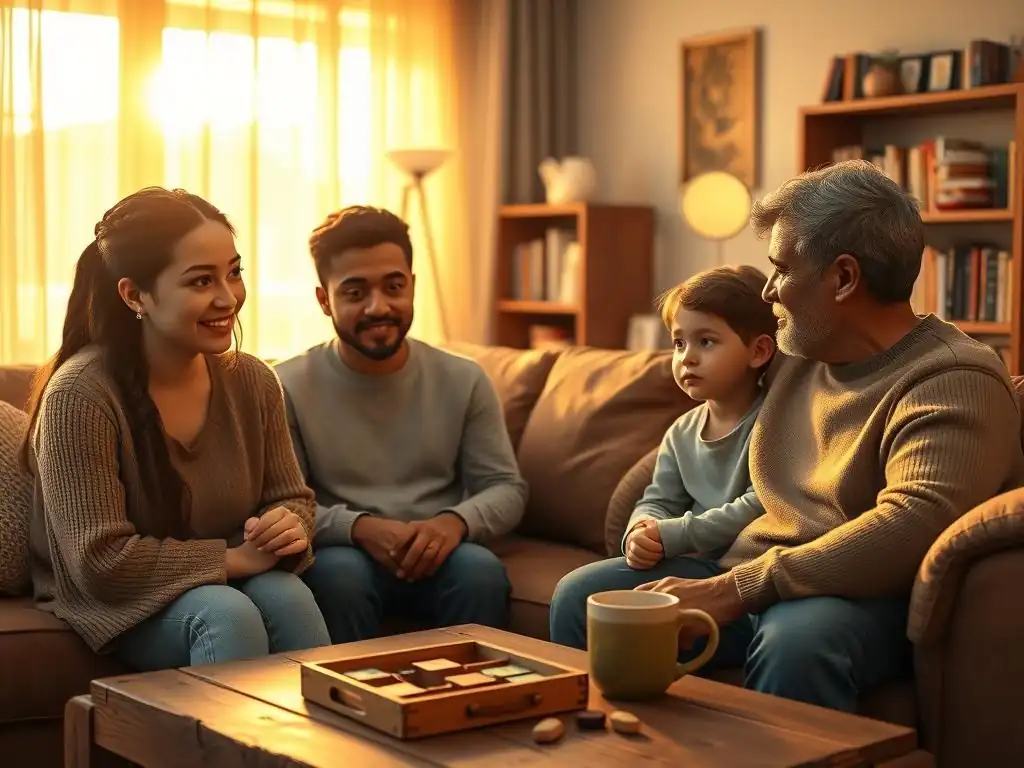
Welcome to Mind Care Guide!
We understand navigating conversations about mental health can feel daunting, especially when it involves your children. You're not alone. This is why we created this space. In our latest guide, "How to Talk to Your Kids About Mental Health in the Family," we'll explore practical strategies and empathetic approaches to help you foster open communication and build a supportive environment. Ready to start the conversation? Let's dive in and discover how to approach talking to kids about mental health in a way that strengthens your family bond.
Talking to Children About Anxiety
- Understanding Anxiety in Children
- Preparing for the Conversation
- Initiating the Conversation
- Explaining Anxiety
- Coping Strategies for Children
- Seeking Professional Help
- Building a Supportive Home Environment
- Resources for Children and Families
- Maintaining Ongoing Conversations
-
Frequently Asked Questions
- How do I start a conversation with my child about mental health in the family?
- What if my child doesn't seem interested or shuts down when I try to talk?
- How much detail should I share about my own mental health struggles?
- What are some signs that my child might be struggling with their own mental health?
- Where can I find additional resources and support for talking to my kids about mental health?
- Final Reflection: Planting Seeds of Understanding: Mental Wellness in Families
- Unlock Deeper Family Connections: Start Talking About Mental Health Today!
Understanding Anxiety in Children
Anxiety is a normal human emotion, but for some children, it can become overwhelming and persistent, affecting their daily lives. Understanding that anxiety in children is a real experience, not just shyness or defiance, is the first step for parents. It's crucial to recognize that a child's brain and emotional regulation systems are still developing, which can make intense feelings like anxiety particularly challenging for them to process and manage.
While occasional worries are typical, persistent anxiety can manifest in various ways, sometimes subtly, sometimes dramatically. It might appear as excessive worry about school performance, social interactions, safety, or future events. For some children, anxiety can lead to significant distress that impacts their ability to participate in activities, maintain friendships, or even attend school regularly. Approaching this topic with empathy and knowledge is key to effective talking to kids mental health challenges like anxiety.
Recognizing the Signs of Anxiety
Recognizing anxiety in children can be challenging because their symptoms may differ from those in adults and vary greatly depending on age and personality. Common physical signs might include frequent stomachaches, headaches, nausea, or muscle tension, often without a clear medical cause. A child might also experience changes in sleep patterns, such as difficulty falling asleep, staying asleep, or nightmares, or show a reduced appetite. These physical manifestations are often the body's response to stress hormones, and parents might initially overlook the underlying emotional component.
Behavioral indicators can also signal anxiety. You might notice increased irritability, clinginess, particularly around separation from caregivers, or avoidance of situations that trigger fear, such as school events, social gatherings, or trying new things. Some children might become excessively perfectionistic or seek constant reassurance. Approximately 7% of children aged 3-17 in the U.S. have diagnosed anxiety, though many more experience significant symptoms without a formal diagnosis, highlighting the importance of recognizing these varied signs early. Observing these patterns is vital when talking to kids mental health concerns.
The Importance of Open Communication
Creating an environment where children feel safe to express their emotions, including worry and fear, is fundamental to their mental well-being. Open communication about mental health helps demystify conditions like anxiety, reducing the stigma often associated with them. When parents initiate conversations about feelings, it signals to children that their internal experiences are valid and important. This builds a foundation of trust and encourages them to share their struggles rather than hiding them, which can exacerbate anxiety over time.
Talking openly about mental health also empowers children by giving them the language to describe what they are feeling. It teaches them that it's okay to not be okay sometimes and that help is available. For parents navigating the complexities of talking to kids mental health issues, fostering this dialogue early can prevent minor worries from escalating into more significant problems. It equips children with the understanding that anxiety is a manageable emotion, not a character flaw, setting the stage for healthier coping mechanisms and emotional resilience throughout their lives.
Preparing for the Conversation
Approaching the topic of anxiety with your child requires thoughtful preparation to ensure the conversation is productive and comforting. It's not a discussion to rush into without considering the child's temperament, the specific situation, and your own emotional state. Taking the time to plan what you want to say and how you want to say it can make a significant difference in how your child receives the information and feels afterwards.
Preparation also involves anticipating potential questions or reactions your child might have. They might be scared, confused, or even resistant to talking about their feelings. Thinking through how you will respond to different scenarios – whether they cry, shut down, or express anger – allows you to maintain a calm and supportive demeanor. This forethought is a critical step in effective talking to kids mental health matters with sensitivity.
Choosing the Right Time and Place
Selecting the appropriate time and place for a conversation about anxiety is crucial for ensuring your child feels comfortable and focused. Avoid initiating this discussion when either of you is rushed, stressed, or distracted, such as right before school, during a busy family event, or when they are engrossed in a game. Instead, look for moments of calm connection, like during a quiet car ride, while doing a puzzle together, or during their bedtime routine when they might feel most relaxed and open.
The setting should be private and familiar, where your child feels safe and won't be interrupted. Being at home in a cozy spot, perhaps their bedroom or a quiet corner of the living room, can help them feel secure. The goal is to create an environment where they feel completely heard and understood, without external pressures or the fear of being overheard. This careful consideration of timing and location is paramount when talking to kids mental health issues sensitively.
Using Age-Appropriate Language
Tailoring your language to your child's age and developmental stage is essential for them to grasp the concept of anxiety without becoming overwhelmed. For very young children, focus on simple terms and relate feelings to physical sensations or familiar scenarios. You might describe anxiety as having "butterflies in your tummy" or feeling "a little bit scared" when facing something new. Use concrete examples they can understand, like feeling nervous before a first day of school.
As children get older, you can introduce slightly more complex ideas, explaining that anxiety is the body's alarm system trying to protect us, even when there's no real danger. For teenagers, you can have more detailed discussions about the psychological aspects of anxiety, thought patterns, and coping strategies. Regardless of age, avoid jargon and abstract concepts. Keep sentences clear and concise, and be prepared to repeat explanations or rephrase things in different ways. Effective talking to kids mental health topics requires meeting them at their level of understanding.
Managing Your Own Anxiety
It's completely natural for parents to feel anxious or worried when discussing their child's mental health, especially if they have their own experiences with anxiety. However, your own emotional state can significantly influence the conversation. Children are highly attuned to their parents' feelings and can pick up on stress or nervousness, which might make them feel more anxious themselves or reluctant to share openly. Taking a few moments to calm yourself before starting the conversation is important.
Practice deep breathing, remind yourself of your goal (to support your child), and accept that you don't need to have all the answers. If you find yourself becoming emotional during the talk, it's okay to acknowledge it briefly ("Mommy feels a little sad seeing you hurt"), but try to quickly refocus on your child's feelings and needs. If your own anxiety is significant, considering professional support for yourself can not only help you manage your emotions but also equip you with better skills for talking to kids mental health challenges within the family.
Initiating the Conversation
Starting a conversation about anxiety doesn't have to be a formal, sit-down interview. Often, the most effective discussions happen organically or are introduced gently based on observations. The key is to open the door for dialogue in a non-threatening way, signaling to your child that you are available and willing to listen without judgment.
Remember that this first conversation is just the beginning. The goal is to plant the seed for ongoing discussions about feelings and mental well-being. Making the initial approach comfortable and positive will encourage your child to come back to you in the future when they are experiencing difficult emotions or worries. This gentle initiation is vital for successful talking to kids mental health issues.
Starting the Dialogue Gently
Instead of launching directly into a heavy topic like "Are you feeling anxious? ", try a softer approach that opens the door to talking about feelings in general. You could start by observing a behavior you've noticed ("I've seen you've been quiet lately, is something on your mind?") or referencing something you've read or seen that might resonate with them ("I read a book about a character who felt really worried before a test. Sometimes our tummies feel fluttery when we're nervous. Do you ever feel that way? ").
Another gentle entry point is to talk about your own feelings in an age-appropriate way ("Today I felt a little worried about my meeting at work, and my shoulders felt tight. How did you feel today?"). This models vulnerability and normalizes experiencing difficult emotions. The aim is to make the child feel comfortable sharing their internal world without feeling interrogated or pressured to label their feelings immediately. This sets a positive tone for talking to kids mental health.
Active Listening and Validation
Once your child starts to share, the most important thing you can do is listen actively and validate their feelings. Active listening involves paying full attention, making eye contact, and using non-verbal cues like nodding to show you are engaged. Avoid interrupting, offering solutions immediately, or minimizing their feelings with phrases like "Don't worry about it" or "That's not a big deal."
Validation means acknowledging that their feelings are real and understandable, even if you don't fully agree with the situation causing the anxiety. Simple phrases like "It sounds like you're feeling really scared about that," "I can see how that would make you feel worried," or "It makes sense that you feel nervous before a test" can make a huge difference. Validation doesn't mean you are confirming their fears are true, but rather that you understand how they feel. This empathetic response is powerful when talking to kids mental health.
Normalizing Anxiety
It's crucial to communicate to your child that experiencing anxiety is a normal part of being human. Everyone feels worried or nervous sometimes, whether it's before a performance, a big test, or meeting new people. Explaining that anxiety is our body's way of trying to keep us safe, even if it sometimes gets the signal wrong, can help demystify the feeling.
You can share examples of times you have felt anxious (appropriately for their age) or talk about how characters in books or movies experience anxiety. The goal is to let them know they are not alone or strange for feeling this way. Normalizing the feeling of anxiety, while still addressing the distress it might cause, reduces shame and makes it easier for them to talk about it openly. This normalizing approach is key in effective talking to kids mental health challenges.
Explaining Anxiety

Once the conversation is initiated and your child feels comfortable, you can begin to explain what anxiety is in more detail, using language they can understand. The aim is to help them connect the dots between what they feel in their body and mind and the concept of anxiety. This understanding is empowering and is a core part of talking to kids mental health effectively.
Breaking down anxiety into its different components – physical sensations, thoughts, and triggers – makes it less abstract and more manageable. Providing concrete examples helps children identify anxiety within themselves.
What Does Anxiety Feel Like?
Help your child understand that anxiety isn't just a thought; it's a full-body experience. Describe common physical sensations they might notice. You could say, "When some people feel worried, their heart beats really fast, like they just ran a race," or "Sometimes, it feels like there are butterflies fluttering around in your stomach." Other sensations could include shaky hands or legs, feeling hot or sweaty, or having a dry mouth.
You can also talk about the emotional and mental aspects. "Sometimes, your brain might feel like it's going really fast, thinking about lots of 'what if' things," or "You might feel like you want to hide or run away from something." Encourage them to describe what they feel in their own words, using analogies that make sense to them. This direct connection to their own experience is vital when talking to kids mental health symptoms.
Connecting Physical Sensations to Anxiety
Explain, in simple terms, why their body feels that way. You can describe anxiety as a "false alarm" from the brain's "safety system." You might say, "Your brain has a special job to keep you safe. Sometimes, when it thinks there might be danger, even if there isn't any real danger right now, it sends signals to your body. This is like a fire alarm going off when there's no fire."
Explain that these signals cause the physical feelings they experience – the fast heart rate prepares them to run, the shaky legs are muscles getting ready for action, the stomachache is blood being directed away from digestion to other parts of the body needed for escape. Understanding this biological response can make the physical symptoms less scary and more understandable. This explanation is a practical aspect of talking to kids mental health.
Identifying Anxiety Triggers
Help your child identify the specific situations, places, or thoughts that tend to make them feel anxious. This process is about recognizing patterns. You might ask, "When do you usually start feeling those butterflies?" or "What was happening right before your tummy started hurting?" Keep a simple journal or draw pictures together to track when anxiety shows up.
Common triggers for children can include school (tests, presentations, social dynamics), social situations (parties, meeting new people), transitions (starting a new school year, moving), or specific fears (dogs, heights, storms). Identifying triggers isn't about avoiding everything that causes anxiety, but about understanding what the child is reacting to, which is the first step in developing coping strategies. This awareness is a key component of effective talking to kids mental health challenges.
Coping Strategies for Children
Once a child understands what anxiety is and how it feels, the next step is to equip them with tools to manage those feelings. Coping strategies provide children with a sense of control and empower them to navigate anxious moments rather than being overwhelmed by them. Introduce these techniques as tools or superpowers they can use when their "worry alarm" goes off.
Practice these strategies together when your child is calm, so they are familiar and accessible during moments of distress. Finding strategies that resonate with your child is key, as different techniques work best for different children. Teaching these skills is a practical outcome of talking to kids mental health.
Deep Breathing Exercises
Deep breathing is one of the simplest yet most effective ways to calm the nervous system. Explain to your child that when we feel anxious, our breathing often becomes shallow and fast, and taking slow, deep breaths can send a signal to the brain that we are safe. Introduce playful ways to practice, like "balloon breathing" (imagine your belly is a balloon inflating and deflating) or "smell the flower, blow out the candle" (inhale deeply through the nose, exhale slowly through the mouth).
Practice breathing together for a few minutes each day, not just when they are anxious. You can count together, like inhaling for a count of four, holding for seven, and exhaling for eight (4-7-8 technique), or simply focus on slow inhales and exhales. Make it a calm, shared activity. Regular practice helps children remember to use this tool when they need it most, a tangible benefit of talking to kids mental health.
Grounding Techniques
Grounding techniques help bring a person's focus back to the present moment, pulling them away from anxious thoughts about the past or future. These strategies use the senses to anchor the child to their current environment. A popular technique is the "5-4-3-2-1" method: identify 5 things you can see, 4 things you can touch, 3 things you can hear, 2 things you can smell, and 1 thing you can taste.
Other grounding exercises could involve focusing on the feeling of their feet on the floor, noticing the textures around them, or listening intently to specific sounds. These techniques redirect the child's attention from their internal anxious world to the external reality, providing a sense of stability during moments of high anxiety. Practicing grounding offers concrete tools derived from talking to kids mental health.
Positive Self-Talk
Anxiety is often fueled by negative or worried thoughts ("I'm going to fail," "No one likes me," "Something bad is going to happen"). Teaching children positive self-talk helps them challenge these thoughts and replace them with more balanced or encouraging ones. Help your child identify their negative thoughts when they feel anxious.
Then, work together to come up with simple, positive counter-statements. These aren't about denying the difficulty but offering a different perspective. Examples include "I can handle this," "I am brave," "This feeling will pass," or "I'll try my best." Encourage them to repeat these phrases to themselves when they start to feel worried. Writing them down or creating visual reminders can also be helpful tools learned through talking to kids mental health.
Seeking Professional Help
While parental support and coping strategies are invaluable, sometimes a child's anxiety is significant enough to require professional intervention. Recognizing when to seek help is a sign of strength and commitment to your child's well-being. Mental health professionals have specialized training and tools to assess and treat anxiety disorders in children effectively.
Don't view seeking therapy as a failure, but rather as accessing expert support to give your child the best chance to manage their anxiety. Early intervention can prevent anxiety from impacting their development and future mental health. Knowing when and how to connect with professionals is a crucial aspect of talking to kids mental health.
When to Consult a Therapist
Consider consulting a therapist if your child's anxiety is persistent, intense, and significantly interferes with their daily life. This could mean difficulty attending school or participating in activities they used to enjoy, avoiding social situations, or having trouble sleeping or eating due to worry. Physical symptoms like frequent stomachaches or headaches that have no medical explanation could also be indicators.
If your child's anxiety seems to be getting worse over time, despite your efforts to support them and implement coping strategies, it's a strong signal to seek professional assessment. A therapist can determine if the anxiety is within typical developmental ranges or if it indicates a clinical anxiety disorder requiring specialized treatment. Approximately 8% of children and teens meet criteria for an anxiety disorder, emphasizing that professional help is a common and effective path for many families. This awareness is key when talking to kids mental health challenges.
Types of Therapy for Anxiety
Several types of therapy are effective for treating anxiety in children, tailored to their age and needs. Cognitive Behavioral Therapy (CBT) is widely considered the gold standard. CBT helps children identify anxious thoughts and behaviors and learn strategies to challenge negative thinking patterns and gradually confront feared situations in a supportive environment. Exposure therapy, often a component of CBT, involves gradually exposing the child to their triggers in a controlled way to reduce their fear response.
For younger children, play therapy can be very effective. Therapists use toys, games, and creative activities to help children express their feelings and work through anxieties in a way that feels natural to them. Family therapy can also be beneficial, involving parents and siblings in understanding anxiety and learning how to support the child and create a less anxiety-provoking family dynamic. Discussing these options is part of comprehensive talking to kids mental health support.
Supporting Your Child Through Therapy
As a parent, your involvement is crucial to your child's success in therapy. Attend sessions when requested by the therapist, as parent sessions are often part of the treatment plan, especially for younger children. Learn the strategies and techniques the therapist is teaching your child so you can reinforce them at home between sessions. Consistency in practicing coping skills is vital.
Maintain open communication with the therapist, sharing observations about your child's progress and challenges outside of the therapy room. Most importantly, be a source of encouragement and patience for your child. Therapy is hard work, and there will be ups and downs. Celebrating small victories and acknowledging their effort in facing their fears provides essential motivation. Your active participation is a powerful support mechanism when talking to kids mental health and getting them help.
Building a Supportive Home Environment

Creating a home environment that is stable, predictable, and emotionally supportive can significantly help a child manage anxiety. The home should be a safe haven where they feel understood and accepted, even when they are struggling. This involves more than just talking about anxiety; it's about building a foundation of security and connection.
A supportive environment reinforces the strategies learned through conversations and therapy, making them a natural part of daily life. It reduces potential stressors and provides a consistent source of comfort for the child. Building this foundation is integral to effective talking to kids mental health and well-being.
Creating a Calm and Predictable Routine
Children thrive on predictability, and a consistent routine can significantly reduce anxiety by providing a sense of security and knowing what to expect. Establish regular times for waking up, meals, homework, playtime, and bedtime. While flexibility is sometimes necessary, sticking to a general structure helps children feel more in control and less uncertain about their day.
Transitions can be particularly anxiety-provoking for children. Providing warnings before transitions ("In 10 minutes, we'll start cleaning up") and creating consistent transition rituals can help. A predictable routine reduces the mental load of constantly wondering what's next, freeing up emotional energy that might otherwise be spent worrying. This structure is a practical way to support a child experiencing anxiety, complementing talking to kids mental health discussions.
Encouraging Open Communication
Beyond specific conversations about anxiety, fostering a general atmosphere of open communication in the family is vital. Make it a habit to talk about feelings regularly, not just when there's a problem. Ask open-ended questions about their day ("What was the most interesting thing that happened today?" rather than "Did you have a good day? "), and truly listen to their responses.
Create dedicated time for family connection, like family dinners or evening check-ins, where everyone has a chance to share. When a child does express a difficult feeling, respond with empathy and curiosity rather than immediate problem-solving. This ongoing dialogue reinforces that their feelings are valued and that you are a safe person to confide in, making it easier for them to approach you when anxiety arises. Consistent, open talking to kids mental health is key.
Modeling Healthy Coping Mechanisms
Children learn by observing their parents. How you manage your own stress and anxiety provides a powerful example for your child. Talk openly (in an age-appropriate way) about how you handle challenging feelings. You might say, "I'm feeling a bit stressed about this deadline, so I'm going to take a few deep breaths" or "I'm frustrated right now, so I'm going for a walk to clear my head."
Show them that it's okay to feel difficult emotions and demonstrate healthy ways to cope, such as exercising, spending time in nature, engaging in hobbies, talking to a friend, or practicing mindfulness. Avoiding unhealthy coping mechanisms like excessive worrying, bottling up feelings, or using substances is also crucial. Your actions speak louder than words when teaching children about managing their own mental health, reinforcing lessons from talking to kids mental health.
Resources for Children and Families
Accessing external resources can provide additional support, information, and tools for both children and parents navigating anxiety. These resources can complement family conversations and professional therapy, offering different perspectives and practical help. Knowing where to turn for reliable information is part of a comprehensive approach to supporting a child with anxiety.
Exploring these resources together can also be a bonding experience and empower your child by showing them that many people experience similar feelings and that there are many ways to find support. Utilizing available resources enhances the impact of talking to kids mental health.
Books About Anxiety for Children
Numerous children's books are specifically designed to help young readers understand and cope with anxiety. These books often use relatable characters, simple language, and engaging illustrations to explain what anxiety feels like and introduce coping strategies. There are books for various age groups, from picture books that personify worry as a character to workbooks that guide older children through exercises.
Reading these books together can be a gentle way to open conversations about anxiety. They provide a shared vocabulary and framework for discussion. Some books offer practical tips like breathing exercises or positive affirmations within the story, making them both educational and therapeutic. These resources are valuable tools for parents talking to kids mental health.
Websites with Anxiety Resources
Many reputable organizations and mental health bodies offer valuable information and resources online for families dealing with childhood anxiety. These websites often provide articles explaining anxiety in children, tips for parents, printable worksheets for coping strategies, and guides on finding professional help. Look for websites associated with established mental health associations, hospitals, or child psychology experts.
These online resources can be excellent for parents seeking to deepen their understanding of anxiety and learn new ways to support their child. They can also offer perspectives from professionals and connect you with support networks. While not a substitute for professional advice, they are a wealth of information supporting efforts in talking to kids mental health.
Local Therapists and Support Groups
Finding a qualified therapist specializing in child and adolescent anxiety is a critical step for many families. Pediatricians or school counselors can often provide referrals to local mental health professionals. Websites of national mental health organizations often have search tools to find therapists in your area. Look for therapists with experience using evidence-based treatments like CBT or play therapy for children.
Connecting with local support groups for parents of anxious children can also be incredibly beneficial. Sharing experiences and strategies with other parents facing similar challenges can reduce feelings of isolation and provide practical advice and emotional support. These groups offer a community aspect often missing when exclusively talking to kids mental health within the immediate family.
Maintaining Ongoing Conversations
Talking about mental health is not a one-time event; it's an ongoing process that evolves as your child grows and their experiences change. Regular check-ins and continued open communication reinforce the message that you are always there to listen and support them. Think of it as building a lifelong habit of emotional communication within the family.
As children move through different developmental stages, their anxieties and how they express them will change. Staying connected through consistent conversations allows you to adapt your approach and continue to be a source of comfort and guidance. Ongoing talking to kids mental health ensures support is dynamic.
Regular Check-Ins
Make talking about feelings a regular, informal part of your routine. This could be a quick check-in during breakfast, on the way to school, or before bedtime. Simple questions like "How are you feeling today?" or "What was the best part of your day? What was the hardest part?" can keep the lines of communication open. These check-ins don't always have to focus on anxiety, but they create a space where talking about any feeling is normal.
These regular, low-pressure conversations make it easier for a child to bring up bigger worries when they arise, rather than waiting until they are in crisis. Consistency signals that their emotional world matters to you. Establishing this routine is a practical way to maintain talking to kids mental health.
Adapting Strategies as Children Grow
The coping strategies and language you use when talking about anxiety will need to adapt as your child matures. What works for a five-year-old might not resonate with a fifteen-year-old. As children get older, you can introduce more complex strategies, such as cognitive restructuring, mindfulness meditation, or problem-solving skills related to their anxieties.
Their triggers might also change, shifting from separation anxiety to social anxiety or academic pressure. Stay attuned to these changes and be willing to revisit and modify the tools and approaches you use. Continue to involve them in choosing strategies that feel helpful and relevant to their current challenges, making talking to kids mental health relevant to their stage.
Celebrating Progress
Recognize and celebrate your child's efforts and progress in managing their anxiety, no matter how small. Learning to cope with anxiety is hard work. Acknowledge their bravery when they face a feared situation, their effort in practicing a coping skill, or simply their willingness to talk about how they are feeling.
Focus on the effort and the process, not just the outcome. Praise their courage in trying, even if the situation was still difficult. Celebrating progress reinforces positive behaviors and motivates them to continue practicing their coping skills. It shows them that you see their struggle and appreciate their strength, reinforcing the positive aspects of talking to kids mental health challenges.
Frequently Asked Questions
How do I start a conversation with my child about mental health in the family?
Begin by choosing a calm and relaxed time when you can both focus. Use simple, age-appropriate language and explain that mental health is just as important as physical health.
What if my child doesn't seem interested or shuts down when I try to talk?
Don't force the conversation. Let them know you are there for them whenever they are ready to talk. Offer alternative ways to communicate, like writing or drawing.
Share age-appropriate information about your experiences. Focus on what you are doing to manage your mental health and reassure them it's being addressed. Avoid overwhelming them with excessive detail.
What are some signs that my child might be struggling with their own mental health?
Look for changes in their behavior, mood, or sleep patterns. Also, pay attention to any withdrawal from friends or activities, or increased irritability or anxiety.
Where can I find additional resources and support for talking to my kids about mental health?
Mind Care Guide offers various resources and articles on mental well-being. You can also find support from mental health professionals, school counselors, and community organizations that offer guidance on talking to kids about mental health.
Final Reflection: Planting Seeds of Understanding: Mental Wellness in Families
The conversation about mental health is no longer a whisper; it's a necessary and vital dialogue, especially within the family unit. Ignoring the mental well-being of children leaves them vulnerable and unprepared to navigate the complexities of life. Open communication is the cornerstone of a supportive and healthy family environment, and this article has highlighted the crucial steps parents can take to foster that environment.
The impact of open communication about mental health extends far beyond the immediate family. It shapes a child's understanding of themselves, their emotions, and their place in the world. It normalizes seeking help when needed, dismantling the stigma that often surrounds mental health challenges. The greatest gift we can give our children is the ability to manage their own minds.
This simple truth underscores the importance of initiating these conversations early and often. My own experiences as a parent have reinforced this – witnessing my children's growth and resilience when provided with a safe space to express their feelings has been profoundly rewarding.
Now, consider your own family. What steps can you take today to create a more open and supportive dialogue about mental health? Perhaps it's a simple conversation during dinner, a dedicated family meeting, or seeking professional guidance. Remember, you don't have to have all the answers; the act of starting the conversation, of showing your children that you care and are willing to listen, is the most powerful step you can take. Embrace the opportunity to build a stronger, healthier, and more emotionally intelligent family, one conversation at a time.
Unlock Deeper Family Connections: Start Talking About Mental Health Today!
Thanks for taking the time to learn more about openly discussing mental health with your kids. You've gained valuable insights into fostering healthier communication and stronger family bonds. Now, let's put that knowledge into action!
- Prioritize one conversation this week: Choose a comfortable moment to gently broach the topic of mental wellbeing with your child. Even a short, open-ended question can make a difference.
- Share this article with a friend or family member: Let's build a supportive community around mental health awareness.
- Explore Mind Care Guide's resources: Discover more practical tips and tools to support your family's mental well-being. We have additional articles on this topic.
What small step will you take today to strengthen your family's emotional well-being?