
Tech That Cares: Exploring Assistive Technology Resources for Caregivers

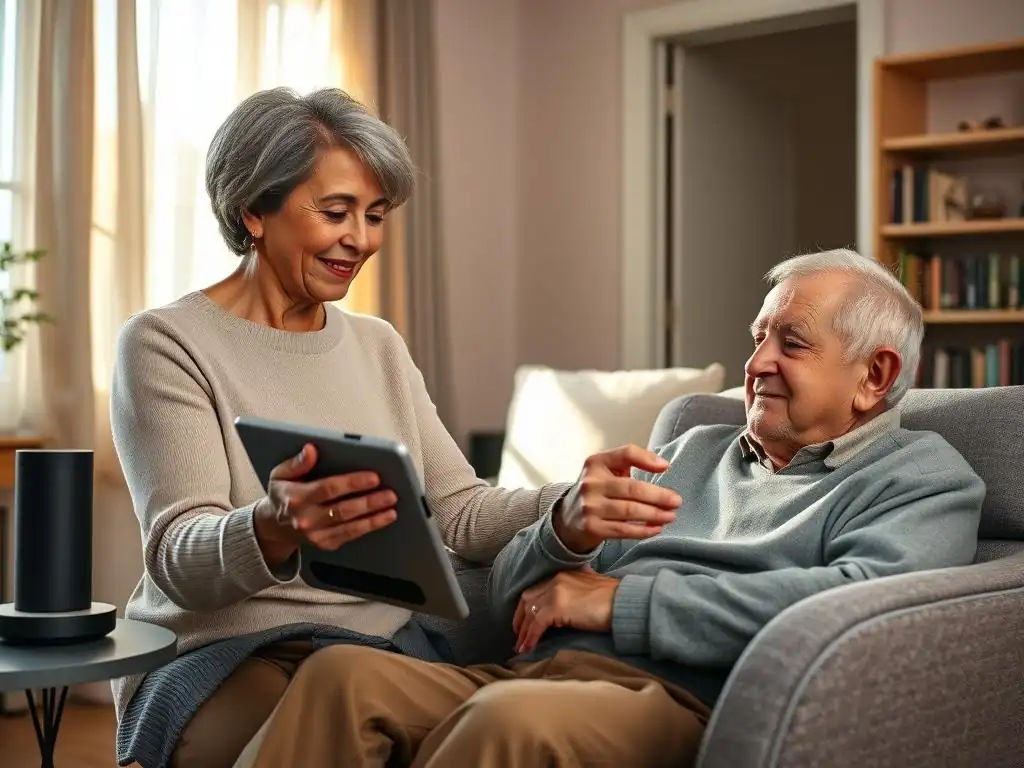
Welcome to Mind Care Guide, where we believe that mental well-being is a journey best taken together. In a world where emotional struggles are often overlooked, we’re here to provide you with invaluable insights and support. Our featured article, "Tech That Cares: Exploring Assistive Technology Resources for Caregivers," delves into the transformative power of assistive tech caregiver support.
Discover how technology can enhance your caregiving experience and empower you to make a difference in the lives of those you care for. Are you ready to explore the tools that can lighten your load and bring you closer to your loved ones? Dive in and let’s embark on this important journey together!
Tech That Cares: Exploring Assistive Technology Resources for Caregivers
- Introduction: The Role of Assistive Technology in Caregiving
- Types of Assistive Technology for Caregivers: A Comprehensive Overview
- Finding the Right Assistive Technology: A Step-by-Step Guide
- Funding Assistive Technology: Resources for Caregivers
- Assistive Technology for Specific Caregiving Scenarios
- The Future of Assistive Technology in Caregiving
- Conclusion: Empowering Caregivers with Assistive Technology.
-
Frequently Asked Questions
- What is assistive technology and how can it benefit caregivers?
- Where can caregivers find reliable information about assistive technology options?
- How can assistive technology improve the mental well-being of caregivers?
- What are some examples of assistive technology specifically helpful for caregivers dealing with mental health challenges?
- How can caregivers ensure they choose the right assistive technology for their specific needs?
- Final Reflection: The Human Touch in a Tech-Driven World
- Unlock a World of Support: Empowering Caregivers with Assistive Tech
Introduction: The Role of Assistive Technology in Caregiving
Understanding the Demands of Caregiving and the Need for Support
Caregiving is a profoundly demanding role, encompassing physical, emotional, and financial challenges. Millions of individuals globally dedicate themselves to caring for loved ones facing health issues, disabilities, or age-related decline. This responsibility often involves managing complex medication schedules, assisting with daily living activities, providing emotional support, and ensuring safety—all while balancing personal life and potentially a job.
The sheer volume of tasks and the constant vigilance required can lead to significant stress, burnout, and isolation for the caregiver. Recognizing these immense pressures highlights the critical need for effective support systems and tools that can alleviate the burden and enhance the quality of care provided.
The relentless nature of caregiving means that traditional support methods, while valuable, often need augmentation. Family support, community resources, and professional respite care are essential but may not always be available or sufficient to meet the round-the-clock needs of care recipients. This is where innovative solutions become vital.
Caregivers require practical, reliable assistance that can help them manage tasks more efficiently, monitor their loved ones remotely, ensure safety, and even provide moments of much-needed respite. Exploring various forms of assistive technology is becoming increasingly important in building a sustainable and less stressful caregiving experience, offering a pathway to enhanced well-being for both the caregiver and the person receiving care.
What is Assistive Technology? Defining the Scope for Caregivers
Assistive technology (AT) encompasses a broad range of devices, software, and equipment designed to help individuals with disabilities or functional limitations perform tasks they might otherwise find difficult or impossible. For caregivers, the scope of assistive technology extends to tools that not only directly benefit the care recipient but also indirectly support the caregiver by making their tasks easier, safer, or more manageable.
This can include anything from simple, low-tech adaptive tools like reachers or magnified readers to complex, high-tech systems such as smart home automation, remote patient monitoring platforms, and sophisticated communication devices. The goal is to leverage innovation to bridge gaps in ability and capacity, fostering greater independence for the care recipient while providing essential backup and monitoring capabilities for the caregiver.
Defining assistive technology for caregiver support means looking at solutions through the lens of how they impact the caregiving process. It's about tools that enhance communication, improve safety, aid mobility, support cognitive function, and streamline daily routines. For instance, a voice-activated assistant might remind a care recipient to take medication, reducing the caregiver's constant need to track time.
A wearable sensor could detect a fall and automatically alert the caregiver, offering peace of mind. These technologies act as extensions of the caregiver's capabilities, providing an extra layer of support and allowing them to manage multiple responsibilities more effectively. The right assistive tech caregiver support can be transformative, turning overwhelming tasks into manageable processes and allowing more time for meaningful interaction.
The Benefits of Assistive Tech for Caregivers and Loved Ones
Implementing assistive technology offers significant benefits for both caregivers and the individuals they support. For care recipients, AT can promote greater independence and autonomy. Simple devices like modified eating utensils or dressing aids can allow them to perform personal care tasks themselves, boosting self-esteem and reducing reliance on the caregiver for every need.
More advanced tech, such as telepresence robots or virtual reality applications, can provide social connection or cognitive stimulation, improving overall quality of life. Enhanced safety features, like automatic shut-off stoves or motion-activated lighting, reduce risks within the home environment, contributing to a sense of security for everyone involved.
For caregivers, the advantages are equally compelling. Assistive technology can drastically reduce the physical strain of tasks like lifting or transferring with the use of electronic lifts. It can lower stress levels by providing reliable monitoring systems that offer reassurance when the caregiver cannot be physically present. Communication tools facilitate easier coordination with other family members or healthcare providers.
Task management apps help organize complex schedules, reducing mental load. Ultimately, by making caregiving tasks more efficient and less demanding, assistive tech caregiver support can prevent burnout, improve the caregiver's own well-being, and create a more sustainable caregiving journey. This technological assistance frees up valuable time and energy, allowing caregivers to focus on providing compassionate care rather than being solely consumed by logistical challenges.
Types of Assistive Technology for Caregivers: A Comprehensive Overview
Communication Aids: Staying Connected and Informed
Effective communication is paramount in caregiving, whether it's between the caregiver and the care recipient, among family members sharing respons aibilities, or with healthcare professionals. Assistive communication technology encompasses a range of tools designed to facilitate these interactions. This includes devices that help individuals with speech or hearing impairments communicate, such as augmentative and alternative communication (AAC) devices, but also broader technologies that streamline information sharing and remote connection for the caregiver. Examples range from simple amplified phones to sophisticated video conferencing setups and voice-activated assistants that can relay messages or information hands-free.
Beyond direct communication with the care recipient, technology significantly enhances the caregiver's ability to stay informed and connected with the outside world. Secure messaging apps or shared digital calendars allow multiple family members to coordinate visits, appointments, and tasks, ensuring everyone is on the same page. Remote monitoring systems, while primarily safety tools, often include communication features, allowing caregivers to check in visually or verbally with the care recipient from a distance. These tools reduce the need for constant physical presence for routine checks, providing caregivers with flexibility and peace of mind, knowing they can connect instantly if needed.
Smart Speakers and Voice Assistants for Caregiver Communication
Smart speakers and voice assistants like Amazon Echo or Google Home have become surprisingly powerful forms of assistive tech caregiver support. For care recipients with limited mobility or dexterity, voice commands offer an effortless way to control lights, thermostats, or entertainment systems, promoting a sense of independence. They can also be programmed to provide reminders for medications or appointments, reducing the caregiver's burden of constant prompting. A care recipient can simply ask the device for the time, weather, or even to make a call to a pre-approved contact, all without needing to handle a phone or navigate complex interfaces.
From the caregiver's perspective, smart speakers can be linked to their own devices, allowing them to drop in remotely to check on the care recipient or make announcements. They can also be used to quickly access information about the care recipient's condition, look up symptoms, or even manage smart devices in the home like door locks or cameras.
Setting up routines can automate tasks, such as turning on lights in the evening or playing calming music at bedtime. While not designed specifically as medical devices, their ease of use and widespread availability make them a practical and relatively low-cost addition to the caregiver's toolkit, estimated to be in over 30% of US households by some reports, demonstrating their accessibility.
Video Calling and Remote Monitoring Systems
Video calling platforms such as Zoom, Skype, or FaceTime are invaluable for maintaining social connections and allowing caregivers to check in visually. For care recipients who are homebound, regular video calls with family and friends can combat isolation and improve mood. For caregivers who live at a distance or need to step away, a quick video call provides visual confirmation of the care recipient's well-being, which can be far more reassuring than a simple phone call. These platforms are widely available and often free or low-cost, requiring only a device with a camera and internet access.
More sophisticated remote monitoring systems often combine video feeds with sensors and communication capabilities. These systems can include cameras placed strategically in the home (with consent and privacy considerations paramount), motion sensors, or even sensors on appliances. Some systems offer two-way audio, allowing immediate communication.
Others provide data logging, showing patterns of activity or inactivity throughout the day or night. While costs can range from basic subscription fees of around $30-$50 per month to more comprehensive packages costing several hundred dollars, they offer caregivers a crucial level of oversight, particularly for individuals who are at risk of falls or other emergencies when unsupervised. This form of assistive tech caregiver support allows for timely intervention and reduces constant worry.
Mobility Assistance: Helping Care Recipients Move Safely
Mobility challenges are common in caregiving situations, whether due to age, injury, or chronic illness. Assistive technology for mobility aims to help individuals move more safely and independently, reducing the risk of falls and decreasing the physical demands on the caregiver. This category includes everything from simple walking canes and walkers to complex power wheelchairs and stairlifts. The right mobility aid can mean the difference between being confined to one room and being able to navigate the home or even venture outside, significantly impacting the care recipient's quality of life and the caregiver's workload.
Beyond traditional mobility devices, newer technologies are emerging that provide enhanced safety features and monitoring. Wearable sensors, smart mats, and integrated home systems are designed to detect risky movements or falls and immediately alert caregivers. These technologies not only assist the care recipient in their movement but also provide caregivers with vital data and alerts, allowing them to respond quickly in emergencies. Implementing appropriate mobility assistance and monitoring is a critical aspect of providing safe and effective assistive tech caregiver support.
Wearable Sensors for Fall Detection and Prevention
Falls are a major concern for caregivers, particularly for older adults and individuals with mobility or balance issues. Wearable sensors, often in the form of pendants, wristbands, or clip-on devices, are specifically designed to detect falls. These devices typically use accelerometers and gyroscopes to sense sudden changes in motion characteristic of a fall. Upon detection, they automatically send an alert via a linked app, phone call, or monitoring service to the caregiver or emergency contacts. Some advanced devices can even differentiate between a true fall and sitting down quickly, reducing false alarms.
The market offers various options, from simple devices costing under $100 with basic alerting features to more sophisticated systems with GPS tracking, voice communication, and professional monitoring subscriptions that can range from $20 to $60 per month. Studies have shown that having a fall detection system can reduce the time a person spends on the floor after a fall, potentially minimizing injury severity and improving outcomes.
For caregivers, knowing that an automated system is watching for falls provides significant peace of mind, especially during periods when they cannot be physically present. This form of assistive tech caregiver support is directly focused on mitigating one of the most common caregiving risks.
Adaptive Equipment for Daily Living Activities
Adaptive equipment for daily living activities (ADLs) includes a wide array of tools designed to make everyday tasks easier for individuals with physical limitations. These simple yet effective pieces of assistive technology cover activities such as eating, dressing, bathing, toileting, and grooming. Examples include weighted or large-grip utensils for individuals with tremors or arthritis, button hooks and long-handled shoe horns for dressing assistance, shower chairs and grab bars for bathroom safety, and raised toilet seats.
While often low-tech, this adaptive equipment is crucial for promoting independence and reducing the caregiver's physical effort. For instance, using a shower chair can make bathing safer for the care recipient and less strenuous for the caregiver who might otherwise need to provide extensive physical support. The cost of these items is typically modest, ranging from a few dollars for a dressing aid to a couple of hundred dollars for a shower chair or grab bar installation.
By enabling the care recipient to perform more ADLs independently, these tools free up the caregiver's time and energy, allowing them to focus on other aspects of care or take a much-needed break. They are foundational components of effective assistive tech caregiver support.
Cognitive Support: Enhancing Memory and Focus
Cognitive challenges, such as memory loss, difficulty with organization, or impaired executive function, are common in conditions like dementia, stroke, or traumatic brain injury. Assistive technology for cognitive support aims to help individuals manage daily tasks, remember important information, and stay oriented. These tools range from simple visual aids and modified clocks to sophisticated digital systems and mobile applications. The right cognitive support can significantly improve a care recipient's ability to function independently and reduce confusion and anxiety, which in turn eases the burden on the caregiver.
For caregivers, these technologies provide a reliable way to ensure tasks like taking medication or attending appointments are not missed. They can also offer structured routines and reminders that help manage challenging behaviors often associated with cognitive decline. Implementing these tools requires careful consideration of the individual's specific needs and abilities, but they offer a powerful form of assistive tech caregiver support by providing external aids for internal cognitive deficits.
Medication Reminders and Management Systems
Medication management is one of the most critical and often complex tasks for caregivers. Missing doses, taking the wrong medication, or incorrect timing can have serious health consequences. Assistive technology offers numerous solutions to improve medication adherence. These include simple pill organizers with compartments for different times of the day or week, electronic pill dispensers that release medication at programmed times and sound an alarm, and smartphone apps that send reminders and track medication history.
More advanced systems can connect to pharmacies for automatic refills or alert caregivers if a dose is missed. Some smart pill bottles even track when the bottle is opened. The cost varies widely, from a few dollars for a basic pillbox to $50-$200 for electronic dispensers, with subscription fees sometimes required for connected systems (e.g., $10-$30/month).
Studies have shown that using medication reminder systems can significantly improve adherence rates, sometimes by as much as 20-30 percentage points, reducing hospitalizations and improving health outcomes. This reliable form of assistive tech caregiver support removes a significant source of stress and potential error.
Digital Calendars and Task Management Apps for Caregivers
Managing appointments, therapy sessions, medication schedules, and personal tasks can be overwhelming for caregivers. Digital calendars and task management apps offer a centralized, accessible way to organize this information. Apps like Google Calendar, Cozi, or Todoist can be shared among multiple family members or caregivers, ensuring everyone has access to the same schedule. Reminders can be set for specific times and locations, reducing the risk of missed appointments.
Many apps allow for the creation of detailed task lists, assignment of duties to different family members, and tracking of completion. Some are specifically designed for caregiving, allowing users to log care activities, share updates on the care recipient's condition, and store important information like doctor's notes or medication lists. While many basic calendar and task apps are free, premium features or dedicated caregiving apps may have subscription costs (e.g., $5-$15/month). These tools provide essential organizational assistive tech caregiver support, helping to streamline the complex logistics of care and reduce the mental load on the primary caregiver.
Safety and Security: Ensuring a Safe Environment
Creating and maintaining a safe home environment is a top priority for caregivers. Individuals with mobility issues, cognitive impairments, or certain medical conditions may be at higher risk of accidents, wandering, or emergencies. Assistive technology in this area focuses on monitoring the home, preventing potential hazards, and providing quick access to help when needed. These solutions offer caregivers reassurance and the ability to respond rapidly to critical situations, even when they are not physically present.
Safety and security tech can range from simple door alarms and baby monitors (adapted for adult use) to sophisticated integrated home automation systems and personal emergency response systems (PERS). Implementing these technologies requires balancing security needs with the care recipient's independence and privacy. However, the peace of mind they offer to caregivers is immense, knowing that there are systems in place to detect problems and alert them instantly. This forms a crucial layer of assistive tech caregiver support.
Home Automation Systems for Remote Monitoring
Modern home automation systems offer caregivers powerful tools for remote monitoring and environmental control. Devices like smart locks, smart thermostats, smart lights, and connected cameras can be managed remotely via a smartphone app. A caregiver can check if doors are locked, adjust the temperature for comfort, turn lights on or off, and view live video feeds from cameras placed in common areas (again, with appropriate consent and privacy considerations). Motion sensors can track activity patterns, alerting the caregiver if there's unusual activity or inactivity.
These systems provide a comprehensive overview of the home environment and can be particularly useful for caregivers of individuals who may be prone to leaving doors unlocked, forgetting to turn off appliances, or who need their environment adjusted for comfort and safety. While initial setup costs can be significant, ranging from a few hundred to several thousand dollars depending on the system's complexity, the ability to remotely monitor and control aspects of the home offers a significant layer of assistive tech caregiver support, reducing worry about safety hazards.
Emergency Alert Systems for Caregiver Peace of Mind
Personal Emergency Response Systems (PERS), often known as medical alert systems, are perhaps one of the most well-known forms of assistive technology for safety. These systems typically involve a wearable button (pendant or wristband) that, when pressed, connects the wearer to a monitoring center or directly to designated contacts (including the caregiver). Some systems include fall detection capabilities, automatically triggering an alert even if the wearer cannot press the button.
PERS systems provide immediate access to help in an emergency, whether it's a fall, a medical issue, or another problem. The monitoring center can assess the situation and contact the caregiver, emergency services, or neighbors as needed. Costs typically involve a monthly subscription fee, ranging from $20 to $50, though some systems have equipment purchase costs as well.
For caregivers, knowing that their loved one can summon help instantly provides immense peace of mind, allowing them to step away from the home without constant worry. This direct line to emergency support is a cornerstone of assistive tech caregiver support for safety.
Finding the Right Assistive Technology: A Step-by-Step Guide

Choosing the appropriate assistive technology requires careful consideration of the care recipient's specific needs, the caregiver's capacity, and the home environment. It's not a one-size-fits-all process, and what works well for one situation may be entirely unsuitable for another. A systematic approach helps ensure that the chosen technology is effective, usable, and provides genuine assistive tech caregiver support without adding unnecessary complexity or cost.
The process involves assessing needs, researching options, consulting with experts, and ideally, trying out devices before making a commitment. Taking these steps helps caregivers make informed decisions and invest in technology that will truly make a positive difference in their daily lives and the well-being of their loved ones.
Assessing the Needs of the Care Recipient: A Caregiver's Checklist
The first and most crucial step is to thoroughly assess the care recipient's specific challenges and abilities. What tasks do they struggle with? What are the biggest safety concerns? What are their cognitive capabilities and preferences regarding technology? It's also important to consider their current environment and how technology might fit in. Does the care recipient have access to reliable internet? Are they comfortable with new gadgets? Here is a checklist to guide the assessment:
- What are the primary areas of difficulty for the care recipient (e.g., mobility, memory, communication, personal care)?
- What are the most significant safety risks (e.g., falls, wandering, forgetting to turn off appliances)?
- What is the care recipient's comfort level with technology? Are they willing to use new devices?
- What is their current cognitive status? Can they remember to charge a device or follow simple instructions?
- What is the home environment like? Are there stairs? Is there reliable Wi-Fi?
- What specific tasks does the caregiver spend the most time or energy on that could potentially be automated or simplified?
- What is the budget available for purchasing or subscribing to technology?
By answering these questions collaboratively with the care recipient (if possible) and other involved family members, caregivers can create a clear picture of the most pressing needs that assistive technology could address. This focused approach prevents wasting resources on technology that isn't truly needed or won't be used effectively.
Researching Available Assistive Tech Solutions: Online Resources and Reviews
Once the needs are identified, the next step is to research available assistive technology solutions. The market is vast and constantly evolving. Online resources are invaluable for this stage. Websites dedicated to aging in place, disability support, and caregiving often feature reviews, comparisons, and guides to different types of AT. Manufacturer websites provide detailed specifications, user manuals, and sometimes demonstration videos.
It's also helpful to look for user reviews on retail sites or dedicated review platforms. Hearing about the experiences of other caregivers who have used a particular device or system can provide practical insights into its ease of use, reliability, and effectiveness. Searching specifically for "assistive tech caregiver support reviews" or "best medication reminders for seniors" can yield relevant results. While online research provides a broad overview, it's just one piece of the puzzle; combining it with expert advice offers the most comprehensive approach.
Consulting with Healthcare Professionals: Doctors, Occupational Therapists, and Specialists
Healthcare professionals are excellent resources when exploring assistive technology options. The care recipient's doctor can provide insights into how a particular condition might be impacted by technology and offer medical clearance for certain devices (like those that monitor vital signs). Occupational therapists (OTs) are particularly skilled in assessing an individual's abilities and recommending specific adaptive equipment or home modifications, including technology. They can often suggest devices tailored to the care recipient's physical and cognitive limitations.
Other specialists, such as speech-language pathologists (SLPs) for communication aids or neurologists for cognitive support technologies, can also provide expert guidance. These professionals can help caregivers navigate the complex landscape of AT, ensuring that the chosen solutions are safe, appropriate, and likely to be effective based on the care recipient's diagnosis and functional level. Their expertise is a critical component of finding the right assistive tech caregiver support.
Trying Before You Buy: Trial Periods and Demonstrations
Whenever possible, caregivers should try to test assistive technology before making a purchase. Many companies offer trial periods for subscription services like PERS or remote monitoring. Some manufacturers or medical supply stores may have demonstration units available for devices like electronic pill dispensers or communication aids. Occupational therapists or local disability resource centers might also have loaner programs for certain types of equipment.
Trying the technology in the care recipient's actual environment allows caregivers to assess its usability, effectiveness, and compatibility with their routine. Does the care recipient find the device comfortable? Is the interface easy to understand? Does it reliably perform its intended function? A trial period, even a short one, can prevent investing in expensive technology that ultimately goes unused. It ensures the technology truly provides the intended assistive tech caregiver support.
Funding Assistive Technology: Resources for Caregivers
The cost of assistive technology can be a significant barrier for many caregivers. Devices and systems can range from inexpensive adaptive tools to sophisticated, costly installations or ongoing subscription fees. Fortunately, several resources and programs exist that can help alleviate the financial burden of acquiring assistive tech caregiver support. Navigating these options requires understanding different funding streams and eligibility criteria.
Exploring these funding avenues is essential for caregivers to access the tools they need without facing undue financial strain. It requires research and persistence, but the potential benefits to both the caregiver and care recipient make it a worthwhile effort.
Insurance Coverage for Assistive Devices: Understanding Your Options
Insurance coverage for assistive technology varies significantly depending on the type of insurance plan (private insurance, Medicare, Medicaid) and the specific device. Many standard health insurance plans may cover "Durable Medical Equipment" (DME) when prescribed by a doctor as medically necessary. DME typically includes items like wheelchairs, walkers, hospital beds, and sometimes adaptive equipment. However, coverage for newer or more consumer-oriented technologies like smart home systems or specialized apps is less common.
Medicare Part B may cover certain medically necessary DME, with the patient typically responsible for a 20% coinsurance after meeting the deductible. Medicaid programs, administered at the state level, often have broader coverage for AT and home modifications, as they serve individuals with disabilities and lower incomes. It is crucial for caregivers to contact the insurance provider directly, understand what is covered under their specific plan, and obtain necessary prescriptions or documentation from healthcare professionals to facilitate claims for assistive tech caregiver support.
Government Programs and Grants for Assistive Technology
Several government programs and grants can provide financial assistance for assistive technology. At the federal level, programs like those administered by the Department of Veterans Affairs (VA) offer extensive AT support for eligible veterans. State-level programs often exist through departments of health or disability services, sometimes funded by the Assistive Technology Act of 1998, which supports state-level AT programs including device loan programs, demonstrations, and funding assistance information.
State Medicaid Waivers are another significant source of funding for AT and home modifications, allowing individuals who would otherwise require institutional care to receive services in their homes and communities. These waivers often cover devices that enhance independence and safety. Eligibility criteria and available services vary by state, so caregivers should research programs specific to their location. These government resources can be invaluable in accessing necessary assistive tech caregiver support.
Non-Profit Organizations Offering Financial Assistance
Numerous non-profit organizations provide information, resources, and sometimes direct financial assistance for individuals needing assistive technology. Organizations focused on specific conditions (e.g., Alzheimer's Association, American Heart Association, Parkinson's Foundation) may offer grants or connect caregivers with resources related to AT relevant to that condition. Disability-specific organizations also often have programs or lists of funding sources.
Community foundations, religious organizations, and local service groups may also offer grants or financial aid for medical equipment or home modifications, which can include AT. Online databases and directories compiled by AT advocacy groups can help caregivers find these varied sources of funding. While navigating these options requires time and effort, securing financial assistance from non-profits can significantly reduce the out-of-pocket costs associated with essential assistive tech caregiver support.
Assistive Technology for Specific Caregiving Scenarios
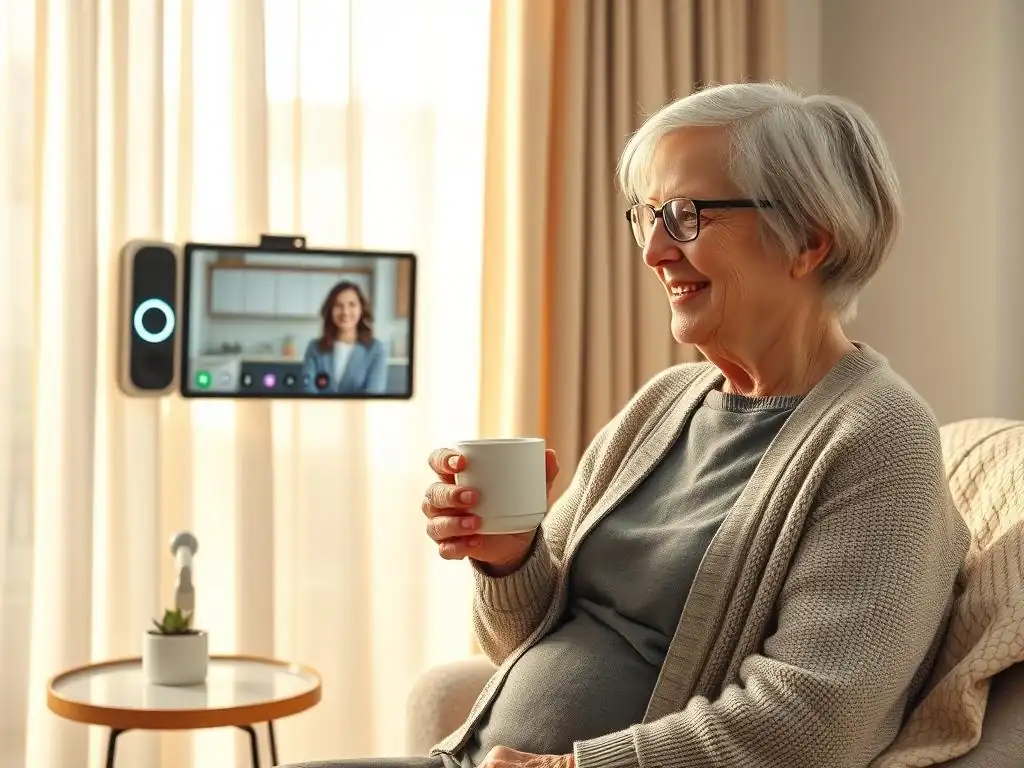
The types of assistive technology most beneficial often depend heavily on the specific needs associated with the care recipient's condition. Caregiving for someone with dementia presents different challenges than caring for someone with a physical disability or a mental health condition. Tailoring the technology to the specific scenario is key to its effectiveness and relevance, providing targeted assistive tech caregiver support.
Understanding which technologies are particularly helpful for common caregiving situations allows caregivers to focus their research and investment on solutions most likely to address their unique challenges and improve the care recipient's quality of life.
Supporting Caregivers of Individuals with Dementia
Caregiving for individuals with dementia involves managing memory loss, confusion, changes in behavior, and safety risks like wandering. Assistive technology for this population focuses heavily on safety, orientation, and providing structure and reminders, while also offering tools for communication and engagement that adapt to cognitive decline.
Technology can help create a safer, more predictable environment, reducing anxiety for both the care recipient and the caregiver. Solutions range from simple analog clocks designed for dementia patients to sophisticated tracking and monitoring systems. Effective assistive tech caregiver support in this context is about minimizing risks and maximizing moments of clarity and connection.
GPS Tracking Devices for Wandering Prevention
Wandering is a significant safety concern for individuals with dementia. GPS tracking devices offer a way to monitor the care recipient's location if they wander away from home. These devices can be worn as pendants, wristwatches, clipped onto clothing, or even placed in shoes. Caregivers can use a smartphone app or website to see the care recipient's location in real-time. Many systems allow caregivers to set up geofences—virtual boundaries—and receive an alert if the care recipient leaves a designated safe area, such as their neighborhood.
Some devices also include two-way communication features, allowing the caregiver or monitoring service to speak to the care recipient. Battery life and accuracy are key considerations when choosing a device; typical battery life ranges from 1 to 7 days depending on usage and model, and accuracy is usually within 10-50 feet in open areas.
Costs range from around $50-$200 for the device itself, plus monthly monitoring fees typically between $20-$40. While not a substitute for supervision, GPS trackers provide a crucial safety net and offer significant peace of mind for caregivers concerned about wandering, representing vital assistive tech caregiver support for dementia care.
Memory Aids and Cognitive Stimulation Apps
Assistive technology provides various tools to support memory and cognitive function for individuals with dementia. Simple memory aids include digital photo frames that display familiar faces and places, or voice recorders for leaving reminders. More advanced solutions include specialized clocks that display the date, time of day (morning, afternoon, evening), and even the season, helping with orientation. Programmable "talking" calendars or message boards can deliver personalized reminders at specific times.
Cognitive stimulation apps, available on tablets or smartphones, offer engaging activities like puzzles, memory games, music therapy, or reminiscing prompts designed to maintain cognitive function and reduce agitation. Some apps are specifically tailored for individuals with dementia, featuring simple interfaces and content appropriate for different stages of the condition. While the effectiveness of apps varies by individual, they can provide moments of engagement and reduce boredom. Costs range from free to subscription-based (e.g., $10-$20/month). These memory aids and cognitive stimulation tools offer valuable assistive tech caregiver support by helping manage symptoms and improve the care recipient's quality of life.
Assistive Tech for Caregivers of Individuals with Physical Disabilities
Caring for someone with a physical disability often involves significant physical tasks, such as lifting, transferring, assisting with personal care, and adapting the home environment. Assistive technology in this area focuses on enhancing mobility, simplifying daily tasks, and reducing the physical strain on the caregiver. These technologies enable greater independence for the care recipient and make caregiving tasks safer and less physically demanding.
From modified utensils to sophisticated lifting equipment, assistive technology plays a crucial role in improving the quality of life for individuals with physical limitations and providing essential assistive tech caregiver support.
Adapted Utensils and Assistive Feeding Devices
For individuals with limited hand dexterity, tremors, or weakness, using standard cutlery can be challenging or impossible. Adapted utensils, such as those with built-up handles, weighted grips, or angled designs, make eating easier and more independent. These simple pieces of assistive technology are relatively inexpensive, often costing between $10 and $30 per utensil.
More advanced assistive feeding devices use robotic arms or stabilized spoon technology to allow individuals with severe tremors or limited arm movement to feed themselves. Devices like the Liftware spoon (now owned by Verily) use sensors and motors to counteract tremors, reducing spills by up to 70%. These devices are significantly more expensive, potentially costing several hundred dollars, but they can provide a level of independence at mealtime that is invaluable to both the care recipient and the caregiver, reducing the need for manual feeding assistance and offering practical assistive tech caregiver support.
Electronic Lifts and Transfer Devices
Transferring an individual with significant mobility limitations from a bed to a wheelchair, or from a wheelchair to a toilet, is one of the most physically demanding and injury-prone tasks for caregivers. Electronic lifts and transfer devices are designed to perform these transfers safely using hydraulic or electric power, eliminating the need for the caregiver to bear the full weight of the care recipient. Types include ceiling lifts, floor lifts, and sit-to-stand lifts.
While requiring professional assessment and installation, these devices drastically reduce the risk of back injuries for the caregiver and provide a safer, more comfortable transfer experience for the care recipient. Costs range widely depending on the type and features, from around $1,000 for a basic floor lift to over $5,000 for a ceiling-mounted system. Despite the initial investment, these lifts are essential for preserving caregiver health and enabling continued home care for individuals requiring significant physical assistance, providing crucial assistive tech caregiver support.
Resources for Caregivers of Individuals with Mental Health Conditions
Caregiving for someone with a mental health condition can involve supporting them through periods of acute illness, managing medication, encouraging therapy adherence, and providing emotional support while navigating complex behavioral and emotional challenges. Assistive technology in this context often focuses on facilitating access to mental health support, managing stress, and maintaining routines.
While not always categorized strictly as "assistive technology" in the traditional sense for physical or cognitive impairments, digital tools and platforms are increasingly providing valuable support for both the individual with the condition and their caregiver, offering practical assistive tech caregiver support for mental wellness.
Teletherapy Platforms and Mental Wellness Apps
Accessing mental health support can be challenging due to stigma, transportation issues, or limited availability of local providers. Teletherapy platforms allow individuals to connect with licensed therapists and counselors remotely via video calls. This removes barriers to access and makes it easier for caregivers to help their loved ones attend appointments without needing to travel. Many platforms offer flexible scheduling and a wider choice of therapists. Costs vary, often similar to in-person therapy sessions, but without the added travel expense or time commitment.
Mental wellness apps offer a range of tools for managing symptoms, tracking mood, practicing mindfulness, and developing coping strategies. Apps like Calm, Headspace, or specialized CBT (Cognitive Behavioral Therapy) apps provide guided meditations, breathing exercises, mood tracking features, and educational content. While not a substitute for professional therapy, they can be valuable tools for self-management and providing structure. Many offer free basic versions, with premium subscriptions ranging from $10-$70 annually. These digital resources provide accessible forms of support, contributing to assistive tech caregiver support by offering tools for managing the emotional and psychological aspects of care.
Wearable Technology for Stress Management
Caregivers often experience significant stress. Wearable technology, such as smartwatches or fitness trackers, can offer features that support caregiver well-being and stress management. While not directly assisting the care recipient, these devices provide assistive tech caregiver support by monitoring the caregiver's own health metrics. Many wearables track physical activity, sleep patterns, and heart rate, providing data that can help caregivers monitor their own health.
Some devices include features specifically designed for stress management, such as guided breathing exercises triggered by elevated heart rate or reminders to take short breaks. Receiving notifications about their own activity or stress levels can prompt caregivers to prioritize self-care, which is essential for sustainable caregiving. Costs range from under $100 for basic trackers to several hundred dollars for advanced smartwatches. By helping caregivers manage their own stress and health, these wearables indirectly enhance their capacity to provide care.
The Future of Assistive Technology in Caregiving
The field of assistive technology is rapidly evolving, driven by advancements in artificial intelligence, robotics, sensor technology, and connectivity. The future promises even more sophisticated and integrated solutions that could further revolutionize assistive tech caregiver support, making caregiving safer, more efficient, and less burdensome.
Emerging technologies hold the potential to address current limitations and create a more seamless and supportive care environment, while ongoing support and training for caregivers will be crucial to effectively utilize these innovations.
Emerging Technologies and Innovations
Future assistive technology is likely to incorporate more predictive analytics, using data from sensors and wearable devices to anticipate potential problems, such as predicting a fall risk based on changes in gait or alerting to early signs of illness based on vital sign fluctuations. Robotics could play a greater role, from robotic companions offering social interaction to more advanced robotic arms assisting with complex physical tasks.
Artificial intelligence could power personalized cognitive support, adapting reminders and activities based on the individual's performance and mood. Integrated smart home systems will become more common, with devices communicating seamlessly to create a truly responsive environment. Imagine a system that detects the care recipient is having trouble sleeping and automatically adjusts the thermostat, plays calming sounds, and sends a quiet alert to the caregiver's device. These innovations promise a future with enhanced safety, greater independence for care recipients, and more comprehensive assistive tech caregiver support.
The Importance of Ongoing Support and Training for Caregivers
As assistive technology becomes more sophisticated, the importance of providing caregivers with adequate support and training cannot be overstated. Technology is only effective if it is used correctly and consistently. Caregivers need access to clear instructions, technical support, and training on how to operate and troubleshoot new devices.
Furthermore, ongoing education about new technologies as they emerge is crucial. Workshops, online tutorials, and support groups focused on using AT can empower caregivers to leverage these tools effectively. Funding for training programs should be considered as essential as funding for the devices themselves. Ensuring caregivers feel confident and capable in using assistive tech is vital for maximizing its benefits and truly enhancing assistive tech caregiver support in the long term.
Conclusion: Empowering Caregivers with Assistive Technology.
Assistive technology represents a powerful and growing resource for caregivers facing the multifaceted demands of supporting loved ones. From simple adaptive tools to complex monitoring systems and digital platforms, technology offers tangible solutions to challenges related to communication, mobility, cognition, and safety. By easing physical burdens, enhancing safety, improving organization, and facilitating access to support, assistive tech caregiver support can significantly reduce stress, prevent burnout, and improve the overall well-being of those providing care.
Finding the right technology involves careful assessment, thorough research, consulting with experts, and practical testing. While costs can be a concern, various funding options exist through insurance, government programs, and non-profit organizations. As technology continues to advance, the potential for even more effective and integrated assistive tech caregiver support will grow, promising a future where technology plays an even greater role in enabling compassionate, sustainable caregiving, empowering caregivers to provide the best possible support while also caring for themselves.
Frequently Asked Questions
What is assistive technology and how can it benefit caregivers?
Assistive technology refers to devices and software designed to help individuals with disabilities or limitations. For caregivers, it can ease burdens by providing support for tasks like medication reminders or monitoring loved ones. This allows for a greater sense of independence for both the caregiver and care recipient.
Where can caregivers find reliable information about assistive technology options?
Caregivers can explore resources like the "Mind Care Guide," which offers information and support for mental well-being. They can also consult with occupational therapists and disability organizations for personalized recommendations and guidance.
How can assistive technology improve the mental well-being of caregivers?
By automating tasks and providing remote monitoring capabilities, assistive technology reduces caregiver stress and burnout. This allows caregivers to focus on emotional connection and self-care, ultimately improving their mental well-being and reducing feelings of isolation.
What are some examples of assistive technology specifically helpful for caregivers dealing with mental health challenges?
Examples include smart home devices for safety monitoring, medication dispensers to ensure adherence, and communication apps that facilitate connection with support networks. These technologies can significantly reduce the daily strain on caregivers.
How can caregivers ensure they choose the right assistive technology for their specific needs?
It's crucial to conduct a thorough assessment of the care recipient's needs and the caregiver's capabilities. Trial periods and consultations with professionals are recommended to ensure the chosen technology is effective and user-friendly for everyone involved.
Final Reflection: The Human Touch in a Tech-Driven World
The integration of assistive technology into caregiving is no longer a futuristic concept; it's a vital present-day necessity. The sheer volume of caregivers facing the challenges of aging populations and increasing healthcare complexities demands innovative solutions, and assistive technology offers a powerful lifeline, improving both the quality of life for care recipients and reducing the burden on caregivers. This is not simply about gadgets; it's about empowering individuals and fostering independence.
The impact of assistive technology extends far beyond the individual; it ripples through families and communities, reshaping our understanding of care and support. It challenges traditional models, fostering a more inclusive and equitable approach to caregiving. The shift towards technology-assisted care is a testament to human ingenuity and our unwavering commitment to improving the lives of others. As Margaret Mead wisely observed, Never doubt that a small group of thoughtful, committed citizens can change the world; indeed, it's the only thing that ever has.
This small group includes the developers, caregivers, and individuals benefiting from assistive technology, collectively working towards a more supportive and compassionate future.
Consider the ways assistive technology can enhance your own life, or the lives of those you care for. Explore the resources highlighted in this article, and don't hesitate to seek out additional information and support. The journey towards better caregiving is a continuous process of learning and adaptation, and by embracing the potential of assistive technology, we can build a future where everyone has the opportunity to live with dignity and independence, regardless of their physical or cognitive abilities. Let's continue this conversation, share our experiences, and work together to create a world where technology truly cares.
Unlock a World of Support: Empowering Caregivers with Assistive Tech
Thanks for taking the time to explore the world of assistive technology for caregivers! We hope you found valuable insights into how technology can simplify your day and enhance the lives of those you care for. Now, let's turn those insights into action:
- Dive deeper into assistive technology: Research specific solutions tailored to your unique caregiving needs. Consider exploring different types of apps, devices, and online resources that could make a real difference. This is your chance to find the perfect tools to support your loved one and yourself.
- Share your discoveries: Connect with other caregivers online or in your community. Let's build a support network and share the assistive tech solutions that have worked best for you. What valuable tools have you found?
- Explore local resources: Check for workshops, support groups, or funding opportunities related to assistive technology in your area. You may be surprised by what support is available!
What assistive technology solution are you most excited to explore further, and why?