
Is Technology Making Us Lonely? Countering Digital Isolation at Home

Welcome to Mind Care Guide.
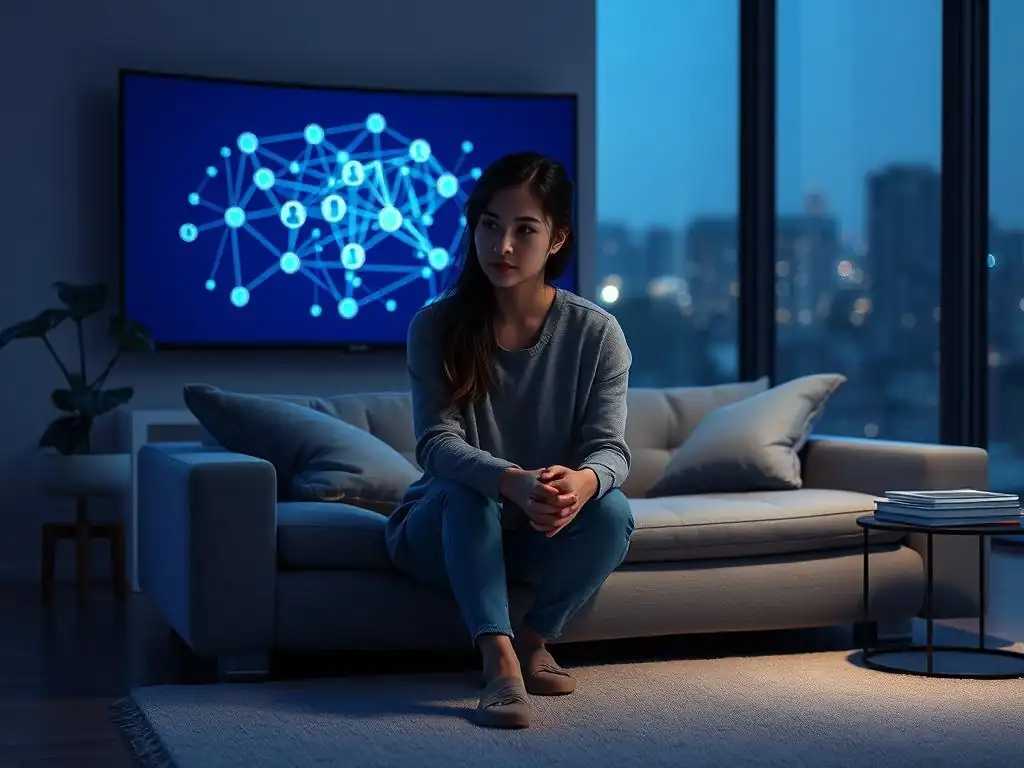
Feeling disconnected, even while surrounded by screens? You're not alone. Digital isolation at home is a growing concern, impacting our well-being and relationships. This guide explores the subtle ways technology can contribute to this feeling and, more importantly, offers practical strategies to reconnect with yourself and your loved ones. Ready to rediscover genuine connection in a digital age? Let's delve in.
Is Technology Making Us Lonely? Countering Digital Isolation at Home
- The Rise of Digital Isolation: Understanding Loneliness in the Technological Age
- Identifying the Signs of Digital Isolation in Your Home
- The Causes of Digital Isolation: Exploring the Roots of the Problem
- Countering Digital Isolation: Strategies for Reconnecting at Home
- Practical Tips for Reducing Digital Loneliness Within the Family
- Reclaiming Connection: Transforming Digital Habits for Improved Mental Health
- The Future of Connection: Navigating Technology and Relationships in a Balanced Way
-
Frequently Asked Questions
- How does digital isolation at home differ from regular isolation?
- What are some signs that I might be experiencing digital isolation at home?
- What are the main factors contributing to digital isolation in a home environment?
- Can spending too much time online actually increase feelings of loneliness?
- What are some practical steps I can take to counter digital isolation at home and improve my mental well-being?
- Final Reflection: Reconnecting in a Digital Age
- Reconnect & Thrive: Embrace Offline Connection Today
The Rise of Digital Isolation: Understanding Loneliness in the Technological Age
Defining Digital Isolation: What Does It Mean to Be Alone in a Connected World?
Digital isolation refers to the feeling of separation or loneliness experienced by individuals despite being constantly connected through digital devices and platforms. It's a paradox where the very tools designed to bring us closer can, when misused or overused, lead to a sense of disconnection from meaningful, in-person relationships.
This isn't just about being physically alone; it's about lacking genuine social interaction and emotional connection, often replaced by superficial digital exchanges. The feeling of digital isolation at home can be particularly poignant, as the place meant for intimacy and family connection becomes a space where individuals retreat into their separate digital worlds.
This phenomenon goes beyond simply spending time online. It involves a qualitative shift in how we interact. Research suggests that while platforms like social media offer breadth in connections, they often lack the depth found in face-to-face interactions.
Studies have indicated that excessive reliance on digital communication can correlate with higher self-reported levels of loneliness. For instance, one study found that young adults who spent more time on social media reported feeling more socially isolated than those who spent less time, highlighting that constant digital contact doesn't automatically equate to feeling connected. Understanding this distinction is the first step in addressing digital isolation at home.
Social media platforms promise connection, offering instant access to friends, family, and global communities. However, this constant stream of updates, curated lives, and often superficial interactions can inadvertently foster feelings of isolation. Users might compare their own lives to idealized online personas, leading to feelings of inadequacy, envy, and a sense of being left out.
This can create a vicious cycle where someone feeling lonely might seek solace online, only to feel more isolated by the content they consume. The curated nature of online profiles often hides the struggles and mundane realities of life, presenting a distorted view of social connection that is difficult to live up to.
Furthermore, while social media facilitates communication, it often replaces more substantial forms of interaction. A quick comment or 'like' doesn't carry the same emotional weight as a heartfelt conversation, a shared meal, or a supportive hug. The quantity of online connections doesn't necessarily translate into quality relationships.
An individual might have hundreds or thousands of online "friends" but feel they have no one to turn to in a crisis. This superficiality is a significant factor contributing to digital isolation, making it harder to build deep, supportive bonds, even within the home environment where family members are physically present but digitally distant.
Increased screen time across various devices – smartphones, tablets, computers, TVs – has become a defining characteristic of modern life. While screens offer entertainment, information, and convenience, excessive usage can directly impact social interactions and overall mental well-being. At home, high screen time can reduce opportunities for spontaneous family conversations, shared activities, and even simple eye contact. Instead of interacting with those around them, individuals may be engrossed in their screens, leading to a breakdown in real-time communication and connection. This contributes significantly to the feeling of digital isolation at home.
Beyond impacting immediate social interactions, excessive screen time has been linked to various mental health challenges. Research suggests a correlation between high screen use and increased risks of anxiety, depression, and sleep disturbances, particularly among younger populations.
For example, a study published in Preventive Medicine Reports in 2017 found that adolescents with higher screen time were more likely to report symptoms of depression and anxiety. The constant stimulation, exposure to cyberbullying, and the pressure to present an ideal self online can all take a toll, making individuals feel more withdrawn and less capable of engaging in genuine social interactions, thereby exacerbating digital isolation.
Identifying the Signs of Digital Isolation in Your Home
Recognizing the Symptoms: Are You or Your Family Members Experiencing Digital Disconnection?
Identifying digital isolation at home requires observing behavioral patterns and changes in communication. Symptoms can manifest differently in individuals but often include spending excessive amounts of time online or on devices, even when others are present. A key sign is a preference for online interaction over face-to-face contact, such as texting a family member in the next room instead of speaking to them directly.
Another indicator is a noticeable decrease in participation in shared family activities, opting instead to retreat to a personal space with a device. Look for signs like constant checking of notifications, difficulty disengaging from screens, and becoming irritable when asked to put devices away.
Emotional and psychological symptoms are also crucial to recognize. These might include increased feelings of loneliness, sadness, anxiety, or restlessness when offline. Individuals experiencing digital isolation might express a sense of not being understood or feeling disconnected from those around them, despite physical proximity. They might also show reduced interest in hobbies or activities they once enjoyed, especially if those activities involve in-person social interaction. Pay attention to comments about feeling bored, isolated, or disconnected, which could be verbal cues signaling digital isolation at home.
Changes in Communication Patterns: How Technology Can Affect Family Dialogue
Technology fundamentally alters how families communicate. While group chats and messaging apps can be convenient for coordinating schedules or sharing quick updates, they can also erode the quality of deeper family dialogue. Conversations may become shorter, more transactional, and less emotionally rich when mediated solely through text or brief messages.
Instead of discussing their day over dinner, family members might be silently scrolling through feeds. This shift from verbal, face-to-face communication to text-based, asynchronous interaction can lead to misunderstandings and a lack of emotional nuance, making it harder for family members to truly connect and understand each other's feelings and experiences.
The presence of devices during family time is another significant factor. Even if not actively using a device, its mere presence can signal that attention is divided and can interrupt the flow of conversation. Studies on social interaction have shown that the presence of a phone, even face down, can reduce the quality of conversation and the level of empathy felt between individuals. This subtle but pervasive change in communication patterns contributes significantly to digital isolation at home, creating invisible barriers between family members who are physically together but mentally elsewhere, absorbed in their digital worlds.
A clear sign of digital isolation is the withdrawal from real-world activities in favor of online engagement. This can include declining invitations to social gatherings, dropping out of clubs or sports teams, or reducing participation in family outings and traditions.
The online world, with its constant stream of novel content and immediate gratification, can become a more appealing alternative to the effort and potential vulnerability involved in real-life social interactions. This retreat into the digital realm can become a self-reinforcing cycle, where reduced real-world interaction leads to decreased social skills and increased anxiety about in-person contact, further fueling the desire to stay online.
This withdrawal isn't limited to external activities; it also impacts engagement within the home. Family members might spend hours in their rooms online instead of joining others in common areas. Shared meals, traditionally a time for family bonding, might become silent affairs with everyone on their devices. This pattern of opting out of physical presence and shared experiences in favor of digital engagement is a strong indicator of digital isolation at home and a sign that the balance between online and offline life has shifted too far towards the digital, leading to real-world disconnection.
The Causes of Digital Isolation: Exploring the Roots of the Problem

Excessive Screen Time: The Role of Overuse in Fostering Loneliness
Excessive screen time is arguably the most direct cause of digital isolation. When individuals spend large portions of their day interacting with screens – for work, entertainment, or social media – they have less time available for face-to-face interactions, hobbies, exercise, and other activities that foster genuine connection and well-being.
The sheer volume of hours dedicated to screens displaces opportunities for real-world engagement. For example, if someone spends 4-6 hours a day on their phone for non-work purposes, that significantly reduces the window available for spontaneous conversations with family, playing with children, or spending time with a partner without digital interruption.
Moreover, the nature of screen time matters. Passive consumption of content (like binge-watching shows or scrolling through feeds) offers little in the way of reciprocal social interaction. Even interactive online activities, like gaming or social media, can sometimes be poor substitutes for the depth and complexity of real-life relationships. The constant dopamine hits from notifications and likes can create addictive patterns, making it difficult for individuals to disengage and connect with the physical world and the people in it. This overuse is a primary driver of digital isolation at home, turning shared living spaces into collections of isolated individuals.
Lack of Face-to-Face Interaction: The Importance of Physical Presence in Relationships
Human beings are fundamentally social creatures who thrive on face-to-face interaction. Non-verbal cues – body language, facial expressions, tone of voice – convey a significant portion of communication and are crucial for building empathy, trust, and deep understanding. Digital communication, while efficient for transmitting information, often lacks these vital components. Relying heavily on text or even video calls doesn't fully replicate the richness of being physically present with another person. The subtle energy exchange, shared physical space, and spontaneous moments that occur during in-person interactions are essential for nurturing strong relationships.
Within the family unit, a lack of face-to-face interaction can weaken bonds. If family members communicate primarily through texts or social media posts, they miss out on opportunities for shared laughter, comforting touches, and intimate conversations that happen when they are fully present with one another. The physical presence of others, even in comfortable silence, can provide a sense of belonging and reduce feelings of loneliness. The decline in these essential in-person moments due to technology use is a core reason behind the rise of digital isolation at home.
Social media platforms often present highly curated versions of reality. People tend to share their highlights – successful moments, exciting trips, perfect family photos – creating an illusion of constantly happy and fulfilling lives. This can lead users to compare their own ordinary or challenging realities to these idealized online personas, fostering feelings of inadequacy, envy, and the belief that others are living better, more connected lives. This comparison effect can make individuals feel like they don't measure up, leading to decreased self-esteem and a reluctance to share their true selves, even with those closest to them.
The pressure to present an 'ideal' self online can also be exhausting and contribute to feelings of inauthenticity. Constantly performing for an online audience can leave individuals feeling disconnected from their true selves and from the people who know them without the filter of social media.
This discrepancy between one's real life and their online representation can deepen feelings of isolation, making it harder to form genuine connections built on vulnerability and honesty. The constant exposure to curated perfection on social media is a significant, albeit indirect, cause of digital isolation, particularly the feeling of digital isolation at home where the contrast between online and offline realities is often starkest.
Countering Digital Isolation: Strategies for Reconnecting at Home
Establishing Tech-Free Zones and Times: Creating Opportunities for Face-to-Face Interaction
One of the most effective strategies for countering digital isolation at home is to intentionally create spaces and periods free from technology. Designating certain areas, like the dining table or living room, as tech-free zones encourages family members to be present with each other. Similarly, establishing tech-free times, such as during meals, for an hour before bedtime, or during specific family activities, carves out dedicated opportunities for face-to-face interaction without the distraction of screens.
Implementing these boundaries requires clear communication and consistent effort from all family members. For example, a family might agree that all phones are placed in a designated basket during dinner. Research suggests that families who eat together regularly experience stronger bonds and improved communication. By removing the digital distraction during these key moments, families can reclaim valuable time for genuine connection, sharing their day, discussing challenges, and simply enjoying each other's company, directly combating digital isolation at home.
Actively prioritizing and scheduling shared family activities is vital for building stronger bonds and reducing digital isolation. This means moving beyond passive screen time spent together (like watching TV) towards engaging in activities that require interaction and participation. Examples include playing board games, going for walks, cooking together, working on a puzzle, or engaging in a shared hobby. These activities provide common ground and create shared memories that strengthen the family unit.
Making these activities a regular part of the family routine ensures that real-world engagement is not just an afterthought. Even small, consistent efforts, like a 30-minute family game night once a week or a weekend afternoon dedicated to exploring a local park, can make a significant difference. These shared experiences offer a powerful antidote to digital isolation at home by reinforcing the importance of physical presence and shared moments over digital consumption.
Mindful Technology Use: Promoting Healthy Digital Habits for Enhanced Well-being
Countering digital isolation isn't necessarily about eliminating technology entirely, but about using it mindfully and intentionally. Mindful technology use involves being aware of why, how, and how much time is spent on devices. It means asking questions like: Am I using this app because I genuinely want to connect, or out of habit or boredom? Is this screen time adding value to my life, or is it detracting from other important activities?
Promoting healthy digital habits within the family includes setting reasonable limits on screen time, using technology as a tool for connection rather than a replacement for it, and being aware of the content consumed. This could involve setting screen time limits using device features, scheduling digital detox periods, or using technology together for a shared purpose (like planning a family trip online). Cultivating mindfulness around technology helps individuals and families regain control over their digital lives, ensuring that technology serves them rather than contributing to digital isolation at home.
Practical Tips for Reducing Digital Loneliness Within the Family

Encouraging Open Communication: Creating a Safe Space to Discuss Feelings of Isolation
Open and honest communication is fundamental to addressing digital isolation at home. Create a family environment where everyone feels safe to express their feelings, including feelings of loneliness or disconnection, without judgment. Initiate conversations about technology use – not in an accusatory way, but as a family challenge to tackle together. Ask questions like, "How does spending a lot of time on screens make you feel?" or "Do you ever feel like we're all together but also separate because of our devices?"
Scheduling regular family check-ins or family meetings can provide a structured time for these discussions. Encourage active listening and empathy. Sharing your own experiences with feeling overwhelmed or disconnected by technology can also help open lines of communication. By fostering an environment where talking about the challenges of digital life is normal, families can collaboratively find solutions and support each other in reducing digital isolation at home.
Reducing digital isolation also involves fostering connections outside the immediate family unit. Participating in community events, joining clubs, volunteering, or engaging in group activities provides opportunities for social interaction in different contexts. These activities expose family members to new people and perspectives, build social skills, and reinforce the value of in-person connections.
Encourage family members to explore interests that involve group participation, whether it's a local sports league, a book club, a crafting group, or volunteering at a local shelter. Participating as a family in community events, like festivals or clean-up days, can also strengthen bonds while contributing positively to the wider social environment. These external social engagements provide a balance to time spent at home and offer crucial opportunities to combat digital isolation by building a broader support network.
Finding shared hobbies or interests is an excellent way to create dedicated time for connection and build stronger family bonds. This could be anything from cooking new recipes together, gardening, learning a new language, playing musical instruments, hiking, or working on creative projects like painting or building things. The key is to find activities that genuinely engage multiple family members and provide opportunities for collaboration, mutual support, and shared enjoyment.
Engaging in a shared hobby shifts focus away from individual screen time towards collective activity. It provides natural opportunities for conversation, problem-solving, and celebrating successes together. These shared passions create positive experiences that reinforce the value of being present with one another, offering a powerful counter-narrative to the pull of digital distractions and helping to alleviate digital isolation at home.
Reclaiming Connection: Transforming Digital Habits for Improved Mental Health
Setting Realistic Goals for Screen Time Reduction: A Gradual Approach to Change
Transforming digital habits requires setting realistic and achievable goals for screen time reduction. Drastic, sudden cuts can be difficult to sustain and may lead to frustration. Instead, focus on gradual changes. Start by identifying specific areas where screen time can be reduced, such as limiting non-essential scrolling during certain hours, reducing screen use before bed, or cutting back on passive consumption. Use device features or apps that track screen time to gain awareness of current habits.
Involve the family in setting these goals. For instance, collectively decide to reduce recreational screen time by 30 minutes per day or week and plan alternative activities to fill that time. Celebrate small victories along the way. A gradual, mindful approach makes the process less daunting and more sustainable, paving the way for healthier digital habits and reducing the likelihood of digital isolation at home.
It's important to remember that technology itself is not the enemy; it's the way it's used. Technology can be a powerful tool for facilitating real-world connections and combating digital isolation when used intentionally. For example, use video calls to connect with distant family members, but perhaps schedule them for specific times rather than letting them replace local interactions. Use social media to organize real-world meetups with friends or interest groups.
Technology can also be used to discover and engage in local community activities, find volunteer opportunities, or learn new skills that can be practiced with others in person. Leveraging digital tools to enhance and support real-world relationships, rather than replace them, is key. This balanced approach ensures that technology serves as a bridge to connection, not a barrier, helping to mitigate digital isolation at home by extending social circles and opportunities for interaction.
Seeking Professional Help: When to Consider Therapy for Digital Isolation and Loneliness
While many strategies can be implemented at home, there are times when digital isolation and the associated feelings of loneliness significantly impact mental health and warrant professional support. If feelings of isolation are persistent, overwhelming, and interfering with daily life, work, or relationships, it may be time to seek help from a therapist or counselor. Professionals can help individuals understand the underlying causes of their feelings, develop coping mechanisms, and build healthier relationship patterns.
Therapy can provide tools and strategies for managing anxiety or depression linked to excessive technology use and social withdrawal. A therapist can also help individuals navigate the complexities of digital relationships and develop skills for fostering genuine connections in both the digital and physical worlds. Recognizing when the challenge of digital isolation at home is too much to manage alone is a sign of strength, and professional support can be invaluable in reclaiming connection and improving overall well-being.
Fostering Digital Wellness: Cultivating Healthy Habits for Long-Term Mental Well-being
Fostering digital wellness is crucial for navigating the future of connection in an increasingly digital world. This involves cultivating healthy habits that prioritize mental and emotional well-being alongside technology use. Key aspects of digital wellness include setting boundaries around screen time, being mindful of the content consumed, protecting privacy, and intentionally scheduling time for offline activities and in-person interactions. It's an ongoing process of self-awareness and adjustment to ensure technology remains a beneficial tool rather than a source of stress or isolation.
Educating oneself and one's family about the potential impacts of technology on mental health is also part of fostering digital wellness. Understanding the mechanisms behind addictive design, the effects of social comparison, and the importance of sleep and physical activity for well-being can empower individuals to make conscious choices about their technology use. Promoting digital wellness helps build resilience against the negative aspects of the digital age and is essential for preventing future digital isolation at home.
The Importance of Human Connection in a Digital World: Prioritizing Relationships Over Technology
In a world saturated with technology, the fundamental importance of human connection remains paramount. Deep, meaningful relationships are essential for happiness, resilience, and overall mental health. While technology can facilitate communication, it cannot replace the richness, empathy, and support derived from in-person interactions and genuine emotional bonds. Prioritizing relationships means making conscious choices to invest time and energy in connecting with people – family, friends, partners, community members – in ways that foster intimacy and understanding.
This prioritization might involve making deliberate choices to put devices away during conversations, scheduling regular face-to-face meetups, actively listening without distraction, and being present during shared moments. It's about recognizing that notifications and endless scrolling can wait, but opportunities for genuine connection with loved ones are precious and fleeting. Reaffirming the value of human connection is the most powerful antidote to digital isolation, both within the home and in the wider world.
Building a Connected and Supportive Home Environment: Creating a Space Where Everyone Feels Valued and Understood
Ultimately, countering digital isolation at home is about building a connected and supportive environment where every family member feels valued, understood, and seen. This involves open communication, mutual respect for each other's needs (both online and offline), and a shared commitment to spending quality time together. It's about creating a culture within the home that balances the benefits of technology with the essential need for human presence and interaction.
This supportive environment is built through consistent effort: having family meals together, engaging in shared activities, listening actively, offering empathy, and setting healthy boundaries around technology use as a collective unit. When family members feel truly connected and supported within their home, they are less likely to seek excessive validation or connection solely online, thereby reducing the risk of digital isolation at home and fostering long-term mental well-being for everyone.
Frequently Asked Questions
How does digital isolation at home differ from regular isolation?
Digital isolation at home involves reduced real-world social interaction despite being connected online. It's distinct from regular isolation because it's often fueled by excessive technology use and a feeling of disconnection despite digital connections.
What are some signs that I might be experiencing digital isolation at home?
Signs include feeling lonely or disconnected even after spending time online, replacing face-to-face interactions with digital ones, and experiencing increased anxiety or depression related to social media comparisons.
What are the main factors contributing to digital isolation in a home environment?
Key factors include over-reliance on technology for social connection, a lack of intentional efforts to maintain real-world relationships, and the addictive nature of social media platforms.
Can spending too much time online actually increase feelings of loneliness?
Yes, excessive online time can increase loneliness. This is due to factors like social comparison, the lack of genuine connection compared to in-person interactions, and the potential for cyberbullying or negative online experiences.
What are some practical steps I can take to counter digital isolation at home and improve my mental well-being?
Strategies include setting limits on screen time, prioritizing face-to-face interactions, engaging in hobbies that don't involve technology, and seeking professional help if feelings of isolation are persistent.
Final Reflection: Reconnecting in a Digital Age
The pervasive nature of technology in our homes, while offering incredible convenience, presents a paradoxical challenge: it can simultaneously connect and disconnect us. We've explored how the very tools designed to bridge geographical distances can inadvertently foster a sense of profound loneliness and digital isolation within the supposed sanctuary of our homes. This isn't a futuristic dystopia; it's a present-day reality demanding our attention.
The insidious creep of digital isolation isn't just a personal struggle; it's a societal shift impacting families, communities, and mental well-being on a grand scale. The constant stream of curated online lives often leaves us feeling inadequate and further disconnected from genuine human interaction. As Sherry Turkle poignantly observed, We expect more from technology and less from each other.
This quote highlights the crucial need to re-evaluate our relationship with technology and prioritize authentic connection. The impact on mental health, particularly amongst younger generations, is undeniable and requires immediate and sustained attention.
You now have a deeper understanding of the complexities of digital isolation within the home. Consider your own relationship with technology. Are you prioritizing meaningful face-to-face interactions? Are you consciously creating space for unplugged time, fostering genuine connection with loved ones, and nurturing your own well-being? Take a moment to reflect on your digital habits and make a conscious effort to cultivate a more balanced and fulfilling life, one where technology serves to enhance, not replace, human connection. The future of our homes, and our well-being, depends on it.
Reconnect & Thrive: Embrace Offline Connection Today
Thanks for taking the time to explore the complexities of digital isolation with us! We hope you gained valuable insights into nurturing genuine connections in our increasingly digital world. Now it’s time to put that knowledge into action.
- Prioritize one "digital detox" activity this week: Turn off your phone for an hour each day, engage in a hobby that doesn’t involve screens, or simply enjoy a mindful walk in nature. This is your chance to rediscover the joys of offline living.
- Share your offline adventures: Tell us – or a friend – about one meaningful, screen-free experience you had this week. Sharing your journey helps build community and encourages others to disconnect too.
- Challenge yourself to a “no-phone-at-dinner” week: Experience the difference firsthand. How does it impact your family conversations or interactions with housemates?
Ready to truly disconnect and reconnect with what truly matters? What’s the first offline activity you’ll prioritize this week?