
Understanding the Rainbow of Feelings: Helping Kids Develop Emotional Intelligence

Welcome to Mind Care Guide, a safe space to nurture your mental well-being.
Ever wonder how to help your child navigate the sometimes turbulent waters of their emotions? This journey begins with understanding and fostering Kids emotional intelligence development strategies. Unlocking these strategies can transform not only your child's life but also deepen the connection within your family. Let's explore practical steps you can take today to build a brighter, more emotionally resilient future for your children. Ready to discover the secrets to helping your kids understand the rainbow of feelings?
- Understanding Emotional Intelligence in Children: A Practical Guide
- Key Components of Emotional Intelligence in Children
-
Practical Strategies for Developing Emotional Intelligence in Children
- Creating a Nurturing and Emotionally Safe Environment
- Expanding Emotional Vocabulary: Building a Language for Feelings
- Modeling Healthy Emotional Expression and Regulation
- Active Listening and Validation of Feelings
- Utilizing Literature to Explore and Understand Emotions
- Recommended Books for Different Age Groups: Fostering Emotional Literacy
-
Engaging Activities and Games to Boost Emotional Intelligence
- Emotion Identification Games: Fun Ways to Learn About Feelings
- Visualizing Emotional Intensity: Tools for Understanding Emotional Range
- Role-Playing: Practicing Empathy and Conflict Resolution Skills
- Creative Expression: Utilizing Art for Emotional Exploration
- Age-Appropriate Games: Developing Emotional Skills Through Play
- Addressing Common Emotional Challenges in Children
- The Crucial Role of Parents and Caregivers
- Resources for Supporting Emotional Intelligence Development
- Fostering Emotional Resilience: A Lifelong Skill
-
Frequently Asked Questions
- What exactly is emotional intelligence, and why is it important for kids?
- What are some practical "Kids emotional intelligence development strategies" parents can use at home?
- At what age should parents begin focusing on "Kids emotional intelligence development strategies"?
- Are there any resources or tools recommended by "Mind Care Guide" to support "Kids emotional intelligence development strategies"?
- How can I tell if my child is struggling with emotional intelligence, and when should I seek professional help?
- Final Reflection: Cultivating Emotional Gardens in Young Minds
- Unlock Your Child's Emotional World: A Journey to Greater Understanding
Understanding Emotional Intelligence in Children: A Practical Guide
Enhancing Well-being Through Emotional Awareness
Emotional intelligence, often abbreviated as EQ, plays a pivotal role in a child's overall well-being. It's the capacity to understand, use, and manage one's own emotions in positive ways to relieve stress, communicate effectively, empathize with others, overcome challenges, and defuse conflict. For children, developing this awareness early helps them navigate the complexities of their inner world and external interactions. When children can identify and label their feelings, whether it's excitement, frustration, or sadness, they gain a sense of control and predictability over their emotional responses. This foundational skill is crucial for building self-confidence and resilience as they grow.
Studies have consistently shown a strong correlation between higher levels of emotional intelligence in children and improved mental health outcomes. For instance, research indicates that children with better emotional regulation skills are less likely to experience anxiety and depression later in life. Teaching kids emotional intelligence development strategies equips them with the tools to process difficult emotions constructively, rather than being overwhelmed by them. This proactive approach to emotional health supports their psychological development and helps prevent potential mental health challenges, fostering a sense of calm and emotional stability.
Beyond personal well-being, emotional intelligence significantly impacts a child's performance in school and their ability to form meaningful social connections. Children who can understand their own emotions and those of others are better equipped to handle classroom dynamics, work collaboratively on projects, and communicate their needs effectively to teachers and peers. For example, a child who recognizes their frustration with a difficult math problem can ask for help instead of shutting down or acting out, which directly contributes to academic progress.
Socially, emotional intelligence is the bedrock of healthy relationships. It enables children to empathize with others, resolve conflicts peacefully, and understand social cues. A child with strong social awareness might notice when a friend is upset and offer comfort, strengthening their bond. Conversely, children lacking these skills may struggle with peer rejection or misunderstandings. Implementing effective kids emotional intelligence development strategies helps children build crucial social skills like cooperation, negotiation, and perspective-taking, which are essential for navigating friendships, group activities, and eventually, workplace relationships.
Long-Term Benefits of Emotional Intelligence Development
Investing in a child's emotional intelligence development yields benefits that extend far beyond childhood, influencing their success and happiness throughout adulthood. Individuals with high EQ tend to be more resilient in the face of adversity, better equipped to manage stress, and more successful in their careers and personal lives. They are often more adaptable to change, possess stronger leadership qualities, and maintain more stable and fulfilling relationships. This is because they have a deeper understanding of human behavior, both their own and others'.
The long-term impact of emotional intelligence development is evident in various life outcomes. For example, studies have shown that EQ is a stronger predictor of success in the workplace than IQ. Adults with high emotional intelligence are better at navigating office politics, collaborating with colleagues, and leading teams effectively. Providing kids emotional intelligence development strategies early in life sets the stage for them to become well-adjusted, successful, and compassionate adults who can contribute positively to their communities and lead fulfilling lives.
Key Components of Emotional Intelligence in Children
Self-Awareness: Recognizing and Understanding Emotions
Self-awareness is the foundational component of emotional intelligence. For children, this means being able to identify their own feelings as they happen and understand the connection between their emotions, thoughts, and actions. It's the ability to say, "I feel angry because my block tower fell down," rather than just having an outburst. Developing this skill involves learning to recognize physical sensations associated with different emotions (e.g., a tight chest for anxiety, a warm face for embarrassment) and learning to name those feelings using appropriate vocabulary.
Parents and caregivers can foster self-awareness by regularly checking in with children about how they are feeling and encouraging them to express themselves. Simple questions like, "How did that make you feel?" or "What emotion are you noticing right now?" can open up dialogue. Teaching kids emotional intelligence development strategies focused on self-awareness also involves helping them understand why they feel a certain way. For instance, explaining that feeling nervous before a test is common and is the body's way of preparing for a challenge helps normalize the emotion and provides context.
Self-Regulation: Managing Emotions Effectively
Self-regulation is the ability to manage one's emotions, particularly disruptive impulses and feelings. Once a child is aware of an emotion, the next step is learning how to respond to it in a healthy and constructive way. This doesn't mean suppressing feelings, but rather finding appropriate outlets and coping mechanisms. For a young child, this might involve learning to take a few deep breaths when they feel frustrated instead of hitting, or using words to express their anger.
Effective kids emotional intelligence development strategies for self-regulation often involve teaching specific techniques. For example, introducing mindfulness exercises, like focusing on their breath or body scan, can help children calm down. Creating a "calm-down corner" with soothing objects or activities can provide a physical space for regulation. It's also about teaching children that emotions are temporary and that they have the power to choose how they react. This skill is critical for managing stress, delaying gratification, and navigating challenging situations without becoming overwhelmed.
Social awareness involves understanding the emotions, needs, and perspectives of others. This component is about shifting focus from one's own internal state to the external world of social interactions. For children, this means learning to read facial expressions, body language, and tone of voice to understand how someone else might be feeling. It also involves developing empathy – the ability to understand and share the feelings of another person.
Developing social awareness is a key part of kids emotional intelligence development strategies. It can be fostered through discussions about how characters in books or movies might be feeling, or by pointing out and discussing emotional cues in everyday interactions. Asking questions like, "How do you think your friend felt when you took their toy?"
encourages perspective-taking. Empathy is not innate for all children and requires explicit teaching and practice. Encouraging acts of kindness and helping children see situations from another person's point of view are vital for building this skill, which is fundamental for positive social interactions and conflict resolution.
Relationship management is the ability to use one's understanding of emotions to build and maintain healthy and rewarding relationships. This component integrates self-awareness, self-regulation, and social awareness to navigate social situations effectively. For children, this includes skills like communicating clearly, listening actively, cooperating with others, resolving conflicts constructively, and being a good friend. It's about putting emotional intelligence into practice in real-world interactions.
Teaching kids emotional intelligence development strategies focused on relationship management involves providing opportunities for positive social interaction and guiding children through challenging peer situations. Role-playing different scenarios, such as how to ask someone to play or how to handle a disagreement, can be very helpful. Encouraging teamwork in games or activities teaches cooperation. Providing specific feedback on their interactions, like praising them for sharing or for using kind words to resolve a conflict, reinforces positive behaviors. Strong relationship management skills are essential for forming lasting friendships, succeeding in group environments, and building a supportive social network.
Practical Strategies for Developing Emotional Intelligence in Children
Creating a Nurturing and Emotionally Safe Environment
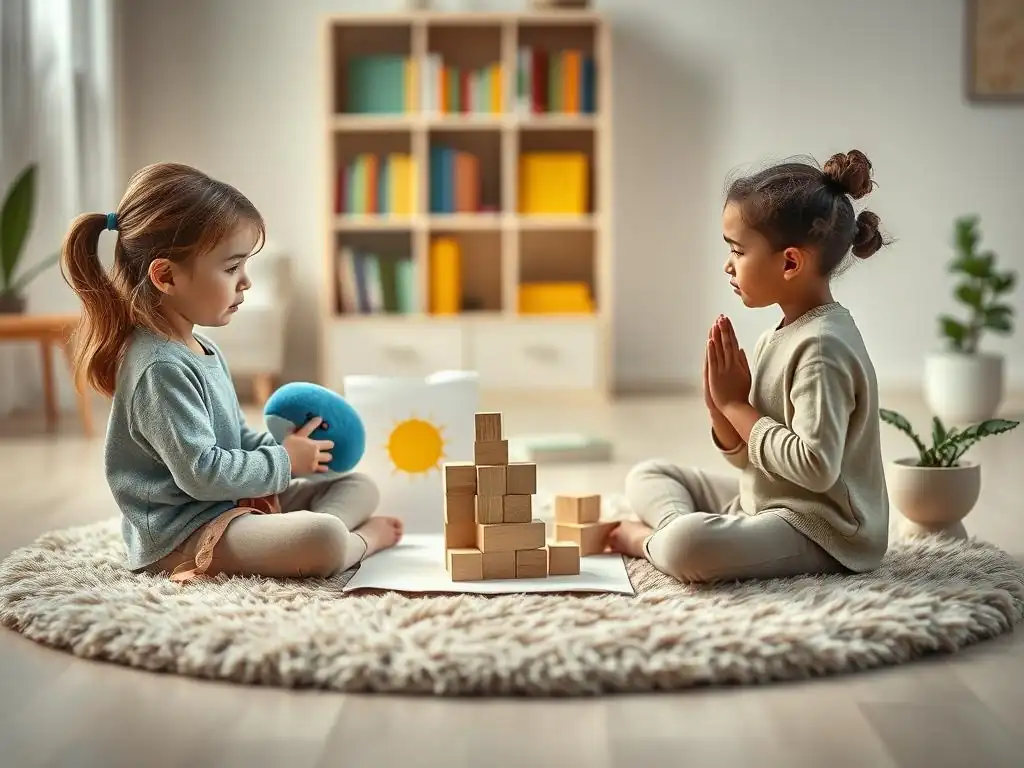
A child's emotional intelligence development thrives in an environment where they feel safe, loved, and understood. This means creating a home or classroom where feelings are acknowledged and accepted, not dismissed or punished. Children need to know that it's okay to feel angry, sad, or scared, and that their caregivers will help them navigate these emotions. A nurturing environment provides a secure base from which children can explore their feelings and learn healthy coping mechanisms without fear of judgment or rejection.
Establishing clear boundaries and consistent routines also contributes to an emotionally safe environment, providing children with a sense of predictability and security. When children feel secure, they are more likely to open up about their feelings and practice new emotional skills. This strategy is fundamental among kids emotional intelligence development strategies, as it lays the groundwork for all other learning. It requires caregivers to be mindful of their own emotional responses and create a calm, supportive atmosphere where open communication about feelings is encouraged.
Expanding Emotional Vocabulary: Building a Language for Feelings
One of the most direct kids emotional intelligence development strategies is helping children develop a rich emotional vocabulary. Just as learning words for colors or shapes helps children understand the physical world, learning words for feelings helps them understand their inner world. Moving beyond basic terms like "happy," "sad," or "mad" to include words like "frustrated," "disappointed," "excited," "anxious," or "proud" allows for more nuanced self-expression and understanding.
Caregivers can actively teach emotional vocabulary by labeling feelings as they observe them in the child ("You seem frustrated with that puzzle"), in themselves ("I feel a little stressed right now"), or in others (characters in stories, people they see). Using feeling charts, emotion cards, or books that illustrate different emotions can also be effective tools. The ability to name an emotion is the first step towards understanding and managing it. Research suggests that simply labeling an emotion can help reduce its intensity, highlighting the power of language in emotional regulation.
Modeling Healthy Emotional Expression and Regulation
Children learn by observing the adults around them, making parental modeling one of the most powerful kids emotional intelligence development strategies. Caregivers who openly and appropriately express their own emotions and demonstrate healthy coping mechanisms provide a living example for their children. This means acknowledging your own feelings ("I'm feeling a bit overwhelmed right now, so I'm going to take a few deep breaths") rather than suppressing them or reacting impulsively.
Modeling also involves demonstrating how to regulate difficult emotions constructively. For instance, if you are frustrated, show your child how you manage it – perhaps by taking a break, talking about it calmly, or engaging in a calming activity. Conversely, reacting to stress with yelling or shutting down teaches children similar unhealthy patterns. By consistently showing children what healthy emotional expression and regulation look like, caregivers provide them with a practical blueprint for managing their own feelings throughout life.
Active Listening and Validation of Feelings
Active listening and validating a child's feelings are cornerstone kids emotional intelligence development strategies. When a child expresses an emotion, whether it's anger over a toy or sadness about a friendship issue, it's crucial to listen attentively without interruption, judgment, or immediate problem-solving. This means truly hearing what they are saying and reflecting it back to ensure understanding ("So, you're feeling really angry because Max didn't share his truck? ").
Validation doesn't mean agreeing with the child's perspective or behavior, but rather acknowledging that their feeling is real and understandable given their point of view. Phrases like, "I can see that you're feeling really upset right now," or "It makes sense that you feel disappointed," communicate empathy and acceptance. This process helps children feel heard and understood, strengthening the parent-child bond and teaching them that their emotions are valid. It also encourages them to continue communicating their feelings, rather than suppressing them.
Utilizing Literature to Explore and Understand Emotions
Books are invaluable resources for teaching kids emotional intelligence development strategies. Stories provide a safe and engaging way for children to explore a wide range of emotions, understand different perspectives, and learn about social situations. Through characters, children can see emotions being expressed, experienced, and managed, offering vicarious learning opportunities. Discussing the feelings and motivations of characters helps children build empathy and social awareness.
Reading together also provides a natural opening for conversations about feelings. Caregivers can ask questions like, "How do you think the character felt when that happened?" or "Have you ever felt that way?" This helps children connect the emotions they see in stories to their own experiences, deepening their self-awareness. Furthermore, many children's books explicitly address emotional themes, offering simple explanations and strategies for understanding and managing feelings.
Recommended Books for Different Age Groups: Fostering Emotional Literacy
Selecting age-appropriate books is key to leveraging literature as part of kids emotional intelligence development strategies. For preschoolers (ages 3-5), books focusing on basic emotions and facial expressions are helpful, such as "The Color Monster" by Anna Llenas or "My Many Colored Days" by Dr. Seuss. These books use simple language and vivid illustrations to introduce the concept of different feelings.
For early elementary children (ages 6-8), books with more complex narratives can explore social situations and conflict resolution. "When Sophie Gets Angry—Really, Really Angry..." by Molly Bang is excellent for discussing intense emotions and coping strategies. Books like "Have You Filled a Bucket Today?"
by Carol McCloud introduce concepts of kindness and how our actions affect others' feelings. For older elementary kids (ages 9-11), chapter books with well-developed characters facing challenges can deepen understanding of empathy, resilience, and managing peer relationships. Examples might include books that explore themes of friendship, fitting in, or overcoming difficulties, allowing for discussions about complex emotions and motivations.
Engaging Activities and Games to Boost Emotional Intelligence
Emotion Identification Games: Fun Ways to Learn About Feelings
Games are a fantastic way to integrate kids emotional intelligence development strategies into play. Emotion identification games help children learn to recognize and name different feelings in themselves and others. Simple games like "Emotion Charades," where players act out different emotions for others to guess, make learning fun. Using flashcards with pictures of faces showing various emotions and having children name the feeling is another effective method.
Another activity is creating an "Emotion Face" drawing station, where children draw faces showing different feelings. Discussing their drawings and what makes someone feel that way reinforces learning. These games build the foundational skill of emotional self-awareness and social awareness by encouraging children to observe and interpret emotional expressions in a low-pressure, playful environment.
Visualizing Emotional Intensity: Tools for Understanding Emotional Range
Understanding that emotions exist on a spectrum – from slightly annoyed to absolutely furious, or from a little worried to terrified – is an important aspect of emotional intelligence. Visualizing emotional intensity helps children grasp this concept. Tools like an "Emotion Meter" or "Feeling Thermometer" can be used as effective kids emotional intelligence development strategies. These are visual scales, often resembling a thermometer or dial, where children can point to show how strong their feeling is (e.g., 1 being slightly happy, 5 being overjoyed).
Using these tools helps children articulate the intensity of their emotions and understand that feelings can vary in strength. For example, a child might learn to say, "I'm feeling a 4 on the anger meter," rather than just "I'm mad." This adds precision to their emotional language and helps them recognize when an emotion is becoming overwhelming, prompting them to use regulation strategies. It also aids caregivers in understanding the depth of the child's emotional experience.
Role-Playing: Practicing Empathy and Conflict Resolution Skills
Role-playing is a dynamic activity that directly targets social awareness and relationship management, making it a powerful tool among kids emotional intelligence development strategies. By acting out different scenarios, children can practice seeing situations from another person's perspective and experiment with different ways of responding. For example, caregivers can set up scenarios like "Sharing Toys," "Dealing with a Bully," or "Asking to Join a Game."
During role-playing, caregivers can guide children to consider how each person in the scenario might be feeling and what they might need. They can also practice different responses to conflict, such as using "I feel" statements ("I feel sad when you take my toy without asking") or negotiating a compromise. This hands-on practice helps children develop empathy, communication skills, and problem-solving abilities in a safe and controlled environment, preparing them for similar real-life situations.
Creative Expression: Utilizing Art for Emotional Exploration
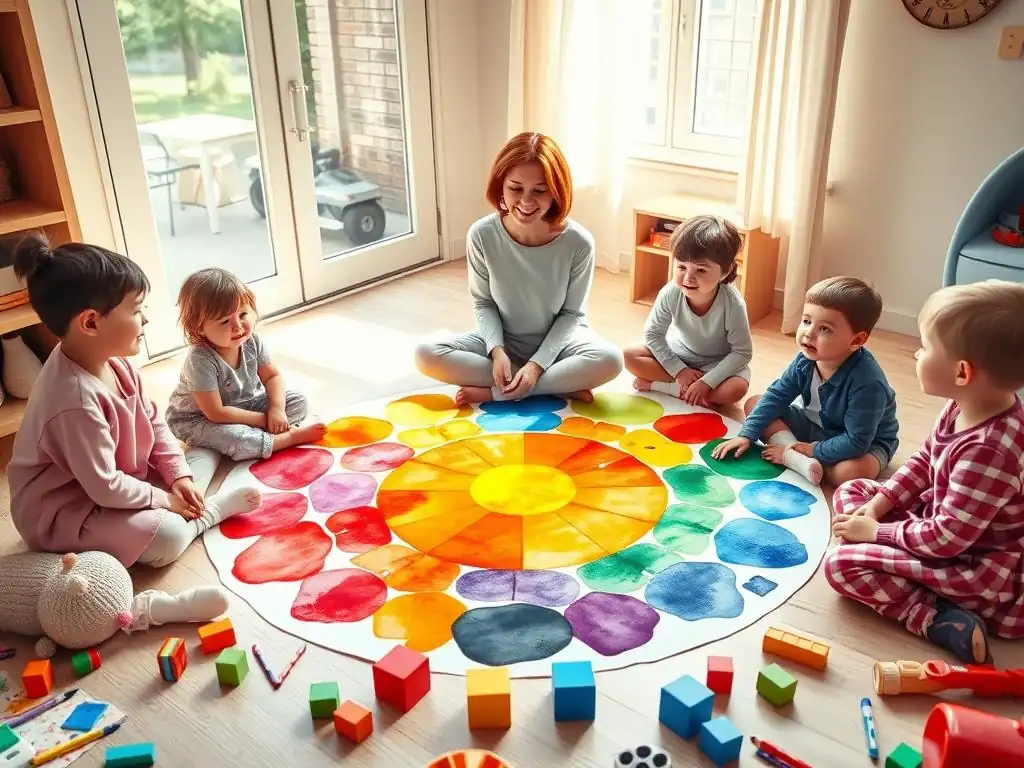
Art provides a non-verbal outlet for children to explore and express their emotions, making it a valuable component of kids emotional intelligence development strategies. Drawing, painting, sculpting, or even dramatic play can help children process feelings that they might not yet have the words for. A child who is feeling anxious might use dark colors and sharp lines in a drawing, while a child feeling joyful might use bright colors and swirling shapes.
Caregivers can encourage this by providing various art supplies and simply inviting the child to create something based on how they are feeling. Afterward, they can gently ask the child about their artwork, inviting them to talk about the colors, shapes, or images they used and what they might represent. This process helps children connect their internal emotional state with external expression and can be particularly helpful for children who are less verbal or struggling to articulate difficult feelings.
Age-Appropriate Games: Developing Emotional Skills Through Play
Many commercially available or easily created games can be adapted to reinforce kids emotional intelligence development strategies. For younger children, cooperative games where players work together towards a common goal teach teamwork and managing frustration when things don't go as planned. Simple board games require taking turns, following rules, and managing winning and losing with grace.
For older children, games involving strategy or negotiation can help develop perspective-taking and problem-solving skills in social contexts. Even video games, when played together and discussed, can offer opportunities to talk about managing frustration, cooperating with teammates, or understanding character motivations. The key is to engage with the child during play and use it as an opportunity to discuss emotions, reactions, and social dynamics.
Addressing Common Emotional Challenges in Children
Managing Intense Emotional Outbursts: Effective Response Strategies
Intense emotional outbursts are common in childhood, especially during the preschool and early elementary years when children are still developing self-regulation skills. These can range from tantrums to meltdowns. Effective kids emotional intelligence development strategies for managing outbursts focus on remaining calm yourself, ensuring the child's safety, and helping the child calm down before trying to reason with them. During an outburst, a child's brain is in a state of fight-or-flight, making logical processing impossible.
Instead of punishing or trying to talk them out of the feeling, focus on co-regulation – helping the child's nervous system calm down. This might involve offering a hug (if they accept it), moving to a quiet space, or guiding them through deep breathing exercises. Once the child is calm, you can then discuss what happened, help them identify the feeling that triggered the outburst, and brainstorm more constructive ways to handle similar situations in the future. This teaches them that while the feeling is okay, the behavior during the outburst needs to be managed.
Supporting Children Through Anxiety and Fears
Anxiety and fears are prevalent emotional challenges in childhood. While some level of fear is normal, persistent or excessive anxiety can interfere with a child's daily life. Supporting children through anxiety requires patience, empathy, and specific kids emotional intelligence development strategies aimed at building coping skills. Avoid dismissing their fears, even if they seem irrational to you. Validate their feeling ("I know you're feeling really scared right now") and gently encourage them to face their fears in small, manageable steps.
Teaching relaxation techniques, such as deep breathing or progressive muscle relaxation, can provide children with tools to manage anxious feelings in the moment. Helping them identify the specific thoughts associated with their anxiety (e.g., "What if nobody plays with me?") and gently challenging those thoughts can also be helpful. In some cases, professional help from a therapist specializing in child anxiety may be necessary to provide targeted support and strategies like cognitive behavioral therapy (CBT), which has shown significant success rates, often above 60-70% for children with anxiety disorders according to some studies.
Sadness is a natural and healthy emotion, but prolonged or intense sadness, especially following a loss (like the death of a pet, a move, or separation), requires sensitive support. Helping children navigate sadness and loss involves creating a safe space for them to grieve and express their feelings without pressure to "be happy" quickly. Validate their sadness ("It's okay to feel sad when you miss someone") and let them know you are there to listen and comfort them.
Encourage healthy ways of expressing sadness, such as talking about their feelings, drawing pictures, or writing in a journal. Maintain routines as much as possible, as predictability can be comforting during times of change or loss. Be patient, as the grieving process is not linear. For significant losses or persistent sadness that impacts daily functioning, seeking guidance from a school counselor or child therapist is a crucial step. Professionals can offer tailored kids emotional intelligence development strategies to help children process grief in a healthy way.
Bullying and social exclusion can be emotionally devastating for children, impacting their self-esteem and sense of safety. Promoting resilience in these situations involves equipping children with the emotional intelligence skills to cope with adversity. This includes strengthening their self-worth, teaching assertive communication, and helping them develop healthy coping mechanisms. It's vital to listen to their experiences without blame and validate the hurt they are feeling.
Kids emotional intelligence development strategies in this context involve teaching children how to respond to bullying (e.g., saying "no," walking away, telling a trusted adult) and helping them understand that the bully's behavior is not their fault. Building a strong support network of friends, family, and school personnel is also critical. For children experiencing persistent bullying or significant social exclusion, professional intervention from school counselors or therapists can provide essential support, strategies for navigating these challenges, and help in rebuilding their confidence and social connections.
The Crucial Role of Parents and Caregivers
Self-Awareness for Caregivers: Understanding Your Own Emotional Responses
The ability of parents and caregivers to effectively teach kids emotional intelligence development strategies is deeply intertwined with their own emotional intelligence. Caregivers' self-awareness – their ability to recognize and understand their own emotions, triggers, and stress responses – is paramount. When a child is having a meltdown, a caregiver who is aware of their own frustration or anxiety is better equipped to manage their reaction calmly rather than escalating the situation.
Taking time for self-reflection and developing personal coping strategies allows caregivers to model healthy emotional regulation. This might involve identifying what triggers your own stress and practicing mindfulness, deep breathing, or taking short breaks when needed. Understanding your own emotional history and how it might influence your parenting style is also important. By working on their own emotional intelligence, caregivers create a more stable and predictable emotional environment for their children and become more effective guides in their children's emotional development journey.
Seeking Professional Guidance: When to Consult a Specialist
While parents and caregivers can implement many kids emotional intelligence development strategies at home, there are times when professional guidance is necessary. If a child's emotional or behavioral challenges are persistent, intense, and significantly impacting their daily life – affecting school performance, peer relationships, or family dynamics – it may be time to consult a specialist. Signs might include excessive worry, prolonged sadness, frequent intense outbursts that are difficult to manage, significant social withdrawal, or difficulty recovering from stressful events.
Pediatricians, school counselors, child psychologists, or therapists specializing in child development and mental health can provide invaluable support. They can conduct assessments to understand the root of the challenges and offer tailored interventions, such as play therapy, cognitive behavioral therapy (CBT), or parent training programs focused on emotional regulation and behavior management. Seeking help is a sign of strength and commitment to the child's well-being, ensuring they receive the specialized support they need to thrive emotionally.
Building a Strong Parent-Child Bond: The Foundation for Emotional Growth
A secure and loving parent-child bond is the most critical foundation for a child's emotional intelligence development. When children feel securely attached to their caregivers, they feel safe to explore their emotions, make mistakes, and learn from them. This bond provides the emotional safety net necessary for children to practice new emotional skills and feel confident in expressing their true feelings.
Building a strong bond involves spending quality time together, engaging in active listening, showing consistent affection and support, and being responsive to the child's needs. It's about creating moments of connection throughout the day, whether through play, reading, or simply talking. A secure attachment fosters trust and open communication, making children more receptive to learning kids emotional intelligence development strategies from their caregivers and more likely to turn to them for support when facing emotional challenges.
Resources for Supporting Emotional Intelligence Development
Websites and Organizations Dedicated to Emotional Learning
Numerous online resources and organizations are dedicated to promoting emotional intelligence in children. Websites like the Collaborative for Academic, Social, and Emotional Learning (CASEL) offer extensive information on social-emotional learning (SEL) frameworks and resources for educators and parents. Organizations like the Yale Center for Emotional Intelligence provide research-backed programs and tools, such as the RULER approach, designed to teach emotional skills.
Exploring these websites can provide caregivers with valuable insights, practical tips, and downloadable resources like feeling charts, activity ideas, and information on specific emotional challenges. Many offer free articles, webinars, or guides specifically aimed at parents looking to implement effective kids emotional intelligence development strategies at home. Accessing these resources can empower caregivers with knowledge and tools grounded in research and best practices.
Recommended Parenting Resources on Emotional Intelligence
Beyond websites, many excellent books and guides offer detailed parenting strategies for fostering emotional intelligence. Titles like "Emotional Intelligence" by Daniel Goleman (the foundational text, though more for adults) or "Raising an Emotionally Intelligent Child" by John Gottman and Joan Declaire provide practical frameworks and techniques for parents. These resources often delve into specific topics like emotion coaching, validating feelings, and setting boundaries with empathy.
Finding parenting resources that resonate with your style and address the specific age and needs of your child can significantly enhance your ability to implement kids emotional intelligence development strategies effectively. Look for books or guides that offer actionable advice, real-life examples, and a compassionate approach to the challenges of parenting. Many libraries and bookstores have dedicated sections for parenting and child development, offering a wealth of information.
Local and National Mental Health Resources for Children
For children facing significant emotional or behavioral challenges, accessing local and national mental health resources is crucial. National organizations like the National Alliance on Mental Illness (NAMI) or the Anxiety & Depression Association of America (ADAA) provide information, support, and directories of mental health professionals specializing in children and adolescents.
Locally, resources may include community mental health centers, university psychology clinics, school counseling services, and private therapy practices. Pediatricians are often a good first point of contact and can provide referrals to specialists. These resources offer professional assessment, diagnosis, and evidence-based treatments tailored to the child's specific needs, providing essential support that complements the kids emotional intelligence development strategies implemented at home.
Fostering Emotional Resilience: A Lifelong Skill
Frequently Asked Questions
What exactly is emotional intelligence, and why is it important for kids?
Emotional intelligence is the ability to understand and manage emotions, both your own and others'. It's crucial for kids because it helps them build stronger relationships, cope with stress, and succeed academically and socially.
What are some practical "Kids emotional intelligence development strategies" parents can use at home?
Parents can use strategies like labeling feelings, encouraging emotional expression, and practicing empathy through role-playing or discussions about characters in stories.
At what age should parents begin focusing on "Kids emotional intelligence development strategies"?
It's never too early! Even with toddlers, you can start by naming their emotions and responding with empathy. The foundations are laid early and built upon over time.
Are there any resources or tools recommended by "Mind Care Guide" to support "Kids emotional intelligence development strategies"?
"Mind Care Guide" offers resources like articles on specific emotions, worksheets for practicing emotional identification, and links to support groups for parents facing similar challenges.
How can I tell if my child is struggling with emotional intelligence, and when should I seek professional help?
Signs include frequent emotional outbursts, difficulty understanding others' feelings, and problems with social interactions. If these issues persist or significantly impact their life, seeking professional guidance is advised.
Final Reflection: Cultivating Emotional Gardens in Young Minds
The ability to understand and manage emotions is no longer a luxury; it's a crucial life skill. In a world increasingly demanding emotional resilience, equipping children with strong emotional intelligence is not just beneficial, it's essential for their future well-being and success. This article has explored practical strategies for nurturing emotional intelligence in children, from fostering self-awareness to building empathy and effective communication skills.
The journey of understanding and expressing emotions is a lifelong process, one that profoundly shapes our relationships, our choices, and our overall happiness. The impact of emotional intelligence extends far beyond childhood, influencing everything from academic achievement and career success to the quality of our personal relationships. As the Dalai Lama wisely said, The greatest weapon against stress is our ability to choose one thought over another.
This simple yet profound statement highlights the power of emotional regulation, a cornerstone of emotional intelligence that we can cultivate from a young age.
Now, consider your own interactions with children. How can you consciously incorporate the strategies discussed – active listening, validating feelings, modeling healthy emotional expression – into your daily life? Take a moment to reflect on your own emotional landscape and how you might better support the emotional growth of the young people in your life. By nurturing emotional intelligence in children, we are not only empowering them individually but also contributing to a more compassionate and understanding world. Let's cultivate these emotional gardens, one young mind at a time.
Unlock Your Child's Emotional World: A Journey to Greater Understanding
Thanks for taking the time to explore the fascinating world of children's emotional intelligence! You've gained valuable insights into nurturing your child's emotional growth. Now, let's put that knowledge into action.
- Start a daily "feelings check-in" with your child. This simple practice can build emotional awareness and strengthen your bond. (Even five minutes can make a world of difference!)
- Share this article with other parents – Let's build a supportive community dedicated to raising emotionally intelligent kids!
- Try a fun emotional literacy activity together. Search online for age-appropriate games or exercises to make learning about emotions an adventure.
What small step will you take today to help your child better understand and manage their feelings?