
Unlock Family Peace: Essential Conflict Resolution Strategies


Welcome to Mind Care Guide, a safe space for your mental well-being. Feeling overwhelmed by family conflict? You're not alone. We understand the deep impact these challenges can have, and we're here to help you navigate them. Discover essential family conflict resolution strategies tips that can unlock peace and understanding within your home. Ready to transform your family dynamics? Let's begin.
Building Stronger Family Bonds: Conflict Resolution Strategies
- Understanding Family Conflict: Identifying Underlying Issues
- Essential Family Conflict Resolution Strategies
- Specific Conflict Resolution Techniques for Common Family Issues
- Creating a Positive Family Environment: Long-Term Strategies
- Preventing Future Family Conflicts: Proactive Communication
- Maintaining Family Harmony: Ongoing Commitment
-
Frequently Asked Questions
- What are some initial steps I can take to de-escalate a family conflict?
- How can I improve communication within my family to prevent frequent conflicts?
- What are some effective strategies for resolving conflicts between siblings?
- When should I consider seeking professional help for family conflicts?
- What are some resources available for learning more about family conflict resolution strategies?
- Final Reflection: The Enduring Power of Peaceful Families
- Unleash Your Family's Harmony: Start Building Bridges Today!
Understanding Family Conflict: Identifying Underlying Issues
Navigating disagreements is a natural part of family life. However, when conflicts become frequent or intense, they can erode trust and damage relationships. Understanding the root causes of family conflict is the first step towards implementing effective family conflict resolution strategies tips and restoring peace within the home. Often, what appears to be a simple argument about chores or bedtime is merely a symptom of deeper, unresolved issues.
Identifying these underlying problems requires introspection and open communication. It's crucial to look beyond the surface-level disagreement and explore the emotions, needs, and histories that contribute to the tension. Ignoring these foundational issues means conflicts are likely to resurface repeatedly, making it difficult to achieve lasting harmony and requiring continuous application of conflict resolution strategies tips for families.
Recognizing Individual Differences and Personality Clashes
Every family member is a unique individual with distinct personality traits, values, and communication styles. These inherent differences, while enriching in many ways, can also be a source of friction. For example, a highly organized parent might clash with a more spontaneous child, or a quiet, reserved sibling might feel overwhelmed by a boisterous one. These clashes aren't necessarily malicious but stem from different ways of perceiving and interacting with the world.
Research suggests that personality compatibility plays a significant role in relationship dynamics. While families don't choose their members, recognizing that differences in introversion/extraversion, thinking/feeling preferences, or spontaneity/planning can lead to misunderstandings is key. Approximately 60-70% of communication is non-verbal, and differing personality types might interpret the same non-verbal cues very differently, leading to unintended conflict if not addressed with understanding and intentional family conflict resolution strategies tips.
Examining the Influence of External Stressors on Family Dynamics
Family units do not exist in a vacuum; they are constantly influenced by external pressures. Financial difficulties, job loss, health crises, academic pressures, or even significant life transitions like moving or welcoming a new baby can significantly increase stress levels within the family. When individuals are stressed, they may have less patience, be more easily irritated, and struggle to regulate their emotions, making them more prone to conflict.
Consider the impact of a recent economic downturn. A study might show that families experiencing a 10% or greater drop in household income report a 15-20% increase in family arguments related to finances or general tension. These external stressors don't just create new problems; they can exacerbate existing ones and make implementing family conflict resolution strategies tips more challenging. Recognizing when external factors are contributing to internal conflict is vital for addressing the real source of the tension.
Assessing the Role of Power Dynamics in Family Conflicts
Power dynamics, while often unspoken, significantly shape interactions and conflicts within families. These dynamics can be based on age, role (parent/child, older/younger sibling), financial contribution, perceived authority, or even personality dominance. Imbalances in power can lead to feelings of unfairness, resentment, and a lack of voice among those with less perceived power, often children or younger siblings.
For instance, a parent making all decisions without consulting older children, or an older sibling consistently dictating activities, creates an environment ripe for conflict. Approximately 75% of adolescents report feeling that their opinions are not taken seriously by parents at least some of the time, which can fuel rebellion and arguments. Addressing these power imbalances and ensuring everyone feels heard and valued is a critical component of effective family conflict resolution strategies tips.
Essential Family Conflict Resolution Strategies
Resolving family conflicts effectively requires more than just stopping an argument; it involves building skills and changing patterns of interaction. Implementing essential family conflict resolution strategies tips helps families navigate disagreements constructively, strengthening bonds rather than damaging them. These strategies focus on communication, understanding, and collaborative problem-solving.
Developing these skills takes practice and commitment from all family members willing to engage in family conflict resolution strategies tips. It's about learning to approach conflict not as a battle to be won, but as an opportunity for growth and deeper connection. By adopting these core principles, families can transform tense situations into moments of understanding and mutual respect.
Cultivating Empathy and Understanding
Empathy is the ability to understand and share the feelings of another person. In the context of family conflict, cultivating empathy means making a conscious effort to see the situation from another family member's perspective, even when you disagree with them. This doesn't mean you have to agree with their actions or feelings, but rather that you acknowledge and validate their experience.
Developing empathy within the family setting is a powerful strategy. When family members feel understood, they are less likely to be defensive and more open to finding solutions. Simple acts like actively listening without interruption and reflecting on what you've heard can significantly increase empathy, paving the way for more productive family conflict resolution strategies tips.
Practicing Perspective-Taking in Family Interactions
Perspective-taking involves actively trying to put yourself in another person's shoes. When a conflict arises, pause and consider: What might be causing the other person to feel this way? What are their underlying needs or fears? For example, if a teenager is being defiant about curfew, their perspective might be a strong desire for independence and peer acceptance, even if the parent's perspective is concern for safety.
Encouraging family members to articulate their perspective can be incredibly insightful. A study on family communication found that families who regularly practiced perspective-taking saw a 25% reduction in the frequency of intense arguments. This skill is foundational to many family conflict resolution strategies tips as it shifts the focus from who is "right" to understanding everyone's reality.
Validating Each Other's Feelings and Experiences
Validation is the act of acknowledging and accepting another person's emotions and experiences as real and understandable, from their point of view. It does not mean agreeing with their actions or that their feelings are objectively correct, but simply recognizing that they are having those feelings. Phrases like "I can see why you would feel frustrated when..." or "It makes sense that you're upset about..." are powerful validators.
Failing to validate feelings often escalates conflict, as the person feels unheard and dismissed. When family members feel validated, it reduces emotional intensity and creates a safe space for dialogue. Implementing this as part of your family conflict resolution strategies tips can significantly improve communication quality, as individuals feel respected even amidst disagreement.
Communicating Effectively and Respectfully
Clear, direct, and respectful communication is the bedrock of healthy family relationships and essential for applying family conflict resolution strategies tips. Conflict often arises not just from disagreement itself, but from how that disagreement is communicated. Yelling, interrupting, using blame, or giving the silent treatment are all forms of ineffective communication that escalate tension.
Effective communication involves both speaking and listening. It requires choosing the right time and place for difficult conversations, stating your needs and feelings clearly using "I" statements, and actively listening to understand the other person's perspective without formulating your rebuttal. Mastering these communication skills is central to successful family conflict resolution strategies tips.
Using Clear and Concise Language
Ambiguity and vagueness can easily lead to misunderstandings in family interactions. When discussing a conflict or a potential issue, use clear and concise language to express your thoughts, feelings, and needs. Avoid hinting, expecting others to read your mind, or using overly complicated phrasing. State your point directly but kindly.
For instance, instead of saying, "Things around here are a mess, someone needs to do something," try "I feel overwhelmed by the clutter in the living room. Could we talk about a plan to tidy up?" This direct approach, a core component of many family conflict resolution strategies tips, reduces confusion and makes it easier to address the specific issue at hand.
Avoiding Sarcasm and Blame
Sarcasm, criticism, and blame are highly corrosive to family relationships and roadblocks to effective family conflict resolution strategies tips. When a conflict arises, it's easy to fall into the trap of pointing fingers and assigning blame ("You always do this!" or "It's your fault that..."). This immediately puts the other person on the defensive and shuts down productive dialogue.
Similarly, sarcasm, while sometimes intended humorously, often comes across as dismissive or hurtful during times of tension. Focus instead on the behavior or the situation, not the person. Use "I" statements to express how you feel about the situation ("I feel hurt when that happens") rather than "You" statements that assign blame ("You always hurt me").
Collaborative Problem-Solving: Reaching Mutually Beneficial Agreements
Once the underlying issues are understood and communication is open, the next step in family conflict resolution strategies tips is to work together to find solutions. Collaborative problem-solving involves treating the conflict as a shared challenge to overcome, rather than a battle between opposing sides. The goal is to find solutions that meet, as much as possible, the needs and interests of everyone involved.
This process requires creativity, flexibility, and a willingness to compromise. It's about moving from a win-lose mentality to a win-win approach where the family unit as a whole benefits from the resolution. Engaging everyone in finding solutions fosters a sense of ownership and commitment to the outcome.
Identifying Shared Goals and Interests
Even in the midst of conflict, family members often share underlying goals or interests. For example, arguing siblings might both want peace and quiet, but disagree on how to achieve it. Parents and teenagers might both want the teen to be responsible and safe, but disagree on the level of freedom. Identifying these shared objectives provides a common ground to build upon.
Begin the problem-solving process by asking, "What do we all want to achieve here?" or "What are our common goals?" This reframes the discussion from opposition to collaboration, making it easier to apply family conflict resolution strategies tips effectively. Focusing on shared interests can unlock creative solutions that satisfy multiple needs.
Generating Creative Solutions That Meet Everyone's Needs
Brainstorming is a key part of collaborative problem-solving. Once the problem and shared goals are identified, invite everyone involved to suggest possible solutions, no matter how unconventional they seem initially. The goal is to generate a wide range of options before evaluating them. Encourage thinking outside the box.
After brainstorming, evaluate the potential solutions based on whether they address the identified needs and fit the shared goals. Be open to combining elements of different ideas or finding compromises. A family struggling with chore distribution, for example, might brainstorm ideas like rotating chores, dividing them by preference, hiring help, or creating a reward system, eventually settling on a combination that works best for their specific situation. This step is crucial for practical family conflict resolution strategies tips.
Specific Conflict Resolution Techniques for Common Family Issues

Families face a variety of common challenges that can lead to conflict, from managing finances to setting boundaries around technology. While the general principles of family conflict resolution strategies tips apply, specific techniques can be particularly helpful for navigating these frequent issues.
Addressing these common pain points with tailored strategies can prevent minor disagreements from escalating into major conflicts. By having specific approaches for predictable issues, families can feel more prepared and confident in their ability to resolve tensions constructively.
Managing Financial Disagreements: Budgeting and Open Communication
Money is a leading cause of stress and conflict for many families. Disagreements can arise from differing spending habits, financial goals, unexpected expenses, or lack of transparency. Effective family conflict resolution strategies tips for finances involve creating a shared understanding and a practical plan.
Addressing financial conflict requires open, honest, and regular communication about income, expenses, debts, and savings goals. It's not a one-time conversation but an ongoing process of planning and adjustment that utilizes specific conflict resolution strategies tips for financial harmony.
Establishing Financial Goals and Priorities Together
Couples and families need to align on their financial vision. What are the short-term goals (e.g., saving for a vacation, paying off a small debt) and long-term goals (e.g., buying a house, retirement, funding education)? Discussing and agreeing on these priorities ensures that everyone is working towards the same objectives.
For example, if one partner prioritizes saving aggressively for retirement while the other prefers spending more on immediate experiences, this fundamental difference needs to be discussed and compromised upon. Families who set clear, shared financial goals report significantly less conflict related to money, sometimes seeing a reduction of 30% or more in arguments about finances.
Creating a Transparent Budget and Sticking to It
A budget is a roadmap for managing money, and a shared, transparent budget is a powerful tool for reducing financial conflict. It involves tracking income and expenses, allocating funds to different categories, and making conscious decisions about spending. Both partners (and older children, if appropriate) should be involved in creating and reviewing the budget.
Using budgeting apps, spreadsheets, or even simple notebooks can help visualize where money is going. Regularly reviewing the budget – perhaps weekly or monthly – allows families to stay on track, identify potential overspending early, and make adjustments collaboratively. Studies show that families who budget together experience fewer financial surprises and disagreements, reinforcing effective family conflict resolution strategies tips.
Addressing Parenting Style Differences: Finding Common Ground
Parents often have different ideas about the best way to raise children, stemming from their own upbringing, values, and personalities. These differences can lead to conflict, especially when children are present and witness parental disagreement. Finding common ground on parenting approaches is crucial for presenting a united front and reducing confusion for children.
While complete uniformity isn't necessary or even possible, discussing core values and establishing consistent rules and expectations is vital. This requires empathy for each other's perspective and a willingness to compromise on less critical issues, applying specific family conflict resolution strategies tips to the parenting realm.
Discussing Parenting Philosophies and Values
Openly discuss your individual beliefs about discipline, education, independence, responsibilities, and other key parenting areas. Share what's important to you and why. For example, one parent might prioritize strict discipline and obedience, while the other values encouraging independence and decision-making.
Understanding the roots of these philosophies – perhaps drawing from how they were raised – can foster empathy. Aim to find shared core values that you both agree on, such as raising kind, responsible, or resilient children. Identifying these common goals provides a framework for navigating specific disagreements about rules or consequences, a key step in these family conflict resolution strategies tips.
Supporting Each Other's Decisions and Approaches
Even when parents don't fully agree on a specific parenting decision made in the moment, it is essential to support each other in front of the children. Debating or undermining a partner's decision in front of a child can create confusion, allow the child to play parents against each other, and damage the parental partnership.
If you disagree with a partner's approach, discuss it privately later. Say something like, "I understand you handled that situation differently than I would have. Can we talk later about how we might approach that next time?" This shows respect for your partner while still allowing for discussion and adjustment of future family conflict resolution strategies tips related to parenting.
Technology, including smartphones, tablets, gaming consoles, and social media, is a frequent source of family conflict. Disagreements often center on the amount of time spent on screens, the type of content consumed, and the impact on other activities like homework, chores, and sleep. Establishing healthy boundaries is key.
Addressing technology-related conflict requires family-wide agreements and consistent enforcement. It's about finding a balance that allows for the benefits of technology while protecting time for other important aspects of life, utilizing specific family conflict resolution strategies tips for the digital age.
Setting Clear Limits and Boundaries
Families should collaboratively discuss and set clear limits on screen time, types of acceptable content, and technology-free zones or times (e.g., no phones at the dinner table, no screens after 9 PM). These limits should be age-appropriate and clearly communicated to all family members.
For example, a family might agree that children under 10 have a maximum of 1-2 hours of recreational screen time per day, while teenagers have more flexibility but must ensure homework and chores are completed first. Writing down these rules and posting them can help ensure everyone understands the expectations, reinforcing these family conflict resolution strategies tips.
Encouraging Alternative Activities and Interests
Simply restricting screen time without offering engaging alternatives can lead to resentment and conflict. Actively encourage and facilitate participation in other activities such as sports, hobbies, reading, playing board games, spending time outdoors, or creative pursuits.
Make these alternative activities appealing and accessible. Plan family outings, sign children up for classes they are interested in, or create a comfortable reading nook. When family members have fulfilling ways to spend their time offline, the pull of screens becomes less dominant, reducing a major source of potential conflict and supporting family conflict resolution strategies tips.
Creating a Positive Family Environment: Long-Term Strategies
Beyond resolving specific conflicts, cultivating a generally positive and supportive family environment is the most effective long-term strategy for minimizing conflict and fostering strong bonds. A positive environment acts as a buffer against stress and makes it easier to navigate disagreements when they do arise.
These long-term strategies are about building connection, showing appreciation, and making positive interactions the norm rather than the exception. Investing time and effort into these practices significantly reduces the frequency and intensity of conflicts, reinforcing the effectiveness of family conflict resolution strategies tips.
Prioritizing Quality Time Together
In busy modern life, dedicated, quality family time doesn't just happen; it must be prioritized and planned. This means setting aside time regularly to connect as a family without distractions from work, school, or technology.
This time can be spent eating meals together, playing games, going for walks, or simply talking. The key is focused interaction where everyone feels present and connected. Families who prioritize quality time report stronger relationships and a greater sense of belonging, which are protective factors against conflict and enhance the effectiveness of family conflict resolution strategies tips. Research indicates that families eating dinner together 5-7 times a week have children with better academic performance and fewer behavioral issues.
Establishing Family Traditions and Rituals
Family traditions and rituals, whether big or small, create a sense of continuity, belonging, and shared identity. They provide predictable times for connection and reinforce family values. These could be weekly pizza nights, annual camping trips, special birthday celebrations, or unique holiday customs.
These shared experiences build positive memories and strengthen the emotional bonds between family members. They provide a sense of stability and predictability, especially during times of change or stress. The shared joy and connection derived from traditions contribute significantly to a positive family atmosphere, reducing the likelihood of conflict and supporting family conflict resolution strategies tips.
Practicing Gratitude and Appreciation
Regularly expressing gratitude and appreciation for one another fosters a positive and supportive family culture. It shifts the focus from what's wrong to what's right and helps family members feel valued and seen.
Make it a habit to thank family members for their contributions, big or small. Encourage family members to express appreciation for each other. This could be through verbal thanks, notes, or simply acknowledging someone's effort. A simple practice like going around the dinner table and sharing one thing you're grateful for about another family member can significantly boost positivity and decrease negativity, making family conflict resolution strategies tips easier to implement when needed.
Preventing Future Family Conflicts: Proactive Communication
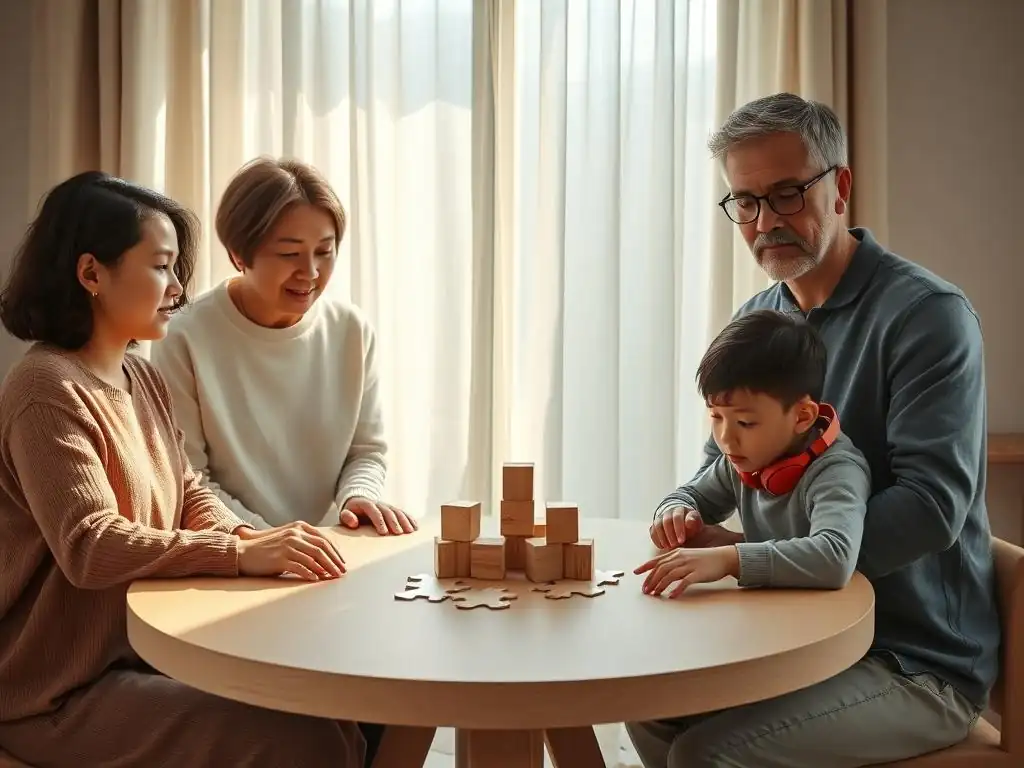
While knowing how to resolve conflicts is essential, preventing them from escalating or occurring in the first place is even better. Proactive communication is about addressing potential issues before they become major problems and establishing healthy communication patterns as a family norm.
This involves creating channels for open dialogue, regularly checking in with one another, and ensuring everyone feels heard and understood on an ongoing basis. Implementing proactive communication strategies is a cornerstone of effective family conflict resolution strategies tips for long-term harmony.
Developing a Family Communication Plan
A family communication plan isn't a rigid schedule but a conscious effort to ensure regular, open dialogue. This might involve scheduling weekly family meetings to discuss upcoming events, potential issues, and celebrate successes. It could also mean establishing "open door" policies for conversations or designating specific times when family members are available to talk without interruption.
The key is intentionality. Make communication a priority, not an afterthought. A family communication plan provides a structure for addressing concerns before they fester and ensures that everyone has a regular opportunity to voice their thoughts and feelings, supporting proactive family conflict resolution strategies tips.
Implementing Regular Check-Ins and Feedback Sessions
Beyond formal family meetings, incorporate informal check-ins into your daily or weekly routine. Ask family members how they are genuinely feeling, what challenges they are facing, and what support they need. These brief moments can prevent small issues from building up.
Consider implementing a regular, low-pressure feedback session, perhaps during dinner or a quiet evening. This could be as simple as asking, "Is there anything on your mind?" or "Is there anything we could be doing better as a family?" Creating a safe space for feedback allows for minor adjustments and prevents the accumulation of resentment that often fuels major conflicts, aligning with effective family conflict resolution strategies tips.
Encouraging Active Listening Skills in All Family Members
Active listening is a fundamental communication skill that is crucial for both conflict resolution and prevention. It involves paying full attention to the speaker, showing you are listening through verbal and non-verbal cues, asking clarifying questions, and summarizing what you've heard to ensure understanding.
Teach and model active listening for all family members, including children. Practice listening without interrupting, formulating your response while the other person is speaking, or getting defensive. When family members feel truly heard and understood, they are less likely to resort to yelling or shutting down, making it easier to apply family conflict resolution strategies tips and preventing many conflicts from escalating.
Maintaining Family Harmony: Ongoing Commitment
Achieving family harmony is not a destination but an ongoing journey that requires continuous effort and commitment from everyone involved. It involves nurturing relationships, practicing forgiveness, celebrating successes, and knowing when and where to seek additional support.
Sustaining a peaceful and connected family environment means regularly applying the family conflict resolution strategies tips discussed, adapting them as the family grows and changes, and prioritizing the health of family relationships above being "right" in a disagreement.
Practicing Forgiveness and Letting Go of Resentments
In any close relationship, hurt feelings and disagreements are inevitable. Holding onto resentment is like carrying a heavy burden that weighs down relationships and makes future conflicts harder to resolve. Practicing forgiveness, both of yourself and others, is crucial for moving forward.
Forgiveness doesn't mean forgetting or condoning hurtful behavior, but rather choosing to release the anger and bitterness associated with it. This allows healing to occur and prevents past hurts from poisoning future interactions. Regularly practicing forgiveness is a vital, though sometimes challenging, aspect of maintaining family harmony and applying family conflict resolution strategies tips effectively.
Celebrating Family Milestones and Achievements
Taking time to celebrate successes, milestones, and positive moments reinforces family bonds and creates a sense of shared joy and accomplishment. Whether it's a birthday, a graduation, a new job, a personal achievement, or simply a good week, acknowledging and celebrating these events strengthens the positive fabric of the family.
These celebrations create positive memories and counterbalance the times of conflict or stress. They remind family members of their connection and shared journey, contributing to overall family well-being and making it easier to navigate challenges using family conflict resolution strategies tips when they arise.
External Resources for Family Support and Education
Sometimes, despite best efforts, families may struggle to resolve conflicts on their own. In such cases, seeking external support is a sign of strength, not failure. There are many resources available to help families improve their communication and conflict resolution skills.
These resources include family therapists or counselors who specialize in family dynamics, parenting classes or workshops focused on communication and discipline, and books or online guides offering expert advice on family conflict resolution strategies tips. Utilizing these resources can provide new tools, perspectives, and facilitated support to help families navigate complex issues and build healthier relationships.
Frequently Asked Questions
What are some initial steps I can take to de-escalate a family conflict?
Start by actively listening to each family member's perspective. Try to create a safe and calm environment for discussion, and avoid interrupting.
How can I improve communication within my family to prevent frequent conflicts?
Focus on clear and direct communication. Use "I" statements to express your feelings without blaming others. Regularly schedule family meetings to discuss issues openly.
What are some effective strategies for resolving conflicts between siblings?
Encourage them to find common ground and compromise. Teach them problem-solving skills, such as brainstorming solutions together. Intervene only when necessary, acting as a mediator.
When should I consider seeking professional help for family conflicts?
If conflicts are persistent, severe, or damaging relationships, professional help might be needed. A therapist can provide unbiased guidance and conflict resolution strategies.
What are some resources available for learning more about family conflict resolution strategies?
Mind Care Guide offers articles and resources on effective communication and conflict resolution techniques. You can also find help from mental health professionals and family therapy organizations.
Final Reflection: The Enduring Power of Peaceful Families
The strategies outlined in this article—from active listening to empathetic communication—are not merely theoretical exercises; they are essential tools for navigating the complexities of modern family life. In a world increasingly fractured by division and conflict, the ability to resolve disagreements constructively within the family unit becomes a vital bulwark against societal pressures and a cornerstone of individual well-being. The strength of a family isn't the absence of conflict, but the presence of effective strategies to overcome it.
The impact of healthy family dynamics ripples outwards, shaping individuals' emotional intelligence, resilience, and capacity for empathy. These skills, honed within the family, translate into stronger relationships, more successful careers, and a greater sense of belonging in the wider community. As the saying goes, The family you come from isn't as important as the family you create.
This creation, however, requires conscious effort, a commitment to understanding, and the willingness to employ the conflict resolution strategies discussed throughout this piece. It's a continuous process, demanding patience and perseverance, but the rewards are immeasurable.
You now hold the key to unlocking a more peaceful and harmonious family life. Don't let conflict fester; instead, embrace the opportunity to learn, grow, and strengthen your bonds through understanding and effective communication. Choose today to implement even one of the strategies outlined here. Start small, practice consistently, and watch as the transformative power of peaceful resolution unfolds within your family. The journey towards a more peaceful home begins with a single, conscious step.
Unleash Your Family's Harmony: Start Building Bridges Today!
Thanks for taking the time to explore essential conflict resolution strategies! We hope you gained valuable insights into fostering a more peaceful and connected family life. Ready to put this knowledge into action?
- Prioritize one small change: Identify one area of recurring conflict and commit to trying a new approach from today's article. Even small steps make a big difference.
- Share this article with someone who could benefit: Let's build a community of understanding and support! Spread the word about positive family communication.
- Reflect on your communication style: How can you consciously choose words that foster connection instead of conflict? Share your thoughts below!
What’s one simple adjustment you'll make this week to improve communication within your family?