
Early Pioneers of Humane Mental Health Treatment (Enlightenment Focus)


Welcome to Mind Care Guide, a space dedicated to understanding and nurturing your mental well-being.
Ever wondered how we arrived at modern mental health care? Delve into our exploration of " Humane mental health treatment history" and discover the groundbreaking efforts of those early pioneers who championed compassion and dignity in an era often shrouded in darkness. Their stories are a powerful reminder that empathy and understanding are at the heart of healing. Join us as we uncover their inspiring journey... and consider how their legacy continues to shape our world today.
Early Pioneers of Humane Mental Health Treatment (Enlightenment Focus) - Mind Care Guide
- Introduction: The Dawn of Humane Mental Health Care in the Enlightenment
- Philippe Pinel: A Revolutionary Approach to Asylum Care
- Vincenzo Chiarugi: Implementing Humane Practices in Italy
- William Tuke: The York Retreat and Quaker Principles
- Benjamin Rush: American Advocate for Mental Health Reform
- Key Principles of Humane Mental Health Treatment During the Enlightenment
- The Legacy of Enlightenment Pioneers in Modern Mental Health Care
- Conclusion: Remembering the Pioneers of Humane Mental Health
-
Frequently Asked Questions
- What marked a significant shift in the humane mental health treatment history during the Enlightenment period?
- Who were some of the early pioneers of humane mental health treatment during the Enlightenment?
- What were the key principles of moral treatment as it relates to humane mental health treatment history?
- How did the Enlightenment's focus on reason influence the development of humane mental health treatment history?
- What lasting impact did these early pioneers have on the humane mental health treatment history and current mental health practices?
- Final Reflection: Echoes of Enlightenment: A Legacy of Humane Care
- Unlock a Brighter Future for Mental Wellbeing
Introduction: The Dawn of Humane Mental Health Care in the Enlightenment
Shifting Perspectives on Mental Illness During the Enlightenment Era
The 18th century, known as the Enlightenment, marked a pivotal period in the humane mental health treatment history. Before this era, mental illness was often viewed through lenses of demon possession, moral failing, or incurable madness, leading to isolation, punishment, and extreme neglect. The Enlightenment, however, championed reason, humanity, and scientific inquiry, prompting a fundamental re-evaluation of how society understood and treated those suffering from mental disorders. This intellectual shift laid the groundwork for a more compassionate and rational approach to care.
Philosophers and physicians began to question the prevailing beliefs, suggesting that mental illness might have natural causes, such as imbalances in the body or environmental factors, rather than supernatural ones. This change in perspective was crucial, as it opened the door for therapeutic interventions aimed at healing rather than merely containing or punishing. The focus gradually shifted from theological or moral explanations to a nascent understanding of psychological and physiological influences, setting the stage for the development of more humane mental health treatment methods.
The Need for Reform: Prior Conditions in Mental Asylums
Before the Enlightenment reforms, the conditions in institutions designated for the mentally ill were notoriously deplorable. Asylums, often little more than prisons, were characterized by overcrowding, squalor, and extreme cruelty. Patients were frequently chained, confined in dark, unsanitary cells, and subjected to harsh physical restraints, beatings, and experimental treatments like purging or bloodletting, based on outdated medical theories. There was little to no therapeutic intervention; the primary goal was custody and control, not healing or rehabilitation.
Famous institutions like the Bethlehem Royal Hospital (Bedlam) in London exemplified these appalling conditions, where patients were even displayed to the public for a fee, highlighting the dehumanization inherent in the system. This stark reality underscored the urgent need for a radical transformation in the approach to mental care. The suffering endured by countless individuals within these walls served as a grim backdrop against which the early pioneers of humane mental health treatment would begin their groundbreaking work.
Philippe Pinel: A Revolutionary Approach to Asylum Care
Pinel's Background and Influences on Mental Health Reform
Philippe Pinel (1745–1826) was a French physician deeply influenced by the Enlightenment's emphasis on reason and humanity. Trained in medicine, he initially worked in various hospitals before taking charge of the Bicêtre Hospital in Paris in 1793, followed by the Salpêtrière Hospital for women in 1795. Witnessing the horrific conditions and brutal treatment of patients firsthand profoundly impacted him. His background in natural history and his belief in the power of observation and classification informed his approach to understanding mental illness, viewing it as a medical disorder rather than a moral failing.
Pinel was also influenced by the writings of Enlightenment thinkers who advocated for human rights and dignity. He believed that environment and psychological factors played significant roles in mental health and recovery. This perspective challenged the dominant view that madness was an untreatable state requiring only confinement. Pinel's commitment to systematic observation and his compassionate view of patients distinguished him and provided the intellectual and moral foundation for his revolutionary reforms in humane mental health treatment.
Traitement Moral: Pinel's Pioneering Method of Humane Treatment
Pinel's most significant contribution was the development and implementation of Traitement Moral, or "Moral Treatment." This approach was based on the principles of kindness, respect, and creating a therapeutic environment. Instead of relying solely on physical restraints and harsh punishments, Traitement Moral emphasized engaging patients in meaningful activities, providing clean and comfortable living conditions, encouraging social interaction, and establishing a trusting relationship between staff and patients.
The core idea was that providing a calm, orderly, and supportive environment could positively influence a patient's mental state and facilitate recovery. Pinel advocated for regular conversations with patients, encouraging them to discuss their feelings and experiences. He believed that understanding the individual's history and circumstances was crucial for effective treatment. This focus on psychological factors and the patient-therapist relationship was a radical departure from the custodial care that had previously defined asylum practice and is a cornerstone of humane mental health treatment history.
Unchaining the Mentally Ill: A Symbolic Act of Empathy
Perhaps the most iconic moment associated with Pinel's reforms was his decision to unchain patients at Bicêtre Hospital in 1793. Against the advice of some colleagues, Pinel personally oversaw the removal of chains and shackles from dozens of patients who had been kept in restraints for years, some for decades. This was not merely a symbolic gesture but a practical implementation of Traitement Moral, allowing patients greater freedom of movement and interaction.
The results were often dramatic and positive. Many patients who had previously been considered violent and uncontrollable became calmer and more cooperative once freed from their restraints and treated with dignity. This act demonstrated Pinel's deep empathy and conviction that humane treatment could yield better outcomes than brute force. It sent a powerful message across Europe about the potential for recovery when patients were treated with respect, becoming a defining image in the humane mental health treatment history.
Impact of Pinel's Reforms on French Asylums and Beyond
Pinel's work at Bicêtre and Salpêtrière had a profound and lasting impact. His success in improving patient conditions and outcomes through Traitement Moral provided tangible evidence that a more humane approach was not only possible but also effective. His reforms led to significant changes in the administration and philosophy of French asylums. He documented his findings and methods in influential works like A Treatise on Insanity (1801), which were translated and circulated widely.
His principles inspired reformers in other countries, including England and the United States, who sought to replicate his successes. While the full implementation of Traitement Moral faced challenges and setbacks over time, Pinel's fundamental ideas about the importance of a therapeutic environment, patient dignity, and psychological factors laid the foundation for future developments in psychiatry and mental healthcare. His legacy as a pioneer of humane mental health treatment is undeniable.
Vincenzo Chiarugi: Implementing Humane Practices in Italy

Chiarugi's Contributions to Mental Health at the Bonifacio Hospital in Florence
Vincenzo Chiarugi (1759–1820) was an Italian physician who independently developed principles of humane mental health treatment similar to Pinel's during roughly the same period. As the director of the Bonifacio Hospital in Florence from 1789, Chiarugi implemented significant reforms aimed at improving the care and conditions of patients with mental illness. He was a strong advocate for treating patients with respect and dignity, challenging the prevailing view of madness as a condition requiring only custodial care.
Chiarugi's approach at Bonifacio Hospital included providing comfortable living spaces, adequate nutrition, and opportunities for work and recreation. He believed in the importance of a structured daily routine and therapeutic activities to help patients regain control and function. His work, documented in his three-volume treatise On Insanity and its Classification (1793-1794), detailed his methods and classification system for mental disorders, reflecting a scientific approach to understanding mental illness.
Early Adoption of Non-Restraint Techniques
Like Pinel, Chiarugi was a proponent of minimizing or eliminating the use of physical restraints. He argued that chains and straitjackets often exacerbated patients' distress and agitation rather than alleviating it. At Bonifacio Hospital, he significantly reduced the use of such measures, favoring alternative methods of managing difficult behaviors, such as providing a calm environment and engaging patients in conversation or activities.
This early adoption of non-restraint techniques was a radical departure from the norm and a key element of his humane mental health treatment. Chiarugi believed that trust and a positive relationship between caregivers and patients were far more effective in managing challenging behaviors than coercion and restraint. His efforts demonstrated that it was possible to manage an asylum population safely while prioritizing the patients' comfort and dignity.
Focus on Patient Well-being and Dignity: Chiarugi's Core Principles
Chiarugi's reforms were fundamentally driven by a deep respect for the inherent dignity of individuals suffering from mental illness. His core principles centered on the belief that these individuals were not criminals or beasts but sick people deserving of compassionate care aimed at recovery. He emphasized the importance of treating each patient as an individual, understanding their specific needs and circumstances.
His approach included detailed patient records, a focus on hygiene and sanitation, and the provision of therapeutic activities like gardening and crafts. These elements were designed to promote the patients' physical and mental well-being and foster a sense of purpose and normalcy. Chiarugi's work in Florence stands as an early, independent example of the shift towards humane mental health treatment during the Enlightenment, highlighting a parallel movement towards compassion and therapeutic care in Italy.
William Tuke: The York Retreat and Quaker Principles
The Quaker Influence on Tuke's Approach to Mental Illness
William Tuke (1732–1822), an English Quaker merchant and philanthropist, was instrumental in establishing a pioneering model of humane mental health treatment in England. Quakerism, a religious movement emphasizing inner light, equality, and pacifism, deeply influenced Tuke's views on human dignity and compassion. Quakers were known for their commitment to social reform and their humane treatment of marginalized populations, including prisoners and the mentally ill.
Tuke's motivation for reform was sparked by the mistreatment of a fellow Quaker woman at the York Asylum, where conditions were reportedly harsh and inhumane. This incident, coupled with Quaker principles of kindness and respect for every individual, spurred Tuke to action. He envisioned an institution that would provide a stark contrast to the custodial asylums of the time, founded on principles of moral treatment and religious values.
Creating a Therapeutic Environment at the York Retreat
In 1796, William Tuke, along with other Quakers, founded the York Retreat near York, England. The name "Retreat" was deliberately chosen to convey a sense of peace, sanctuary, and recovery, rather than confinement. The institution was designed to be a tranquil, domestic-like environment, situated in pleasant grounds, offering patients a sense of calm and security.
The daily life at the Retreat was structured but flexible, emphasizing work, recreation, and social interaction. Patients were encouraged to participate in activities such as gardening, sewing, and farming, which were seen as therapeutic and normalizing. The environment was clean, airy, and comfortable, a stark contrast to the squalid conditions of many other asylums. This focus on the physical and social environment was a key component of the humane mental health treatment practiced there.
Emphasis on Respect, Kindness, and Moral Treatment
The core philosophy of the York Retreat was based on the principles of respect, kindness, and moral treatment, aligned with Quaker values. Physical restraints were rarely used, and when necessary, they were minimal and applied with great caution. Instead, staff relied on persuasion, understanding, and a trusting relationship with patients to manage behavior. Patients were treated as members of a large, extended family, with staff acting as benevolent guides rather than harsh wardens.
Emphasis was placed on encouraging self-control and rational behavior through positive reinforcement and gentle guidance. The use of punishment was strongly discouraged. The environment fostered a sense of community and mutual support among patients and staff. This radical departure from traditional asylum practices demonstrated the power of compassion and a therapeutic environment in promoting recovery, significantly contributing to the humane mental health treatment history.
The York Retreat's Legacy: A Model for Humane Asylums
The York Retreat quickly gained recognition for its innovative and successful approach to mental healthcare. Visitors from across Britain and continental Europe came to study its methods. Samuel Tuke, William's grandson, documented the practices in his influential book Description of the Retreat (1813), which helped disseminate the principles of moral treatment globally.
The Retreat served as a powerful example that humane care was not only morally right but also effective in treating mental illness. It inspired the establishment of similar institutions and influenced reforms in existing asylums. While the pure form of moral treatment faced challenges as psychiatric institutions grew larger and more bureaucratic in later centuries, the fundamental principles pioneered at the York Retreat remained a benchmark for compassionate and humane mental health treatment.
Benjamin Rush: American Advocate for Mental Health Reform
Rush's Medical Background and Interest in Mental Disorders
Benjamin Rush (1746–1813), a prominent physician, signer of the Declaration of Independence, and often called the "Father of American Psychiatry," was a key figure in the early humane mental health treatment history in the United States. Rush was a professor of chemistry and medicine at the College of Philadelphia (later the University of Pennsylvania) and a physician at the Pennsylvania Hospital. His extensive medical practice and intellectual curiosity led him to take a significant interest in the causes and treatment of mental disorders.
Rush viewed mental illness primarily as a disease of the blood vessels in the brain, influenced by the prevailing medical theories of the time. While some of his specific treatments were later discredited, his commitment to understanding mental illness as a medical condition, rather than a moral or spiritual failing, was a crucial step forward. He documented his observations and theories in his work Medical Inquiries and Observations, Upon the Diseases of the Mind (1812), the first American textbook on psychiatry.
Early American Perspectives on Mental Illness
In early America, as in Europe, individuals with mental illness were often cared for by families, confined in almshouses, jails, or the basements of hospitals. Care was largely custodial, lacking any therapeutic component. There were few dedicated institutions, and the understanding of mental illness was rudimentary, often influenced by superstition and fear. The need for more structured and humane care was significant, though public awareness and resources were limited.
Rush's work emerged within this context, pushing for a more scientific and compassionate approach. He recognized the inadequacy of existing facilities and treatments and advocated for dedicated spaces and methods for treating mental disorders. His efforts helped to bring mental illness into the realm of medical concern and public discourse in the nascent United States.
Rush's Advocacy for Improved Asylum Conditions in the United States
Benjamin Rush was a tireless advocate for improving the conditions and treatment of patients at the Pennsylvania Hospital, which housed a ward for individuals with mental illness. He argued for better sanitation, more humane management, and the classification of patients based on their symptoms. He believed that a structured environment and therapeutic activities could aid recovery, aligning somewhat with the principles of moral treatment emerging in Europe.
While he faced significant challenges in implementing large-scale reforms within the existing system, Rush's voice was influential. He promoted the idea that mental illness was treatable and that physicians had a responsibility to develop effective therapies. His advocacy helped lay the groundwork for the eventual development of dedicated psychiatric hospitals and a more systematic approach to humane mental health treatment in America.
Acknowledging Rush's Use of Controversial Treatments Like Bloodletting and Restraints
It is important to acknowledge that despite his advocacy for reform and viewing mental illness as a medical condition, Benjamin Rush's actual treatment methods included practices that are considered barbaric by modern standards. Based on the medical theories of his time, he frequently employed techniques such as extensive bloodletting, purging, and the use of mechanical restraints, including a device he invented called the "tranquilizer chair," designed to reduce excitement through isolation and restricted blood flow to the brain.
These methods, while rooted in the medical understanding of the era, highlight the transitional nature of the period. While Rush's ideas about classifying mental illness and advocating for dedicated medical attention were progressive, his practice still reflected the limitations and often harmful interventions common in 18th and early 19th-century medicine. This duality is a complex aspect of his contribution to humane mental health treatment history, showing both forward-thinking concepts and the persistence of outdated therapeutic practices.
Key Principles of Humane Mental Health Treatment During the Enlightenment
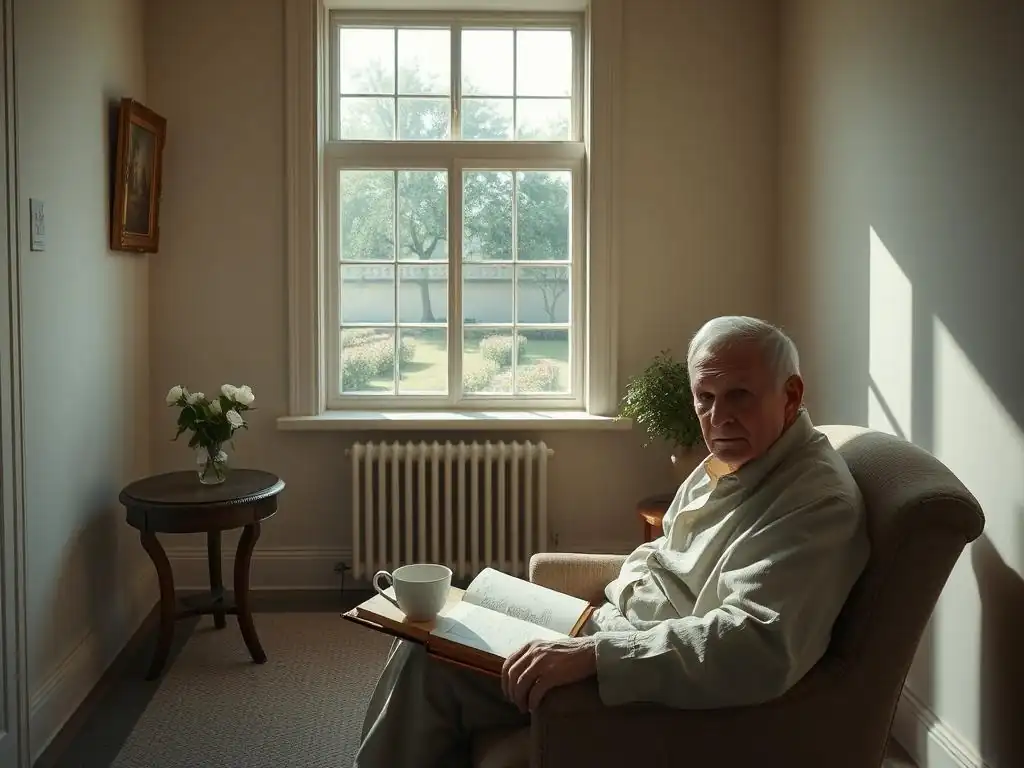
The Importance of Moral Treatment and Psychological Therapies
A central tenet of the emerging humane mental health treatment during the Enlightenment was the concept of Moral Treatment. This was not "moral" in the sense of judging a patient's character, but rather emphasizing the importance of the moral or psychological environment and the patient's emotional state. Pioneers like Pinel, Chiarugi, and Tuke all independently arrived at the conclusion that treating patients with kindness, respect, and engaging their minds and emotions was more effective than brute force or purely physical interventions.
This approach marked a significant shift towards recognizing the psychological dimensions of mental illness. It involved creating a supportive atmosphere, fostering positive relationships between staff and patients, and using persuasion and encouragement rather than coercion. While formal psychological therapies as we know them today did not exist, the emphasis on communication, understanding the patient's narrative, and providing emotional support were early forms of what would evolve into modern therapeutic practices.
Focus on Patient Dignity and Respect
A fundamental principle shared by the Enlightenment reformers was the unwavering belief in the inherent dignity and worth of individuals suffering from mental illness. They rejected the prevailing view that such individuals were subhuman, possessed by demons, or beyond help. Instead, they saw them as fellow human beings who were ill and deserved compassion, care, and the opportunity for recovery.
This perspective translated into practical changes: providing clean clothes and bedding, ensuring adequate food and warmth, allowing freedom of movement (by reducing restraints), and addressing patients by name. Treating patients with respect fostered a sense of trust and cooperation, which was essential for any therapeutic intervention to be effective. This focus on dignity remains a cornerstone of ethical humane mental health treatment today.
Challenging Prevailing Theories of Mental Illness
The Enlightenment pioneers actively challenged the dominant, often supernatural or purely physical, explanations for mental illness. While their own theories about causes (like Pinel's focus on environmental factors or Rush's vascular theories) were not always accurate by modern standards, their willingness to seek natural explanations and observe patient behavior systematically was revolutionary.
They moved away from the idea that madness was a fixed, incurable state, proposing instead that recovery was possible with the right environment and care. By carefully documenting patient histories and responses to different interventions, they contributed to a more empirical understanding of mental disorders, laying the groundwork for future psychiatric research and classification. This intellectual bravery was crucial in advancing the field of humane mental health treatment history.
Beyond simply providing basic care, the Enlightenment pioneers introduced therapeutic activities designed to engage patients and promote recovery. Occupational therapy, in nascent forms, was a key element. Activities such as gardening, farming, sewing, weaving, and crafts were encouraged at institutions like the York Retreat and Bonifacio Hospital. These activities provided structure, a sense of purpose, physical exercise, and opportunities for skill-building.
Social interaction was also seen as therapeutic. Instead of isolating patients, reformers encouraged communal dining, group activities, and positive interactions between patients and staff. Creating a sense of community and belonging was believed to counteract the isolation often associated with mental illness and asylum confinement. These early techniques, focusing on purposeful activity and social engagement, are recognized today as foundational elements of rehabilitative and humane mental health treatment.
The Legacy of Enlightenment Pioneers in Modern Mental Health Care
Lasting Impact on Asylum Reform and Patient Care
The reforms initiated by Pinel, Chiarugi, Tuke, and others during the Enlightenment had a profound and lasting impact on the development of mental healthcare institutions. Their work directly led to the closure of some of the most brutal custodial asylums and inspired the construction of new facilities designed with therapeutic principles in mind. The concept of the asylum shifted, at least in ideal, from a place of mere confinement to a place intended for healing.
While the history of psychiatric institutions in the 19th and 20th centuries included periods of overcrowding and a decline in the practice of pure moral treatment, the fundamental principles of providing a clean, safe, and structured environment rooted in respect for the patient remained influential. The advocacy for dedicated facilities for mental illness, separate from prisons or almshouses, was a direct result of their efforts to establish humane mental health treatment as a distinct field of care.
Influencing the Development of Modern Psychiatric Practices
The Enlightenment pioneers' emphasis on observation, classification, and seeking natural causes for mental illness laid essential groundwork for the scientific study of psychiatry. Pinel's systematic approach to documenting patient symptoms and histories contributed to the development of diagnostic categories. Rush's textbook was a foundational text for American psychiatry.
Furthermore, the focus on the psychological and environmental aspects of mental illness, central to Moral Treatment, foreshadowed later developments in psychotherapy and milieu therapy. While early treatments were limited, the shift from purely physical or punitive interventions towards methods that considered the patient's mind and emotions was a critical step in the evolution of psychiatric practice towards more humane mental health treatment.
Continued Relevance of Humane Treatment Principles
The core principles championed by these Enlightenment figures – dignity, respect, empathy, a therapeutic environment, and minimizing coercion – remain highly relevant in modern mental health care. Today, these principles are embedded in ethical guidelines for mental health professionals, patient rights advocacy, and the philosophy of recovery-oriented care.
Contemporary approaches like patient-centered care, trauma-informed care, and the emphasis on therapeutic alliance between therapist and patient directly echo the values promoted by the early pioneers of humane mental health treatment. While psychiatric treatments have advanced dramatically with pharmacotherapy and sophisticated psychotherapies, the foundational belief that compassionate, respectful, and individualized care is essential for promoting well-being and recovery stands as the enduring legacy of the Enlightenment reformers.
Conclusion: Remembering the Pioneers of Humane Mental Health
Frequently Asked Questions
What marked a significant shift in the humane mental health treatment history during the Enlightenment period?
The Enlightenment saw a move away from punitive and custodial care towards a more compassionate and therapeutic approach. This involved a focus on reason and understanding mental illness as an illness, not demonic possession.
Who were some of the early pioneers of humane mental health treatment during the Enlightenment?
Figures like Philippe Pinel and Vincenzo Chiarugi championed moral treatment, advocating for kindness, respect, and structured environments for patients. William Tuke, a Quaker, founded the York Retreat, further demonstrating these principles.
What were the key principles of moral treatment as it relates to humane mental health treatment history?
Moral treatment emphasized dignity, occupational therapy, and social interaction. The belief was that a supportive and structured environment could help patients regain their mental well-being and function.
How did the Enlightenment's focus on reason influence the development of humane mental health treatment history?
The Enlightenment's emphasis on reason and observation led to a shift in understanding mental illness. It paved the way for scientific inquiry and the development of psychological theories, moving away from supernatural explanations.
What lasting impact did these early pioneers have on the humane mental health treatment history and current mental health practices?
Their work laid the foundation for modern therapeutic approaches and emphasized the importance of patient-centered care. This legacy continues to inspire efforts to promote dignity and respect in mental health treatment.
Final Reflection: Echoes of Enlightenment: A Legacy of Humane Care
The fight for humane mental health treatment, far from being a historical footnote, is a battle constantly being re-fought. The injustices faced by individuals with mental illness in the pre-Enlightenment era serve as a stark reminder of how easily compassion can be replaced by fear and misunderstanding. The progress made since then, though significant, is fragile and requires constant vigilance.
The legacy of figures like Philippe Pinel and William Tuke continues to resonate today, shaping our understanding of ethical care and the inherent dignity of every individual, regardless of their mental state. Their pioneering work, though limited by the scientific knowledge of their time, laid the groundwork for the modern mental health system. We must treat the insane humanely, not as wild beasts, but as suffering human beings.
This sentiment, though simple, remains a powerful guiding principle in our ongoing efforts to improve mental healthcare.
Consider the challenges we still face: the stigma surrounding mental illness, the persistent inequalities in access to care, and the ongoing struggle to provide truly person-centered treatment. The lessons learned from the early pioneers of humane mental health treatment are not relics of the past; they are a call to action. You have the power to challenge stigma, advocate for better policies, and support those struggling with mental health challenges. Let the echoes of the Enlightenment inspire you to build a future where humane care is not just a goal, but a reality for all.
Unlock a Brighter Future for Mental Wellbeing
Thank you for joining us on this journey through the inspiring stories of early humane mental health pioneers. You've gained valuable insights into a crucial turning point in the history of care. Now, let's build on this momentum!
- Share this article: Let's spread awareness of these forgotten heroes and the importance of compassionate mental healthcare. A simple share can make a huge difference!
- Explore further: Delve deeper into the lives and work of these individuals. Research their approaches and consider how their innovations might inform modern practices.
- Engage in Discussion: What lessons from these early pioneers resonate most with you, and how can we apply these lessons to improve mental health support today?
What innovative ideas can you contribute to building a more compassionate and effective mental healthcare system?