
Were Enlightenment Asylums Truly Humane? An Intriguing Look

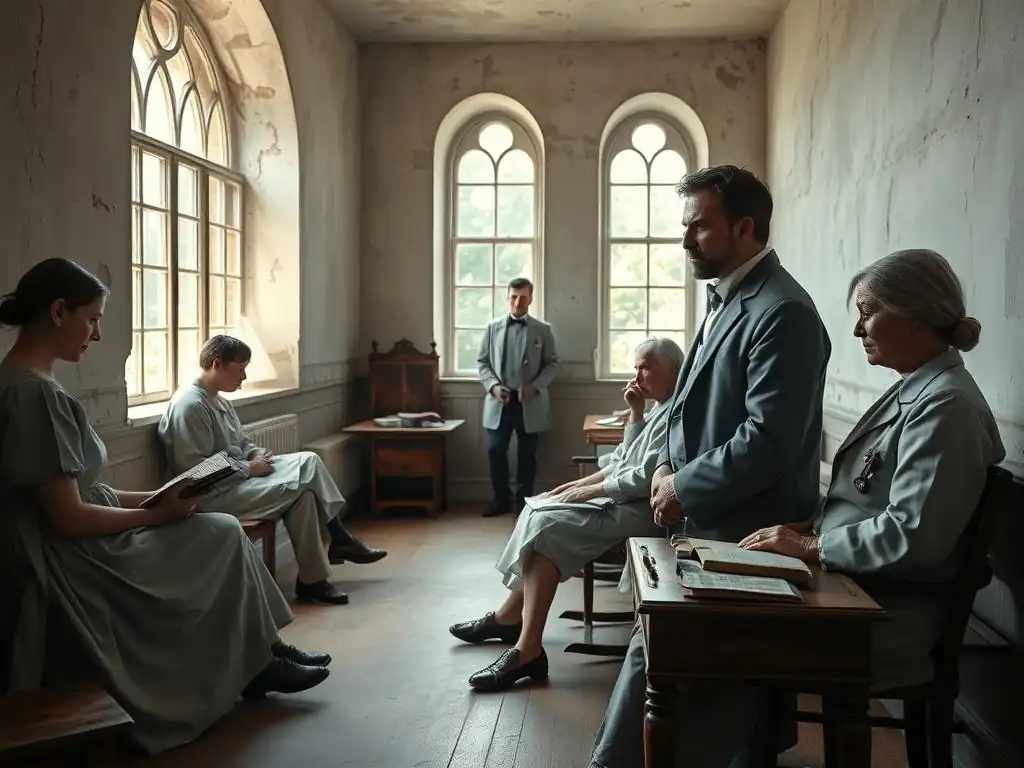
Welcome to Mind Care Guide, a safe space to explore the intricacies of mental well-being.
Have you ever wondered about the evolution of mental health care? Delve into the past with us as we unravel the fascinating, and often unsettling, history of historical asylums mental health. Prepare to question your assumptions and discover whether Enlightenment ideals truly extended to the treatment of the mentally ill. Let's embark on this intriguing journey together, and perhaps gain a deeper understanding of our present by examining the past.
- The Evolution of Mental Health Care in 18th and 19th Century England: A Critical Examination
- The Emergence of Public Asylums and the Ideal of "Moral Treatment"
- The Realities of Asylum Life: Challenges and Controversies
- Social and Economic Factors Shaping Asylum Admissions
- Case Studies: Voices from Within the Asylum Walls
- Comparing English Asylums to Continental Approaches
- The Enduring Legacy of 18th and 19th Century Asylums
- Conclusion: A Critical Reassessment of Historical Asylum Care
-
Frequently Asked Questions
- How did Enlightenment-era asylums differ from previous forms of mental healthcare?
- What was "moral treatment" and how was it implemented in asylums?
- Did all patients benefit from the Enlightenment asylum system?
- Were there criticisms of the Enlightenment asylums during the time?
- How did Enlightenment asylums eventually contribute to modern mental healthcare?
- Final Reflection: The Lingering Shadow of Enlightenment Asylums
- Uncover the Untold Stories of Enlightenment Asylums
The Evolution of Mental Health Care in 18th and 19th Century England: A Critical Examination
The period spanning the 18th and 19th centuries marked a significant turning point in how Western society, particularly England, perceived and managed mental illness. Prior to this era, approaches were often rooted in superstition, religious interpretations, or simple ostracism.
Individuals exhibiting symptoms of mental distress were frequently left to the care of families, confined in workhouses, jails, or private homes, with little formal understanding or treatment of their condition. The shift toward institutionalization, while seemingly a step toward organized care, brought its own set of complexities and challenges, shaping the landscape of historical asylums mental health for centuries to come.
This period witnessed the gradual transition from informal, often punitive, responses to mental illness toward more structured, albeit still evolving, systems of care. Public consciousness around mental health began to shift, influenced by broader societal changes and intellectual movements. Understanding the context of this transformation is crucial to evaluating the nature and impact of the institutions that emerged, and whether they truly represented a step forward in humane treatment for those suffering from mental health conditions.
The Enlightenment's Influence: Shifting Perspectives on Mental Illness
The Enlightenment, a powerful intellectual and cultural movement of the 18th century, profoundly impacted views on human nature, reason, and society, and its influence extended to the understanding of mental illness. Thinkers of this era emphasized rationality and empirical observation, leading some to view mental disorders not as demonic possession or moral failing, but as illnesses affecting the brain. This perspective, though nascent, laid the groundwork for classifying mental illness as a medical rather than purely spiritual or criminal matter.
This new emphasis on scientific inquiry and human perfectibility encouraged the belief that mental illness might be treatable, or at least manageable, through structured environments and rational approaches. While the practical application of these ideas was slow and uneven, the philosophical shift away from superstition towards a more clinical lens marked a crucial development in the history of historical asylums mental health. It provided a theoretical basis, however flawed by modern standards, for the establishment of institutions dedicated specifically to the care and potential recovery of the mentally ill.
Before the widespread development of public asylums, the care—or often, mere containment—of the mentally ill frequently fell to private madhouses. These institutions, often unregulated and operating for profit, varied wildly in their conditions and methods. While some claimed to offer therapeutic environments, many were essentially holding pens for individuals deemed inconvenient or disruptive to their families or society. Admission could be easily arranged by relatives, sometimes without formal medical diagnosis, highlighting their role in social control as much as care.
Conditions in these early private madhouses were frequently grim. Accounts from the period describe overcrowding, lack of sanitation, poor nutrition, and the use of harsh restraints. Patients were often treated more like prisoners or animals than individuals needing medical or psychological support. For instance, Bethlem Royal Hospital, though technically a public institution with ancient roots, became notorious in the 18th century for its chaotic conditions and even allowing public viewing of patients for a fee, illustrating the prevailing attitudes towards mental illness and the lack of dignified care in many such establishments.
The Emergence of Public Asylums and the Ideal of "Moral Treatment"
The late 18th and early 19th centuries saw a growing movement towards establishing purpose-built institutions for the mentally ill, often driven by philanthropic efforts and, later, legislative mandates. These new institutions aimed to move beyond simple confinement and embrace more humane and therapeutic principles. This period is closely associated with the rise of "Moral Treatment," a philosophy that sought to reform the care of the mentally ill through kindness, structured routine, and meaningful activity.
This shift represented a significant departure from the often brutal and neglectful practices prevalent in earlier institutions. The ideal of Moral Treatment suggested that mental illness could be alleviated through a supportive environment, where patients were treated with respect, engaged in work or recreation, and encouraged to develop self-control. While its implementation varied, this philosophy profoundly influenced the design and operation of many emerging public asylums and became a cornerstone in the evolving understanding of historical asylums mental health.
William Tuke and the York Retreat: A Quaker Approach to Care
A pivotal figure in the development of Moral Treatment was William Tuke, a Quaker philanthropist. Appalled by the conditions he found in existing institutions, particularly the York Lunatic Asylum, Tuke spearheaded the establishment of the York Retreat in 1796. This institution was founded on Quaker principles of compassion, respect, and the inherent worth of every individual, including those suffering from mental illness.
The York Retreat became a model for humane care. It was designed to resemble a large, comfortable country house rather than a prison, with gardens and grounds for patients to exercise and work. Treatment focused on kindness, conversation, therapeutic work (like gardening or crafts), and a structured daily routine.
Physical restraints were minimized, and patients were encouraged to participate in their own recovery. Though relatively small, initially housing only around 30 patients, the Retreat's success and principles had a far-reaching impact, influencing reformers both in England and internationally and offering a stark contrast to the prevailing practices in many historical asylums mental health.
The County Asylums Act of 1808: Expanding Institutional Care
The growing awareness of the poor conditions in existing madhouses and the success of models like the York Retreat spurred legislative action. The County Asylums Act of 1808 was a landmark piece of legislation in England. It empowered county magistrates to build and maintain county lunatic asylums, specifically for pauper lunatics – those who were unable to afford private care. While the Act was initially permissive rather than compulsory, it marked the first time the state took formal responsibility for providing institutional care for the mentally ill poor.
The implementation of the 1808 Act was slow, and few asylums were built immediately. However, it laid the legal foundation for a system of public asylums that would expand significantly over the following decades. Subsequent legislation, particularly in the mid-19th century, would make the provision of county asylums mandatory. This legislative framework fundamentally altered the landscape of historical asylums mental health, shifting the burden and responsibility for care, at least in principle, from private enterprise and poor relief to a more centralized, albeit still locally administered, public system.
The Philosophy of Moral Treatment: Empathy, Routine, and Occupation
The core tenets of Moral Treatment centered on creating a therapeutic environment based on empathy, structured daily routines, and meaningful occupation. Proponents believed that removing patients from stressful external circumstances and placing them in a calm, orderly, and supportive setting could facilitate recovery. This was a radical departure from earlier views that saw madness as an uncontrollable force requiring harsh suppression.
In practice, Moral Treatment involved treating patients with respect and dignity, often addressing them kindly and avoiding harsh punishments. A typical day in a Moral Treatment asylum might include communal meals, opportunities for exercise in the grounds, engaging in work like farming, laundry, or crafts, and participating in recreational activities or educational classes.
For instance, at Hanwell Asylum under Dr. John Conolly, patients were involved in printing, tailoring, and other trades. The emphasis was on restoring reason and self-control through a combination of kindness, structure, and purposeful activity, offering a more hopeful vision for historical asylums mental health than previously existed.
The Realities of Asylum Life: Challenges and Controversies
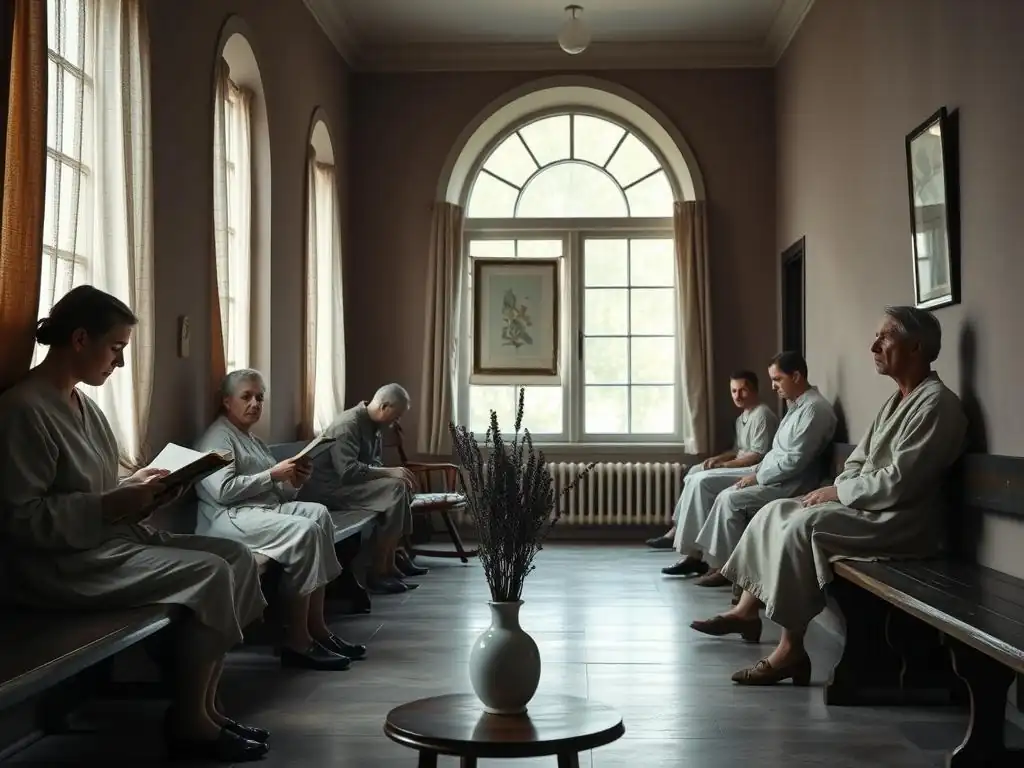
Despite the ideals of Moral Treatment and legislative efforts to improve care, the reality of life within many 19th-century asylums was often complex, challenging, and far from the utopian vision. The rapid expansion of the asylum system, coupled with limited resources and evolving medical understanding, led to significant issues that undermined the goals of humane and therapeutic care. The gap between the stated philosophy and daily practice became a major point of contention for reformers and a source of suffering for patients.
Examining the daily operations and conditions within these institutions reveals a more nuanced picture than the simple narrative of progress. Issues such as overcrowding, the continued use of restraint, and the limitations of medical knowledge created environments that could be both supportive and oppressive. Understanding these challenges is crucial to a balanced view of historical asylums mental health and their true impact on the lives of those confined within their walls.
Overcrowding and Resource Constraints: Strain on Asylum Systems
As the 19th century progressed and the number of admissions to public asylums increased, largely due to mandatory legislation and the committal of the poor, overcrowding became a pervasive problem. Many asylums, initially designed for a few hundred patients, soon housed thousands. For example, by the late 19th century, institutions like Colney Hatch Asylum in Middlesex housed over 2,000 patients, far exceeding their intended capacity and the ability of staff to provide individualized care.
This severe overcrowding placed immense strain on resources, including staff, facilities, and funding. The ratio of staff to patients plummeted, making it nearly impossible to implement the labor-intensive principles of Moral Treatment effectively. Sanitation became difficult to maintain, and the sheer number of people in confined spaces contributed to the spread of disease and a decline in living conditions. The promise of therapeutic environments deteriorated into custodial warehousing, fundamentally altering the character of historical asylums mental health.
Restraint and Coercion: Balancing Control with Care
While Moral Treatment advocated for minimizing physical restraint, its use remained a contentious issue and a persistent reality in many asylums. Faced with large numbers of patients, limited staff, and the need to maintain order and prevent self-harm or aggression, asylum attendants often resorted to mechanical restraints such as straitjackets, padded cells, or restraining chairs. Although reformers like John Conolly at Hanwell famously championed a non-restraint policy from the 1830s, successfully demonstrating its feasibility, it was not universally adopted.
The debate over restraint highlighted the tension between the desire for humane care and the practical challenges of managing large, diverse populations of patients, some of whom exhibited challenging behaviors. The use of coercion, whether through physical restraint or other forms of control, raised ethical questions about patient autonomy and dignity. While proponents argued for its necessity in certain cases, critics saw it as a perpetuation of the punitive approaches the asylum system was supposed to replace, casting a shadow over the progress claimed in historical asylums mental health.
Medical Practices: From Purgatives to Early Psychopharmacology
Medical treatment within 18th and 19th-century asylums was largely based on the humoral theory of medicine or emerging, often speculative, physiological theories. Common treatments included bloodletting, blistering, emetics (to induce vomiting), and strong purgatives, aimed at 'cleansing' the body of perceived imbalances or toxins thought to cause madness. For instance, patients might be given doses of calomel (mercurous chloride) or jalap. Baths, hydrotherapy (like the 'dunking chair'), and dietary regimes were also employed.
As the 19th century progressed, more specific, though still rudimentary, treatments emerged. Sedatives like opium and later chloral hydrate and bromide became commonly used, often more for managing patient behavior than treating the underlying condition. These early pharmacological interventions represented a shift towards chemical means of control and 'treatment', foreshadowing modern psychopharmacology but also raising concerns about sedation and patient welfare. The medical understanding of mental illness remained limited, and treatments were often empirical, sometimes harmful, and reflected the nascent state of psychiatric science within historical asylums mental health.
The population within 18th and 19th-century historical asylums mental health was significantly shaped by social and economic forces. While mental illness affected individuals across all strata of society, the pathways to institutionalization differed markedly based on class, gender, and family circumstances. The asylum system, particularly the public county asylums, became deeply intertwined with the poor relief system and reflected broader societal attitudes towards dependency and deviance.
Understanding these socio-economic dynamics is crucial to appreciating who was institutionalized and why. The asylum was not merely a medical facility but also a social institution, serving functions related to welfare, control, and the management of individuals who did not fit neatly into societal norms. This highlights the complex interplay between illness, poverty, family structure, and public policy in determining an individual's fate in this era.
Poverty and Pauperism: The Asylum as a Welfare Institution
Poverty was a primary driver of admission to public asylums. The County Asylums Act specifically targeted "pauper lunatics," and by the mid-19th century, the vast majority of asylum inmates were from the working classes or the poor. Families unable to afford private care or manage a mentally ill relative at home often had no recourse but to send them to the county asylum, effectively transferring the burden of care to the state.
This meant that many individuals were admitted not solely because of the severity of their mental symptoms, but because of their economic status. The asylum thus functioned, in part, as a welfare institution, providing basic sustenance and shelter for the impoverished mentally ill. This reality contributed significantly to overcrowding and diluted the focus on purely medical or therapeutic interventions, as staff also had to manage the basic needs of a large, impoverished population, reflecting the complex role of historical asylums mental health within the broader social safety net (or lack thereof).
Gender played a significant role in both the diagnosis of mental illness and the experience of asylum confinement. Women were frequently diagnosed with conditions related to their reproductive health or perceived emotional instability, such as "hysteria" or "puerperal insanity" (postpartum psychosis). Behaviors that deviated from strict Victorian gender norms – assertiveness, artistic aspirations, or simply a refusal to conform to domestic expectations – could sometimes contribute to a woman's committal.
Within the asylum, gender often determined living quarters, work assignments (women frequently did laundry and domestic chores), and even treatment approaches. While both men and women faced harsh conditions, the specific societal expectations placed upon women meant that the asylum could be a place where their perceived 'failures' to conform were pathologized and controlled. The experiences of women in historical asylums mental health highlight how gender roles intersected with medical and institutional practices.
The Role of the Family: Agency and Decision-Making in Committal
Families held considerable power in the process of committal to 18th and 19th-century asylums, particularly to private madhouses but also influencing public admissions. While formal procedures evolved over time, initially, a family member, often supported by a medical certificate (which could be perfunctory), could arrange for a relative's confinement. This system offered families a means to manage challenging relatives or those whose behavior brought shame or difficulty, but it also opened the door to potential abuse and wrongful confinement.
The family's decision-making agency highlights the social context of mental illness and institutionalization. Committal was not solely a medical decision but often a family and social one, driven by a mix of genuine concern, inability to cope, financial constraints, and sometimes less altruistic motives. The power dynamics within families and their relationship with medical professionals and asylum authorities were crucial in determining who ended up in historical asylums mental health.
Case Studies: Voices from Within the Asylum Walls
Examining individual experiences, where records permit, offers a vital counterpoint to generalized descriptions of asylum life. While patient voices were often suppressed or mediated through the records kept by staff, fragments remain that provide glimpses into the subjective reality of confinement. These case studies, drawn from historical records, help humanize the statistics and policies, revealing the personal impact of the institutions on individuals.
Understanding the stories of specific patients and reformers allows for a deeper, more empathetic engagement with the history of historical asylums mental health. They illustrate the diversity of experiences, the challenges faced, and the occasional moments of connection or resistance within these often-restrictive environments.
Mary Belton: A Patient's Experience at Bethlem Hospital
Mary Belton's case, documented in the late 18th century, provides a poignant example of a patient's journey through Bethlem Royal Hospital. Admitted around 1788, her records describe fluctuations in her mental state, characterized by periods of agitation and delusion. Like many patients at Bethlem during this era, her initial treatment likely involved harsh methods such as forced purging and restraint.
Accounts suggest her confinement was prolonged, reflecting the custodial nature of Bethlem at the time. While detailed personal narratives from patients like Mary are rare, her documented presence in the institution during its most notorious period serves as a reminder of the harsh realities faced by many confined within historical asylums mental health before significant reforms took hold. Her story, though fragmented, represents the thousands of individuals whose lives were shaped by such institutions.
John Conolly: Advocating for Non-Restraint at Hanwell Asylum
Dr. John Conolly stands out as a key reformer. Appointed as resident physician at the Middlesex County Asylum at Hanwell in 1839, he was a staunch advocate for the complete abolition of mechanical restraints. Hanwell was one of the largest asylums in England, housing over 800 patients upon his arrival, making his non-restraint policy a significant and challenging undertaking.
Conolly systematically removed straitjackets, handcuffs, and other restraining devices, instead relying on increased staffing, improved patient classification, therapeutic activities, and close observation. He documented the success of this policy, arguing that non-restraint not only improved patient well-being and dignity but also made the asylum easier and safer to manage. His influential book, The Treatment of the Insane Without Mechanical Restraints (1856), disseminated his methods and philosophy widely, becoming a cornerstone in the reform of historical asylums mental health.
Analyzing Patient Records: Diagnoses, Treatments, and Outcomes
Analyzing surviving patient records from 18th and 19th-century asylums provides invaluable, albeit often biased, insights. These records typically include admission details, brief descriptions of symptoms or behavior, notes on treatment administered, and sometimes, details of discharge or death. For example, records from the West Riding Pauper Asylum at Wakefield in the mid-19th century show common diagnoses included 'Mania', 'Melancholia', 'Dementia', and 'General Paralysis of the Insane' (likely neurosyphilis).
Treatment entries frequently list sedatives, tonics, baths, and various forms of manual labor or recreation. Outcome notes are often brief, stating whether a patient was 'Discharged, Recovered', 'Discharged, Relieved', 'Discharged, Not Improved', or 'Died'. While these records are filtered through the perspective of the medical and administrative staff, they offer the most direct window into the lives and experiences of individuals within historical asylums mental health, revealing patterns of diagnosis, the nature of care provided, and the varied fates of those institutionalized.
Comparing English Asylums to Continental Approaches

The development of institutional care for the mentally ill was not unique to England; similar movements were occurring across Europe, albeit with differing philosophies, structures, and goals. Comparing the English model of historical asylums mental health to approaches in countries like France and Germany reveals distinct national characteristics influenced by different social, political, and medical contexts.
These comparisons highlight the diverse ways in which societies grappled with the challenge of mental illness during this transformative period. While there was some cross-pollination of ideas, particularly regarding Moral Treatment originating from Pinel in France and Tuke in England, the implementation and broader aims of institutions could vary significantly, reflecting different priorities in social control, medical research, and public welfare.
In France, particularly in the 17th and 18th centuries, the primary model for dealing with various marginalized groups, including the mentally ill, was the Hôpital Général. Established by royal decree in 1656, these institutions were massive facilities designed for the confinement of the poor, vagrants, disabled, and the 'insane'. They were primarily instruments of social control and order, rather than medical or therapeutic centers.
Conditions within the Hôpitaux Généraux were often harsh, characterized by overcrowding and minimal care, focused on keeping inmates off the streets. While figures like Philippe Pinel later emerged from this system, advocating for the humane 'unchaining' of patients at Bicêtre and Salpêtrière hospitals in the 1790s, the earlier model was fundamentally about segregation and control. This contrasts with the slightly later English focus on establishing dedicated 'madhouses', even if early ones were also primarily custodial, highlighting different starting points for historical asylums mental health in the two countries.
German "Irrenanstalten": Scientific Observation and Research
In the German states, particularly during the 19th century, there was a strong emphasis on the medical and scientific study of mental illness within institutions, known as Irrenanstalten (lunatic asylums). Influenced by developments in psychiatry as a medical discipline, German asylums often incorporated research and teaching alongside patient care. Figures like Wilhelm Griesinger argued that mental illnesses were brain diseases, promoting a more biological perspective.
Many German asylums were associated with universities and became centers for early psychiatric research, focusing on pathology, classification, and the physical basis of mental disorders. While Moral Treatment principles were also present, the emphasis on scientific observation and classification arguably distinguished the German approach from the more philanthropically or socially driven models in England and France. This scientific focus shaped the direction of historical asylums mental health and the development of psychiatry as a medical specialty in Germany.
Diverging Philosophies and Practices Across Europe
The comparison between English, French, and German approaches reveals a spectrum of philosophies underpinning historical asylums mental health. England, influenced by Tuke's philanthropy and later legislative mandates, developed a system of county asylums that aimed for Moral Treatment but often became custodial due to scale and resources, deeply intertwined with poor relief. France's early model was primarily social control, later tempered by Pinel's reforms emphasizing humane treatment within hospital settings. Germany leaned towards a more medical and scientific model, integrating research and classification.
These diverging paths highlight that the institutionalization of the mentally ill was not a monolithic process but was shaped by national contexts, intellectual currents, and differing priorities. While the shared goal was to manage and care for those deemed insane, the 'how' and 'why' varied significantly, leading to different institutional structures, treatment philosophies, and patient experiences across 18th and 19th-century Europe.
The Enduring Legacy of 18th and 19th Century Asylums
The era of 18th and 19th-century historical asylums mental health left a complex and often contradictory legacy that continues to influence mental health care today. While the large, isolated asylum model has largely been dismantled in many parts of the world, the period laid foundational elements for modern psychiatry, advocacy, and our ongoing efforts to balance compassionate care with effective treatment.
Understanding this legacy requires acknowledging both the failures and the unexpected positive outcomes of the asylum era. It prompted the formal study of mental illness, gave rise to early reform movements, and continues to inform debates about deinstitutionalization, community care, and the ethical treatment of individuals with mental health conditions.
The Development of Psychiatric Diagnosis and Classification
The concentration of large numbers of individuals with diverse mental health conditions within asylums provided an unprecedented opportunity for observation and comparison. Asylum physicians, faced with the task of managing and describing patient populations, began to systematically categorize different forms of 'madness'. This observational work, though limited by the scientific understanding of the time, was a crucial step in the development of psychiatric diagnosis and classification systems.
Figures like James Cowles Prichard in England, with his concept of 'moral insanity', or the detailed clinical descriptions produced in German asylums, contributed to early attempts to differentiate mental disorders. While these early classifications were often crude and based on observable behavior rather than underlying causes, they represented the beginnings of a medical framework for understanding mental illness and laid the groundwork for later diagnostic manuals, marking a significant scientific contribution from historical asylums mental health.
The Origins of Mental Health Advocacy and Reform Movements
The often-deplorable conditions in many historical asylums mental health, particularly the earlier private madhouses and later overcrowded public institutions, spurred powerful reform movements. Individuals like William Tuke, John Conolly, and later, figures like Dorothea Dix in the United States (who was influenced by English reforms), were deeply motivated by the suffering they witnessed and dedicated themselves to improving the treatment of the mentally ill.
These reformers documented abuses, lobbied for legislative change, and advocated for more humane and therapeutic approaches. Their efforts led to inquiries, new laws (like the Lunacy Act of 1845 in England, which mandated inspections and better regulation), and a slow but steady improvement in standards of care in some institutions. The legacy of these movements continues in contemporary mental health advocacy, which champions patient rights, access to care, and the fight against stigma.
Lessons for Contemporary Mental Health Care: Balancing Compassion and Evidence
The history of 18th and 19th-century historical asylums mental health offers valuable lessons for contemporary mental health care. It highlights the critical importance of maintaining a balance between providing compassionate, humane care and utilizing evidence-based treatments. The initial ideals of Moral Treatment emphasized empathy and environment, a principle still relevant in therapeutic relationships and recovery-oriented care.
However, the era also serves as a cautionary tale about the dangers of institutionalization without adequate resources, oversight, and a solid scientific understanding of illness. Overcrowding, custodialism, and the potential for abuse underscore the need for robust regulation, sufficient funding, and a continuous focus on patient well-being and rights. As mental health care moves towards integrated community-based models, the history reminds us that the physical setting is less important than the quality of care, respect for the individual, and the ethical application of knowledge.
Conclusion: A Critical Reassessment of Historical Asylum Care
The Complexities of Institutional Mental Health Treatment
Revisiting the history of 18th and 19th-century historical asylums mental health reveals a complex and often contradictory picture. These institutions were products of their time, influenced by evolving scientific understanding, social pressures, economic realities, and philanthropic ideals. They represented a move away from earlier, often brutal, forms of confinement and neglect towards a more organized, albeit imperfect, system of care.
While the ideals of Moral Treatment offered a vision of humane and therapeutic intervention, the realities of overcrowding, resource constraints, and limited medical knowledge often led to custodialism and suffering. The asylum was not a monolithic entity; experiences varied significantly depending on the institution, the era, social status, and gender. A critical reassessment requires acknowledging both the genuine attempts at reform and the profound limitations and failures that characterized much of asylum life.
The Ongoing Pursuit of Effective and Humane Mental Health Care
The story of historical asylums mental health is part of a longer narrative – the ongoing human endeavor to understand, treat, and support those experiencing mental illness. The challenges faced by reformers and patients in the 18th and 19th centuries resonate with contemporary issues regarding access to care, the balance between individual liberty and public safety, the impact of poverty on mental health, and the persistent struggle against stigma.
The legacy of this era underscores the vital importance of continuous vigilance, advocacy, and innovation in mental health care. It serves as a powerful reminder that true progress lies not just in scientific or pharmacological advancements, but equally in upholding the dignity, rights, and humanity of every individual affected by mental health challenges. The pursuit of effective and humane mental health care remains a dynamic process, building upon the lessons learned, both positive and negative, from the institutions of the past.
Frequently Asked Questions
How did Enlightenment-era asylums differ from previous forms of mental healthcare?
Enlightenment asylums aimed to be more humane and therapeutic compared to earlier institutions. They emphasized moral treatment, focusing on structured routines and positive reinforcement rather than punishment. However, the reality often fell short of these ideals.
What was "moral treatment" and how was it implemented in asylums?
"Moral treatment" was a philosophy that focused on treating patients with dignity and respect. It involved activities like work, recreation, and therapeutic conversations to promote mental well-being, aiming to rehabilitate patients.
Did all patients benefit from the Enlightenment asylum system?
No, the benefits of Enlightenment asylums were not universally experienced. Overcrowding, understaffing, and a lack of resources often led to poor conditions and inadequate care, particularly for those with severe illnesses.
Were there criticisms of the Enlightenment asylums during the time?
Yes, there were criticisms even during the Enlightenment. Some argued that the methods were ineffective or even harmful, and that the emphasis on control and order prioritized institutional needs over patient well-being.
How did Enlightenment asylums eventually contribute to modern mental healthcare?
Despite their shortcomings, Enlightenment asylums laid the foundation for modern psychiatric hospitals and the development of therapeutic approaches. They prompted crucial conversations about mental illness and the need for more humane treatment, influencing future reforms.
Final Reflection: The Lingering Shadow of Enlightenment Asylums
The supposed humanitarian reforms of Enlightenment-era asylums, while presented as advancements, ultimately masked a persistent failure to truly understand and treat mental illness. Their legacy continues to shape our perceptions of mental health care today, reminding us of the crucial need for ongoing critical examination of our approaches.
The romanticized image of these institutions, often portrayed in literature and film, starkly contrasts with the harsh realities experienced by patients. These were places of confinement, often lacking in genuine therapeutic care, where the line between treatment and punishment blurred. The enduring impact of this history is evident in the stigma surrounding mental illness that persists even now. The asylum was not a hospital, but a prison for the mind.
This quote, though simplified, captures the essence of the suffering endured within those walls, and its echoes resonate in the ongoing struggle for equitable and compassionate mental healthcare.
Consider the implications of this history. How do we ensure that the mistakes of the past do not repeat themselves? You have the power to challenge preconceived notions and advocate for improved mental health services. By understanding the complexities of our historical approach to mental illness, we can build a more informed and empathetic future, one where genuine care and understanding replace the misguided practices of the past. Let this reflection inspire you to engage in a deeper conversation about mental health, its treatment, and the enduring importance of human dignity.
Uncover the Untold Stories of Enlightenment Asylums
Thanks for exploring the fascinating, and sometimes unsettling, history of Enlightenment asylums with us! You've gained valuable insights into a pivotal period in mental healthcare. Now, let's take this further.
- Dive deeper: Research a specific asylum or figure mentioned in the article. Explore their methods, philosophies, and lasting impact on modern mental health practices. This can be a great starting point for a personal project or further research.
- Share your thoughts: What surprised you most about the realities of these institutions? What connections do you see between the past and the current state of mental healthcare? Leave a comment below and let's discuss!
- Challenge your perspective: Think about how our understanding of mental illness has evolved (or hasn't) since the Enlightenment era. What lessons can we learn from the past to improve the present?
Have you considered how our societal biases might still influence our approach to mental healthcare today?